10 Reasons Pleated Trousers Look Sharp Standing Up But Bulky When Sitting
Pleated trousers look polished when standing but often turn bulky when sitting. Discover 10 reasons behind awkward folds, fabric bunching and waistline discomfort, plus practical ways to improve the fit.
10 Reasons Pleated Trousers Look Bulky When Sitting And How To Fix Them
Pleated trousers have a certain charm that's difficult to ignore. They look polished, offer extra room around the hips and bring a structured finish to everyday outfits. Whether paired with a crisp formal shirt for office meetings or a relaxed cotton top for weekend outings, they can make even a simple outfit look thoughtfully put together. However, there's one familiar problem. The trousers look perfectly tailored while standing, but the moment someone sits down, the fabric begins gathering around the stomach, hips or thighs. Suddenly, those elegant pleats resemble extra layers of fabric that nobody ordered. The waistband feels tighter, the front looks puffier and the overall silhouette changes. This can happen even when the trousers fit comfortably and appear flattering in the trial room. The problem usually comes down to how the pleats interact with body movement, fabric weight, trouser construction and proportions. Understanding these details can make shopping and styling considerably easier. Here are ten reasons pleated trousers look sharp while standing but unexpectedly bulky when sitting, along with practical ways to tackle each issue.
10 Reasons Pleated Trousers Look Bulky When Sitting And How To Fix Them
Photo Credit: Pexels
Why Pleated Trousers Look Bulky When Sitting
1. Extra Fabric Around The Waist Creates Unwanted Volume
Pleated trousers get their distinctive shape from additional fabric folded neatly near the waistband. These folds create room around the hips and thighs without making the entire garment look oversized. When standing, gravity pulls the material downwards, allowing the pleats to fall into clean vertical lines. This creates that structured, tailored appearance associated with formal trousers.
Sitting changes the equation. The hips bend, the abdomen moves forward and the extra material no longer hangs freely. Instead, it gathers around the front of the trousers, creating noticeable volume.
The effect becomes more obvious with deeper pleats or designs featuring several folds on each side. Someone wearing pleated trousers during a long office meeting might notice a small mound of fabric forming near the stomach, even though the trousers looked perfectly smooth moments earlier.
Choosing trousers with shallow pleats can help minimise this problem. Single-pleat designs generally introduce less fabric than double-pleat alternatives, although the overall cut matters just as much.
It's also worth checking how the folds behave while sitting before buying. A few natural movements in the trial room can reveal whether the extra fabric provides useful comfort or creates unnecessary bulk.
2. The Pleats Open Too Widely When The Hips Bend
Pleats aren't merely decorative. Their main purpose involves allowing fabric to expand when the body moves. However, the direction and depth of these folds determine how gracefully they open.
When standing, pleats remain relatively closed and blend into the trousers. Sitting causes the hips and thighs to spread slightly, placing tension across the upper section. The folds then open to accommodate the change in body position.
This movement is completely normal. Problems begin when the pleats spread too widely or remain permanently open. Instead of creating controlled room, they produce a rounded appearance around the lower abdomen.
For example, someone wearing high-waisted pleated trousers with a tucked-in shirt might notice the front resembling a small balloon after sitting at a restaurant table. The appearance becomes particularly noticeable when the fabric has a stiff finish.
Forward pleats and reverse pleats also behave differently depending on body shape and tailoring. Neither style guarantees a flatter appearance.
The better approach involves trying both constructions and observing how they sit across the hips. Well-designed pleats should expand comfortably without pulling sharply or creating exaggerated folds. If they remain wide open even while standing, the trousers may need a different cut or size.
3. Stiff Fabrics Refuse To Settle Naturally
Fabric plays a significant role in determining whether pleated trousers look elegant or bulky. Some materials naturally follow body contours, while others maintain their shape even when that shape becomes awkward.
Thick polyester blends, heavily structured cotton and certain synthetic fabrics can hold pleats exceptionally well. That's useful when someone wants crisp lines throughout the day. Unfortunately, the same stiffness can prevent the material from settling smoothly when sitting.
Rather than folding softly around the lap, rigid fabric may push outwards and create angular shapes around the hips or stomach. The result can make the trousers look considerably wider than they actually are.
Picture a pair of formal trousers that looks impressive with a blazer during an office presentation. The moment the wearer sits at a desk, the fabric forms a noticeable ridge below the waistband. That's often a fabric behaviour issue rather than a sizing problem.
Softer wool blends, lightweight viscose blends and fluid woven fabrics may offer a more relaxed drape. However, very thin materials can introduce their own problems, including clinginess and visible creasing.
The ideal fabric should balance structure with flexibility. Before purchasing, gently bend the material and observe whether it falls back naturally or maintains an awkward, rigid shape.
Also Read: Top 5 Trouser Colours That Men Should Own For A Killer Wardrobe
4. An Incorrect Rise Makes The Front Look Puffy
The rise refers to the distance between the crotch seam and the waistband. It influences where trousers sit on the body and how much fabric covers the lower abdomen.
High-rise pleated trousers can create an attractive, elongated silhouette when standing. They often work beautifully with tucked-in shirts, fitted tops and cropped jackets. However, an unsuitable rise can make sitting uncomfortable and visually unflattering.
When someone sits, the abdomen compresses slightly and the pelvis changes position. If the front rise contains more length than the wearer needs, excess fabric may bunch below the waistband. Conversely, a rise that's too short can pull tightly across the crotch and force the pleats open.
Both situations can create the impression of additional bulk, although the underlying causes differ.
This explains why two pairs of trousers with identical waist measurements can behave completely differently. One may sit comfortably, while the other creates a noticeable pouch around the stomach.
Trying different rise lengths often solves the issue more effectively than simply changing sizes. The waistband should remain comfortable during sitting, without digging into the abdomen or shifting excessively.
A well-balanced rise also allows the pleats to maintain their intended shape during ordinary movements.
10 Reasons Pleated Trousers Look Bulky When Sitting And How To Fix Them
Photo Credit: Pexels
5. The Waistband Fits Standing But Feels Tight Sitting
A perfectly fitted waistband should provide support without restricting movement. Unfortunately, many shoppers judge trouser fit while standing in front of a mirror.
Standing offers a useful first impression, but it doesn't reveal how the waistband responds to sitting, eating or bending.
When seated, the body's position changes and the abdomen naturally shifts. A waistband that feels snug while standing may suddenly press against the stomach. This pressure can push the fabric directly beneath it outwards, making the pleats look more prominent.
The result is an uncomfortable combination of tightness near the waist and looseness across the upper thighs. The trousers may appear simultaneously too small and too large.
This happens frequently with tailored trousers that have firm waistbands and little flexibility. A long commute, extended office hours or a leisurely family lunch can make the problem increasingly noticeable.
Choosing trousers with a comfortable waistband and adequate seated ease can make a meaningful difference. Side adjusters or discreet elastic panels may help, depending on the design.
However, sizing up isn't always the answer. An excessively loose waist may cause the trousers to slide down and create additional folds. The goal is balanced comfort rather than simply more room.
6. Oversized Thigh And Hip Measurements Add Excess Fabric
Pleated trousers naturally offer more space around the hips and upper legs than many flat-front styles. This makes them appealing for anyone who dislikes restrictive clothing.
However, there's a difference between comfortable ease and excessive volume.
Some ready-made trousers combine generous pleats with an extremely relaxed hip and thigh cut. While this design can look fashionable when standing, the additional fabric has nowhere to fall neatly once the wearer sits.
Instead, it collects across the lap and beside the hips, creating a wider silhouette. The effect becomes particularly noticeable when the trousers also feature a loose waistband or heavy material.
Consider someone purchasing oversized pleated trousers because they prefer relaxed office clothing. The outfit looks stylish with a tucked-in blouse and loafers. Yet, while sitting at a café, the upper section forms broad folds that make the trousers appear several sizes larger.
A better solution involves examining the complete silhouette rather than focusing only on the waist measurement.
Trousers should provide enough thigh room for sitting, walking and climbing stairs without excessive gathering. A slightly tapered or carefully balanced straight-leg cut may help maintain cleaner proportions while preserving the comfort that makes pleated trousers appealing.
7. Poor Pleat Placement Makes The Stomach Appear Fuller
The position of a pleat can influence how trousers frame the entire lower body. Two pairs with similar fabric and measurements may produce noticeably different results simply because their folds begin at different points.
Pleats positioned closer to the centre front can direct extra fabric towards the abdomen. When standing, this placement may look intentional and structured. However, sitting can cause the folds to open across the stomach, creating an unwanted rounded effect.
Pleats positioned further towards the sides may distribute volume differently, although their suitability depends on hip shape and trouser construction.
This explains why copying a fashionable trouser style doesn't always deliver the same result. A design that looks beautifully proportioned on a mannequin may behave quite differently on someone with fuller hips or a shorter torso.
The problem isn't necessarily body shape. It's often the relationship between the pleat position and the garment's construction.
During shopping, pay attention to where each fold begins and how it moves. Pleats shouldn't pull awkwardly towards the pockets or create sharp triangular openings around the stomach.
A skilled tailor may improve minor issues, but changing pleat placement substantially often requires rebuilding the front panels. Selecting a suitable construction from the beginning is usually more practical.
8. The Trouser Pockets Pull Open And Create Side Bulk
Sometimes the pleats aren't entirely responsible for the bulky appearance. The pockets may contribute more than expected.
Many pleated trousers feature slanted side pockets that follow the natural angle of the hips. These pockets work well when the garment has sufficient room and balanced construction.
However, sitting can place additional tension across the hip area. The pocket openings may begin to gape, creating small outward projections beside the pleats. Together, these details make the front and sides look noticeably wider.
Keeping a phone, wallet or bulky keychain inside the pockets can make matters worse. Even a well-tailored pair may lose its clean silhouette when the pocket bags contain heavy objects.
Imagine sitting through a meeting with a mobile phone in one pocket and a wallet in the other. The trousers may develop uneven bulges that weren't visible earlier.
Checking pocket behaviour during a fitting can prevent this frustration. Sit down, stand up and observe whether the openings remain reasonably flat.
If pockets gape excessively even when empty, the garment may require more room across the hips or a different cut. Keeping pocket contents minimal also helps maintain the trousers' intended appearance.
9. Incorrect Trouser Length Changes How The Fabric Falls
Trouser length might seem unrelated to bulk around the waist, but proportions can influence how the entire garment looks.
Pleated trousers depend on a continuous visual line from the waistband towards the hem. When standing, that line helps create an elongated, polished appearance.
Sitting interrupts the line as the knees bend and the trouser legs move upwards. If the trousers have excessive length or an unusually wide cut, the fabric may gather heavily around the knees and upper legs.
This additional volume can make the pleated section appear even bulkier, particularly when viewed from the side.
Very short trousers introduce a different concern. They may ride up noticeably when seated, drawing attention to the contrast between the fitted ankle area and the fuller upper section.
For example, wide pleated trousers paired with chunky trainers may look balanced while standing. Once seated, the fabric can collect around the knees and create an unexpectedly oversized appearance.
Choosing the appropriate hem length and leg width helps establish better proportions. The ideal length depends on footwear, trouser cut and personal preference.
Trying trousers with the shoes normally worn alongside them offers a more accurate picture of their overall silhouette.
10. Styling Choices Draw Attention To The Bulkiest Areas
Even well-fitting pleated trousers can look unnecessarily bulky when paired with clothing that emphasises the waistband and upper hips.
A tightly tucked shirt, for instance, can create extra layers of fabric around the waist. When sitting, the shirt may bunch beneath the waistband while the trouser pleats expand. Together, these layers produce an exaggerated rounded appearance.
Similarly, cropped tops that end exactly at the widest part of the pleated section can draw attention to the fabric gathering underneath.
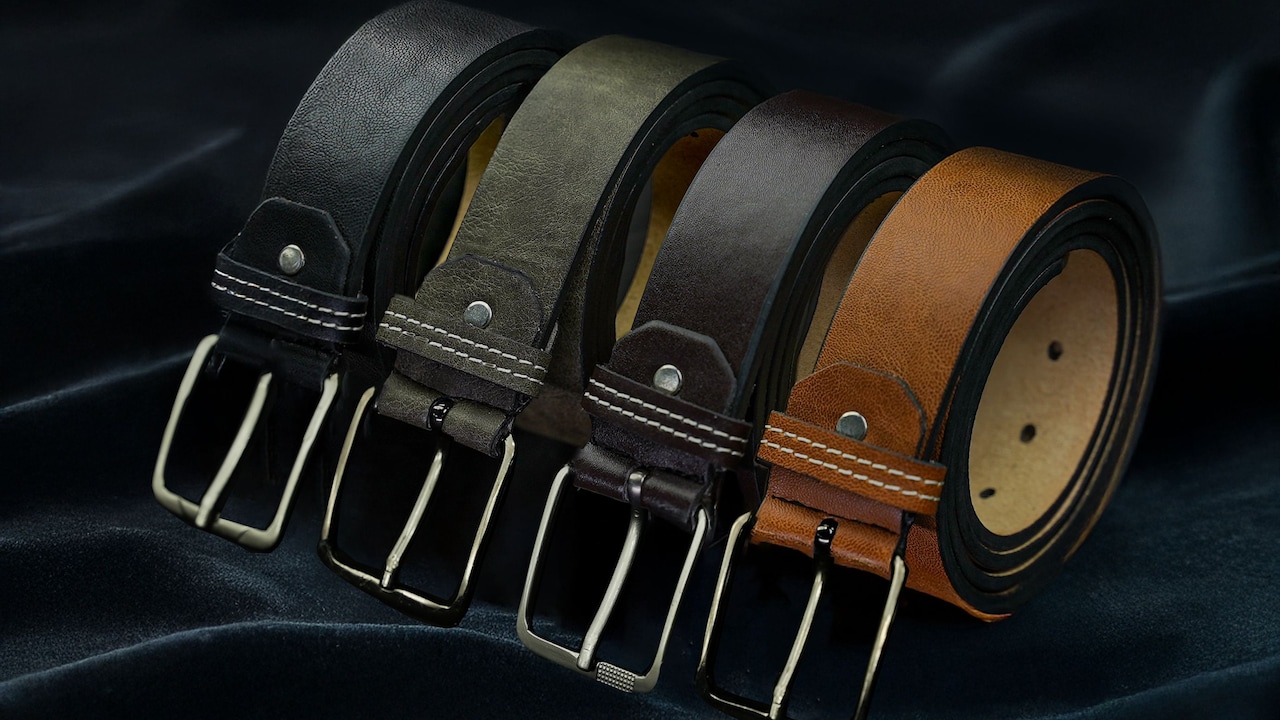
Belts can also influence the result. A thick belt may compress the waistband or add another noticeable horizontal element across the stomach.
This doesn't mean pleated trousers require loose, shapeless tops. In fact, combining them with a balanced upper silhouette often produces the most polished appearance.
A neatly tucked lightweight shirt, fitted knit top or softly structured blouse can complement the pleats without introducing unnecessary fabric.
For office outfits, a well-cut blazer that falls beyond the waistband can help create a continuous visual line.
The aim isn't to conceal the trousers. It's to let their tailoring remain the main attraction without allowing competing layers to exaggerate the volume.
10 Reasons Pleated Trousers Look Bulky When Sitting And How To Fix Them
Products Related To This Article
1. Bee Boe Women High-Rise Easy Wash Pleated Trousers
2. LULU & SKY Women Easy Wash Pleated Trousers
3. Chemistry Women Relaxed Fit Casual Linen Trousers
4. Kotty Women High-Rise Easy Wash Pleated Trousers
5. StyleCast x Revolte Men Flared Easy Wash Pleated Trousers
6. Glitchez Women Pleated High-Rise Korean Pants
7. Bhappy Co. Women Relaxed Fit Pleated Trousers
Pleated trousers can look sharp, comfortable and sophisticated, but their appearance depends on more than how neatly they hang while standing. Fabric stiffness, waistband construction, pleat depth, rise and overall proportions all influence what happens when someone sits down.
The simplest way to avoid unwanted bulk is to test trousers in realistic positions before buying. Walk around, bend, sit and notice how the material behaves. A good pair should offer freedom of movement without creating excessive folds. With the right fit, pleated trousers can remain just as stylish at an office desk as they look in front of a mirror.
(Disclaimer: This article may include references to or features of products and services made available through affiliate marketing campaigns. NDTV Convergence Limited (“NDTV”) strives to maintain editorial independence while participating in such campaigns. NDTV does not assume responsibility for the performance or claims of any featured products or services.)