Scarf Styling Mistakes That Add Visual Bulk: And How To Fix Them
Bulky scarf styling mistakes include tight chest-level knots and short, chunky loops; instead, choose lightweight fabrics, elongated wraps, and vertical drapes that streamline your frame.
Are You Wearing Your Scarf Wrong? Styling Mistakes That Add Visual Bulk.
Scarves hold a special place in everyday wardrobes. They offer warmth on chilly mornings, rescue plain outfits, and often carry sentimental value. Yet, despite their charm, scarves remain one of the most misunderstood fashion accessories. A small styling misstep can make shoulders look broader, necks appear shorter, or outfits feel cluttered. Bulky scarf styling often comes from thick knots near the bust and excess fabric bunching. So, what you can do is choose lighter fabrics, longer lengths, and looser drapes that skim cleanly without overwhelming your frame.

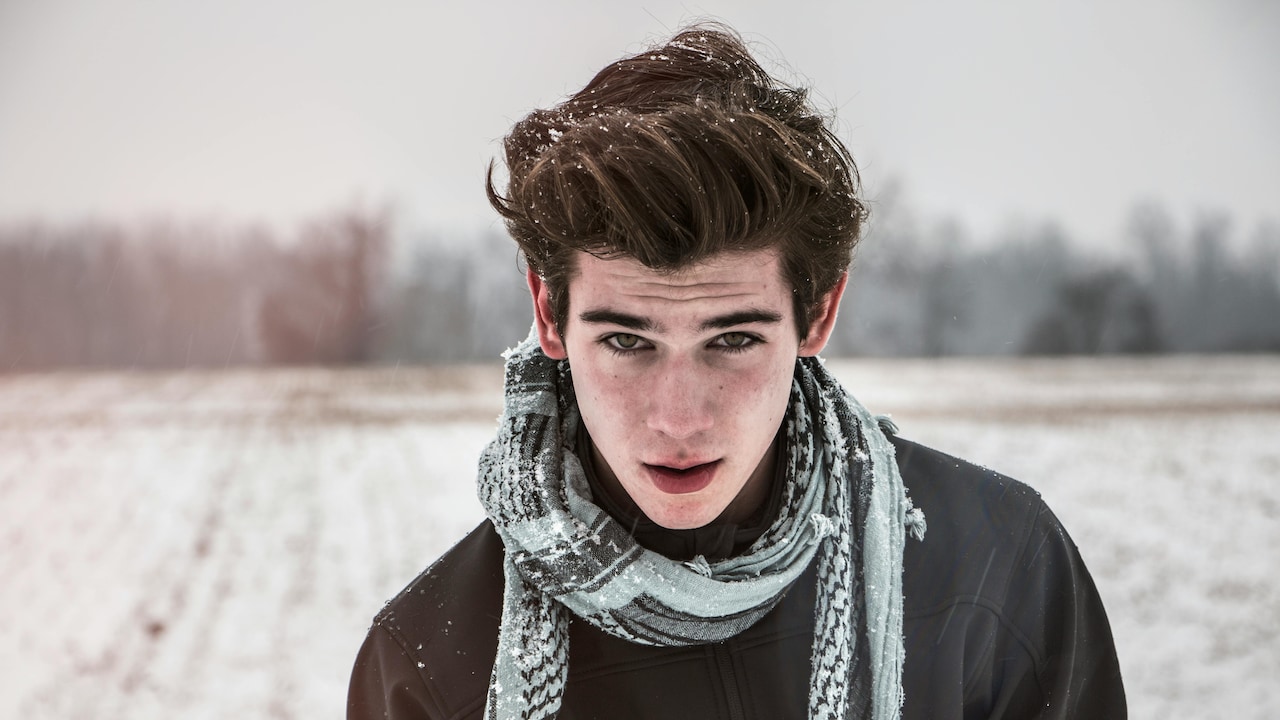
Try these simple scarf styling tips to avoid visual bulk; Photo Credit: Unsplash
The problem rarely lies with the scarf itself. More often, it comes down to proportion, fabric choice, and how the scarf sits on the body. Many people blame their body shape or height when an outfit feels bulky, but the real culprit often hangs quietly around the neck.
This article explores ten common scarf styling mistakes that add visual bulk and explains how to fix them without stress or a complete wardrobe overhaul. These insights suit daily wear, work settings, festive outings, and everything in between. With a few thoughtful adjustments, a scarf can go back to doing what it does best: enhancing personal style rather than overwhelming it.
Also Read: 5 Best Scarves Under ₹500 For Stylish Budget Accessorising
Are You Wearing Your Scarf Wrong? Styling Mistakes That Add Visual Bulk
1. Choosing Overly Thick Fabrics for Mild Weather
One of the most common mistakes involves wearing heavy, chunky scarves when the weather does not demand them. Thick woollen or heavily textured scarves naturally add volume. When worn during mild winters or cool evenings, they sit awkwardly on the neck and shoulders, creating an illusion of extra weight around the upper body.
This issue becomes more noticeable when paired with fitted kurtas, light jackets, or flowy dresses. The contrast feels off-balance. The scarf dominates the outfit instead of complementing it.
The fix lies in matching fabric weight to the season. Opt for lighter materials like cotton, modal, silk blends, or fine wool when temperatures stay moderate. These fabrics drape closer to the body and create clean lines. They also allow layering without overwhelming the outfit.
A lighter scarf still offers warmth and style while keeping the silhouette streamlined. Save the chunky knits for genuinely cold days when structure and bulk feel intentional rather than accidental.
2. Wrapping the Scarf Too Tightly Around the Neck
A snug scarf wrap may feel cosy, but it often creates a compressed, bulky look around the neckline. Tight wrapping shortens the visible neck area and pushes fabric upward, making the upper torso appear heavier.
This style also draws too much attention to the neck and face, especially when the scarf piles up under the chin. It can feel restrictive and visually cluttered, even with a beautiful scarf.
A better approach focuses on looseness and airflow. Let the scarf breathe. A relaxed loop or a gentle drape allows fabric to fall naturally, elongating the neck and softening the overall look.
Leaving a bit of space between the scarf and the neck adds elegance and comfort. It also prevents the scarf from fighting with collars, jewellery, or necklines. A scarf should frame the face, not trap it.
3. Ignoring Proportion with Outfit Length
Scarves do not exist in isolation. They interact with the length and cut of the outfit underneath. A common styling error involves pairing short scarves with long outfits or oversized scarves with cropped tops. This mismatch disrupts visual balance and adds bulk where it does not belong.
For example, a short scarf worn with a long kurta can make the torso look boxy. Similarly, an extra-long scarf paired with a cropped jacket can overwhelm the frame and pull attention away from the outfit.
The solution lies in proportion. Long outfits pair well with scarves that extend vertically, creating length rather than width. Shorter outfits benefit from medium-length scarves that do not overpower the look.
Think of the scarf as a visual extension of the outfit. When lengths align thoughtfully, the entire ensemble feels cohesive and lighter on the eyes.
4. Bulky Knots That Sit Too High
Decorative knots may look stylish in theory, but bulky knots placed high on the neck often add unnecessary volume. They create a focal point right under the chin, which can make the face appear fuller and the neck shorter.
This mistake becomes more pronounced with thick fabrics or patterned scarves. The knot turns into a visual block that disrupts the flow of the outfit.
A simple fix involves moving the knot lower or skipping it altogether. Let the ends hang loose or secure them with a subtle tuck instead of a knot. If a knot feels necessary, choose smaller, flatter styles that sit closer to the chest.
Minimalism works wonders here. A scarf does not need elaborate tying to look elegant. Sometimes, less effort creates more impact.
5. Wearing High-Contrast Colours Near the Face
Scarves in bold, contrasting colours can brighten an outfit, but they can also add visual bulk when placed too close to the face. High-contrast shades draw the eye instantly, making the scarf appear larger than it is.
This effect intensifies when the rest of the outfit stays neutral or monochrome. The scarf becomes the loudest element, visually expanding the upper body.
The fix does not require avoiding colour altogether. Instead, balance works best. Choose scarves with softer contrasts, blended patterns, or colours that echo tones from the outfit. This approach keeps the look harmonious.
When wearing bright scarves, allow them to drape lower rather than hugging the neck. This placement reduces bulk near the face while still showcasing colour and personality.
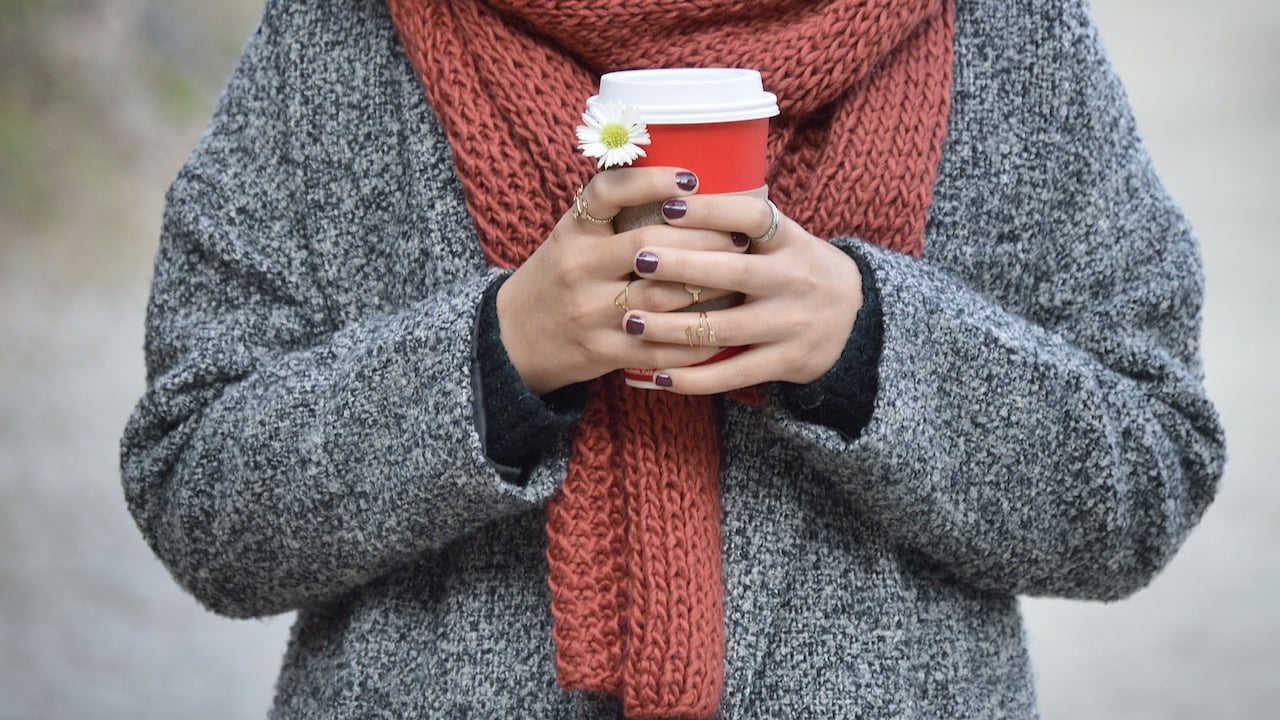
Don't wear a dark scarf too close to your face; Photo Credit: Unsplash
6. Layering Scarves Over Already Detailed Necklines
An outfit with embroidery, ruffles, collars, or heavy detailing around the neckline already carries visual interest. Adding a scarf on top of such details often results in clutter and bulk.
The eye struggles to find a focal point. Everything competes for attention, making the upper half look busy and heavy.
The solution involves editing rather than adding. When the neckline stands out, skip the scarf or choose an extremely lightweight option worn loosely. Alternatively, drape the scarf away from the neckline, letting it fall over the shoulders or down the sides.
Scarves shine best when they complement, not compete. Allow one element to take the lead while the rest support it quietly.
7. Letting the Scarf Sit Stiffly Without Drape
Some scarves, especially new ones, hold their shape too well. When worn without adjusting, they sit stiffly on the shoulders, creating sharp angles and unwanted bulk.
This stiffness prevents the scarf from following the natural lines of the body. Instead, it floats or juts out, making the upper body look wider.
The fix requires a little patience. Soften the scarf before wearing by gently twisting or folding it. Encourage natural drape by letting gravity do its work. A relaxed fall instantly slims the look.
Choosing fabrics known for fluidity also helps. Scarves should move with the body, not resist it. A soft drape flatters every outfit and adds effortless charm.
8. Wearing Scarves That Are Too Short
Short scarves often end right at the chest or shoulders, cutting the vertical line of the body. This break adds visual width and makes the torso appear shorter and broader.
This mistake commonly happens with decorative scarves meant more for style than function. While they look cute on display, they often fail to flatter when worn.
The fix involves opting for scarves that extend past the chest. Longer lengths create vertical lines that elongate the body. Even a simple drape can make a noticeable difference.
If a short scarf already sits in the wardrobe, try wearing it loosely around the shoulders rather than the neck. This placement avoids crowding the upper body and keeps the look balanced.
9. Overloading Patterns and Textures
Patterned scarves add personality, but pairing them with equally busy outfits leads to visual overload. Multiple prints, textures, and colours stacked together increase perceived bulk.
This combination confuses the eye. Instead of seeing a cohesive outfit, the viewer sees layers competing for space.
The fix focuses on contrast control. Pair patterned scarves with simpler outfits. Let one element shine while the rest remain understated. If the outfit already features prints, choose a solid or subtly textured scarf.
This balance reduces visual noise and keeps the overall look light and intentional. Style thrives on harmony, not excess.
10. Forgetting Body Movement and Comfort
A scarf that constantly slips, bunches, or needs adjusting adds mental and visual clutter. Discomfort often leads to over-wrapping or awkward tucking, which creates bulk.
Style should feel natural, not forced. A scarf that restricts movement rarely looks good for long.
The fix starts with comfort. Choose scarves that stay in place without constant fuss. Practice simple drapes that allow free movement. Confidence shows when the wearer feels at ease.
When comfort comes first, style follows effortlessly. A relaxed posture and natural movement make any scarf look better, no matter the fabric or colour.
Products Related To This Article
1. Silk Land Women Printed Scarf With Zari Bborder
2. Anouk Pack Of 2 Printed Cotton Scarf
3. ONLY Floral Printed Scarf
4. K M R Women Scarf
5. Ravaiyaa Women Printed Scarf
6. HANDICRAFT PALACE Women Striped Woven Design Reversible Woollen Scarf
7. Alexvyan Women Checked Woollen Cashmere Winter Scarf
Scarves deserve more credit than they often receive. They hold the power to transform outfits, express personality, and add warmth in more ways than one. Yet, small styling mistakes can quietly undo their magic by adding unnecessary visual bulk. A well-chosen, well-worn scarf feels like a natural extension of personal style. It frames rather than hides, enhances rather than overwhelms. With these practical fixes in mind, scarves can return to their rightful role as effortless style companions that flatter every day and every outfit.
(Disclaimer: This article may include references to or features of products and services made available through affiliate marketing campaigns. NDTV Convergence Limited (“NDTV”) strives to maintain editorial independence while participating in such campaigns. NDTV does not assume responsibility for the performance or claims of any featured products or services.)