Shoe Storage Mistakes That Ruin Soles and Shorten Footwear Lifespan
Shoe storage mistakes that ruin soles: Poor shoe storage can quietly destroy soles. From trapping moisture to overcrowding racks, common mistakes shorten shoe life and waste money. Learn what to avoid to keep footwear durable and comfortable.
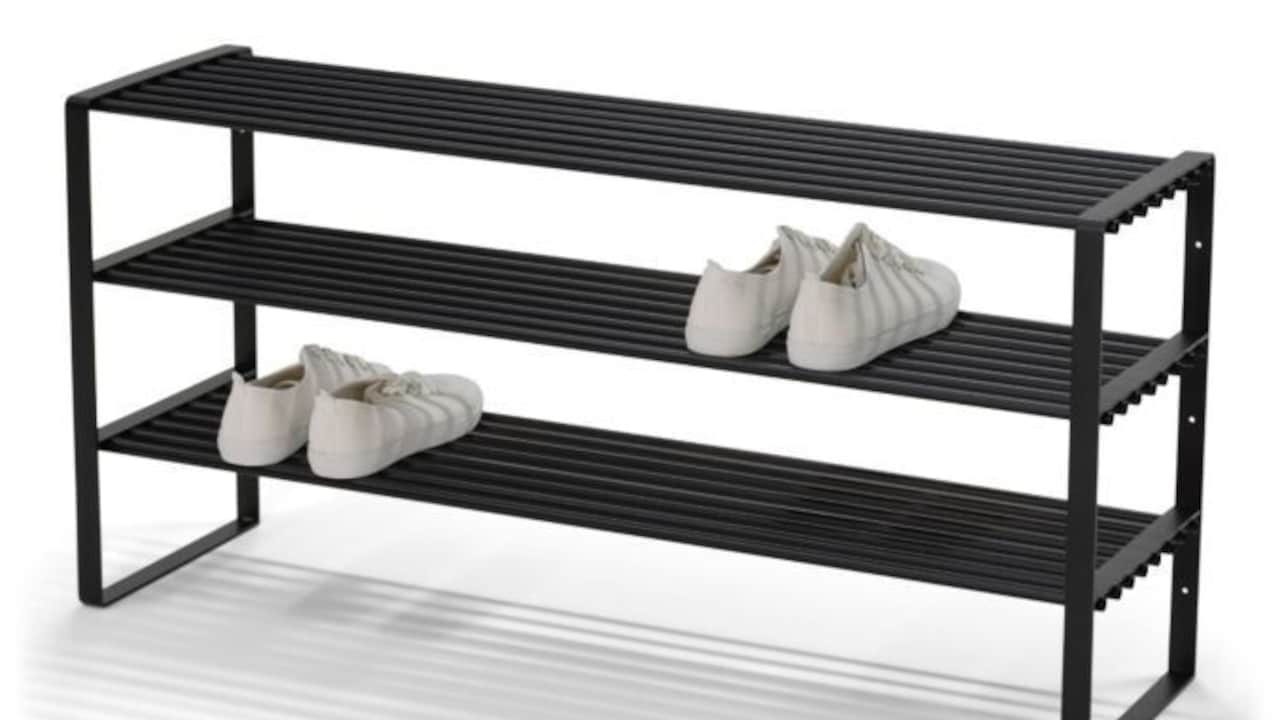
Here Are The Top 10 Shoe Storage Mistakes To Avoid That Ruin Soles Over Time.
Shoes rarely complain when treated poorly. They sit quietly under beds, near doors, or inside cupboards, absorbing heat, dust, moisture, and pressure. Damage often appears months later, typically just before an important event. A favourite pair suddenly slips, cracks, or smells odd. The sole gives up first, even when the upper still looks decent. Storage decisions often focus on saving space, not preserving footwear. Shoes end up stacked, crushed, damp, or forgotten. Over time, soles harden, soften, or crumble.
Good shoes cost real money, sometimes ₹3,000 or more for a decent pair. Replacing them often hurts more than maintaining them. Storage does not need fancy racks or expensive solutions. Below are 10 common shoe storage mistakes that quietly ruin soles over time. Each one sounds harmless at first. Together, they explain why shoes fail long before their time.
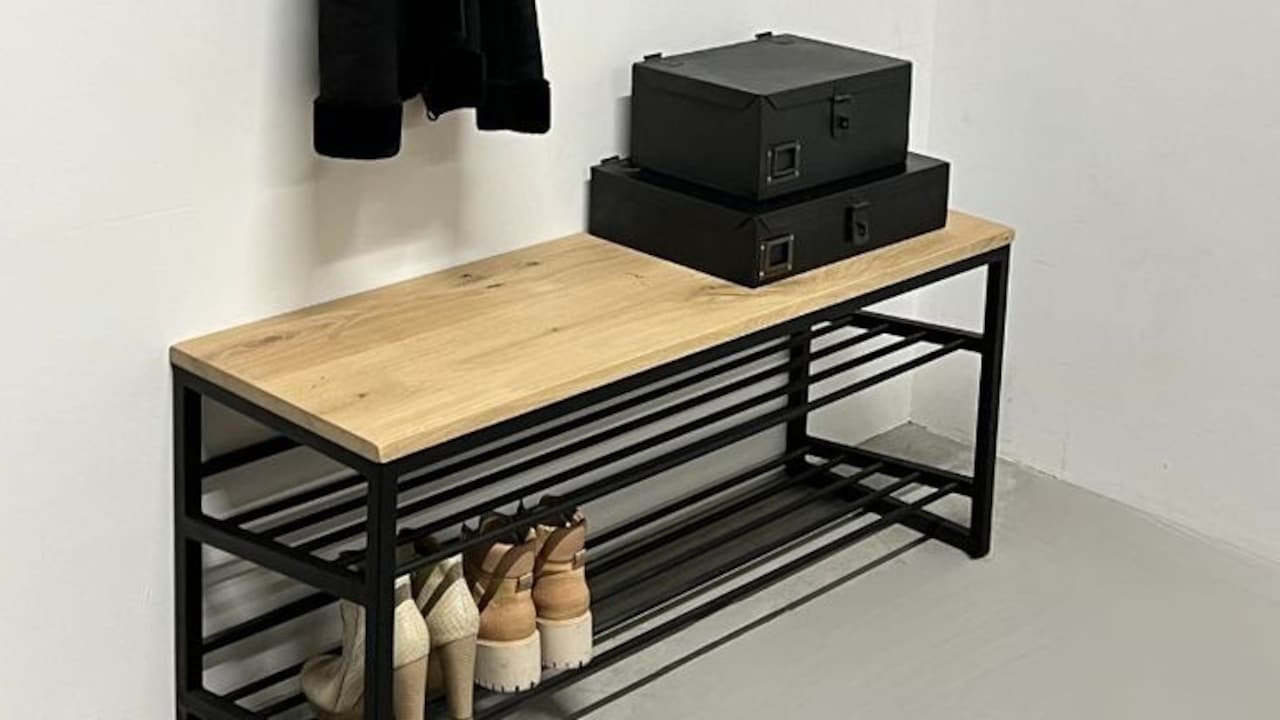
Shoe Storage Mistakes To Avoid That Ruin Soles Over Time; Photo Credit: Pexels
Small Storage Habits That Slowly Destroy Shoe Soles
1. Storing Shoes Without Letting Them Dry First
Shoes carry moisture even on dry days. Sweat collects inside, especially during long commutes or crowded travel. During monsoon months, moisture becomes unavoidable. Placing shoes directly into cupboards or boxes traps this dampness.
Moisture weakens soles faster than almost anything else. Rubber softens, glue loosens, and fungus thrives. Over time, soles begin to peel or crack. That odd smell also comes from trapped moisture breaking down materials.
Many homes push shoes into racks straight after use. Morning rushes rarely allow drying time. This habit slowly destroys the soles from the inside. Even leather or sports shoes suffer.
A simple pause helps. Let the shoes air dry for a few hours. Place them near a window or fan, but avoid placing them under harsh sunlight. Dry shoes breathe easier, and soles stay firm longer.
This small habit saves money and frustration. Shoes feel fresher, smell better, and support feet properly. Rushing storage only speeds up damage that costs far more later.
2. Keeping Shoes on the Floor Without Any Protection
Shoes left directly on the floor face silent threats. Dust, insects, moisture, and cleaning chemicals all attack soles daily. Floors near doors collect grime brought in from outside. Mopping liquids often seep under shoes unnoticed.
Soles absorb these substances slowly. Rubber reacts to harsh cleaners. Synthetic soles lose grip. Even leather soles stiffen when exposed repeatedly. Over time, tiny cracks form, making shoes unsafe on smooth surfaces.
Many homes lack space, so shoes line corridors or sit behind doors. This arrangement feels convenient, but it harms footwear. Soles suffer constant contact with dirt and moisture.
Using even a simple mat or rack lifts shoes away from danger. Raised storage allows air circulation and limits chemical exposure. Clean floors still hold residue that soles should avoid.
Protecting shoes from direct floor contact adds months, sometimes years, to their life. Soles stay intact, and shoes retain comfort longer. Floors may look neat, but shoes deserve better treatment.
Also Read: Declutter Your Entryway: How The Right Shoe Rack Can Add Aesthetic Appeal To Your Home
3. Overcrowding Shoes in Tight Spaces
Stuffing shoes into cramped cupboards feels efficient. Every inch matters in smaller homes. Shoes get stacked, squeezed, and bent to fit. Soles bear the pressure silently.
Constant compression warps soles. Foam loses shape. Rubber bends unnaturally. Over time, soles fail to return to their original form. Walking then feels uneven and uncomfortable.
Crowded storage also prevents airflow. Heat and moisture build up quickly. Soles soften or harden depending on the material. Both outcomes shorten lifespan.
People often notice damage only when their shoes feel odd on their feet. The problem started months earlier inside a packed cupboard.
Leaving some breathing room matters. Avoid stacking heavy shoes on lighter pairs. Rotate usage so the shoes rest between wears. Space allows soles to recover shape and strength.
Shoes last longer when treated like tools, not clutter. Overcrowding saves space today but costs comfort tomorrow.
4. Ignoring Seasonal Rotation
Wearing different shoes across seasons makes sense. Storage often forgets this logic. Winter boots, festive footwear, and formal shoes sit unused for months, sometimes years.
Leaving shoes untouched harms soles. Materials dry out or degrade without movement. Rubber crumbles. Glue weakens. Soles crack the moment they touch the ground again.
Many experience this shock during weddings or festivals. Shoes look fine until worn. Then, soles break apart mid-event, causing embarrassment and discomfort.
Seasonal rotation helps prevent this. Taking shoes out occasionally, cleaning them, and allowing light use keeps materials flexible. Even a short walk indoors helps.
Storage should match seasons. Keep current shoes accessible. Store off-season pairs properly with airflow and protection.
Shoes need attention even when resting. Ignoring them invites surprise failures at the worst moments.
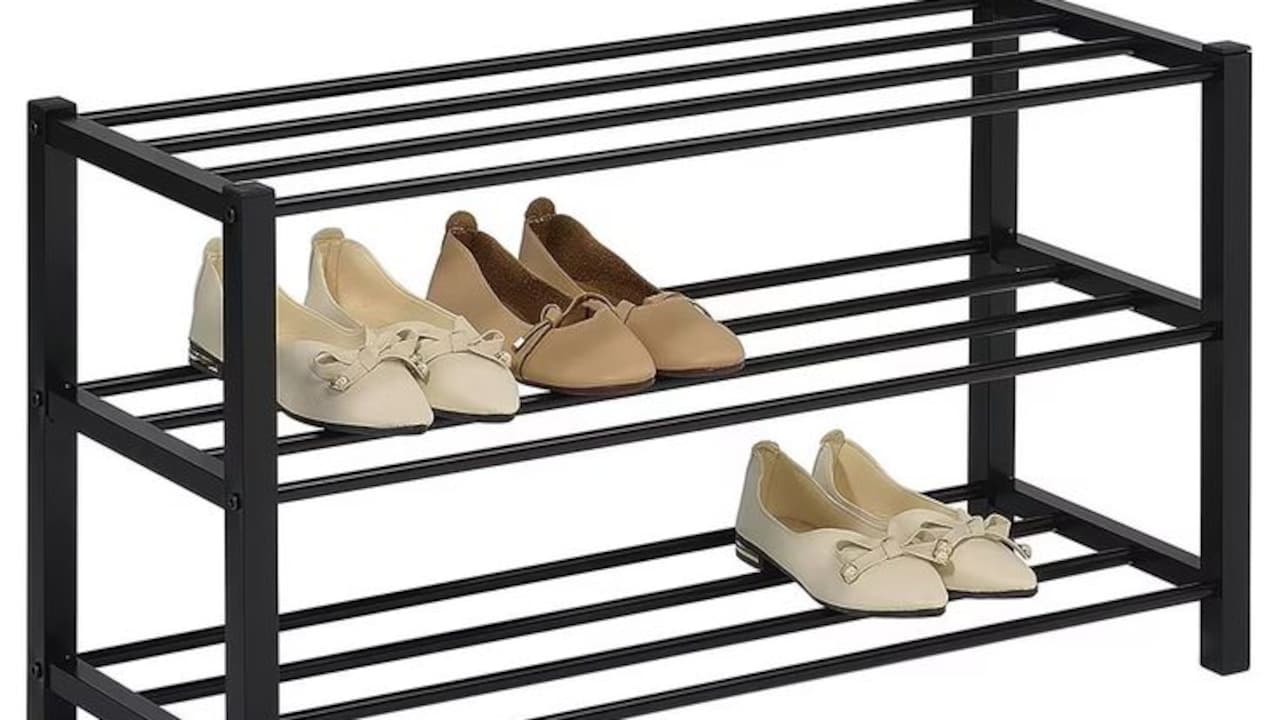
Shoe Storage Mistakes To Avoid That Ruin Soles Over Time; Photo Credit: Pexels
5. Storing Shoes in Plastic Bags or Airtight Boxes
Plastic seems protective. Many believe sealing shoes keeps dust away. In reality, airtight storage suffocates footwear.
Plastic traps moisture, even when shoes seem dry. Temperature changes cause condensation inside bags. Soles suffer first. Rubber sweats, glue weakens, and mould grows silently.
This mistake often affects expensive or special-occasion shoes. People wrap them carefully, thinking of safety. Months later, soles feel sticky or brittle.
Breathable storage works better. Cloth bags or open shelves allow air movement. Boxes with ventilation holes also help.
Shoes need to breathe like skin. Airtight storage creates a hostile environment that ruins soles faster than open air ever could.
Protecting shoes means balancing cleanliness with airflow. Plastic tips the balance the wrong way.
6. Leaving Shoes Near Heat Sources
Heat damages soles quietly. Shoes left near windows, heaters, or kitchen areas absorb warmth daily. Summer temperatures already strain materials. Extra heat accelerates the breakdown.
Rubber soles harden or melt slightly. Foam compresses permanently. Glue loses strength. Shoes may look normal, but fail under pressure.
Many place shoes near doors with sunlight streaming in. Others store them near appliances due to space limits. Over time, soles pay the price.
Keeping shoes in cool, shaded areas preserves materials. Avoid direct sunlight and heat exposure. Even indirect warmth over months causes damage.
Soles prefer stable conditions. Heat fluctuations weaken them gradually. Choosing the right storage spot matters more than fancy racks.
7. Forgetting to Clean Soles Before Storage
Dirty soles carry chemicals, oils, and grime. These substances continue reacting with materials long after shoes come off. Storage without cleaning locks this damage in.
City roads expose shoes to fuel residue, tar, and pollutants. These elements slowly eat into soles. Left unchecked, they cause cracking and loss of grip.
Many clean uppers but ignore soles. Out of sight, feels out of mind. Unfortunately, soles suffer most from neglect.
A quick wipe with a damp cloth removes harmful residue. Let soles dry before storing. This simple habit prevents long-term damage.
Clean soles also reduce odour and insect attraction. Shoes stay fresher and safer to wear.
Cleaning takes minutes. Repairing ruined soles costs far more or proves impossible.
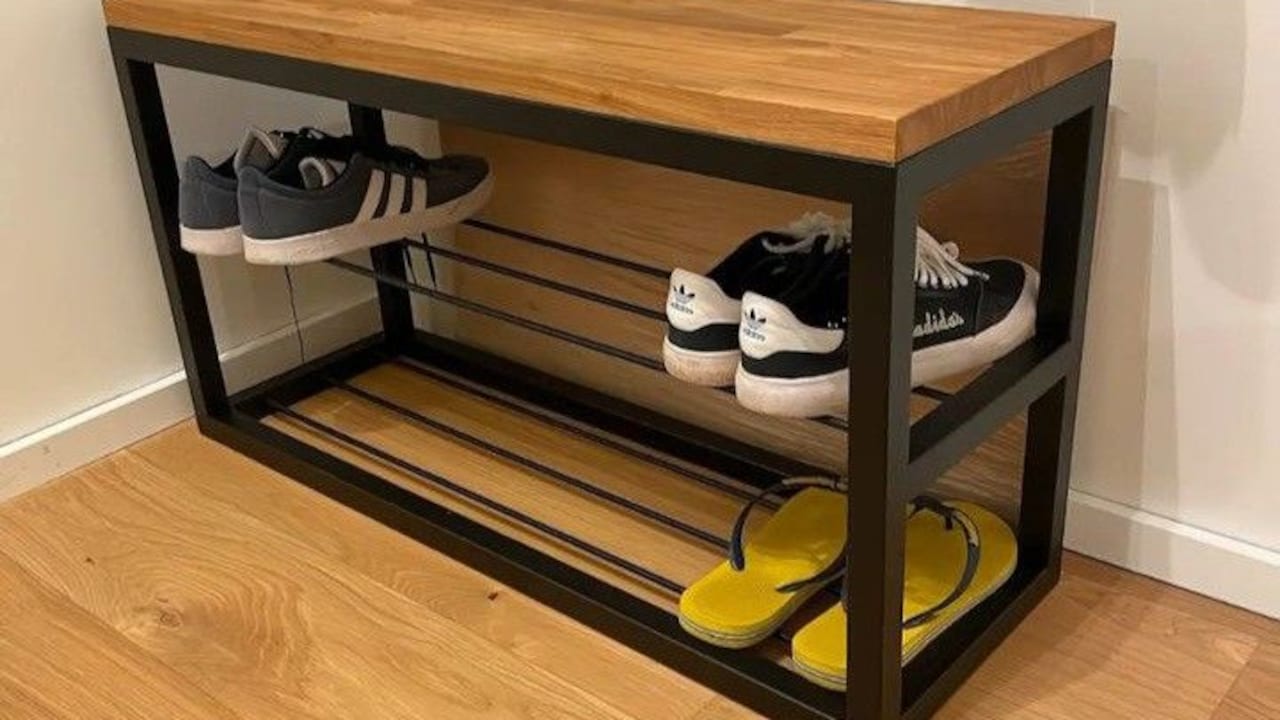
Shoe Storage Mistakes To Avoid That Ruin Soles Over Time; Photo Credit: Pexels
8. Using Newspaper or Improper Stuffing
Stuffing shoes helps retain shape. Many use newspapers due to convenience. Ink, moisture, and acids in paper harm soles and interiors.
A newspaper absorbs moisture initially but releases it slowly. Ink stains linings. Soles remain damp longer, encouraging breakdown.
Some stuff shoes tightly, distorting soles. Excess pressure warps shape and weakens structure.
Using shoe trees or plain tissue paper works better. Light stuffing maintains form without stress. Avoid overfilling.
Proper support keeps soles aligned and reduces creasing. Poor stuffing does the opposite.
Small choices inside shoes affect how soles age outside.
9. Storing Shoes for Long Periods Without Checks
Shoes stored away often get forgotten. Months pass without inspection. Problems grow silently.
Mould, pests, or material breakdown go unnoticed. Soles crack or crumble without warning. By the time shoes reappear, damage feels irreversible.
Regular checks prevent surprises. Inspect stored shoes every few months. Air them out. Clean lightly if needed.
This habit builds awareness. Early signs of damage allow timely fixes or changes in storage.
Shoes deserve occasional attention, even when unused. Ignoring them invites loss.
10. Assuming All Shoes Need the Same Storage
Different shoes need different care. Sports shoes, leather footwear, sandals, and formal pairs respond differently to storage conditions.
Treating all shoes the same causes problems. Rubber soles dislike heat. Leather soles dislike moisture. Foam needs space.
Many use one-size-fits-all storage. This approach harms at least half the collection.
Understanding material needs helps. Group similar shoes together. Adjust storage slightly for each type.
Tailored care extends the sole life significantly. Shoes reward attention with comfort and durability.
Uniform storage feels simple but costs more in the long run.
Products Related To This Article
1. Shoe Storage Box
2. by Trendy Home Shoe Rack
3. Nilkamal Freedom Large 18
4. AYSIS Plastic Shoe Rack for Home
5. FLIPZON Premium 6-Tiers Shoe Rack
6. 5 Shelf Shoe Rack with 5 Doors, Magnets
7. NYALKARAN Plastic Shoe Organizer Stand Space Saver Shoe Storage Rack
Shoe soles rarely fail overnight. Damage builds quietly through everyday storage habits. Moisture, heat, pressure, and neglect work together, undoing even the best-made footwear. Simple adjustments protect soles effectively. Let the shoes dry. Give them space. Avoid plastic traps and heat. Clean them occasionally. Check periodically on stored shoes.
These habits cost little and save plenty. Shoes last longer, feel better, and stay reliable. Good storage respects footwear. Soles support every step. Treating them well keeps journeys comfortable, confident, and free from unpleasant surprises. Head over to Amazon.
(Disclaimer: This article may include references to or features of products and services made available through affiliate marketing campaigns. NDTV Convergence Limited (“NDTV”) strives to maintain editorial independence while participating in such campaigns. NDTV does not assume responsibility for the performance or claims of any featured products or services.)