Should You Buy A Smartwatch Or A Fitness Band If You Just Want Step Tracking?
Stuck choosing between a smartwatch or a fitness band? Discover the essential differences and features and which option is the best value for your fitness objectives.
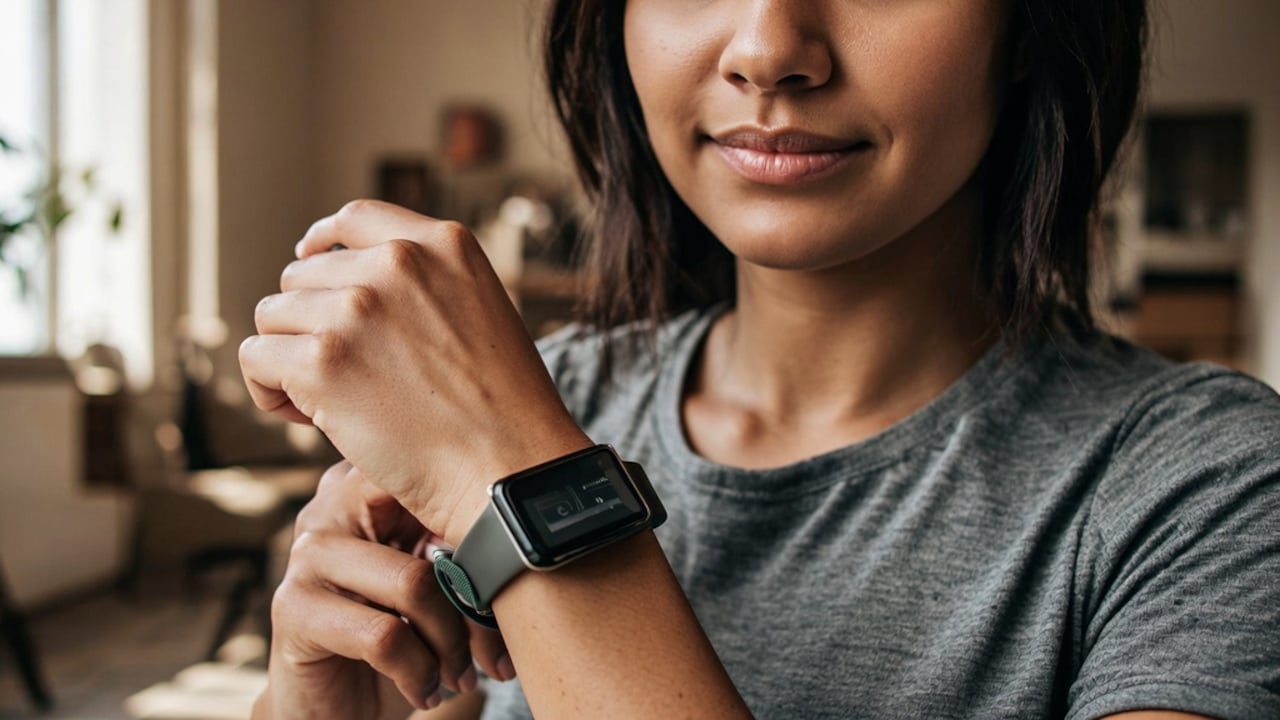
Find the best choice for step tracking with this smartwatch vs fitness band showdown
There's something so fulfilling about seeing your daily step count increase after a morning walk or an evening stroll. Whether you are trying to stay active, lose weight, or simply move more throughout the day, tracking your steps has become one of the easiest ways to build healthier habits. But once you start shopping for a wearable device, you are immediately faced with a common dilemma: should you buy a smartwatch or is a fitness band more than enough for your needs?
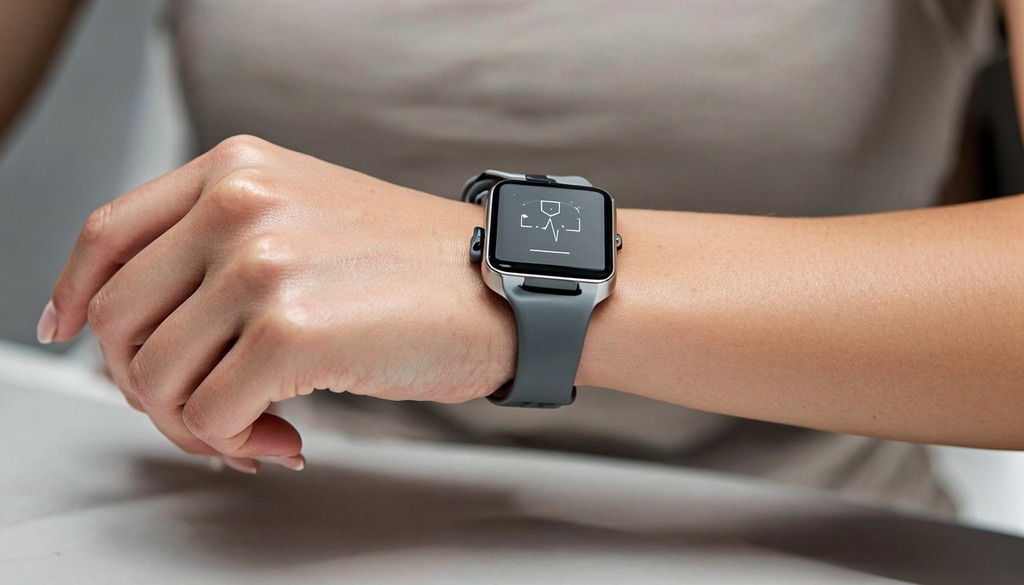
Discover the key differences between smartwatches and fitness trackers to make the right choice.
Photo Credit: iStock
At first glance, both devices appear to do the same job. They count your steps, monitor your heart rate, and even track your sleep. However, there is much more to the story than just fitness tracking. Smartwatches come packed with extra features like Bluetooth calling, app notifications, and larger displays, while fitness bands focus on simplicity, battery life, and essential health metrics. So, if step tracking is your only priority, which one actually gives you better value for money? Here is everything you need to know before making your decision.
Also Read: Top 5 Smartwatches And Wearables To Order Today
Why Does Choosing The Right Wearable Matter?
When you buy a wearable without knowing your real demands, you typically wind up spending more than you need to. Fitness bands and smartwatches are both capable of precisely tracking your daily steps, but they are meant for very different lifestyles.
A smartwatch is supposed to be an extension of your smartphone. As well as tracking your health, you can accept calls, check notifications, manage music and even design your watch face. A fitness band, in contrast, is basic and is focused on activity tracking, heart rate monitoring, sleep analysis, and remarkable battery life.
If your primary goal is simply to monitor your daily movement and stay motivated to reach your fitness target, paying extra for features you may never use might not be the smartest investment.
How To Choose Between A Smartwatch And A Fitness Band?
Step 1: Decide Why You Want A Wearable
Before you start comparing specifications, ask yourself a basic question: what do you expect from the device? If all you want to do is track steps, calories and daily activity, a fitness band is usually more than enough. But if you want calling, notifications, alarms, weather updates and music controls as well, then a wristwatch is the better alternative.
Step 2: Compare Display And Comfort
Smartwatches also have larger displays, typically in the 1.8- to 2-inch range, making them easier to view while exercising and for everyday use. They also look like traditional watches so you may wear them to the office and for casual occasions.
Fitness bands are smaller and lighter, making them more comfortable to wear all day and even in your sleep. If comfort is your goal, then a fitness band usually wins.
Step 3: Think About Battery Life
Battery life is one of the most significant differences between these two devices. Since fitness bands have smaller displays and fewer power-hungry features, many can easily last several weeks on a single charge. Smartwatches, especially those with Bluetooth calling and brighter displays, usually require charging every few days depending on usage. If you dislike frequent charging, a fitness band offers a much more convenient experience.
Step 4: Consider Extra Features
Modern smartwatches incorporate Bluetooth calling, voice assistants, sports modes, stress monitoring, blood oxygen tracking and configurable watch faces. These additions make them perfect for consumers who desire productivity and exercise in one device. Fitness bands tend to eschew high-tech smart features, focusing instead on precise activity tracking, minimal weight and long battery life. If you only need a step counter, many of the smartwatch's costly features may be unnecessary.
Step 5: Compare The Price And Overall Value
Fitness bands tend to be more economical but still provide reliable step counting, sleep tracking, heart rate monitoring, and SpO₂ monitoring. Smartwatches are more expensive due to their larger displays and extra smart features. If you're on a tight budget, fitness bands are a more economical option. If your budget and your exercise goals are simple, you'll usually find a fitness band to be greater value for every rupee spent.
Common Mistakes People Make While Buying A Wearable
Choosing the wrong wearable often happens because buyers focus on attractive advertisements instead of practical needs. Here are some common mistakes to avoid.
1. Buying Features You Will Never Use
Many people purchase a smartwatch for Bluetooth calling or app notifications, only to disable those features within a few weeks. If step tracking is your only concern, paying extra may not make sense.
2. Ignoring Battery Life
Large screens and advanced functions use up the battery faster. If you want to wear your gadget all the time and don't want to bother with charging every few days, battery life should be one of your key considerations.
3. Prioritising Looks Over Comfort
A large smartwatch might be fashionable, but it may be unpleasant to wear during exercises and when sleeping. A lightweight fitness band is often easier to wear throughout the day.
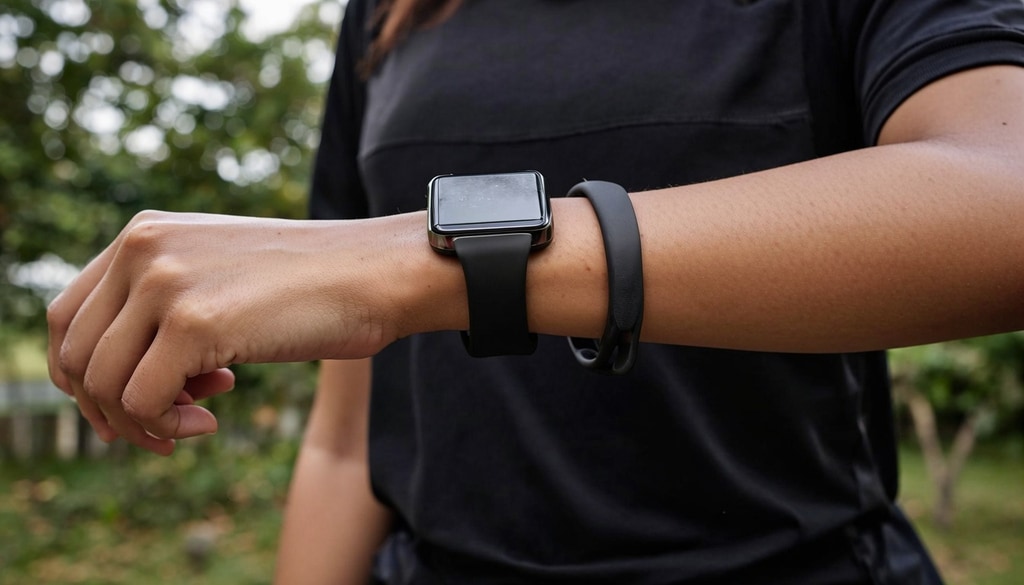
Compare features and value to find the perfect wearable for your personal fitness objectives.
Photo Credit: IStock
Some Smartwatch And Fitness Band Products You May Like
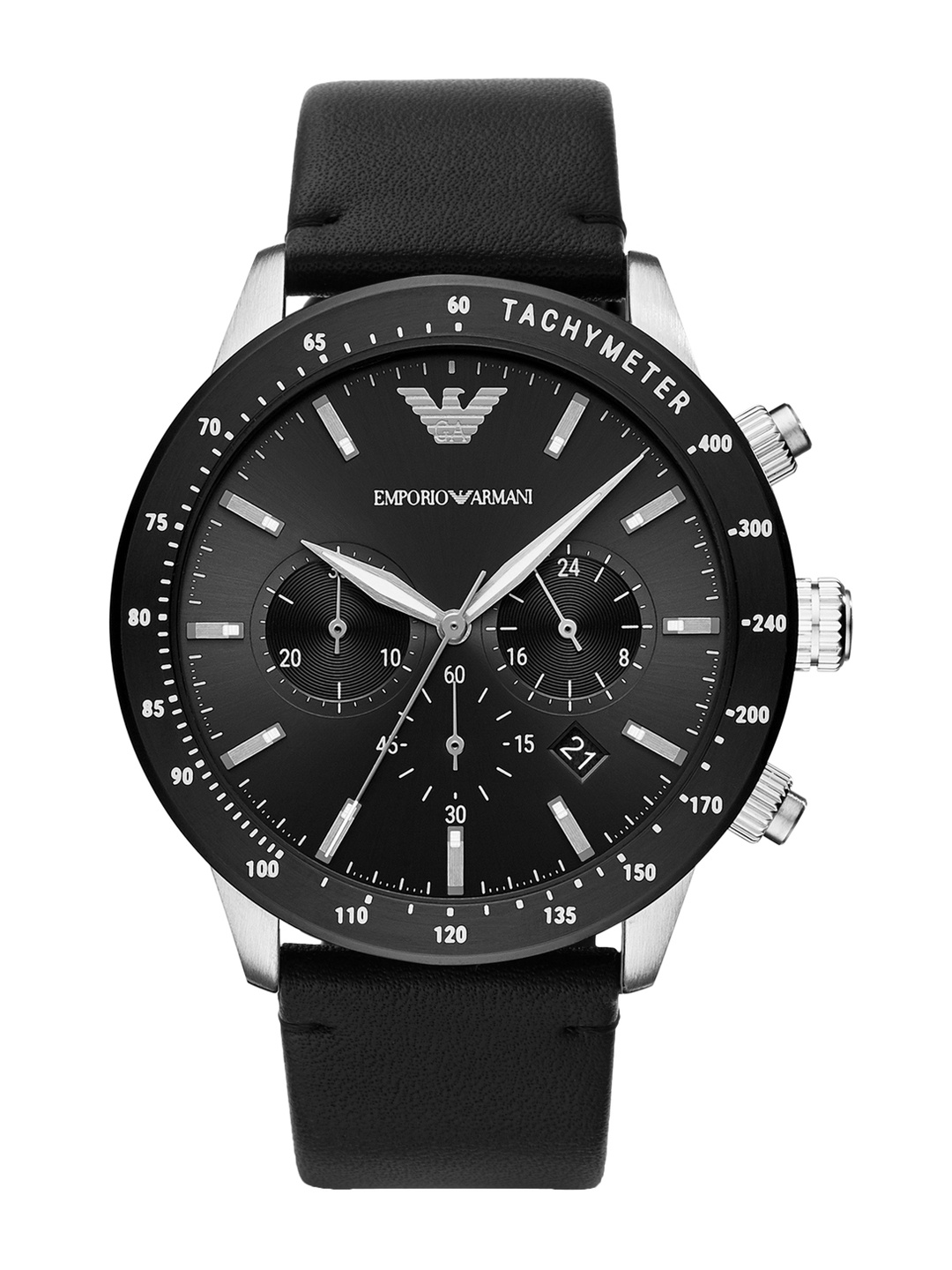
1. Fire-Boltt Ninja X Ring Smartwatch with Bluetooth Calling and 1.96-inch Display
2. Noise Pulse 2 Max Smartwatch with Bluetooth Calling and 10-Day Battery
3. Fastrack Limitless Glide X Smartwatch with Ultra HD Display
4. Nervfit Pulse Smartwatch with Heart Rate, SpO₂ and Sleep Monitoring
5. Alti FIT+ Smart Health And Fitness Band with 45-Day Battery
6. FYFIT Fitness Band Pro with Heart Rate, SpO₂ and Sleep Tracking
7. JIFAR Smart Bracelet Activity Fitness Tracker with Dual Bands
8. pTron Reflect ACE Smart Fitness Band with 45-Day Battery and 112 Sports Modes
Frequently Asked Questions (FAQs)
1. Is a smartwatch better than a fitness band for counting steps?
Both devices are capable of tracking steps accurately. If step counting is your only requirement, a fitness band usually offers similar performance at a lower price.
2. Which device has better battery life?
Fitness bands generally last much longer between charges because they have smaller displays and fewer smart features.
3. Are smartwatches more accurate than fitness bands?
Most modern smartwatches and fitness bands use similar motion sensors for step counting, so the accuracy difference is usually minimal.
4. Can a fitness band monitor heart rate and sleep?
Yes. Most modern fitness bands include heart rate monitoring, sleep tracking, SpO₂ measurement, stress monitoring, and multiple sports modes alongside step counting.
5. Should I buy a smartwatch if I only walk every day?
If walking and tracking your daily steps are your only priorities, a fitness band is generally the better value. Choose a smartwatch only if you also want features like Bluetooth calling, notifications, and larger displays.
(Disclaimer: This article may include references to or features of products and services made available through affiliate marketing campaigns. NDTV Convergence Limited (“NDTV”) strives to maintain editorial independence while participating in such campaigns. NDTV does not assume responsibility for the performance or claims of any featured products or services.)