Should You Buy Festive Fashion Now Or Wait For The Big Sale?
Should you buy festive fashion now or wait for the big sale to buy clothes? Here’s how to decide, when to shop early, and when waiting can help you save more.
When is the right time to do festive shopping
The festive season has a way of making your wardrobe suddenly look a little less exciting. One minute you are checking your old kurtas, and the next you are browsing embroidered sets, shararas, and festive kurtas online at 40% or 60% off. But then comes the familiar doubt. Should you actually buy that outfit on Myntra now, or wait for the big festive sale and hope the price drops further?
When It Makes Sense To Wait For The Big Sale
Photo Credit: iStock
It sounds like an easy choice, but fashion sales don't always work that neatly. If you're online shopping, there is another thing to consider too. Festive events come one after another, and waiting too long can mean losing your preferred size, colour or style. So, before you leave that outfit sitting in your wishlist, here's how to decide.
Also Read: Festive Kurtas For Men: 10 Top Colours That Work For Diwali and Weddings
Why Waiting For The Biggest Sale Isn't Always Better
A bigger sale is usually associated with more savings; however, buying in the biggest sale doesn't necessarily mean a more beneficial purchase. By the time a major sale arrives, some of the most popular festive styles are likely to have limited sizes.
1. Check How Close Your Festive Event Is
Waiting for the sale when you need an outfit in a day or two is not always the most convenient decision.
You need to account for the delivery time, the time to try out the outfit, and any necessary alterations. The ₹300 in savings won't do you any good if you have to wear the outfit right away.
2. Look At The Current Discount, Not Just The Sale Name
The name "sale" can make you feel excitement about purchasing the outfit for the specified price. Instead of this, compare the current selling price with the original one and consider how much the discount has already been applied to the outfit.
3. Don't Assume The Final Sale Will Have Everything
This guideline is especially important with ethnic wear. Festive clothing depends heavily on colours, embroidery, silhouettes and sizes, so popular combinations can disappear faster than everyday clothing.
If you've found something that fits your style perfectly and your size is available, buying now can sometimes be the safer choice.
When It Makes Sense To Wait For The Big Sale
Waiting isn't a bad strategy either. In fact, it works well if you're flexible about what you buy and mainly want the lowest price.
The trick is knowing whether you're shopping for a specific outfit or simply building your festive wardrobe.
1. Wait If You Are Flexible About Colour And Style
Suppose you just want "a nice festive kurta" and don't have a particular design in mind. In that case, waiting gives you more room to compare prices and discounts.
You may find a similar embroidered set for much less during the bigger sale. The downside is that you may need to compromise on colour, size or brand.
2. Wait If You Are Shopping For Basics
You can easily replace simple kurtas, plain ethnic trousers, and versatile kurta sets with other similar outfits.
So, if you are buying something with a simple design, you can take your time. A simple festive kurta for ₹1,000 is likely to have a similar alternative.
3. Keep A Wishlist Instead Of Buying Everything
This is probably the easiest way to avoid impulse shopping. Add the pieces you like to your wishlist, note their current prices and check them again when the larger sale starts.
It gives you a reference point too. You can tell whether the "new" sale price is genuinely attractive or just looks exciting because of a large discount percentage.
When You Should Buy Festive Fashion Right Now
There are a few situations where waiting for the sale may actually cost you more, even if the sticker price eventually becomes lower.
The biggest factor is not the discount. It's how difficult the item will be to replace.
1. Buy Now If Your Size Is Already Running Low
Festive clothes are rather quick sellers once people begin to prepare for the celebrations. Thus, if only one or two sizes are left on an outfit that you really like, waiting becomes a gamble.
It is especially true if you need the plus sizes or certain styles, since the options to replace them become even more limited.
2. Buy Now For Statement Pieces
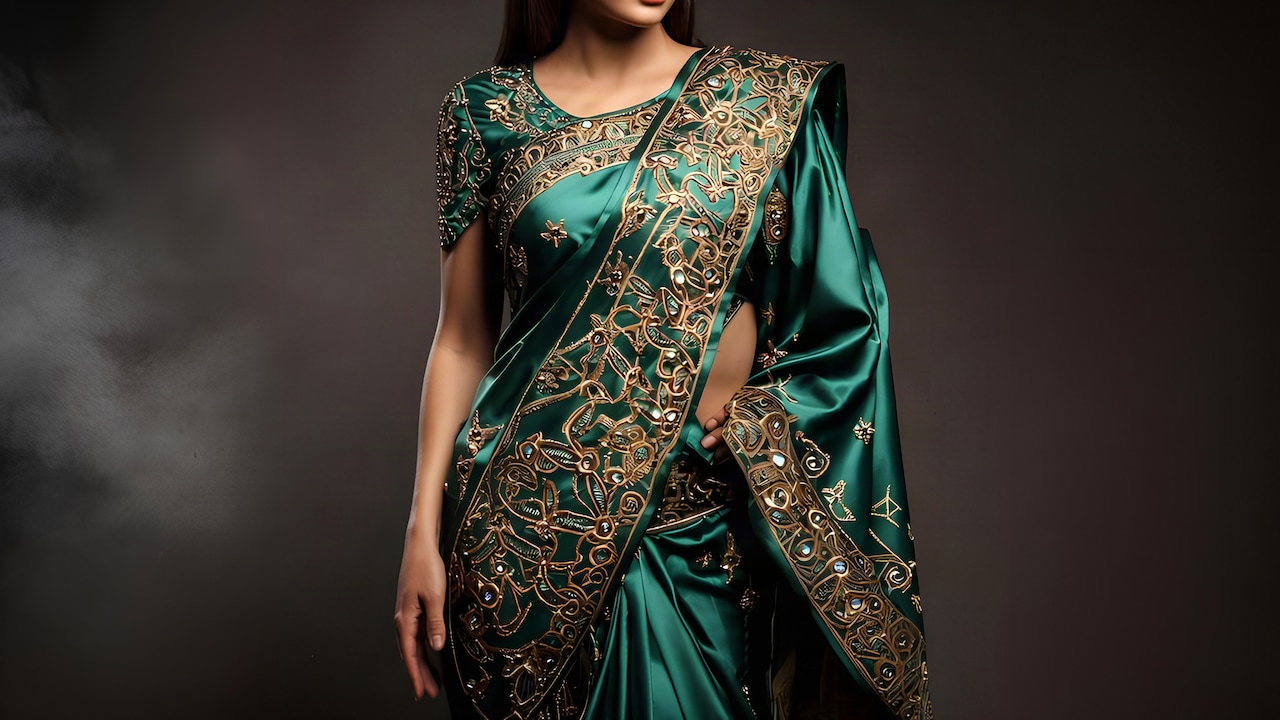
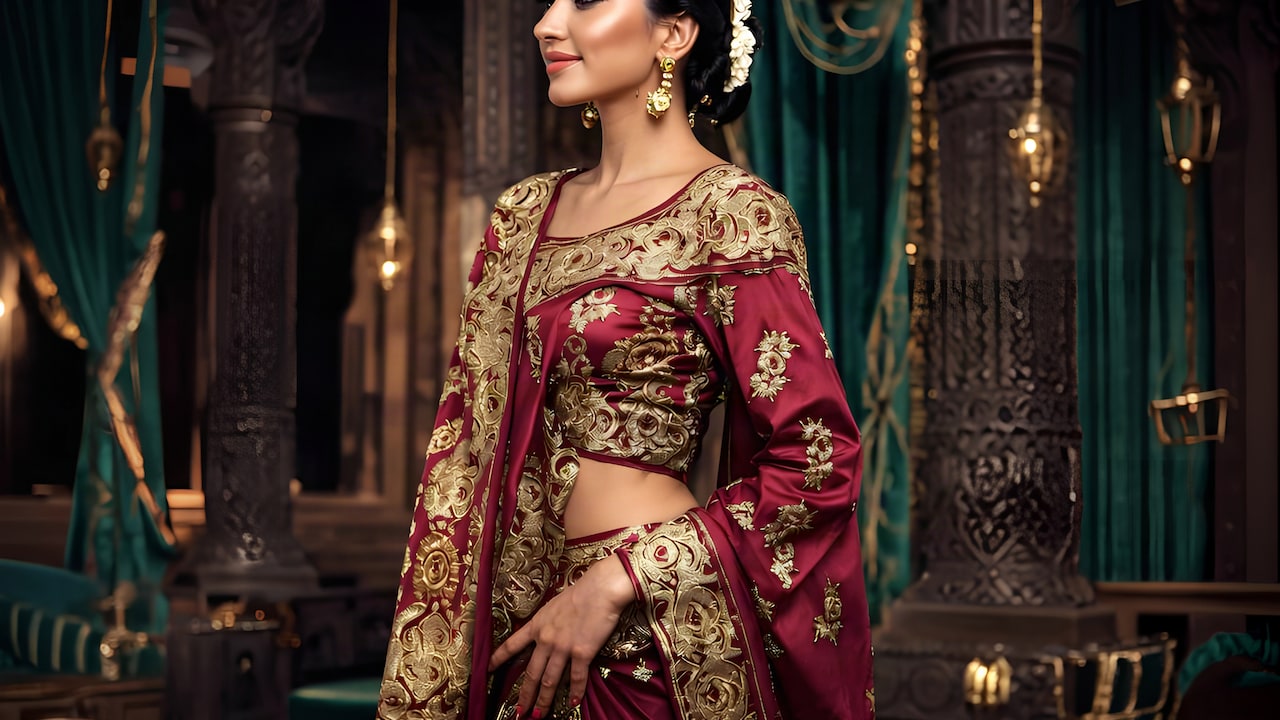
A heavily embroidered sharara set, sequinned kurta or distinctive festive outfit is harder to replace with something similar.
For these pieces, the exact colour and detailing usually matter. If you've been searching for something particular and finally found it, a slightly higher price today may be worth paying.
3. Buy Now If You Need Time For Alterations
Festive clothes often need small changes. Sleeves might need shortening, trousers could need adjusting, or a kurta may need a little fitting around the waist.
Buying early gives you more time. That matters more than saving another few hundred rupees when the event date is getting close.
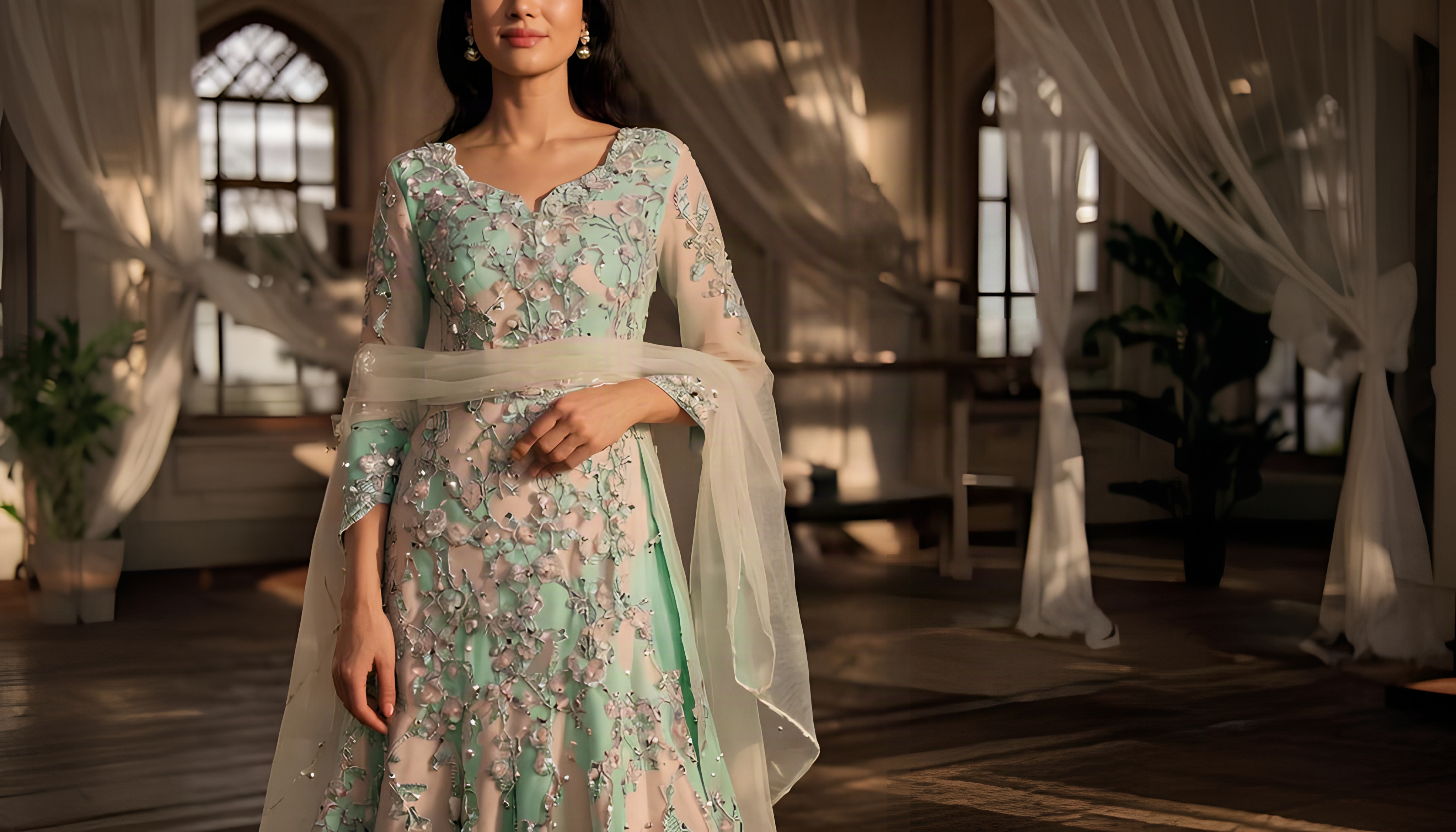
Festive Fashion Picks Worth Checking Now
Photo Credit: iStock
Festive Fashion Picks Worth Checking Now
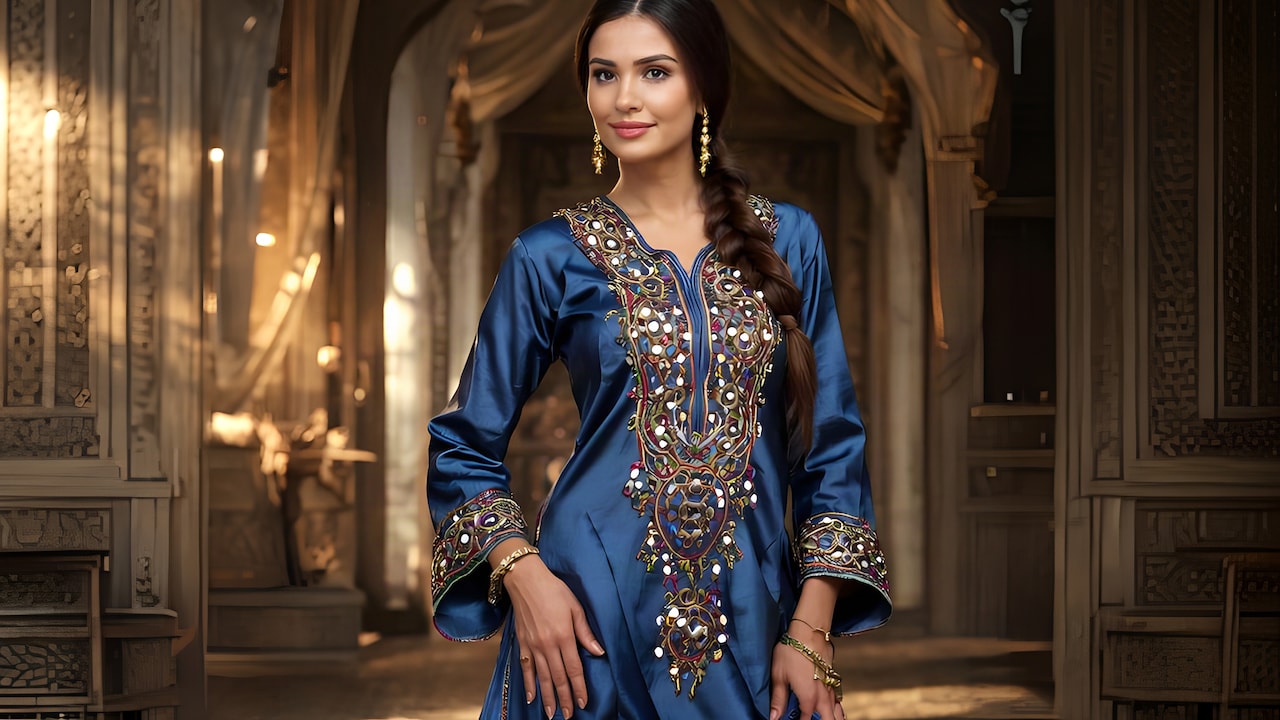
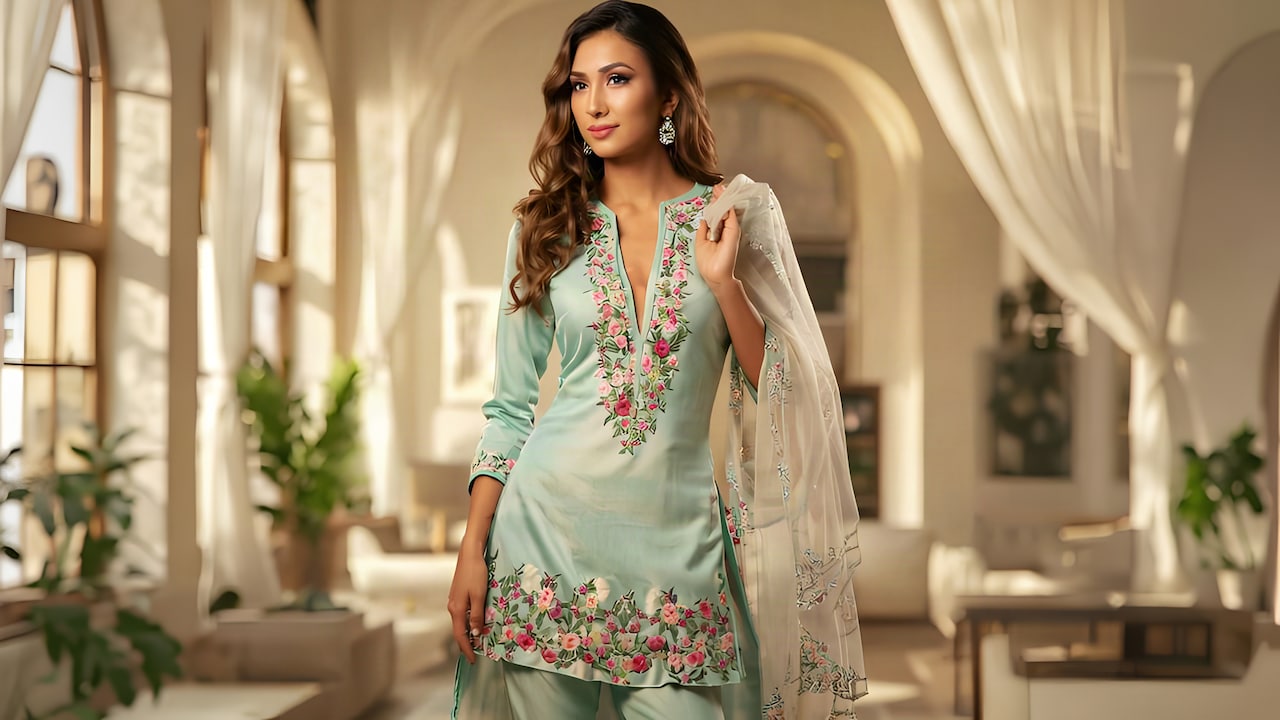
1. Indo Era Floral Embroidered Kurta With Trousers & Dupatta
2. House of Pataudi Floral Embroidered Sequinned Georgette Kurta With Sharara & Dupatta
3. Anouk Women's Ethnic Motifs Embroidered Kurta With Trousers & Dupatta
4. Sangria Embroidered Round Neck Kurta & Trousers With Dupatta
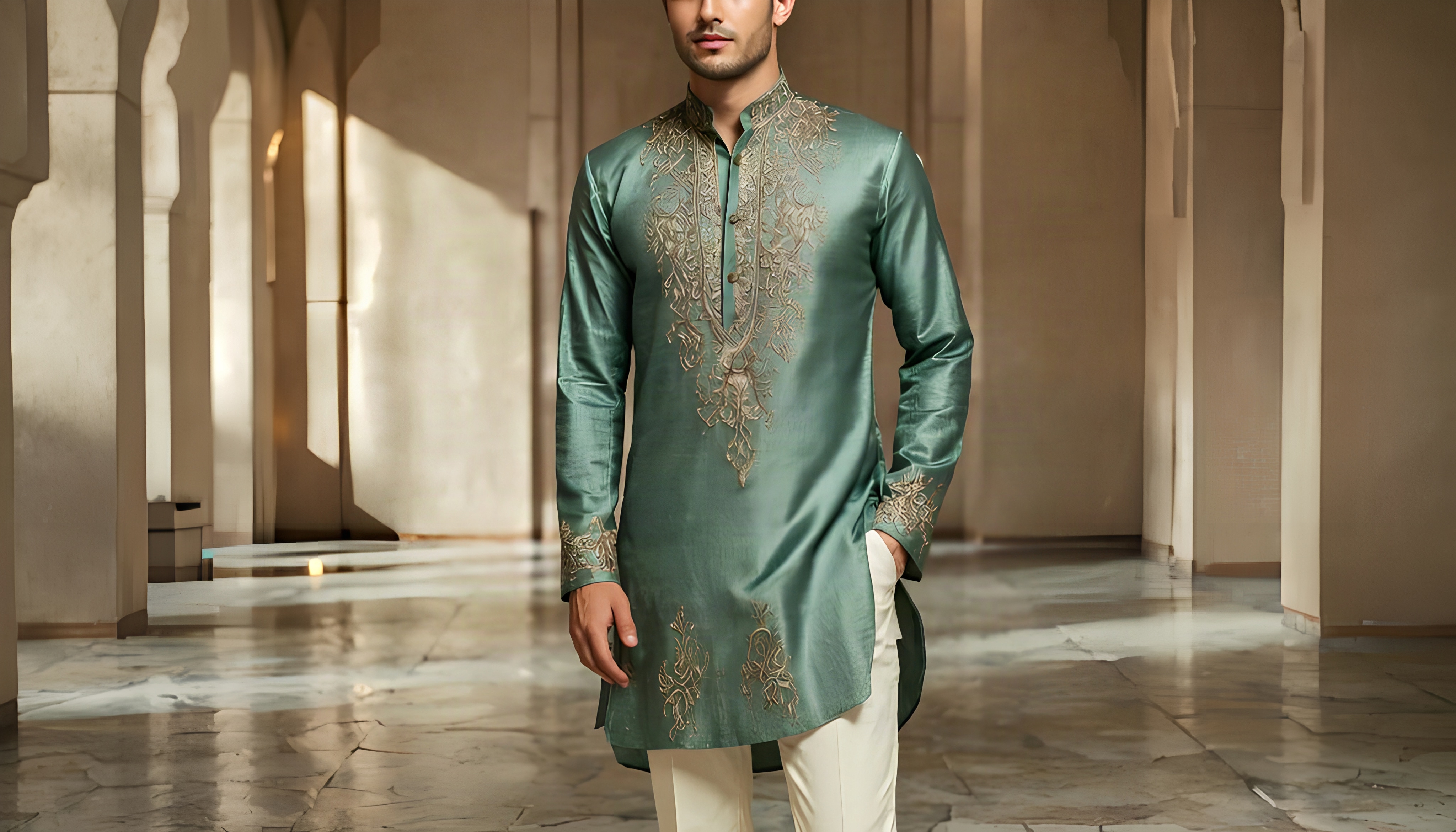
5. See Designs Men White Solid Chikankari Embroidered Mandarin Collar Cotton Kurta
6. RANGRAAG Men's Ethnic Motifs Embroidered Regular Thread Work Kurta with Trousers
7. SOJANYA Men Navy Blue Ethnic Motif Printed Kurta with Churidar
8. Jompers Men Floral Embroidered Kurta with Pyjama & Dupatta
Frequently Asked Questions (FAQs)
1. Is it better to buy festive clothes before a big sale?
If you need a particular size, colour or design, buying early can be safer. Waiting makes more sense when you are flexible and mainly want the lowest price.
2. Do festive clothes get cheaper during big sales?
They may get cheaper; however, there is no guarantee that all of them will. The product may sell out before the sale or be offered without a discount.
3. How early should I buy festive clothes in India?
Two to four weeks prior to the event is a good time frame for most purchases.
4. Should I wait if a festive outfit is already 50% off?
There is no need for that. If the outfit has your preferable size and design and you need it right away, 50% off is already a good deal.
5. What should I buy during the big festive sale?
The sale is better suited to flexible purchases such as extra kurtas, basic ethnic sets and accessories. For a specific statement outfit, buying earlier can give you more choice.
(Disclaimer: This article may include references to or features of products and services made available through affiliate marketing campaigns. NDTV Convergence Limited (“NDTV”) strives to maintain editorial independence while participating in such campaigns. NDTV does not assume responsibility for the performance or claims of any featured products or services.)