10 Reasons Shoulder Seams Sit Differently On Tops With The Same Size Label
Two tops can carry the same size label yet sit completely differently at the shoulders. From garment cuts and fabric stretch to sleeve construction and brand measurements, several hidden design choices can change where the shoulder seam lands.
Why Two Tops In The Same Size Can Have Different Shoulder Fits
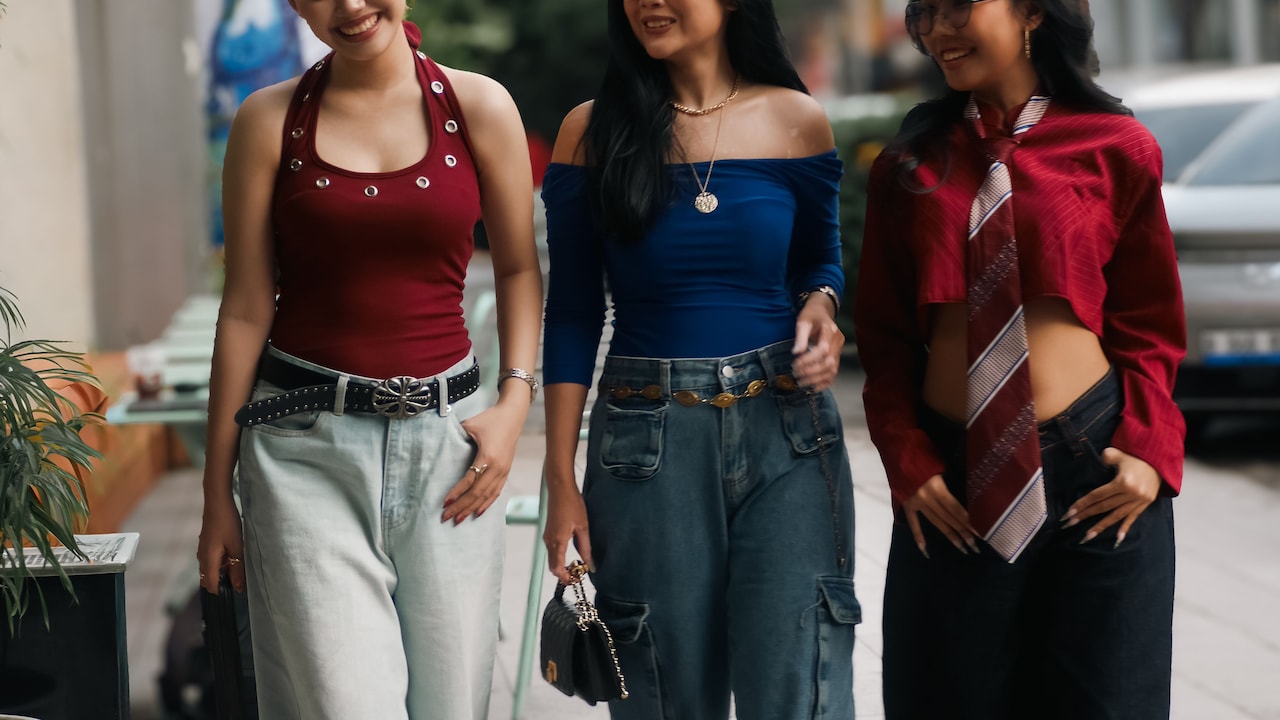
Buying two tops in the same size should, theoretically, remove the guesswork. Pick your usual size, try it on and expect roughly the same fit. Then reality walks into the fitting room. One formal T-shirt has a shoulder seam sitting neatly at the edge of your shoulder, while another in the same labelled size droops halfway towards your upper arm. A third somehow feels tight enough to make reaching for a shelf surprisingly dramatic. The problem isn't necessarily your shoulders, and it doesn't automatically mean one garment has been stitched incorrectly. A size label gives only a broad indication of garment dimensions. It says very little about pattern shape, shoulder width, sleeve construction, fabric behaviour or the fit the designer intended. That small seam across the top of a garment can reveal more about fit than the size printed inside the neckline. Once you know what affects its position, comparing tops becomes much easier.

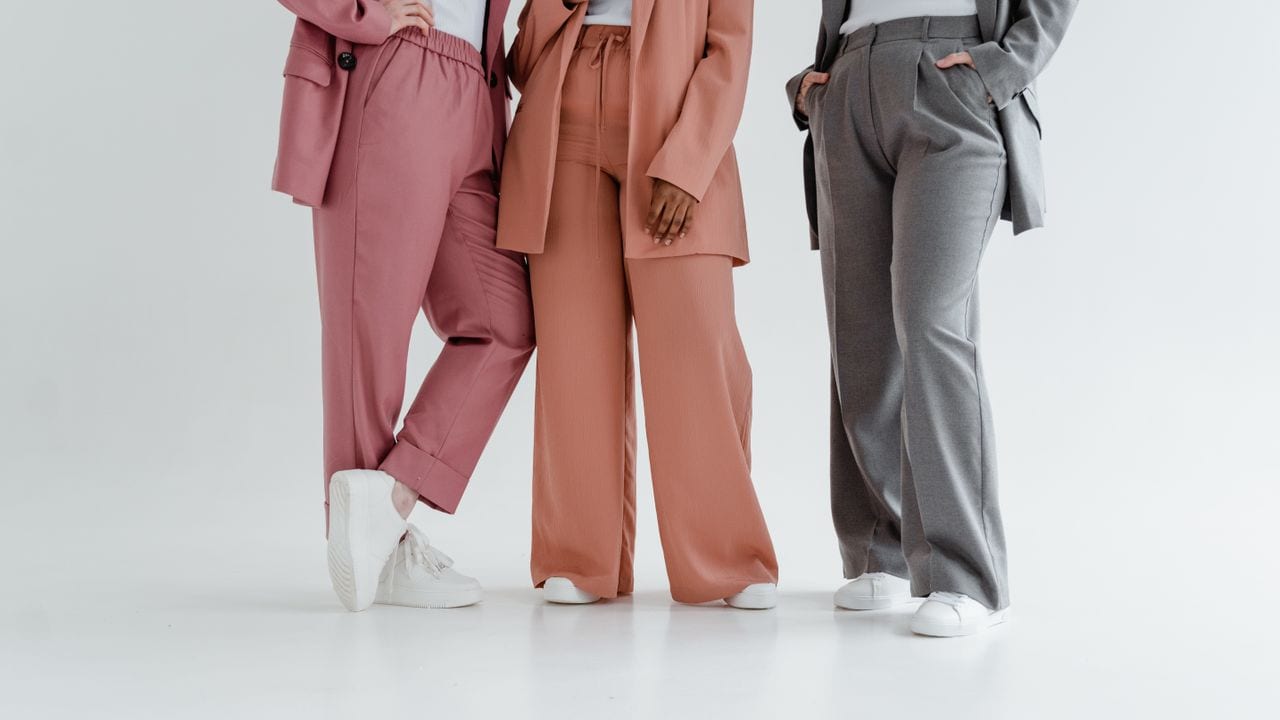
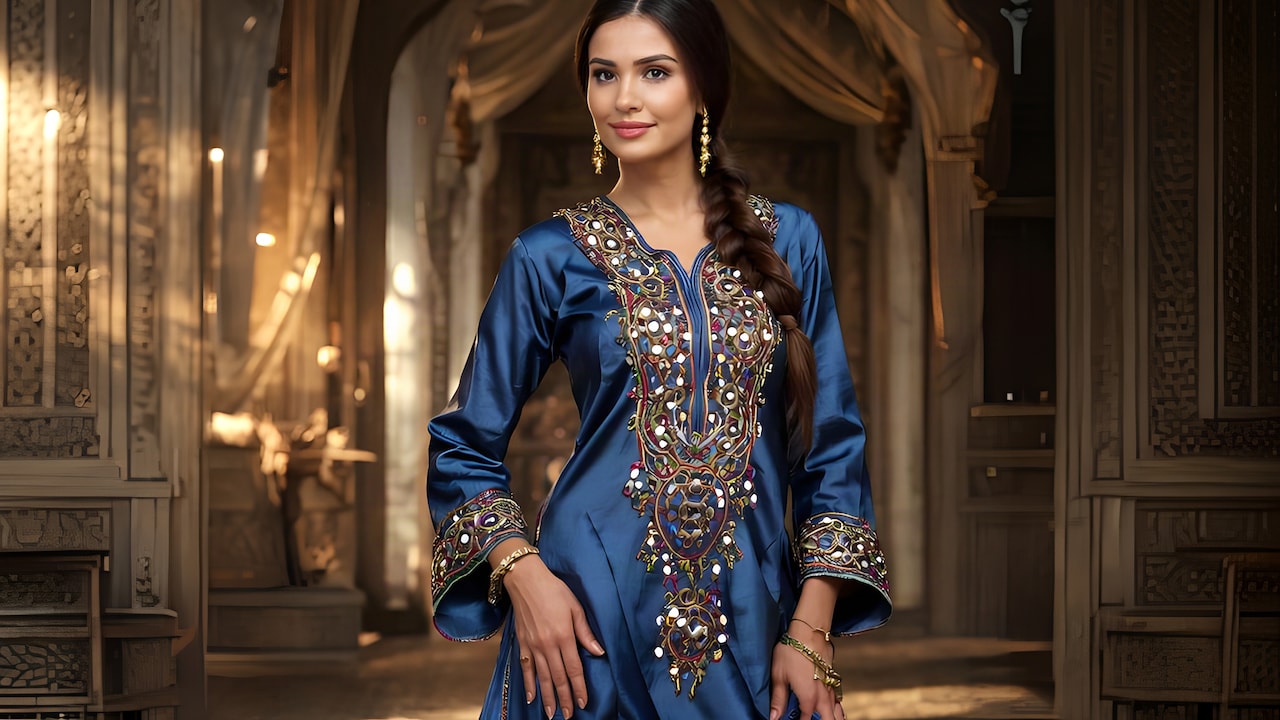
Why Two Tops In The Same Size Can Have Different Shoulder Fits; Photo Credit: Pexels
Why The Same Size Doesn't Always Mean The Same Shoulder Fit
1. Brands Use Different Shoulder Measurements For The Same Size
There is no universal shoulder measurement hiding behind every S, M, L or XL label. Each brand develops its own size chart and garment patterns, which means two medium-sized tops can have noticeably different shoulder widths.
One brand might cut a medium with a narrow, fitted shoulder line. Another may add several centimetres because its clothes lean towards a relaxed silhouette. Both can legitimately call the garment a medium.
This becomes particularly noticeable when switching between brands. A regular-fit cotton T-shirt from one label might place the seam directly above the shoulder joint. Another brand's version could extend beyond it even though the chest measurements feel almost identical.
Shoulder width also doesn't always increase at the same rate as bust or chest measurements between sizes. Designers may grade one area more generously than another.
So, checking whether a top fits shouldn't start and end with the letter on the tag. Look at where the seam actually lands. For a conventional fitted top, it should usually sit around the point where your shoulder begins to curve down towards the arm.
Also Read: Discover 5 Stylish Full Sleeves Ribbed Tops For The Season's First Chill
2. The Top May Be Designed With A Dropped Shoulder
Sometimes that suspiciously low seam is doing exactly what the designer intended.
Dropped-shoulder tops deliberately position the shoulder seam beyond the natural shoulder point. The seam might sit only slightly lower than usual or extend well onto the upper arm. This construction creates the relaxed, slightly oversized shape common in casual T-shirts, sweatshirts and loose shirts.
That explains why comparing a dropped-shoulder medium with a regular-fit medium can feel like comparing two different sizes. The body circumference may be similar, but the shoulder construction changes the whole silhouette.
The confusion grows when product descriptions focus on colour, fabric and styling without clearly mentioning the shoulder design. You try on the top and wonder whether somebody accidentally packed an XL inside a medium wrapper.
Look at the sleeve rather than the label. If the sleeve begins below the natural shoulder point on both sides and the garment otherwise hangs evenly, you're probably looking at an intentional dropped-shoulder cut rather than poor sizing.
The real question becomes whether you like that silhouette, not whether the seam technically sits in the "correct" place.
3. Shoulder Slope Changes How The Seam Falls
Shoulder width gets plenty of attention, but shoulder slope can matter just as much.
Some people have relatively square shoulders, while others have shoulders that slope more noticeably from the neck towards the arms. Garment patterns also contain their own shoulder slope. When your shoulder angle and the pattern don't match, the seam can behave strangely even when the width measurement seems correct.
A top cut for squarer shoulders may appear to stand away from more sloped shoulders. Fabric can bunch near the neckline or form small folds around the upper chest. On the other hand, a steeply sloped garment pattern can pull or wrinkle on someone with straighter shoulders.
This explains one of those frustrating wardrobe mysteries: a top can measure correctly from shoulder to shoulder yet still look slightly "off".
It isn't necessarily too large or too small. The garment and your body simply have different angles.
Pay attention to diagonal creases running from the neck or shoulder area. They often reveal a slope mismatch more clearly than the shoulder seam itself. Fit is three-dimensional, even when size charts make it look like simple arithmetic.

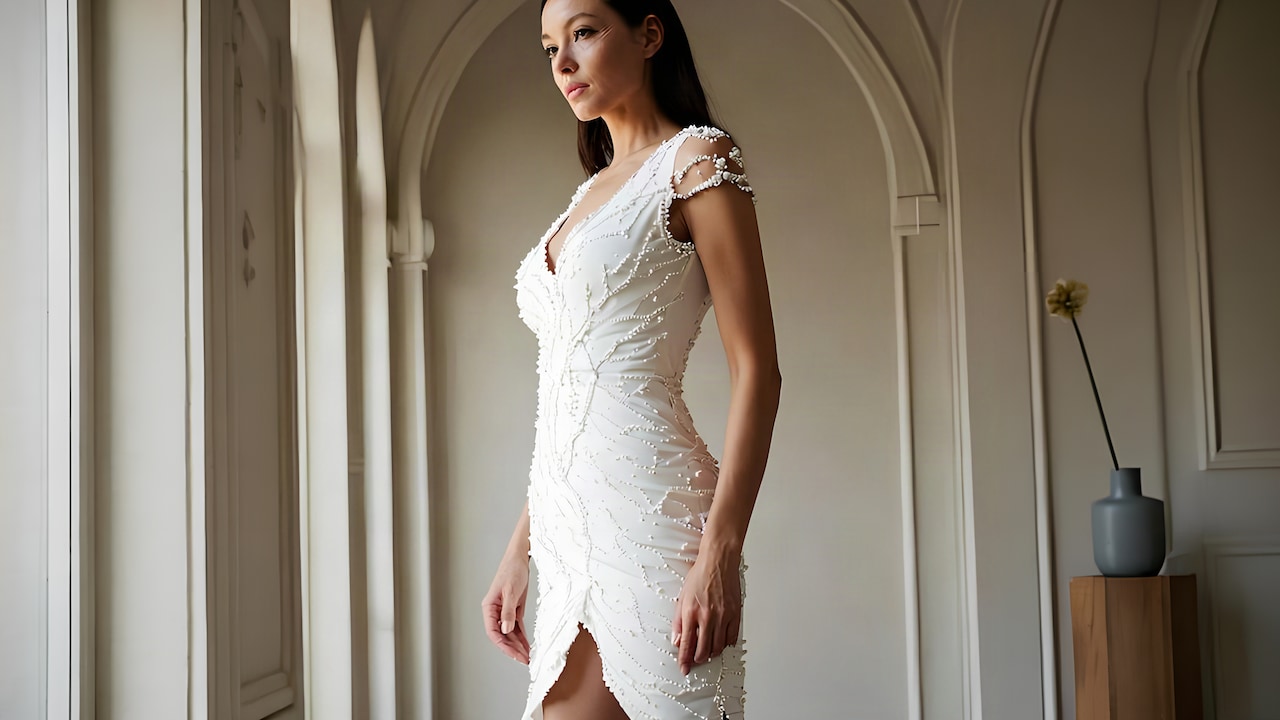
Why Two Tops In The Same Size Can Have Different Shoulder Fits; Photo Credit: Pexels
4. Sleeve Construction Can Move The Visual Shoulder Line
Not every sleeve begins with the same construction, so the location of a visible seam isn't always comparable between tops.
A classic set-in sleeve usually has a clear seam running around the armhole. This design gives you an obvious shoulder point to inspect. Raglan sleeves work differently. Their seams run diagonally from the neckline towards the underarm, eliminating the standard horizontal shoulder seam altogether.
Then there are modified raglan sleeves, extended shoulders, cap sleeves and hybrid constructions that borrow elements from several styles.
Even two set-in sleeve designs can differ dramatically. One may have a high, compact armhole that creates a structured shoulder. Another might use a deeper armhole for a looser feel, causing the sleeve to hang farther away from the body.
That means visually comparing seam positions without considering construction can be misleading.
Before deciding that a garment fits badly, look at how the entire sleeve attaches to the body. Does it restrict movement? Does fabric twist around the upper arm? Does the neckline shift when you raise your hands?
A seam can sit somewhere unexpected and still belong to a perfectly intentional pattern.
5. Fabric Stretch Changes Where The Garment Settles
A pattern determines the starting shape of a top, but fabric decides how faithfully that shape survives once you put it on.
Stretchy jersey, ribbed cotton and fabrics containing elastane can expand around the bust, upper back and arms. As the material stretches horizontally, it may pull the shoulder area into a slightly different position.
A rigid woven cotton shirt doesn't behave this way. Its seams remain relatively fixed, so any mismatch in shoulder width becomes obvious quickly.
This is why two tops with nearly identical flat measurements can fit differently when one contains stretch and the other doesn't.
Even fabric weight matters. A soft, heavier knit can pull downward under its own weight, especially after several hours of wear. The shoulder seam may appear lower by evening than it did when you first got dressed.
Lighter fabrics tend to hold less downward tension, though their drape creates different visual effects.
When checking fit, consider both the seam position and how much the fabric relies on stretching to accommodate your body. If the shoulder looks correct only because the material is being pulled tightly elsewhere, the size may not actually suit you.
6. Bust And Upper-Back Fit Can Pull The Shoulder Seam Out Of Position
A shoulder seam doesn't operate independently from the rest of the garment. Tension somewhere else can drag it away from where the designer intended.
If a top feels tight across the bust, the front fabric may pull forward. This can shift the shoulder seam towards the front of the body rather than letting it sit centrally along the top of the shoulder.
A tight upper back can create the opposite effect. Reaching forward may make the garment tug backwards or produce horizontal creases across the shoulder blades.
This is why judging shoulder fit only from a front-facing mirror can miss the real problem.
Try looking from the side. Ideally, the shoulder seam on a conventionally constructed top should follow the upper shoulder rather than noticeably rolling towards your chest or back.
Movement helps expose the issue too. Reach forward as though you're grabbing something from a cupboard. Cross your arms. Lift them overhead.
If the garment constantly shifts and needs adjusting afterwards, the shoulder seam may simply be reacting to tightness elsewhere.
Sometimes sizing up helps, but not always. A different cut with more room through the bust or back can solve the problem without making the entire top unnecessarily loose.
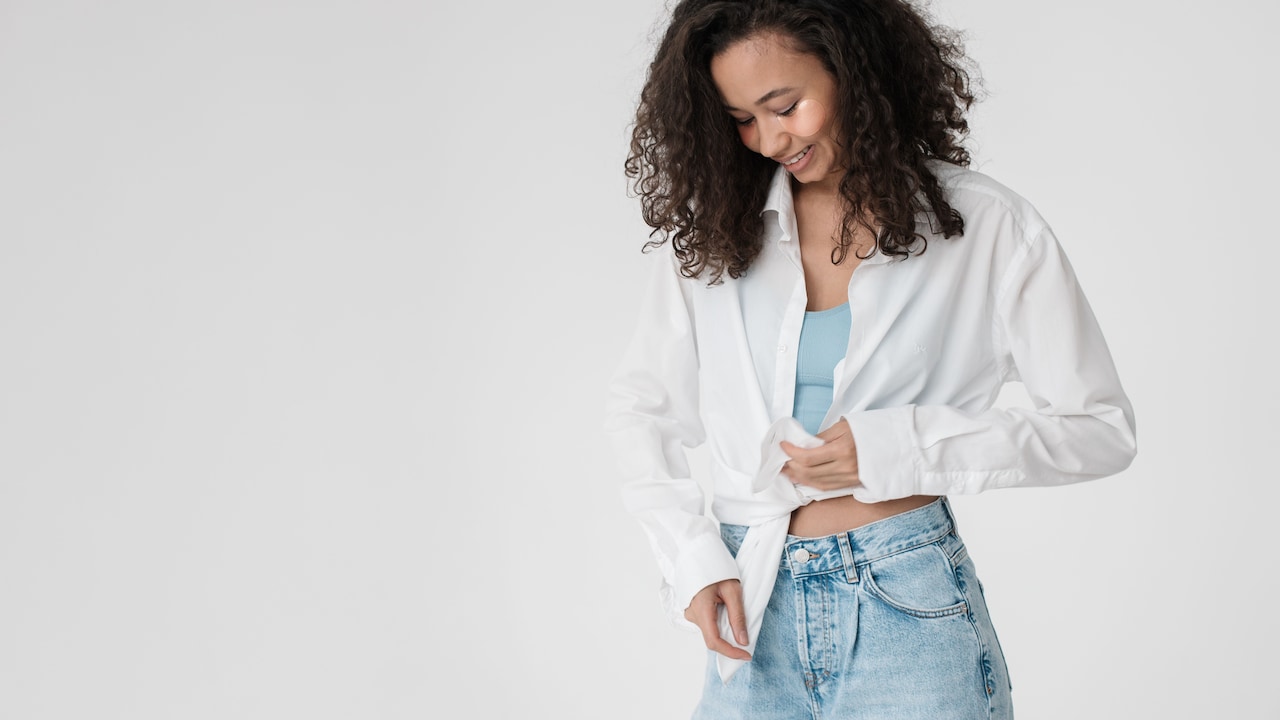
Why Two Tops In The Same Size Can Have Different Shoulder Fits; Photo Credit: Pexels
7. Oversized And Slim-Fit Patterns Change The Shoulder Proportions
The words printed beside a product name can matter almost as much as the size itself.
Slim fit, regular fit, relaxed fit and oversized fit aren't decorative marketing terms. They usually indicate meaningful differences in garment proportions.
A slim-fit medium might narrow the shoulders, reduce the chest circumference and use a higher armhole. An oversized medium could widen the shoulder line considerably and add extra room through the body.
Put them next to each other and they may barely look like relatives.
The confusion often comes from assuming that "oversized" simply means manufacturers secretly increased the size. Good oversized patterns involve more than making everything bigger. Designers may intentionally extend the shoulder while controlling the neckline, sleeve length and hem so the garment still looks balanced.
Similarly, slim fits don't always shrink every measurement equally.
This is why choosing a larger size in a slim-fit top doesn't necessarily recreate the effect of a regular fit. The proportions may change differently.
Instead of concentrating only on S, M or L, check the stated fit category. It can explain a wandering shoulder seam before you've even entered the trial room.
8. Garment Grading Can Change Proportions Between Sizes
Designers usually create a base pattern and then "grade" it to produce additional sizes. Grading involves increasing or decreasing selected measurements according to predetermined rules.
The important part? Every measurement doesn't necessarily change by the same amount.
A manufacturer might add more width through the chest than through the shoulders when moving from one size to the next. Another pattern may widen the shoulders more aggressively. Differences in grading systems can therefore produce unexpected results, particularly if your body proportions sit between conventional size categories.
Suppose your bust measurement suits a large but your shoulders align more closely with a medium. Choosing the large may provide comfortable room around the body while placing the shoulder seam beyond your natural shoulder point.
Choosing the medium could fix the shoulder but create pulling elsewhere.
Neither outcome means your body is somehow "between proper sizes". Ready-made clothing relies on averages, and real bodies enthusiastically refuse to behave like spreadsheets.
When this happens repeatedly, prioritise the area that affects comfort most and consider styles with more forgiving construction. Raglan sleeves, stretch fabrics or slightly relaxed cuts can accommodate proportion differences without making every seam fight for territory.
9. Washing And Drying Can Distort Shoulder Placement
A top may fit perfectly when new and still emerge from a few washes with a different-looking shoulder line.
Natural fibres such as cotton can shrink, particularly when exposed to heat. The shrinkage may not always occur evenly across every direction of the fabric. Knitted materials can also relax, stretch or twist depending on fibre composition, construction and washing habits.
That creates familiar wardrobe moments where a much-loved T-shirt suddenly seems shorter, broader or strangely rotated after laundry day.
Shoulder seams can shift as part of this distortion. One side may even look different from the other if the garment has developed twisting along the body.
Hanging a heavy wet top can create another issue. Water adds weight, and the fabric may stretch around the shoulders while drying on a narrow hanger. Over time, those small changes can affect the way the garment sits.
Following the care label genuinely matters here. Wash temperatures, tumble drying and drying method can all influence fit.
If a top used to sit correctly but now pulls strangely, compare the side seams as well. If they're rotating towards the front or back, fabric distortion may be the culprit rather than a mysterious change in your shoulders.
10. Small Manufacturing Variations Can Affect Otherwise Identical Tops
Here's the particularly annoying one: sometimes two tops aren't exactly identical even when the labels say they are.
Mass-produced garments involve cutting, sewing and finishing hundreds or thousands of pieces. Manufacturers work within measurement tolerances, meaning a small amount of variation between garments may still pass quality checks.
A shoulder seam could differ by a few millimetres or even more depending on production standards. Fabric can shift slightly during cutting. Stitching tension may alter the finished shape. Different production batches can also show subtle variations.
Most of these differences remain too small to matter. Occasionally, however, they become noticeable on the body.
You might even own the same top in two colours and find that one fits beautifully while the other feels slightly awkward. Fabric dyeing, finishing processes and production batches can contribute to those variations too.
So, if one particular garment looks odd while another identical one fits perfectly, don't automatically assume you're imagining it.
Compare them flat on a bed or table. Line up the necklines and shoulder seams. A visible difference can confirm that the garments themselves vary.
Size labels promise consistency, but clothes are still physical objects, not mathematical equations.
Products Related To This Article
1. Roadster The Lifestyle Co. Checked Cotton Top
2. Chemistry Rust Orange & Off White Striped Shirt Style Top
3. DressBerry Curve Plus Size Lace Shirt Style Top With Camisole
4. KALINI Floral Print Mandarin Collar Top
5. Taavi Women Black Checked Woven Legacy A-Line Top with Gathers
6. Metronaut Striped Cotton Top
7. plusS Floral Print Ruffles Cotton Top
A size label gives you a starting point, not a guarantee of identical proportions. Shoulder seams can shift because of brand measurements, pattern shape, fabric, sleeve construction, body proportions and even laundry habits. Instead of asking whether the label says the "right" size, look at what the garment actually does once it's on. Check the shoulder line, move your arms, watch for pulling, and consider the intended silhouette. A tiny seam can tell you surprisingly quickly whether a dailywear top genuinely fits or merely has the correct letter stitched inside it.
(Disclaimer: This article may include references to or features of products and services made available through affiliate marketing campaigns. NDTV Convergence Limited (“NDTV”) strives to maintain editorial independence while participating in such campaigns. NDTV does not assume responsibility for the performance or claims of any featured products or services.)