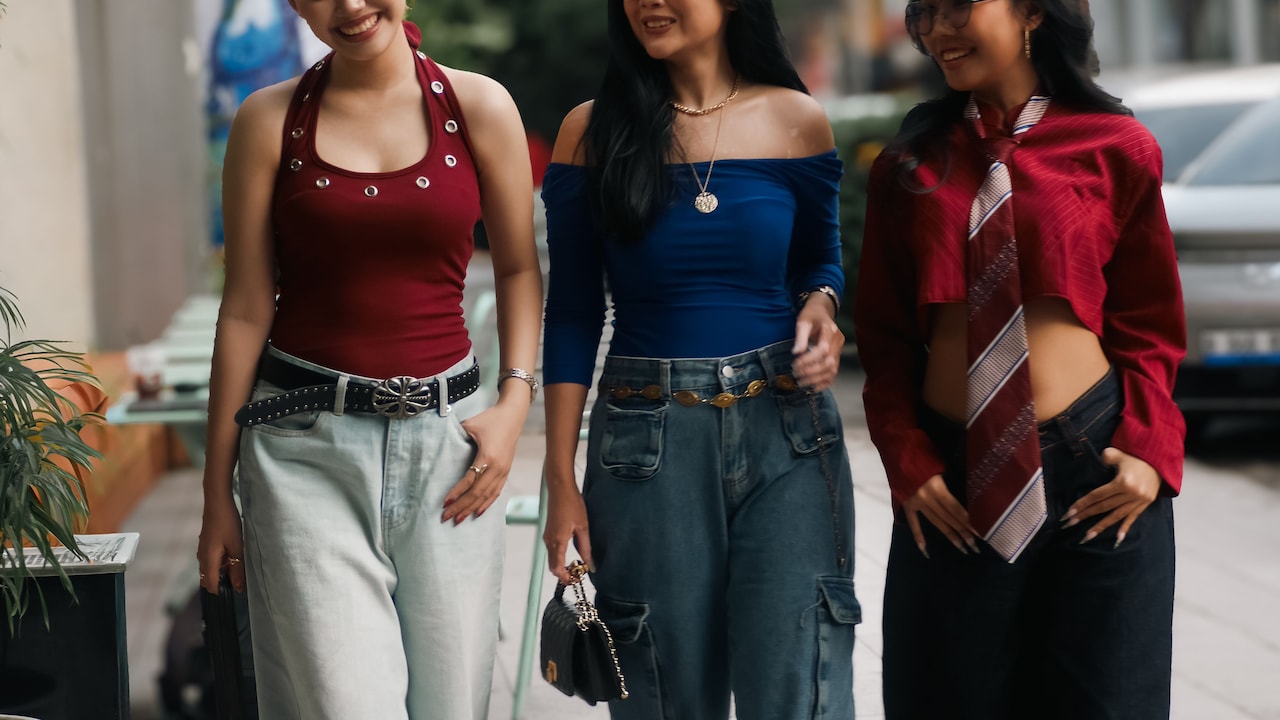
10 Reasons Trousers Fit At The Waist But Pull Across The Thighs
Trousers can fit perfectly at the waist yet feel tight across the thighs. From poor cut and low stretch to rise and seat issues, here are 10 reasons behind the pulling and what to look for in a better-fitting pair.
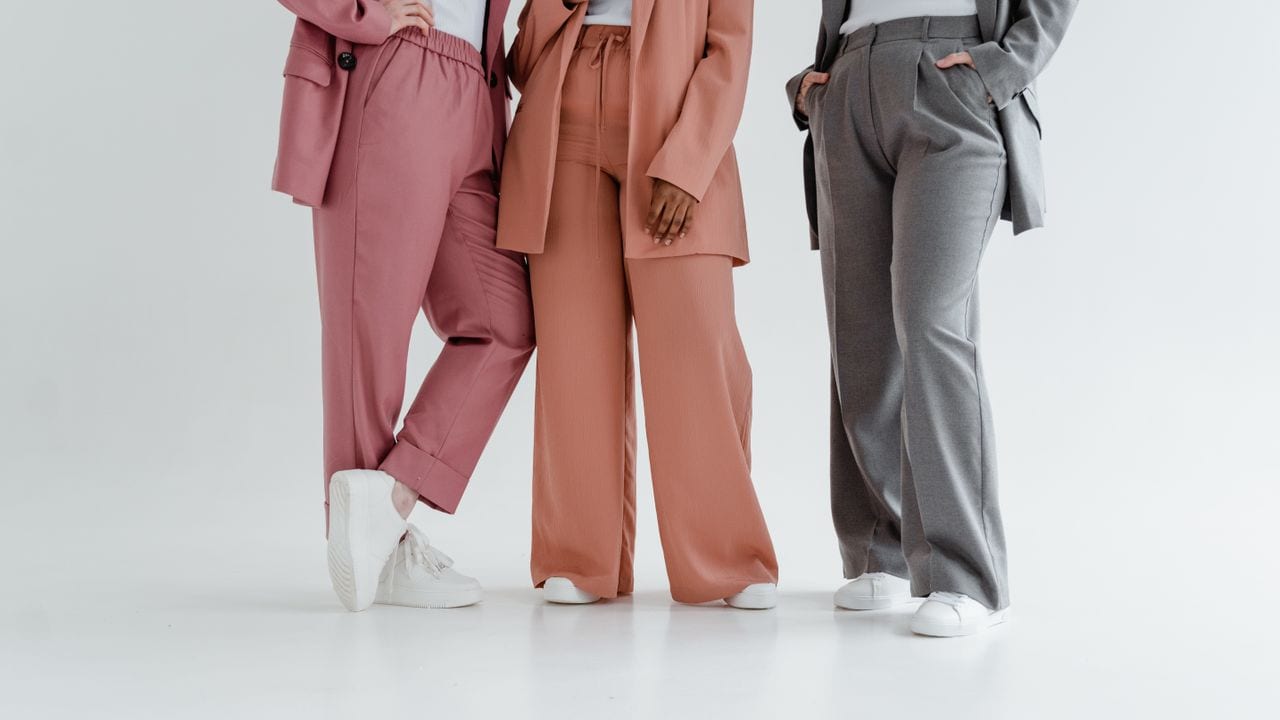
Tips to choose the right trouser fit
Finding trousers that fit at the waist can feel like half the battle won. Then you sit down, climb a staircase or take a long stride and suddenly the fabric across the thighs feels as though it has shrunk by two sizes. Horizontal creases appear near the crotch. Pockets flare open. The waistband stays perfectly comfortable while everything below it seems determined to restrict movement. This is a surprisingly common fit problem because trouser sizing rarely accounts for every body proportion. Two people with exactly the same waist measurement can have very different hip, thigh and seat measurements. Add variations in fabric, rise, pattern cutting and garment construction, and a perfectly fitting waistband tells only a small part of the story.
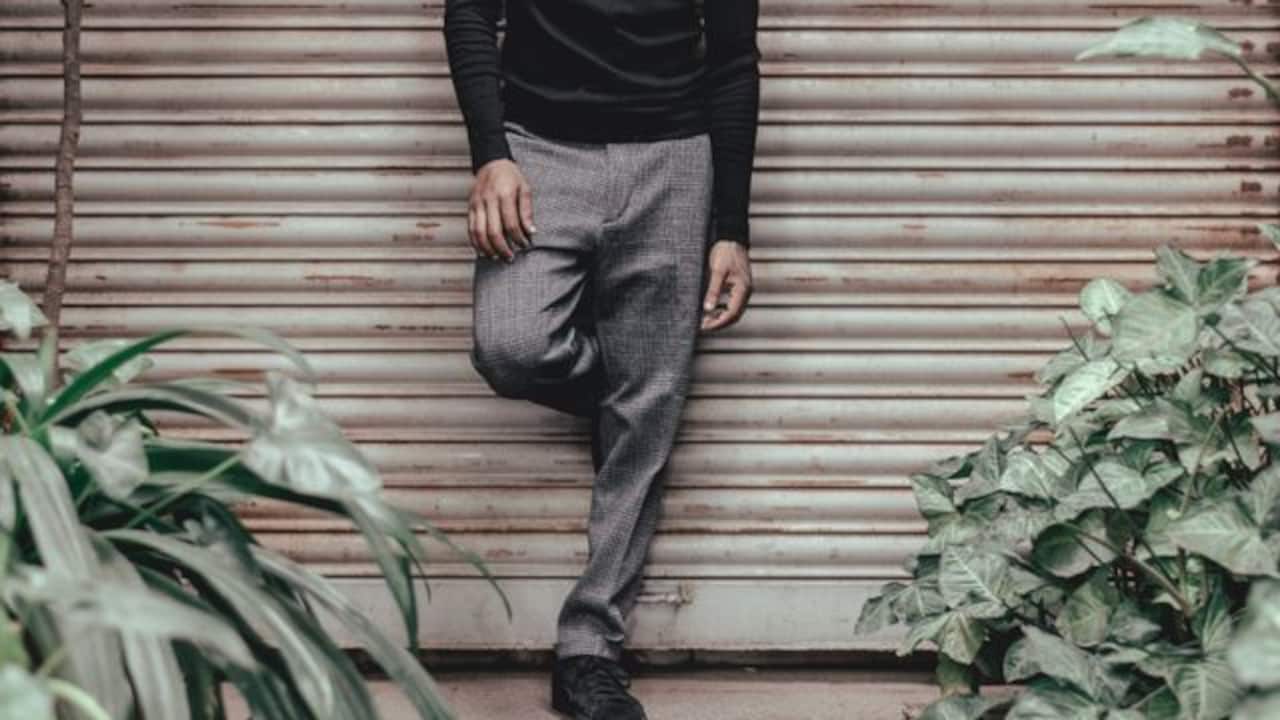
Why do some trousers feel tight around thighs
Photo Credit: Pexels
The good news is that tight thighs don't automatically mean buying trousers several sizes larger. Sometimes a different cut, fabric or rise solves the problem without leaving the waist gaping. Understanding what causes that pulling makes shopping considerably easier and can prevent another pair of barely worn trousers from disappearing into the back of the wardrobe.
Also Read: Best Cigarette Pants for Office Wear And Everyday Styling
Why A Correct Waist Size Doesn't Always Mean A Correct Trouser Fit
1. The Trouser Cut Doesn't Leave Enough Room Through The Thigh
Two pairs of trousers labelled with the same waist size can fit completely differently because their patterns aren't identical. Slim, tapered and cigarette trousers usually narrow considerably from the hip downwards. That shape can work beautifully when the thigh measurement matches the garment, but it quickly becomes restrictive when it doesn't.
The most obvious clue is horizontal pulling across the upper thighs. You may also notice the fabric catching instead of falling smoothly when walking. Sitting down can make the problem even more obvious because the thighs naturally expand and change position.
Sizing up isn't always the smartest answer. A larger size may solve the thigh problem but leave several centimetres of empty space at the waist.
Instead, look at the silhouette. Straight-leg, relaxed, wide-leg and athletic-cut trousers generally allow more room through the upper leg. Some brands also offer curvy fits that provide extra space around the hips and thighs without dramatically increasing the waistband.
Fit should follow your proportions rather than forcing your proportions to match a particular trouser label.
2. Your Waist-To-Thigh Proportions Don't Match Standard Sizing
Ready-made clothing relies on standardised measurement charts, but bodies rarely follow them neatly. Someone can have a relatively narrow waist alongside fuller thighs. Another person with the same waist measurement may have slimmer legs and broader shoulders instead.
Trouser patterns have to choose one set of proportions. That means a size that closes comfortably at the waist won't necessarily provide the right amount of room elsewhere.
This mismatch often creates an annoying shopping situation. The smaller size fits beautifully around the stomach but grips the thighs. The next size gives the legs enough room but creates a waistband gap large enough to slide a hand through.
Rather than treating either size as the problem, consider which area is easier to alter. Tailors can usually take in a waistband more successfully than they can create extra thigh room where little seam allowance exists.
Choosing trousers based on the fullest part of your lower body and adjusting the waist when necessary can therefore produce a much cleaner fit. The number on the label matters far less than how the garment works with your actual proportions.
3. The Fabric Has Very Little Stretch
Fabric composition can completely change how trousers feel, even when their measurements look generous enough on paper.
Rigid cotton, linen blends and traditional woven polyester may offer little horizontal stretch. When you walk or sit, the fabric has limited ability to move with the thighs. Instead, it pulls across them, producing tension lines that make an otherwise well-sized pair look too small.
A small percentage of elastane can make a noticeable difference. Even around 2 to 5 per cent stretch fibre may allow trousers to flex more comfortably during everyday movement. Ponte fabrics and stretch twills can provide even more flexibility while still maintaining a structured appearance.
That doesn't mean stretchier automatically means better. Very stretchy material can lose shape around the knees or seat if the fabric quality isn't great.
The important thing is matching the material to how you'll wear the trousers. For long office days, commuting or occasions involving plenty of sitting, a little flexibility can make the difference between trousers that merely fit while standing and trousers that remain comfortable for eight hours.
4. The Rise Is Too Short For Your Body
Trouser rise rarely gets as much attention as waist measurement, yet it can dramatically affect thigh comfort.
The rise runs from the crotch seam towards the waistband. If it is too short for your torso or body shape, the trousers can pull upwards through the crotch. That tension doesn't stay in one place. It travels across the hips and upper thighs, making the legs feel tighter than their actual measurements suggest.
You may notice the waistband sitting lower than expected at the back or the crotch seam feeling unusually high. Horizontal creasing near the upper thighs often appears as well.
Experimenting with mid-rise and high-rise trousers can reveal whether rise length is contributing to the problem. A higher rise can provide more vertical fabric through the seat and crotch, allowing the material around the thighs to fall naturally instead of being pulled upwards.
However, a high-rise label alone doesn't guarantee success. Rise measurements vary between brands. Checking the actual front-rise and back-rise measurements, when available, can be far more useful than relying on descriptions such as low, mid or high.
5. There Isn't Enough Room Through The Seat
Sometimes the thighs aren't actually causing the tension at all. The seat is.
If trousers fit too closely around the buttocks, the fabric gets pulled backwards. That tension then travels around the sides and forwards across the upper thighs. The result looks like a thigh-fit problem even though the garment needs additional room higher up.
Look at the trousers from the back as well as the front. Strong horizontal creases underneath the seat, stretched back pockets or a centre seam that looks unusually tight can all suggest insufficient seat room.
This explains why trying a looser thigh cut doesn't always fix the issue. The trousers may technically have enough width at the legs but still struggle because the entire upper section is being pulled backwards.
Curvy or contour fits can help because they usually provide more room through the seat and hips while keeping the waist proportionately smaller.
When trying trousers, walk around rather than judging them from a mirror while standing still. If you can bend, sit and take a comfortable stride without the fabric dragging backwards, the seat probably has enough space.
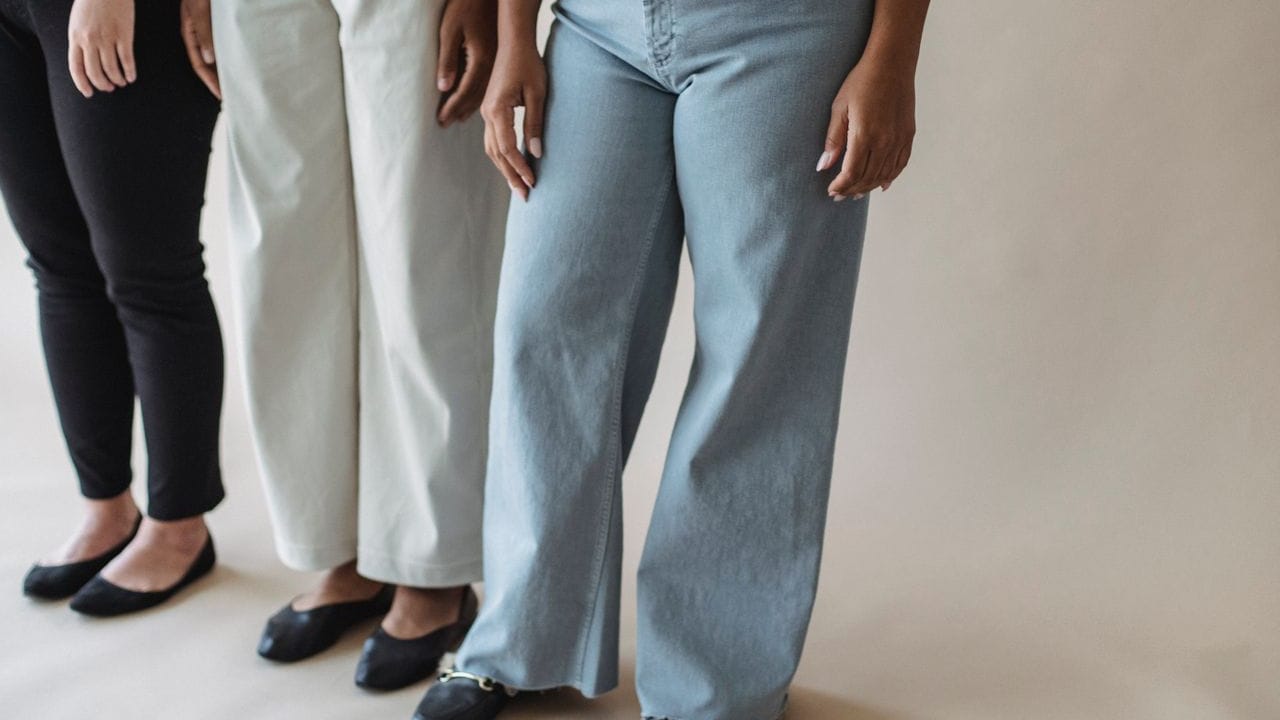
Trousers that fit too skinny can cause discomfort for everyday use
Photo Credit: Pexels
6. The Pockets Are Creating Extra Tension
Pockets may look like a minor design detail, but their construction can expose fit problems very quickly.
Side-seam pockets should normally lie relatively flat. When trousers become tight across the hips or upper thighs, those pockets can flare open because the surrounding fabric is being stretched sideways. The pocket itself isn't necessarily too small. Instead, it acts like a warning sign that the garment needs more room.
Bulky pocket bags can make matters worse. Thick fabric layers sitting directly over the hip and upper thigh reduce the amount of usable space inside the trousers. You may notice this especially with structured work trousers.
Pocket placement matters too. Slanted pockets often gape more obviously than vertical ones when tension develops across the front.
If pocket flare repeatedly appears despite a comfortable waistband, try trousers with cleaner fronts, welt pockets or minimal pocket construction.
Avoid assuming that stitching the pockets closed will solve everything. It may hide the opening, but the underlying tension usually remains. A smoother result comes from choosing a cut that lets the fabric sit comfortably before the pockets even enter the equation.
7. The Thigh Seam Has Too Little Ease
Clothing needs something called ease: a small amount of extra space beyond your exact body measurements that allows movement.
Imagine trousers measuring exactly the same around the thigh as your actual thigh circumference. They might technically fit while standing perfectly still, but walking would quickly become uncomfortable. Muscles change shape when the knees bend, legs cross or stairs are climbed.
Different trouser styles include different amounts of ease. Formal slim-fit trousers may contain very little because designers want a sharp silhouette. Relaxed trousers naturally include more.
This explains why simply measuring the garment against your body doesn't always predict comfort. You need additional centimetres for movement.
A useful fitting test is sitting normally rather than carefully lowering yourself into a chair. Cross one leg, bend forward slightly and stand again. If the fabric feels strained or produces deep horizontal creases, the thighs probably need more ease.
Properly fitted trousers don't have to look baggy. A small increase in room can make the fabric drape more cleanly because it isn't constantly fighting against movement.
8. The Trousers Taper Too Early
Tapered trousers narrow towards the ankle, but where that narrowing begins matters considerably.
Some designs start tapering almost immediately below the hips. If you have fuller upper thighs, the pattern may begin reducing width before your legs naturally narrow. The fabric then hugs the thighs rather than skimming them.
This can make an otherwise ordinary pair of trousers feel unexpectedly restrictive.
Look at the trouser shape when it is laid flat. Does the outer seam move sharply inward from the hip? If so, the problem may be the pattern rather than the size.
A gentler taper usually works better when additional thigh room is needed. Straight trousers can also create a surprisingly streamlined appearance because the fabric falls vertically instead of clinging to the widest section of the leg.
There is another bonus: fabric that hangs smoothly often looks more polished than fabric stretched tightly across the thighs.
So, don't assume that choosing a straight or relaxed leg automatically means sacrificing structure. The right proportions can actually create a cleaner silhouette, particularly when the waistband already fits and only the upper leg feels restricted.
9. Washing And Drying Have Changed The Fit
A pair of trousers that fitted comfortably when new can suddenly start pulling after several washes.
Natural fibres such as cotton can shrink when exposed to heat, particularly if manufacturers haven't fully pre-shrunk the material. Even a relatively small change in circumference becomes noticeable around fitted areas such as the thighs.
The waistband may appear unaffected because waistbands often contain interfacing, multiple fabric layers or different construction methods that help them retain their shape. Meanwhile, the single-layer fabric through the legs contracts slightly.
This creates the confusing impression that your body has somehow changed everywhere except the waist.
Check the care label before blaming the sizing. Hot washes and tumble drying at high temperatures can gradually alter garments. Washing in cooler water and air-drying when recommended can help preserve their original dimensions.
Steam can sometimes relax minor creasing or temporary tightness, but it won't permanently reverse significant shrinkage.
If trousers consistently become tighter after laundering, consider buying fabrics known for better dimensional stability or choosing a slightly roomier thigh fit from the beginning.
10. The Size Label Is Distracting You From The Actual Fit
Perhaps the easiest trouser-fitting trap is becoming loyal to a particular size number.
Sizing isn't universal. One brand's size 30 can differ noticeably from another brand's size 30. Even trousers sold by the same retailer can vary because different collections use different fabrics, cuts and pattern blocks.
That means insisting on your “usual size” can sometimes create fit problems that disappear the moment you ignore the label.
Try the size that works for the largest area instead. If your thighs need the next size while the waist becomes slightly loose, a straightforward waistband alteration may produce a better overall result than squeezing into the smaller pair.
Pay attention to what the fabric is telling you. Smooth vertical drape usually signals adequate space. Strong horizontal lines suggest tension. Pockets should lie naturally, and the crotch shouldn't feel pulled upwards when walking.
Most importantly, comfortable trousers should still feel comfortable after sitting for twenty minutes. Clothes exist to fit bodies, not the other way around. A label hidden inside the waistband has very little relevance once the trousers are actually being worn.
Products Related To This Article
1. AAHWAN Women Relaxed Loose Fit High-Rise Parallel Trousers
2. Roadster The Lifestyle Co Men Relaxed Fit Linen Trousers
3. Chemistry Women Relaxed Fit Casual Linen Trousers
4. FTX Men Relaxed High-Rise Pleated Korean Pants
5. Chemistry Women Loose Fit Pleated Trousers
6. VASTRADO Men Straight Fit Easy Wash Trousers
7. Stylecast X Slyck Women Comfort Wrinkle Free Parallel Regular Fit Trousers
Trousers that fit perfectly at the waist but pull across the thighs aren't necessarily the wrong size. The culprit may be the cut, rise, seat allowance, fabric stretch or simply a sizing chart that doesn't reflect your proportions.
Instead of focusing only on the waistband, check how trousers behave while walking, sitting and bending. A little more room through the thigh or seat can transform both comfort and appearance. Sometimes the best-fitting pair even starts one size larger and ends with a small tailoring adjustment. What matters is finding trousers that move with you rather than making every staircase feel like a fabric endurance test.
(Disclaimer: This article may include references to or features of products and services made available through affiliate marketing campaigns. NDTV Convergence Limited (“NDTV”) strives to maintain editorial independence while participating in such campaigns. NDTV does not assume responsibility for the performance or claims of any featured products or services.)