Leggings Turning Transparent? Here Is The Fabric Stretch Test You Should Know
Leggings look fine until they stretch? Transparency can ruin the look. Learn the simple fabric stretch test to check quality before buying and avoid awkward surprises.
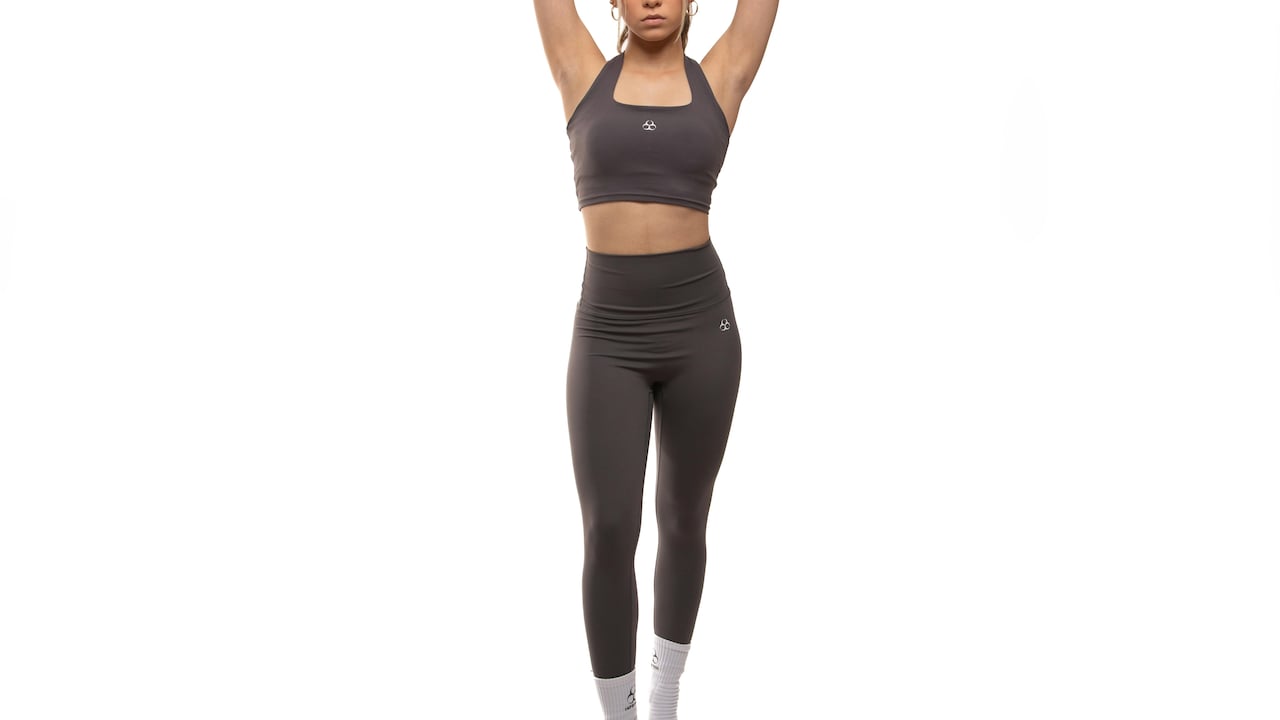
Read what makes leggings become transparent and how to choose the best one
Leggings sit quietly at the heart of modern wardrobes. From early morning yoga sessions to quick grocery runs and long travel days, they rarely fail to deliver comfort. Yet, a familiar problem creeps in at the worst possible moment, fabric that turns sheer when stretched. That sudden realisation, often spotted in a mirror or worse, under harsh lighting, can shake confidence instantly.
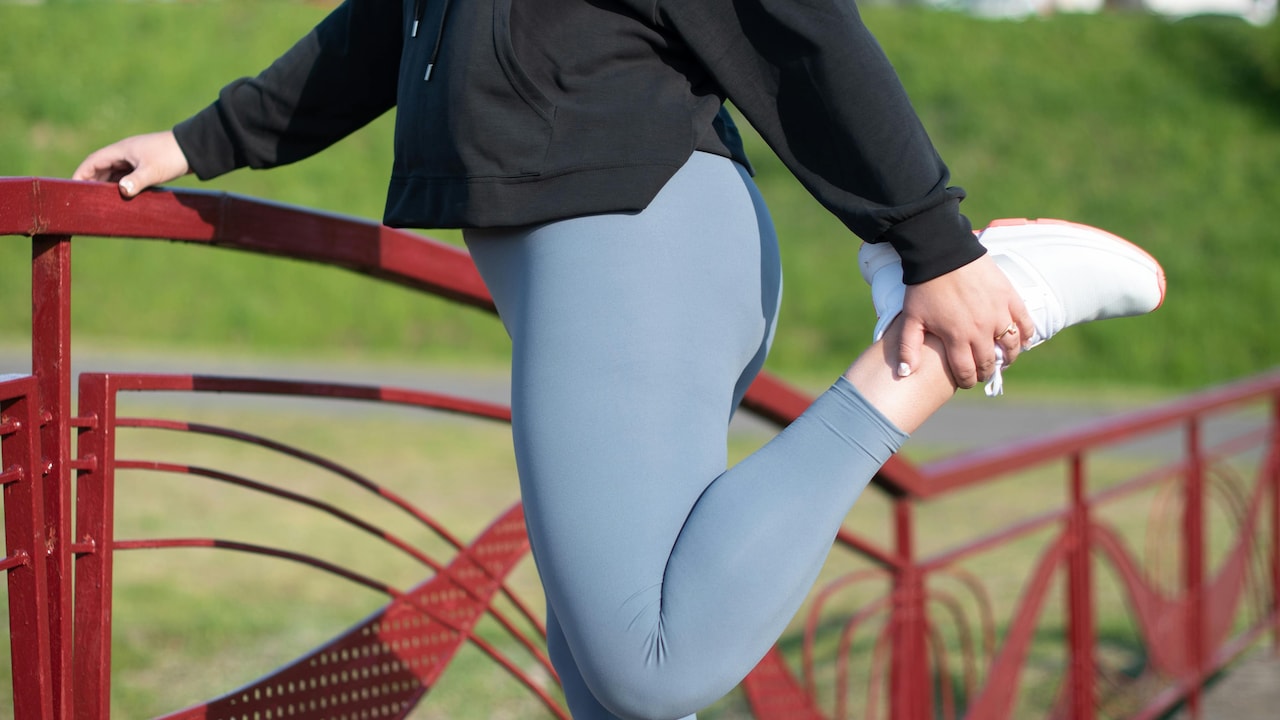
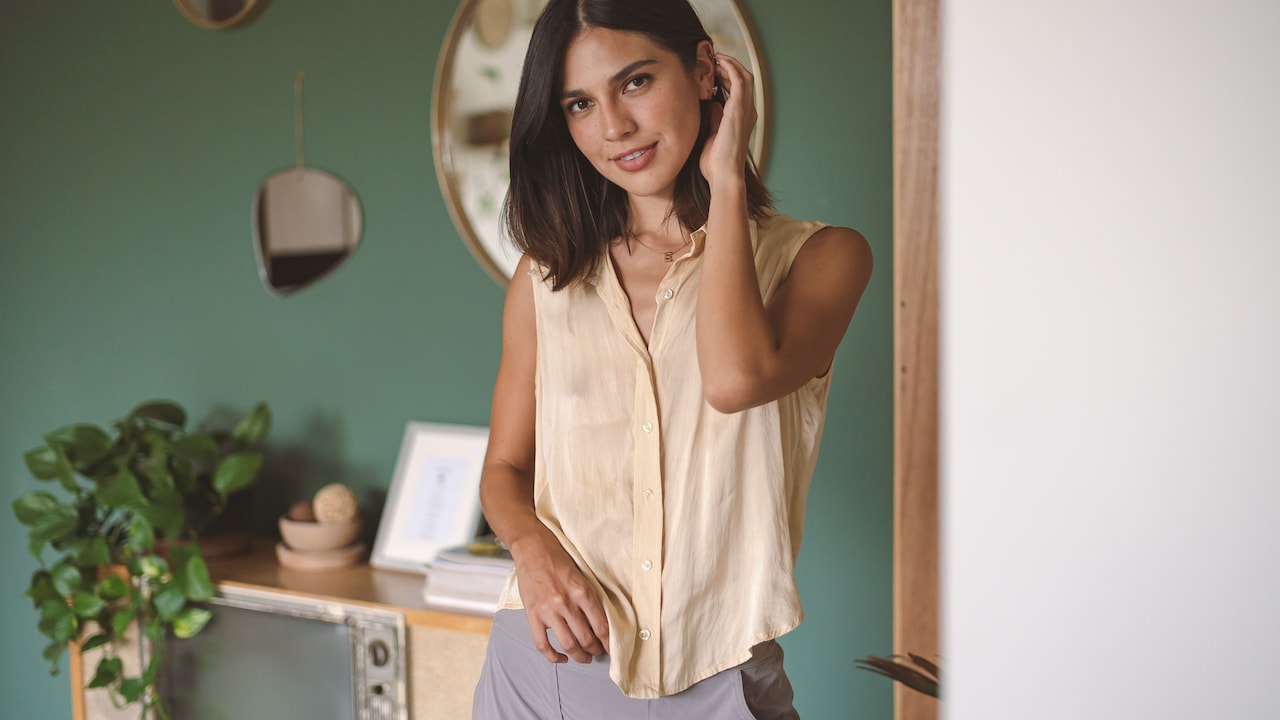
Why do leggings become transparent and how to choose ones that do not; Photo Credit: Pexels
The issue rarely comes down to carelessness. Many shoppers pick leggings based on colour, feel, or price, trusting that a thicker-looking fabric equals better coverage. Reality proves otherwise. Lighting, stretch, fabric blend, and fit all play a role in how leggings perform outside the trial room.
Understanding the simple “fabric stretch test” can save both money and embarrassment. This guide dives into practical insights, relatable scenarios, and small tricks that make a big difference. Because comfort should never come at the cost of confidence.
Also Read: Best Leggings Under ₹1000 for Yoga, Gym and Lounging
The Fabric Stretch Test: 10 Smart Ways To Check Your Leggings Before You Step Out
The Illusion Of Thickness
A common assumption persists that thicker fabric guarantees opacity. Yet, many leggings that feel dense in hand turn unexpectedly sheer when worn. This happens because thickness alone does not determine how fibres behave under tension.
Fabric density and weave matter more than sheer weight. Some leggings use loosely knitted yarns that compress easily. Once stretched, the gaps between fibres widen, allowing light to pass through. Under indoor lighting, this may go unnoticed, but step into sunlight and the story changes completely.
A shopper in a bustling mall may quickly press fabric between fingers and assume quality based on touch. However, that quick check misses how the fabric responds during movement, squats, strides, or even sitting cross-legged.
A better approach involves stretching the fabric slightly while holding it against light. If the material reveals uneven patches or thinning areas, transparency may follow during wear. This simple observation often reveals more truth than any label or price tag.
Why Stretch Changes Everything
Stretch defines leggings. Without elasticity, they lose their purpose. However, that very stretch also exposes weaknesses in fabric construction.
When leggings expand across the body, fibres move apart. This movement creates tiny gaps that may not exist when the garment lies flat. The degree of stretch varies depending on fit. A snug pair stretches more, increasing the risk of transparency.
Consider a typical scenario, trying on leggings that feel slightly tight but manageable. They may look fine while standing still. Yet, once seated or bending, the stretch intensifies across the hips and thighs. This is where transparency often appears.
The key lies in balance. Too much stretch strains the fabric, while too little compromises comfort. Well-made leggings distribute stretch evenly, maintaining coverage even under pressure.
Understanding this relationship helps avoid common mistakes. Choosing the right size and fabric blend reduces the risk significantly. Comfort and coverage can coexist, but only when stretch works with the fabric, not against it.
The Fabric Stretch Test Explained
The fabric stretch test stands as a simple yet powerful tool. It requires no special equipment, just a bit of attention and light.
Hold a section of the leggings with both hands and stretch it gently. Position it against a light source, natural sunlight works best, though bright indoor lighting can also help. Observe how the fabric behaves. If light passes through easily or reveals skin tone underneath, transparency may occur during wear.
This test works particularly well for darker colours like black or navy, which often hide transparency in poor lighting. A fabric that appears solid indoors may surprise outdoors.
Another helpful variation involves placing a hand inside the stretched fabric. If the outline or colour of the hand becomes visible, the leggings may not provide full coverage.
Performing this test before purchase saves unnecessary disappointment. It transforms guesswork into certainty and ensures that leggings meet real-world expectations, not just showroom appeal.
The Role Of Fabric Blends
Fabric composition plays a crucial role in how leggings perform. Common blends include cotton, polyester, and elastane. Each fibre brings its own strengths and weaknesses.
Cotton offers breathability and softness but may lack resilience under stretch. Polyester adds durability and shape retention, while elastane provides elasticity. The ratio of these fibres determines how well the leggings hold up during movement.
Leggings with a higher elastane percentage stretch more but may become sheer if not balanced with tightly woven fibres. On the other hand, blends with too little elastane may feel restrictive.
Premium leggings often use advanced knitting techniques that maintain opacity even when stretched. These may cost more, often ranging from ₹800 to ₹2500, but deliver better long-term value.
Reading fabric labels helps, but experience sharpens judgement. Over time, recognising reliable blends becomes easier. A well-balanced fabric ensures that leggings move comfortably without compromising coverage.
Fit Matters More Than Price
A higher price tag does not always guarantee better performance. Many expensive leggings still fail the stretch test due to poor fit.
Leggings that are too small stretch excessively, increasing transparency. Meanwhile, overly loose pairs may bunch up, creating uneven tension in certain areas. Both scenarios affect how the fabric behaves.
Trying the correct size remains essential. A well-fitting pair should feel snug but not restrictive. It should move naturally with the body without pulling too tightly across key areas.
Trial rooms often provide limited insight due to controlled lighting. Taking a moment to perform a quick stretch test inside the trial room can reveal hidden issues.
Comfort and coverage depend more on fit than cost. A reasonably priced pair that fits well often outperforms a costly one that does not. Smart shopping focuses on how the leggings behave, not just how they look on the rack.
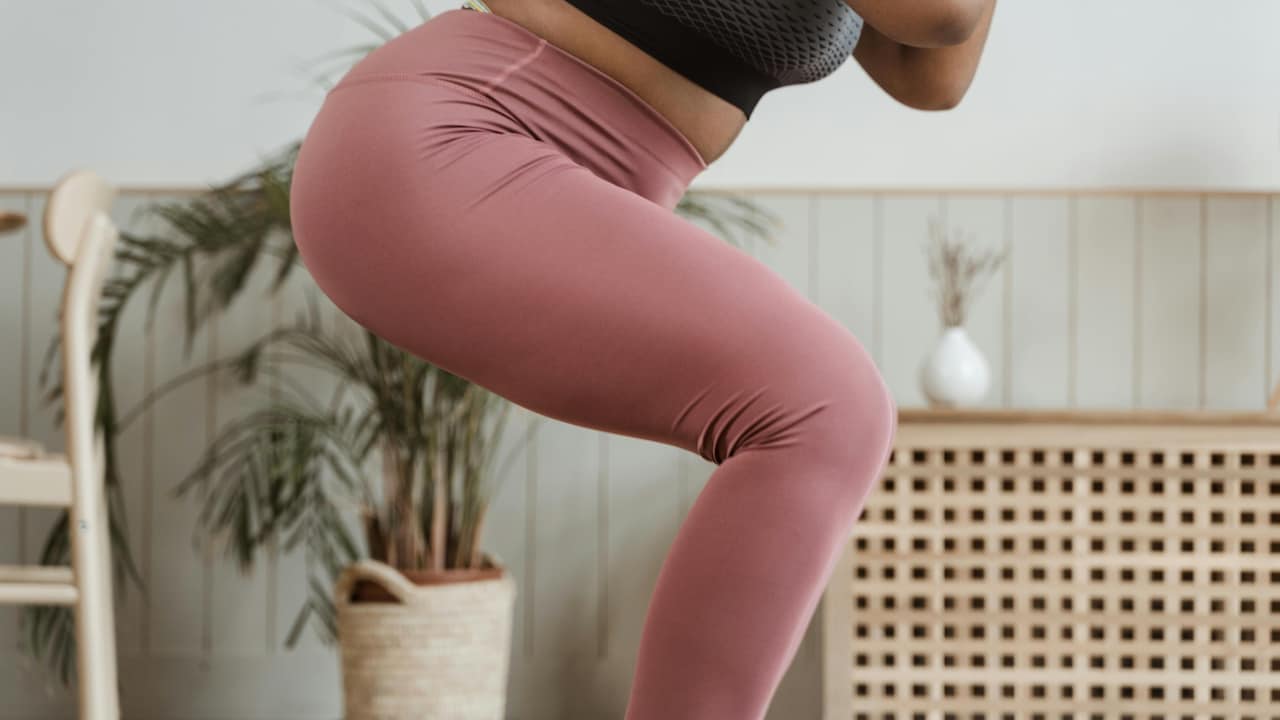
Look for leggings that provide a comfortable fit and value for money; Photo Credit: Pexels
Lighting Can Be Deceptive
Lighting plays tricks on perception. What appears opaque under soft indoor lighting may turn transparent under bright daylight.
Shopping malls and stores often use warm lighting that softens shadows and hides fabric flaws. This creates a false sense of security. Step outside, and natural light exposes the truth instantly.
Sunlight is unforgiving. It highlights even the smallest gaps in fabric. This is why leggings that seem perfectly fine indoors may become sheer during outdoor activities.
A quick check near a window or under brighter lighting can provide better clarity. If that is not possible, the stretch test remains a reliable alternative.
Understanding how lighting affects fabric visibility helps avoid surprises. It ensures that leggings perform consistently across different environments, not just in controlled settings.
Dark Colours Are Not Always Safe
Black leggings often enjoy a reputation for being foolproof. Many assume darker shades automatically prevent transparency. Unfortunately, this belief does not always hold true.
While dark colours do conceal more than lighter ones, they still depend on fabric density and stretch. A poorly constructed black legging can turn just as sheer as a lighter shade when stretched.
This misconception leads many shoppers to skip proper checks. The result, unexpected transparency during wear.
Testing remains essential regardless of colour. Even deep shades like charcoal, navy, or maroon require careful evaluation.
Colour can enhance appearance, but it cannot compensate for weak fabric. Relying solely on shade often leads to disappointment. A quick stretch test ensures that even the darkest leggings deliver reliable coverage.
Everyday Movements Reveal The Truth
Standing still rarely exposes issues. Movement tells the real story. Everyday actions, walking, bending, sitting, stretch fabric in ways that static positions do not.
Squats, in particular, place significant pressure on leggings. This is why gym wear requires higher durability and opacity. A pair that passes casual wear may fail during workouts.
Testing movement in the trial room can help. A few simple actions, bending slightly or sitting, offer valuable insight. If the fabric feels strained or looks thinner, it may not hold up during regular use.
Daily routines demand flexibility. Leggings should support these movements without compromising coverage. Choosing a pair that performs well during motion ensures confidence throughout the day.
Care And Longevity
Even the best leggings can lose opacity over time. Frequent washing, friction, and stretching gradually weaken fibres.
Using harsh detergents or washing in hot water accelerates this process. Fabrics lose elasticity, and gaps between fibres widen. Over time, leggings that once felt reliable may start turning sheer.
Gentle care extends lifespan. Washing in cold water, avoiding excessive wringing, and air drying help maintain fabric integrity. Rotating between multiple pairs also reduces wear on a single garment.
Investing in quality leggings and caring for them properly ensures long-term value. A well-maintained pair retains both comfort and coverage, making it worth every ₹ spent.
Smarter Shopping Habits
Shopping for leggings becomes easier with a few mindful habits. Instead of rushing through racks, taking time to evaluate fabric, fit, and stretch pays off.
Checking reviews, feeling the fabric, and performing quick tests can prevent poor purchases. Observing how leggings behave under slight tension offers valuable clues.
Impulse buying often leads to regret. A pair that looks stylish but fails the stretch test rarely sees repeated use.
Choosing wisely saves both money and effort. It ensures that leggings remain a reliable part of the wardrobe rather than a source of frustration.
Products Related To This Article
1. LYRA Women 4-Way Stretch Ankle-Length Leggings\
2. Blinkin Women Black Semi-Sheer Mesh Tights with Side Pockets
3. Blissclub Women Ultimate Flare Pants Lite
4. KALINI Women Pack of 2 Cotton Blend Solid Ankle Length Leggings
5. Decathlon DOMYOS - Women Black Cotton Gym Leggings
Leggings promise ease, comfort, and versatility. Yet, transparency issues can quickly turn them into a wardrobe regret. The solution lies not in avoiding leggings but in understanding how they work.
The fabric stretch test offers a simple, effective way to assess quality. Combined with attention to fit, fabric blend, and lighting, it empowers smarter choices.
Confidence in clothing comes from knowing it performs well in real situations. A good pair of leggings should support movement, maintain coverage, and last through repeated wear.
With a little awareness and a few practical checks, leggings can remain exactly what they were meant to be, effortless, dependable, and comfortable without compromise.
(Disclaimer: This article may include references to or features of products and services made available through affiliate marketing campaigns. NDTV Convergence Limited (“NDTV”) strives to maintain editorial independence while participating in such campaigns. NDTV does not assume responsibility for the performance or claims of any featured products or services.)