How To Pick Office Shirts That Won't Show Sweat Patches In Humid Weather
Pick office shirts that stay breathable, hide sweat patches and keep you looking sharp in humid weather. This is how fabric, colour, fit, and smart styling can make all the difference.

How to pick an office shirt that doesn't show sweat patches
A crisp office shirt carries a certain promise. It says, “The day has started well.” Then the weather steps in. The lift feels stuffy, the cab AC gives up at a traffic signal, the local train turns into a steam room, and by the time the laptop opens, two dark patches have already announced themselves under the arms. Humid weather has no respect for calendar invites, performance reviews, or freshly ironed cotton. It clings to the skin, slows down evaporation, and makes sweat more visible than anyone would like. The good news? Sweat itself does not ruin the look. The wrong shirt does.
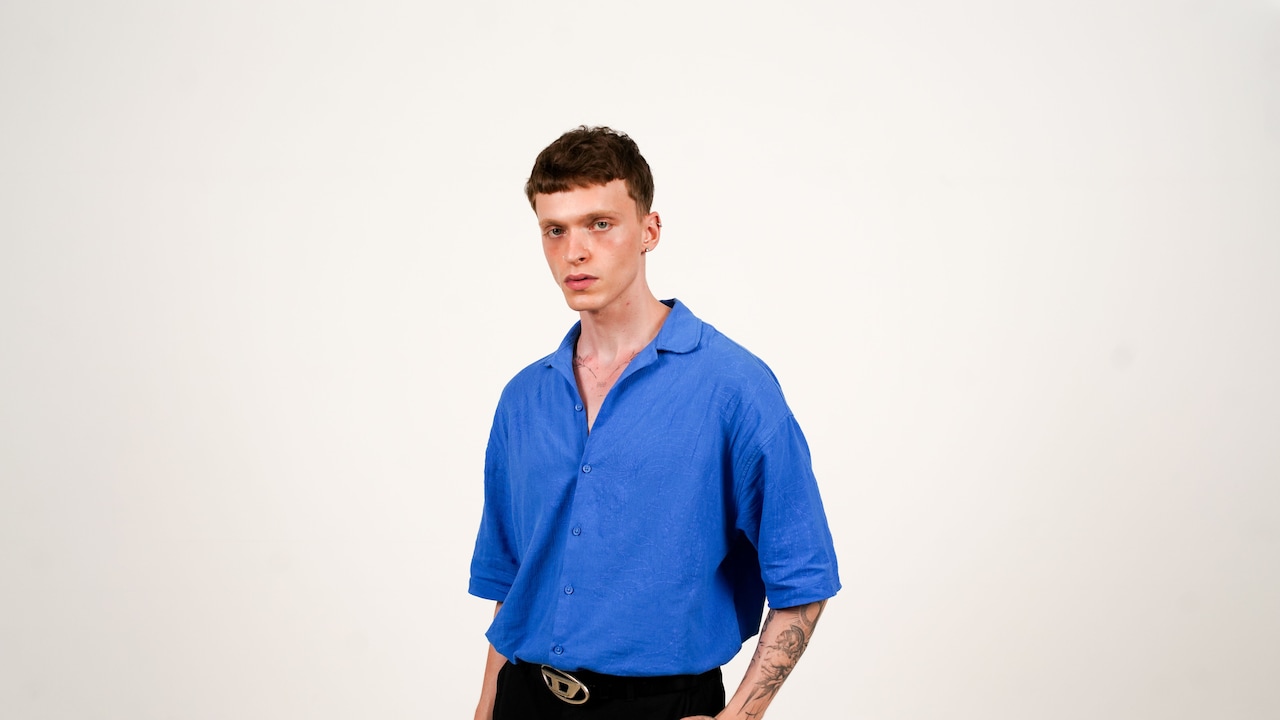
Tips to choose an office shirt that hides sweat patches easily; Photo Credit: Pexels
Picking an office shirt for humid weather needs more thought than choosing a pleasing colour. Fabric, weave, fit, thickness, shade, collar structure, and even pattern can decide whether a shirt helps you breeze through the day or makes you keep your arms pinned to your sides like a shy school monitor.
Also Read: Beyond Stripes And Checks: 5 Formal Shirts For Women Who Don't Want To Look Basic
The aim is simple: choose shirts that breathe well, dry quickly, hide moisture, and still look boardroom-appropriate. Here are ten practical ways to build a smarter office wardrobe for muggy weather.
Smart Ways To Choose Sweat-Proof Office Shirts
Choose Breathable Natural Fabrics First
Fabric does most of the heavy lifting when humidity rises. A shirt may look smart on the hanger, but if the material traps heat, it will betray you before lunch. Pure cotton remains a dependable choice because it breathes well and feels soft against the skin. However, not every cotton shirt performs the same way. Lightweight cotton, poplin, voile, and fine lawn work better than thick, heavy cotton that holds moisture for too long.
Linen also deserves attention, especially for offices with relaxed dress codes. It allows air to move freely and dries faster than many stiff formal fabrics. The only catch is its tendency to wrinkle, though that easy crumple can look stylish when the shirt fits well. For a more polished look, cotton-linen blends offer a neat middle path.
Avoid synthetic-heavy shirts that feel shiny, clingy, or plasticky. They may promise “easy care”, but many trap heat and make sweat sit on the skin. In humid weather, breathability beats showroom gloss every single time.
Pick Colours That Hide Moisture Better
Colour can either keep sweat patches discreet or turn them into a breaking-news headline. Light blue, mid-grey, pale pink, and certain pastel shades often show dampness clearly, especially around the underarms and back. These colours look charming in air-conditioned catalogues, but they can become risky during a humid commute.
White remains a strong option because it does not darken as sharply when damp. Deep navy, charcoal, black, forest green, maroon, and darker checks can also hide sweat marks better. The trick is to test how a colour changes when wet. Sprinkle a few drops of water on the inside hem before buying. If the patch turns dramatically darker, the shirt may not forgive sweat.
For daily office wear, build a base of white, off-white, navy, and darker patterned shirts. They offer polish without making every drop of sweat visible to the whole conference room.
Look For Patterns That Distract The Eye
Plain shirts look clean and formal, but they leave no room for sweat marks to hide. A small patch on a solid pastel shirt can catch attention faster than a WhatsApp notification during a meeting. Subtle patterns help solve this problem without making the outfit look loud.
Fine checks, micro-prints, pinstripes, herringbone textures, and small woven patterns break up the surface of the shirt. This visual movement makes moisture marks less obvious. A navy micro-check shirt, for example, can handle a sticky commute far better than a plain sky-blue one. Thin stripes also work well, especially when paired with dark trousers and a simple belt.
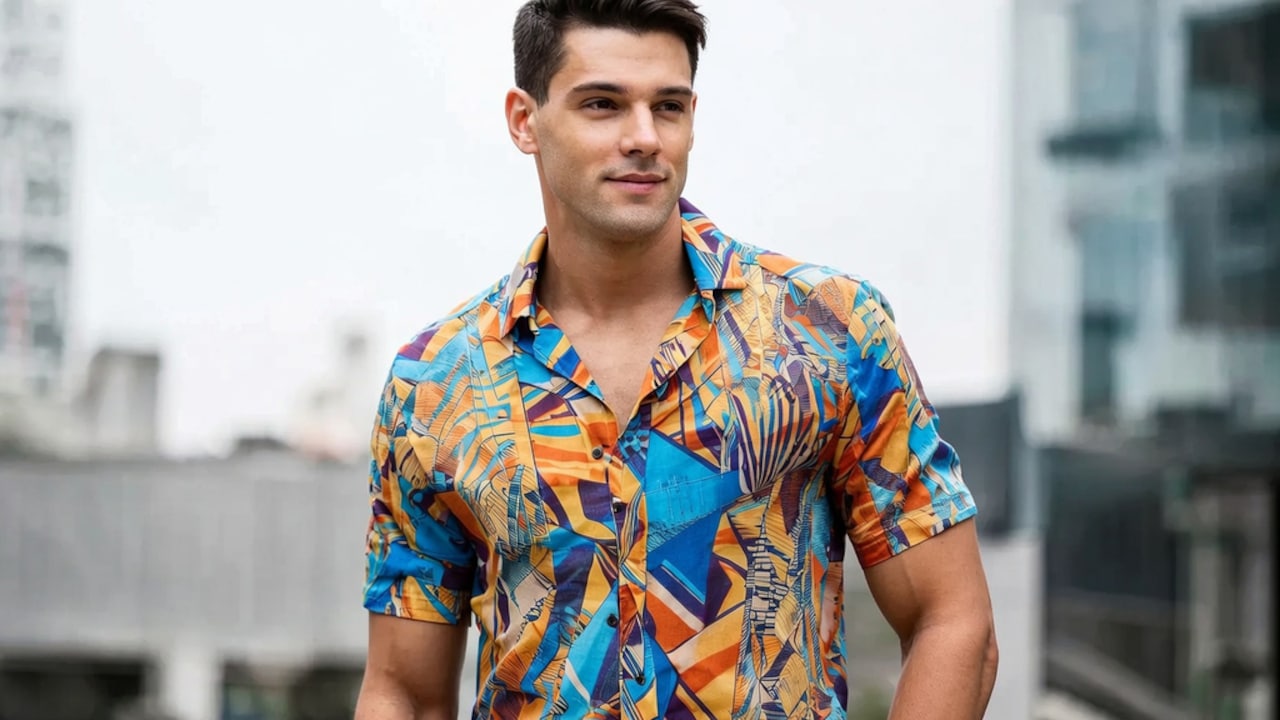
The key lies in scale. Large party-style prints may not suit most offices, while tiny patterns keep the look professional. Think of quiet detail rather than wedding-sangeet energy. A shirt should help the wearer look composed, not like someone accidentally joined the finance meeting on the way to a beach brunch.
Choose A Weave That Lets Air Move
Two shirts can both say “100% cotton” on the label and still feel completely different. The weave decides how tightly the threads sit together. In humid weather, a tight, heavy weave can feel like wearing a polite-looking blanket. A lighter, more open weave allows air to pass through and helps sweat evaporate faster.
Poplin works well for formal settings because it feels smooth and crisp without too much weight. Oxford cloth looks smart but can feel heavier, so choose a lighter version for warm months. End-on-end cotton gives a subtle textured look and hides moisture better than flat solids. Seersucker, with its puckered texture, keeps fabric slightly away from the skin, which helps airflow. It may not suit every formal workplace, but it works nicely on business-casual days.
Before buying, hold the shirt up to the light. A slightly airy fabric often suits humidity better than one that looks dense and stiff. Office shirts need structure, yes, but they should not feel like armour.
Get The Fit Right Around The Underarms
A tight shirt may look sharp in trial-room lighting, but humid weather turns tightness into trouble. When fabric clings to the underarms, it absorbs sweat quickly and shows patches faster. A little room around the chest, shoulders, and armholes allows air to circulate and keeps the shirt from sticking to the body.
This does not mean buying an oversized shirt. Too much extra fabric can bunch up, look untidy, and create sweat zones of its own. The best fit skims the body without hugging it. The shoulder seam should sit at the edge of the shoulder. The sleeves should allow easy movement. The underarm area should not pinch when reaching forward or lifting a bag.
Many slim-fit shirts cut the armholes too high and narrow. They look smart for five minutes, then start clinging. A tailored regular fit often works better for long office days. Comfort, in this case, creates confidence. No one performs their best while secretly worrying about raising a hand during a presentation.

Ensure that the shirt fits perfectly well around the underarms; Photo Credit: Pexels
Avoid Thin Fabrics That Turn Transparent
Lightweight shirts help in humidity, but thin does not always mean better. Some shirts feel breezy yet become transparent when damp. That creates a different office problem altogether. A shirt should breathe, but it should not reveal every vest line, belt shape, or nervous sweat patch.
White shirts need special care. A flimsy white shirt may look fine in the shop, then turn almost see-through under tube lights or after a humid commute. Choose white shirts with enough opacity to hold their structure. Twill, poplin, and textured cotton can work well if the fabric feels light but not papery.
Try this simple test before buying. Place a hand behind the shirt under bright light. If every detail is clear, the fabric may not suit humid office days. Also check the chest and back areas, not just the front panel. A good office shirt should feel cool while still protecting personal dignity. After all, the goal is to look fresh, not freshly rained upon.
Use Undershirts With Care
An undershirt can either save the outfit or make the wearer feel like a pressure cooker. The right one absorbs sweat before it reaches the office shirt. The wrong one adds heat, bulk, and discomfort. In humid weather, choose a thin, breathable, close-fitting undershirt in cotton, bamboo, or a moisture-wicking blend.
Colour matters here too. A stark white vest under a white shirt often shows more than expected. Skin-toned, light grey, or beige undershirts usually stay less visible. Crew necks may peek out under open collars, so V-necks work better when the top button stays undone during the commute.
Avoid thick banians that bunch around the waist or sleeves. They may feel familiar, but they can create ridges and trap heat. A good undershirt should sit close to the body and disappear under the shirt. It should act like backstage support, not the main performer. For those who sweat heavily, this small layer can protect favourite shirts and reduce visible patches throughout the day.
Check The Collar And Cuff Structure
In humid weather, the underarms get all the attention, but collars and cuffs also matter. A limp collar can make a shirt look tired even if the rest of it holds up well. Sweat, skin oils, hair products, and dust from the commute often collect around the neck. By noon, a weak collar may curl, collapse, or develop a damp edge.
Choose shirts with collars that have moderate structure. They should not feel cardboard-stiff, but they should hold shape after washing. Button-down collars work well for business-casual offices because they stay in place. Spread collars suit formal settings, especially under a blazer, but they need good interlining.
Cuffs deserve the same attention. Very tight cuffs trap heat around the wrists, while loose cuffs look careless. A neat cuff with enough space for one finger feels comfortable and polished. Small details often decide whether a shirt looks fresh at 5 pm. A strong collar and clean cuff can rescue the whole outfit, even after a long day of deadlines and filter coffee.
Prefer Easy-Care Shirts That Dry Fast
Office shirts in humid weather need regular washing. Sweat, deodorant, and city dust can settle into fabric quickly, especially during long commutes. That makes easy-care shirts useful, as long as they still breathe well. Cotton-rich blends with a small amount of polyester or elastane can dry faster and wrinkle less than pure cotton. The blend should support the fabric, not dominate it.
Look for shirts that mention quick-dry, wrinkle resistance, or easy ironing, but trust touch more than tags. If the fabric feels rubbery or overly smooth, it may trap heat. A good shirt should feel light, crisp, and comfortable against the wrist or neck.
Drying time matters during monsoon weeks when laundry plays hide-and-seek with sunlight. A shirt that dries overnight can save many rushed mornings. It also reduces that faint damp smell that appears when clothes sit too long on a drying stand. Practicality has its own elegance. A shirt that washes well, dries fast, and needs minimal ironing earns its place in the wardrobe.
Match Shirts With Smart Grooming Habits
Even the best shirt needs support from sensible daily habits. Sweat patches become worse when deodorant, antiperspirant, and fabric all fight each other. Use an antiperspirant at night or after a shower, and let it dry before wearing a shirt. Dressing too quickly after bathing can trap moisture under the fabric before the day even begins.
Underarm grooming also helps. Less hair allows antiperspirant to work better and reduces sweat absorption into the shirt. During humid months, keep a spare shirt at the office if the schedule includes client visits or evening events. Many people also keep compact sweat pads, wet wipes, or a small towel in their work bag. No drama, just practical survival.
Shirt rotation matters too. Wearing the same favourite blue shirt twice a week may feel harmless, but repeated sweat exposure weakens fabric and causes stubborn stains. Give shirts time to breathe between washes. A little care keeps them sharper, fresher, and more loyal through muggy months.
Products Related To This Article
1. GRADO Mens Bamboo Cotton Premium Spread Collar Full Sleeves Sweat Free Formal Shirts
2. Hektor Jacquard Open Button Bonded Sweat Wicking Shirt
3. Roadster The Lifestyle Co Cotton Spread Collar Relaxed Fit Shirts
4. GRADO Mens Bamboo Cotton Premium Spread Collar Full Sleeves Sweat Free Formal Shirts
5. Hektor Jacquard Open Button Bonded Sweat Wicking Shirt
Humid weather does not need to win the style battle. The right office shirt can make a sticky day feel far more manageable. Breathable fabrics, clever colours, subtle patterns, airy weaves, and a comfortable fit all work together to keep sweat patches under control. Add a sensible undershirt, strong collar, quick-dry fabric, and good grooming habits, and the wardrobe starts behaving like a reliable colleague rather than a daily risk.
The smartest shirt for humid weather does not scream for attention. It quietly handles heat, movement, crowded commutes, and long meetings while keeping the wearer composed. That is the real luxury: not a designer label, not a fancy price tag, but the freedom to raise a hand, lean forward, present an idea, and sip chai without worrying about what the underarms are doing.
A good office shirt should help the day move smoothly. When chosen well, it offers comfort, confidence, and a small but powerful feeling of control over weather that rarely listens to reason.
(Disclaimer: This article may include references to or features of products and services made available through affiliate marketing campaigns. NDTV Convergence Limited (“NDTV”) strives to maintain editorial independence while participating in such campaigns. NDTV does not assume responsibility for the performance or claims of any featured products or services.)