How To Remove Mould Stains From Bags During Monsoon
Learn how to remove mould stains from bags during monsoon with simple cleaning methods, prevention tips, and products that help keep your bags fresh in monsoon.
How To Remove Mould Stains From Bags During Monsoon
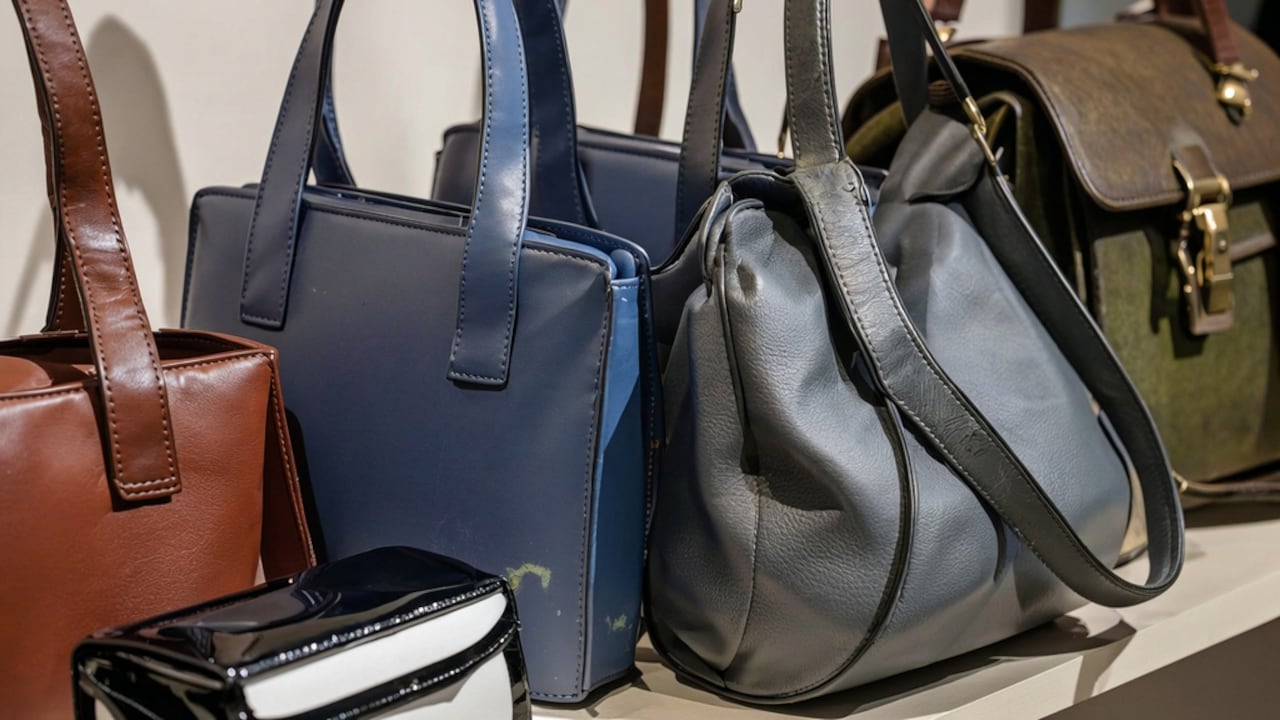
Monsoon season brings nice relief from the summer heat, but it also brings something most people really don't enjoy: mould. One day, the favourite handbag looks perfectly fine, and the next day, suddenly white spots, black patches, or a musty smell appear that weren't there during the monsoon.
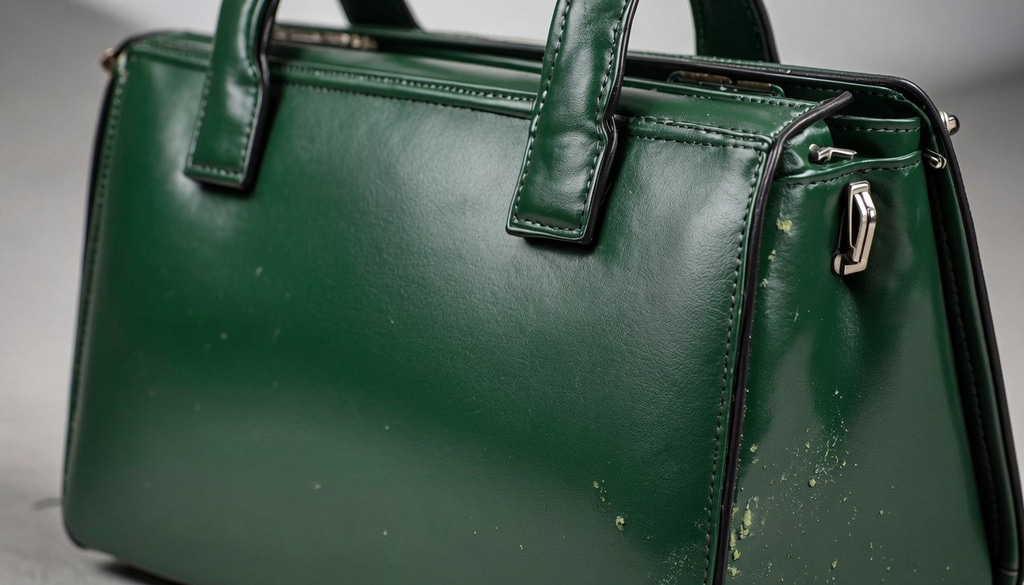
Learn easy cleaning methods, prevention tips, and helpful products to keep monsoon bags mould-free.
Photo Credit: iStock
Bags become especially vulnerable during rainy months because they often get kept inside wardrobes, corners or shelves where moisture quietly starts building up. Whether it is a leather tote, canvas backpack or office bag, mould can appear surprisingly fast when humidity levels stay high for a long time.
Also Read: How To Care For Leather Bags And Shoes During Monsoon
So if someone has been wondering how to remove mould stains from bags during the monsoon, the good news is that most stains can actually be cleaned at home with a few simple steps. The key thing is to act early before the mould spreads deeper into the material.
Why Do Bags Develop Mould During Monsoon?
Monsoon weather basically creates a perfect environment for mould to grow. High humidity, damp air and very limited sunlight allow fungal spores to settle and multiply on bag surfaces effortlessly.
Some common reasons include storing bags inside closed wardrobes, keeping slightly wet bags after rain exposure, lack of proper air circulation, using dust bags that trap moisture inside, and storing bags near damp walls.
Leather, suede, canvas and fabric bags are especially prone to mould because these materials absorb moisture more easily compared to synthetic ones.
How To Identify Mould Stains On Bags?
Not every stain is actually mould. Before starting any cleaning, it helps to know what exactly one is dealing with.
Common signs of mould include white powdery patches, green or black spots, fuzzy growth appearing on the surface, a musty or damp smell, and discolouration that keeps spreading slowly over time.
If the bag smells earthy or damp even after airing it outside, mould is often the reason for it.
A Simple Cleaning Routine That Works
Before starting anything, take the bag outdoors or to some well-ventilated area. Mould spores can spread effortlessly if cleaning is done indoors.
1. Brush Off Loose Mould
Begin by removing the visible mould from the surface of your bag. You can use a brush to brush them away. However, it is recommended to cover your mouth and nose to protect your lungs from damage. When you're brushing off the mould, don't press too hard or brush too vigorously. Doing so will push the mould deeper into the surface, and you won't be able to remove it.
2. Prepare A Mild Cleaning Solution
After you've brushed off the mould, you can use a mould cleaner on the surface of the bag. However, if you don't have a mould cleaner, then you can make one at home yourself. All you have to do is mix soap with warm water. After you've made the mixture, gently rub it on the mould-affected areas.
3. Wipe The Affected Areas
Once you spray or rub the mould cleaning solution, get a dry cloth, dip it in the same mould mixture and wipe the places that you see mould on top of the bag.
4. Use Vinegar For Stubborn Spots
If stains persist even after previous steps, then lightly damp the area using white vinegar applied with the help of a clean cloth. Vinegar acts as a natural mould spore killer. Wait for a few minutes and remove the vinegar with a damp cloth.
Cleaning Different Types Of Bags
Each type of bag reacts differently to moisture content and various cleaners; hence, different cleaning methods must be used accordingly.
1. Cleaning Leather Bags
Extra care and attention must be paid to removing mould from leather bags. Only a leather-specific cleaner or a mild soap solution must be used for cleaning. Application of leather conditioner after cleaning is crucial in order to keep the moisture balance restored because it can prevent drying of leather in future.
2. Cleaning Canvas Bags
Compared to leather bags, canvas bags can tolerate a higher amount of cleaning. Using mild soap and a soft brush, try to remove stains from the affected parts. Never try cleaning the full bag. Wipe and clean only the parts that have visible mould on them.
3. Cleaning Suede Bags
Suede is quite delicate and absorbs moisture rapidly. Use a suede brush to gently remove mould from the surface. If stains persist, use a suede cleaner that is specifically made for this material. Water-heavy cleaning methods should be avoided completely with suede.
4. Dry The Bag Completely
This step is sometimes more important than the cleaning itself. Place the bag in a bright and airy spot with indirect sunlight. Let it dry naturally for several hours at least. Never store any bag until it becomes completely dry.
How To Prevent Mould Stains From Coming Back?
Once the cleaning is done, it is important to prevent mould from returning.
A few simple habits can make quite a big difference here. So, always store bags in dry and ventilated spaces, use silica gel packets inside bags, air out pouches every few weeks, avoid storing damp items inside, keep wardrobes moisture-free, and use dehumidifiers during peak monsoon months. For expensive leather bags, especially, regular maintenance during the rainy season is usually worth the effort. Stay consistent with light cleaning after every use to ensure longevity of your bags.
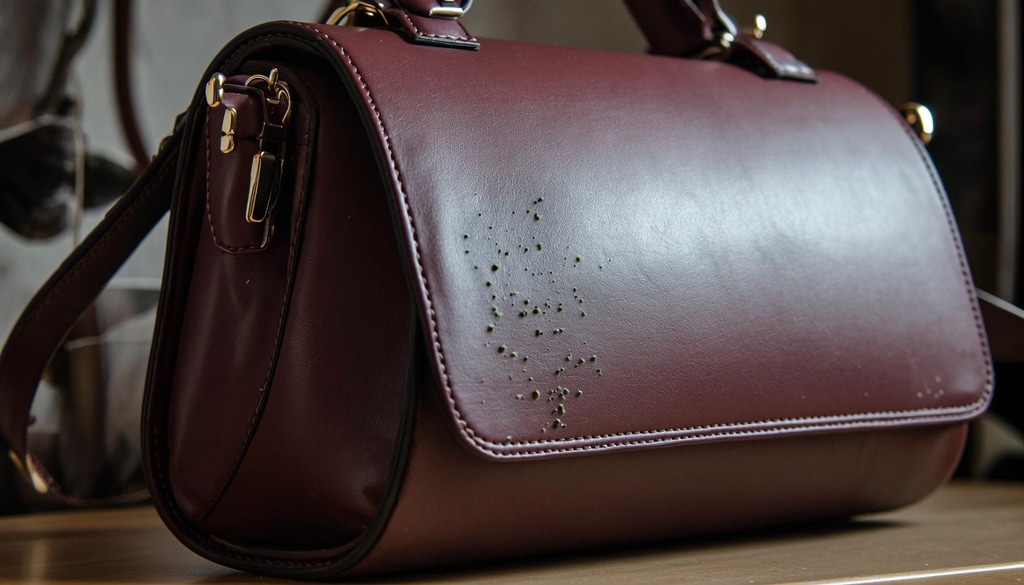
Keep bags fresh this monsoon using simple cleaning methods to effectively remove stubborn mould stains.
Photo Credit: iStock
Some Bag Care Products You May Like
1. Furniture Clinic Mould Remover Spray
2. Savlon Clothes Disinfectant and Refreshing Spray
3. No-O Wardrobe Lavender Spray
4. Happi Planet Mold & Mildew Stain Remover Spray
5. Zimmer Aufraumen Mold, Mildew & Fungus Remover Spray
6. Dettol Anti Bacterial Mould & Mildew Remover
7. Spartan Silica Gel Packets
8. TIDY FOX Vinegar Based Mold Remover
Frequently Asked Questions (FAQs)
1. Can mould permanently damage a bag?
Yes, it can. If mould is left untreated for a long time, it can weaken fabrics, stain leather badly and create permanent discolouration that becomes very difficult to remove.
2. Is vinegar safe for cleaning mould from bags?
White vinegar, diluted, is fine for fabric. However, for leather and suede, it is advisable to spot-treat an invisible part to begin with.
3. How often should I air out my bags during the monsoon?
Ideally, once every two to three weeks. Regular airflow helps prevent moisture buildup and mould growth.
4. Can I use a hair dryer to dry a mould-cleaned bag?
It is better to avoid direct heat completely. Natural airflow and indirect sunlight are much safer options for most bag materials.
5. What is the best way to store bags during the rainy season?
Use moisture-absorbing agents like silica gel and place them within the bag when storing.
(Disclaimer: This article may include references to or features of products and services made available through affiliate marketing campaigns. NDTV Convergence Limited (“NDTV”) strives to maintain editorial independence while participating in such campaigns. NDTV does not assume responsibility for the performance or claims of any featured products or services.)