Rainy-Day Footwear That Does Not Look Too Sporty: Which Soles And Materials Work Best
Rainy-day footwear can look smart without feeling sporty. Here’s how to choose soles and materials that grip well, dry fast, resist splashes, and still work with office wear, festive outfits and everyday style.
Rainy-Day Footwear That Does Not Look Too Sporty: What Soles And Materials Work Best
The first proper shower of the season always brings a strange mix of romance and panic. The air smells of wet earth, the chai tastes better, and suddenly every pavement turns into a small obstacle course. One wrong step outside the office, metro station, college gate, or neighbourhood market can leave shoes soaked, socks sulking, and dignity slightly bruised. For years, rainy-day footwear has had a reputation problem. Most options look either too sporty, too bulky, or too much like something bought in a hurry outside a railway station. Yet daily life does not pause for cloudy skies. Meetings still happen, weddings still need attending, cafés still call, and no one wants to pair a crisp kurta, linen trousers, or office wear with shoes that scream “marathon training”.
Rainy-Day Footwear That Does Not Look Too Sporty: What Soles And Materials Work Best
Photo Credit: Pexels
The good news is simple. Rain-ready footwear can look polished, relaxed, and even stylish, provided the soles and materials do the hard work. The trick lies in choosing surfaces that grip, uppers that shrug off splashes, and shapes that do not collapse after one soggy commute.
Soles, Materials, And Style Choices That Work Best In The Rain
Choose Rubber Soles With Real Grip
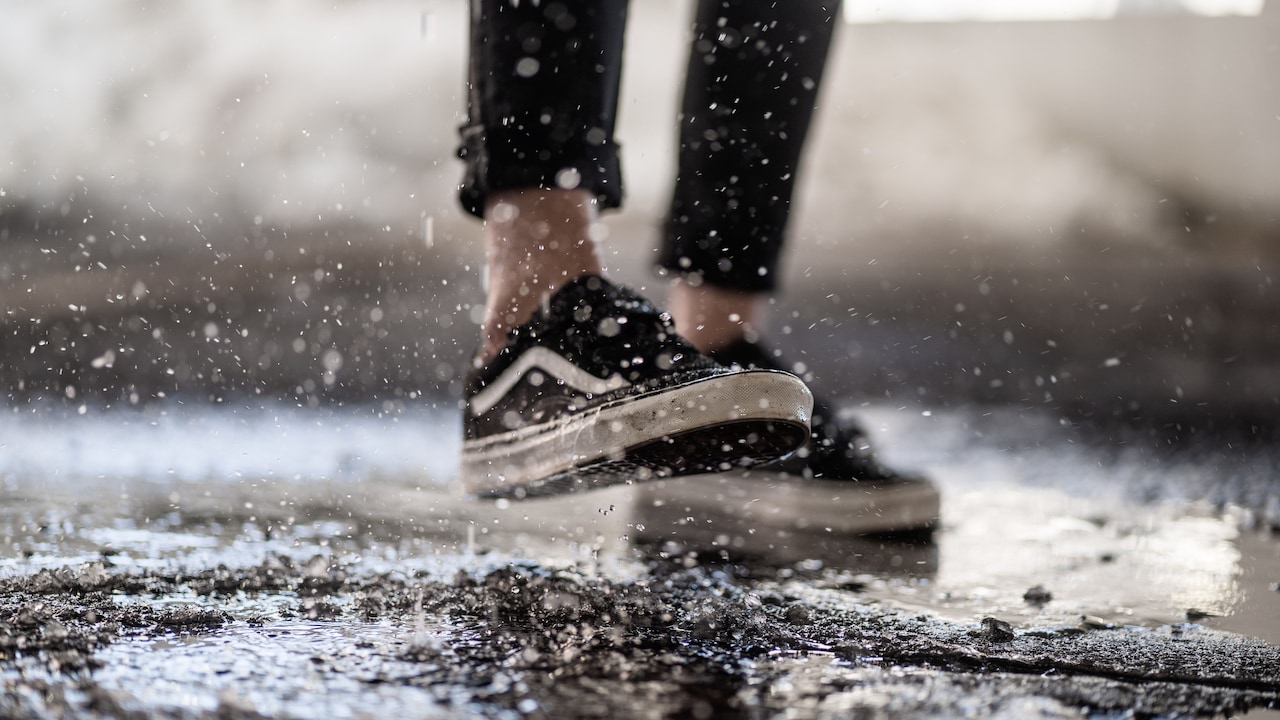
A rainy-day shoe lives or dies by its sole. Smooth soles may look elegant in the shop, but on wet marble, polished mall floors, or mossy apartment steps, they can behave like banana peels in disguise. Rubber works best because it bends, grips, and handles moisture better than leather or hard plastic soles.
The key is not just rubber, though. The pattern matters. Look for grooves, ridges, or textured treads that can push water away from the ground. A flat sole traps water underneath and increases the chance of slipping. A patterned sole gives the shoe tiny escape routes, which makes walking feel more secure.
This does not mean the shoe must look like a hiking boot. Many loafers, sandals, ballet flats, and formal slip-ons now come with discreet rubber soles. From the side, they still look neat. Underneath, they do the practical work quietly, like a sensible friend carrying an umbrella in a stylish tote.
Avoid Slippery Leather Soles During The Monsoon
Leather soles have charm. They suit formal shoes, age beautifully, and make a satisfying sound on dry floors. Unfortunately, rain turns them into trouble. Once soaked, leather soles soften, lose shape, and become slippery. They also absorb water, which can lead to swelling, odour, and that sad curled-up look no shoe deserves.
For office wear, weddings, or formal dinners during wet months, choose shoes that look dressy from above but have rubber or thermoplastic rubber soles underneath. This small change makes a big difference. A pair of smart loafers with rubber soles can pass easily under tailored trousers. A neat pair of block-heeled sandals with textured bottoms can work with saris, salwar suits, dresses, and wide-legged pants.
Leather soles also take longer to dry. Leave them damp in a closed cupboard, and they may invite fungus, especially in humid cities. During heavy showers, save pure leather-soled shoes for indoor events with guaranteed dry transport. Rain has no respect for expensive footwear, and puddles do not care about brand names.
Pick Water-Resistant Uppers, Not Fully Plastic Ones
The upper material decides how the shoe looks and how quickly it recovers after a splash. Water-resistant materials make sense, but fully plastic footwear can feel sweaty, stiff, and noisy. Nobody wants shoes that announce every step in a quiet office corridor.
Treated synthetic leather, coated canvas, rubberised fabric, and certain vegan leather finishes work well for daily rain. They resist splashes without looking too sporty. These materials can be wiped clean with a cloth and usually dry faster than untreated leather or suede. For a polished look, choose matte or softly textured finishes rather than glossy plastic shine.
The aim is balance. A shoe should keep water out during short walks from the parking area, auto stand, or metro exit, but still feel comfortable throughout the day. Breathability matters because humidity can make feet feel trapped. Small perforations placed away from splash zones, soft linings, and open-back designs can help. The smartest rainy-day footwear does not fight the weather loudly. It negotiates with it.
Also Read: How To Prevent Shoe Smell During Monsoon Season
Let Suede Sit Out The Wet Season
Suede and rain share a tragic relationship. Suede looks rich, soft, and quietly expensive, but one unexpected downpour can leave it blotchy and tired. Even protective sprays cannot perform miracles during heavy showers or waterlogged lanes. Once mud or dirty rainwater stains suede, cleaning becomes a small project, often involving regret.
Nubuck faces a similar problem. Its velvety surface absorbs moisture quickly and shows marks easily. These materials suit dry winter evenings far better than damp pavements. During wet months, shoes made of suede may be kept for indoor gatherings where travel happens door to door. Even then, a surprise puddle near the entrance can ruin the mood.
For those who love the soft look of suede, textured synthetic alternatives can offer a safer compromise. Some faux-suede finishes are easier to clean, though they still need care. Darker shades such as charcoal, chocolate, navy, and deep olive hide splashes better than beige or pale pink. Rainy style rewards realism. Some materials deserve a seasonal holiday.
Go For Closed Toes In Dirty Puddles
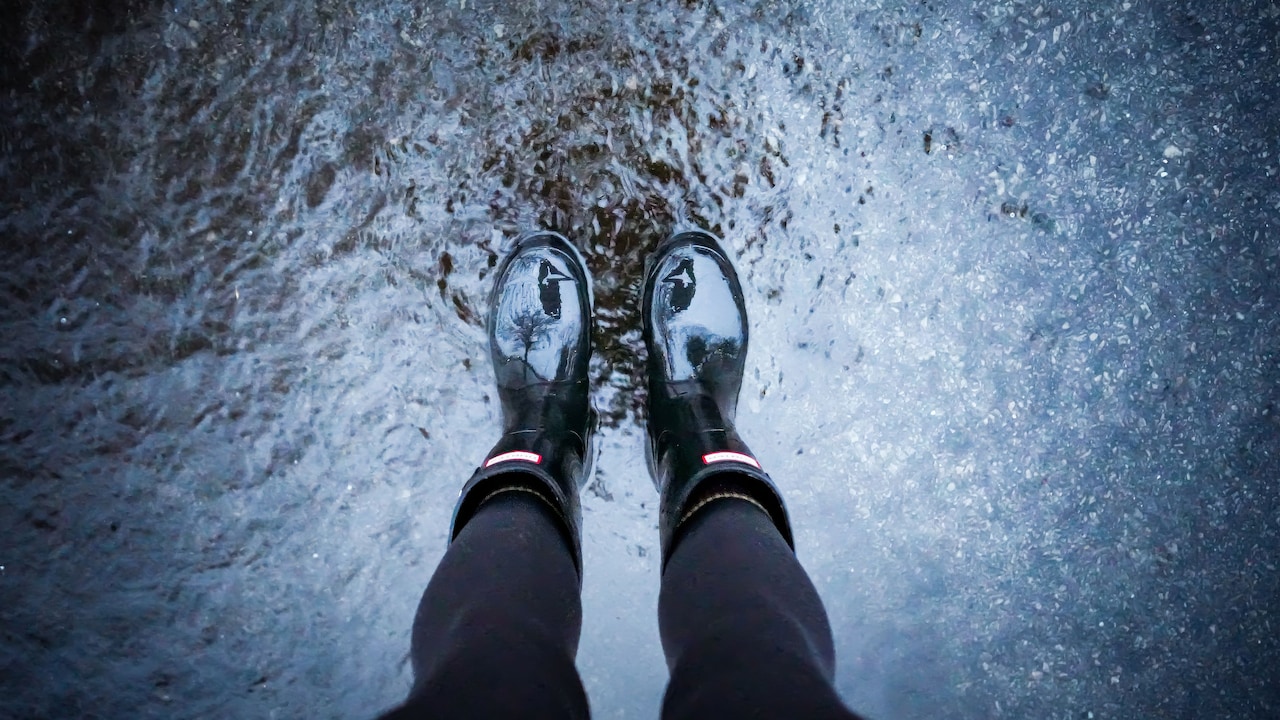
Open sandals feel tempting when the rain starts. They dry quickly, suit humid weather, and avoid the horror of wet socks. Yet city puddles are rarely innocent. They often carry mud, oil, leaves, and other mysterious things no foot should meet before lunch. Closed-toe footwear gives better protection during heavy rain and crowded commutes.
Closed does not have to mean stuffy. Loafers, moccasins, jelly flats, covered mules, and smart slip-ons can protect toes while still looking refined. For ethnic wear, closed juttis made from water-resistant synthetic materials can work for light showers, provided the sole has grip. For workwear, almond-toe flats or loafers with wipeable uppers feel far more polished than bulky sports shoes.
Toe shape also matters. Very pointed shoes may collect water at the front and feel cramped when feet swell in humid weather. Rounded or almond toes offer comfort without losing elegance. The best rainy shoes give toes enough room to breathe, dodge splashes, and survive a crowded lift without drama.
Trust Block Heels Over Pencil Heels
Rain has a way of exposing bad heel decisions. Pencil heels may look glamorous, but on wet ground, they can sink into mud, catch in pavement cracks, and wobble on slippery tiles. Block heels, wedges, and low platforms offer better balance without sacrificing style.
A two-inch block heel can look dressy with office wear, festive outfits, or dinner clothes. It lifts the foot above shallow puddles and gives more surface area to stand on. Wedges work well too, especially when the sole has texture. The important part is stability. A heel that feels fine on dry showroom flooring may behave very differently near a wet building entrance.
Avoid heels with smooth plastic tips. They can skid suddenly, especially on granite steps and polished corridors. Textured rubber heel caps provide better control. For daily wear, a broad heel with a cushioned footbed feels kind to the knees and back. Rainy days already test patience with traffic and delays. Footwear should not add suspense to every step.
Rainy-Day Footwear That Does Not Look Too Sporty: What Soles And Materials Work Best
Photo Credit: Pexels
Choose Darker Colours And Easy-Clean Finishes
Rain has no mercy on pale footwear. Cream flats, white loafers, and pastel sandals look lovely for about eight minutes before the first splash of muddy water. Darker shades are far more forgiving. Black, tan, brown, navy, burgundy, forest green, and charcoal hide stains better and pair easily with most wardrobes.
Easy-clean finishes matter more than fancy embellishments. Smooth or lightly textured uppers can be wiped with a damp cloth after reaching home. Shoes with fabric bows, delicate embroidery, beads, or absorbent trims may trap dirt and moisture. Once grime settles into decorative details, cleaning becomes frustrating.
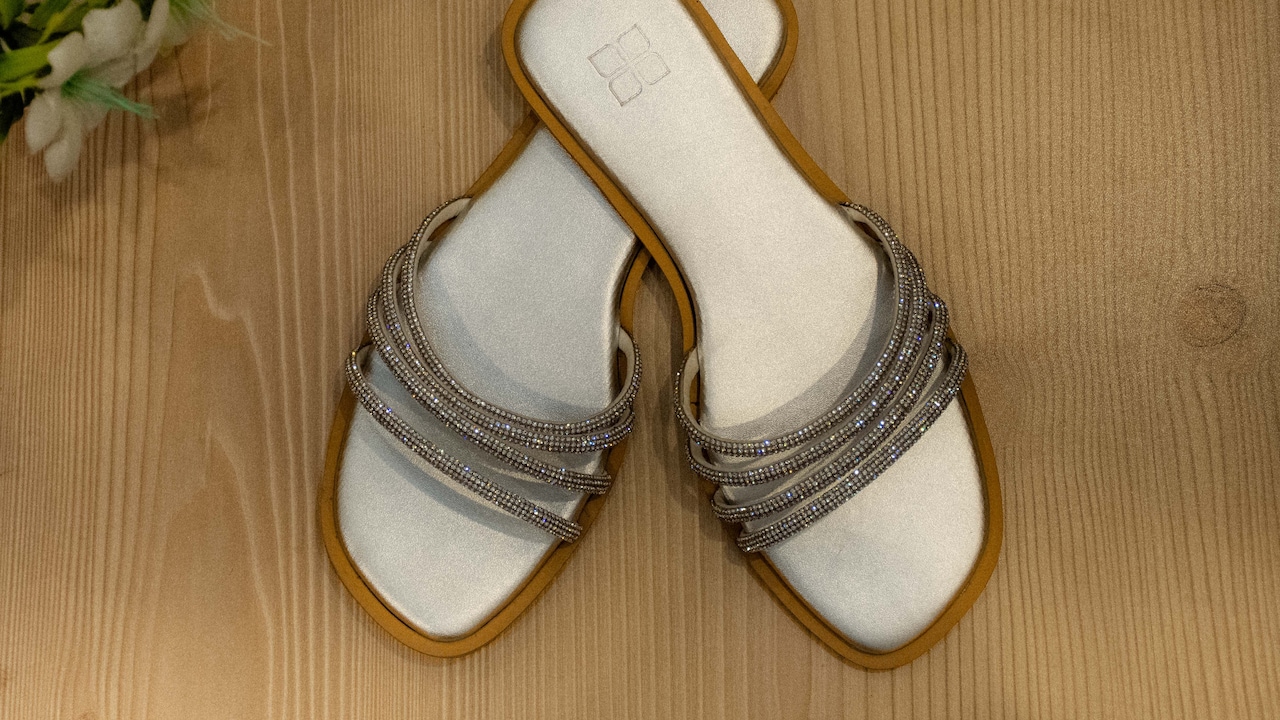
This does not mean rainy footwear must look dull. A deep maroon loafer, tan waterproof mule, or black strappy sandal with a neat metal buckle can look stylish without being fragile. Metallic accents in antique gold or gunmetal often handle splashes better than cloth decorations. The secret is choosing design details that survive real streets, not just air-conditioned shelves.
Look For Cushioned Insoles That Dry Fast
The outside of a rainy shoe gets all the attention, but the inside decides whether the day remains comfortable. A damp insole can ruin everything. It smells unpleasant, feels sticky, and may take ages to dry in humid weather. Fast-drying cushioned insoles are worth seeking out, especially for long commutes.
EVA foam, lightly padded synthetic footbeds, and removable insoles work well. Removable insoles are useful because they can be taken out, aired, and cleaned separately. This helps prevent odour during weeks when the sun appears only as a rumour. Soft lining also reduces friction, which matters when feet are slightly damp.
Avoid thick cloth insoles in rain-friendly shoes unless they dry quickly. They may feel comfortable at first but can hold moisture. For people who walk through stations, office campuses, markets, or college lanes, cushioning makes a noticeable difference. A good rainy shoe should not feel like a punishment for leaving the house. It should feel steady, dry enough, and ready for another cup of roadside chai.
Keep The Shape Sleek, Not Sporty
Many people reach for trainers in the rain because they feel safe. The problem begins when the rest of the outfit looks polished, and the shoes look ready for a gym session. To avoid that mismatch, choose rain-friendly footwear with sleek shapes and minimal branding.
Loafers, penny slip-ons, Chelsea-style rain boots, covered flats, strappy block heels, and simple mules can all look smart without appearing sporty. Clean lines help. So do solid colours, low-profile soles, and quiet stitching. Chunky neon soles, mesh panels, and oversized logos push footwear into athletic territory.
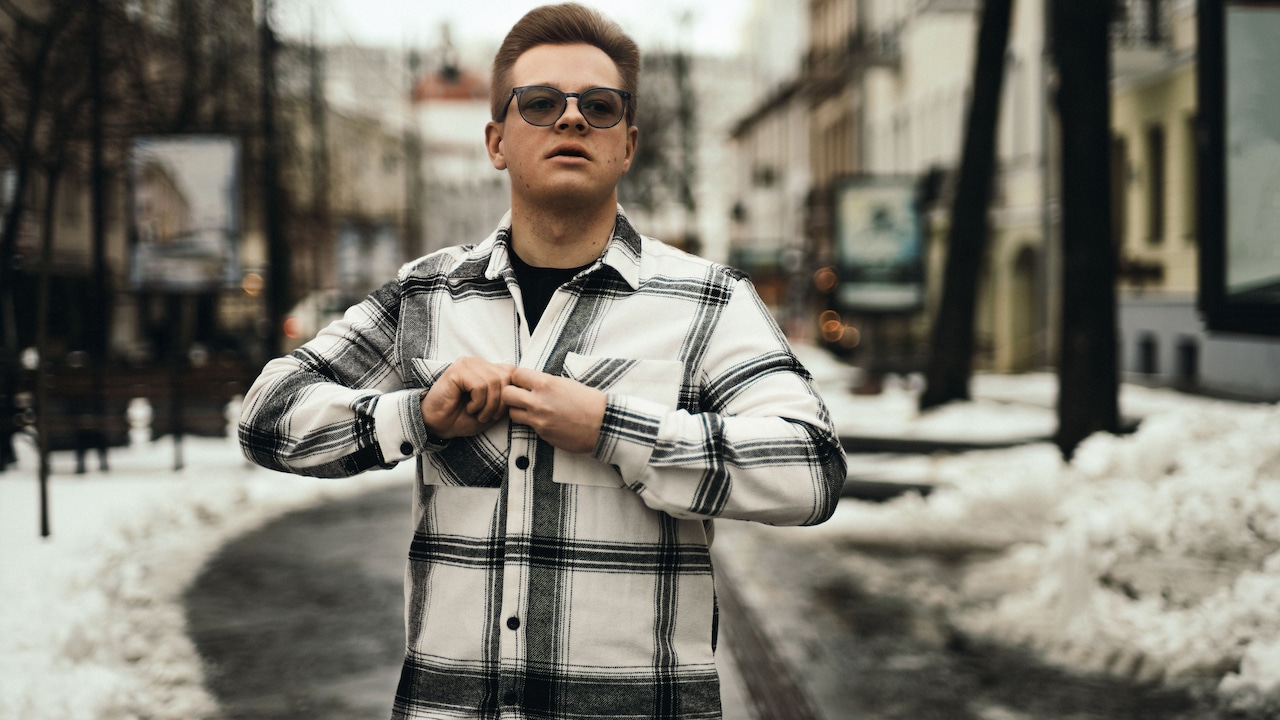
For men, rubber-soled loafers, matte-finish slip-ons, and sleek ankle boots work beautifully with chinos, jeans, and office trousers. For women, closed flats, block-heeled sandals, and water-resistant mules pair well with kurtas, trousers, skirts, and saris. The goal is simple: footwear that looks like part of the outfit, not emergency equipment purchased during a cloudburst.
Match The Shoe To The Rain, Not The Mood
Every rainy day is not the same. A light drizzle outside a café does not need the same footwear as a flooded lane after an evening storm. Smart dressing means reading the day before choosing the pair. Weather apps help, but so does looking out of the window and trusting the auntie downstairs who already knows where the water collects.
For light rain, coated flats, loafers, or sandals with rubber soles work well. For steady showers, closed-toe slip-ons or ankle-length rain boots offer better protection. For waterlogged stretches, avoid anything expensive, delicate, or absorbent. No shoe looks stylish when it has given up halfway through the commute.
Occasion matters too. Office days need subtle shoes that dry quickly and look neat under desks. Festive visits call for dressier materials that can handle splashes. Market runs need grip above everything else. A small rotation helps: one smart pair for work, one sturdy pair for errands, and one dressier rain-safe pair for evenings. Monsoon style becomes easier when each shoe has a job.
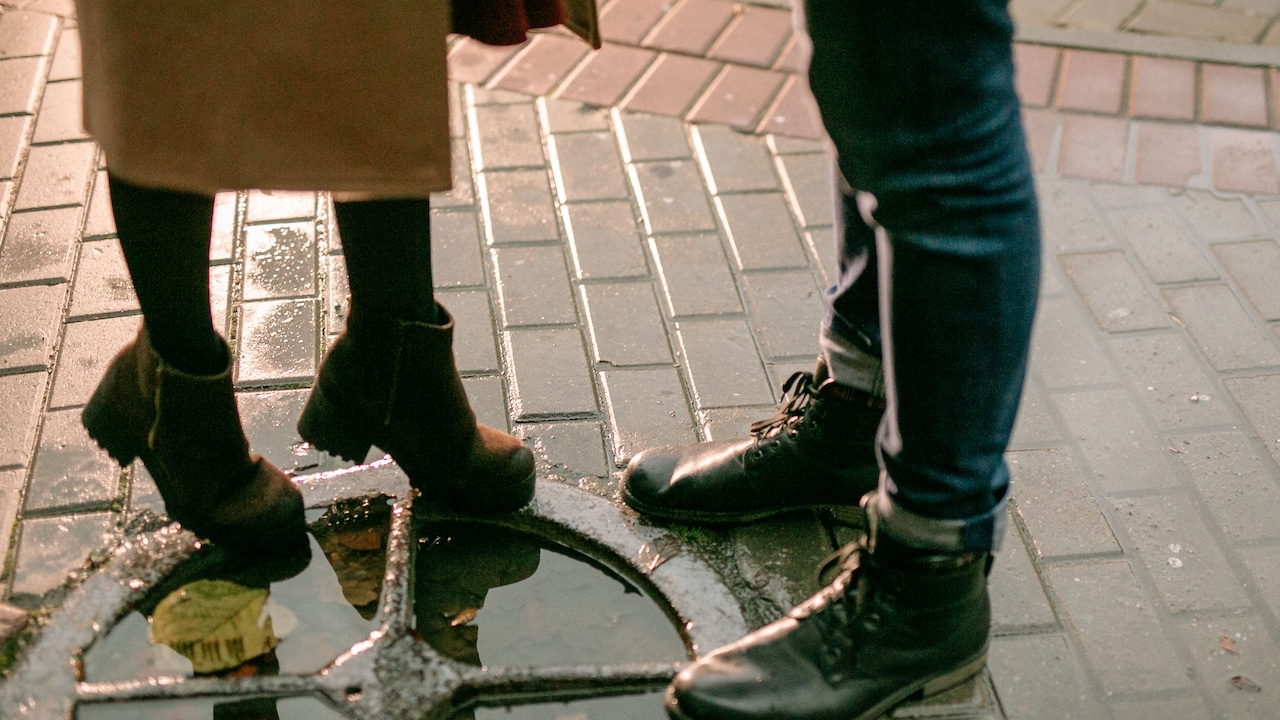
Rainy-Day Footwear That Does Not Look Too Sporty: What Soles And Materials Work Best
Photo Credit: Pexels
Products Related To This Article
1. ALCAZO Women Loafers
2. Leo's Fitness Shoes Men PU Derbys
3. CASSIEY Women PU High-Top Sneakers
4. Hoppa Skipper Beige Mens Shoes
5. ELLE Women Printed Sneakers
6. Ifah Women Colourblocked Lace-Ups Regular Sneakers
7. SHUAN Men Boat Shoes
Rainy-day footwear does not need to look overly sporty, bulky, or boring. The best pairs combine discreet grip, water-resistant materials, fast-drying interiors, and shapes that blend with everyday clothes. Rubber soles, textured treads, coated uppers, block heels, closed toes, and darker colours make the season easier to manage without turning every outfit into trekking gear.
The real test of a rain shoe is not how dramatic it looks in a shop display. It is how calmly it handles wet stairs, muddy pavements, crowded trains, office floors, and sudden plans after work. A stylish pair should let the wearer walk with confidence, not tiptoe like a cat near a bucket of water.
A little practicality can look surprisingly elegant. Choose soles that grip, materials that forgive, and designs that feel natural with the clothes already in the wardrobe. Then let the clouds gather. The shoes will be ready.
(Disclaimer: This article may include references to or features of products and services made available through affiliate marketing campaigns. NDTV Convergence Limited (“NDTV”) strives to maintain editorial independence while participating in such campaigns. NDTV does not assume responsibility for the performance or claims of any featured products or services.)