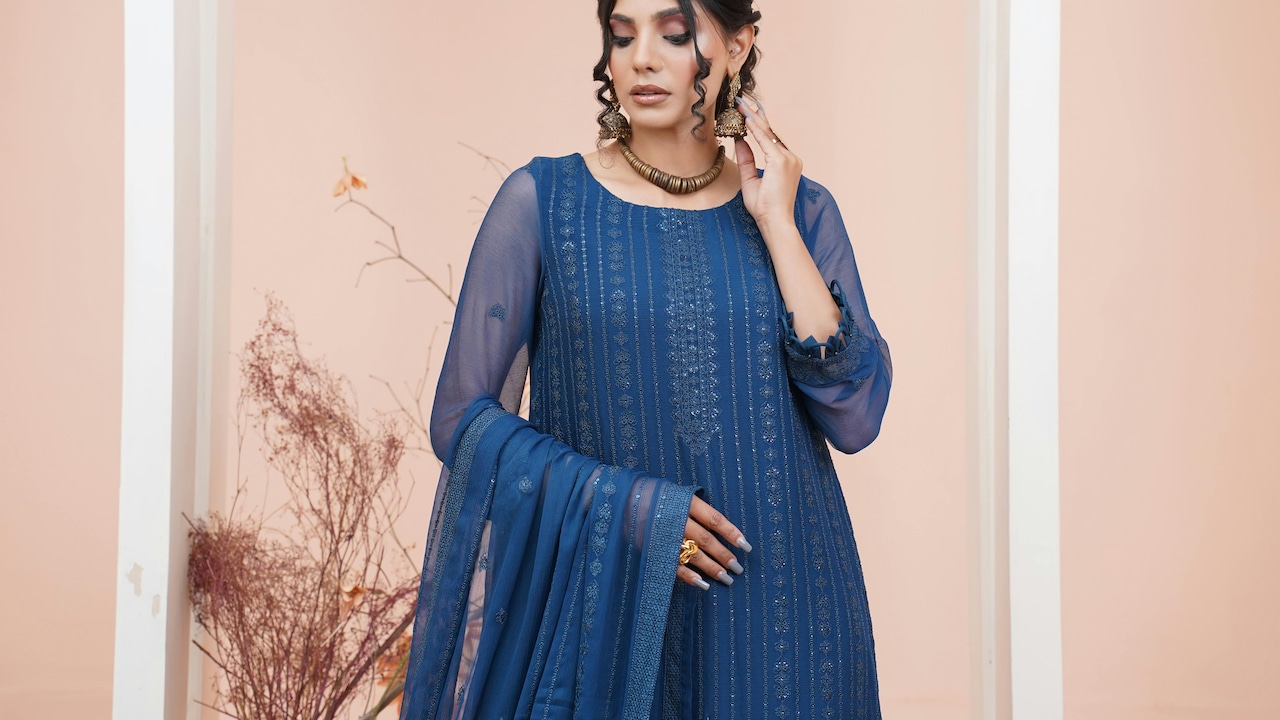
Sweat-Proof vs Breathable: What Is The Right Fabric For Indian Weather?
Sweat-proof or breathable, which truly works in heat and humidity? This guide breaks down what matters for comfort, style, and daily wear, helping you choose fabrics that actually handle the weather.

Find out the ultimate winner between sweat proof vs breathable fabrics for humidity
Step outside on a typical summer afternoon, and the air feels heavy enough to slice. Within minutes, shirts cling, collars dampen, and every step becomes a quiet negotiation with discomfort. Add crowded trains, traffic fumes, and the occasional surprise shower, and clothing suddenly feels less like fashion and more like survival gear.
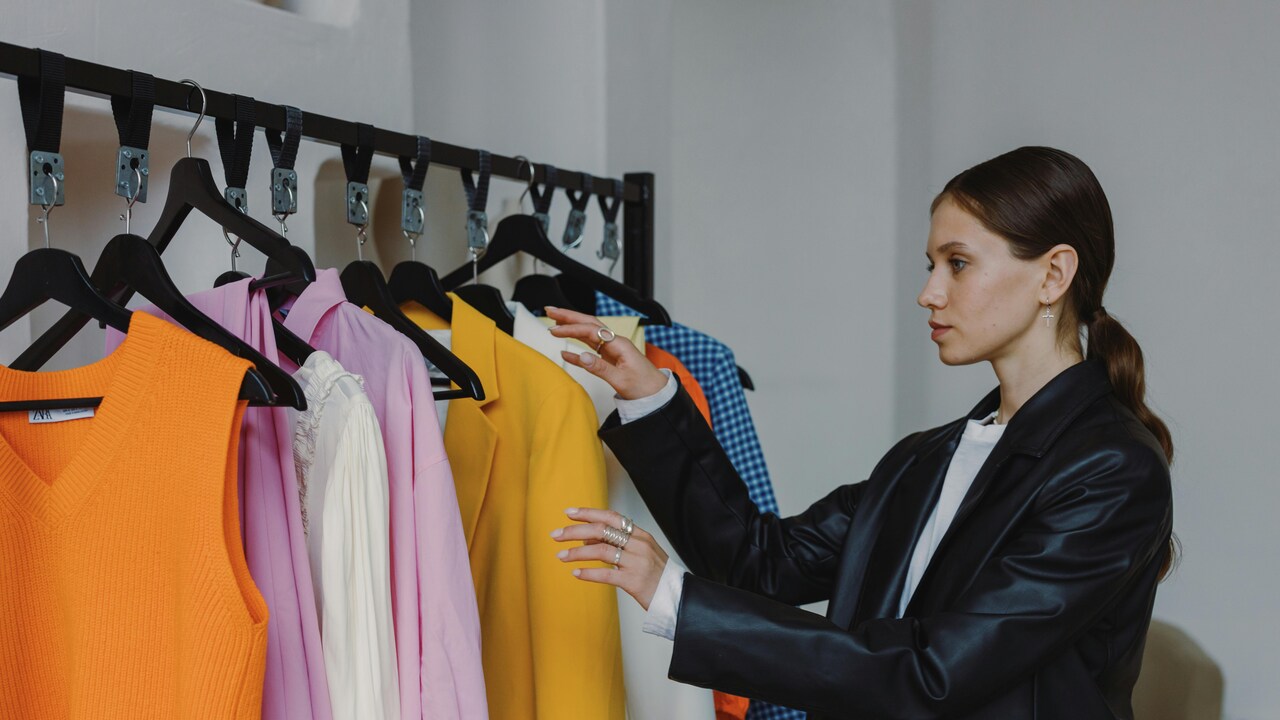
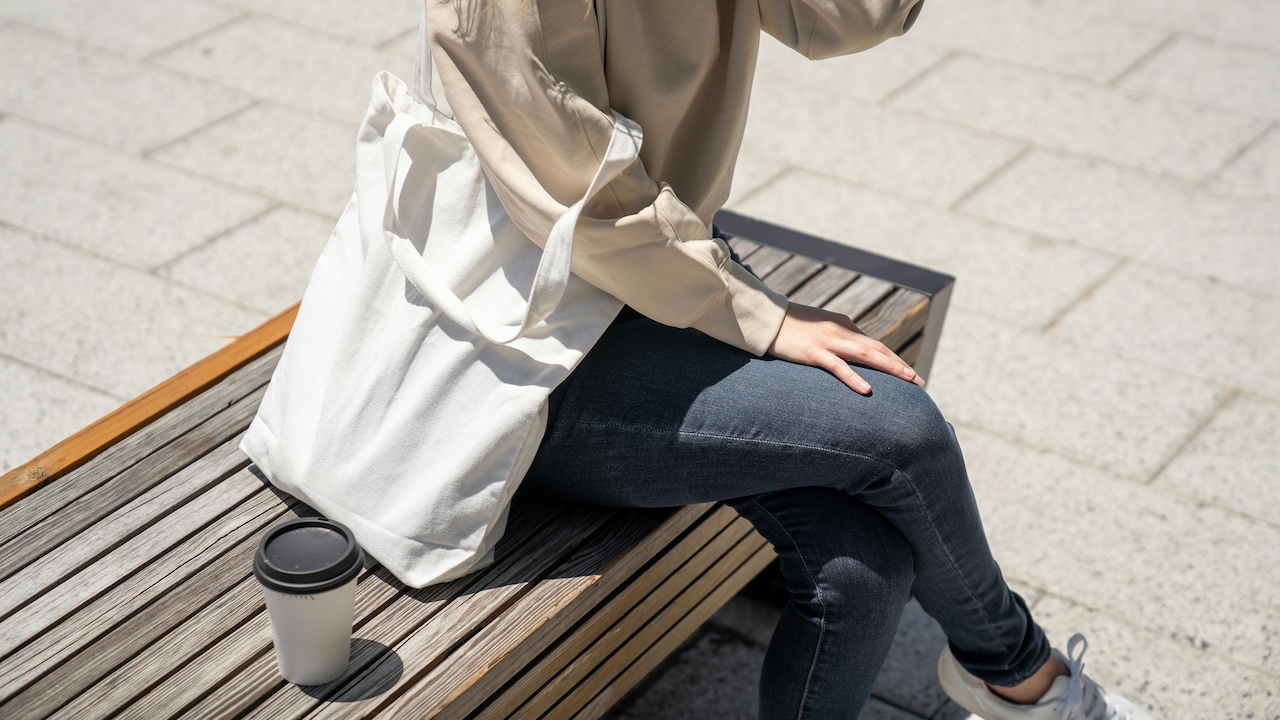
Sweat proof vs breathable fabric which is better for humidity; Photo Credit: Pexels
That's where the debate begins, sweat-proof versus breathable. One promises to block moisture, the other lets air flow freely. Both sound appealing, yet neither tells the full story on its own. The real question isn't which is better in theory, but which works best in daily life, where heat, humidity, and movement collide in unpredictable ways.
Choosing the right fabric can mean the difference between a long, draining day and one that feels manageable. And no, it isn't about buying the most expensive shirt for ₹2,999 or following the latest trend. It's about understanding how fabrics behave when faced with heat, sweat, and time.
Also Read: Why Fabrics Matter More Than Prints For Shirts, Kurtas and Tops: Explore Best Options
Understanding What Really Works In Everyday Weather
The Reality Of Heat And Humidity
The combination of high temperature and humidity creates a unique challenge. Sweat doesn't evaporate quickly, which leaves skin feeling sticky and clothes damp for hours. This isn't the dry heat of a desert; it's the kind that clings and lingers.
Breathable fabrics work by allowing air circulation. They help sweat evaporate, which cools the body naturally. But when humidity rises, evaporation slows down. That's when breathable fabrics alone may not feel sufficient.
Sweat-proof materials, on the other hand, aim to block moisture from showing. They can prevent visible sweat patches, which feels reassuring during meetings or social events. Yet, they often trap heat, making the wearer feel warmer over time.
This constant tug-of-war between airflow and moisture control defines the everyday experience. It's less about choosing one over the other and more about understanding how each performs under real conditions.
What Sweat-Proof Really Means
Sweat-proof fabrics often sound like a miracle. No stains, no embarrassment, no visible discomfort. In reality, these materials rely on special coatings or dense weaves that prevent sweat from seeping through.
At first, this feels like a win. A crisp shirt stays neat even after a long commute. There's a certain confidence in knowing that sweat marks won't betray a hectic day.
However, the body still sweats. That moisture doesn't disappear; it stays trapped inside. Over time, this can create a clammy feeling, especially during extended wear. The skin feels warmer, and discomfort builds gradually.
Sweat-proof clothing works best in short bursts, quick meetings, presentations, or brief outings. For longer days, the lack of airflow can turn convenience into irritation.
So while sweat-proof sounds impressive, it solves only one part of the problem. The bigger picture involves comfort, not just appearance.
The Science Behind Breathability
Breathable fabrics allow air to pass through the material, helping sweat evaporate. This creates a cooling effect that feels natural and refreshing, especially during long hours outdoors.
Cotton often leads the conversation here. It absorbs moisture well and feels soft against the skin. Linen takes it a step further, offering even better airflow with a slightly textured feel.
The downside lies in visibility. Breathable fabrics don't hide sweat, they embrace it. Dark patches can appear quickly, especially on lighter colours.
Yet, the comfort they provide often outweighs the visual concern. A breathable shirt may look slightly damp, but it feels significantly better than one that traps heat.
In daily life, where comfort dictates mood and energy, breathability plays a crucial role. It's less about perfection and more about feeling at ease despite the weather.
Style Versus Comfort: The Everyday Dilemma
There's always a moment before stepping out, choosing between looking sharp and feeling comfortable. A fitted shirt may look great, but it can quickly turn uncomfortable in humid conditions.
Sweat-proof fabrics often cater to appearance. They maintain structure and resist visible moisture, which suits formal settings. However, they can feel restrictive when worn for long hours.
Breathable options lean towards comfort. They may wrinkle easily or show signs of wear, but they allow movement and airflow.
The ideal balance depends on the occasion. A client meeting may call for a polished look, while a day of errands demands ease.
Finding that middle ground often means mixing both worlds, choosing fabrics that offer some structure without sacrificing airflow. It's a subtle art that evolves with experience.
Fabric Choices That Actually Work
Certain fabrics perform better than others in warm, humid conditions. Cotton remains a reliable choice for everyday wear, offering comfort and affordability.
Linen, though slightly pricier, provides exceptional breathability. A linen shirt priced around ₹1,500 to ₹2,500 may feel like an investment, but it pays off in comfort during peak summer.
Blended fabrics bring a mix of benefits. Cotton-polyester blends, for example, offer durability and reduced wrinkling while maintaining some level of breathability.
Synthetic materials designed for sportswear also deserve attention. They wick moisture away from the skin, making them ideal for active days.
The key lies in understanding the purpose. A fabric that works for a gym session may not suit a formal dinner. Choosing wisely ensures both comfort and appropriateness.

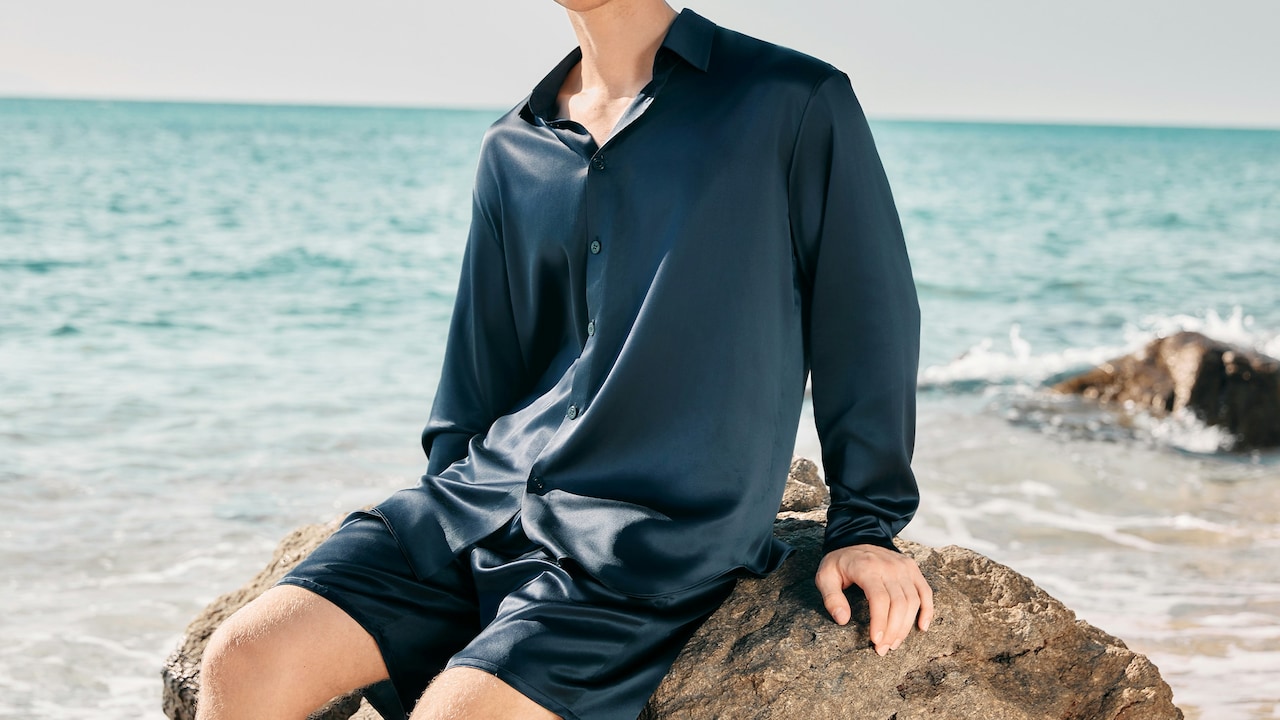
Cotton is great for comfort, linen for breathability, and cotton-polyester blends reduce wrinkling; Photo Credit: Pexels
The Role Of Colour And Fit
Fabric isn't the only factor at play. Colour and fit influence how clothing feels throughout the day.
Darker shades tend to hide sweat marks better, making them a practical choice for long commutes or crowded spaces. Lighter colours reflect sunlight but may reveal moisture more easily.
Fit also matters. Tight clothing restricts airflow, trapping heat and increasing discomfort. Looser fits allow air to circulate, enhancing the benefits of breathable fabrics.
There's a certain freedom in wearing clothes that don't cling. It's not just about comfort; it affects posture, mood, and even confidence.
Choosing the right combination of colour and fit can elevate the overall experience, making even the hottest days feel manageable.
Daily Commutes And Real-Life Testing
Clothing behaves differently in controlled environments compared to real life. A shirt that feels fine at home may struggle during a packed train ride or a long walk under the sun.
Commutes test fabrics in ways few other situations do. Heat, movement, and limited ventilation create a challenging environment.
Breathable fabrics often perform better here, allowing the body to regulate temperature naturally. Sweat-proof options may start strong but can feel suffocating as time passes.
There's also the matter of drying time. A breathable shirt may get damp but dries relatively quickly once exposed to air. Sweat-proof fabrics, however, may retain moisture internally, prolonging discomfort.
Real-life scenarios reveal the true strengths and weaknesses of each option, making them the ultimate deciding factor.
The Psychological Factor Of Feeling Fresh
Comfort isn't just physical, it's mental. Feeling fresh throughout the day influences confidence, productivity, and overall mood.
Sweat-proof clothing offers visual reassurance. There's a sense of control in knowing that appearance remains intact.
Breathable fabrics, on the other hand, provide physical comfort. They reduce irritation and allow the body to function naturally.
The choice often comes down to priorities. Some prefer looking composed at all times, while others value feeling relaxed and cool.
Interestingly, the perception of freshness can differ from reality. A shirt that looks dry may feel uncomfortable, while a slightly damp one may feel perfectly fine.
Understanding this balance helps in making choices that align with personal preferences and daily needs.
Seasonal Shifts And Fabric Adaptation
Weather patterns don't remain constant. Summers bring intense heat, monsoons add humidity, and winters offer brief relief.
Breathable fabrics shine during peak summer, when airflow becomes essential. During monsoons, quick-drying materials gain importance, as sudden rain showers can drench clothing within minutes.
Sweat-proof fabrics may find relevance during short outings in humid conditions, where appearance matters more than extended comfort.
Adapting clothing choices to seasonal changes ensures better comfort throughout the year. It's not about sticking to one type but adjusting based on conditions.
This flexibility allows for smarter decisions, making daily life more comfortable without overthinking every outfit.
So, What Actually Matters?
The debate between sweat-proof and breathable isn't about choosing a clear winner. Each serves a purpose, but neither offers a complete solution on its own.
Breathability stands out for long-term comfort. It supports the body's natural cooling process and feels better during extended wear. Sweat-proof fabrics, while useful in specific situations, focus more on appearance than comfort.
The ideal approach blends both. Choosing breathable fabrics for daily wear and reserving sweat-proof options for short, formal occasions creates a balanced wardrobe.
Ultimately, the goal isn't to eliminate sweat, it's to manage it in a way that feels comfortable and practical.
Products Related To This Article
1. BREATHABLES Women Printed Night suit
2. LUX NITRO Pack Of 2 Polo Collar Anti Odour Sports T-shirt
3. DILLINGER Women Solid Round Neck Oversized T-shirt
4. BREATHABLES Women Solid Night suit
5. FUAARK Typography Printed Moisture Wicking Soft Lightweight Running T-shirt
Clothing choices often seem trivial until the weather turns unforgiving. In those moments, the difference between sweat-proof and breathable becomes strikingly clear.
Breathable fabrics offer relief, allowing the body to cope with heat naturally. Sweat-proof options provide confidence in appearance but may compromise comfort over time.
The real answer lies in understanding personal needs and daily routines. A long commute, a busy workday, or a quick outing all demand different solutions.
Dressing well in challenging weather isn't about chasing perfection. It's about making thoughtful choices that prioritise comfort without ignoring style.
And perhaps, the next time the sun feels relentless, and the air refuses to move, the right fabric might just make the day a little easier to handle.
(Disclaimer: This article may include references to or features of products and services made available through affiliate marketing campaigns. NDTV Convergence Limited (“NDTV”) strives to maintain editorial independence while participating in such campaigns. NDTV does not assume responsibility for the performance or claims of any featured products or services.)