10 Reasons Sweatshirts Pill Under The Arms And How To Reduce Fabric Wear
Sweatshirts often pill under the arms due to friction, sweat, fabric blends and washing habits. Learn the 10 main causes of pilling and simple ways to reduce fabric wear, protect fibres and keep sweatshirts looking better for longer.

Why Do Sweatshirts Pill Under The Arms? 10 Causes And Easy Fixes
There is something especially annoying about finding pills under the arms of a sweatshirt that still feels almost new. The cuffs look fine. The front looks fresh. Even the colour has survived countless cups of chai and rushed morning commutes. Then the arms lift, and there it is: a fuzzy patch that makes the garment look older than it really is. Pilling happens when loose or weakened fibres work their way to the fabric surface, tangle together, and form tiny balls. The underarm area is particularly vulnerable because it faces constant rubbing, warmth, moisture and movement. The good news is that pilling can often be reduced. It may not disappear completely, especially with certain fabrics, but understanding what speeds it up can make a noticeable difference. Here are ten common reasons sweatshirts pill under the arms, along with practical ways to keep everyday fabric wear under control.

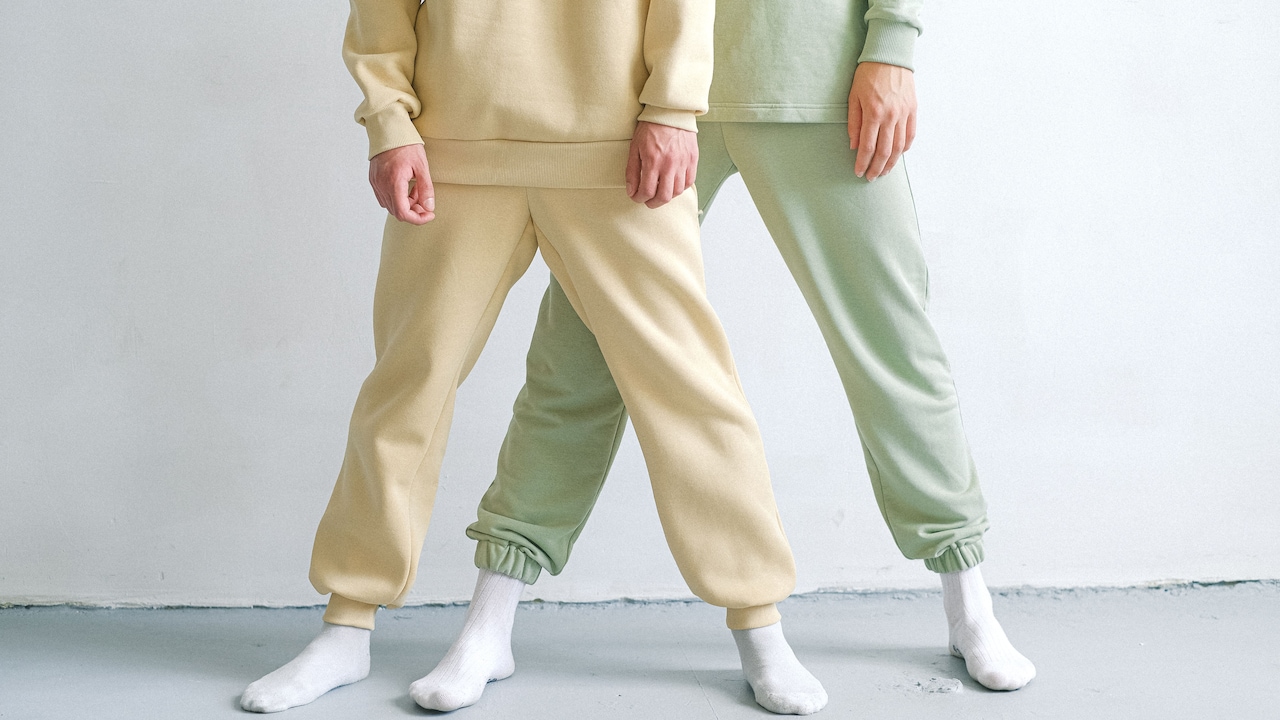
Why Do Sweatshirts Pill Under The Arms? 10 Causes And Easy Fixes; Photo Credit: Pexels
Why Sweatshirts Pill Under The Arms And What You Can Do About It
1. Constant Arm Movement Creates Friction
The underarm area goes through far more movement than most parts of a sweatshirt. Walking, driving, typing, carrying grocery bags or simply reaching for something on a kitchen shelf causes the sleeve and body fabric to rub together repeatedly. That friction gradually pulls tiny fibres towards the surface.
Once those fibres loosen, they twist around one another and form the familiar little balls associated with pilling. It is rather like hair becoming tangled after being rubbed against a rough towel.
A sweatshirt worn during long commutes can experience even more rubbing, especially when the arms remain close to the body. The same thing happens during an evening walk or a busy day spent moving around.
Reducing friction completely is unrealistic, but choosing a sweatshirt with a slightly roomier armhole can help. Garments that allow natural movement create less intense fabric-on-fabric contact.
It also helps to rotate favourite sweatshirts rather than wearing the same one several days in succession. Giving fibres time to recover between wears may sound surprisingly simple, yet it can slow visible wear considerably.
Also Read: Affordable And Soft Cotton Sweatshirts You'll Love This Winter: 8 Top Choices
2. Tight Sweatshirts Rub More Aggressively
A slim sweatshirt may look neat, but an overly snug fit can be tough on fabric. When material sits tightly against the underarms and sides of the torso, every movement forces the fibres to scrape against each other.
Imagine squeezing into a sweatshirt before heading out on a chilly January morning. The fit may feel fine while standing still, yet lifting the arms or reaching forward stretches the fabric sharply across the shoulders and armpits. Repeated stress weakens the surface fibres.
Sweatshirts made from stretchy blends can hide this problem because the garment still feels comfortable. The fabric stretches, but that does not mean it escapes friction.
When buying a sweatshirt, check how it behaves during movement rather than judging the fit only in front of a mirror. Raise both arms, reach forward and bend the elbows. If the underarm area feels strained or heavily compressed, a slightly relaxed size may wear better.
A comfortable fit also improves airflow, which matters because moisture and heat can contribute to fibre damage. Sometimes a little extra breathing room is kinder to both the wearer and the sweatshirt.

Why Do Sweatshirts Pill Under The Arms? 10 Causes And Easy Fixes; Photo Credit: Pexels
3. Short Fibres Are More Likely To Work Loose
Not all cotton or wool fibres are equal. Fabrics made with shorter fibres often pill more easily because fewer points hold each fibre firmly within the yarn.
When friction repeatedly brushes across the surface, these short fibres can escape more quickly. They do not immediately fall away. Instead, they remain attached at one end, tangle with nearby fibres and develop into pills.
This is one reason two sweatshirts that appear almost identical in a shop can age very differently. A sweatshirt costing ₹1,200 may sometimes retain a smoother finish longer than a cheaper option if its yarn uses stronger, longer fibres. Price alone, however, does not guarantee quality.
Look for fabrics described as long-staple cotton, combed cotton or tightly spun yarn where available. Combing removes many shorter fibres before spinning, creating a smoother surface with fewer loose ends.
A quick touch test can also reveal clues. Fabric that already looks slightly fluffy when brand new may develop surface pills sooner than a dense, smooth-knit sweatshirt.
Softness is lovely, of course, but excessive fuzziness straight from the rack can sometimes be an early warning sign.
4. Polyester Blends Can Hold Pills In Place
Polyester brings useful qualities to sweatshirts. It improves durability, dries quickly and helps garments keep their shape. Yet it can also make pilling more noticeable.
When cotton fibres in a cotton-polyester blend loosen, strong polyester fibres may hold the pills firmly to the fabric instead of allowing them to break away naturally. The result is a stubborn patch of little knots that seems determined to become a permanent design feature.
This does not mean polyester blends should automatically be avoided. Many comfortable and long-lasting sweatshirts contain synthetic fibres. The issue usually comes down to yarn quality, construction and how the garment is treated.
If pilling is a major concern, compare fabric compositions before buying. A tightly knitted cotton-rich sweatshirt may develop fewer persistent pills than a loosely constructed synthetic-heavy alternative.
Once pilling starts, resist the temptation to pull the balls off with fingers. Tugging can stretch nearby fibres and create fresh weak points.
A proper fabric shaver is usually safer. Used gently on a flat surface, it trims pills without unnecessarily disturbing the surrounding material and can make an older sweatshirt look surprisingly refreshed.
5. Sweat And Moisture Weaken The Underarm Area
The clue is in the location. Underarms naturally become warmer and more humid than most other parts of a sweatshirt, especially during crowded train rides, long walks or unexpectedly warm winter afternoons.
Moisture can make fibres more vulnerable to rubbing. As the arms move, damp fabric repeatedly presses and slides against nearby material. That combination of moisture and friction can accelerate surface wear.
Deodorants and antiperspirants may also leave residues within the fibres. Over time, these deposits can make fabric feel slightly stiff, creating additional abrasion during movement or washing.
Allow deodorant to dry before putting on a sweatshirt where practical. Wearing a lightweight cotton T-shirt underneath can also create a useful barrier between the skin and the outer garment.
After wearing a sweatshirt for several hours, avoid immediately stuffing it into an overcrowded laundry basket. Letting it air for a while can reduce trapped moisture and odour.
Airing also means fewer unnecessary washes. Sweatshirts often get thrown into the machine automatically after one outing, even when they are still relatively clean. Washing less frequently, where hygiene allows, reduces the mechanical stress that gradually contributes to pilling.
6. Harsh Washing Cycles Increase Surface Damage
A washing machine saves plenty of effort, but its drum is not exactly a spa retreat for delicate fibres. During vigorous cycles, sweatshirts twist, tumble and rub against other clothes. The underarm area, already weakened by everyday friction, can become particularly vulnerable.
Heavy items make the situation worse. Washing a sweatshirt alongside denim jeans, towels or garments with metal zips creates extra abrasion. Every tumble becomes a tiny fabric wrestling match.
Turning sweatshirts inside out before washing can help protect the visible outer surface. A gentle or normal cycle is usually preferable to an aggressive setting unless the garment is heavily soiled.
Cooler water also tends to be kinder to many sweatshirt fabrics and can help preserve shape and colour. Always check the care label, since fibre blends vary.
Avoid overcrowding the machine. When clothes are packed tightly together, they rub constantly instead of moving freely through the wash.
Separating softer sweatshirts from rougher garments takes only a moment but can add months of good appearance. Laundry day may never become thrilling, but at least the sweatshirt will emerge looking less like it has survived an obstacle course.
7. Too Much Detergent Can Leave Fibres Stiff
More detergent does not necessarily mean cleaner clothes. In fact, pouring in an enthusiastic extra splash can leave residue trapped within sweatshirt fibres.
That residue may make the fabric feel less flexible. When stiff fibres rub together under the arms, they can experience greater surface stress and become more likely to break or loosen.
The problem becomes particularly noticeable where machines receive hard water or where the rinse cycle struggles to remove excess detergent completely. A sweatshirt may smell strongly fresh while still carrying invisible product build-up.
Follow the detergent quantity recommended for the load size and machine type rather than estimating by eye. Concentrated detergents often require much less product than expected.
If a sweatshirt starts feeling unusually stiff despite being fairly new, an extra rinse cycle can sometimes help remove lingering residue.
Fabric softener deserves similar restraint. While it can make clothes feel smoother, repeated heavy use may coat certain fibres and affect absorbency or performance.
Simple laundry habits usually work best. Use enough detergent to clean the garment, rinse it properly and avoid treating the washing machine like a chemistry experiment. The underarms, and possibly the monthly grocery budget, will both benefit.

Why Do Sweatshirts Pill Under The Arms? 10 Causes And Easy Fixes; Photo Credit: Pexels
8. Rough Garments In The Same Wash Cause Abrasion
A sweatshirt rarely damages itself alone. The neighbours inside the washing machine can be equally responsible.
Think about the average mixed load: jeans with metal buttons, cargo trousers with zips, towels with coarse loops and perhaps a jacket covered in Velcro. As everything tumbles together, softer sweatshirt fabric repeatedly scrapes against these rough surfaces.
The underarm area can catch particularly easily because seams and folds create raised sections of fabric. Even one loose zip may repeatedly brush against the same spot throughout the cycle.
Wash sweatshirts with similar soft garments whenever possible. T-shirts, joggers and other knitwear usually make gentler companions than denim or heavily textured towels.
Fastening zips and hooks before washing also reduces snagging. Turning the sweatshirt inside out provides another layer of protection for the visible surface.
For particularly soft or expensive pieces, a large laundry bag can reduce direct contact with rough clothing.
None of this requires complicated sorting systems or a cupboard full of specialist products. Simply paying attention to what enters the machine together can prevent plenty of unnecessary abrasion before it begins.
9. High Heat Can Stress Sweatshirt Fibres
Heat may make laundry dry quickly, especially during humid weather, but excessive temperatures can weaken certain fibres and affect the structure of sweatshirt fabric.
Tumble dryers create a double challenge: heat plus friction. As the garment spins around the drum, the surface repeatedly rubs against itself and other clothing. Loose fibres can then rise, tangle and form pills.
High-temperature washing can create similar stress, depending on the material. Some synthetic blends may also become more prone to distortion, while cotton can shrink and tighten. A sweatshirt that shrinks slightly may then fit more closely under the arms, creating even more friction during future wear.
Follow the temperature guidance on the care label rather than automatically choosing the hottest setting.
Air drying is often gentler. Place the sweatshirt on a drying rack in a ventilated area and reshape it while damp. Avoid stretching the shoulders unnecessarily.
Direct blazing sunlight for long periods can also fade colours, so shade is preferable for many dark garments.
A little patience during drying can preserve softness and shape. The sweatshirt may take longer to become wardrobe-ready, but its fibres are likely to thank you for the slower journey.
10. Ignoring Early Pills Allows Wear To Spread
A few tiny pills may seem harmless, so they often get ignored until the entire underarm area looks fuzzy. Unfortunately, established pills can create additional friction against neighbouring fibres.
As those little knots rub against the fabric during wear, they may pull more loose fibres into themselves. The patch gradually becomes denser and more noticeable.
Early maintenance can keep the problem manageable. A fabric shaver or sweater comb can remove pills before they accumulate heavily. Always place the sweatshirt on a flat, firm surface and work gently rather than pressing aggressively.
Avoid ordinary razors unless extreme care is taken. One hurried movement can slice the fabric itself, turning a minor pilling problem into a rather inconvenient ventilation feature.
After removing pills, examine the area for thinning or roughness. If the fabric already looks weak, gentler washing and reduced friction become even more important.
Pilling does not always signal poor quality. Even well-made knitwear develops surface wear eventually. The goal is not to keep a sweatshirt looking untouched forever, but to prevent normal ageing from racing ahead unnecessarily.
Regular, gentle maintenance helps a much-loved sweatshirt age with considerably more dignity.
Products Related To This Article
1. Glitchez Hooded Drop-Shoulder Sleeves Oversized Front-Open Sweatshirt
2. Puma No. 1 Logo Men's Hoodie
3. Pepe Jeans Women Solid Round Neck Pullover Sweatshirt
4. JIVAS Men Printed Hooded Sweatshirt
5. Marks & Spencer Cotton Rich Snoopy Hoodie
6. H&M Loose Fit Zip-Through Hoodie
7. Decathlon Domyos - Women Black Stretchable Gym Sweatshirt
Underarm pilling may look mysterious, but its causes are usually quite ordinary. Movement, tight fits, short fibres, synthetic blends, sweat, harsh washing, detergent residue, rough laundry companions, high heat and neglected pills all play a part.
The biggest difference often comes from simple habits. Choose smoother, well-constructed fabric. Leave enough room for comfortable movement. Wash sweatshirts inside out with similar garments, use sensible amounts of detergent and avoid unnecessary heat. Remove early pills gently instead of pulling them away by hand.
No sweatshirt will stay factory-fresh forever. Clothes are meant to be worn, stretched, washed and occasionally caught in the chaos of daily life. A little fuzz after months of use is hardly a fashion emergency.
Still, thoughtful care can slow the process dramatically. When a favourite sweatshirt survives another winter looking smooth rather than shaggy under the arms, those small changes suddenly feel well worth the effort.
(Disclaimer: This article may include references to or features of products and services made available through affiliate marketing campaigns. NDTV Convergence Limited (“NDTV”) strives to maintain editorial independence while participating in such campaigns. NDTV does not assume responsibility for the performance or claims of any featured products or services.)