Are White Marks On Leather Always Mould? 10 Shoe-Care Myths Explained
White marks on leather are not always mould. From polish build-up to salt stains, discover 10 common shoe-care myths and the simple facts that can help protect your favourite pair from avoidable damage.
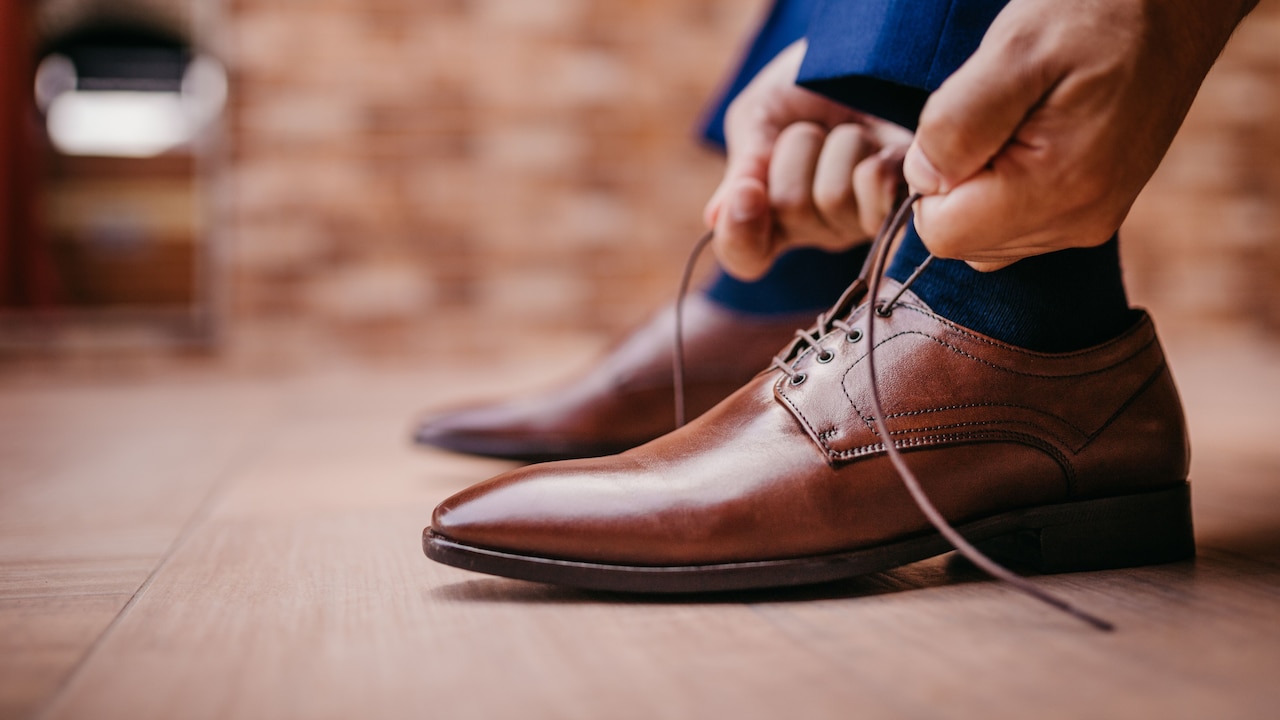
How to care for and maintain leather shoes the right way
Leather shoes have a talent for turning small problems into household mysteries. One day, the office brogues look perfectly respectable. The next morning, a pale film appears near the toe and suddenly everyone has a diagnosis. Someone blames mould. Someone suggests petroleum jelly. Another person recommends leaving the shoes under the afternoon sun until they are “properly dry”. That is how shoe-care myths survive. Leather is durable, but it is not indestructible. Heat, moisture, sweat, dust and careless cleaning can change its appearance surprisingly quickly. Monsoon humidity makes matters trickier, while long commutes, crowded shoe racks and air-conditioned offices add their own complications.
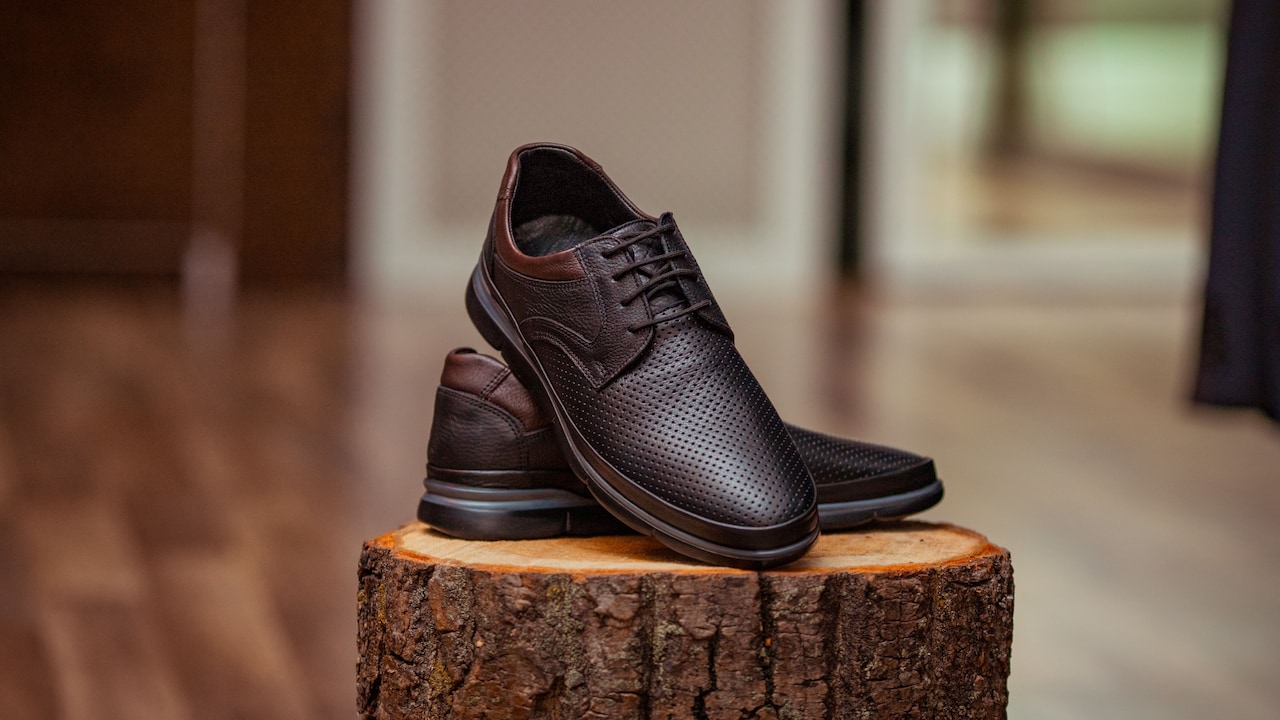
Leather shoe care myths to know before owning a pair
Photo Credit: Pexels
The good news is that most leather problems do not require dramatic rescue missions. They need correct identification and gentle care. Before attacking that suspicious white patch with soap, heat or half the bathroom cabinet, it helps to separate useful advice from habits that merely sound sensible. Here are 10 shoe-care myths worth retiring.
Also Read: From Sliders To Office Shoes: Types Of Footwear Every Man Must Have In Their Fashion Wardrobe
10 Common Leather Shoe-Care Myths You Should Stop Believing
1. White Marks On Leather Always Mean Mould
A white patch can be mould, but colour alone proves very little. Leather may develop pale marks for several reasons, and confusing them can lead to unnecessary scrubbing.
Mould often has a fuzzy, dusty or uneven appearance. It may also carry a musty smell and return after cleaning if moisture remains trapped nearby. In contrast, wax bloom can appear when natural fats or waxes within leather rise to the surface, especially after temperature changes. It may look like a smooth whitish haze and often disappears with gentle buffing.
Shoes exposed to rain or sweaty conditions may also show salt deposits. These usually form chalky lines or patches as moisture evaporates. Excess cream polish can leave another pale residue, particularly around stitching and creases.
The sensible response is observation before action. Check the texture, smell and location of the marks. A pair stored damp for weeks deserves more suspicion than one freshly polished yesterday.
Not every white patch is a fungal emergency. Sometimes the shoe is simply having a slightly dramatic cosmetic moment.
2. More Polish Always Means Better-Looking Leather
Leather polish works best in thin layers. Treating a shoe like a cake that needs generous icing usually creates the opposite effect.
Too much polish can collect around seams, perforations and creases. Instead of creating a clean shine, it may leave the surface sticky, dull or streaky. Dust then clings to the excess product, turning freshly polished footwear into a magnet for grime.
A small quantity is usually enough. Apply it evenly with a soft cloth or suitable brush, allow it to settle, then buff the surface. Several light applications produce a better finish than one heavy coating.
There is another catch. Polish and conditioner serve different purposes. Polish mainly improves colour and appearance, while conditioning products help replenish oils and keep certain leathers supple. Covering dry leather with endless polish does not necessarily solve the dryness underneath.
Think of it like grooming before a wedding. A neat touch works beautifully. Ten layers of product can make things look rather more complicated.
Good shoe care depends on consistency, not enthusiasm measured by the spoonful.
3. Wet Leather Shoes Should Dry In Direct Sunlight
A soaking during a sudden downpour can make direct sunlight seem like the fastest rescue plan. It certainly dries leather quickly. Unfortunately, speed is exactly the problem.
Strong heat can remove moisture too aggressively. Leather may become stiff, brittle or distorted as it dries. Repeated exposure can encourage cracking, especially around flex points near the toes.
A better approach is slower drying at room temperature. Remove the laces where practical, wipe away surface water and place absorbent, unprinted paper inside the shoes. The paper helps draw out moisture while supporting the shape. Replace it if it becomes soaked.
Keep the shoes in an airy space away from heaters, hairdryers and fierce sunlight. Once completely dry, suitable conditioning may help restore flexibility.
This method requires patience, which can feel inconvenient when the same pair is needed for work the next morning. Still, leather remembers harsh treatment.
A few extra hours of gentle drying can save a pair worth several thousand rupees from becoming stiff, misshapen and permanently unhappy.
4. Leather Shoes Do Not Need Rest Between Wears
A sturdy pair may look ready for daily duty, but leather benefits from an occasional day off.
Feet release moisture throughout the day, even when socks feel dry. Some of that moisture enters the lining and upper material. Wearing the same shoes again before they have aired properly can encourage odour, dampness and premature deterioration.
Rotation helps. Alternating between two or three pairs allows each one time to dry naturally and recover its shape. This matters even more during humid weather, when moisture evaporates slowly.
Resting also reduces repeated stress on the same creases and soles. Shoes that cost ₹5,000 and survive several years with sensible rotation usually offer better value than one overworked pair replaced every season.
A shoe tree can help maintain shape while the footwear rests, particularly with formal leather shoes. Even without one, keeping the pair somewhere ventilated makes a difference.
Shoes may not submit leave applications, but they still benefit from recovery time. Daily wear without rest is less a sign of durability and more a test of patience for the leather.
5. Petroleum Jelly Is The Perfect Leather Conditioner
Petroleum jelly has become a popular household answer to dry-looking leather because it can create an instant sheen. That quick improvement, however, does not make it an ideal conditioner for every shoe.
Leather finishes vary considerably. A product that appears harmless on one pair can darken another, alter its texture or leave a greasy surface. Heavy application may also attract dust and create patches that are difficult to remove evenly.
Purpose-made leather conditioners offer greater predictability because they are designed for the material. Even then, checking the manufacturer's care guidance and testing a small hidden section remains sensible.
This matters especially for light-coloured, delicate or premium leather. Experimenting directly across the toe cap is a brave way to discover that a home remedy changes colour.
Petroleum jelly is not automatically disastrous, but calling it a universal solution goes too far.
Leather care rarely rewards the “there is some in the bathroom, so it should work” school of thought. The safest product is usually the one designed for the specific leather finish sitting on the shoe rack.
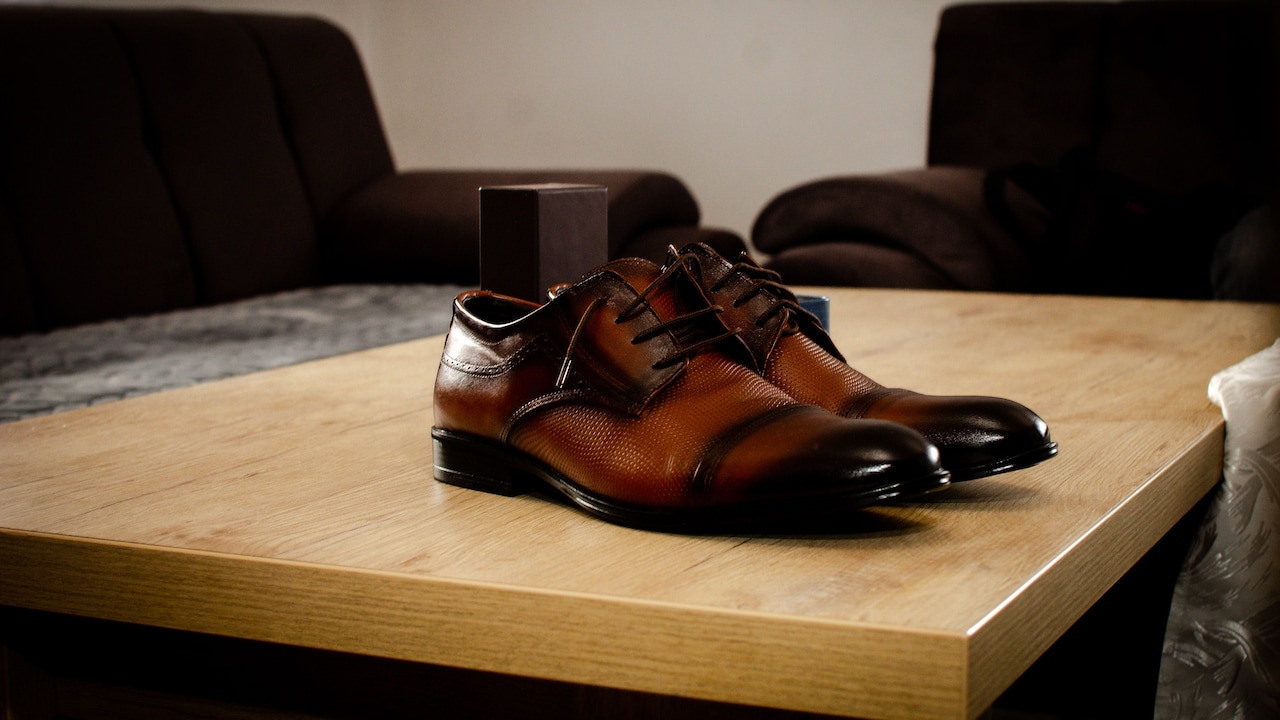
Petroleum jelly may not be the best conditioner for leather shoes
Photo Credit: Pexels
6. All Leather Shoes Can Be Cleaned The Same Way
“Leather” sounds like one category, yet footwear can involve smooth leather, suede, nubuck, patent leather and different coated or finished surfaces. They do not all respond well to the same treatment.
Smooth leather often tolerates careful wiping and appropriate cream products. Suede and nubuck need a very different approach because liquids and oily conditioners can flatten their distinctive texture or create dark patches. Patent leather has a glossy coated surface that requires its own gentle cleaning routine.
Using one cleaner across every pair may therefore produce unpleasant surprises.
Before cleaning, identify the material. The care label, product description or manufacturer's instructions can offer clues. If there is uncertainty, test any product on a discreet area first.
The distinction becomes important when a ₹7,000 suede loafer develops a mark five minutes before leaving for dinner. Reaching automatically for the same cream used on formal office shoes could turn a small stain into a much larger conversation topic.
Leather care is not one-size-fits-all. The material decides the method, not the location of the cleaning cloth.
7. Water Ruins Leather The Moment It Touches It
Leather and water are not best friends, but a few raindrops do not automatically sentence a shoe to retirement.
The real trouble usually comes from prolonged soaking, repeated exposure or poor drying afterwards. Water can disturb oils within leather, create stains and affect shape. Yet well-maintained footwear can often handle light accidental moisture when cared for promptly.
After getting caught in rain, blot the shoes gently rather than rubbing them aggressively. Let them dry naturally and avoid direct heat. Once dry, assess whether conditioning is appropriate for that particular leather.
Preventive care also helps. Suitable protective products can improve resistance to moisture, although no spray turns ordinary leather footwear into monsoon boots.
Panic often causes more damage than the original splash. Vigorous scrubbing, hairdryers and desperate applications of random oils can transform a manageable wet patch into permanent discolouration.
Leather is tougher than it looks, but it responds better to calm treatment than emergency theatrics. Water deserves respect, not fear. The goal is simply to stop temporary dampness from becoming long-term damage.
8. Expensive Leather Shoes Need Very Little Maintenance
A high price can buy better materials and construction. It does not buy immunity from dust, sweat, rain or neglect.
Premium leather still dries, creases and collects dirt. In fact, good-quality footwear often deserves more thoughtful maintenance because proper care can extend its useful life considerably.
Imagine spending ₹12,000 on a pair of formal shoes, wearing them through two humid seasons and storing them beneath a pile of sandals without cleaning or airing them. The price tag cannot protect the leather from trapped moisture.
Regular brushing removes surface dust before it settles into creases. Sensible conditioning helps appropriate leather remain supple. Proper storage supports shape and ventilation. None of these jobs needs to become a Sunday afternoon ceremony.
Expensive products also do not always require expensive care kits. Technique matters more than an impressive collection of tiny bottles lined up like a luxury skincare routine.
Well-made footwear can age beautifully, developing character rather than simply looking worn. That graceful ageing depends partly on craftsmanship and partly on what happens after the shoes leave the shop.
Quality starts the relationship. Maintenance keeps it going.
9. Shoe Trees Are Only For Luxury Footwear
Shoe trees often appear beside polished brogues in premium stores, which makes them seem like accessories reserved for collectors. Their job, however, is surprisingly practical.
A correctly sized shoe tree helps footwear retain its shape while resting. It can reduce the severity of creasing and keep the upper from collapsing inward. Certain wooden versions also help absorb some internal moisture and odour.
That can be useful for everyday office shoes just as much as expensive handmade pairs.
Of course, not every shoe needs one. Trainers, highly flexible footwear and casual pairs may gain little from traditional shoe trees. Stuffing shoes loosely with clean paper can provide basic shape support after light moisture exposure, although it does not perform exactly the same function.
The key is avoiding excessive pressure. A shoe tree should support the shape rather than stretch the leather.
For someone trying to make a favourite ₹4,000 pair last longer, this small habit can be more useful than buying another jar of polish.
Shoe trees are not a declaration of aristocratic footwear ownership. They are simply tidy little tools with a surprisingly sensible job.
10. Leather Shoes Can Be Stored Anywhere Once They Are Clean
Cleaning footwear before storage is useful, but location matters just as much.
A dark, tightly packed cupboard may look neat while quietly trapping humidity. Shoes stored before they are completely dry face an even greater risk of unpleasant smells, surface marks and fungal growth. During damp months, poor ventilation can turn a peaceful shoe cabinet into a miniature climate experiment.
Allow footwear to dry fully before putting it away. Keep pairs in a clean, reasonably ventilated space and avoid sealing damp leather inside plastic bags. Breathable shoe bags can protect against dust without trapping as much moisture.
Periodic checks are worthwhile for pairs worn only occasionally. Wedding shoes, festive loafers and formal footwear can sit untouched for months, making them easy to forget until the next invitation arrives.
A quick inspection may reveal early signs of moisture before serious damage develops.
Storage is not the final stage after shoe care. It is part of shoe care.
After all, there is little satisfaction in polishing a pair beautifully only to hide it in conditions that undo the work.
Products Related To This Article
1. Bxxy Men Beige Lightweight Faux Leather Casual Shoe
2. Denill Women Textured Lightweight Slip On Ballerinas
3. House of Pataudi Men Loafers
4. Denill Round Toe Slip-On Ballerinas
5. HRX by Hrithik Roshan Women Sneakers
6. Killer Men Leather Formal Slip-Ons
7. San Frissco Women Casual Chelsea Boots
Leather shoe care becomes much easier once familiar myths stop dictating every decision. White marks do not always mean mould. More polish does not guarantee more shine. Direct heat does not count as efficient drying, and expensive footwear certainly cannot look after itself.
Most good habits are wonderfully undramatic. Let wet shoes dry slowly. Rotate frequently worn pairs. Use products suited to the actual leather. Store footwear only when it is clean and completely dry. Above all, inspect a problem before trying to fix it.
That approach matters in a climate where heat, humidity, dust and surprise rain showers can all visit the same pair within a week.
Leather can last for years when treated with a little patience. It does not need complicated rituals or a cupboard full of miracle products. Sometimes the smartest move is simply knowing what not to do.
So the next time a mysterious white mark appears on a favourite pair, resist the urge to declare a mould emergency. Look closer first. The shoes may need treatment, a simple buff or, quite possibly, nothing more dramatic than a little sensible attention.
(Disclaimer: This article may include references to or features of products and services made available through affiliate marketing campaigns. NDTV Convergence Limited (“NDTV”) strives to maintain editorial independence while participating in such campaigns. NDTV does not assume responsibility for the performance or claims of any featured products or services.)