Why Straight-Cut Kurta Sets Often Look More Expensive Than Heavy Anarkali Styles
Straight-cut kurta sets often appear more luxurious than heavy Anarkalis because of their clean tailoring, refined silhouettes, and understated elegance that feels effortlessly sophisticated.
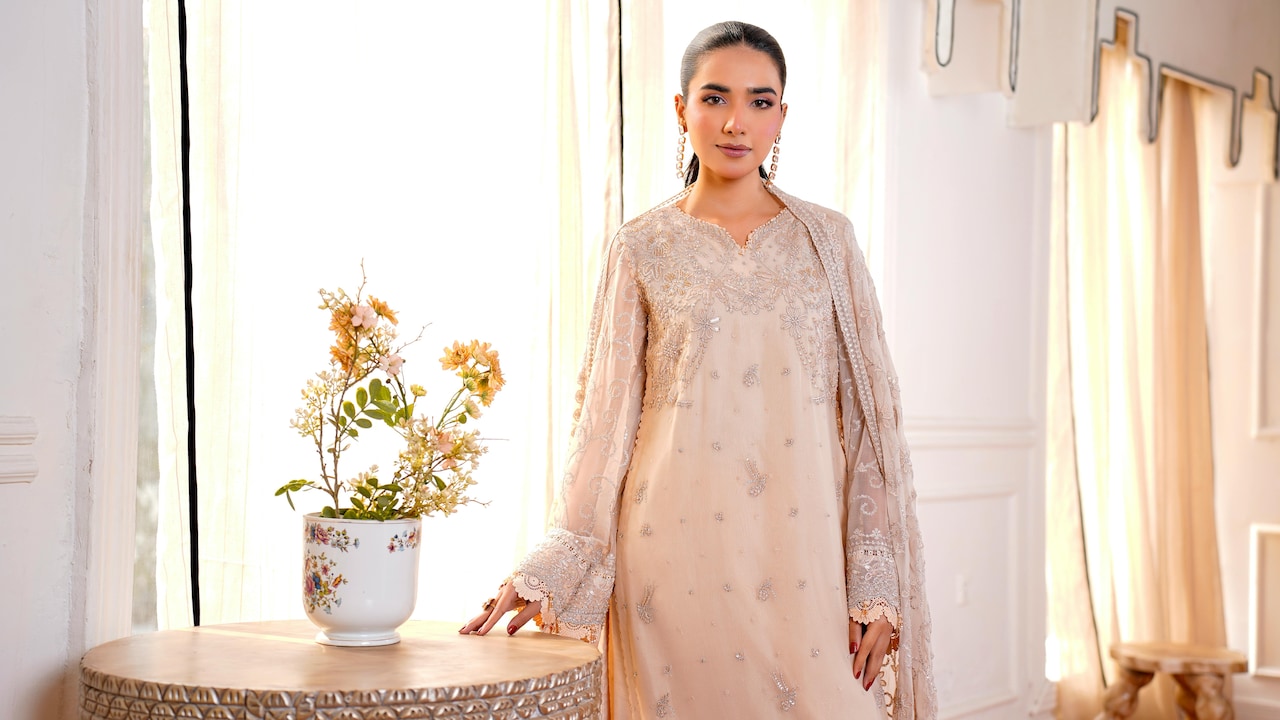
10 things that make straight cut kurtas a popular choice over Anarkalis
Every festive season brings the same dilemma. One rack displays heavily embroidered Anarkalis with giant flares, sequins, tassels, and enough can-can lining to survive a storm. The next rack quietly presents straight-cut kurta sets in silk, cotton blends, or crepe with minimal detailing. Surprisingly, many shoppers walk towards the simpler option and instantly say, “This looks expensive.” That reaction rarely happens by accident. Fashion has always worked like good interior design. Too much decoration can crowd the eye, while balance creates elegance. Straight-cut kurta sets understand this balance beautifully. They frame the body neatly, highlight tailoring, and allow fabric quality to take centre stage. Heavy Anarkalis, on the other hand, sometimes rely so much on embellishment that the outfit loses refinement beneath all the drama.
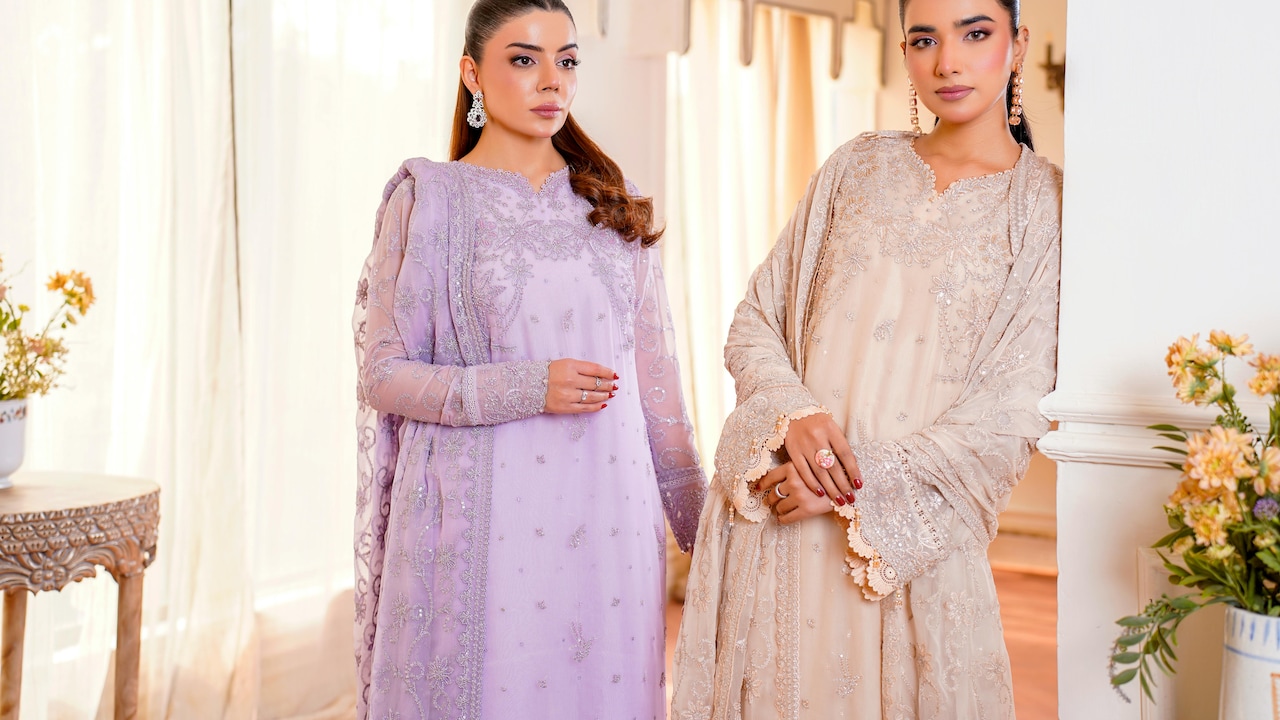
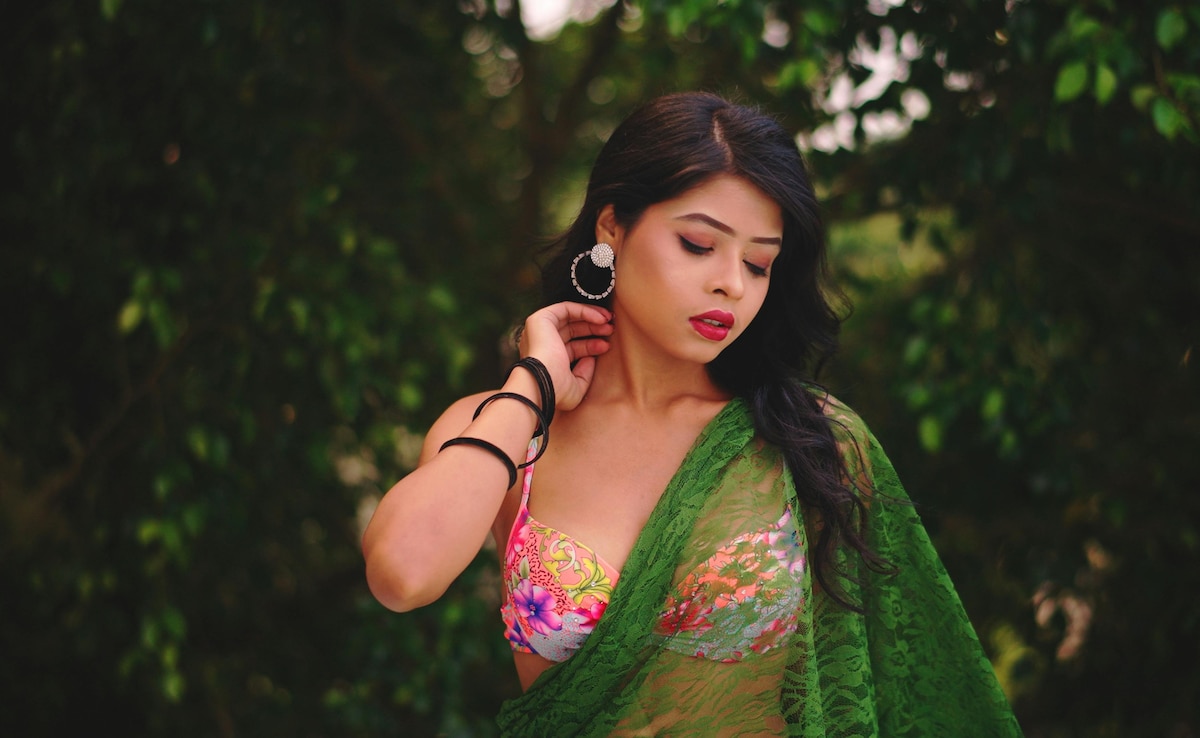
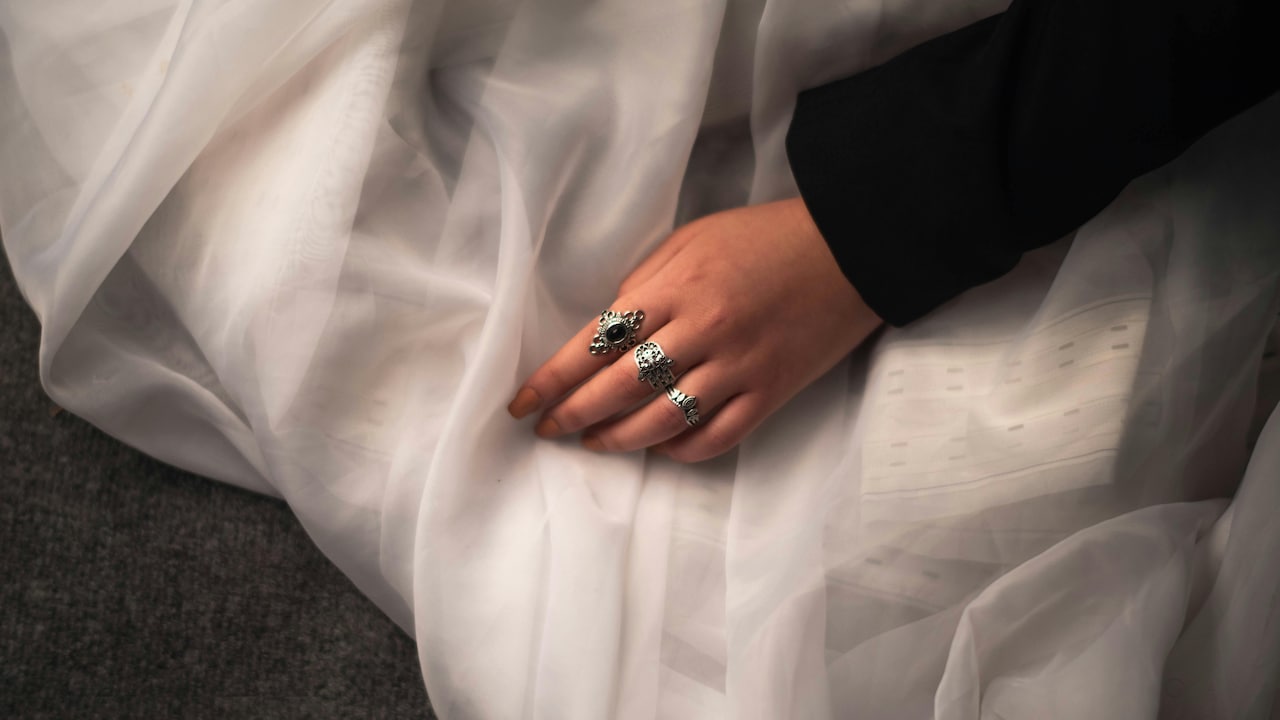
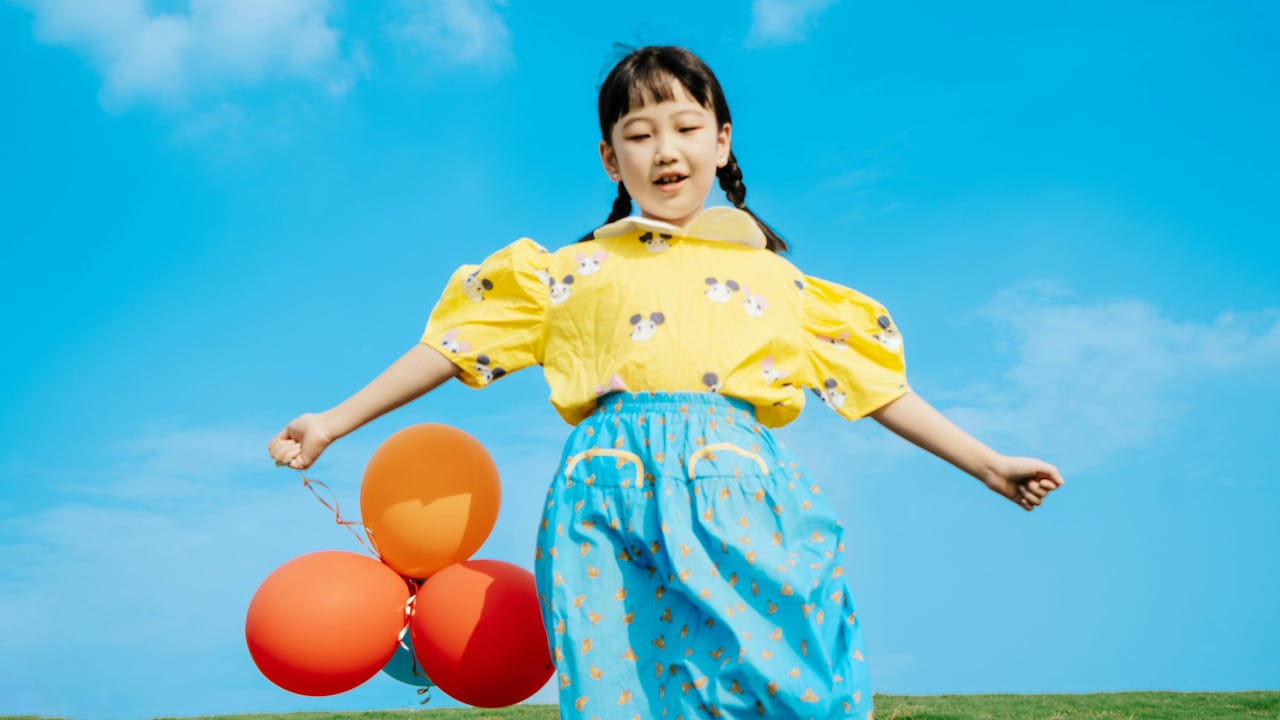
What makes straight cut kurtas popular among women; Photo Credit: Pexels
This does not mean Anarkalis lack beauty. They carry royal nostalgia, festive charm, and dance-floor energy. Yet when it comes to looking polished, luxurious, and modern, straight-cut kurta sets often win the race quietly. They feel like the fashion equivalent of someone who enters a room without making noise but still turns every head.
Also Read: Top 8 Kurta Cuts For Office, Casual And Festive Wear
Why Straight-Cut Kurta Sets Feel More Luxurious Than Heavy Anarkalis
The Power Of Clean Silhouettes
Straight-cut kurtas create structure instantly. Their neat vertical lines naturally make the outfit appear sharper and more tailored. In fashion, structure often signals luxury because well-cut garments require precision. The eye notices symmetry even before noticing embroidery.
Heavy Anarkalis usually focus on volume. Layers of fabric, wide flares, and dramatic hems create movement, but they can also overwhelm the frame. Sometimes the outfit wears the person instead of the other way around. Straight-cut styles avoid this completely. They sit close enough to the body to create elegance while still feeling comfortable for everyday wear or celebrations.
Many luxury labels across Delhi, Mumbai, and Jaipur now prefer cleaner silhouettes for festive collections. Designers increasingly rely on muted elegance instead of excessive detailing because modern buyers associate simplicity with sophistication. A straight-cut kurta paired with cigarette pants and delicate earrings often looks far more premium than an Anarkali overloaded with zari and sequins.
There is also a psychological factor. Clean lines create calmness. The outfit looks organised, composed, and intentional. Heavy flares can sometimes feel chaotic, especially when paired with loud colours and dense embroidery. Straight-cut kurtas bring visual discipline, and that subtle restraint often appears richer.
Fabric Quality Becomes More Noticeable
Simple outfits leave nowhere to hide. When a straight-cut kurta looks stunning, the fabric usually deserves credit. Rich silk blends, soft chanderi, linen cotton, or fluid crepe stand out immediately because the silhouette does not distract from texture.
Heavy Anarkalis often depend on embellishment to create impact. Sequins, mirror work, beadwork, and layers of net can overshadow average fabric quality. Even inexpensive material can appear festive once enough embroidery covers it. Straight-cut styles cannot rely on that trick. They demand better tailoring and superior material.
That is why many elegant kurta sets look expensive despite minimal work. A well-finished satin lining, subtle sheen, or graceful drape creates understated luxury. Fashion insiders often say that expensive clothing whispers while cheap clothing shouts. Straight-cut kurtas embody that whisper beautifully.
Picture a woman entering a Diwali gathering wearing an ivory silk kurta with pearl buttons and narrow trousers. Beside her stands another guest in a heavily embroidered maroon Anarkali with glittering dupatta borders. Surprisingly, eyes often drift towards the simpler outfit because refinement naturally draws attention.
The same principle applies to home décor, too. A room with clean furniture and quality materials usually feels more luxurious than a room packed with decoration. Fashion follows identical logic.
Tailoring Looks Sharper And More Refined
Nothing elevates clothing faster than good tailoring. Straight-cut kurtas showcase tailoring brilliantly because their simplicity highlights fit, stitching, and finishing details.
Heavy Anarkalis can sometimes disguise poor construction beneath layers of flare. Uneven hems or slightly awkward fitting often go unnoticed because movement distracts the eye. Straight-cut designs expose every detail. If the shoulders fit perfectly and the seams align beautifully, the outfit instantly appears premium.
Boutiques in cities like Lucknow and Surat increasingly focus on customised straight-fit sets because customers appreciate clothing that feels personalised. A neatly tailored kurta with ankle-length pants creates a crisp appearance that resembles luxury prêt wear. The precision reminds people of designer fashion without screaming for attention.
Another advantage lies in posture. Straight-cut outfits naturally encourage a more confident stance because the silhouette feels sleek and controlled. Anarkalis, especially heavily layered ones, can sometimes create bulk around the waist and lower body. This affects how the outfit moves and photographs.
Wedding photographers quietly understand this difference, too. Straight-cut kurtas photograph elegantly from almost every angle. The lines remain clean, the proportions stay balanced, and the outfit does not swallow the frame. Meanwhile, some heavily flared Anarkalis create visual heaviness in pictures despite looking dramatic in person.
Luxury rarely depends on quantity. It depends on precision. Straight-cut tailoring delivers that precision effortlessly.
Minimalism Feels More Modern
Fashion constantly evolves, and modern luxury now leans towards restraint rather than excess. Straight-cut kurta sets fit perfectly into this aesthetic shift. They reflect contemporary style without losing traditional roots.
Heavy Anarkalis often carry strong festive associations. They suit weddings, sangeets, and grand celebrations beautifully, yet they can sometimes feel overly formal for smaller gatherings. Straight-cut kurtas adapt more easily. A single set can move from office festivities to dinner outings and intimate celebrations without appearing overdressed.
This versatility contributes to their expensive appearance. Clothing that feels adaptable usually seems more thoughtfully designed. Consumers today increasingly value practicality alongside beauty. Spending ₹8,000 on a versatile kurta set feels smarter than buying an Anarkali worn once before disappearing into storage beside forgotten lehengas and emotional shopping decisions.
Minimalist fashion also photographs better in the age of social media. Cleaner silhouettes appear polished on camera because they avoid visual clutter. Influencers and stylists frequently choose straight-cut designs for this reason. The look feels aspirational yet achievable.
Muted tones further strengthen this effect. Shades like ivory, sage green, charcoal, dusty pink, and deep navy elevate straight-cut outfits dramatically. Heavy Anarkalis often rely on brighter colours and denser detailing to create impact. Simplicity, however, now signals confidence.
Fashion no longer rewards excess in the same way. Elegance today comes from knowing when to stop.
Straight-Cut Kurtas Offer Better Styling Flexibility
One major reason straight-cut kurta sets appear luxurious lies in their styling potential. They function like a blank canvas that welcomes creativity without looking overdone.
A simple kurta can transform completely depending on accessories. Pair it with silver jhumkas for festive charm, block heels for brunch, or a structured handbag for an evening gathering. The outfit adapts effortlessly while maintaining sophistication.
Heavy Anarkalis already carry so much visual information that styling options become limited. Oversized earrings may clash with embroidery. Bold makeup can feel excessive. Statement footwear often disappears beneath the flare. The outfit dictates the styling rather than encouraging experimentation.
Straight-cut kurtas allow balance. Because the silhouette remains clean, every accessory receives breathing space. A delicate organza dupatta or handcrafted potli bag suddenly stands out beautifully. This curated appearance often resembles editorial fashion shoots and designer campaigns.
There is also practical elegance involved. Many women appreciate clothing that allows movement without constant adjustment. Straight-cut sets feel lighter, easier to manage, and less exhausting during long events. Nobody enjoys carrying ten kilos of fabric while balancing a plate of paneer tikka and trying not to spill chutney on expensive embroidery.
Comfort influences confidence more than people realise. When someone feels relaxed in an outfit, elegance naturally follows. Straight-cut kurtas create that effortless confidence, and confidence always looks expensive.
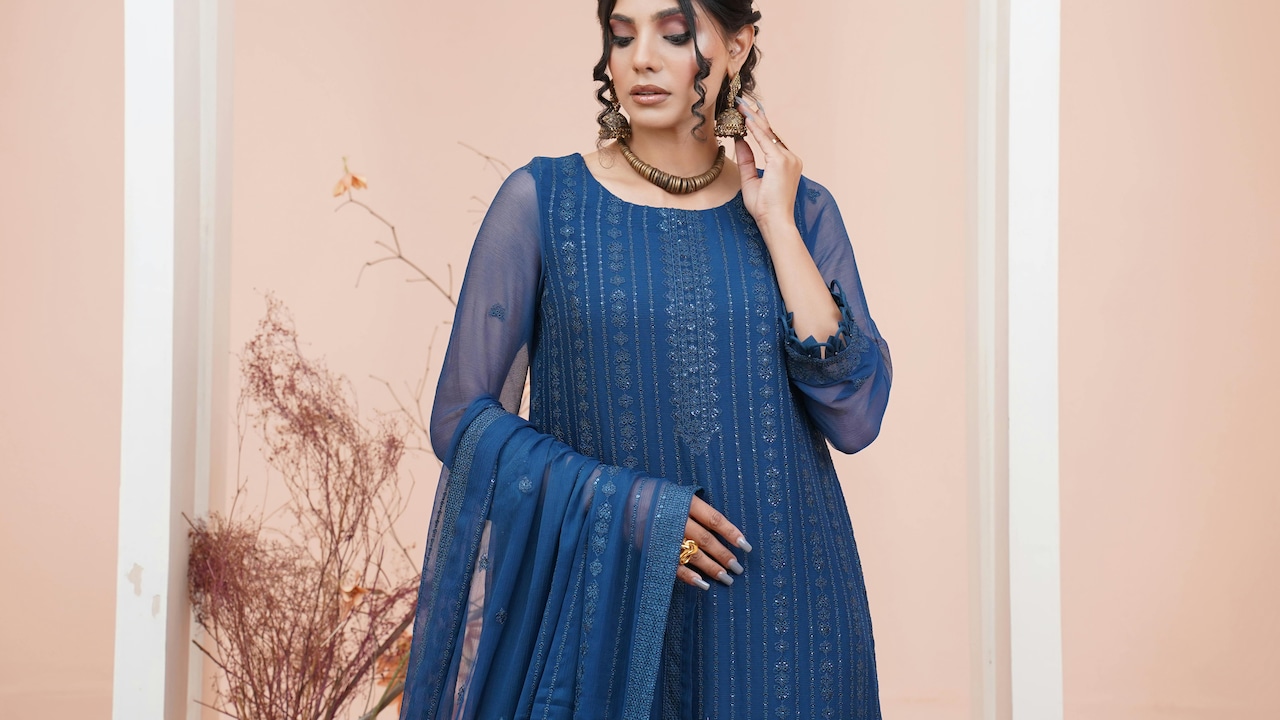
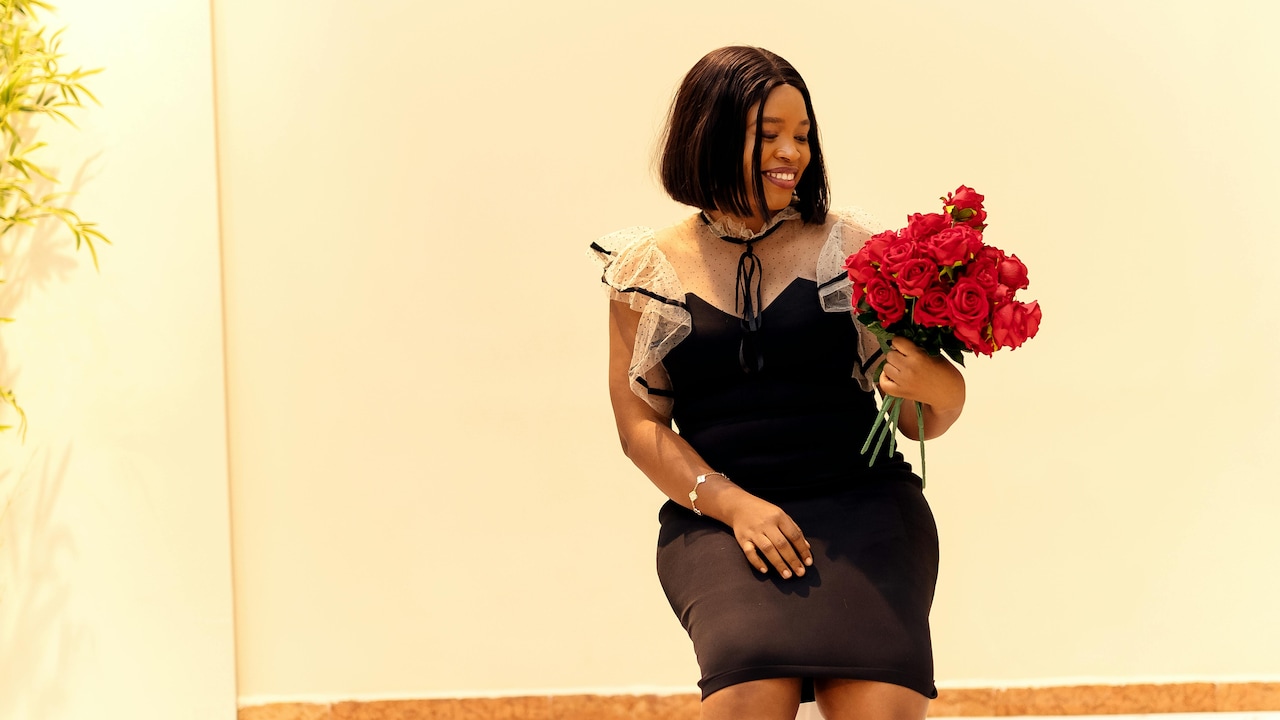
Straight cut kurtas offer more styling opportunities than others; Photo Credit: Pexels
Subtle Details Stand Out More
Luxury fashion often depends on tiny details rather than loud embellishment. Straight-cut kurta sets highlight these details perfectly because the silhouette stays uncluttered.
A beautifully finished neckline, delicate thread work, pearl buttons, pintucks, lace inserts, or handwoven borders suddenly become focal points. These quieter elements communicate craftsmanship more effectively than overwhelming embroidery.
Heavy Anarkalis sometimes bury such details beneath excessive decoration. The eye struggles to settle because too many elements compete for attention at once. Sequins shimmer, flares move, tassels swing, and contrasting dupattas demand equal focus. While visually striking, the overall effect can occasionally feel crowded.
Straight-cut styles create breathing room. The viewer notices texture, stitching, and design intention more clearly. This refined presentation naturally feels high-end.
Luxury boutiques understand this psychology well. Many premium festive collections now include understated kurta sets featuring subtle mukaish work, hand block prints, or elegant monochrome palettes. Customers increasingly associate these restrained details with exclusivity because they appear thoughtfully crafted rather than mass-produced.
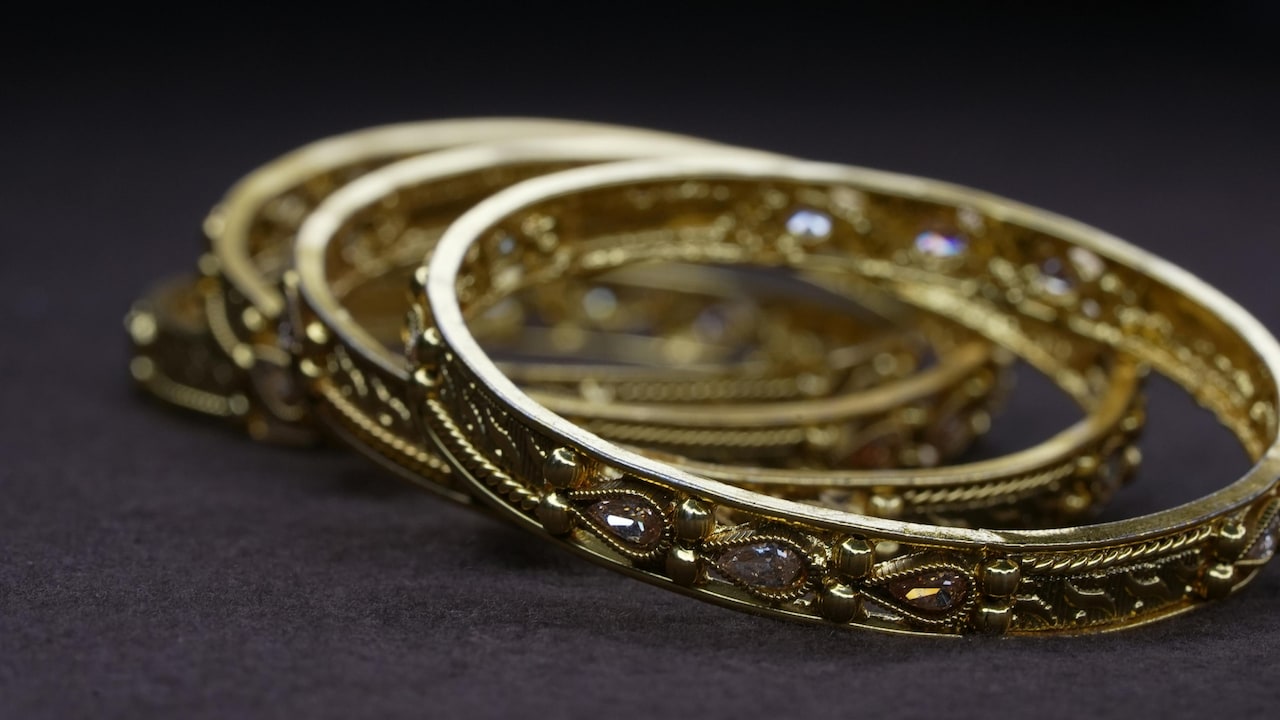
Even jewellery behaves differently with simpler clothing. Gold bangles, kundan studs, or delicate chains shine brighter against clean silhouettes. The overall styling feels intentional rather than overwhelming.
True sophistication rarely begs for attention. It quietly earns admiration through detail and balance.
Straight-Cut Styles Flatter More Body Types
An expensive-looking outfit often depends on how confidently it fits the wearer. Straight-cut kurtas succeed because they flatter a wide range of body types without adding unnecessary volume.
Their vertical structure elongates the frame naturally. Taller women look statuesque, petite women appear taller, and curvier women enjoy cleaner proportions without excessive layering around the waist or hips.
Heavy Anarkalis can sometimes create bulk due to gathers and flares. While they suit certain body types beautifully, they may overwhelm smaller frames or add visual heaviness depending on fabric and construction.
Straight-cut kurtas offer balanced elegance instead. They skim the body gracefully without clinging too tightly. This controlled fit creates a polished appearance associated with luxury tailoring.
Fashion sales assistants quietly notice this pattern every festive season. Many customers enter trial rooms carrying heavily embellished Anarkalis but eventually purchase straight-cut sets after seeing themselves in the mirror. The simpler silhouette often feels fresher, slimmer, and more sophisticated.
There is emotional comfort involved, too. Clothing that flatters naturally boosts confidence. Someone who feels attractive in an outfit carries themselves differently. That self-assurance transforms even a simple kurta into something memorable.
No amount of embroidery can replace the power of a great fit. Straight-cut styles understand this deeply.
The Colour Palette Usually Feels Richer
Colour plays a massive role in making clothing appear expensive. Straight-cut kurta sets often use more refined palettes compared to heavily embellished Anarkalis.
Luxury-inspired tones like champagne gold, mocha brown, deep emerald, rust, muted lavender, or soft ivory work beautifully with minimalist silhouettes. These shades create elegance because they feel mature and balanced.
Heavy Anarkalis frequently rely on high-contrast combinations and brighter shades to enhance dramatic flair. Bright pink paired with neon orange embroidery may look festive, but subtle colours usually appear richer.
Straight-cut kurtas allow colour to breathe. The eye focuses on the depth of the shade rather than competing embellishments. Fabrics like silk, satin blends, or chanderi further enhance this richness through natural texture and sheen.
Fashion houses increasingly favour tonal dressing for this reason. Monochromatic kurta sets with matching trousers and dupattas create seamless sophistication. Even simple embroidery looks elevated when colours remain harmonious.
A deep wine-coloured straight kurta with minimal gold detailing can easily resemble designer wear worth ₹25,000. Meanwhile, a heavily embellished outfit in multiple contrasting colours may appear less refined despite costing more.
Sometimes elegance simply comes down to restraint. Colour restraint often feels incredibly luxurious.
Straight-Cut Sets Reflect Quiet Confidence
Fashion communicates personality long before conversation begins. Straight-cut kurta sets often project quiet confidence, while heavily embellished Anarkalis project celebration and drama.
Neither approach feels wrong. Yet confidence without excessive effort usually appears more expensive.
Someone wearing a clean, tailored kurta set gives the impression of knowing exactly what suits them. The look feels intentional rather than trend-driven. Heavy Anarkalis can occasionally feel performative because they demand attention through volume and sparkle.
Modern style icons increasingly embrace understated dressing for this reason. They understand that simplicity requires confidence. Wearing minimal embroidery to a grand celebration sends a subtle message: style does not depend on excess.
This shift mirrors changing attitudes towards luxury itself. Flashy branding and overwhelming decoration no longer impress audiences the way they once did. Today, people admire refinement, authenticity, and thoughtful styling.
Straight-cut kurtas align perfectly with this mindset. They feel elegant without appearing desperate for compliments. Ironically, that restraint often attracts even more admiration.
A woman walking confidently through a family function in a beautifully tailored ivory kurta set with soft makeup and sleek hair often leaves a stronger impression than someone drowning in sequins and net layers.
Quiet confidence always outlasts loud fashion.
They Blend Tradition With Contemporary Fashion
One reason straight-cut kurta sets continue gaining popularity lies in their perfect balance between heritage and modernity. They honour traditional craftsmanship while fitting seamlessly into contemporary wardrobes.
Handloom fabrics, chikankari work, subtle zari borders, and artisanal prints all look stunning within straight silhouettes. The outfit feels rooted in culture yet modern enough for present-day lifestyles.
Heavy Anarkalis lean strongly towards occasion wear. Their grandeur suits festive environments beautifully, but can sometimes feel disconnected from everyday practicality. Straight-cut kurtas bridge this gap effortlessly.
This blend of tradition and modernity naturally appears sophisticated because it reflects thoughtful dressing. The wearer seems aware of trends without blindly chasing them.
Younger shoppers especially appreciate this versatility. Many prefer investing in outfits they can repeat creatively rather than storing elaborate garments after one event. A straight-cut kurta, paired each time differently, feels fresh repeatedly.
There is also an understated elegance in choosing comfort without sacrificing style. Modern fashion increasingly celebrates clothing that supports movement, practicality, and individuality.
Straight-cut kurtas achieve all three while still feeling festive enough for celebrations. That balance makes them timeless.
Products Related To This Article
1. Indo Era Women Alina Cut Striped High Slit Thread Work Liva Kurta With Trousers & Dupatta
2. SAMRAGNI Women Floral Embroidered Regular Thread Work Kurta with Palazzos
3. Sangria Purple Floral Embroidered Alia Cut Empire Kurta With Trouser & Dupatta
4. Soch Alina Cut Floral Embroidered Front Slit A-Line Pure Cotton Kurta with Trousers & Dupatta
5. SAHASIKA Women Floral Cut Work Kurta Set With Stunning Tasseled Dupatta
6. Ritu Kumar Alina Cut Ethnic Motifs Embroidered Thread Work Kurta with Trousers
7. AURELIA Forest Green Dori Embroidered Naira Cut Kurta with Palazzo & Stole Set
8. Vishudh Women Alina Cut Teal & Gold-Toned Self Design Kurta with Trousers
Fashion trends will continue changing with every season, celebrity wedding, and viral social media reel. Yet some style principles remain timeless. Clean tailoring, quality fabric, balanced proportions, and understated elegance will always feel luxurious.
Straight-cut kurta sets embody these principles beautifully. They rely on craftsmanship rather than excess. Their sophistication comes from precision, subtlety, and confidence rather than overwhelming decoration. Heavy Anarkalis still hold undeniable charm for grand occasions, dance performances, and festive nostalgia, but they do not always create the polished refinement associated with modern luxury.
Perhaps that explains why simpler silhouettes increasingly dominate wardrobes today. They feel easier, smarter, and quietly powerful. In a world full of noise, the clean elegance of a straight-cut kurta often speaks the loudest.
(Disclaimer: This article may include references to or features of products and services made available through affiliate marketing campaigns. NDTV Convergence Limited (“NDTV”) strives to maintain editorial independence while participating in such campaigns. NDTV does not assume responsibility for the performance or claims of any featured products or services.)