Do Ring Clusters Actually Make Fingers Look Slimmer, Or Is It Just Instagram Lighting?
Ring clusters can create the illusion of slimmer fingers, but clever styling matters more than Instagram lighting. From band thickness to stone shape, small details make a surprisingly big difference.
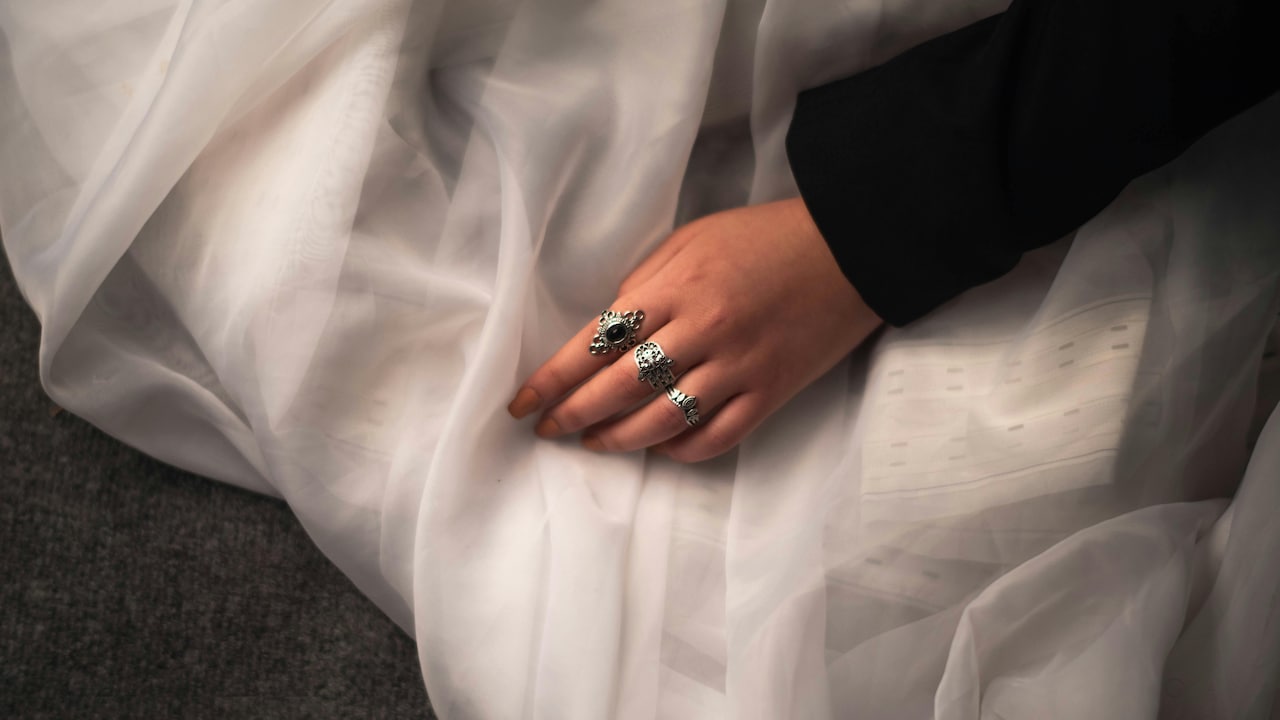
How do ring clusters impact the way your fingers look after accessorising
Jewellery trends often arrive with dramatic promises. One season, chunky earrings supposedly sharpen the jawline. Another claims delicate chains make the neck appear longer. Now ring clusters have entered the conversation with a surprisingly specific claim: they make fingers look slimmer. Scroll through Instagram, and the evidence seems convincing. Hands look elegant, elongated, almost impossibly polished. Thin stacked bands glimmer beside tiny gemstones while coffee cups and steering wheels become accidental props in carefully staged photos. Yet real life feels slightly different. Under harsh tube lights at a family wedding or while holding a grocery bag in the market, the illusion sometimes disappears faster than a complimentary mint at a restaurant counter.
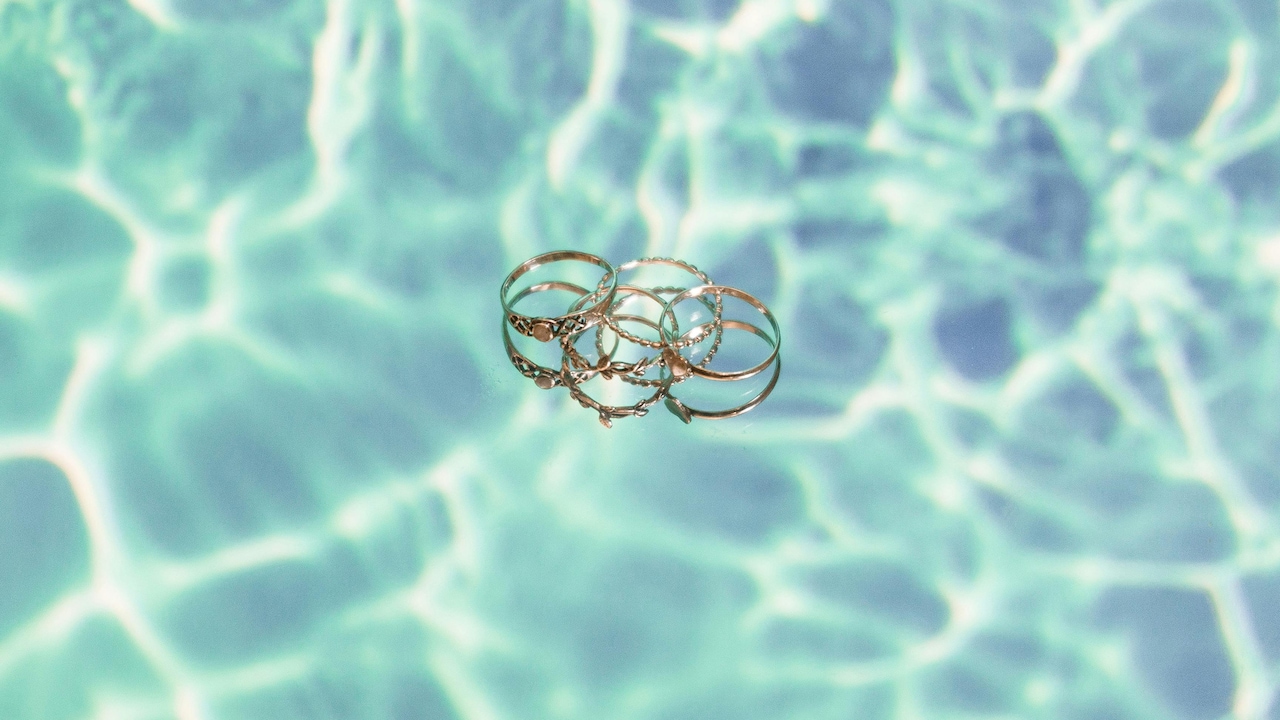
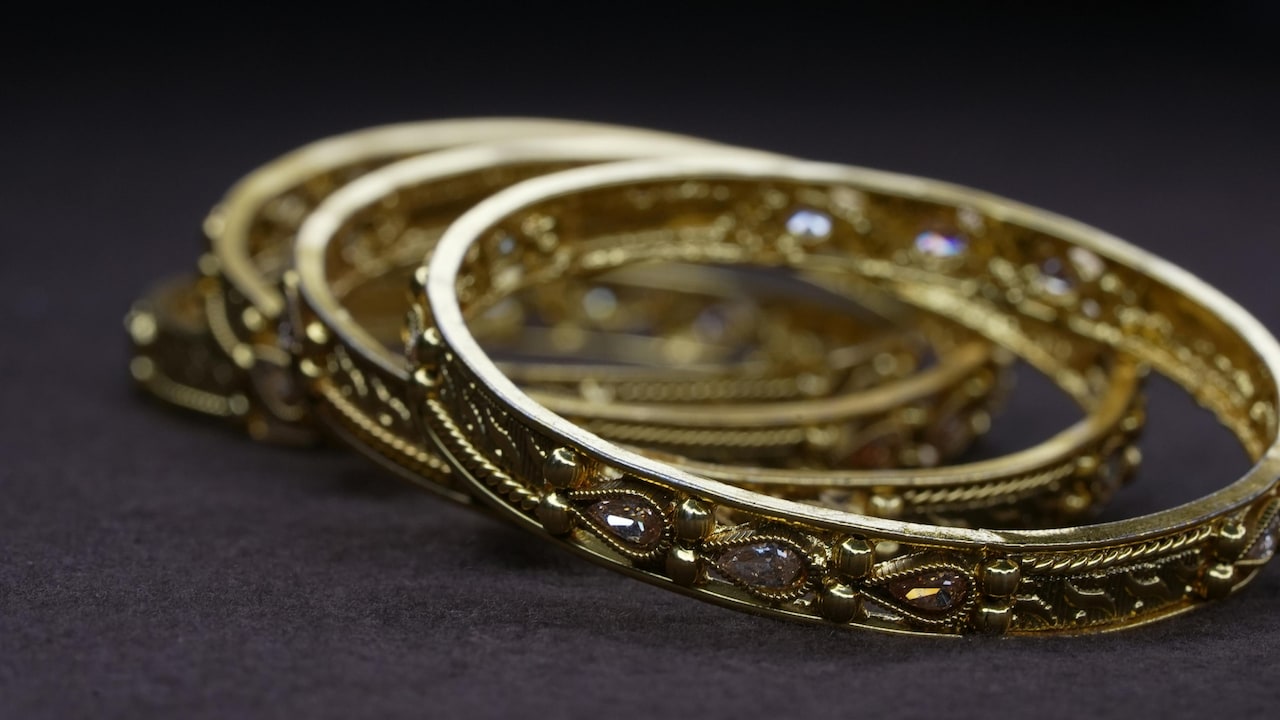
Read about the effect of ring clusters on making your fingers look slim; Photo Credit: Pexels
Still, ring clusters continue to dominate jewellery counters from high-end boutiques to local markets, selling trendy silver pieces for under ₹800. The appeal goes beyond fashion. Ring stacking feels playful, expressive, and surprisingly personal. One hand can tell an entire story through textures, shapes, and colours.
But do these clusters genuinely create the appearance of slimmer fingers? Or has social media editing convinced everyone that basic styling holds magical powers? The truth involves design psychology, visual balance, hand proportions, and yes, a generous amount of flattering lighting.
Also Read: Top 5 Stone-Studded Cocktail Rings That Instantly Elevate Summer Party Looks Under ₹800
The Truth Behind The Ring Cluster Illusion
Vertical Designs Create An Elongated Illusion
The strongest argument in favour of ring clusters comes down to visual direction. Rings that guide the eye vertically naturally create the impression of length. It works much like stripes in clothing. Long necklaces elongate the torso, and vertical ring arrangements can stretch the appearance of fingers.
Jewellers understand this trick well. Slim bands stacked with narrow stones pull attention upwards rather than sideways. Oval cuts, marquise shapes, and pear stones especially help because they mimic elongated lines. A cluster built around these designs often makes fingers appear leaner without looking overly dramatic.
Contrast this with broad statements. A chunky square ring may look stunning, but it can visually shorten fingers because it occupies horizontal space. The same happens with thick bands stacked too tightly together. Instead of elegance, the fingers may appear compressed.
Many fashion creators online use carefully balanced stacks with tiny gaps between rings. That spacing matters more than expected. Overcrowding creates bulk. Balanced placement creates refinement.
Interestingly, traditional jewellery styling has followed similar principles for decades. Delicate vertical motifs in heirloom rings always carried an understated elegance. Social media simply repackaged the concept with better lighting and trendier names.
Thin Bands Work Better Than Thick Stacks
Not every ring cluster performs the same magic. The thickness of each band plays a huge role in whether fingers appear slimmer or broader.
Thin bands usually create softness and flexibility. They leave enough visible skin between layers, which helps fingers retain a graceful appearance. Multiple slender rings can look airy and sophisticated, even when stacked heavily. This explains why minimalist jewellery trends exploded in popularity over the last few years.
Thicker bands create a completely different effect. They dominate the hand visually and reduce visible finger length. One bold ring can look luxurious, but several thick rings together may feel visually heavy. Under certain lighting, they almost merge into one solid block.
There is also a practical side. Slim rings move naturally with the hand. Thick stacks often look stiff and uncomfortable, especially during everyday activities like typing, cooking, or holding shopping bags after a long mall visit.
Local jewellery stores have quietly adapted to this preference. Many now sell lightweight stacking sets with adjustable designs priced around ₹1,200 to ₹4,000. Buyers increasingly prefer rings they can mix daily instead of investing in one oversized piece reserved for weddings.
The popularity of these delicate stacks proves something important. People no longer want jewellery that simply shines. They want pieces that flatter.
Finger Shape Changes Everything
The internet loves universal beauty advice, but hand shapes differ enormously. A ring cluster that flatters one person may look entirely different on someone else.
Long fingers usually handle larger stacks easily because they offer more visual space. Smaller hands often benefit from simpler arrangements with fewer layers. Short fingers can appear elegant with vertical designs, while broad fingers may look balanced with asymmetrical placements.
This explains why copying celebrity ring stacks rarely delivers identical results. The styling itself might be perfect, but proportions change everything. Even finger spacing matters. Closely placed fingers can make large clusters look crowded, while naturally spaced fingers create more breathing room.
Some jewellers quietly recommend choosing stacks based on knuckle shape rather than finger length. Prominent knuckles often pair beautifully with delicate, uneven stacks because they soften sharp angles. Smooth fingers usually suit geometric styles better.
Lighting also interacts differently with various hand textures. Smooth skin reflects sparkle more evenly. Visible veins or textured skin may react better to matte metals rather than ultra-shiny finishes.
In simple terms, ring clusters are not magic tricks. They are styling tools. The illusion works best when jewellery complements the natural structure of the hand instead of fighting against it.
Instagram Lighting Deserves Partial Credit
Now comes the uncomfortable truth: lighting absolutely influences how fingers appear online.
Soft lighting smooths skin texture and reduces shadows around knuckles. Angled sunlight elongates shapes naturally. Camera positioning further stretches proportions, especially when fingers extend slightly forward toward the lens.
Professional creators understand this instinctively. Many jewellery photos appear during golden hour because warm light softens edges beautifully. Flash photography, on the other hand, often makes rings look harsher and fingers shorter.
Editing apps quietly amplify the illusion, too. Minor sharpening adjustments can make gemstones sparkle more intensely, while subtle smoothing filters reduce visible hand texture. Nobody notices because the changes feel tiny individually.
Even hand poses matter enormously. Relaxed fingers look longer. Clenched hands appear compact. Slightly bent fingers create elegance, while stiff poses rarely flatter anyone.
This does not mean the trend is fake. Good styling still matters. But Instagram often presents the best possible version of reality. The average person checking a ring stack under office lighting near a flickering tube light may not see the same glamorous transformation.
That gap between online perfection and everyday appearance explains why some buyers feel disappointed after recreating trendy looks. The jewellery works. The lighting simply worked harder.
Metal Choice Impacts The Overall Effect
The colour and finish of metal dramatically affect how ring clusters interact with the hand. Some combinations visually soften the fingers while others create a stronger contrast.
Rose gold often feels warm and gentle against medium and deeper skin tones. It blends naturally and creates a softer outline around the fingers. Silver and white gold provide a sharper contrast, which can either elongate or emphasise width depending on the design.
Highly polished metals reflect light intensely. While that sparkle photographs beautifully, it may also highlight finger shape more prominently in real life. Matte finishes create subtler elegance and often look more forgiving during daytime wear.
Mixed metals have become increasingly popular because they add dimension without overwhelming the hand. A carefully balanced stack combining gold and silver can look modern while maintaining visual lightness.
Traditional jewellery markets once discouraged mixing metals entirely. Today, layered styling embraces slight imperfections and contrasts. Fashion has become less rigid and far more playful.
Interestingly, gemstone colour affects perception too. Clear stones and pastel shades create airiness, while dark stones add visual weight. Tiny emerald or ruby accents look refined, but oversized dark settings may shorten finger appearance unintentionally.
The overall harmony matters more than individual ring beauty. A stunning ring can still disrupt the slimming effect if it feels visually heavier than the rest of the stack.
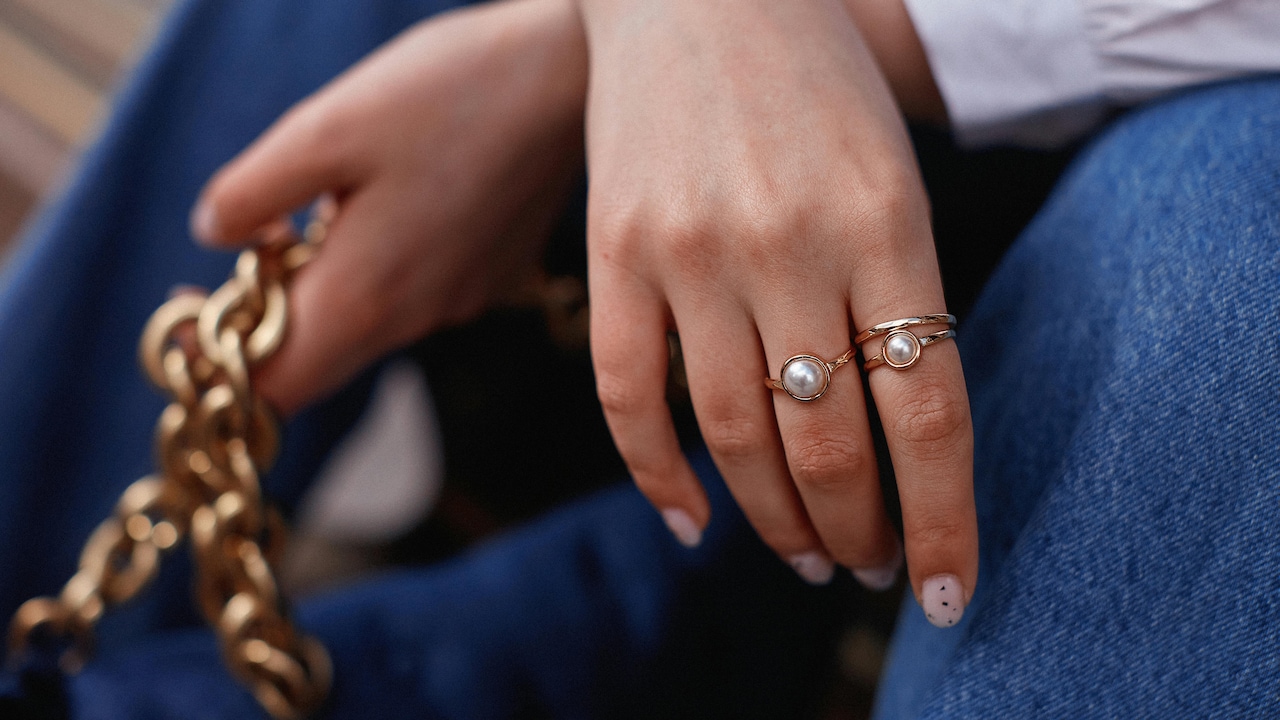
The choice can also impact the way your fingers look in ring clusters; Photo Credit: Pexels
Negative Space Is The Secret Nobody Talks About
The biggest mistake in ring stacking often comes from trying too hard. Many people assume that more rings automatically create a better style. In reality, negative space does most of the heavy lifting.
Tiny visible gaps between rings create separation and movement. They allow fingers to breathe visually. Without those spaces, clusters become bulky and chaotic.
Professional stylists frequently leave one finger bare intentionally. That empty space balances the overall look and prevents overcrowding. Ironically, restraint often creates stronger elegance than excessive sparkle.
This concept appears across fashion constantly. Structured outfits need softness. Bold makeup needs clean skin somewhere. Even interior design relies on empty space to make beautiful objects stand out.
Hands work the same way. A thoughtfully spaced ring stack appears refined because the eye moves smoothly across the hand. Cramped clusters stop that flow completely.
Many affordable ring sets now include midi rings specifically for this reason. Wearing rings higher on the finger creates visual variation and helps avoid a crowded appearance near the knuckles.
The result feels modern rather than overwhelming. It also looks more believable in daily life, which matters because nobody wants jewellery that only functions under curated lighting and fifteen camera retakes.
Nail Shape Quietly Influences The Entire Look
Ring discussions rarely include nails, but they influence the illusion enormously. The wrong nail shape can completely disrupt an otherwise flattering stack.
Oval and almond nails naturally extend the finger appearance because they continue the elongated line created by vertical ring designs. Square nails create a stronger horizontal effect, which can make fingers appear shorter.
Length matters too. Extremely long nails often compete with stacked rings instead of complementing them. Slightly longer natural shapes usually create better balance.
Neutral nail shades tend to work best with layered jewellery because they keep attention flowing smoothly across the hand. Loud nail art paired with multiple rings can quickly feel visually cluttered.
This explains why jewellery campaigns often feature understated manicures. The goal is not boring nails. The goal is balance.
Even chipped polish changes perception. Imperfect nails draw attention to the hands in an unflattering way, making rings appear less refined. Clean nails, even without polish, usually look more elegant with delicate stacks.
Beauty trends increasingly treat hands as part of overall styling rather than separate details. Rings, nails, skin texture, and lighting now work together as one visual story. Social media accelerated that shift dramatically.
Yet in everyday life, simplicity still wins. A neat manicure and thoughtfully chosen stack often look more sophisticated than elaborate styling that feels exhausting to maintain.
Cultural Styling Trends Have Changed Ring Fashion
Jewellery styling has evolved massively over the last decade. Earlier trends leaned heavily toward single-statement pieces, especially during weddings and festive occasions. Bigger often meant better.
Now, layered styling dominates everything from necklaces to bangles to rings. The shift reflects changing fashion attitudes. People want versatility, individuality, and jewellery they can wear beyond formal events.
Ring clusters fit perfectly into this modern approach. One stack can feel polished enough for brunch, subtle enough for work, and stylish enough for dinner plans. That flexibility matters in daily life.
Online creators also normalised mixing affordable jewellery with premium pieces. Someone might wear a family heirloom beside a trendy ₹500 midi ring bought during a weekend market visit. The combination feels personal rather than overly curated.
Minimal luxury now carries more appeal than obvious extravagance. Delicate stacks signal style awareness without screaming for attention.
This cultural shift explains why slimming illusions matter at all. Jewellery no longer exists only for status or tradition. It now plays a role in self-expression and visual aesthetics shaped heavily by photography culture.
Hands appear constantly online today. Engagement photos, coffee pictures, airport selfies, outfit reels, and rings suddenly receive close-up attention that previous generations never imagined.
Naturally, people became curious about which styles flatter best on camera and in real life.
Comfort Often Determines Whether The Illusion Works
The prettiest ring stack in the world loses charm if it looks uncomfortable. Tight fingers, awkward movement, or constant adjusting quickly ruin the effortless elegance that ring clusters aim to create.
Comfort affects posture more than people realise. Relaxed hands naturally appear longer and softer. Tense fingers create stiffness that even expensive jewellery cannot disguise.
Many trendy stacks fail because wearers overload their hands with rings that pinch, slide awkwardly, or restrict movement. By evening, the jewellery sits crooked and uncomfortable, especially during humid weather.
Comfortable stacks usually involve lightweight bands with slight spacing. Adjustable rings often work well because fingers naturally swell throughout the day. Seasonal weather changes also influence fitness significantly.
Jewellery trends sometimes ignore practical reality. Social media captures one polished moment rather than six hours of actual wear. But real-world styling depends heavily on comfort.
People instinctively touch or adjust uncomfortable jewellery repeatedly. That movement draws attention away from elegance and toward irritation. Meanwhile, a balanced, comfortable stack blends naturally into everyday gestures.
The best ring clusters feel almost unnoticeable while still adding visual polish. That effortless quality creates the real sophistication people admire online, even if they cannot immediately identify why the styling works.
The Real Secret Lies In Balance, Not Magic
So, do ring clusters actually make fingers look slimmer? Yes, but only when styling, proportion, lighting, and comfort align properly.
The illusion comes from visual balance rather than supernatural jewellery powers. Thin bands, vertical designs, thoughtful spacing, flattering nail shapes, and good lighting all contribute together. Remove one element and the effect weakens.
Instagram certainly exaggerates the transformation. Filters, camera angles, and curated poses create polished perfection that everyday lighting rarely matches. Still, dismissing the trend entirely would be unfair because thoughtful ring styling genuinely influences perception.
Fashion has always relied on illusion. Tailored clothing shapes silhouettes. Hairstyles frame faces differently. Jewellery simply joins that same conversation.
The beauty of ring clusters lies less in making fingers look slimmer and more in how they make people feel. Elegant, expressive, playful, polished, sometimes all at once. And honestly, that confidence often becomes the most flattering detail anyway.
Products Related To This Article
1. Jewels Galaxy Set Of 23 Gold-Plated Finger Rings
2. YouBella Set of 22 Gold-Plated Finger Ring
3. Jewels Galaxy Set Of 22 Gold-Plated Beaded Stackable Finger Rings
4. Zaphariq Women Set of 17 Gold-Plated Cubic Zirconia Finger Ring
5. Jewels Galaxy Set Of 21 Gold-Plated Finger Rings
Ring clusters sit at the fascinating intersection of style, psychology and visual illusion. They can absolutely create the appearance of slimmer fingers when chosen thoughtfully. Delicate bands, elongated stones, balanced spacing, and complementary nail shapes all work together to guide the eye gracefully across the hand.
Yet social media deserves equal credit for amplifying the fantasy. Strategic lighting, edited textures, and carefully posed hands often transform attractive jewellery into seemingly magical beauty hacks.
Still, perhaps the obsession with slimmer-looking fingers misses the bigger point entirely. Jewellery works best when it feels joyful rather than corrective. Ring clusters succeed because they allow creativity, experimentation, and personality to shine through tiny sparkling details.
And unlike impossible beauty trends requiring expensive treatments or painful routines, this one simply asks for a few thoughtfully stacked rings and a little confidence while holding that coffee cup for the photo.
(Disclaimer: This article may include references to or features of products and services made available through affiliate marketing campaigns. NDTV Convergence Limited (“NDTV”) strives to maintain editorial independence while participating in such campaigns. NDTV does not assume responsibility for the performance or claims of any featured products or services.)