Why Linen Shirts Wrinkle Instantly, And Whether That Is Really A Problem
Linen shirts crease within minutes, often before stepping out the door. Yet, that very quality carries a quiet charm. This article explores why linen wrinkles so easily, and whether those folds are flaws or simply part of its laid-back appeal.
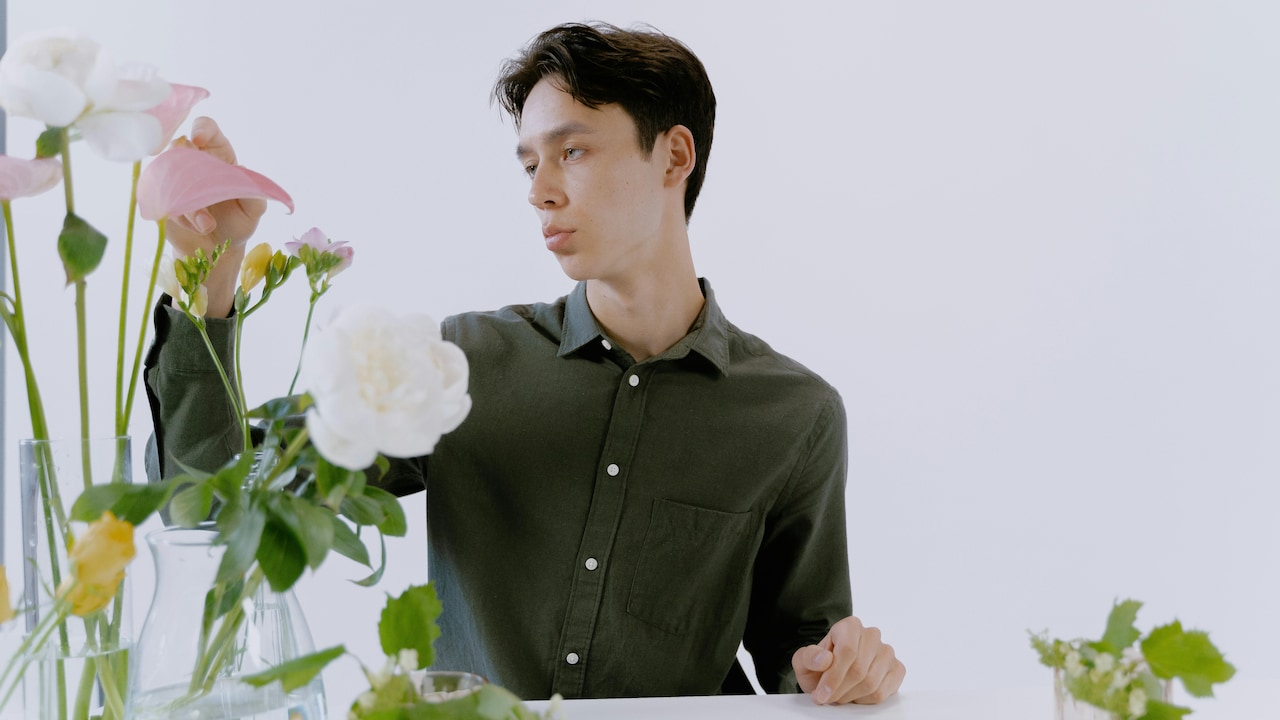
The Truth About Linen Shirts: Why They Wrinkle Instantly And Why You Should Not Worry.
There's something oddly comforting about slipping into a linen shirt on a warm, sticky afternoon. The fabric feels breathable, light, almost like a soft breeze against the skin. Yet, the moment it's worn, those unmistakable creases appear. A quick glance in the mirror can feel slightly alarming. It looks as though the shirt has lived through an entire day before breakfast.
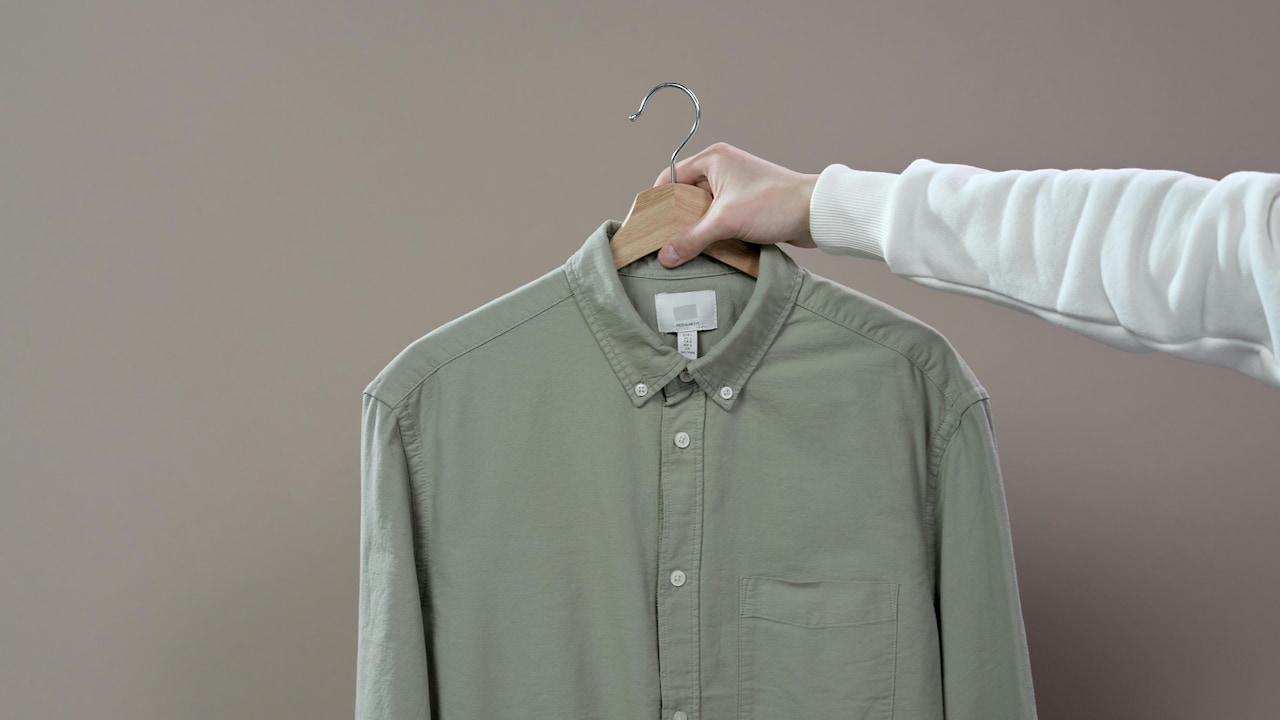
Why do linen shirts wrinkle easily; Photo Credit: Pexels
For many, this raises a familiar question. Why does linen wrinkle so quickly? And more importantly, does it really matter?
The relationship with linen has always been a bit complicated. It promises elegance but delivers effortlessness. It looks premium yet behaves casually. In a world obsessed with crisp lines and polished appearances, linen stands apart, almost rebelliously relaxed. This article takes a closer look at the science behind the wrinkles and the deeper story they tell about style, comfort, and perception.
Also Read: Top 5 Men's Linen Shirts That Stay Crisp All Day Without Ironing
The Real Reasons Linen Wrinkles So Easily And Why It Might Not Matter
1. The Nature Of Linen Fibres
Linen comes from the flax plant, a material known for its strength and durability. Unlike cotton, which has shorter and more flexible fibres, linen fibres are long, straight, and somewhat rigid. This structure makes the fabric less elastic. When bent or folded, it does not spring back into place easily.
Imagine folding a stiff sheet of paper compared to a soft cloth napkin. The paper keeps the crease, while the napkin relaxes back into shape. Linen behaves closer to the paper. This rigidity gives linen its crisp texture, but also makes it prone to wrinkles.
Interestingly, this very characteristic also contributes to its cooling properties. The fibres allow air to pass through easily, making linen ideal for humid climates. So, those wrinkles are not a flaw in design, but rather a side effect of what makes linen so comfortable to wear in the first place.
2. Lack Of Elasticity And Flexibility
Elasticity plays a crucial role in how fabrics behave. Materials like polyester or blended cotton bounce back after being compressed. Linen, however, lacks this resilience. Once pressure is applied, such as sitting, leaning, or even folding arms, the fabric holds onto the shape.
This can feel frustrating during a long commute or a busy day. A freshly ironed shirt might look immaculate at 9 am but appear rumpled by lunchtime. Yet, this is not due to poor quality. It is simply how linen works.
In fact, higher-quality linen often wrinkles more because it contains purer fibres. Blends may reduce creasing, but they also compromise breathability. So, the next time a linen shirt starts to crumple, it might actually be a sign of authenticity rather than a defect.
3. Moisture Absorption And Its Role
Linen has an impressive ability to absorb moisture. It can take in sweat without feeling damp, which makes it a favourite during hot weather. However, this absorption also affects how the fabric behaves.
When linen absorbs moisture, its fibres swell slightly and lose even more flexibility. This makes it easier for wrinkles to form and harder for them to disappear. A humid afternoon or a bit of perspiration can intensify the creasing effect.
Consider a long day outdoors, perhaps at a bustling market or a summer wedding. The shirt may start off crisp, but gradually develops a lived-in look. Rather than fighting this, many embrace it as part of linen's charm. After all, comfort often comes with a trade-off, and in this case, it's a few extra folds.
4. The Role Of Weave And Fabric Weight
Not all linen is created equal. The way it is woven and its weight significantly impact how it wrinkles. Lightweight linen tends to crease more easily because it has less structure. Heavier linen, on the other hand, offers slightly better resistance.
The weave also matters. A looser weave allows more airflow but increases the likelihood of wrinkles. A tighter weave provides a smoother appearance but may feel less airy.
This creates an interesting balance. A shirt designed for maximum comfort in hot weather will almost always wrinkle more. Meanwhile, a slightly heavier or blended option may look neater but feel warmer.
Choosing between these options often depends on the occasion. A relaxed brunch might welcome the softer, wrinkled look, while a formal event might call for a more structured version.
5. Cultural Perception Of Wrinkles
Wrinkles in clothing are often associated with carelessness. Crisp shirts and sharp creases tend to signal professionalism and attention to detail. Linen challenges this perception.
In many style circles, linen's wrinkles are not seen as flaws but as a mark of relaxed elegance. They suggest ease, confidence, and a refusal to be overly rigid. It's the difference between trying too hard and appearing effortlessly put together.
Think of a breezy coastal holiday or a laid-back evening gathering. A slightly crumpled linen shirt fits right in. It tells a story of comfort and ease rather than strict formality.
This shift in perception plays a big role in how linen is appreciated. Instead of viewing wrinkles as a problem, they can be seen as part of the fabric's personality.
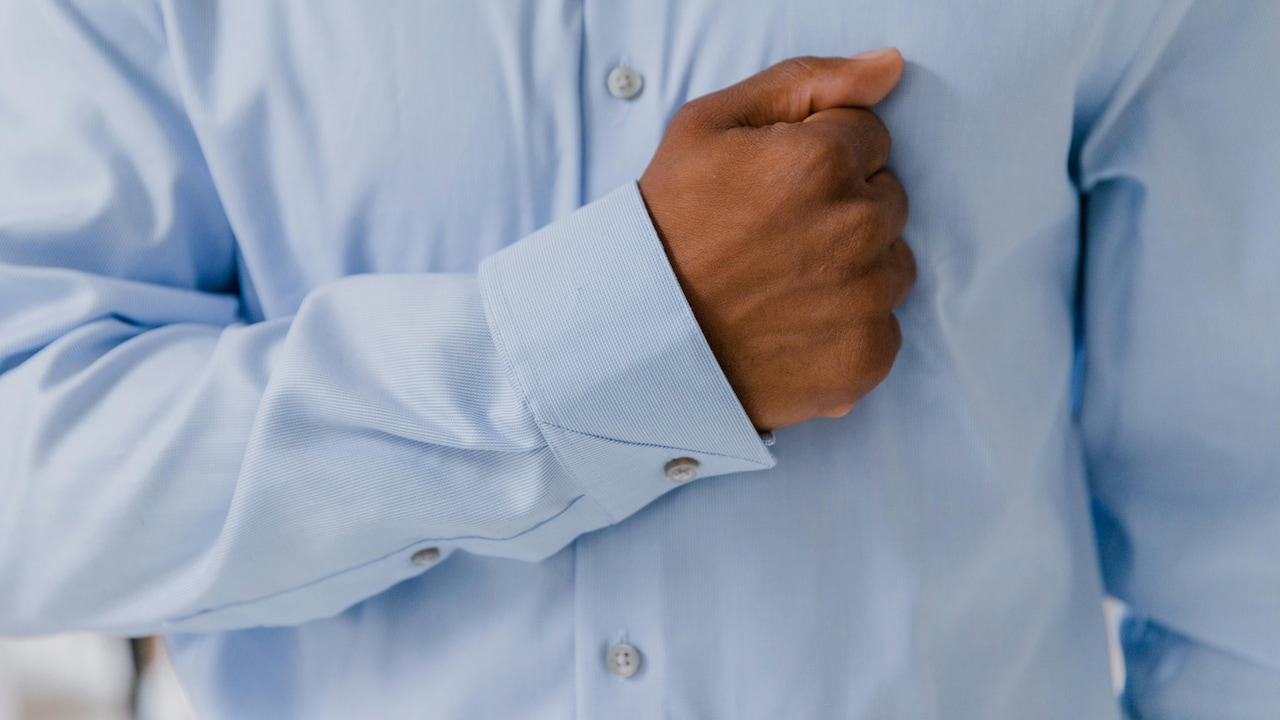
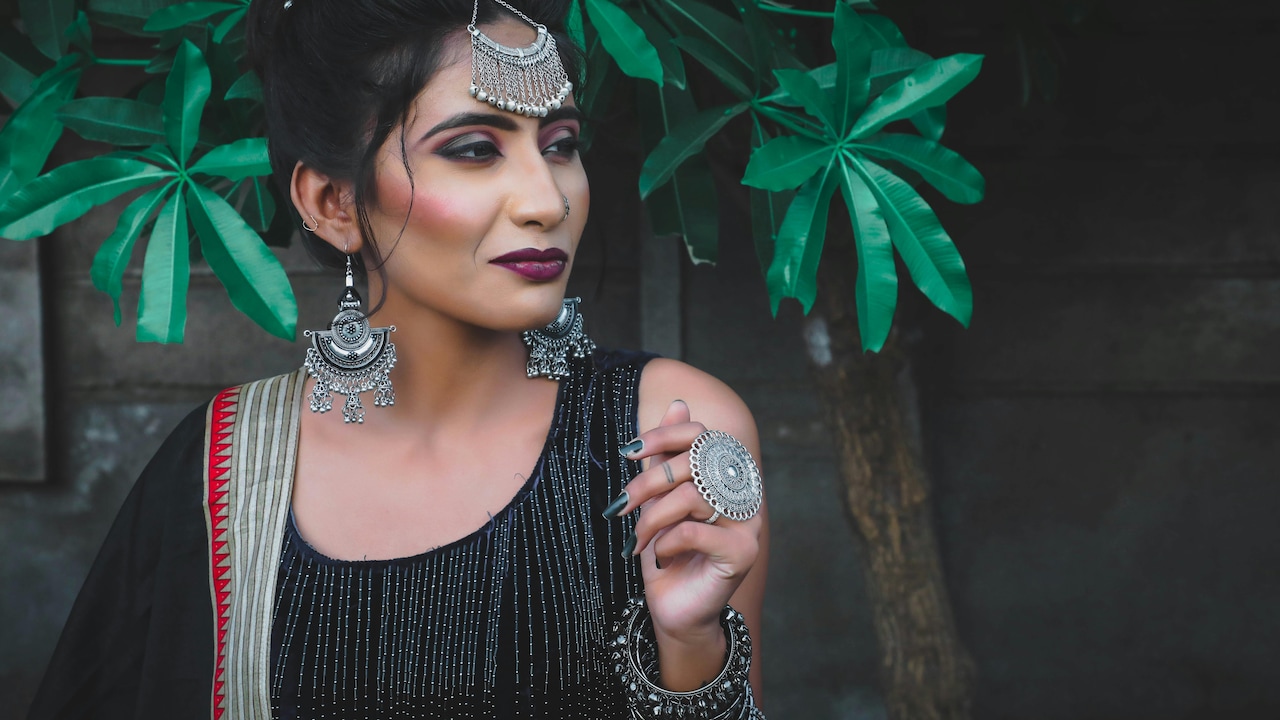
Wrinkles are not always seen as carelessness; Photo Credit: Pexels
6. Maintenance Expectations Versus Reality
Many expect linen to behave like cotton or synthetic fabrics. This often leads to disappointment. Linen requires a different mindset when it comes to maintenance.
Frequent ironing can help, but the results are temporary. Within minutes of wearing, new creases will appear. This can feel like a losing battle, especially for those who prefer a polished look.
However, linen rewards a more relaxed approach. A light press or even a simple steam can improve its appearance without aiming for perfection. Accepting that it will wrinkle anyway can make the process less stressful.
Interestingly, this shift in expectation often changes how the fabric is experienced. Instead of chasing flawlessness, there's a quiet acceptance of imperfection, which can feel surprisingly liberating.
7. Linen In Daily Life And Climate
Warm weather and high humidity make linen almost indispensable. In such conditions, comfort becomes a priority. Heavy or synthetic fabrics can feel suffocating, while linen allows the skin to breathe.
During peak summer months, stepping outside can feel like walking into a warm oven. In such moments, a linen shirt offers relief that few other fabrics can match. Even if it wrinkles, the comfort it provides often outweighs the aesthetic concern.
Daily routines also influence how linen is perceived. A long commute, crowded spaces, and constant movement will inevitably lead to creases. Yet, the fabric's lightness and ease make these challenges more bearable.
In this context, wrinkles start to feel less like a drawback and more like a natural consequence of staying comfortable.
8. The Cost Factor And Perceived Value
Linen garments often come with a higher price tag. A well-made linen shirt can easily cost ₹2,500 or more, which raises expectations about performance. When it wrinkles quickly, it may seem like poor value.
However, price reflects more than just appearance. Linen's durability, breathability, and natural origins contribute to its cost. It is a fabric that can last for years when cared for properly.
Understanding this helps shift the perspective. Instead of focusing solely on wrinkles, it becomes easier to appreciate the overall experience. The comfort, longevity, and unique texture all play a role in its value.
In many ways, linen is less about looking perfect and more about feeling good. That balance often justifies the investment.
9. Styling Linen With Confidence
Styling linen requires a slightly different approach. Rather than aiming for a sharp, structured look, it works best when paired with relaxed elements. Soft trousers, open collars, and minimal accessories complement its natural texture.
Confidence plays a key role here. Wearing linen with the expectation of perfection can lead to constant adjustments and self-consciousness. Embracing its casual nature, however, creates a more effortless appearance.
A slightly wrinkled linen shirt can still look stylish when worn with the right attitude. It suggests ease and authenticity, qualities that often stand out more than perfectly pressed clothing.
This shift in mindset transforms linen from a frustrating fabric into a versatile and enjoyable one.
10. Are Wrinkles Really A Problem?
At its core, the question is simple. Do wrinkles actually matter? The answer depends on perspective.
For formal settings that demand precision, linen may not be the best choice. In such cases, fabrics that hold their shape better might be more suitable. However, for everyday wear, social gatherings, or relaxed environments, linen's wrinkles rarely detract from its appeal.
In fact, they often enhance it. The soft creases add character and depth, making the fabric feel alive rather than stiff. They tell a story of movement, warmth, and ease.
Rather than viewing wrinkles as a problem, it may be more helpful to see them as part of linen's identity. They are not imperfections but features that set it apart.
Products Related To This Article
1. Aeropostale Cotton Linen Casual Shirt
2. CORSICA Cotton Linen Casual Shirt
3. HIGHLANDER Highlander Men White Regular Fit Solid Casual Linen Shirt
4. PURYS WORKSPACE Women Formal Linen Shirt
5. Mast & Harbour Slim Fit Cotton Linen Shirt
Linen shirts wrinkle quickly because of their natural structure, low elasticity, and moisture-absorbing properties. These characteristics, while seemingly inconvenient, are also what make linen so comfortable and desirable in warm weather.
The real question is not how to eliminate the wrinkles, but how to understand them. Linen invites a different approach to style, one that values comfort and authenticity over rigid perfection.
In a world that often demands flawless appearances, linen offers a refreshing alternative. It embraces imperfection and turns it into a quiet statement of ease. Those creases, rather than being a problem, become a signature.
And perhaps that is the true charm of linen. It does not try to hide its nature. It simply exists, relaxed and unapologetic, much like the best moments of a long summer day.
(Disclaimer: This article may include references to or features of products and services made available through affiliate marketing campaigns. NDTV Convergence Limited (“NDTV”) strives to maintain editorial independence while participating in such campaigns. NDTV does not assume responsibility for the performance or claims of any featured products or services.)