Travel-Friendly Clothing Explained: Practical Comfort Or Just A Trend?
Travel-friendly outfits promise comfort, style, and convenience, but do they actually deliver? Or are they just clever marketing labels stitched onto everyday clothes?

Are Travel-Friendly' Outfits Actually Practical Or Just Marketing Buzzwords? Find Out Here.
Travel has changed. Gone are the days when journeys meant simply reaching a destination. Now, every trip feels like a mini lifestyle event. Social media feeds showcase airport looks that appear as curated as wedding outfits. The idea of “travel-friendly fashion” has slipped quietly into wardrobes, promising comfort without compromising style.
But beneath the glossy images lies a more practical reality. Anyone who has sat through a delayed flight in a stiff pair of jeans or struggled with a winter jacket in humid weather knows that clothing choices can make or break a journey. The question is not whether travel outfits matter, but whether the ones marketed as “travel-friendly” truly serve the purpose.
This conversation matters because travel often involves unpredictability, temperature shifts, long hours, cramped spaces, and sudden changes in plans. Clothes need to adapt. Yet, brands often prioritise aesthetic appeal over genuine functionality. The result is a blurred line between necessity and marketing.
Exploring this space reveals a mix of clever innovation and exaggerated claims. Some pieces genuinely enhance comfort, while others simply carry a fancy tag and a higher price. The truth, as always, lies somewhere in between.
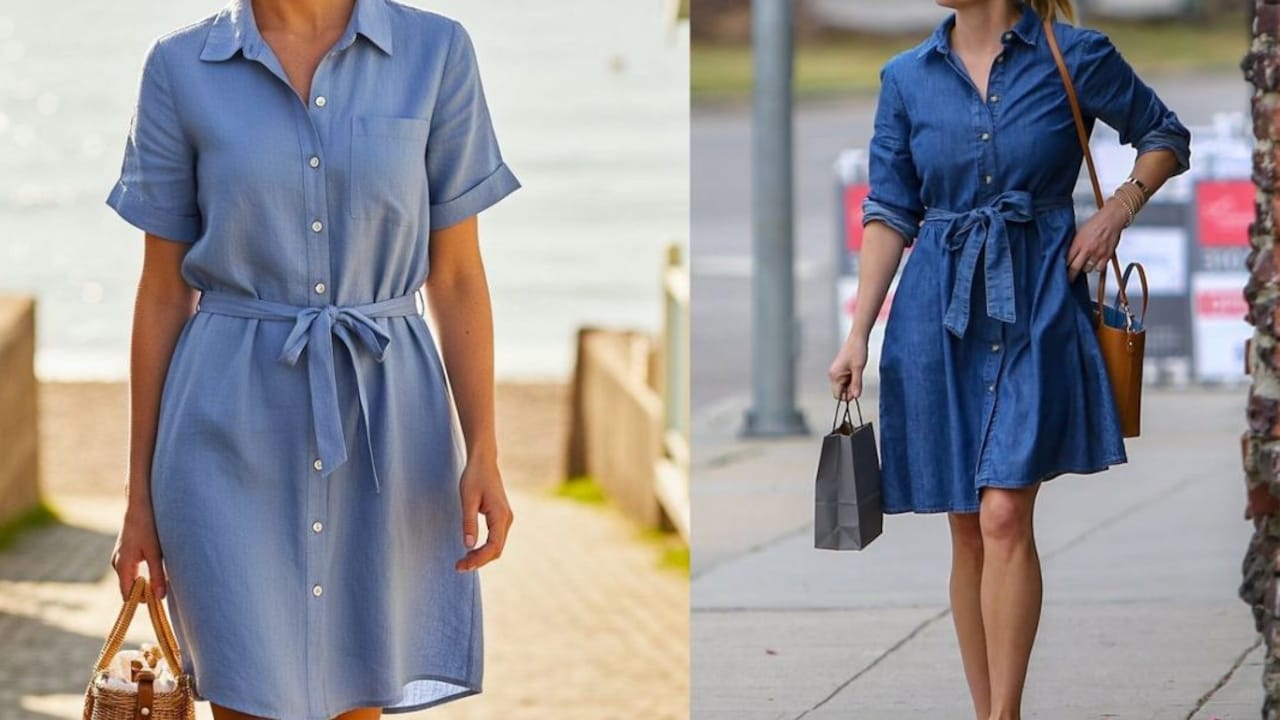
Are Travel-Friendly Outfits Worth It Or Just Smart Marketing?; Photo Credit: Pexels
The Truth Behind Travel-Friendly Fashion Claims
The Rise Of The “Travel-Friendly” Label
The phrase “travel-friendly” has gained popularity at an impressive pace. A few years ago, it rarely appeared in clothing descriptions. Now, it features prominently across online stores and advertisements. The shift reflects changing consumer habits. Travel has become more frequent and accessible, and people want clothes that match this lifestyle.
Brands quickly spotted the opportunity. By attaching the label “travel-friendly,” they transformed ordinary items into something that feels purposeful. A simple cotton kurta suddenly becomes a “breathable travel essential.” A pair of joggers turns into “airport-ready wear.” The appeal lies in the promise of ease.
However, the label often lacks a clear definition. What exactly makes an outfit travel-friendly? Comfort, durability, versatility, or all three? Without consistent standards, the term becomes flexible enough to fit almost anything. This ambiguity benefits marketers more than travellers.
Still, the popularity of the label reflects a genuine need. People want clothes that work across different settings, airport lounges, cabs, cafés, and quick sightseeing stops. The challenge lies in distinguishing between thoughtful design and clever branding.
Comfort Versus Style: The Eternal Tug Of War
Travel outfits often sit at the crossroads of comfort and style. On one side lies the desire to feel relaxed during long journeys. On the other sits the pressure to look presentable, especially in an age where photos capture every moment.
Comfort tends to win during actual travel. Soft fabrics, loose fits, and breathable materials make a noticeable difference during long hours. Tight clothing, synthetic fabrics, or heavy layers quickly become uncomfortable, especially in warm weather or crowded spaces.
Yet, style continues to influence choices. Many travellers hesitate to wear outfits that look too casual. The fear of appearing underdressed pushes people towards structured clothing, even if it sacrifices comfort. Brands exploit this hesitation by offering outfits that appear stylish while claiming to feel comfortable.
The truth often reveals itself mid-journey. What looks good in a mirror may not feel good after four hours on a train. The most practical travel outfits strike a balance, comfortable enough for long wear, yet polished enough for public spaces. Achieving that balance remains a personal choice rather than a one-size-fits-all solution.
Also Read: 7 Best Airport-Friendly Outfits For Women That Offer Comfort And Zero Metal Hassle
Fabric Matters More Than Labels
One of the most overlooked aspects of travel clothing is fabric. Marketing campaigns often focus on design, but the real difference lies in what the outfit is made of. Fabric determines breathability, comfort, and ease of maintenance.
Natural fibres like cotton and linen perform well in warm climates. They allow airflow and reduce discomfort caused by sweat. However, they wrinkle easily, which can be inconvenient for longer trips. Blended fabrics attempt to solve this issue by combining comfort with durability.
Synthetic materials often promise quick-drying and wrinkle resistance. While these features sound appealing, they sometimes trap heat and feel less comfortable over time. The experience depends on the quality of the fabric rather than the label attached to it.
A thoughtfully chosen fabric can transform a simple outfit into a genuinely travel-friendly one. On the other hand, a poorly chosen material can ruin even the most stylish piece. The lesson remains simple: focus on how the fabric feels, not how the brand describes it.

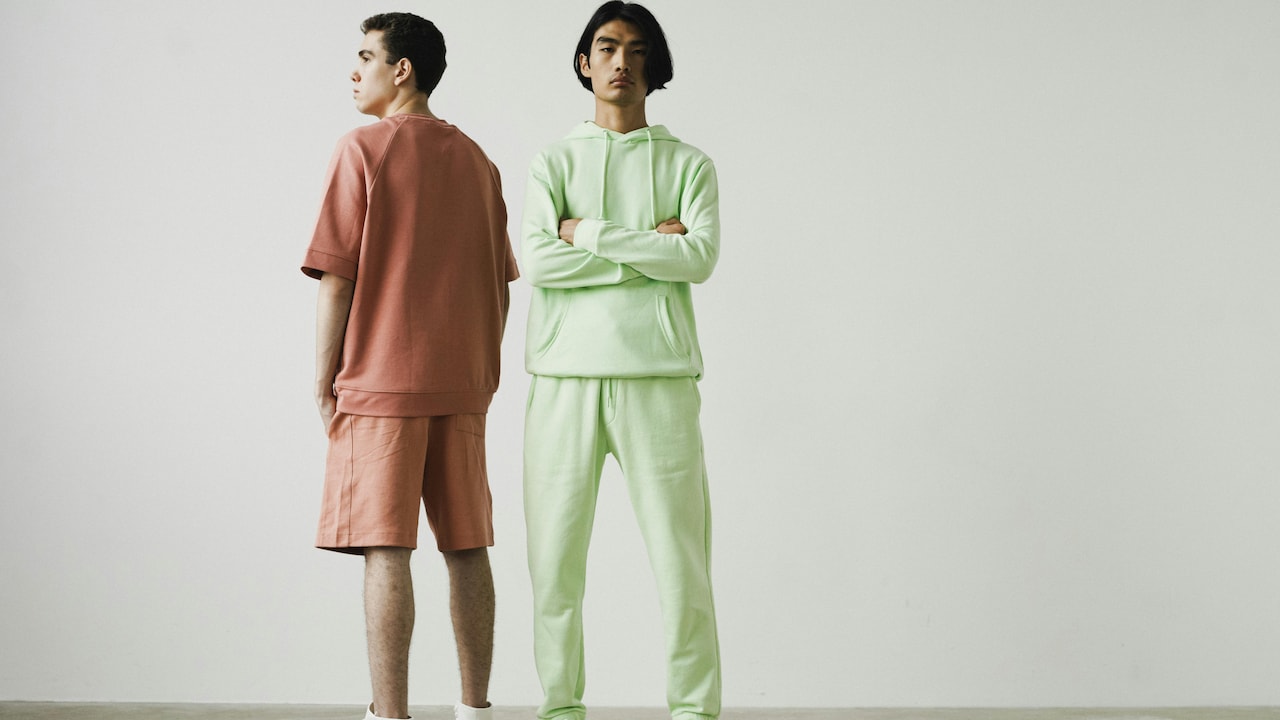
Are Travel-Friendly Outfits Worth It Or Just Smart Marketing?; Photo Credit: Pexels
The Reality Of Wrinkle-Free Claims
Wrinkle-free clothing sounds like a dream for travellers. No one enjoys unpacking a suitcase filled with crumpled outfits. Brands often highlight this feature as a key selling point, suggesting that their clothes maintain a neat appearance regardless of packing conditions.
In reality, wrinkle resistance varies widely. Some fabrics genuinely hold their shape, while others only resist minor creasing. The promise of completely wrinkle-free clothing often feels exaggerated. After hours in a tightly packed bag, even the best materials show some signs of folding.
That said, certain fabrics perform better than others. Knits, blends, and stretch materials tend to recover quickly. They may not remain perfectly smooth, but they look presentable without requiring ironing.
The expectation of flawless clothing may need adjustment. Instead of chasing perfection, travellers benefit more from choosing outfits that remain “good enough.” Slight creases rarely matter during a journey. Comfort and ease often outweigh the need for a perfectly crisp appearance.
Versatility: The True Travel Essential
Versatility stands out as one of the most valuable qualities in travel clothing. An outfit that works across multiple settings reduces the need for excessive packing. This not only saves space but also simplifies decision-making during the trip.
A simple kurta paired with different bottoms can transition from a casual outing to a dinner setting. A neutral jacket can complement multiple outfits. These combinations offer flexibility without requiring a large wardrobe.
Brands often highlight versatility, but true versatility depends on design and colour choices. Neutral tones, simple patterns, and adaptable silhouettes tend to perform better than bold, statement pieces.
The idea of “travel-friendly” becomes more meaningful when it aligns with versatility. Clothes that adapt to changing plans, unexpected meetings, spontaneous outings, or sudden weather shifts prove their worth. In contrast, outfits designed for a single purpose rarely justify their place in a travel bag.
The Influence Of Social Media Aesthetics
Social media plays a significant role in shaping travel fashion trends. Perfectly curated airport looks and scenic photos create an idealised image of travel. Outfits appear effortless, yet they often involve careful planning and styling.
This influence encourages people to prioritise appearance over practicality. A stylish outfit may look appealing in photos, but feel uncomfortable during long journeys. The pressure to maintain a certain aesthetic can overshadow the need for comfort.
Brands capitalise on this trend by designing outfits that photograph well. Flowing fabrics, coordinated sets, and statement accessories dominate marketing campaigns. The focus shifts from functionality to visual appeal.
However, real travel rarely mirrors these curated moments. Delays, crowded spaces, and unpredictable weather demand practical choices. Recognising the difference between online inspiration and real-life needs helps travellers make better decisions. Style remains important, but comfort should not become an afterthought.

Are Travel-Friendly Outfits Worth It Or Just Smart Marketing?; Photo Credit: Pexels
Climate And Geography Cannot Be Ignored
Travel involves moving across different environments, each with its own demands. Clothing that works in one setting may fail in another. A light outfit suitable for a coastal destination may feel inadequate in cooler regions.
Humidity, temperature, and air conditioning all influence comfort. Airports and trains often maintain lower temperatures, making layering essential. At the same time, stepping outside into warm weather requires breathable clothing.
Brands rarely account for these variations in their “travel-friendly” claims. A single outfit cannot meet all conditions. Instead, a combination of layers and adaptable pieces offers a more practical solution.
Understanding the destination plays a crucial role. Packing with awareness of the climate ensures better comfort throughout the journey. The idea of a universal travel outfit remains more of a marketing concept than a practical reality.
Price Tags And Perceived Value
The “travel-friendly” label often comes with a higher price tag. Consumers associate the term with added value, assuming that these outfits offer superior performance. In many cases, the difference lies more in branding than in functionality.
A basic outfit priced at ₹1,500 may suddenly cost ₹3,000 when marketed as travel-friendly. The justification often includes features like wrinkle resistance or breathability. While these features matter, they do not always warrant the price increase.
That said, some brands invest in quality materials and thoughtful design. These pieces may genuinely offer better comfort and durability. The challenge lies in identifying which products deliver real value.
Careful evaluation helps avoid unnecessary spending. Reading fabric details, checking reviews, and considering personal preferences provide better guidance than relying solely on labels. Value comes from how well the outfit performs, not how it is marketed.
Personal Comfort Remains The Ultimate Test
At the end of the day, travel-friendly clothing comes down to individual comfort. What works for one person may not suit another. Body type, sensitivity to fabrics, and personal style all influence choices.
Some prefer loose, flowing outfits that allow freedom of movement. Others feel more comfortable in structured clothing. Footwear choices also play a significant role, especially during long journeys.
The best approach involves understanding personal needs. Trying different styles and observing how they perform during travel helps refine choices over time. Comfort should guide decisions more than trends or labels.
A reliable travel outfit often emerges from experience rather than marketing. It may not look extraordinary, but it feels right. That sense of ease proves more valuable than any label or advertisement.
Products Related To This Article
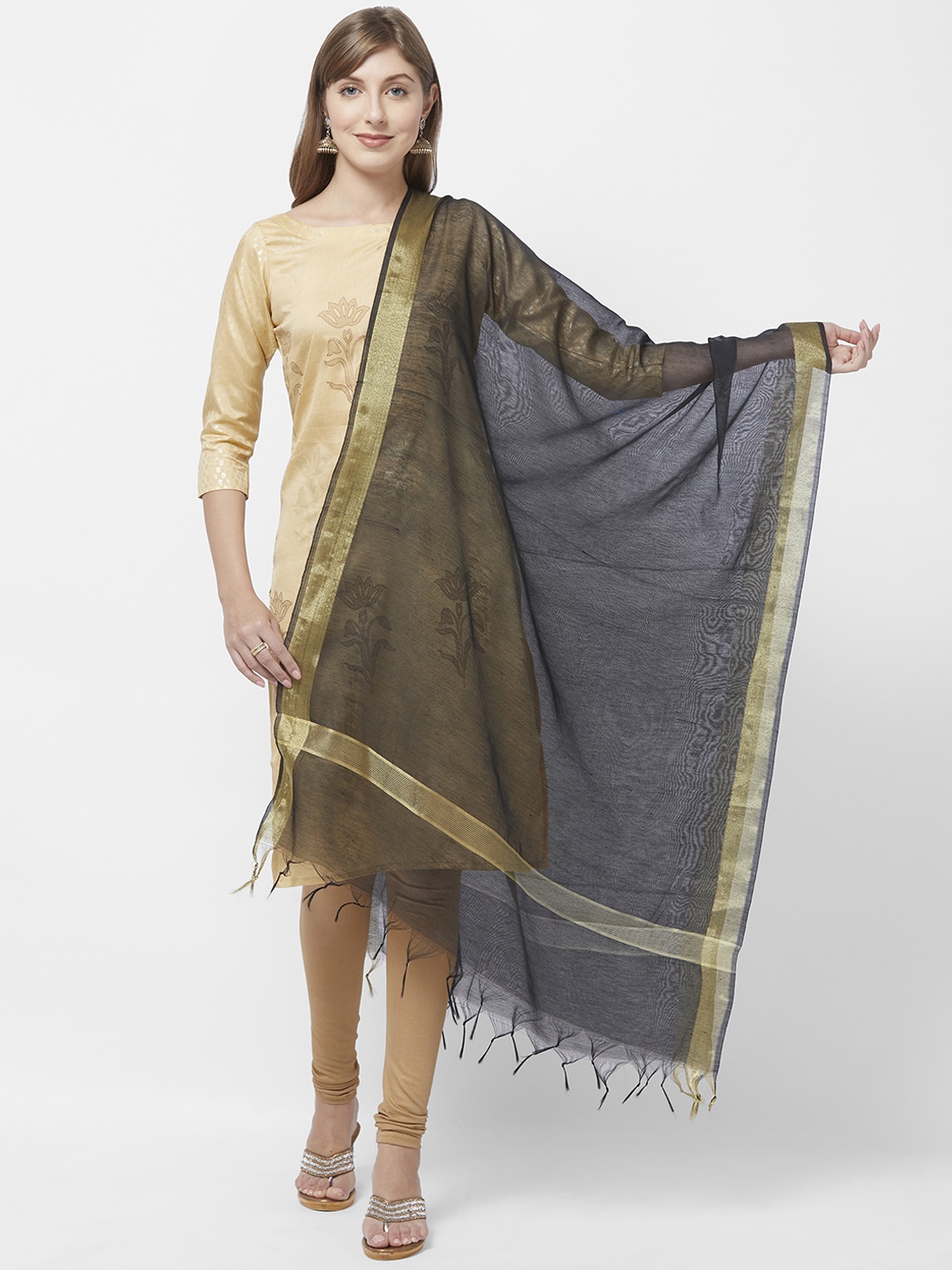
1. Davno Men Floral Printed Polo Collar T-shirt
2. RV TRENDS Pink Floral Puff-sleeve Casual Tops
3. Aarya Designer Girls Printed Clothing Set
4. RG BY S.S. Clothing Women Straight Fit Track Pants
5. Lea Clothing Co. Straight Mini Skirt
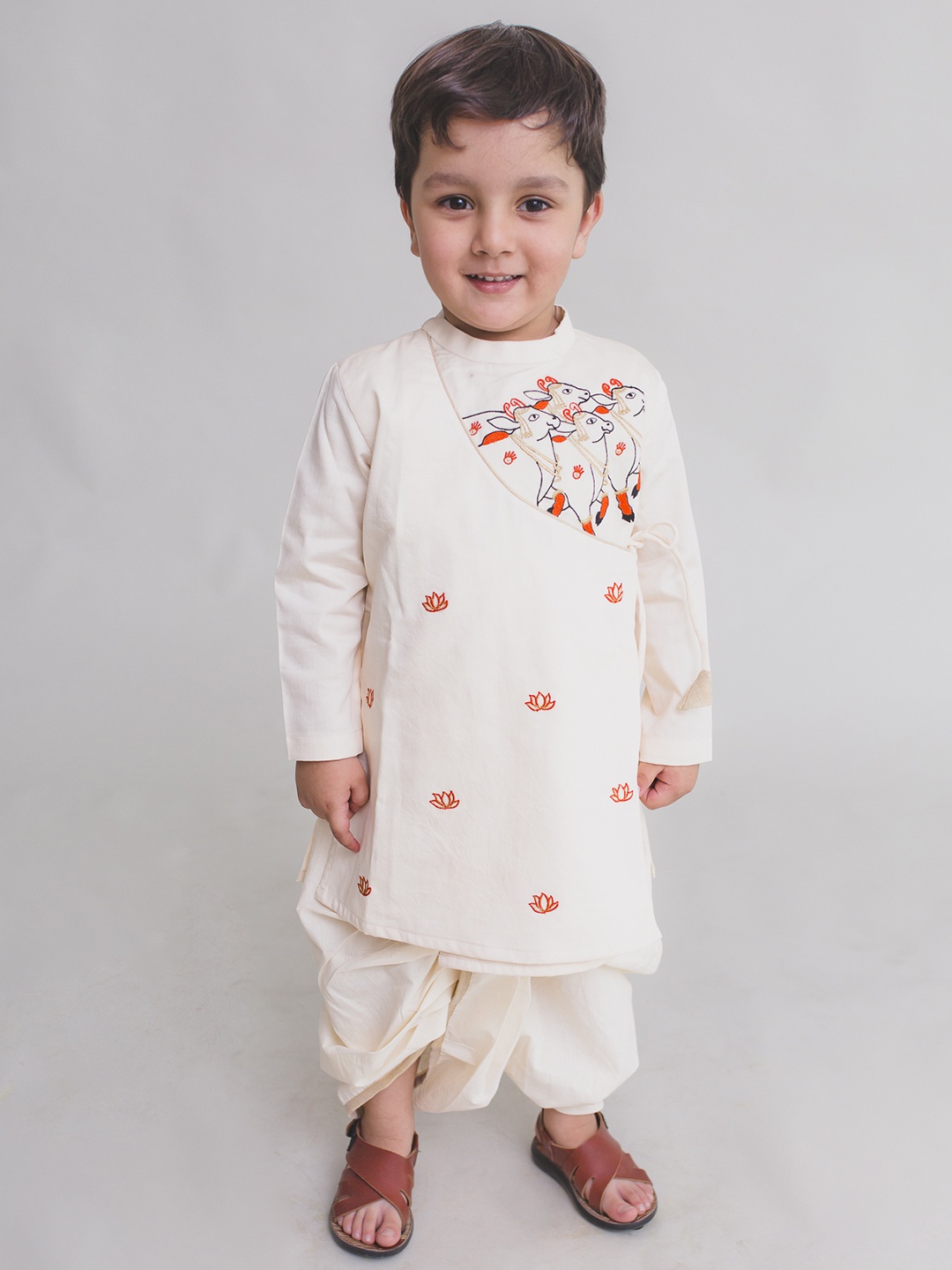
6. YK Boys Printed Cotton Clothing Set
7. SANSKRUTIHOMES Printed Top With Trousers Co-ords
The idea of “travel-friendly” outfits sits somewhere between practicality and marketing. While some features genuinely enhance comfort, others rely on clever branding. The term itself lacks a clear definition, allowing it to stretch across a wide range of products.
Clothing choices during travel matter. Comfort, versatility, and adaptability play a crucial role in shaping the experience. However, these qualities do not depend on labels alone. Fabric, fit, and personal preference carry greater importance.
Rather than chasing trends, travellers benefit from focusing on what works for them. A well-chosen outfit may not carry a special tag, yet it performs better than one that does. The key lies in prioritising function without completely ignoring style.
In the end, travel-friendly clothing is less about what brands claim and more about how clothes feel during the journey. The real test happens not in a showroom or a photograph, but in the middle of a long, unpredictable trip.
(Disclaimer: This article may include references to or features of products and services made available through affiliate marketing campaigns. NDTV Convergence Limited (“NDTV”) strives to maintain editorial independence while participating in such campaigns. NDTV does not assume responsibility for the performance or claims of any featured products or services.)