Waterproof Vs Water-Resistant Shoes: Which Survives A Real Monsoon?
Stuck deciding between waterproof and water-resistant shoes? Here is how they actually compare in monsoons so you can pick one that keeps your feet dry.
Waterproof Vs Water-Resistant Shoes: Which Survives A Real Monsoon?
We've all been there: You step off the kerb, hit a sneaky puddle, and instantly feel that chilly moisture soak straight into your socks. It entirely ruins your mood for the rest of the day. Monsoon rains might bring a sweet break from the scorching summer heat, but they definitely turn picking out daily footwear into a total gamble. Sure, those adorable sneakers look fantastic on your shelf, but if they turn into heavy sponges five minutes after leaving the house, you're going to regret wearing them pretty fast.
Waterproof Vs Water-Resistant Shoes: Which Survives A Real Monsoon?
Photo Credit: iStock
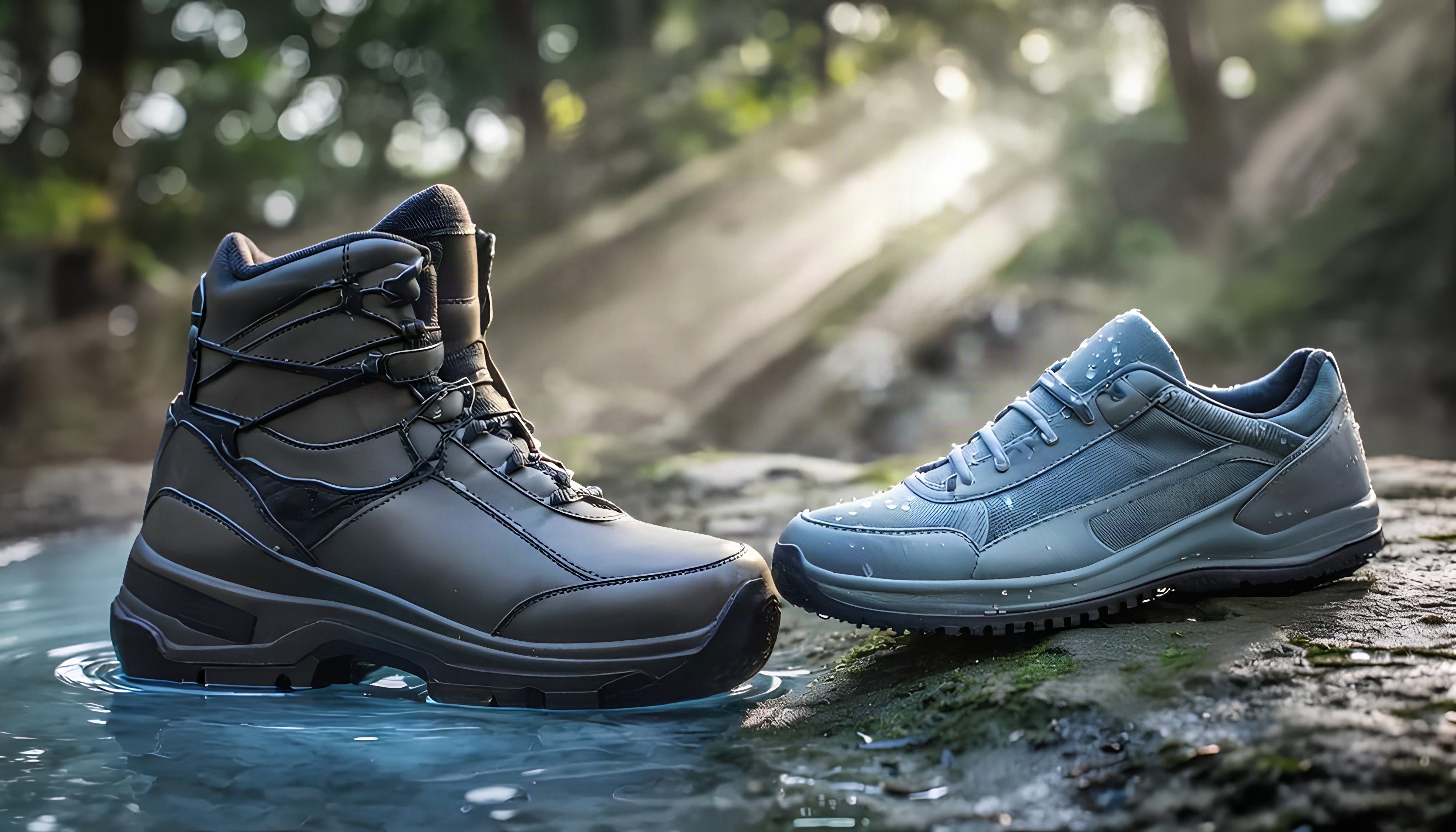
This situation is right where a lot of people end up scratching their heads. Brands use terms like "waterproof" and "water-resistant" almost like they're the exact same thing, but in practice, they behave completely differently. If you're looking for new shoes before the rain arrives, understanding how these two types perform will save you money and prevent discomfort. Let's break down what you actually need to know before hitting that buy button.
Also Read: Best Trekking Shoes For Monsoon In India: What To Look For Before You Buy
Why Choosing The Right Monsoon Shoes Matters?
Dealing with heavy rain isn't just about keeping the outside of your kitchen looking clean. When water constantly seeps into your footwear, your feet stay soggy, your skin rubs raw into painful blisters, and your shoes start smelling like a damp basement. Toss in the sticky humidity we deal with across India, and wearing the wrong pair turns into a daily nightmare.
That's why looking past cute designs or cheap price tags is so important. True comfort is determined by the quality of the underlying fabrics, the skilful stitching, the grip of the rubber soles, and the effectiveness of the weather protection. Once you realise how water-resistant materials differ from fully waterproof barriers, shopping for the right pair becomes much simpler.
How To Choose Between Waterproof And Water-Resistant Shoes?
Step 1: Look honestly at your daily route
Take a second to think about what your commute actually looks like. If you frequently navigate flooded streets or wait at wet bus stops, fully waterproof options will outperform basic water-resistant ones.
Step 2: Inspect the upper fabrics closely
Tightly woven synthetics, internal linings, and sealed seams effectively prevent water from penetrating, ensuring your feet remain dry even in heavy rain, unlike plain canvas or soft cottons.
Step 3: Pay close attention to the bottom grip
Deep, multi-directional rubber lugs bite into slick asphalt and wet tiles. Good traction keeps you on your feet instead of sliding around on wet pavement.
Step 4: Don't forget about air circulation.
Blocking rain out is great, but your feet still need room to breathe. Look for breathable linings that let sweat escape so your feet don't feel like they're in a mini steam room.
Step 5: Pick for your real life, not a trend.
Desk workers, college students, daily riders, and outdoor workers all need different things. Buy footwear designed for your daily routine rather than grabbing whatever happens to be trending online.
Waterproof vs. Water-Resistant: What's The Difference?
People often interchange these terms, but they refer to entirely different concepts.
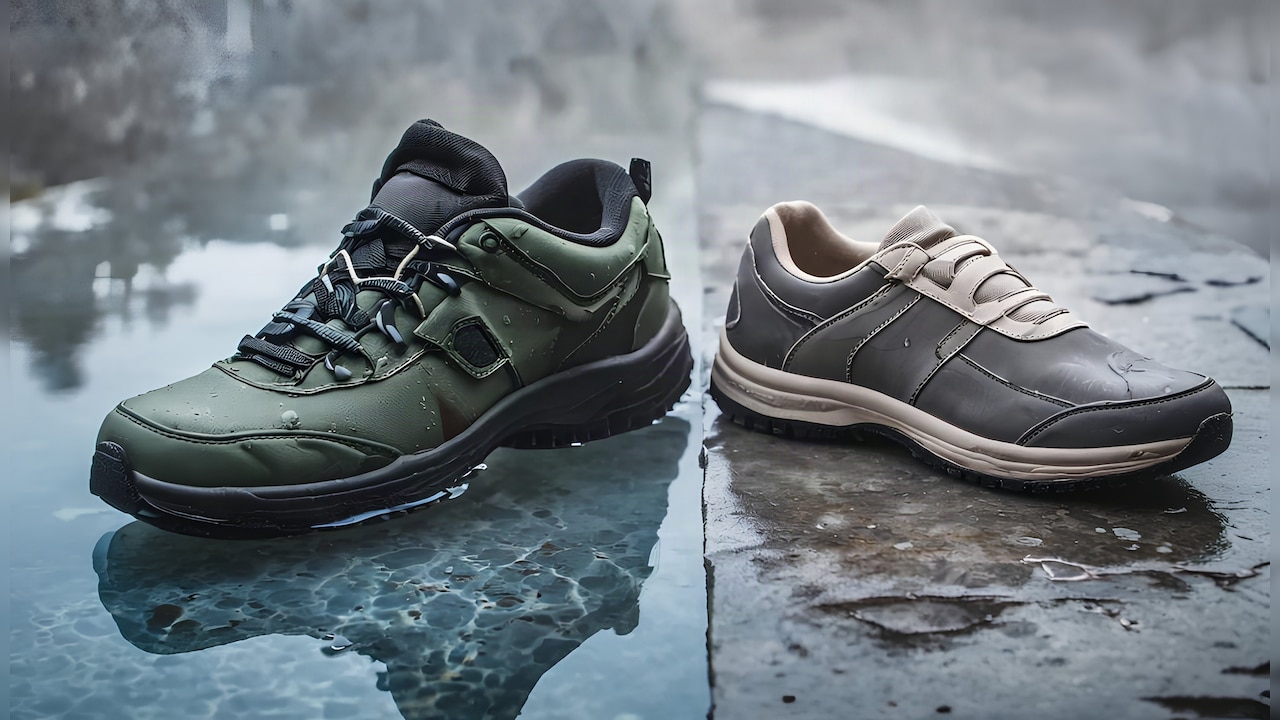
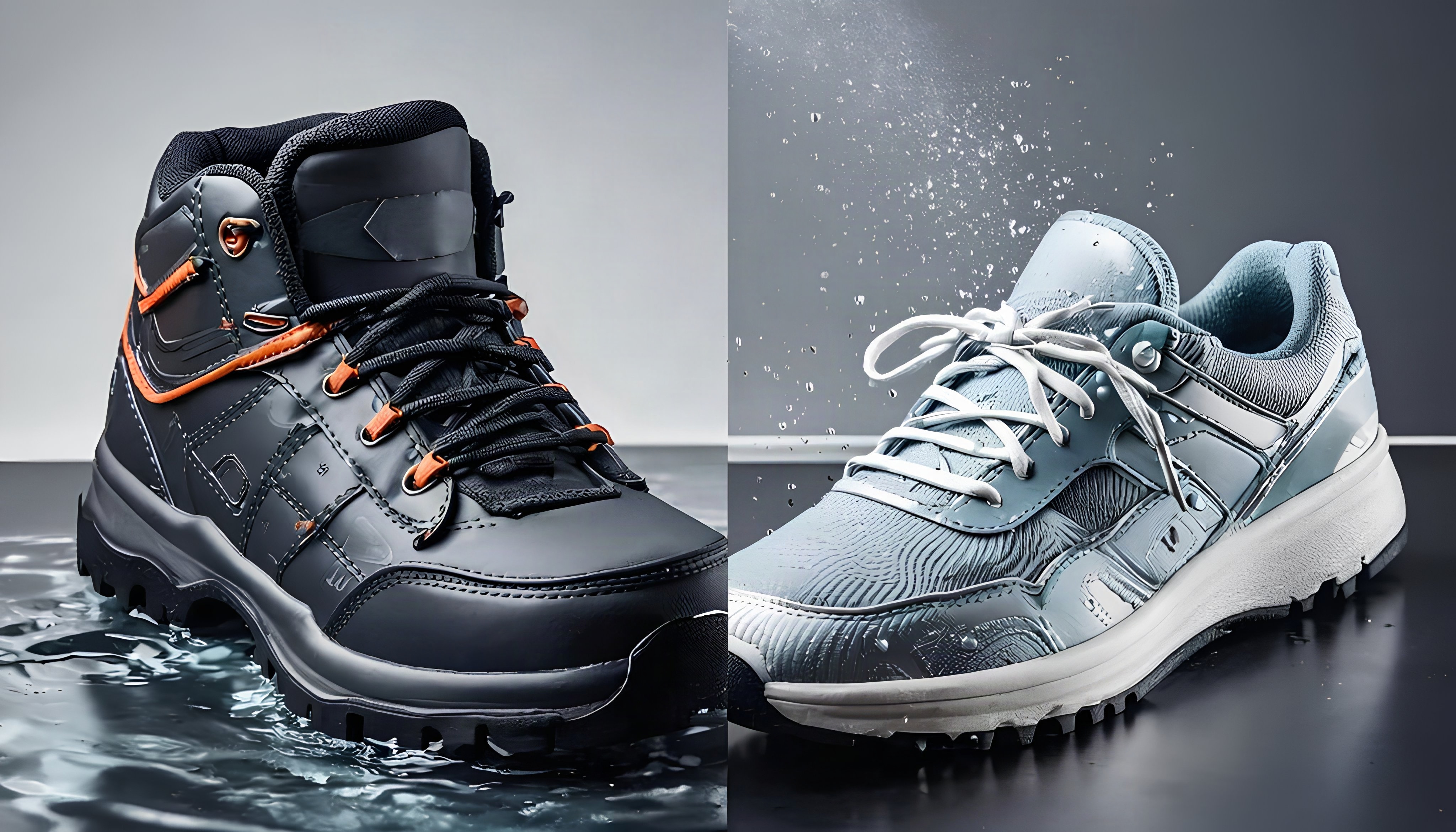
Water-resistant shoes are built to shrug off light drizzles or tiny splashes. Manufacturers usually treat the outer layer with a special coating that temporarily bounces off drops. They are ideal for quick errands or walking to your car. However, if you find yourself in a downpour or wading through deep standing water, moisture will eventually seep in.
Waterproof shoes, on the other hand, build a full fortress around your feet. They rely on heavy-duty internal membranes, thick synthetic layers, and sealed construction that physically stops water from passing through. Most also feature reinforced stitching and heavy soles explicitly built to conquer stormy weather.
If your city transforms into a mini river system every July, choosing a reliable waterproof pair is undoubtedly your safest option.
Common Mistakes People Make While Buying Monsoon Shoes
It's surprising how often people pick up the wrong pair simply because they shopped with their eyes instead of thinking about functionality. Avoiding a few common traps can save you from a very uncomfortable season:
1. Assuming water-resistant means totally immune to rain:
They aren't the same. Water-resistant gear handles light mist, while waterproof footwear is made for heavy downpours and deeper puddles.
2. Forgetting all about traction:
Keeping dry doesn't help much if you slide on wet tiles. Always look for deep rubber grooves that grip wet surfaces firmly.
3. Picking ridiculously heavy boots:
Chunkier shoes look tough, but walking in heavy footwear gets tiring quickly. Lightweight options keep you moving easily and air out much faster when wet.
Waterproof Vs Water-Resistant Shoes: Which Survives A Real Monsoon?
Photo Credit: iStock
Some Waterproof And Water-Resistant Shoes You May Like
1. ASIAN Men's Waterproof-05 Sports Running Shoes with Full
Waterproof Synthetic Upper
2. Boldfit Trekking Shoes for Man Outdoor Hiking Shoes for Man High-Neck Footwear
3. Unistar Hiking/Mountain Boots for Men for Outdoor Trekking & Ridding Shoes
4. AJANTA Men's PVC Sneaker | Waterproof Casual & Rain Shoes for Walking
5. Wildcraft Water-Repellent Trekking Shoes for Men
6. Eego Italy Men's TREKGOAT Genuine leather anti-skid, water-resistant trekking boots
7. Leo's Fitness Men's Water-Resistant Outdoor Trekking Shoe
8. OFF LIMITS RAFTAR Men's Waterproof Hiking Shoes
Frequently Asked Questions (FAQs)
1. Are waterproof shoes always better than water-resistant ones?
Not always! Waterproof shoes offer maximum shielding during heavy storms, but water-resistant pairs are lighter and more comfortable for everyday wear and mild showers.
2. Can I wear water-resistant shoes during peak monsoons?
You can, but they are best kept for short trips in light rain. If you end up standing in heavy downpours or deep puddles, water will eventually soak through.
3. What materials work best for rain?
Synthetic fabrics, treated uppers, and rubber soles dry quickly and block moisture far better than natural suede or plain cotton canvas.
4. Do waterproof shoes make your feet sweaty?
They can run a little warmer, but choosing pairs with breathable inner linings helps keep humidity and sweat under control.
5. How do I keep my monsoon shoes in good shape?
Wipe off mud right away, let them dry naturally away from harsh heat sources, and store them in a well-ventilated spot.
(Disclaimer: This article may include references to or features of products and services made available through affiliate marketing campaigns. NDTV Convergence Limited (“NDTV”) strives to maintain editorial independence while participating in such campaigns. NDTV does not assume responsibility for the performance or claims of any featured products or services.)