10 Reasons Oversized Clothes Still Feel Tight Around The Arms And How To Fix The Fit
An oversized shirt can look roomy yet pinch at the upper arms. From narrow armholes to stiff fabrics, here are 10 reasons relaxed clothes feel strangely tight and what you can do to improve the fit.
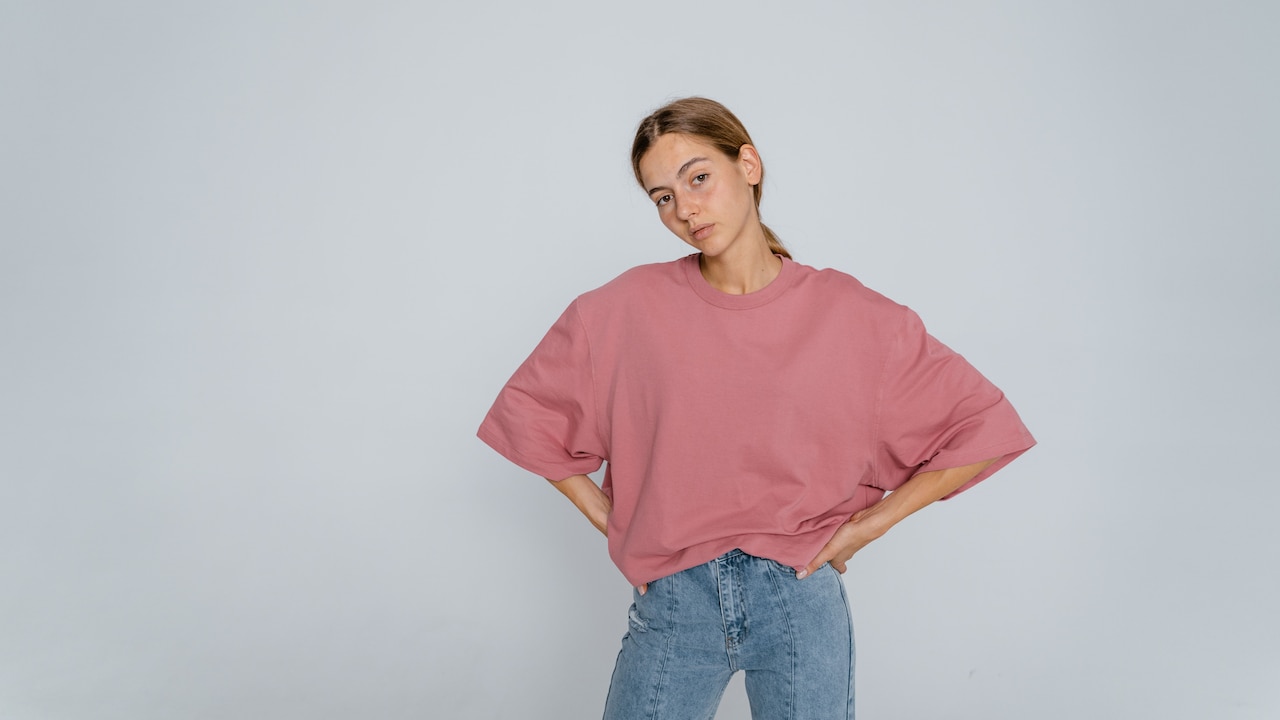
Easy ways to fix oversized clothes that feel tight around your arms
There's a particularly annoying kind of clothing problem: a shirt looks enormous on the hanger, hangs loosely around the waist and still manages to make your arms feel as though they've entered a much smaller garment. Oversized clothing should, in theory, offer room everywhere. Yet anyone who has struggled into a loose T-shirt, kurta, sweatshirt or button-down only to feel the sleeves tug while reaching for something knows that labels such as “oversized”, “relaxed” and “boyfriend fit” don't guarantee unrestricted movement.
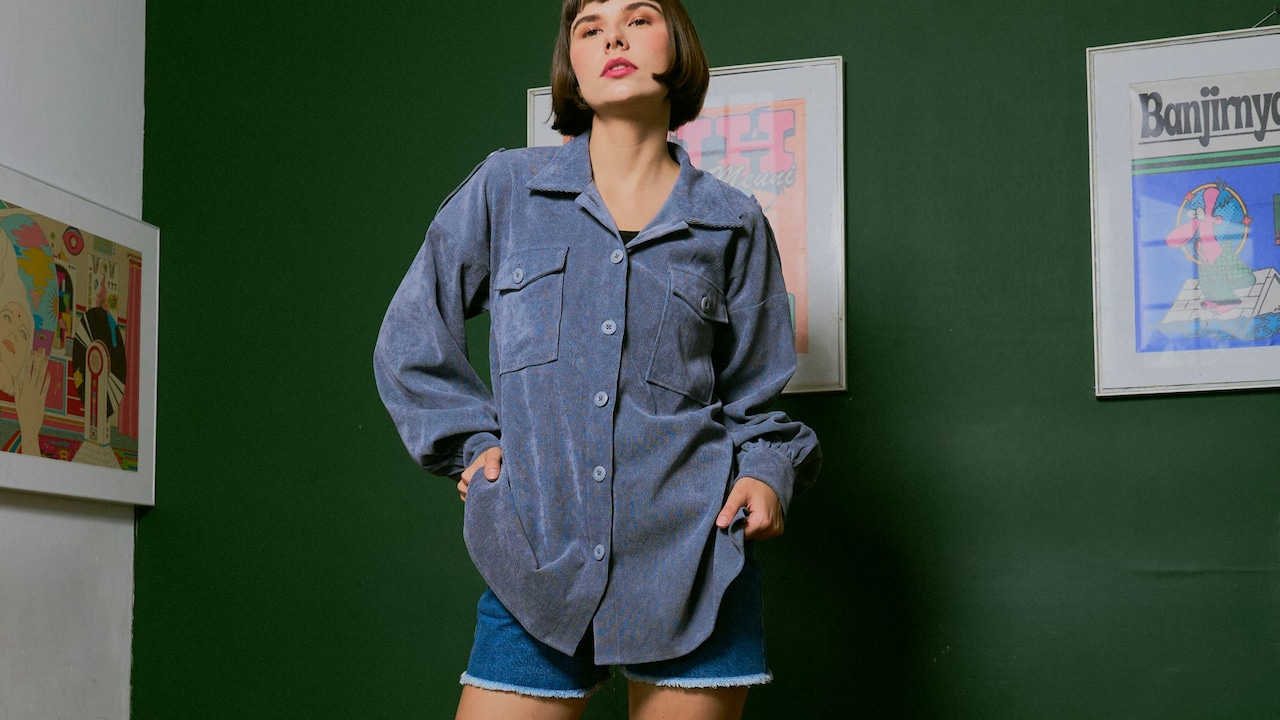
Why do some oversized clothes feel tight around your arms
Photo Credit: Pexels
The problem usually has less to do with the overall size and more to do with how the garment has been cut. Two tops with exactly the same chest measurement can feel completely different around the shoulders and arms. Fabric matters too. A stiff cotton shirt and a stretchy jersey tee won't behave alike, even when their measurements appear similar.
Also Read: Make It Sleeveless But Corporate Chic: 5 Statement Tops To Grab
Before moving up another two sizes and accidentally turning a slightly awkward shirt into a wearable tent, it helps to understand where the restriction actually comes from. These ten common fit issues explain why apparently roomy clothes can still pinch, pull and bunch around the arms, and what can help.
Why Oversized Clothes Can Still Feel Restrictive
1. The Armholes Are Cut Too High Or Too Narrow
Armholes quietly control far more of a garment's comfort than most shoppers realise. A top can have plenty of room across the chest, stomach and hem yet still feel tight because the opening where the sleeve joins the body simply isn't generous enough.
This becomes especially noticeable when lifting your arms, reaching forward or driving. You may feel fabric digging into the underarm even though the rest of the garment looks oversized.
Some brands create an oversized appearance mainly by widening the body rather than changing the armhole. That gives the familiar boxy silhouette from the front but doesn't necessarily provide extra movement.
When shopping, pay attention to the shape of the armhole instead of relying entirely on the size label. Compare the garment with a comfortable top you already own. A visibly deeper or wider opening often works better if upper-arm restriction is a recurring problem.
A tailor may also be able to reshape an armhole, although major alterations aren't always practical. Sometimes choosing a different cut proves cheaper and more effective.
2. The Sleeves Aren't Actually Oversized
Here lies one of fashion's stranger contradictions: an oversized top doesn't always come with oversized sleeves.
Manufacturers may enlarge the body while retaining fairly standard sleeve measurements. The result looks deliberately loose around the torso but fits almost like a regular shirt around the upper arm. This becomes particularly obvious with rolled sleeves, elasticated cuffs or styles that taper sharply towards the elbow.
Don't judge sleeve room by width at the cuff alone. The important measurement sits around the fullest part of your upper arm.
When shopping online, look for sleeve measurements where available. If the product description only lists chest and length, customer photographs can offer useful clues about how closely the sleeves sit.
At home, compare the upper-arm width of the troublesome garment with one that feels comfortable. Even a small difference can change how freely your arms move.
Sizing up may help, but only if the sleeve itself becomes wider in larger sizes. Some designs simply add width to the body while barely changing the sleeve proportions, which means another size won't necessarily solve the problem.
3. Your Shoulders And The Garment's Shoulder Line Don't Match
Shoulder placement can make or break the comfort of supposedly relaxed clothing.
Traditional tops place the shoulder seam close to the natural edge of the shoulder. Oversized designs often use dropped shoulders, where the seam sits farther down the arm. Both can work beautifully, provided the proportions suit your frame.
Problems begin when a seam sits somewhere awkwardly between the two.
If the shoulder is too narrow, the garment pulls outward whenever you move your arms. The sleeve then feels tighter because the fabric has already used some of its available room stretching across the shoulder.
Look closely in the mirror. Does the shoulder seam sit where the design appears to intend it? Are there diagonal pull lines running from your armpit towards the shoulder? Those clues often reveal a shoulder-fit problem rather than a sleeve-size problem.
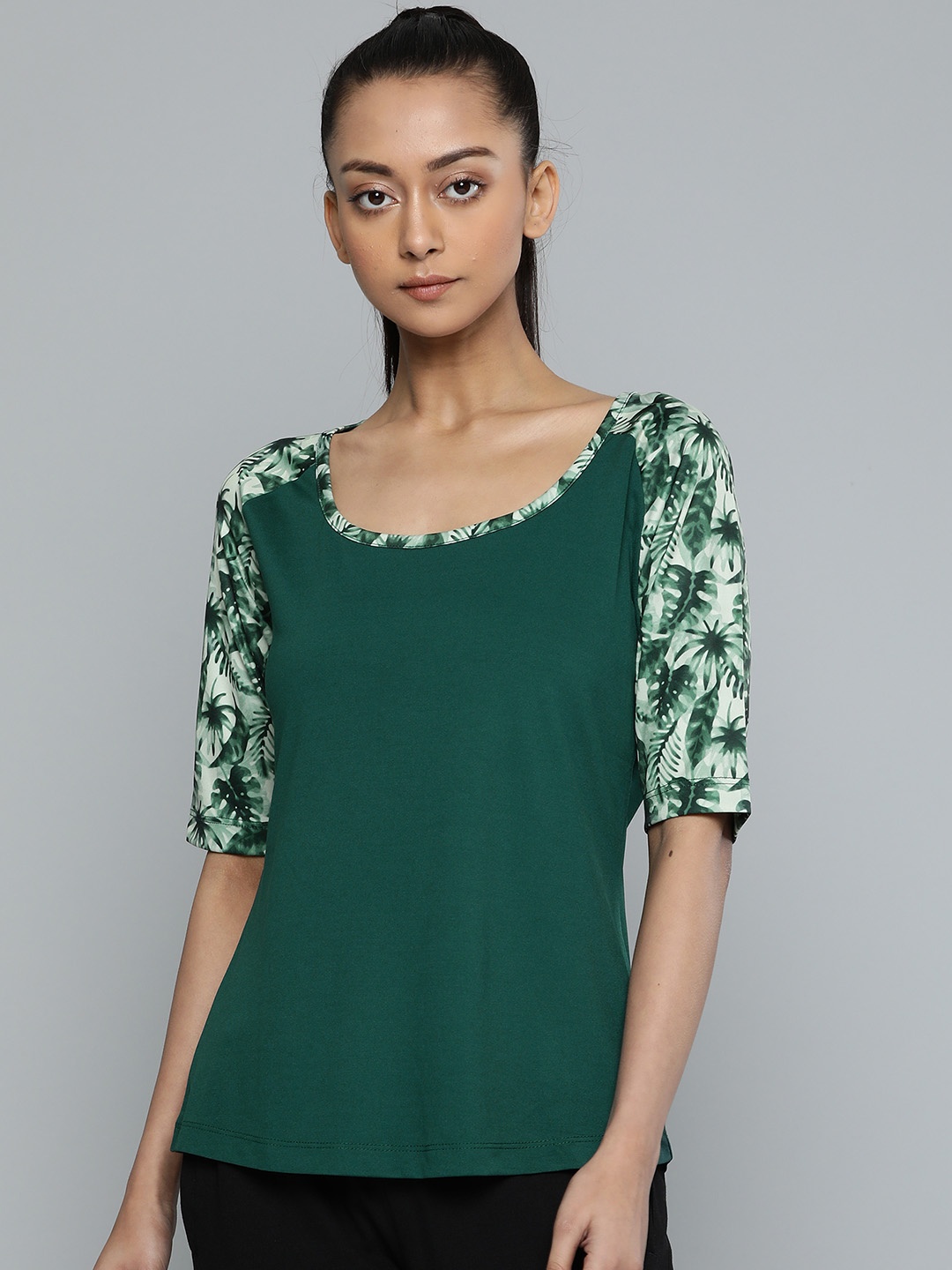
A true drop-shoulder silhouette may feel better because it provides additional space through the upper body. Raglan sleeves can also offer comfortable movement since they eliminate the conventional shoulder seam altogether.
4. The Fabric Has Little Or No Give
Two garments with identical measurements can feel surprisingly different once you start moving.
A stretchy cotton-jersey T-shirt might comfortably accommodate the movement of your arms, while a crisp woven cotton shirt with the same circumference can feel restrictive. That's because your body doesn't stay perfectly still inside clothing. Reaching, bending and even folding your arms changes the space you need.
Rigid materials offer little forgiveness.
Denim shirts, structured cotton, linen blends and some synthetic fabrics can feel particularly restrictive if the garment hasn't been designed with enough ease around the sleeve and armhole.
This doesn't make stiff fabrics bad. They often create sharper silhouettes and hold an oversized shape beautifully. They simply need more physical room than stretchy fabrics.
Before buying, gently move the fabric between your fingers. If it has virtually no stretch, the cut needs to provide enough space on its own.
For everyday outfits involving plenty of movement, fabrics with a little elastane or naturally flexible knits may feel easier. Oversized shouldn't mean spending the afternoon avoiding sudden arm movements like you're wearing ceremonial armour.
5. The Upper Sleeve Tapers Too Quickly
A sleeve can begin generously near the shoulder and still become uncomfortable a few centimetres lower down.
Some oversized shirts and tops use tapered sleeves to prevent the entire garment from looking excessively bulky. Visually, that makes sense. Practically, it can create pressure around the biceps or elbow.
This issue often appears when you bend your arms. The sleeve may look perfectly fine while they're hanging naturally but suddenly pull when you're typing, eating or carrying a bag.
Check the entire sleeve rather than focusing only on its opening. If it narrows sharply from shoulder to cuff, the design may simply not suit your preferred level of comfort.
Straight-cut or wider sleeves usually offer more consistent room. Balloon sleeves can work too, particularly when the cuff doesn't feel restrictive.
If you already own a garment with this problem, a tailor may sometimes release additional fabric from the seam allowance. How much extra room you can gain depends on the construction, though, so don't expect miracles from a seam containing only a few millimetres of spare material.

Oversized clothes with tapered sleeves can feel uneasy for daily use; Photo Credit: Pexels
6. The Bust Or Chest Fit Is Pulling Fabric From The Sleeves
The place where clothing feels tight isn't always where the actual problem begins.
If a top fits too closely around the bust or upper chest, it can pull fabric forward from the armholes. Suddenly, the sleeves feel tighter even if their measurements aren't particularly small.
You can often spot this through drag lines. Look for diagonal creases extending from the bust towards the underarm, or buttons that appear slightly strained when your arms move.
This explains why simply measuring the upper arm doesn't always identify the problem.
Try gently pulling the garment forward at chest level. If doing so immediately reduces tension around the arms, the torso may need more room.
Styles with darts, bust shaping or a more generous chest measurement can help. A-line and relaxed cuts may also distribute fabric more comfortably.
Sizing up remains an option, although it isn't automatically the best solution. If the shoulders already fit well, a larger size might create new problems. The goal isn't merely “more fabric”. It's getting that fabric in the places where your body actually needs it.
7. Washing Has Changed The Garment's Proportions
Sometimes the oversized shirt that felt wonderful during its first outing mysteriously develops a grudge against your arms after laundry day.
Shrinkage doesn't always happen evenly.
Natural fibres such as cotton can contract after washing or exposure to excessive heat. Even minor shrinkage may become noticeable around fitted areas like sleeves, cuffs and armholes long before you notice much difference in the roomy body.
The garment can therefore still look oversized while feeling tighter.
Check the care label before assuming your body or the sizing has somehow changed. Washing at temperatures above the recommendation or regularly using high dryer heat can affect certain fabrics.
Air-drying where practical can reduce unnecessary heat exposure. Reshaping the garment gently while damp may also help maintain its intended dimensions.
If a top has already shrunk significantly, stretching it aggressively isn't wise. That can distort seams and leave the garment sitting strangely. Gentle reshaping may recover a little room, but prevention usually works better.
That favourite roomy shirt deserves slightly more laundry diplomacy than a scorching wash-and-dry cycle.
8. The Cuffs Are Restricting The Whole Sleeve
Sometimes the upper arm isn't actually the culprit.
Tight cuffs can limit how a sleeve moves, causing fabric to pull upward and create tension elsewhere. Elasticated cuffs are common offenders, particularly on sweatshirts, jackets and blouses.
Roll a tight cuff towards your elbow and the problem becomes even more noticeable. The folded fabric adds bulk while reducing the available circumference. Suddenly, a relaxed shirt develops tourniquet tendencies.
Try wearing the sleeve fully extended and see whether the tightness improves. If it does, the cuff or rolled section may be creating the issue.
For button cuffs, using a looser button position can help. A tailor may also reposition the button or slightly enlarge the cuff where the construction allows.
With elasticated sleeves, stretched or overly tight elastic may need replacing.
And when rolling a shirt, avoid making several narrow, tightly compressed folds. A broader, looser roll usually feels more comfortable and looks more effortless too, which is rather the point of wearing an oversized shirt in the first place.
9. The Garment Was Designed For A Different Body Shape
Sizing systems work with standardised proportions. Human bodies, inconveniently for clothing charts, do not.
Two people with the same bust or chest measurement may have completely different shoulder widths, upper-arm circumferences and torso lengths. One person may find a particular oversized shirt wonderfully relaxed while another feels restricted in exactly the same size.
This doesn't mean either body is unusual.
It simply means the garment's proportions were based on a fit model whose measurements differ from yours.
If upper arms regularly feel tight while clothing sits loosely elsewhere, choosing cuts specifically described as wide-sleeve, relaxed-arm, batwing, dolman or drop-shoulder can help more than repeatedly sizing up standard designs.
Pay attention to brands and cuts that consistently fit well. Once you discover that certain silhouettes work for your proportions, shopping becomes considerably easier.
Measurements matter more than letters on labels. A comfortable XL from one brand may resemble another brand's L or XXL.
Treat the size tag as information, not a verdict. Clothes need to fit bodies; bodies don't need to fit clothing charts.
10. Sizing Up Isn't Fixing The Actual Fit Problem
When clothes feel tight, the instinctive response seems obvious: buy the next size.
Sometimes that works perfectly. Other times it creates an enormous torso, longer sleeves, dropped hems and exactly the same annoying pressure around the upper arms.
That's because sizing up increases the garment according to the manufacturer's grading system. Brands don't enlarge every measurement equally. A bigger size might add several centimetres around the chest but very little around the upper sleeve.
Instead of automatically climbing the size chart, identify where the restriction occurs.
Raise your arms. Reach forward. Cross them over your chest. Bend your elbows. Watch where the fabric pulls and which seams move.
If the armhole digs in, you need a different armhole shape. If the sleeve grips the biceps, look for a wider sleeve. If movement creates tension across the back, you may need extra shoulder or back width.
Good fit isn't about choosing the biggest garment you can tolerate. It's about matching clothing construction to the way your body is built and moves.
Once you start shopping for shape rather than size alone, “oversized” finally has a better chance of feeling as relaxed as it looks.
Products Related To This Article
1. Rigo Unisex Graphic Printed Drop-Shoulder Sleeves Cotton Oversized T-shirt
2. SMARTEES Women Printed Oversize Tshirts
3. Roadster Men Printed Drop-Shoulder Sleeves T-shirt
4. Roadster The Life Co. Oversized Striped Seersucker Pure Cotton Shirt
5. HERE&NOW Women Spread Collar Cotton Casual Shirt
6. Tru North Men Printed T-shirt
7. Bewakoof Loose Graphic Cotton Round Neck Short Sleeves Oversized T-shirt
Oversized clothes aren't automatically roomy in every direction. Narrow armholes, tapered sleeves, rigid fabrics, shoulder placement and even laundry shrinkage can create unexpected tightness around the arms.
Instead of endlessly sizing up, look at where the garment actually pulls. A slightly different sleeve, shoulder or armhole shape can transform the fit without drowning the rest of your frame in unnecessary fabric. Comfortable clothing isn't just about having more room. It's about having room in the right places.
(Disclaimer: This article may include references to or features of products and services made available through affiliate marketing campaigns. NDTV Convergence Limited (“NDTV”) strives to maintain editorial independence while participating in such campaigns. NDTV does not assume responsibility for the performance or claims of any featured products or services.)