What Is The Difference Between Waterproof And Water-Resistant Footwear
Understand the difference between waterproof and water-resistant shoes. Additionally, you will learn which type of shoe is best for daily use, travel, and wet weather.
What Is The Difference Between Waterproof And Water-Resistant Footwear
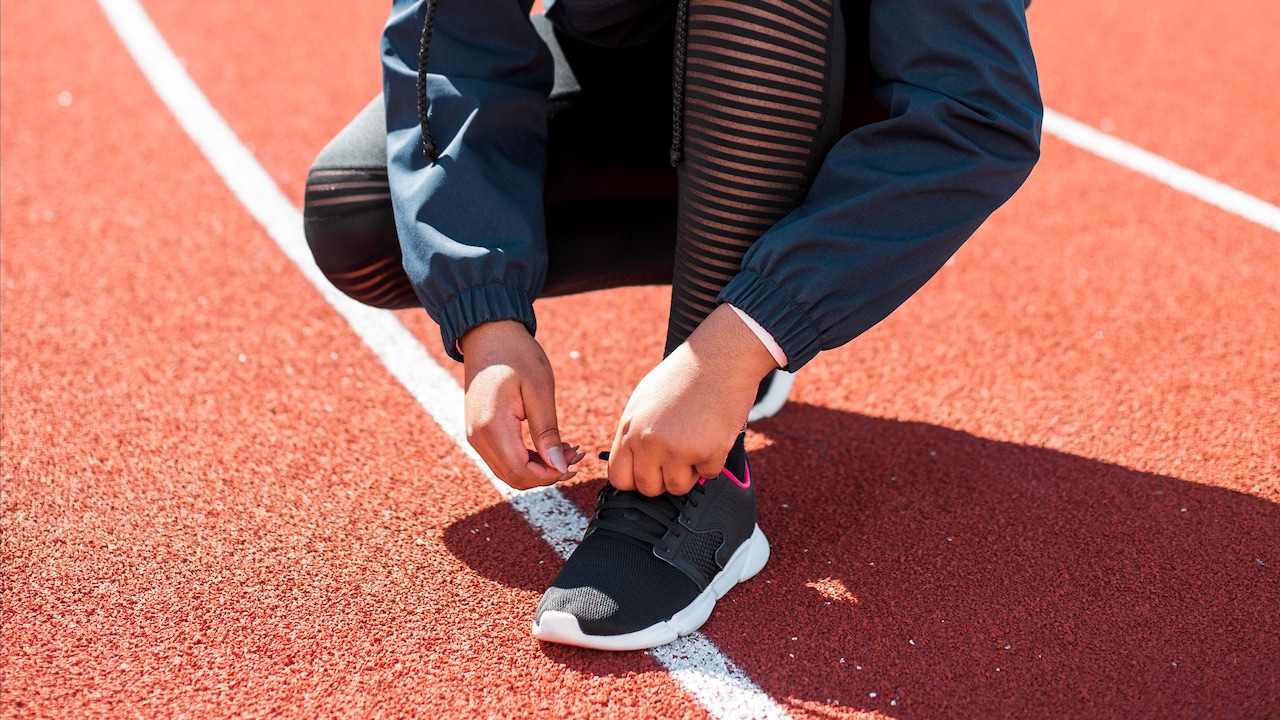
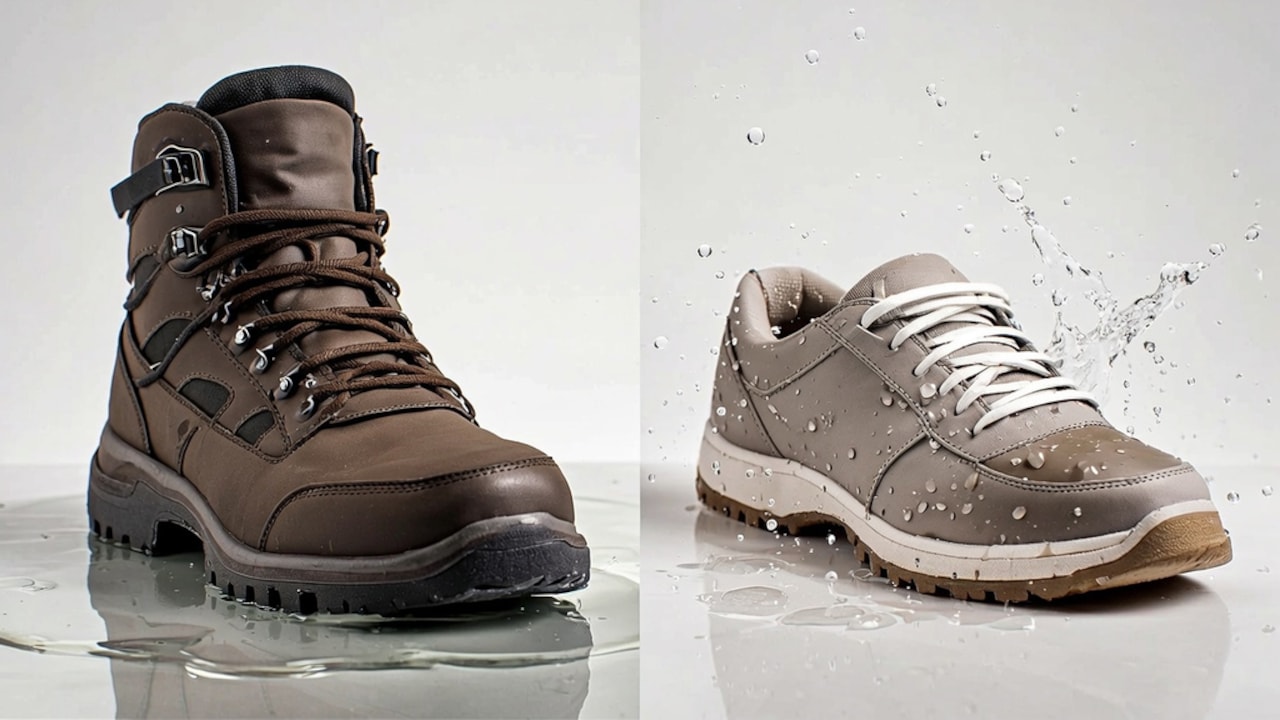
It's particularly important to wear the right footwear when going on outings, during the rainy season or when commuting. The terms “waterproof” and “water resistant” are often used interchangeably, but not all people know that they are different. This misunderstanding can cause disappointment when shoes don't provide the protection that is expected. Some shoes will weather light splashes, and others specifically make an effort to keep your feet dry, even in heavy rain and wet conditions.
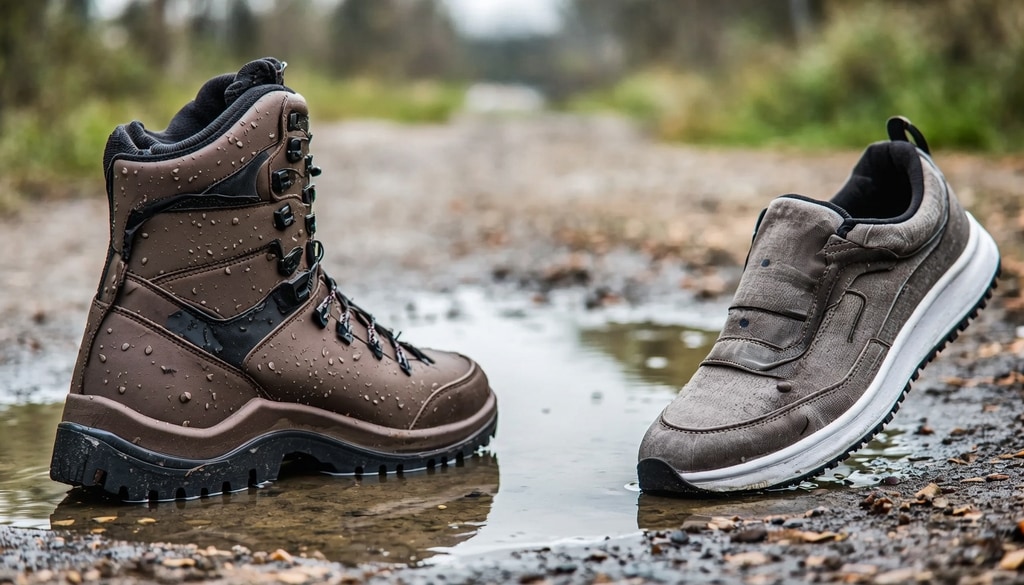
Discover whether waterproof or water-resistant shoes are best for daily wear and wet weather.
Photo Credit: iStock
If you don't know the difference between those terms, then you may be confused when it comes time to purchase a certain model of footwear. If you know what each term means, then you'll choose footwear that is suitable for your lifestyle, weather and everyday routines.
Also Read: Best Trekking Shoes For Monsoon In India: What To Look For Before You Buy
What Is The Difference Between Waterproof And Water-Resistant Footwear
Waterproof and water-resistant shoes are all meant to protect you from water, but how much protection is different. Water-resistant shoes are for short spells of exposure to water, and waterproof shoes are suitable to be worn whenever the footwear is likely to encounter water, even in the harshest of circumstances.
The decision between the two will be dependent upon how they will be worn and their intended location.
Water-resistant repels moisture; waterproof offers maximum protection
Water-resistant shoes should be worn when there is light rain, splashes and damp weather. They are produced from treated fabrics or moisture-resistant coatings that stop moisture from absorbing into the material but do not block it entirely from the fabrics during extended exposure.
Waterproof shoes have a special membrane and sealed design to keep water out. These shoes are perfect for wet weather, trekking, hiking, and outdoor activity, where the feet are likely to be wet for extended durations.
Breathability Can Differ Between The Two
Waterproof work shoes usually are lighter and more breathable due to their thinner materials. The moisture-resistant attributes of waterproof shoes can cause them to be a little warmer.
Intended Use Plays A Major Role
Waterproofing is sometimes all that is needed on days when you may only be walking around a little bit. Waterproof shoes are better for monsoon travel, hiking and places where there are frequent heavy downpours.
Price Differences Are Normal
Waterproof footwear tends to be more expensive since it uses higher-end materials and manufacturing techniques. Waterproof shoes will be sold and bought every day.
How Do Waterproof and Water-Resistant Shoes Work
There are many ways that water-resistant shoes slow water from getting in: surface treatment and fabric technology. This means that the shoe can be worn in damp but not fully submerged conditions safely.
Waterproof shoes, however, are distinguished by the use of specific membranes, sealed seams and protective materials providing waterproofing. These features keep feet dry even when wet for long periods, like during a long trek through rain or puddles. They are mainly different in function, and a knowledge of their drawbacks enables the user to make the proper selection of shoes.
Practical Ways To Choose The Right Footwear
Step 1: Consider Your Daily Activities
Consider shoes for professionals to wear to work, to travel in, exercise in, or for outdoor activities. The degree of protection you need will depend on your routine.
Step 2: Check The Weather
If you are going to an area that is affected by rain, waterproof boots may be a wise idea. However, if you are going to an area that only rains occasionally, water-resistant boots may be sufficient.
Step 3: Prioritise Comfort And Breathability
Make sure you feel comfortable, as comfort can help you wear it for long periods of time, especially as it will offer relaxation and lightweight fabrics.
Step 4: Look At Material And Construction
By gaining a little more knowledge on how the shoes are constructed and reviewing the product description, you can make sure you are getting the protection you expect.
Advantages of Water Resistant and Waterproof Shoes
Waterproof or water-resistant shoes can also offer a lot of protection from moisture. Both waterproof and water-resistant shoes also provide protection from water, which will help keep your feet comfortable and dry. These shoes will help keep your feet dry and comfortable. They are especially helpful when presentations follow outdoor activities and when there is an unexpected change in weather during the monsoon season, travel, and outdoor activities.
Water shoes will be light, breathable and well-suited for everyday use and are useful for going to work that day and going out for a bit of fun! Waterproof footwear, in turn, boasts greater protection and durability in heavy rain and tough conditions. The correct selection can offer increased comfort, durability of shoes, and readiness to face diverse weather situations.
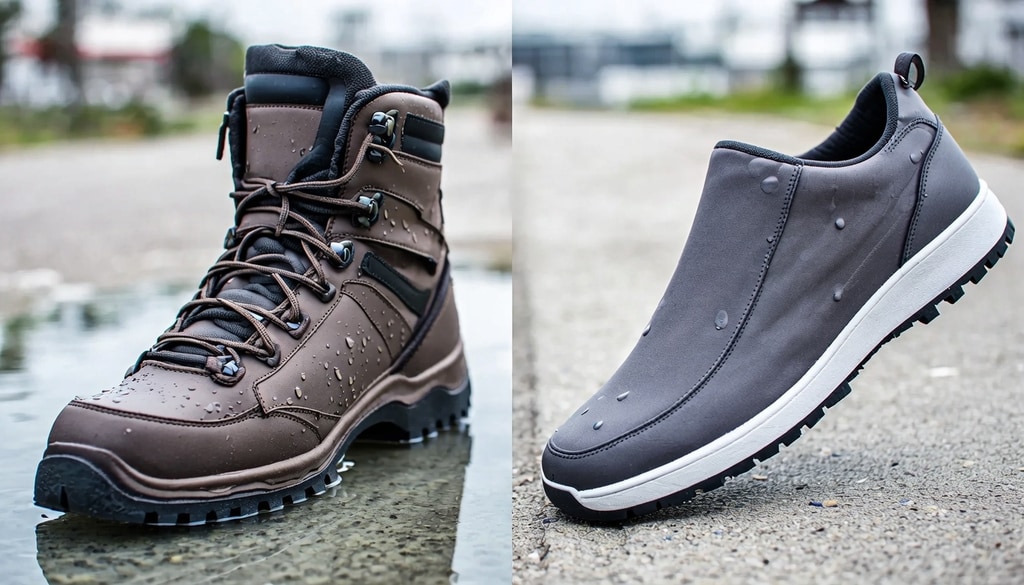
Master the choice between waterproof and water-resistant footwear for daily use and travel.
Photo Credit: iStock
Common Mistakes To Avoid
A mistake is to think that water-resistant shoes offer the same protection as waterproof footwear. They will tolerate light rain and slight splashes but also, over time, get water-soaked.
The other error is overlooking breathability and comfort. Some only take water protection into account and forget what the shoes will do on extended wear. Fit doesn't always match the shoe's appearance or intended use, which can cause discomfort and poor performance.
Some Footwear Options You May Like
1. Bacca Bucci Atlas Men's Waterproof Hiking Shoes
2. AJANTA Slip-on Waterproof Casual Shoes
3. ASIAN Men's Waterproof-05 Sports Running Shoes
4. Leo Men's Lightweight Waterproof Casual Shoes
5. Leo's Fitness Men's Water Resistant Outdoor Trekking Shoe
6. Liberty Warrior Lightweight Slip-On Safety Shoes for Men | Anti-slip & Water-Resistant
7. Boldfit Trekking Shoes | Water Repellent for Men
8. Unistar Sports Shoes for Men | Comfortable & Water Resistantj
Frequently Asked Questions (FAQs)
1. Are waterproof shoes completely waterproof?
Most shoes labelled ‘waterproof' provide effective protection against water for a long time, but their effectiveness decreases over time as the shoe's hydrophobic properties wear down due to prolonged exposure to water or regular use.
2. Can water-resistant shoes be worn in heavy rain?
Water-resistant shoes will perform adequately in wet conditions and splashes, but they may not provide sufficient protection during prolonged or heavy rain.
3. Which is better for everyday use: waterproof or water-resistant footwear?
Waterproof shoes are more useful in a wet environment. Water-resistant shoes tend to be more breathable and lightweight. This difference will make them more useful as regular shoes.
4. Do waterproof shoes cost more than water-resistant shoes?
Yes. Waterproof shoes cost more because of the extra level of technology used in the materials and protection.
5. Does waterproof footwear eventually lose its waterproof quality?
In some respects, this statement is correct; waterproof shoes can provide protection against water. However, with regular use, the waterproofing can degrade due to wear and tear, damaged seams, or ageing materials.
(Disclaimer: This article may include references to or features of products and services made available through affiliate marketing campaigns. NDTV Convergence Limited (“NDTV”) strives to maintain editorial independence while participating in such campaigns. NDTV does not assume responsibility for the performance or claims of any featured products or services.)