Which Full-Sleeve Dress Fabrics Trap Heat? A Complete Fabric Guide For Everyday Comfort
Full-sleeve dresses can feel stifling in warm weather, and the fabric is often to blame. This guide explains which materials trap heat, why they feel uncomfortable, and how to avoid wardrobe regret.
Which Full-Sleeve Dress Fabrics Trap Heat? Here Is Your Winter-Wear Guide.
Full-sleeve dresses hold a special place in everyday wardrobes. They suit workdays, celebrations, travel, and even relaxed weekends. Sleeves offer polish and protection, yet comfort depends heavily on fabric choice. A poor fabric choice can turn a stylish outfit into a sweaty struggle by noon. Many assume sleeves alone cause discomfort. The real culprit often hides in the weave, fibre, and finish of the fabric. Some materials trap heat, restrict airflow, and cling to the skin. Others breathe, wick moisture, and feel light even under harsh sun.

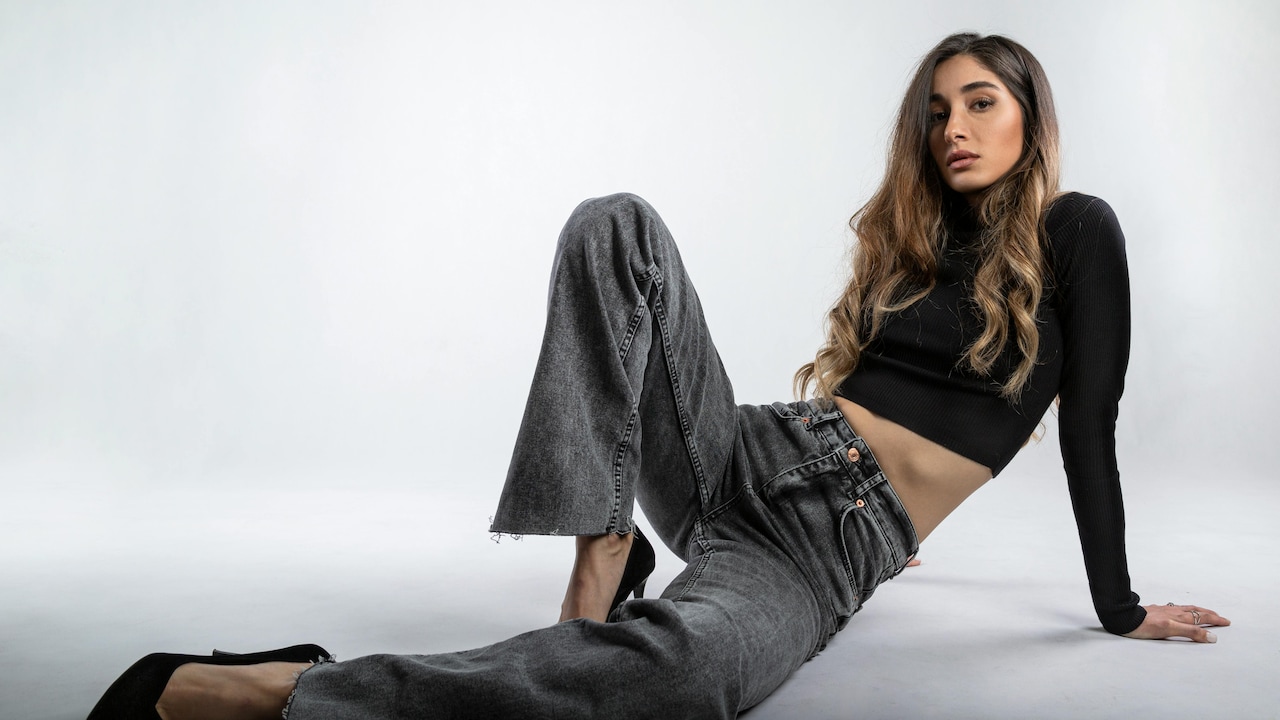
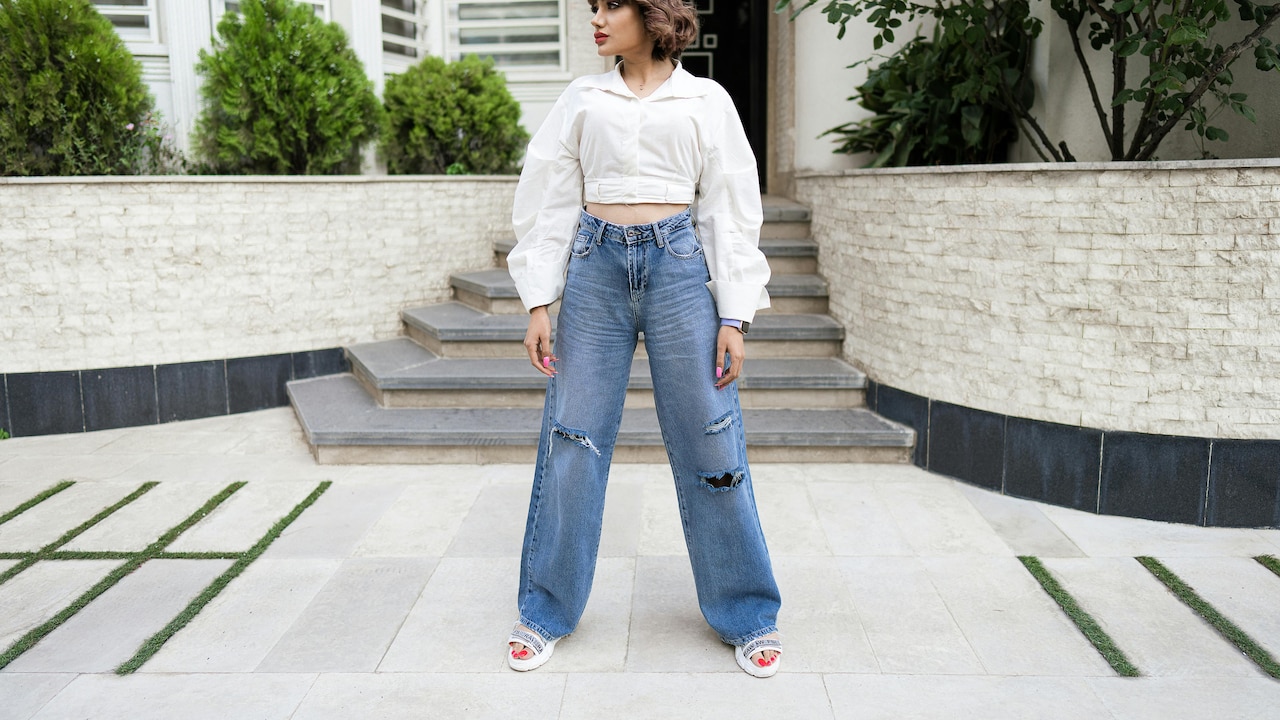
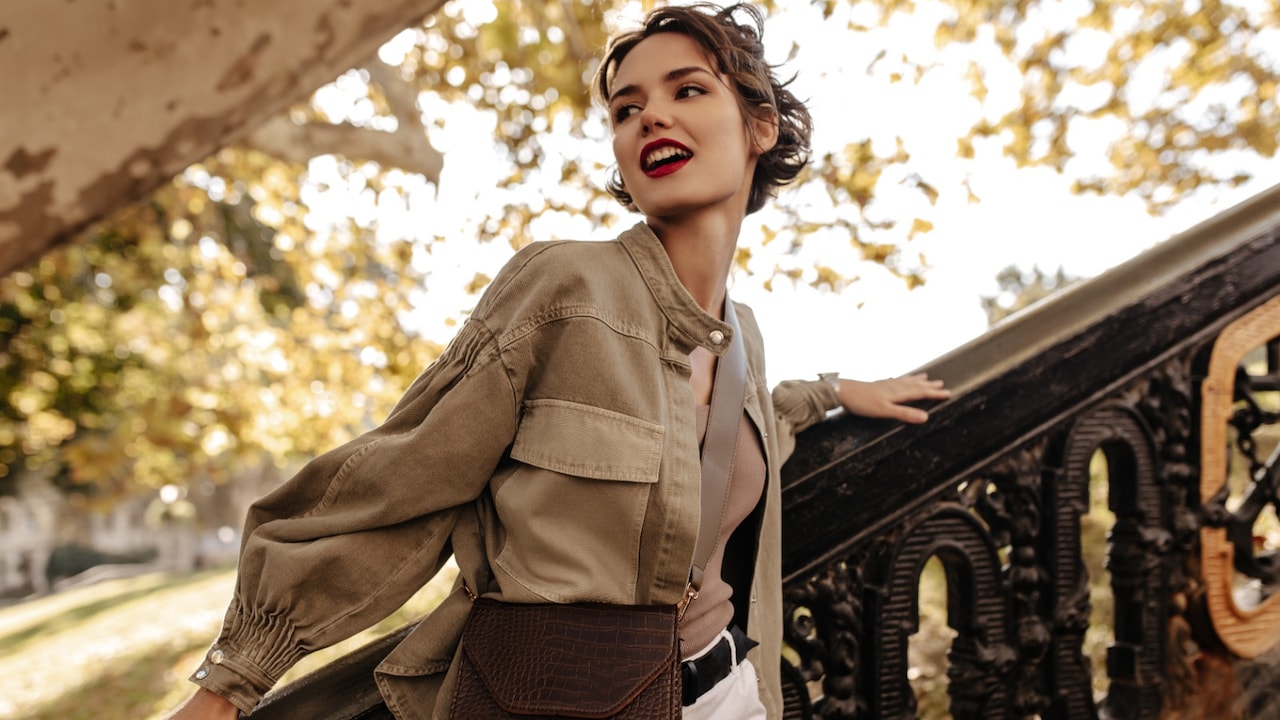
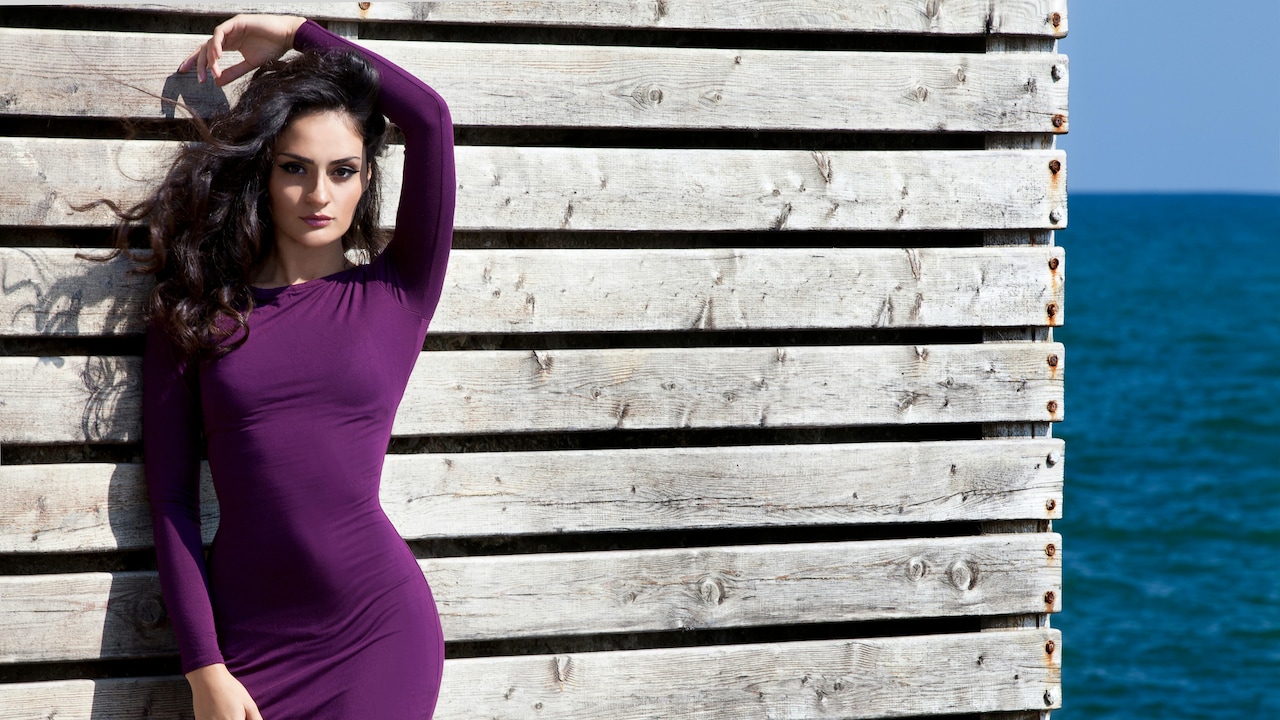
Avoid overheating in dresses by choosing the right fabric; Photo Credit: Unsplash
This article explores fabrics commonly used in full-sleeve dresses that trap heat. Each section explains why the fabric feels uncomfortable, where it appears most often, and how it behaves in daily life. Think bustling markets, packed offices, wedding functions, and long commutes. The aim stays simple: make dressing well feel easier and far more comfortable.
Also Read: Top 5 Long Sleeve Bodycon Dresses Under ₹1000 With Sleek And Comfortable Fits
Why Some Full-Sleeve Dresses Feel Hotter Than Others
1. Polyester: The Most Common Heat Culprit
Polyester dominates wardrobes because it costs less, resists wrinkles, and holds colour well. Sadly, comfort often pays the price. This synthetic fabric traps heat and blocks airflow. Skin struggles to breathe, especially in full sleeves.
On warm days, polyester feels sticky within minutes. Sweat stays trapped instead of evaporating. The fabric clings, causing irritation and that constant urge to adjust sleeves. Long hours outdoors or under bright lights worsen the discomfort.
Many festive dresses, office wear, and casual frocks use polyester blends. They look smooth and structured at first glance. After a few hours, the body heat builds up, and fatigue sets in.
Humidity makes things worse. Moisture stays locked between skin and fabric. Even air-conditioned spaces offer little relief. Polyester works better in cooler climates or short wear durations. For daily wear, especially in summer, this fabric often disappoints.
2. Nylon: Lightweight Yet Suffocating
Nylon appears lightweight, which tricks many into expecting comfort. In reality, this synthetic fibre behaves much like polyester. It traps heat and limits airflow, especially in fitted full-sleeve dresses.
Nylon resists water rather than absorbing it. Sweat collects on the skin instead of spreading across the fabric. This leads to that clammy feeling many dread during long days. Sleeves feel tighter, and movement becomes uncomfortable.
Active days highlight the problem. Walking, commuting, or even sitting in crowded spaces turns nylon outfits into heat chambers. The fabric may dry quickly after washing, but it performs poorly during wear.
Designers often use nylon in trendy silhouettes and evening wear. These dresses shine during short events. They struggle during daytime use or extended wear. Style wins briefly, but comfort soon waves goodbye.
3. Acrylic: Wool's Uncomfortable Cousin
Acrylic often replaces wool because it costs less and feels soft to the touch. Despite this, it traps heat aggressively. Full-sleeve dresses made from acrylic feel suffocating in warm weather.
The fabric lacks breathability. Heat stays locked in, and sweat builds quickly. Acrylic also creates static, which causes sleeves to cling awkwardly. Movement feels restricted, and irritation follows.
Cooler evenings may seem manageable at first. Once crowds gather or temperatures rise slightly, discomfort appears fast. Acrylic works best for winter layering, not standalone dresses.
Many assume acrylic suits all seasons due to its softness. That belief leads to regret during festive gatherings or long dinners. The fabric insulates too well, turning mild warmth into discomfort within hours.
4. Rayon and Viscose Blends: A Tricky Illusion
Rayon and viscose often market themselves as breathable alternatives. Pure versions can feel comfortable, but blends tell a different story. When mixed with synthetics, these fabrics trap heat.
Full-sleeve dresses made from rayon blends look elegant and drape beautifully. They appear ideal for celebrations and office wear. During wear, airflow remains limited, and sweat absorption falls short.
Humidity exposes their weakness. The fabric clings to the body and dries slowly. Sleeves feel heavy, and movement feels restricted. Discomfort builds steadily rather than instantly.
These fabrics suit short events or controlled environments. Long outdoor wear tests patience. Checking fabric labels helps avoid unpleasant surprises. A small percentage of synthetic fibre changes the entire experience.
5. Velvet: Luxurious but Overwhelming
Velvet screams luxury, drama, and celebration. Unfortunately, it also screams heat. This fabric suits winter evenings, not warm or humid days.
The dense pile traps warmth close to the skin. Full sleeves intensify the effect. Even minimal movement raises body temperature quickly. Sweat struggles to escape, leading to discomfort and irritation.
Velvet dresses often appear during weddings and evening events. Indoor air-conditioning offers some relief. Crowded venues cancel that comfort quickly. The fabric feels heavy and restrictive over time.
Short wear durations work best for velvet. Extended events demand patience and frequent breaks. Choosing velvet for daytime or summer occasions almost guarantees regret.

Velvet can add luxury but feel warm in hot months of the year; Photo Credit: Unsplash
6. Satin and Synthetic Silk: Shine with a Cost
Satin and synthetic silk deliver a glossy finish that photographs beautifully. Beneath the shine lies a heat-trapping reality. These fabrics often rely on polyester or nylon bases.
Airflow remains minimal. The smooth surface sticks to damp skin. Sleeves cling, and movement feels awkward. Sweat marks show easily, adding to discomfort.
Evening functions suit these fabrics better than daytime wear. Bright lights and crowded halls still cause overheating. The fabric offers little forgiveness once temperatures rise.
Natural silk behaves differently, but synthetic versions dominate affordable fashion. Reading labels saves both comfort and confidence. The shine may impress, but comfort matters more during long events.
7. Faux Leather and PU Fabrics: Style Over Sense
Faux leather dresses make bold fashion statements. They also trap heat mercilessly. These materials block airflow completely.
Full sleeves amplify the problem. The body overheats quickly, and sweat collects beneath the fabric. The inner lining, often synthetic, worsens the situation.
These dresses suit short photo sessions or winter outings. Wearing them during warm weather feels punishing. Even sitting still becomes uncomfortable.
Trendy designs often tempt buyers. Practical wearability suffers. Faux leather belongs in cooler months, paired thoughtfully. For regular wear, this fabric rarely delivers comfort.
8. Heavy Blended Knits: Stretch with Sweat
Knitted fabrics stretch well and offer a flattering fit. Heavy blends, especially those mixed with polyester or acrylic, trap heat effectively.
Full-sleeve knitted dresses feel cosy initially. As the day progresses, warmth builds rapidly. Sweat absorption remains poor, leading to stickiness.
These dresses suit mild winters or air-conditioned offices. Outdoor wear in warm weather quickly turns uncomfortable. The fabric clings and restricts movement.
Lightweight knits behave better, but heavy blends disappoint in summer. Checking fabric weight and blend composition helps avoid discomfort later.
9. Taffeta: Crisp Yet Unforgiving
Taffeta holds structure beautifully. It also holds heat stubbornly. This tightly woven fabric blocks airflow almost completely.
Full-sleeve taffeta dresses appear in formal wear and celebrations. The crisp finish looks elegant. Comfort rarely follows. Heat builds quickly beneath the stiff surface.
The fabric rustles with movement, reminding wearers of its presence constantly. Sweat remains trapped, causing irritation during long events.
Taffeta suits brief appearances and winter functions. Extended wear tests endurance. Choosing this fabric requires careful timing and setting.
10. Denim: Durable but Dense
Denim dresses offer a casual, rugged charm. This fabric's thickness causes heat retention, especially in full sleeves.
Breathability remains limited. Movement feels heavy, and sleeves restrict airflow. Warm days make denim uncomfortable fast.
Lightweight denim performs slightly better. Traditional versions trap heat and absorb sweat slowly. The fabric feels damp and heavy after hours of wear.
Denim suits cooler days and relaxed outings. Long summer wear often disappoints. Choosing sleeveless or short-sleeve options improves comfort significantly.
Products Related To This Article
1. DressBerry Self Striped High Neck Raglan Sleeves Midi Dress
2. Glitchez Flared Sleeve Ruched & Smocked Front Slit A-Line Mini Dress
3. all about you Plus Size Tropical Self-Design Cuffed Sleeves Sheath Dress with Lace Inserts
4. StyleCast x Revolte Bodycon Midi Dress
5. SAFFE Women's Textured Full Sleeve V-Neck Bodycon Body Fitted Midi Dress
6. Anouk Women Polka Dot Printed Fit & Flare Midi Dress
7. Athena Women Maroon Solid Leather Shirt Dress
8. Outzidr A-Line Maxi Dress
Fabric choice decides comfort more than design or sleeve length. Full-sleeve dresses can feel breezy or unbearable based on material alone. Synthetic fibres, dense weaves, and heavy blends trap heat and restrict airflow. They turn stylish outfits into uncomfortable experiences. Choosing breathable fabrics keeps style enjoyable throughout the day. Fashion should feel good, not suffocating. The right fabric transforms full sleeves from a struggle into a pleasure worth repeating.
(Disclaimer: This article may include references to or features of products and services made available through affiliate marketing campaigns. NDTV Convergence Limited (“NDTV”) strives to maintain editorial independence while participating in such campaigns. NDTV does not assume responsibility for the performance or claims of any featured products or services.)