Do Wide-Leg Jeans Suit Everyone? 10 Denim Fit Myths About Straight, Flared And Relaxed Styles
Wide-leg, straight, flared, or relaxed? This guide busts 10 common denim fit myths and explains how to choose jeans that work for your height, shape, comfort, and personal style.
Do Wide-Leg Jeans Suit Everyone? 10 Denim Fit Myths Debunked
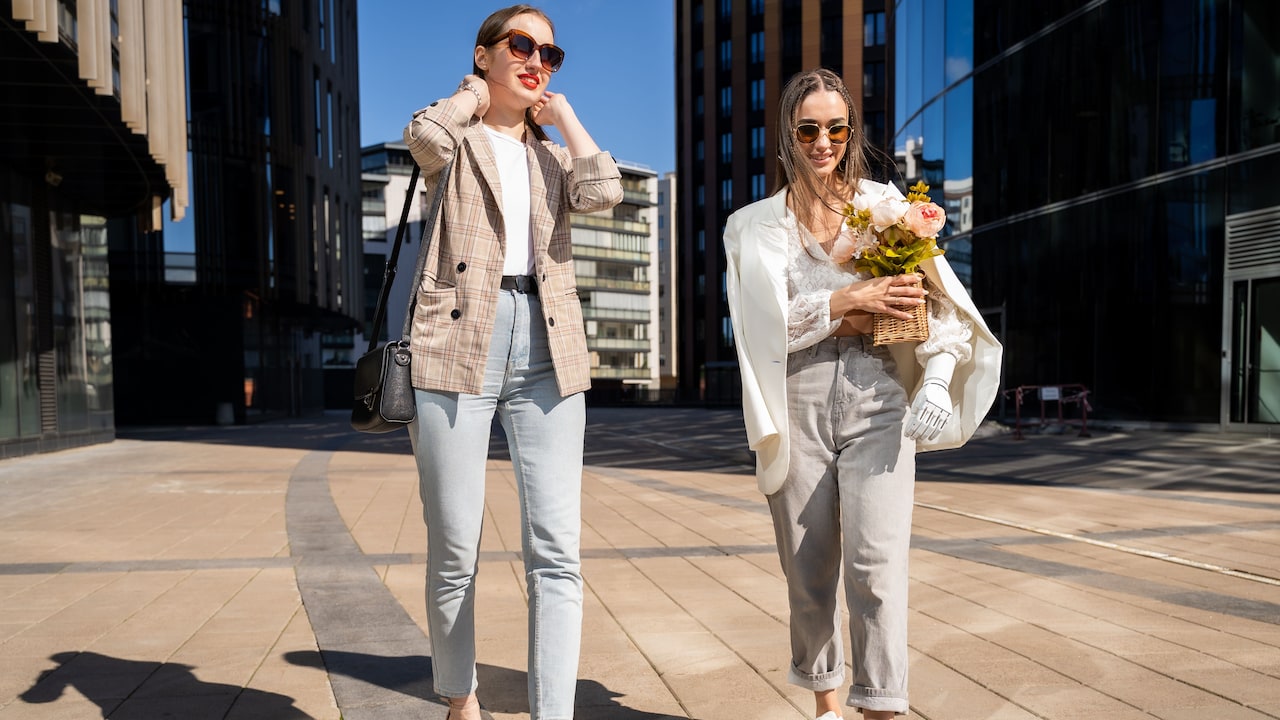
Few wardrobe staples come with as much emotional baggage as jeans. A good pair can make an ordinary T-shirt look polished, survive chaotic commutes, and somehow work for both coffee runs and casual dinners. A bad pair can make five minutes in a trial room feel like a full-blown personality crisis. The problem often starts with rigid fashion advice. Wide-leg jeans are supposedly only for tall people. Flared styles apparently demand heels. Relaxed denim gets blamed for looking sloppy, while straight-leg jeans get presented as the universally sensible option. These rules sound convincing because people have repeated them for years. Yet denim fit depends on far more than a single body measurement. Rise, fabric weight, inseam, pocket placement, waistband structure, and even footwear can completely change how a pair sits. Personal comfort matters too. Someone who spends half the day travelling across Bengaluru or standing on a Mumbai local platform will naturally judge jeans differently from someone dressing mainly for a climate-controlled office. So, do wide-leg jeans suit everyone? Potentially, yes. The more useful question is whether the cut, proportion, and styling suit the person wearing them. Here are 10 denim myths worth leaving behind.
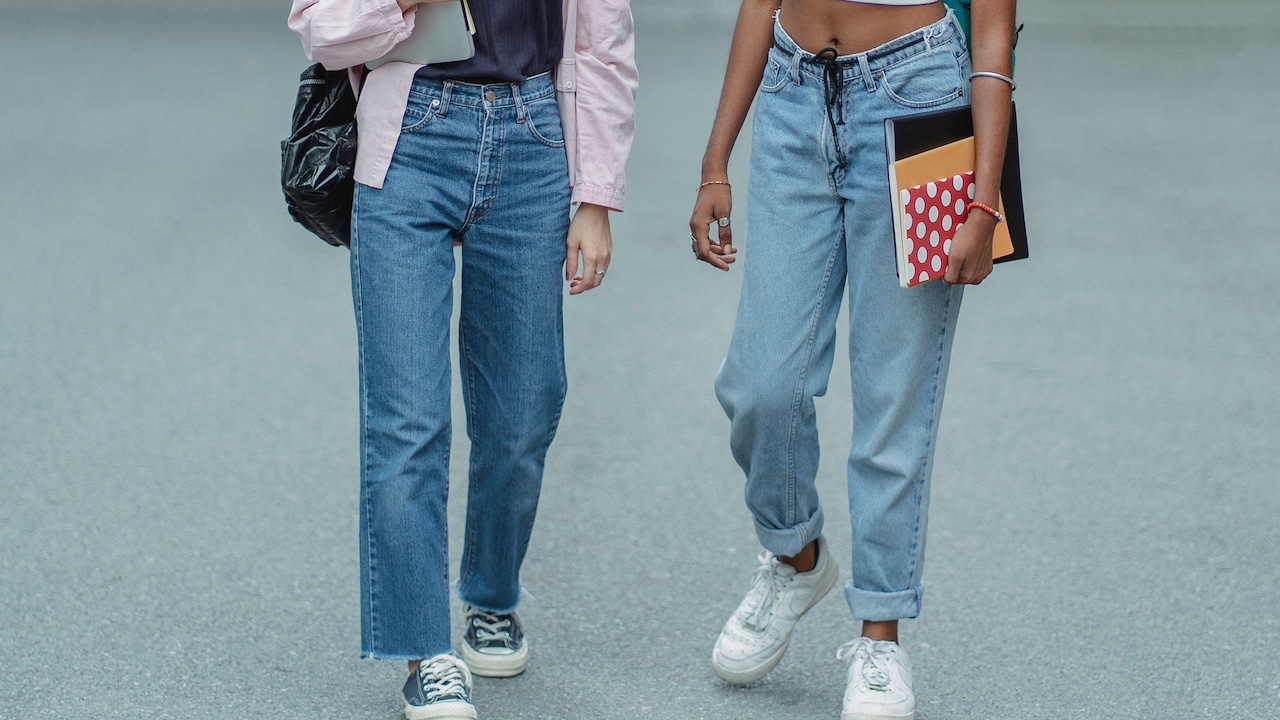
Do Wide-Leg Jeans Suit Everyone? 10 Denim Fit Myths Debunked; Photo Credit: Pexels
10 Denim Fit Myths It's Time To Stop Believing
Myth 1: Wide-Leg Jeans Only Suit Tall People
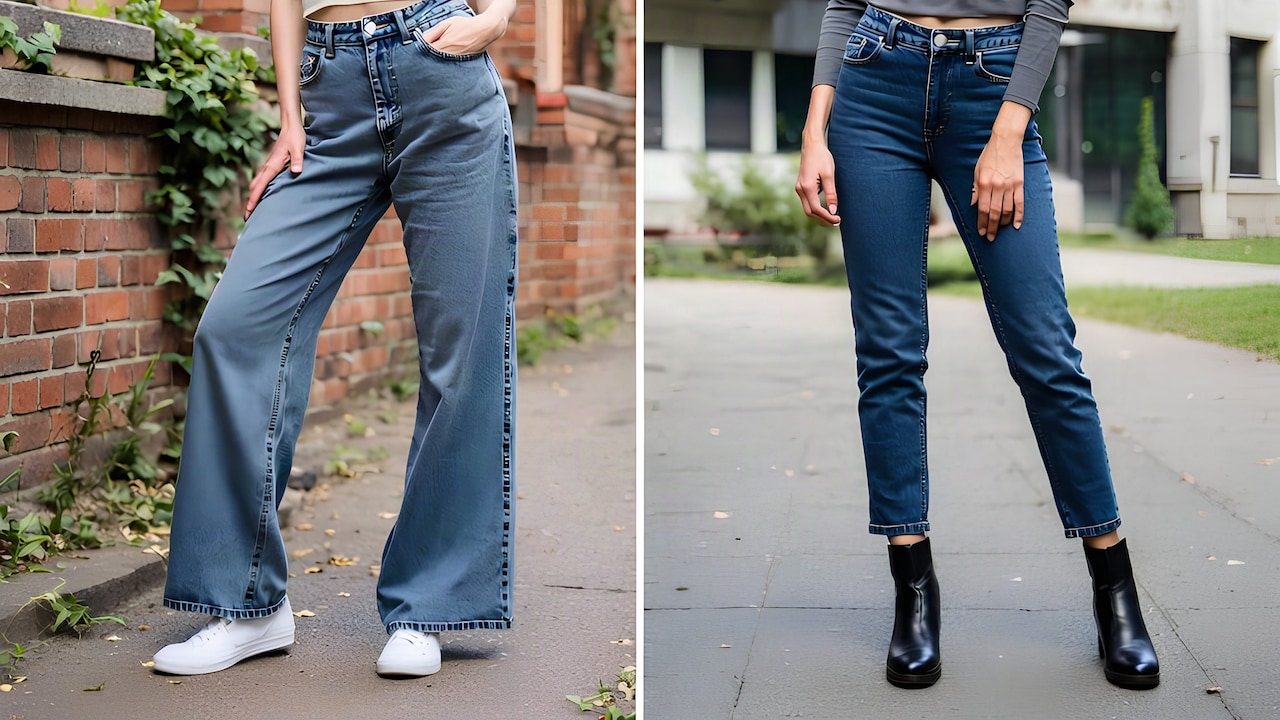
Height gets blamed for far too many fashion problems. Wide-leg jeans can work beautifully on shorter frames when the proportions feel intentional. The key often lies in where the waistband sits and where the hem ends.
A high-rise pair can visually lengthen the lower half of the body, particularly when teamed with a tucked-in shirt, fitted knit or cropped kurta-style top. Full-length jeans that skim the shoe can create one long vertical line. Petite wearers may also prefer a slightly narrower wide leg rather than an extremely oversized silhouette.
Trouble usually begins when excess fabric pools around the ankles or the rise sits awkwardly low. That can overwhelm the frame, but the problem comes from the specific pair rather than the entire category.
Alterations make a huge difference. Spending ₹300 or ₹500 on hemming can transform jeans that looked wrong in the fitting room. Denim rarely arrives perfectly proportioned for every height. A tailor can often do more for the silhouette than another hour of scrolling through “petite dressing rules”.
Myth 2: Straight-Leg Jeans Flatter Every Body Automatically
Straight-leg jeans enjoy an almost heroic reputation. They regularly appear in wardrobe guides as the safe, timeless choice that supposedly works on everyone without effort. In reality, “straight” describes the leg shape, not a magical universal fit.
Two straight-leg pairs can behave completely differently. One may sit snugly through the hip before falling neatly from the thigh. Another may hang stiffly from the waist and create extra volume where none was wanted. Rise matters enormously too. A mid-rise pair may feel effortless on one person and uncomfortable on another.
Fabric also changes everything. Denim with a little stretch can follow curves more easily, while rigid cotton creates a sharper, more structured silhouette. Neither is automatically better.
Straight jeans deserve their popularity because they are versatile. They look good with loafers, trainers, sandals and even simple kolhapuris. But versatility should not become pressure. If a relaxed or flared pair makes movement easier and outfits more enjoyable, there is no prize for forcing yourself into the supposedly “sensible” straight-leg option.
Myth 3: Flared Jeans Always Make You Look Taller
Flared jeans can create the illusion of longer legs, but they do not perform this trick automatically. The effect depends heavily on where the flare begins, how long the jeans are and what sits on the feet underneath.
A flare that starts around the knee and falls almost to the floor often creates a beautifully elongated line. Pair it with shoes in a similar tone, and the effect becomes even stronger. However, cropped flares can visually shorten the lower leg, particularly when they finish at an awkward point above the ankle.
The rise matters as well. High-rise flares tend to lengthen the appearance of the legs, while a very low rise can shift visual attention towards the torso. That may still look fabulous, but it produces a different proportion.
There is also a practical question. Floor-grazing denim looks dramatic until monsoon water starts collecting around the hem. Choosing a slightly shorter inseam for rainy months may save both the jeans and your patience. Fashion illusions are useful, but dry hems can feel even more luxurious.
Myth 4: Relaxed Jeans Always Look Sloppy
Relaxed denim often gets mistaken for careless dressing because it does not cling to the body. That assumption ignores the difference between ease and poor fit.
A good relaxed pair should still fit securely at the waist and fall with some structure through the hips and legs. The silhouette may feel loose, but it should not look as though the jeans are slowly trying to escape.
Styling helps define the shape. A crisp shirt tucked loosely at the front, a fitted tank under an overshirt or a structured jacket can balance the volume. Even something as simple as pushing up the sleeves of a cotton shirt can make the outfit feel deliberate rather than lazy.
Footwear changes the mood too. Trainers keep things casual, while pointed flats or sleek loafers add polish. Add a compact shoulder bag and suddenly the same roomy jeans look ready for brunch rather than a Sunday sofa marathon.
Relaxed jeans are particularly useful during long days because they allow movement. Comfort does not automatically mean untidy. Sometimes looking put-together simply means choosing clothes that do not require constant adjusting.
Myth 5: Curvy Bodies Should Avoid Wide-Leg Denim
The idea that fuller hips or thighs need to be “minimised” belongs to an older style rulebook. Wide-leg jeans can sit beautifully on curvier bodies because the fabric falls away from the thigh rather than gripping every contour.
Waist fit becomes especially important. A pair that fits comfortably around the hips but leaves a large gap at the back can feel frustrating. Curvy-fit denim, contoured waistbands or minor tailoring may solve the problem without forcing a compromise elsewhere.
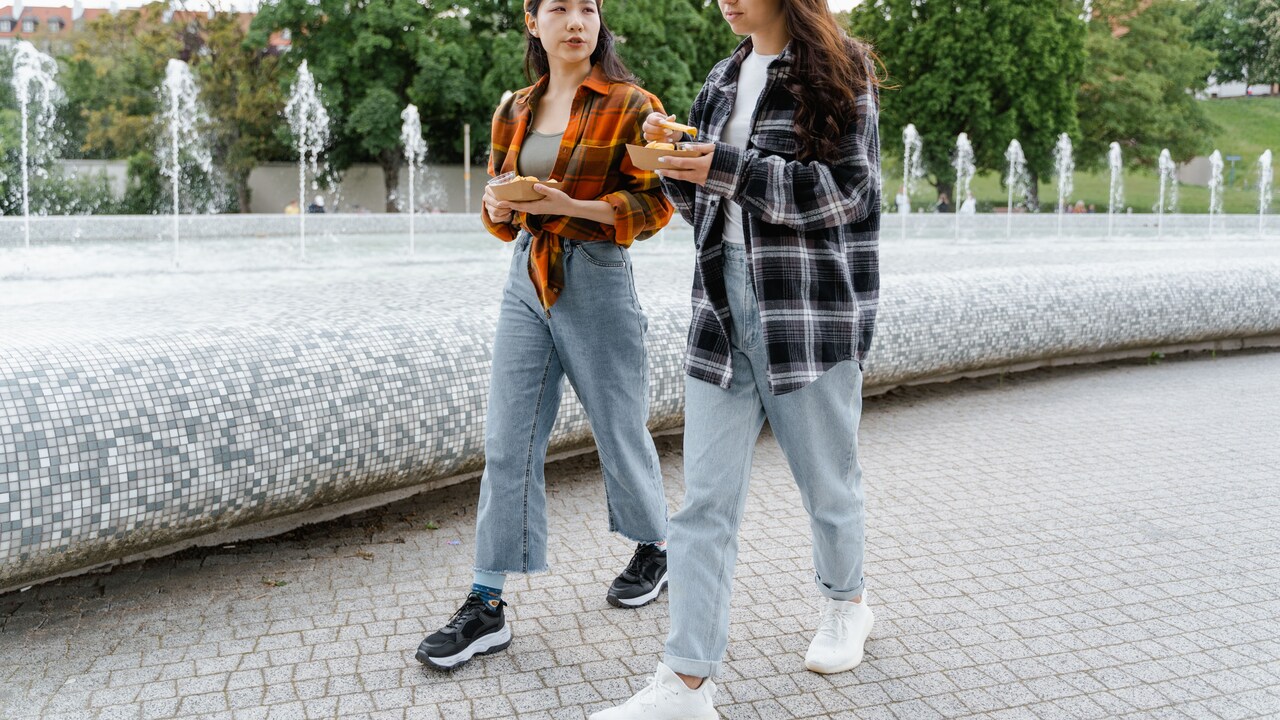
Do Wide-Leg Jeans Suit Everyone? 10 Denim Fit Myths Debunked; Photo Credit: Pexels
The width of the leg matters too. Some people love a dramatic palazzo-like cut, while others feel better in a gentler wide leg that creates movement without huge volume. Both count.
Pocket placement can subtly alter the look from behind. Higher, well-proportioned pockets often create a cleaner visual line, while very low pockets may make the jeans feel less balanced.
Most importantly, no body type needs to earn the right to wear a trend. If wide-leg denim feels comfortable and makes an outfit feel exciting, that matters more than old advice about making certain areas look smaller.
Myth 6: Petite Frames Need Cropped Jeans
Cropped jeans seem like an obvious recommendation for shorter wearers because they prevent excess fabric from gathering at the bottom. Yet they are not the only option, and sometimes they can actually interrupt the leg line.
Full-length denim can look striking on petite frames when the hem is tailored correctly. Straight, bootcut and wide-leg styles that finish close to the top of the shoe can create a longer, uninterrupted silhouette.
Cropped jeans work best when the hem ends at a flattering point rather than somewhere random between ankle and calf. Showing a little ankle can add lightness, especially with flats or sandals, but an awkward crop can make proportions feel choppy.
The answer is not “short people need short jeans”. It is simply that inseam needs attention.
Ready-made lengths rarely account for every body. Someone measuring 5ft 2in may have comparatively long legs, while another person of the same height may have a longer torso. Height alone cannot dictate the correct hem. The measuring tape often gives better advice than the fashion rulebook.
Myth 7: Flared Jeans Must Be Worn With Heels
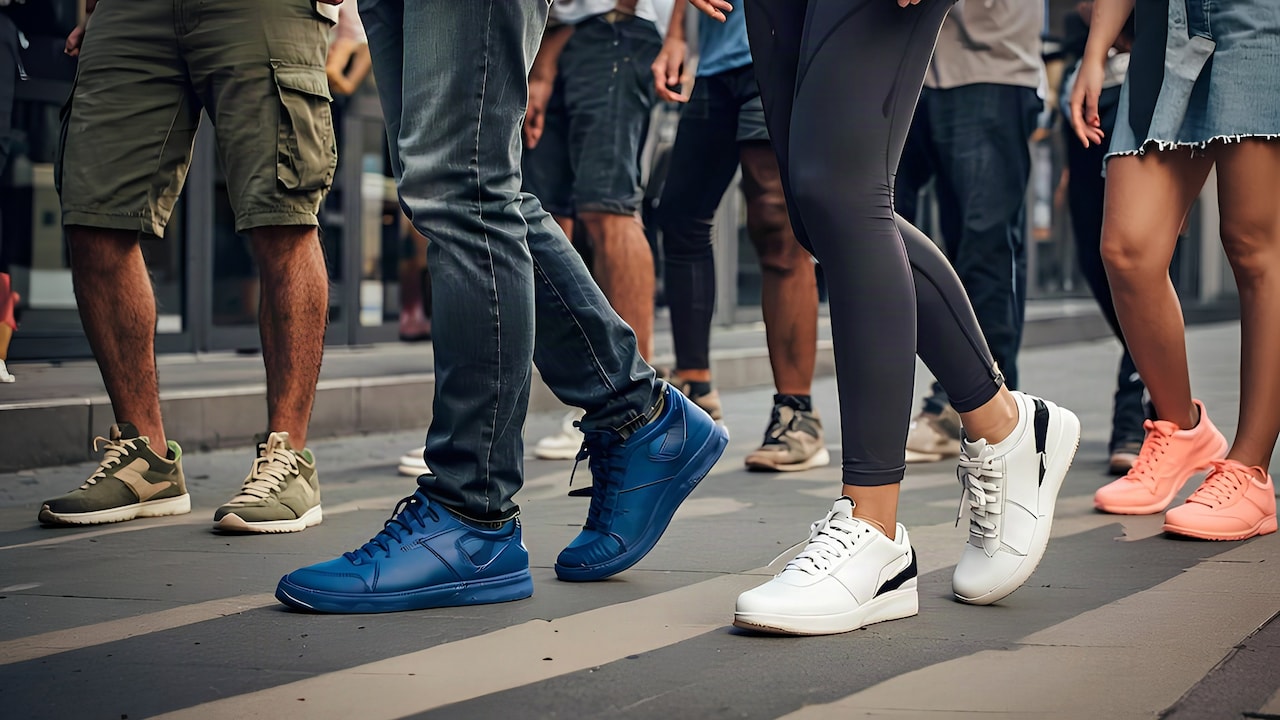
Heels and flares make a glamorous pairing, but they are far from compulsory. Modern flared jeans work with trainers, platform sandals, loafers and even flat ankle boots, provided the hem length matches the footwear.
The misunderstanding usually comes from jeans that were tailored specifically for heels. Put flat shoes under the same pair and several centimetres of denim may suddenly drag across the floor. That is a length problem, not a styling failure.
For everyday wear, choosing a flare that almost reaches the ground while wearing your usual shoes creates the most practical fit. A slight platform can provide extra height without demanding a traditional heel.
Flat footwear can also make flares feel more current and relaxed. A ribbed T-shirt, faded flared denim and white trainers create a completely different mood from dark jeans paired with a silk blouse and heeled boots.
There is no need to spend a whole dinner wondering when it will finally be socially acceptable to remove uncomfortable shoes. Jeans should adapt to real life, not the other way around.
Myth 8: Baggy Jeans Should Always Be Sized Down
Sizing down sounds logical when jeans look roomy, but baggy denim is designed to have volume. Going smaller can distort the intended silhouette, making the waistband pinch while the legs still look loose.
A better approach is to check the anchor points. The waist should feel secure enough to stay in place. The crotch should not pull uncomfortably when sitting. The hips should have enough room for movement, and the legs should fall naturally rather than twisting around the knees.
Baggy jeans vary dramatically between brands. One label may design them to sit low on the hips, while another creates a high-rise version with exaggerated legs. The number on the tag therefore tells only part of the story.
It also helps to try the next size up and down when possible. The “correct” size is the one that produces the shape you actually want.
Fashion sizing has never been emotionally supportive, so there is little reason to become loyal to a particular number. Nobody at the café knows whether those excellent jeans say 28, 30 or 32 inside the waistband.
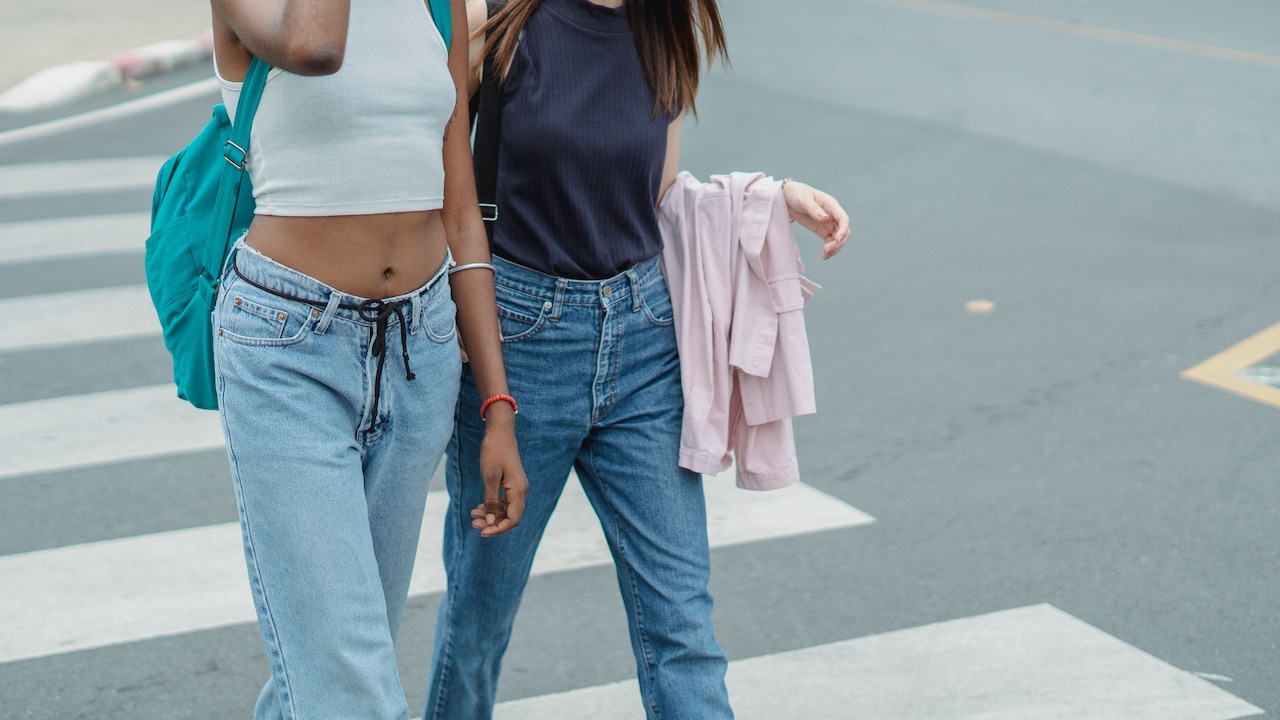
Do Wide-Leg Jeans Suit Everyone? 10 Denim Fit Myths Debunked; Photo Credit: Pexels
Myth 9: Dark Denim Is Always More Flattering
Dark denim often gets described as slimming, sophisticated and universally flattering. Light washes, meanwhile, sometimes get treated like the risky younger sibling. This oversimplifies what colour can actually do.
A dark wash does create a cleaner, more uniform surface, which may make an outfit feel polished. But fit, seam placement and fabric structure usually have a much bigger effect on silhouette than colour alone.
Light denim can look equally balanced, especially in straight and relaxed shapes. Faded blue jeans also bring softness to outfits built around black, brown, olive, maroon or crisp white.
Even very pale denim can work surprisingly well during hot months because it feels visually lighter than deep indigo. Pair it with an airy cotton shirt and sandals, and suddenly the outfit makes perfect sense for a scorching afternoon.
Rather than asking whether a wash is “flattering”, consider whether it works with the rest of your wardrobe. Denim that gets worn repeatedly is more useful than a theoretically perfect dark pair that spends most of its life folded on a shelf.
Myth 10: One Perfect Pair Of Jeans Can Do Everything
The dream of owning one flawless pair of jeans sounds wonderfully efficient. Unfortunately, denim lives several different lives.
The jeans that feel ideal for a long commute may not be the ones you choose for dinner. A rigid straight-leg style might look beautifully sharp with a blazer but feel less appealing during eight hours of sitting. Relaxed jeans may win on weekends, while a darker bootcut pair might work better for smarter occasions.
Climate matters too. Heavy denim can feel fantastic during cooler evenings and unbearable at 2pm in May. Lightweight cotton blends may become the real wardrobe heroes when temperatures climb.
That does not mean anyone needs ten pairs. It simply means expecting one pair to handle every mood, shoe and occasion can create unnecessary disappointment.
A small denim wardrobe with distinct roles often works better: perhaps one comfortable everyday pair, one polished option and one silhouette that feels fun.
The perfect pair is not necessarily the pair that does everything. It is the pair that consistently does its particular job very well.
Products Related To This Article
1. Roadster The Life Co. Women Wide Leg High-Rise Light Fade Stretchable Jeans
2. Glitchez Women Wide Leg Light Fade Jeans
3. SASSAFRAS Women Wide Leg Stretchable Jeans
4. Stylecast X Kotty Women Wide Leg High-Rise Pure Cotton Jeans
5. Roadster The Life Co. Women Wide Leg High-Rise Light Fade Stretchable Jeans
6. Suo Women Wide Leg High-Rise Light Fade Jeans
7. SASSAFRAS BASICS Women Comfort Wide Leg High-Rise Jeans
Denim becomes much easier to enjoy once rigid body-shape rules lose their authority. Wide-leg jeans do not belong exclusively to tall frames. Flares do not require heels. Relaxed fits can look polished, and straight-leg denim is not a compulsory wardrobe solution.
What matters most is proportion. Waist placement, rise, inseam, fabric and styling can change the entire effect of a pair of jeans. Small alterations can also rescue denim that seems almost right.
The next time a fitting-room mirror inspires the thought, “Maybe this style just isn't for this body”, consider a different possibility. Perhaps that particular pair simply is not doing its job.
Good jeans should move comfortably, sit securely and make getting dressed easier. Fashion myths may come and go, but that remains a fit rule worth keeping.
(Disclaimer: This article may include references to or features of products and services made available through affiliate marketing campaigns. NDTV Convergence Limited (“NDTV”) strives to maintain editorial independence while participating in such campaigns. NDTV does not assume responsibility for the performance or claims of any featured products or services.)