Why Your Bag Straps Dig Into Your Shoulder Even When It Is Not Heavy
A bag doesn’t need to be heavy to hurt. Strap design, posture, and daily habits often cause that sharp shoulder discomfort. This is why it happens and how to fix it.

Why Your Shoulder Hurts From Carrying a Light Bag: And How to Fix It
There is a peculiar kind of annoyance that creeps in quietly during a regular day. A bag that did not seem heavy in the morning starts to feel like a stubborn weight by afternoon. The shoulder aches, the strap presses down, and suddenly even a short walk feels longer than it should. This is not always about weight. Plenty of people carry bags filled with little more than a wallet, a phone, and perhaps a water bottle, yet still wince after a few hours. The problem lies in details that rarely get attention, strap design, body posture, movement patterns, and even the way stress sits in the shoulders.
Daily routines often involve crowded trains, long queues, quick errands, and hours spent sitting at desks. All these habits quietly influence how a bag rests on the body. The result? A harmless-looking strap that feels like it is digging into bone. Understanding why this happens is not just about comfort. It also helps prevent long-term strain. Once the hidden reasons become clear, small changes can make a surprisingly big difference.
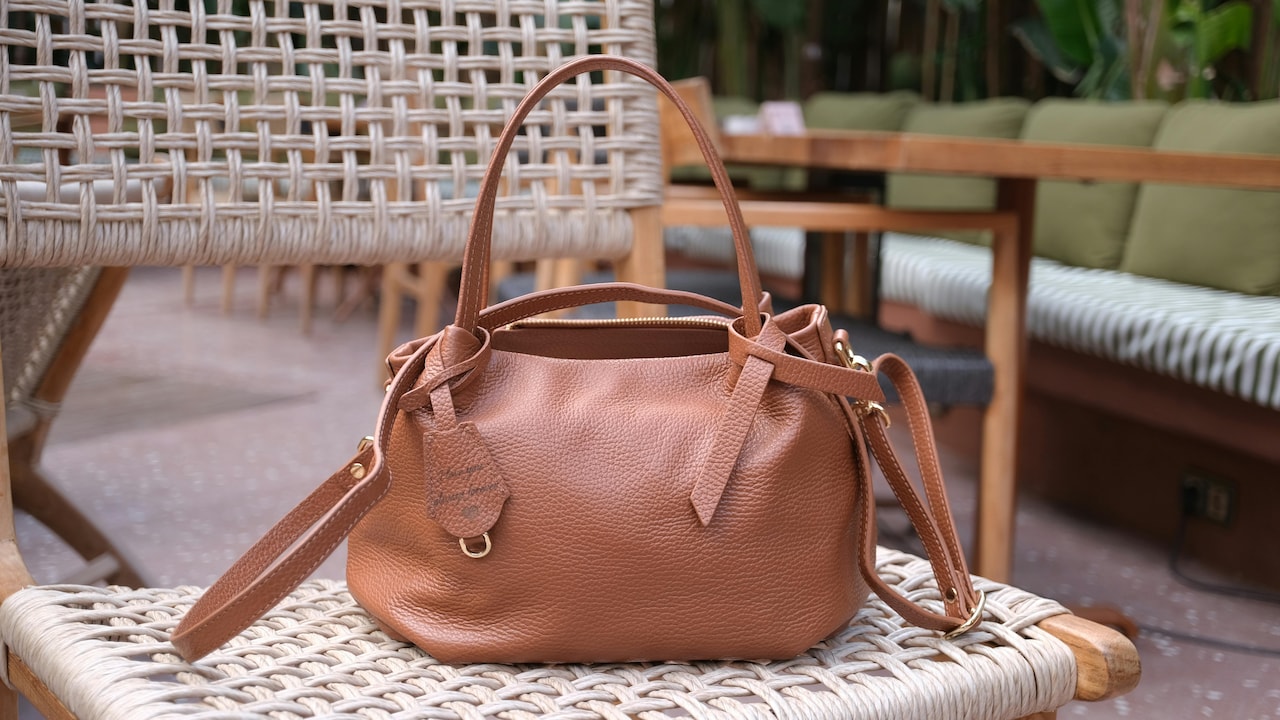
Why Your Shoulder Hurts From Carrying a Light Bag: And How to Fix It; Photo Credit: Pexels
What's Really Causing That Shoulder Discomfort?
Narrow Straps Concentrate Pressure
The width of a strap plays a far bigger role than most people realise. Narrow straps focus all the weight onto a small area of the shoulder, creating intense pressure points. Even when the bag is light, that concentrated force makes the strap feel heavier than it actually is.
Think of it like wearing tight footwear for hours. The shoe may not weigh much, yet it causes discomfort because pressure builds in one spot. The same principle applies to bag straps. A slim strap presses into soft tissue and nerves, making the body react quickly.
Many fashionable bags prioritise style over comfort. Thin leather straps may look elegant, especially in office settings or casual outings, but they often lack proper support. Over time, this leads to soreness that seems disproportionate to the bag's contents.
Wider straps, on the other hand, spread the load evenly across the shoulder. This reduces pressure and allows the body to handle weight more naturally. The difference becomes obvious during long commutes or shopping trips, where comfort matters far more than appearance.
Lack Of Padding Makes A Big Difference
Padding is often overlooked until discomfort sets in. A strap without cushioning acts almost like a rope pressing against the shoulder. The body feels every bit of contact, especially when movement causes the strap to shift and rub.
Soft padding works as a buffer. It absorbs small shocks from walking, climbing stairs, or getting in and out of vehicles. Without it, even minor movements can irritate the skin and underlying muscles. This is why a bag can feel fine at first but gradually becomes uncomfortable over time.
Many everyday bags skip padding to keep costs low or maintain a sleek design. However, this small detail can significantly affect how the bag feels after a few hours. A padded strap does not just improve comfort; it also reduces the risk of long-term strain.
For those who spend hours outdoors or travel frequently, this becomes even more important. Investing in a bag with decent padding often saves more than just discomfort; it prevents that lingering ache that follows into the evening.
Also Read: 5 Top-Rated Sling Bags That Fit Essentials Without Feeling Bulky
Uneven Weight Distribution Inside The Bag
A bag may not be heavy overall, but if its contents are unevenly arranged, it can still strain the shoulder. Items like a power bank, a steel water bottle, or a book placed on one side can shift the centre of gravity.
When the weight is not balanced, the strap pulls unevenly. This creates a dragging sensation that feels heavier than it is. The shoulder compensates by tensing muscles, leading to fatigue and discomfort.
This often happens during rushed mornings. Essentials get tossed into the bag without much thought. By midday, the imbalance becomes noticeable, especially while walking or standing for long periods.
A simple adjustment, placing heavier items closer to the centre, can make a noticeable difference. It allows the bag to sit more naturally against the body, reducing strain. It is a small habit, yet one that quietly improves daily comfort.

Why Your Shoulder Hurts From Carrying a Light Bag: And How to Fix It; Photo Credit: Pexels
Poor Posture Amplifies The Discomfort
Modern routines rarely encourage good posture. Hours spent leaning over screens, whether on a laptop or phone, cause shoulders to round forward. This position makes it harder for a bag strap to sit comfortably.
When posture is poor, the strap tends to slide or press awkwardly into the shoulder. Muscles that are already strained from slouching become even more tense. This creates a cycle where discomfort builds steadily throughout the day.
Standing upright with relaxed shoulders allows the strap to rest more evenly. It reduces pressure and prevents unnecessary muscle tension. However, maintaining good posture is easier said than done, especially during long work hours or crowded travel.
Even small adjustments, like occasionally straightening the back or switching shoulders, can help. Over time, these habits reduce the impact of daily strain and make carrying a bag far more manageable.
Single-Shoulder Carrying Causes Imbalance
Carrying a bag on one shoulder may feel convenient, but it creates an imbalance. The body naturally leans slightly to compensate for the weight, even if it is minimal. This uneven stance puts extra pressure on one side.
Over time, this habit can lead to muscle fatigue and discomfort. The shoulder bearing the weight becomes overworked, while the other side remains underused. This imbalance often explains why one shoulder feels sore while the other feels fine.
Switching sides occasionally helps distribute the load. It allows both shoulders to share the effort, reducing strain on any one area. Backpacks, which distribute weight evenly across both shoulders, offer an even better solution for longer durations.
While a single-strap bag may look stylish, comfort often requires a more balanced approach. The body responds better when weight is shared, even if it means sacrificing a bit of convenience.
Material Of The Strap Matters More Than Expected
Not all straps feel the same, even if they look similar. Materials play a crucial role in how a strap interacts with the skin and shoulder. Hard leather or synthetic materials can feel stiff and unforgiving, especially during long use.
Soft fabrics or flexible materials tend to adapt better to the body's shape. They reduce friction and prevent the strap from digging in. This becomes particularly important in warm weather, where sweat can increase irritation.
A stiff strap may also fail to adjust properly to movement. As the body shifts, the strap resists, creating pressure points. Over time, this leads to discomfort that feels disproportionate to the bag's weight.
Choosing the right material can make a noticeable difference. It is not just about durability or appearance, but also about how the strap feels during everyday use.
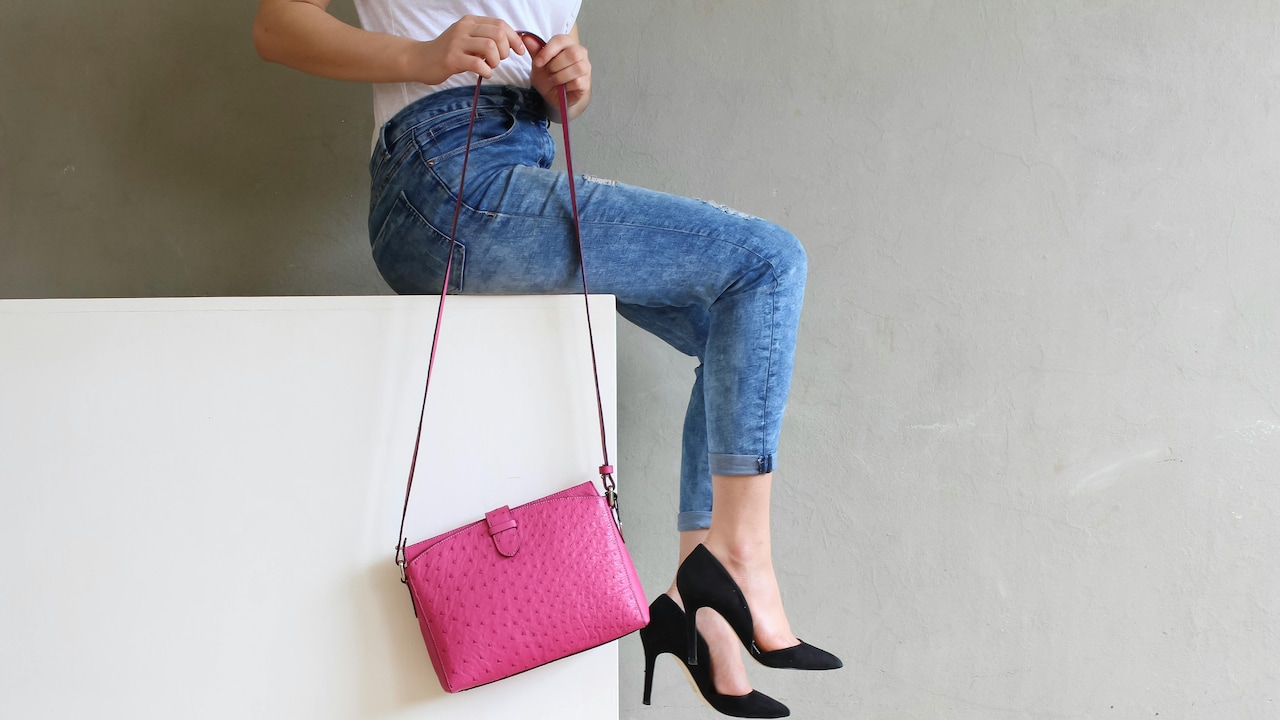
Why Your Shoulder Hurts From Carrying a Light Bag: And How to Fix It; Photo Credit: Pexels
Length Of The Strap Affects Pressure
Strap length often goes unnoticed, yet it directly affects comfort. A strap that is too short pulls the bag tightly against the shoulder, increasing pressure. On the other hand, a strap that is too long causes the bag to swing, creating additional strain.
Finding the right length allows the bag to rest comfortably against the body. It reduces unnecessary movement and prevents the strap from digging in. This balance is especially important during long walks or busy commutes.
Adjustable straps offer flexibility, but they are not always used effectively. Many people set the length once and forget about it, even when discomfort becomes noticeable.
Taking a moment to adjust the strap can improve comfort instantly. It is a simple fix that often goes overlooked, yet it has a significant impact on how the bag feels throughout the day.
Clothing Can Influence Comfort
The type of clothing worn can also affect how a strap feels. Thin fabrics offer little protection, allowing the strap to press directly against the skin. This increases the sensation of pressure and can lead to irritation.
Heavier fabrics, like denim or layered clothing, provide a buffer. They distribute the pressure more evenly and reduce discomfort. This is why a bag may feel fine on some days and uncomfortable on others, even when the contents remain the same.
Seasonal changes often highlight this difference. During warmer months, lighter clothing makes straps feel harsher. In cooler weather, adding layers creates a natural cushion.
Being mindful of this can help manage discomfort. Even a simple scarf or dupatta placed under the strap can make a noticeable difference during long days out.
Stress And Muscle Tension Play A Role
Stress does not just affect the mind; it also shows up in the body. Shoulders tend to tense up during stressful situations, whether it is a busy workday or navigating crowded spaces.
When muscles are tight, they become more sensitive to pressure. A strap that might feel fine under relaxed conditions suddenly feels uncomfortable. The body reacts more strongly, amplifying the sensation.
This explains why discomfort often feels worse on hectic days. The bag has not changed, but the body's response has.
Simple relaxation techniques, like rolling the shoulders or taking short breaks, can help. Reducing tension allows the muscles to handle pressure more effectively, making the strap feel less intrusive.
Repetitive Daily Use Adds Up Over Time
Carrying a bag is often a daily habit. While each day may seem manageable, the effects add up over time. Small strains accumulate, leading to persistent discomfort that feels difficult to pinpoint.
The body adapts to repeated stress, but not always in a healthy way. Muscles may tighten, posture may shift, and sensitivity may increase. What once felt normal starts to feel uncomfortable, even when nothing has changed.
Taking occasional breaks from carrying a bag, or switching to alternatives like backpacks, can help reset this pattern. It gives the body a chance to recover and reduces long-term strain.
Consistency matters. Small adjustments made regularly can prevent discomfort from becoming a constant part of daily life.
Products Related To This Article
1. DailyObjects Shopper Handheld Bag
2. WROGN X fwd Unisex Camouflage Backpack with USB Charging Port 40 L
3. SAMTROH PU Sling Bag
4. Marks & Spencer Faux Leather Pinched Mini Tote Bag
5. CORSICA Colourblocked Structured Handheld Bag
6. DressBerry Women Medium Backpack
7. ZAINTO Shoulder Bag
8. StyleCast x Revolte Men Colourblocked Backpack
A bag strap digging into the shoulder is rarely about weight alone. It is a combination of design, posture, habits, and even daily stress. What seems like a minor inconvenience often has deeper reasons hidden beneath the surface.
The good news is that most of these factors are easy to address. A wider strap, better padding, balanced packing, and mindful posture can transform the experience. Even small changes, like adjusting strap length or switching shoulders, can bring noticeable relief.
Comfort does not always require expensive solutions. Sometimes, it simply involves paying attention to details that usually go unnoticed.
The next time that familiar ache appears, it may not be the bag's fault alone. A closer look at these everyday habits might reveal simple fixes that make carrying a bag feel effortless again.
(Disclaimer: This article may include references to or features of products and services made available through affiliate marketing campaigns. NDTV Convergence Limited (“NDTV”) strives to maintain editorial independence while participating in such campaigns. NDTV does not assume responsibility for the performance or claims of any featured products or services.)