Why Bags Start Looking Cheap Quickly: 3 Quality Checks That Matter Most
Many bags lose their appeal within months due to poor zips, weak stitching, and low-grade materials. This guide explains three quality checks that help bags last longer and look better. So, prevent your favourite bags from looking cheap with these handy tips now.
Why Some Bags Look Cheap Fast: 3 Critical Quality Checks - Zips, Stitching And Material.
A good bag does more than carry things. It carries moods, routines, and sometimes a whole day's chaos. From packed local trains to crowded markets, bags go everywhere and take a beating without complaint. Yet many bags lose their charm far too quickly. Corners peel, threads pop, and the zipper suddenly refuses to cooperate right before an important meeting. This doesn't always come down to price. Plenty of expensive-looking bags fail early, while some modest ones last years. The difference lies in quality checks that often get skipped during quick shopping decisions. Bright colours, trendy shapes, and tempting discounts distract from the basics.

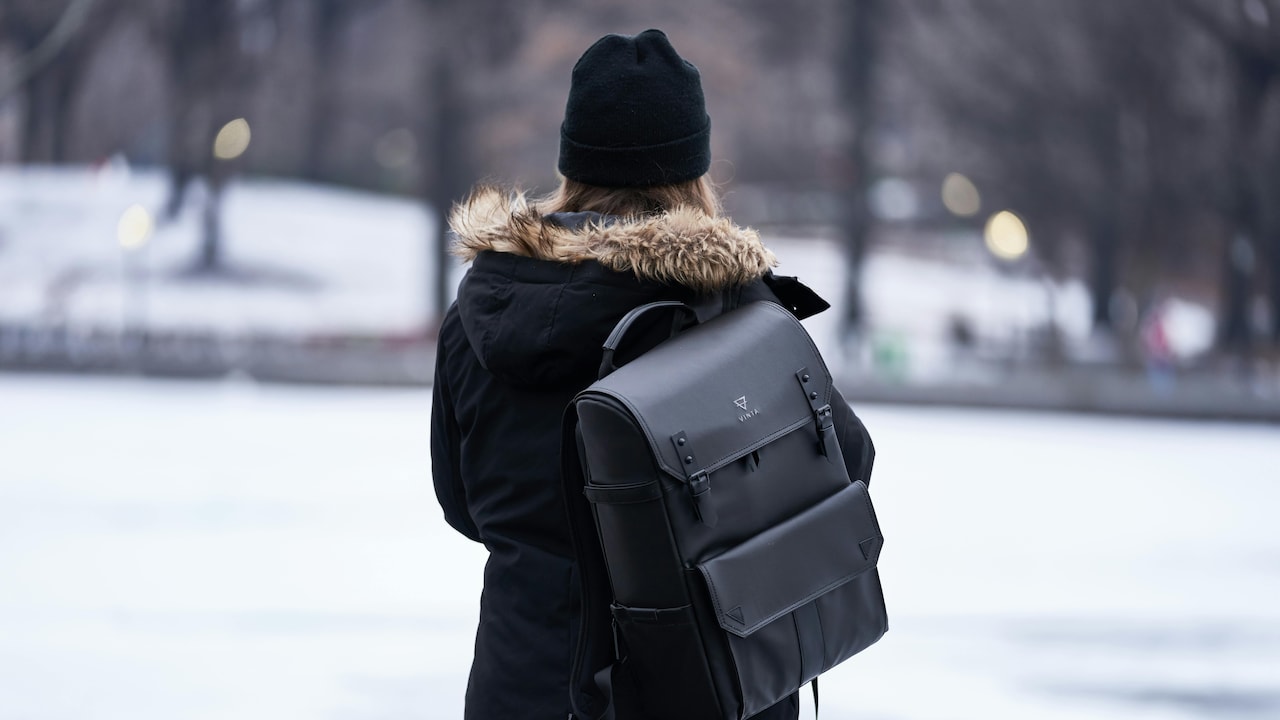
What makes office bags look cheap shortly after use; Photo Credit: Pexels
This article focuses on three elements that decide whether a bag stays stylish or starts looking cheap within months: zips, stitching, and material. These details sound small, but they decide how a bag ages. So, understand why some bags start looking worn-out and cheap quickly, plus three simple quality checks that help your next buy age better.
Also Read: 5 Best Laptop Bags Under ₹2000: Professional, Durable and Travel-Friendly Options
Most Bags Don't Age Badly by Accident: These Quality Checks Explain Why
1. The Zip Test: Where Most Bags Give Up First
The zip works harder than any other part of a bag. It opens, closes, stretches, and twists daily. Yet it often receives the least attention while shopping. A smooth-looking zip can still fail within weeks if the quality lacks depth.
A good zip glides without resistance. It should not snag, skip teeth, or feel scratchy. Pull it fast, then slow. Tug slightly at an angle. If the zip complains during a shop trial, daily use will only make it worse. Cheap metal coatings chip quickly, exposing dull surfaces that scream wear. Plastic zips crack under pressure, especially when bags get stuffed before festivals or travel.
Weather plays a role, too. Heat and dust clog low-grade zips. Monsoon moisture invites rust in poorly treated metal. Once rust settles, the zip never recovers.
A strong zip often carries weight. It feels solid in hand and sounds firm, not tinny. Branded zips help, but build matters more than logos. When a bag fails early, the zip usually leads the collapse. A broken zip doesn't just look bad; it ends usability completely.
2. Why Zip Placement Matters More Than Brand Names
Even a good zip fails if placed poorly. Designers sometimes chase looks over function. Slanted zips, curved openings, or overly tight corners create constant tension. That tension shortens lifespan fast.
A zip should sit flat when closed. Bulging fabric around it signals trouble. That bulge means stress, and stress weakens teeth. Bags with decorative flaps hiding zips often trap dust and moisture, especially during daily commutes.
Consider how hands move. If opening the zip requires wrist twisting or force, wear increases. Smooth access protects the mechanism. Interior zips deserve attention, too. Cheap inner pockets often tear away from the lining after a few months, leaving loose fabric inside the bag like a broken promise.
Shoppers often tug zips once and move on. Try opening and closing every compartment. Loaded imagination helps. Think of the bag packed with lunch boxes, chargers, and water bottles. A zip that feels fine empty may struggle under weight.
Smart zip placement supports both style and strength. Bags that respect movement last longer and look better while doing it.
3. Stitching: The Quiet Backbone of Every Bag
Stitching doesn't shout. It whispers quality. Many bags look flawless at first glance, but unravel slowly because of lazy stitching. Threads loosen, seams gape, and structure collapses.
Check the stitch length. Even tight stitches signal care. Long, uneven stitches suggest speed over strength. Pull gently at seams. They should hold firm without gaps. Pay attention to stress points, handles, strap joins, and bottom corners. These areas carry weight daily and reveal quality fast.
Colour matters too. Matching thread hides flaws, but contrast stitching shows confidence. Good makers use strong thread regardless of colour. Weak thread frays, creating fuzzy edges that make a bag look old before its time.
Inside seams matter as much as outside ones. Turn the bag lining slightly. Loose ends inside predict external failure later. Bags that skip reinforcing stitches at corners often sag within months.
Stitching decides shape retention. Once the seams loosen, no polish saves the bag. It slouches permanently. Good stitching keeps lines sharp and form intact, even after years of rough use.
4. Handle and Strap Stitching: Where Bags Reveal Their Truth
Handles and straps suffer the most abuse. They lift weights, swing with movement, and absorb sweat and friction. Weak stitching here turns dangerous. A snapped strap mid-commute causes spills and embarrassment.
Look for box stitching or cross patterns where straps attach. Single-line stitching signals cost-cutting. Reinforced areas spread pressure evenly. Metal rings help, but stitching still holds everything together.
Adjustable straps need extra care. Holes or sliders create weak zones. Poor stitching near these areas tears easily. Tug gently on straps. Any creaking or visible stretch suggests trouble.
Sweat and heat weaken threads over time. Cheap cotton thread absorbs moisture and breaks down faster. Strong synthetic thread resists wear better, especially in warm climates.
Handles wrapped tightly with neat stitches last longer and feel comfortable. Loose wraps shift and expose raw edges. Once exposed, damage accelerates.
Strap stitching often decides whether a bag lasts years or months. Paying attention here saves repeated replacements and frustration.
5. Material Illusions: When Looks Lie Loudly
Material sells the bag at first glance. Shiny finishes, soft textures, and bold colours instantly attract. Yet many materials age poorly under real conditions.
Low-grade faux leather peels like sunburn after one season. Heat and humidity speed up this breakdown. Once peeling starts, it spreads quickly, making the bag look cheap no matter the original price.
Fabric bags face fading and pilling. Poor dyes bleed during monsoons or fade under sunlight. Rough surfaces collect dust and lint, dulling appearance fast.
Good material feels balanced, not too stiff, not floppy. It should bounce back when pressed lightly. Smell offers clues too. Strong chemical odours hint at low-quality treatments that degrade faster.
Edges matter. Raw or poorly sealed edges fray and crack. Quality materials show clean finishing at edges and folds. That finishing protects against daily friction.
Material quality defines ageing. Some materials develop character. Others collapse into a mess. Choosing wisely separates lasting style from quick regret.

Opt for bags made from durable materials that may not look aesthetically pleasing at first; Photo Credit: Pexels
6. Thickness vs Weight: A Common Material Myth
Many assume heavier bags equal better quality. This myth leads to bad choices. Thick material can still be weak, while lighter material may last longer.
Quality lies in density, not bulk. Good leather alternatives feel supple yet strong. Cheap ones feel stiff and plasticky. Press and release the surface. If wrinkles stay, trouble looms.
Fabric bags with tight weaves resist tearing better than thick but loose ones. Hold the material up to the light. Even spacing suggests strength. Uneven gaps hint at weakness.
Excessively heavy bags strain stitching and zips. Over time, this strain accelerates damage. A balanced bag distributes weight without adding unnecessary load.
Lightweight doesn't mean flimsy. Many durable travel bags stay light yet survive years of use. Material technology matters more than weight.
Choosing material based on feel and response beats judging by heft. Bags should support daily life, not add a burden.
7. Structure and Lining: Hidden Clues to Longevity
A bag's structure determines how it holds shape. Poor structure leads to sagging and awkward folds that age a bag fast. Internal panels, base supports, and stiffeners matter.
Press the bottom gently. It should resist collapse. Bags without base support sag, causing corners to scrape surfaces and wear faster.
Lining quality often reveals overall care. Thin, noisy lining tears easily. Once torn, contents snag and spill. Good lining feels smooth, slightly thick, and firmly stitched.
Pockets inside should hold their shape. Sagging pockets signal weak material. Zips inside deserve as much attention as outside ones.
Dark linings hide stains better, but quality matters more than colour. Poor lining pills and shreds, making the bag feel cheap inside, even if the exterior holds up.
Structure keeps dignity intact. Without it, even expensive designs lose appeal quickly.
8. Daily Use Reality Check: Does the Bag Match the Lifestyle?
Many bags fail because they don't suit real routines. Office bags face different stress than casual totes. A mismatch speeds up wear.
Laptop bags need padding and strong bases. Without them, weight strains seams. Daily commute bags face friction from crowds and seats. Fragile materials suffer here.
Weather matters. Sudden rain tests the material and stitching. Water-resistant treatments help, but only when done well. Cheap coatings peel, leaving blotchy surfaces.
Festive seasons test capacity. Bags often get overfilled. Designs that allow slight expansion survive better than rigid ones.
A bag should align with daily habits. Choosing style over function often leads to fast disappointment. Practical design supports longevity quietly.
9. Price vs Value: Why Cheap Isn't Always Affordable
Low prices tempt everyone. Spending ₹1,200 on a trendy bag feels safer than spending ₹3,500 on a classic one. Yet replacement costs add up.
A bag that lasts three months costs more over time than one that lasts three years. Beyond money, repeated shopping wastes time and energy.
Quality checks reduce risk. A slightly higher upfront spend on good zips, strong stitching, and reliable material pays off.
Sales often hide compromises. End-of-season discounts sometimes clear flawed batches. Inspect carefully, even during tempting deals.
Value lives in use, not price tags. Bags that age gracefully feel rewarding long after trends fade.
10. The Ageing Test: How Good Bags Grow Character
Not all wear looks bad. Good bags develop personality. Soft creases, gentle fading, and relaxed structure add charm.
Quality materials age evenly. Stitching holds shape. Zips remain cooperative. The bag feels familiar, not tired.
Cheap bags age loudly. Peeling, sagging, and broken parts dominate attention. No amount of care fixes fundamental flaws.
A good bag becomes a companion. It carries memories without falling apart. That emotional return matters.
Choosing quality means choosing longevity, comfort, and quiet confidence. The difference shows over time, not just on day one.
Products Related To This Article
1. ICON The Iconic Laptop Backpack 30L
2. Skybags Evo 3 Compartment Laptop Backpack Black & Grey
3. Fur Jaden Brown Textured Leatherette Stylish
4. Wazdorf Nylon 41 Liter Expandable Travel Bags for Women
5. Urban Jungle by Safari, The Venture
6. IRMAO 2021 New Flower Embroidered Artistic National Style Oxford
7. Gear Cross Training Travel Duffle Water Resistant Bag
Bags don't suddenly turn cheap. They reveal their truth slowly, through zips that resist, stitches that loosen, and materials that fail under real life. These issues start small but grow fast. Paying attention to zips ensures daily reliability. Examining stitching protects structure and safety. A good bag supports daily life without demanding attention. It ages with grace, not embarrassment.
(Disclaimer: This article may include references to or features of products and services made available through affiliate marketing campaigns. NDTV Convergence Limited (“NDTV”) strives to maintain editorial independence while participating in such campaigns. NDTV does not assume responsibility for the performance or claims of any featured products or services.)