Why Cheap Sunglasses Can Feel Uncomfortable: Nose Pads, Weight, And Lens Quality
Cheap sunglasses may look stylish, but poor nose pads, heavy frames and weak lens quality can quickly cause pinching, slipping, glare and eye strain. Here’s why budget shades often feel uncomfortable and what to check before buying.
Why Budget Sunglasses Hurt Your Nose And Eyes: Key Comfort Issues
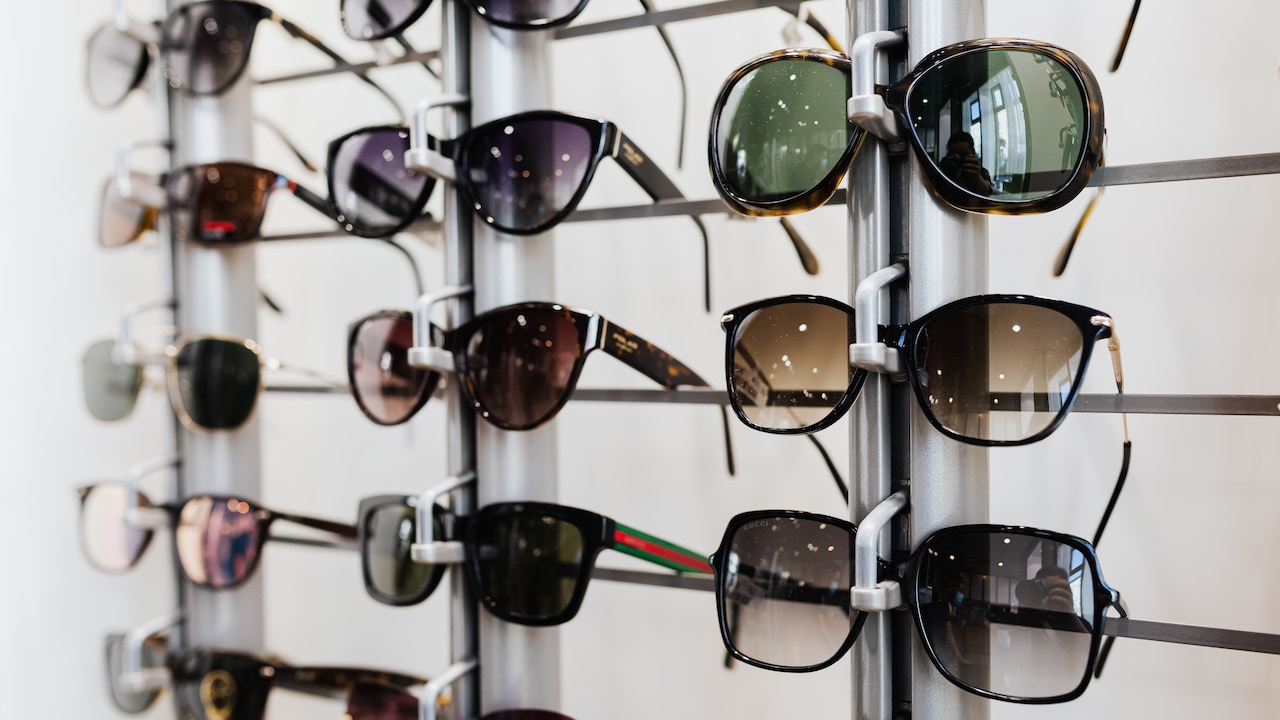
Sunglasses have a special place in everyday life. They sit in scooter dashes, handbags, office drawers, car glove boxes, and sometimes on top of the head like a forgotten crown. They promise style, shade, and a bit of mystery. A good pair can make a regular kurta-jeans outing feel slightly filmi. A bad pair, however, can turn a short walk to the market into a small facial battle. Many people buy sunglasses in a hurry. A roadside stall near the beach, a discount bin in a mall, or an online deal shouting “₹299 only” can feel tempting. The pair looks sharp in the mirror. The tint seems dark enough. The frame matches the outfit. Then reality arrives. The nose starts to hurt. The ears feel trapped. The lenses make the road look oddly wavy. Sweat gathers under the pads. After half an hour, the sunglasses move from the face to the shirt collar.
Why Budget Sunglasses Hurt Your Nose And Eyes: Key Comfort Issues
Photo Credit: Pexels
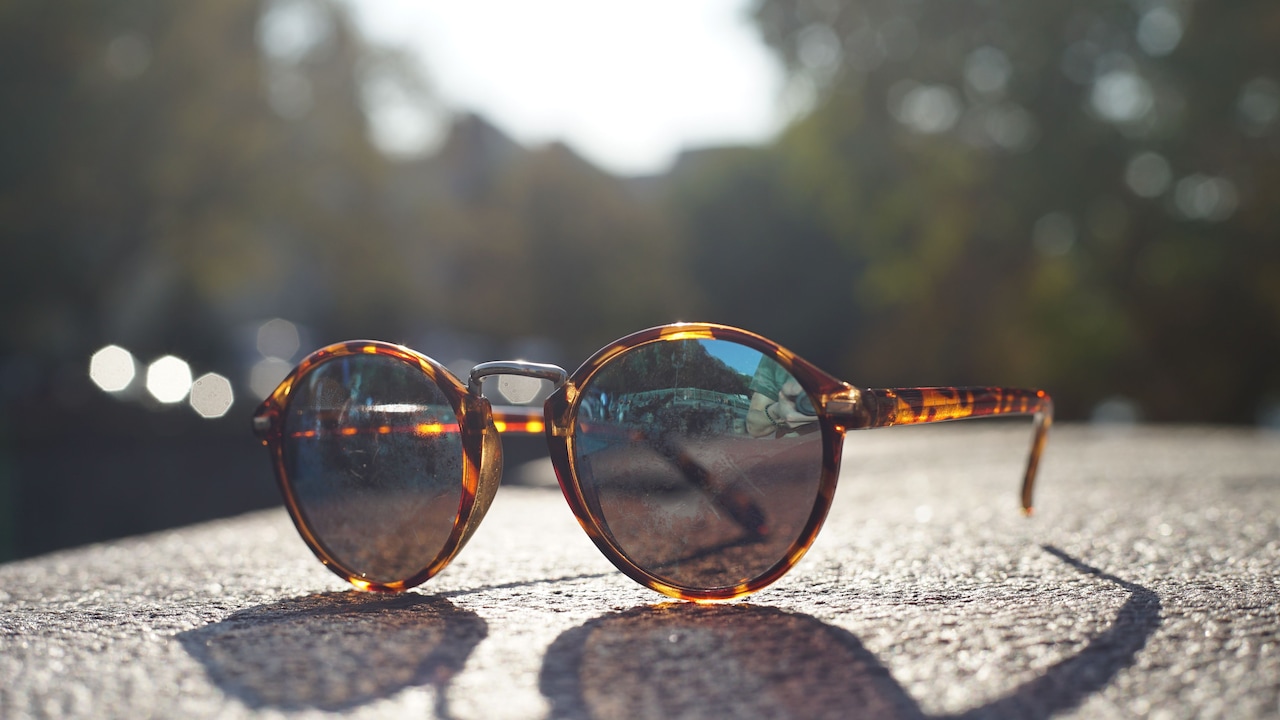
Cheap sunglasses do not always feel uncomfortable because they cost less. Some budget pairs work decently for casual use. The real problem starts when brands cut corners in design, materials, fit, and lens quality. Comfort comes from balance, softness, clarity, and proper structure. When those details go missing, even the most stylish frame becomes a nuisance.
Why Budget Sunglasses Often Feel Uncomfortable
Nose Pads That Pinch More Than They Support
Nose pads look tiny, but they carry a large part of the sunglasses' comfort. On many cheap pairs, these pads use hard plastic that does not flex well. Instead of resting gently, they dig into the skin. After a short ride in the sun, they can leave red marks that look as if the face has disagreed with stationery clips.
The shape also matters. Faces come with different nose bridges, and a one-size-fits-all pad rarely works for everyone. A narrow bridge may make the glasses slide down again and again. A broader bridge may make the pads press too firmly. In humid weather, sweat makes the problem worse. The pads slip, the wearer pushes the frame back up, and the cycle continues like a badly timed dance step.
Better sunglasses usually use softer silicone pads or carefully moulded bridge shapes. They spread pressure instead of concentrating it. Cheap designs often ignore that small science. The result feels minor at first, then becomes impossible to ignore during a commute, cricket match, college fest, or Sunday shopping round.
Heavy Frames That Tire The Face
Weight plays a quiet but powerful role in comfort. A frame may not feel heavy in the hand, yet it can feel tiring on the face after some time. Cheap sunglasses sometimes use thick, bulky plastic to create a sturdy look. That extra material adds weight around the nose and ears. The face then carries a load it never invited.
A heavy frame presses down on the nose bridge. It also pulls on the ears, especially when the temples fit tightly. During long wear, this pressure can create dull discomfort. People may not notice the exact cause. They simply feel relieved when the sunglasses come off.
Low-cost metal frames can cause similar trouble. Some use heavier alloys or poor weight distribution. The lenses may sit forward, making the frame feel front-heavy. This creates a constant sliding sensation, so the wearer keeps adjusting the glasses. On a sunny day, that becomes irritating quickly.
Comfortable sunglasses do not need to feel feather-light, but they should feel balanced. The weight should sit evenly across the nose and ears. When manufacturers chase a trendy look without paying attention to balance, the face pays the price.
Poor Lens Quality That Strains The Eyes
Dark lenses do not automatically mean good lenses. This is where cheap sunglasses often fool buyers. A deep black or brown tint can look protective, but it may offer poor optical clarity. Low-grade lenses can distort shapes, bend straight lines, or create a slight blur. The eyes then work harder to make sense of what they see.
This strain may show up as tiredness, headache, or a strange feeling around the forehead. During a two-wheeler ride, poor lens quality can feel even more risky because roads, vehicles, potholes, and speed breakers need clear vision. A lens that makes the world look warped does not belong near traffic.
Another issue comes from uneven tint. Some lenses appear darker at one spot and lighter at another. This forces the eyes to adjust constantly. The brain may handle it for a few minutes, but long wear becomes tiring.
Good lenses should reduce brightness without damaging clarity. They should keep colours reasonably natural and maintain sharp vision. Cheap sunglasses often focus on appearance rather than optical performance. They may photograph well for social media, but the eyes know the truth.
Also Read: Best Slim Wallets For Men Offering Practical Storage And RFID Protection Without Bulk
Weak UV Protection Behind Dark Tints
One of the biggest misunderstandings about sunglasses involves darkness. Many people assume darker lenses protect better. That sounds logical, but it can go wrong. The tint only reduces visible light. Proper UV protection blocks harmful ultraviolet rays. A cheap dark lens without reliable UV protection can cause more concern than a lighter lens with proper protection.
When the lens looks dark, the pupils open wider because less visible light enters the eyes. If the lens fails to block UV rays well, more ultraviolet exposure can reach the eyes. That makes proper labelling and quality important.
Reliable sunglasses usually mention UV400 or full UVA and UVB protection. Even then, buyers need caution because fake labels exist, especially on extremely cheap products. A ₹150 pair with a shiny sticker may not deliver what it promises.
This does not mean every affordable pair lacks UV protection. Some reasonably priced options from known retailers provide decent protection. The trouble begins with unknown, untested products that treat sunglasses as fashion toys rather than eye-care accessories. A good pair should protect first and pose second.
Tight Temples That Press Behind The Ears
The temples, often called arms, decide how sunglasses hold the head. Cheap pairs may use stiff temples with little flexibility. They grip too hard near the sides of the head and behind the ears. At first, this tightness feels secure. After some time, it feels like a slow-motion headache.
This problem affects people who wear sunglasses during travel, sports, shopping, or long outdoor work. A tight temple can press against the same spot for hours. Add heat, sweat, helmet straps, or earphones, and discomfort arrives faster. Anyone who has worn sunglasses under a helmet during a summer ride knows that tiny pressure points can feel dramatic by the time the signal turns green.
Good frames allow a gentle grip. They stay in place without squeezing the head. Some offer spring hinges, which open slightly outward and reduce pressure. Many cheap sunglasses skip such features to keep costs low. The frame then depends on stiffness instead of smart engineering.
A secure fit should never feel like punishment. Sunglasses need to hug the face, not hold it hostage.
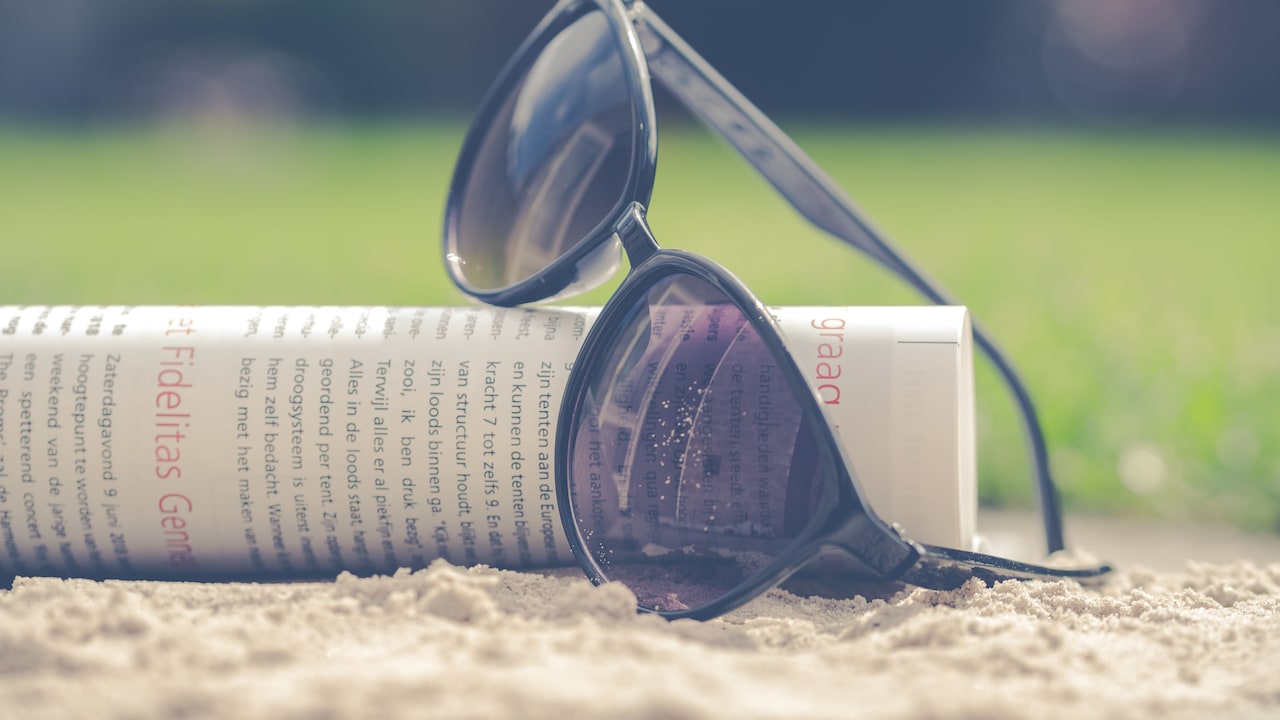
Why Budget Sunglasses Hurt Your Nose And Eyes: Key Comfort Issues
Photo Credit: Pexels
Frames That Slide Down Again And Again
Sliding sunglasses create a special kind of irritation. The wearer pushes them up. They slide again. The finger returns to the bridge. Repeat this through a busy afternoon, and even a calm person may lose patience. Cheap sunglasses often slide because of poor nose bridge design, smooth plastic, wrong weight balance, or loose temples.
Humidity adds extra drama. In warm weather, sweat reduces grip. A frame that already fits poorly becomes more unstable. On a crowded train platform, during a school pick-up, or while bargaining for mangoes, constantly adjusting sunglasses feels annoying and awkward.
Some frames also sit too low because the bridge shape does not match the nose. This affects vision because the eyes no longer look through the intended centre of the lens. The frame may also touch the cheeks, especially when smiling. That small touch can leave marks or collect sweat.
Comfortable sunglasses stay put with minimal effort. They allow natural movement, conversation, laughter, and the occasional dramatic head turn. Cheap designs often miss that practical detail because they copy shapes without understanding fit.
Rough Edges And Cheap Materials
A pair of sunglasses touches delicate areas: the nose, temples, ears, cheeks, and sometimes even the eyebrows. Smooth finishing matters. Cheap sunglasses may have rough mould lines, sharp hinge corners, uneven nose bridges, or stiff plastic edges. These flaws may not show clearly at first glance, but the skin notices them.
Low-grade materials also react poorly to heat. Frames left on a scooter seat or car dashboard can become slightly warped. Once the shape changes, the fit worsens. One side may sit higher. One temple may press more. The lenses may no longer align properly. The sunglasses then feel crooked even if they looked fine at purchase.
Some cheap coatings also peel or become sticky with sweat and sunscreen. This creates an unpleasant texture against the skin. The frame may look tired within weeks, especially with daily use in dust, heat, and monsoon humidity.
Good finishing does not need luxury pricing, but it does need care. Smooth edges, flexible yet stable material, and clean hinges make a big difference. When manufacturers rush production, comfort becomes the first casualty.
Poor Lens Coatings That Cause Glare
Glare can ruin a sunny day faster than expected. It bounces off car bonnets, glass buildings, wet roads, white walls, and even the sea during a holiday. Good sunglasses manage glare through better lens material, coatings, and sometimes polarisation. Cheap sunglasses often rely only on a dark tint. The eyes get shade, but reflections still attack from every angle.
This can make outdoor movement uncomfortable. A person may squint even while wearing sunglasses, which defeats the purpose. Long exposure to glare can cause tired eyes, watery eyes, and headaches. During driving, glare can also reduce visual comfort and confidence.
Poor coatings may create additional problems. Some lenses show ghost reflections on the inside surface. Others scratch easily, and every scratch catches light. A ₹250 pair may feel like a bargain until tiny marks across the lens turn every streetlight into a festival decoration.
Polarised lenses can help reduce reflected glare, especially around roads and water. However, quality varies. Very cheap “polarised” stickers deserve scepticism. The best test remains simple: vision should feel relaxed, not theatrical. Sunglasses should calm brightness, not create a light show.
Bad Fit For Different Face Shapes
Faces do not follow factory shortcuts. Some people have wider cheekbones, some have narrower temples, some have flatter nose bridges, and some need more space between the lens and eyelashes. Cheap sunglasses often use copied designs based on popular styles, but they may not consider how different faces actually wear them.
Oversized frames can rest on the cheeks and move whenever the wearer smiles. Tiny frames can squeeze the temples. Aviator-style frames may sit too low if the nose pads do not adjust. Wayfarer-inspired frames may tilt forward and touch the eyebrows or cheeks. A frame that suits one person perfectly can annoy another within minutes.
This is why trying on sunglasses before buying helps. When buying online, measurements matter: lens width, bridge width, temple length, and frame width. Many shoppers ignore these numbers because the model photo looks convincing. Then the parcel arrives, and the sunglasses fit as if they belong to a cousin with a completely different face.
Cheap sunglasses make the issue worse because they often provide fewer size options and less adjustability. Style may attract attention, but fit decides whether the pair leaves the house again.
Loose Hinges And Poor Balance Over Time
Comfort can change after a few weeks. Cheap sunglasses may feel acceptable on day one, then become annoying as hinges loosen. Once the temples open too widely, the frame starts slipping. If one hinge loosens more than the other, the sunglasses sit unevenly. The wearer may feel a constant tilt, which can disturb both comfort and vision.
Loose screws also create small daily frustrations. One side droops. The frame creaks. The lens may rattle. During travel, the sunglasses feel fragile, so they end up at the bottom of a bag, forgotten under receipts and mint wrappers.
Better frames use stronger hinge construction and tighter quality checks. Some include spring hinges that handle repeated opening and closing. Cheap frames may use weaker screws or plastic joints that wear out quickly. The result can make a once-stylish pair feel cheap in the most literal way.
Sunglasses face a rough daily life. They get dropped, shoved into pockets, placed on restaurant tables, and rescued from under car seats. A comfortable pair needs durability. Without it, even a good initial fit fades into irritation.
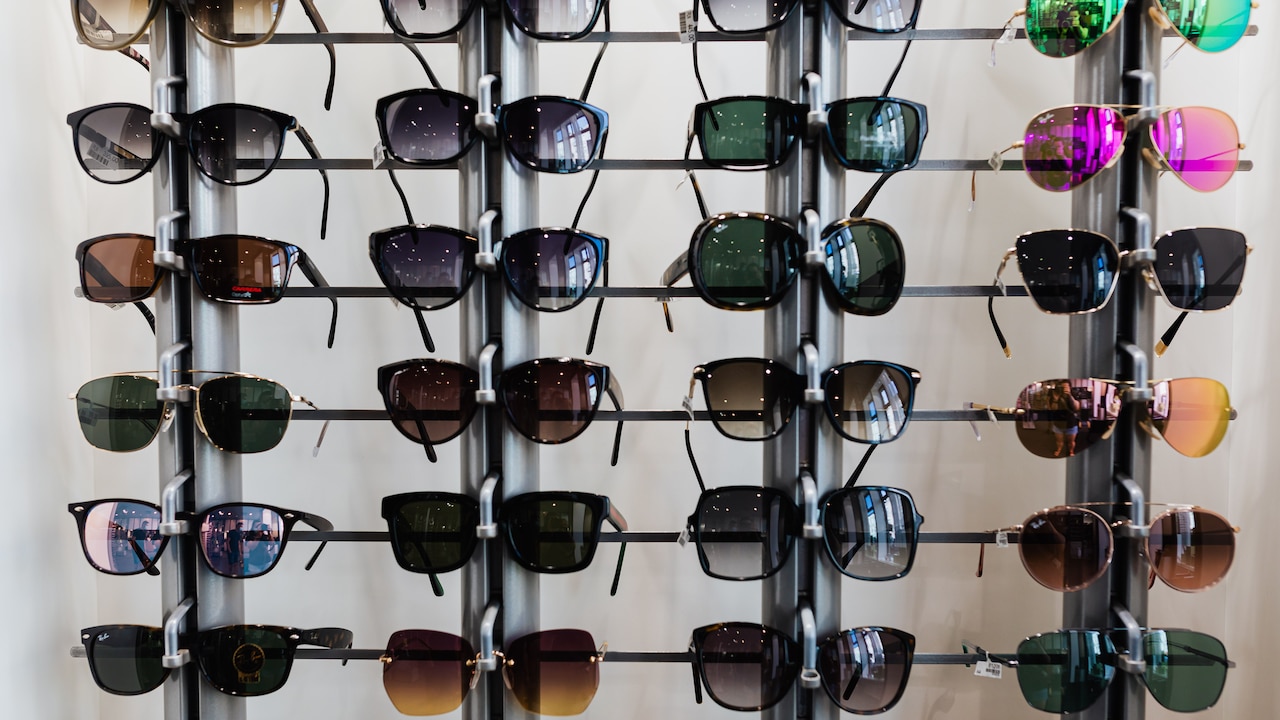
Why Budget Sunglasses Hurt Your Nose And Eyes: Key Comfort Issues
Photo Credit: Pexels
Products Related To This Article
1. John Jacobs | Full Rim Rectangular Stylish & Premium Polarized Sunglasses
2. Vincent Chase By Lenskart | Full Rim Square| Polarized Stylish Sunglasses
3. Fastrack *380-390 UV protected Aviator Sunglasses for Unisex
4. Oakley Men Irregular Sunglasses
5. Eyewearlabs OKNO | Polarized Full Rim Rectangular Branded Stylish Sunglasses For Men & Women
6. Fastrack Unisex Sunglasses
7. VINCENT CHASE EYEWEAR By Lenskart
Cheap sunglasses can feel uncomfortable because comfort depends on more than a dark lens and a fashionable frame. Nose pads must rest gently. Weight must stay balanced. Lenses must protect clearly. Temples must be held without squeezing. Hinges must last. Materials must handle heat, sweat, dust, and daily chaos.
A low price does not always mean a poor choice, but an extremely cheap pair often hides compromises. The discomfort may begin as a small pinch on the nose, a slight blur in the lens, or a frame that slides during a walk. Soon, the bargain starts spending patience instead of money.
The smarter approach is not to chase the most expensive sunglasses. It is to check the basics. Look for proper UV protection, clear vision, comfortable nose support, smooth finishing, and a frame that suits the face. Try the pair for a few minutes, smile, look down, turn the head, and notice how it feels. When buying online, study the measurements instead of trusting only the photo.
Sunglasses should make bright days easier. They should sit lightly, protect properly, and add a little confidence without creating a headache by lunchtime. A pair that feels good will earn its place in the bag, on the dashboard, or beside the front door. A pair that only looks good may simply become another forgotten purchase, waiting in a drawer with tangled chargers and expired coupons.
(Disclaimer: This article may include references to or features of products and services made available through affiliate marketing campaigns. NDTV Convergence Limited (“NDTV”) strives to maintain editorial independence while participating in such campaigns. NDTV does not assume responsibility for the performance or claims of any featured products or services.)