Why Kids Outgrow Clothes So Fast: And How To Shop Smarter
Kids outgrow clothes faster than expected, leaving parents constantly replacing wardrobes. Discover why it happens and how smarter shopping can save money and reduce waste.
Why Kids Outgrow Clothes So Fast: And How to Shop Smarter
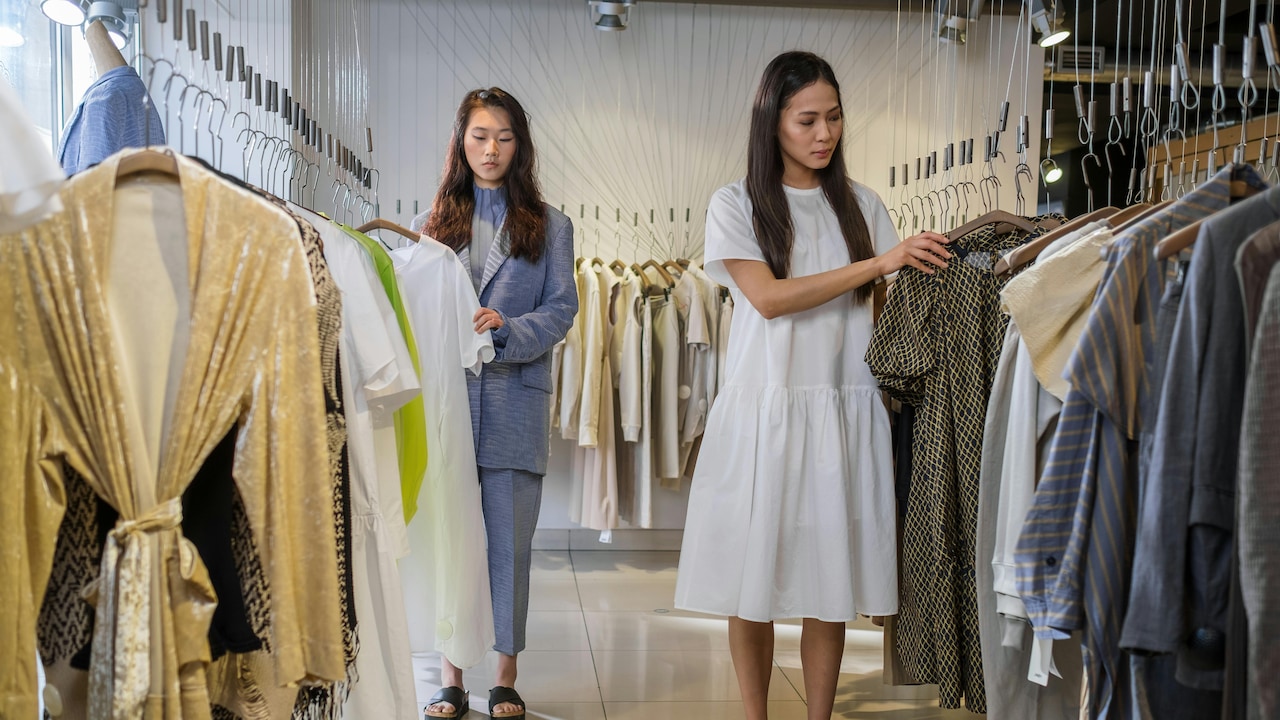
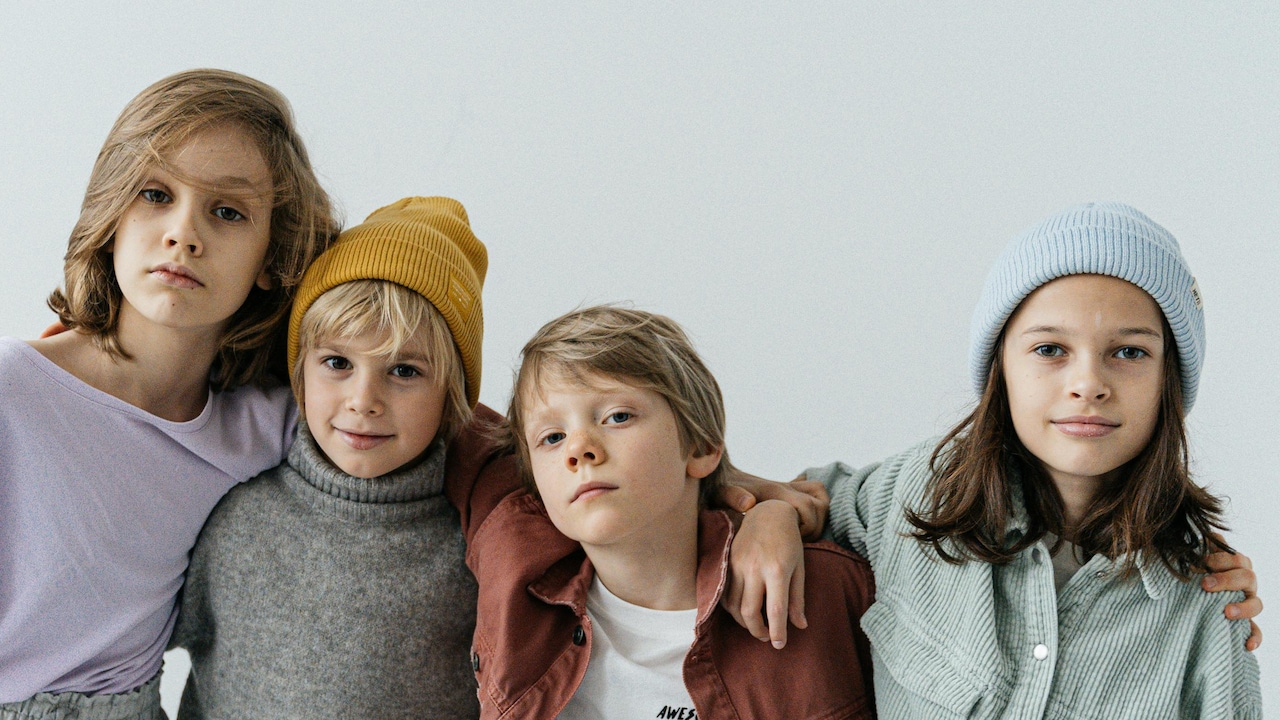
Every parent has faced that familiar moment. A favourite T-shirt that fit perfectly last month now looks oddly short, or trousers suddenly hover above the ankles. Children grow at a pace that feels almost magical, yet this rapid change brings a practical challenge: clothes never seem to last long enough.
The issue goes beyond simple growth. Seasonal shifts, changing preferences, school requirements, and even peer influence all play a role. The result? Frequent shopping trips and wardrobes filled with items worn only a handful of times.
Why Kids Outgrow Clothes So Fast: And How to Shop Smarter
Photo Credit: Pexels
Yet this cycle does not have to feel wasteful or overwhelming. With a thoughtful approach, shopping for children's clothing can become more strategic, cost-effective, and even enjoyable. Understanding why kids outgrow clothes so quickly forms the first step towards smarter decisions.
Also Read: Amazon Spotlight: Comfortable GAP Kidswear Essentials For Busy Kids
The Real Reasons Behind Rapid Growth And Smarter Choices
Why Growth Spurts Make Clothes Obsolete Overnight
Children do not grow at a steady pace. Growth spurts arrive suddenly and often without warning, turning well-fitting outfits into tight or awkward pieces almost overnight. One month, a pair of jeans fits just right; the next, it refuses to button comfortably.
These spurts occur more frequently during early childhood and pre-teen years. Hormonal changes and developmental milestones drive these bursts, making it difficult to predict exactly when new clothes will be needed. Parents often buy clothes expecting them to last a season, only to find they barely survive a few weeks.
This unpredictability explains why wardrobes fill up with barely worn items. Buying too far ahead can backfire, yet waiting too long leaves children with nothing that fits properly.
Shopping smarter begins with accepting this rhythm. Choosing flexible fits, slightly adjustable waistbands, or stretchable fabrics can help clothes survive longer. Planning purchases around known growth phases, such as just before the school year, also reduces waste.
The Hidden Role Of Fabric And Fit
Fabric and fit influence how long clothes remain wearable. Children move constantly, climb, run, and stretch in ways adults rarely do. Clothes that lack flexibility or durability often wear out faster or feel uncomfortable sooner.
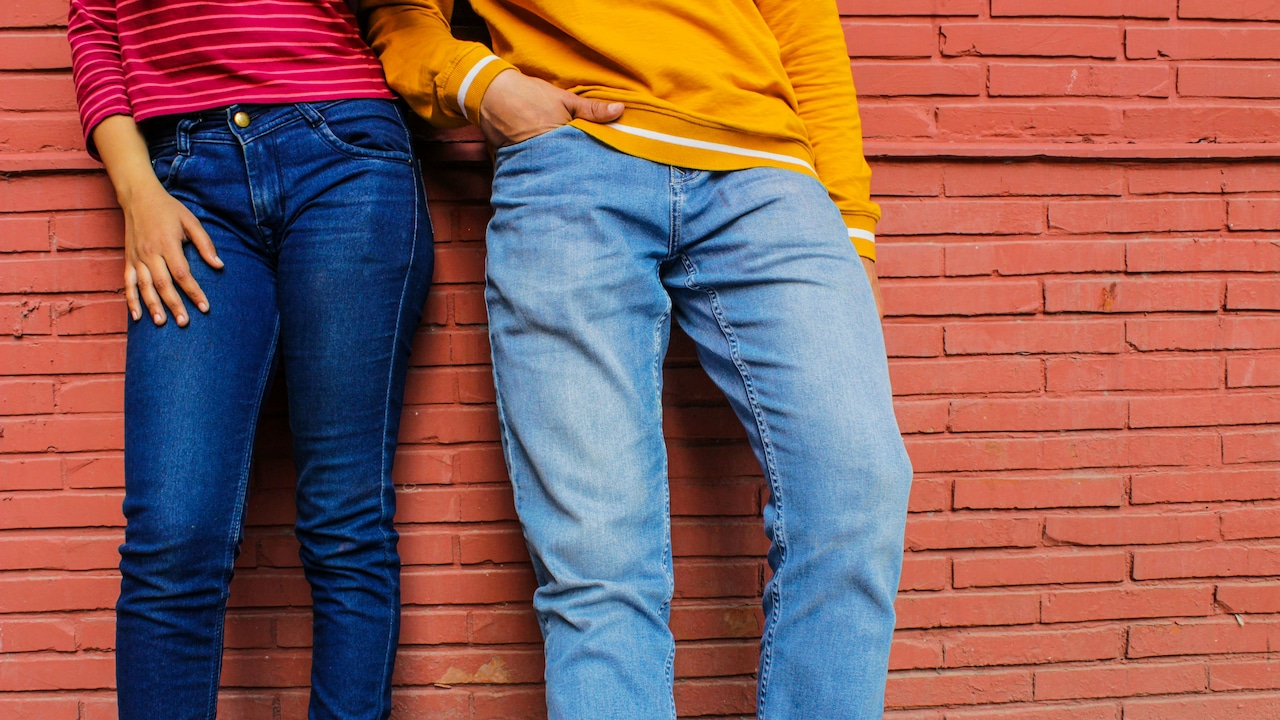
A stiff cotton shirt might look smart, but it can restrict movement and quickly become unsuitable as a child grows. On the other hand, fabrics with a bit of stretch adapt better to changing body shapes. Similarly, slim-fit designs may look trendy but offer little room for growth.
Fit also affects longevity. Clothes that are too snug from the start rarely last beyond a few wears. A slightly relaxed fit, however, gives room for movement and growth without looking oversized.
Choosing the right combination of comfort and flexibility ensures clothes stay useful for longer. Parents often notice that certain outfits become favourites not because of style but because they feel easy to wear. Those are the pieces that survive multiple growth phases.
Seasonal Changes And Climate Challenges
Weather plays a bigger role than expected. Children need different clothing for summer heat, monsoon dampness, and winter chills. This constant shift means even clothes that still fit might not suit the current season.
A child may outgrow a winter jacket before the next cold season arrives, making it unusable despite limited wear. Similarly, festive outfits worn once or twice often end up stored away until they no longer fit.
This cycle creates a sense of waste, especially when clothes remain in good condition. However, it also highlights the importance of mindful seasonal shopping. Instead of buying heavily for one season, a balanced wardrobe with mix-and-match pieces proves more practical.
Light layers work particularly well. They adapt across seasons and reduce the need for entirely new wardrobes every few months. Planning purchases with future weather in mind can make a noticeable difference.
School Uniforms And Activity Wear Add To The Cycle
School uniforms and activity-specific clothing add another layer to the challenge. Children spend a significant portion of their day in these outfits, which means they wear out faster due to frequent washing and active use.
Sports uniforms, dance costumes, and extracurricular gear also demand regular updates. Shoes become tight, sleeves feel shorter, and fabrics lose their strength quicker than expected.
Unlike casual clothes, these items cannot always be replaced with alternatives. Schools often require specific designs or colours, making frequent purchases unavoidable.
Managing this aspect involves timing purchases wisely. Buying uniforms slightly larger, without compromising comfort, can extend their lifespan. Keeping a spare set also reduces wear and tear on each piece.
Over time, small adjustments like these can reduce the frequency of replacements and ease the financial burden.
Changing Preferences And Growing Personal Style
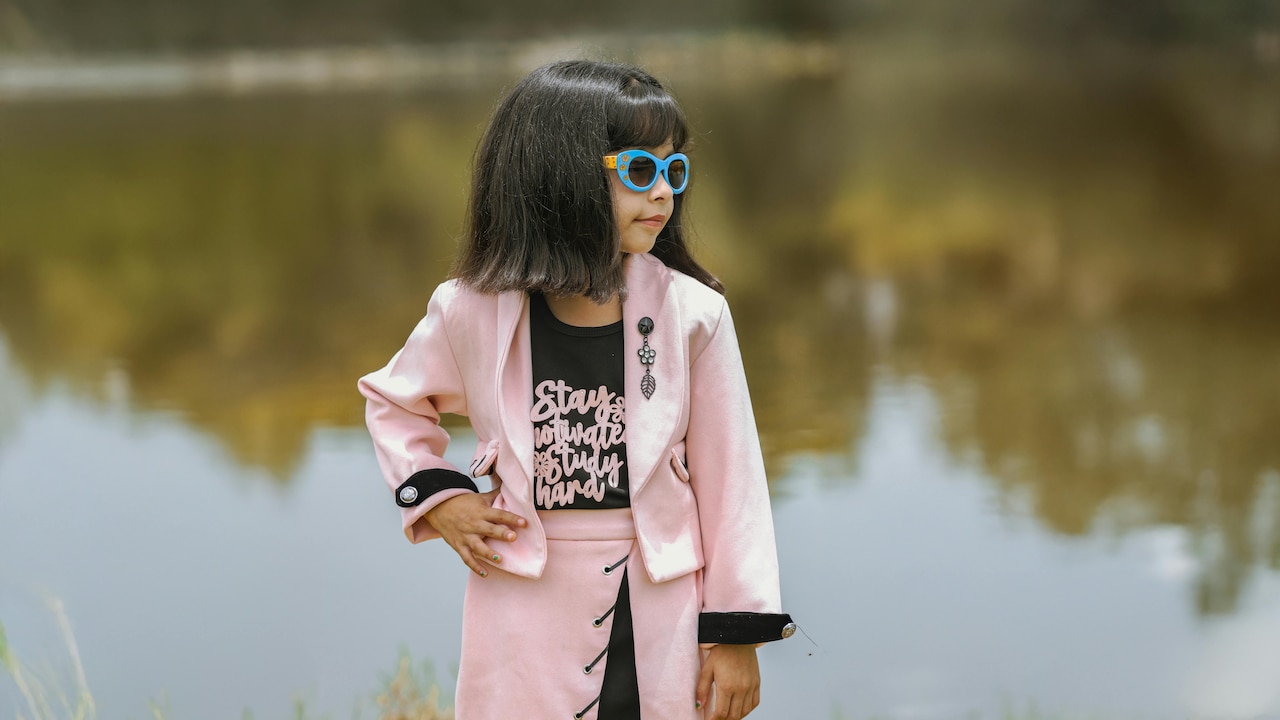
As children grow, their preferences evolve just as quickly as their bodies. A cartoon-themed T-shirt that once felt like a treasure may suddenly seem “too childish.” Bright colours may give way to more muted tones as children become more aware of trends and peer opinions.
This shift means clothes often get discarded not because they no longer fit but because they no longer appeal. Emotional attachment fades, replaced by a desire to fit in or express individuality.
Parents often find themselves negotiating these choices, balancing practicality with a child's sense of identity. Ignoring preferences can lead to clothes sitting unused, while constantly buying new styles becomes expensive.
Encouraging children to choose versatile pieces helps bridge this gap. Neutral designs paired with a few trendy items allow them to express themselves without requiring a complete wardrobe overhaul every few months.
The Impact Of Growth On Footwear
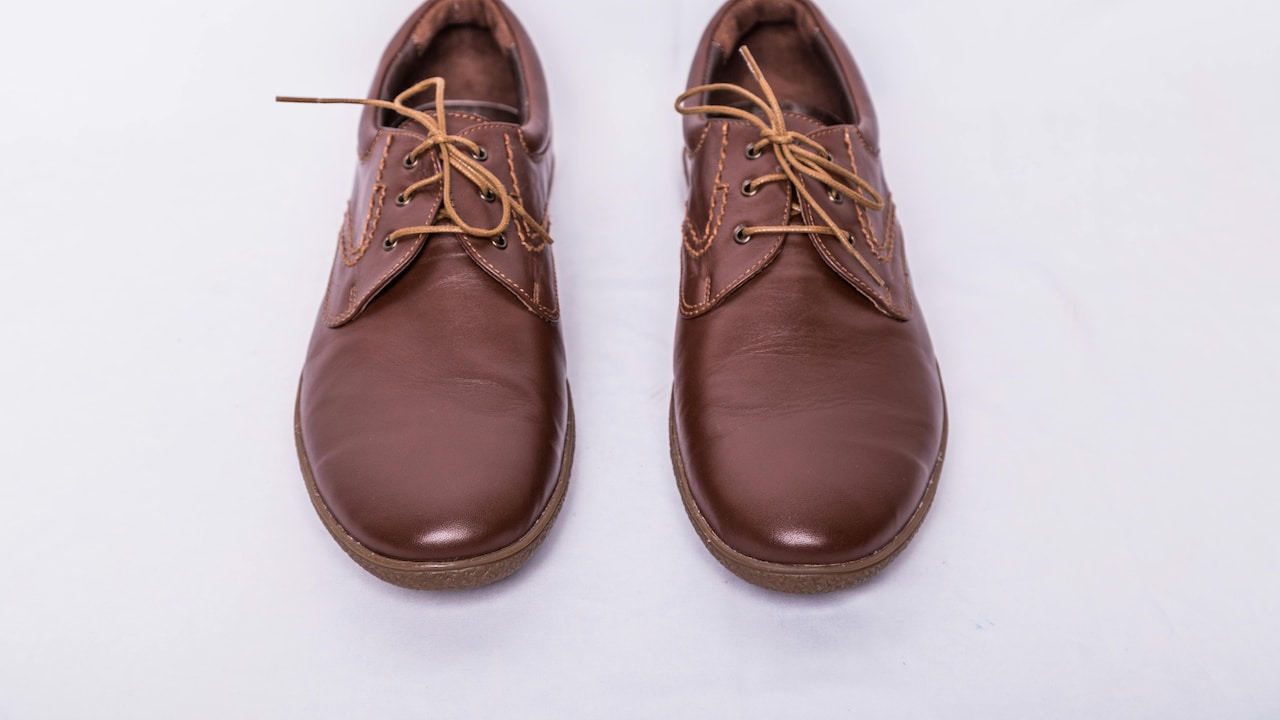
Clothing is not the only concern. Footwear often requires even more frequent updates. Children's feet grow rapidly, and wearing tight shoes can cause discomfort or even long-term issues.
A pair of shoes that fit perfectly today may feel cramped within weeks. Unlike clothes, shoes cannot be stretched or adjusted significantly, making timely replacement essential.
This constant need adds to overall expenses, especially when factoring in school shoes, casual footwear, and sports shoes. Parents often hesitate to invest in expensive pairs, knowing they will soon become unusable.
Choosing quality over brand names often proves more practical. Durable shoes with proper support can handle daily wear better, even if they do not last through multiple sizes.
Keeping an eye on fit and replacing shoes at the right time ensures comfort and prevents unnecessary discomfort for growing feet.
Why Kids Outgrow Clothes So Fast: And How to Shop Smarter
Photo Credit: Pexels
Hand-Me-Downs And Clothing Rotation
One of the oldest solutions remains surprisingly effective. Passing clothes from older siblings or cousins helps extend the life of garments and reduce waste.
Hand-me-downs carry a certain charm. They often come with stories, memories, and a sense of continuity within families. At the same time, they offer a practical way to manage expenses.
However, this approach works best with planning. Storing clothes carefully, organising them by size, and ensuring they remain in good condition make them more useful when needed.
Clothing rotation also plays a role. Instead of using the same few outfits repeatedly, rotating clothes evenly reduces wear and tear. This simple habit can significantly increase how long each piece lasts.
While hand-me-downs may not suit every situation, they remain a valuable option in managing growing wardrobes.
Smart Shopping Strategies That Actually Work
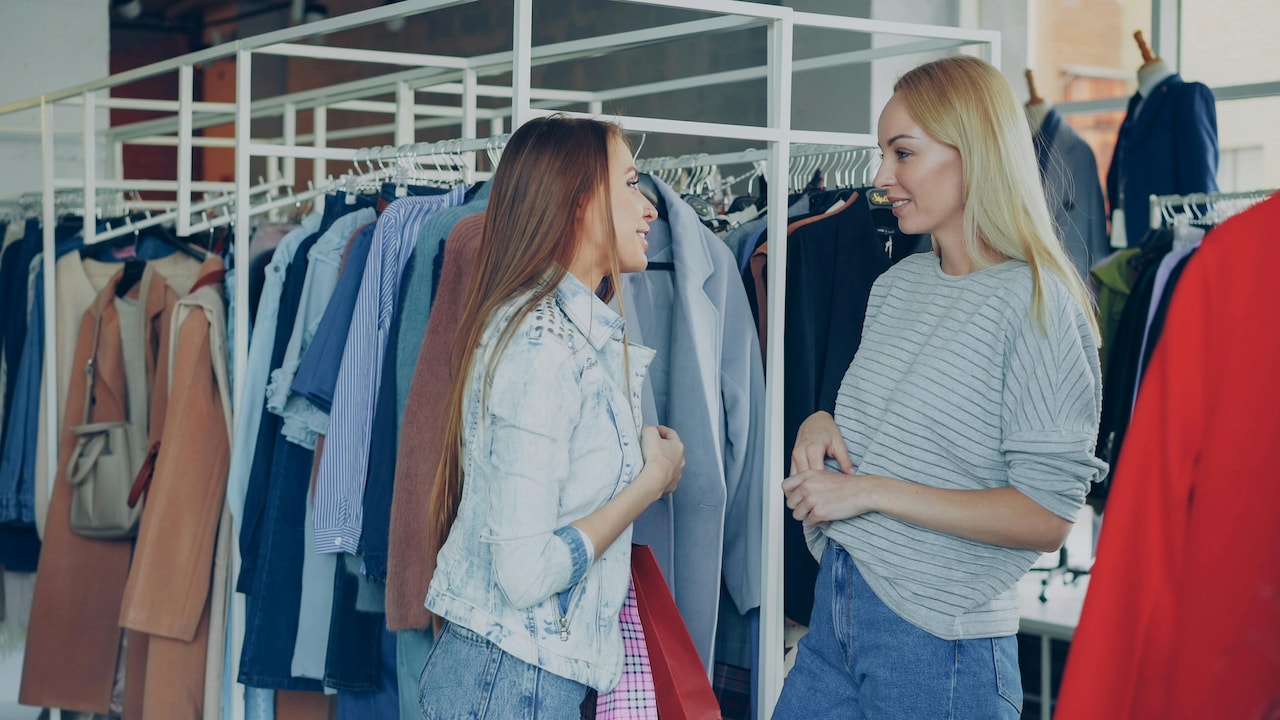
Shopping smarter does not mean buying less; it means buying better. Thoughtful choices can stretch every rupee further and reduce the frequency of replacements.
One effective approach involves focusing on essentials first. Everyday wear, such as comfortable T-shirts, trousers, and school clothes, deserves priority over occasional outfits. Investing in quality basics ensures they last longer despite frequent use.
Timing also matters. Seasonal sales offer opportunities to buy necessary items at reduced prices. Planning purchases during these periods can lead to noticeable savings.
Another useful strategy involves avoiding impulse buys. Bright displays and discounts often tempt shoppers into buying items that may not be needed. Taking a moment to consider practicality helps avoid unnecessary spending.
Over time, these habits transform shopping into a more deliberate and satisfying process.
Balancing Budget And Quality
Finding the right balance between cost and quality can feel tricky. Cheaper clothes may seem appealing, especially when frequent replacements feel inevitable. However, they often wear out quickly, leading to repeated purchases.
On the other hand, investing in high-quality clothing does not always guarantee longevity if a child outgrows it too soon. The key lies in choosing durability for items used daily while being more flexible with occasional wear.
For example, spending ₹800 on a sturdy pair of everyday trousers may prove more economical than buying two pairs at ₹500 each that wear out quickly. At the same time, festive outfits can be chosen more budget-friendly, given their limited use.
Understanding where to spend and where to save helps maintain both quality and affordability. Over time, this balance reduces waste and keeps wardrobes functional.
Teaching Kids About Value And Responsibility
Clothing offers an opportunity to teach children about value and responsibility. When children understand that clothes do not simply appear in wardrobes, they become more mindful of how they use them.
Simple habits such as folding clothes, avoiding unnecessary stains, and taking care of shoes can extend the life of each item. These lessons go beyond saving money; they foster a sense of respect for belongings.
Involving children in shopping decisions also helps. When they participate in choosing clothes, they are more likely to wear them and take care of them.
These small steps create awareness and gradually shape more thoughtful behaviour. Over time, children begin to appreciate the effort behind each purchase, making them less likely to waste or discard items casually.
Why Kids Outgrow Clothes So Fast: And How to Shop Smarter
Photo Credit: Pexels
Products Related To This Article
1. FIRST STEP ENTERPRISES Baby Boys & Baby Girls Casual Dress Shorts (Multicolor)
2. Mars Infiniti Baby Boys Casual T-shirt Shorts (Red)
3. KV FASHION Boys & Girls Casual Sweatshirt Track Pants (Yellow, Black)
4. BabiesGarments Boys & Girls Party(Festive) Jacket Track Pants (GREY)
5. Vfirst Baby Boys & Baby Girls Casual T-shirt Shorts (Multicolor)
Children outgrowing clothes quickly may feel frustrating, but it reflects something positive: growth, change, and the energy of childhood. Rather than viewing it as a problem, it can be seen as a phase that requires thoughtful management.
Understanding the reasons behind this constant cycle makes it easier to adapt. From choosing the right fabrics to planning purchases wisely, small decisions can make a significant difference.
A smarter approach does not eliminate the need for new clothes, but it reduces waste, saves money, and brings a sense of control to an otherwise unpredictable process. In the end, it is not about keeping up with growth but about keeping pace with it in a practical, balanced way.
(Disclaimer: This article may include references to or features of products and services made available through affiliate marketing campaigns. NDTV Convergence Limited (“NDTV”) strives to maintain editorial independence while participating in such campaigns. NDTV does not assume responsibility for the performance or claims of any featured products or services.)