Why Most Men Still Dress Wrong For Their Body Type And Don’t Know It
Most men dress without understanding their body type. The result? Clothes that almost work, but never quite. This is why it happens and how small changes can instantly sharpen your style.
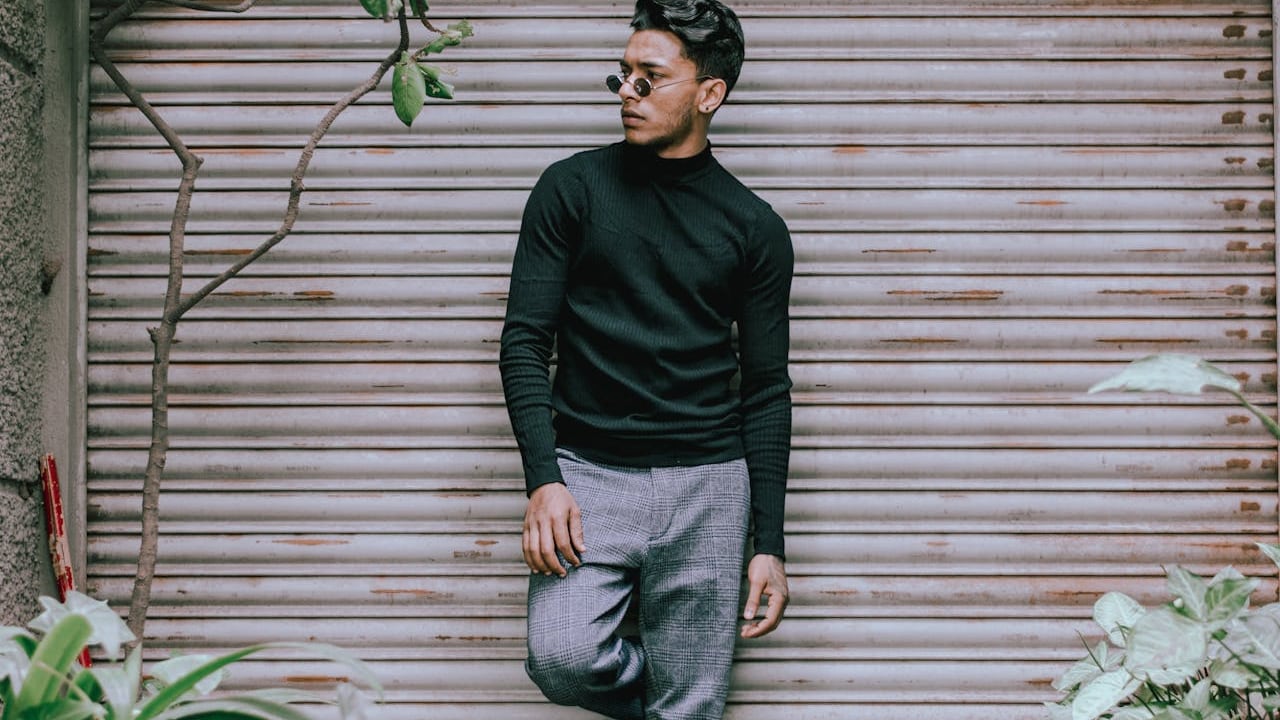
Different ways to dress up according to your body type
Walk into any busy street, office lobby, or wedding function, and a pattern quietly reveals itself. Expensive shirts pulling awkwardly at the buttons. Trousers are bunching at the ankles. Jackets that look borrowed rather than owned. None of it screams disaster, yet something feels slightly off. The surprising part? Most men genuinely believe they are well-dressed.
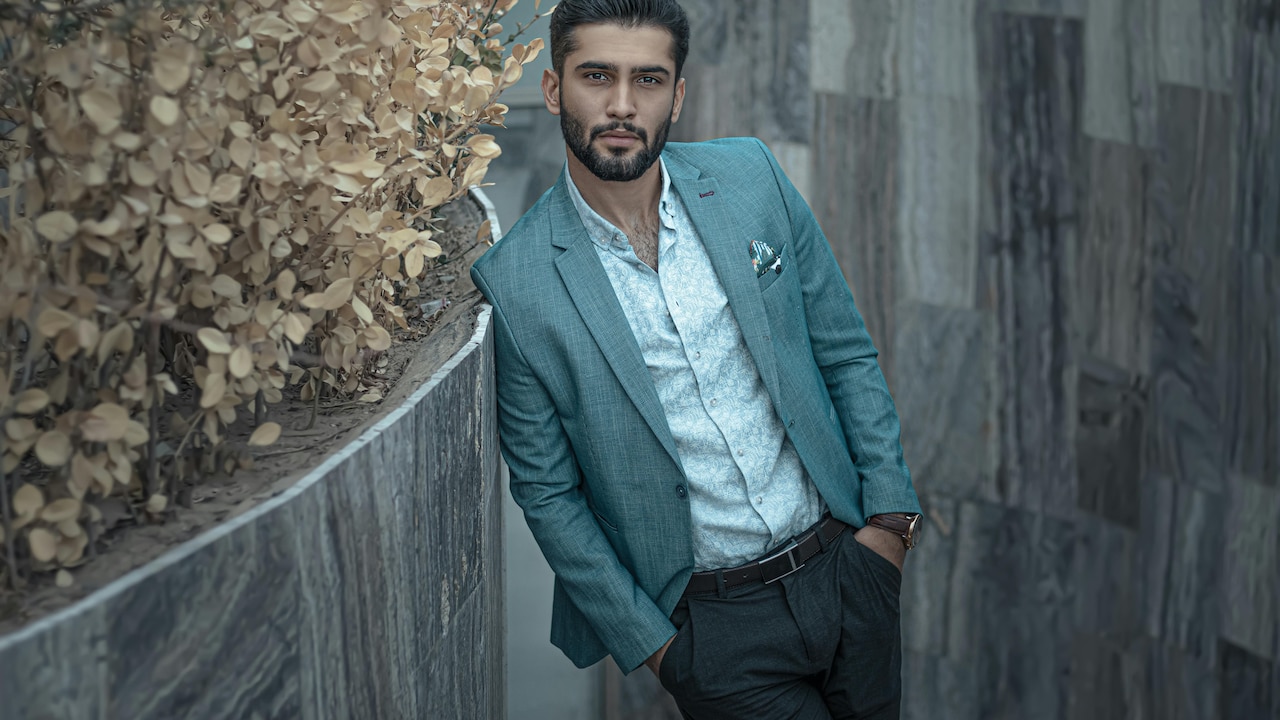
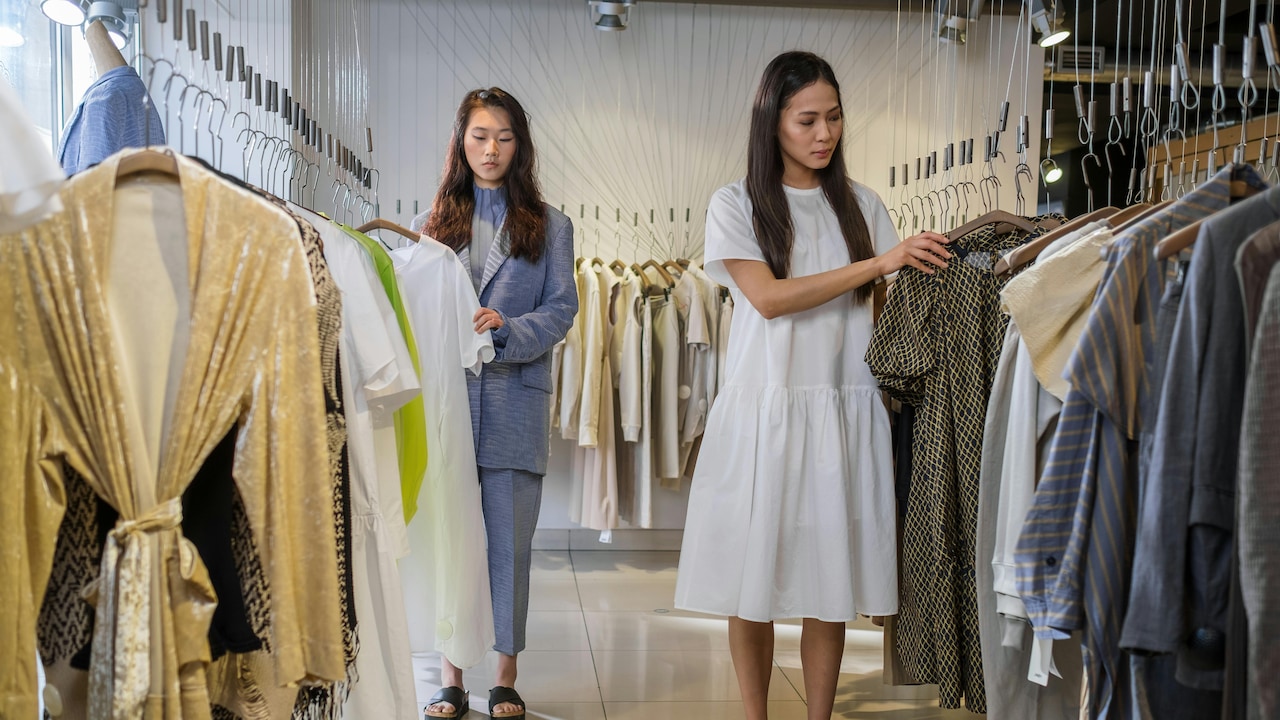
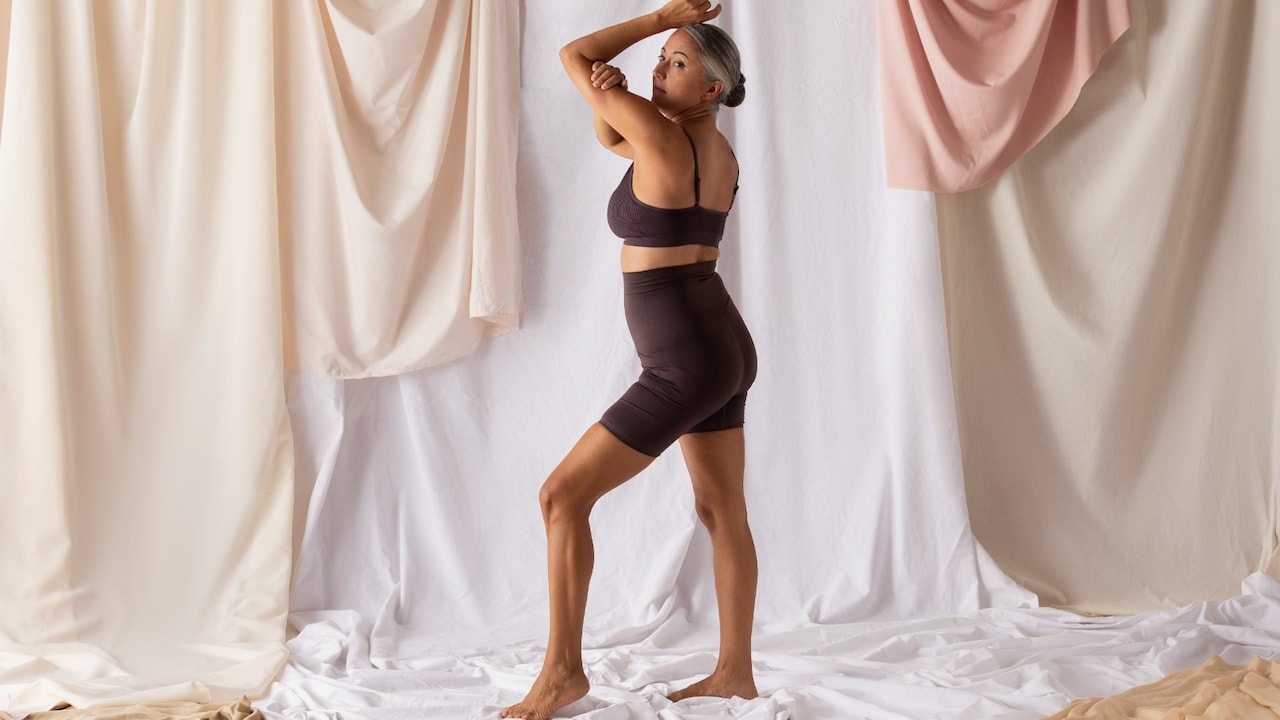
Learn the art of dressing according to your body type for the most flattering look; Photo Credit: Pexels
The issue rarely lies in effort. It lies in awareness. Dressing well is not about copying a mannequin or following trends from a shopping app. It is about understanding one's body, the shape, the proportions, the posture, and then making choices that work with it, not against it.
Clothing, after all, is not just fabric. It is communication. It signals confidence, attention to detail, and self-respect. When that signal is misaligned, even the most expensive outfit can fall flat.
So why do so many men still get it wrong? The reasons are layered, often subtle, and surprisingly relatable.
Also Read: 10 Best Neutral Outfits For Men: 10 Casualwear Essentials You Will Actually Wear
Why It Happens More Often Than You Think
Ignoring Body Shape Entirely
Most men grow up without ever being told that body shape matters in clothing. Shirts are bought by chest size, trousers by waist, and that is where the thought process ends. The idea that two people of the same size might need completely different cuts rarely crosses the mind.
A lean, tall frame demands structure, while a broader build benefits from cleaner lines. Yet, many rely on a one-size-fits-all approach. The result often looks slightly uncomfortable, even if nothing appears obviously wrong.
Think of clothing as architecture. A well-built house respects the land it stands on. Similarly, good dressing respects the body beneath it. Ignoring this basic principle leads to outfits that feel disconnected.
The irony is that awareness alone solves half the problem. Once a man recognises his shape, be it rectangular, oval, triangular, or athletic, choices begin to make sense. Suddenly, certain fits feel right, and others quietly fade away.
Blindly Following Trends
Trends are seductive. Social media makes them even harder to resist. A celebrity wears oversized trousers or cropped jackets, and suddenly it feels essential to follow suit. But trends are designed for visual impact, not universal wearability.
What works on a runway or a six-foot model may not translate well into everyday life. Yet, many men chase trends without asking a simple question: Does this suit the body wearing it?
There is also a financial side to this habit. Spending ₹3,000 on a trendy shirt that feels awkward after two wears is far less satisfying than investing in something timeless that fits well every single time.
Style, unlike fashion, has memory. It builds slowly and stays longer. Trends fade, but a well-fitted shirt never looks outdated. The challenge lies in resisting the urge to imitate and instead learning to adapt.
Choosing Size Over Fit
A common misconception is that size equals fit. If a shirt says “medium,” it should fit perfectly, right? Unfortunately, reality is not that simple.
Two shirts labelled the same size can sit entirely differently on the body. One may hug too tightly at the shoulders, while the other hangs like a curtain. Yet, many men settle for “good enough” instead of seeking “just right.”
Fit is not about squeezing into something smaller or hiding inside something larger. It is about balance. Sleeves should end where the wrist begins. Trousers should break cleanly at the shoe. Shirts should follow the body's shape without clinging.
This attention to detail does not require a massive budget. Even a ₹800 shirt can look premium if it fits perfectly. Conversely, a ₹5,000 shirt can look underwhelming if it does not.
The difference is subtle but powerful. It is the difference between looking dressed and looking well-dressed.
Overlooking Proportions
Proportion is the silent hero of style. It rarely gets discussed, yet it influences how every outfit looks.
Wearing a long shirt with short legs can make the body appear unbalanced. Pairing slim trousers with a bulky jacket can disrupt the visual flow. These are not dramatic mistakes, but they create a quiet discomfort in appearance.
The human eye naturally seeks balance. When proportions align, an outfit feels pleasing without effort. When they do not, something feels off, even if one cannot immediately explain why.
Understanding proportion is less about rules and more about observation. Standing in front of a mirror and noticing how pieces interact can reveal a lot. Sometimes, a simple adjustment, like tucking in a shirt or choosing a slightly shorter jacket, can transform the entire look.
Neglecting Fabric Choice
Fabric is often treated as an afterthought. Colour and design take centre stage, while material quietly decides how the outfit behaves.
Heavy fabrics can add bulk, making a lean frame appear fuller. Lightweight fabrics can drape poorly on broader builds, highlighting areas one might prefer to downplay. Yet, many men pick clothes based purely on appearance.
Consider a humid day. A thick polyester shirt might look sharp initially but quickly becomes uncomfortable. A breathable cotton alternative, even at ₹1,200, feels better and looks fresher throughout the day.
Fabric influences movement, comfort, and even confidence. When clothing feels right, posture improves naturally. When it does not, adjustments become constant.
The goal is not to memorise fabric names but to pay attention to how they feel and behave.
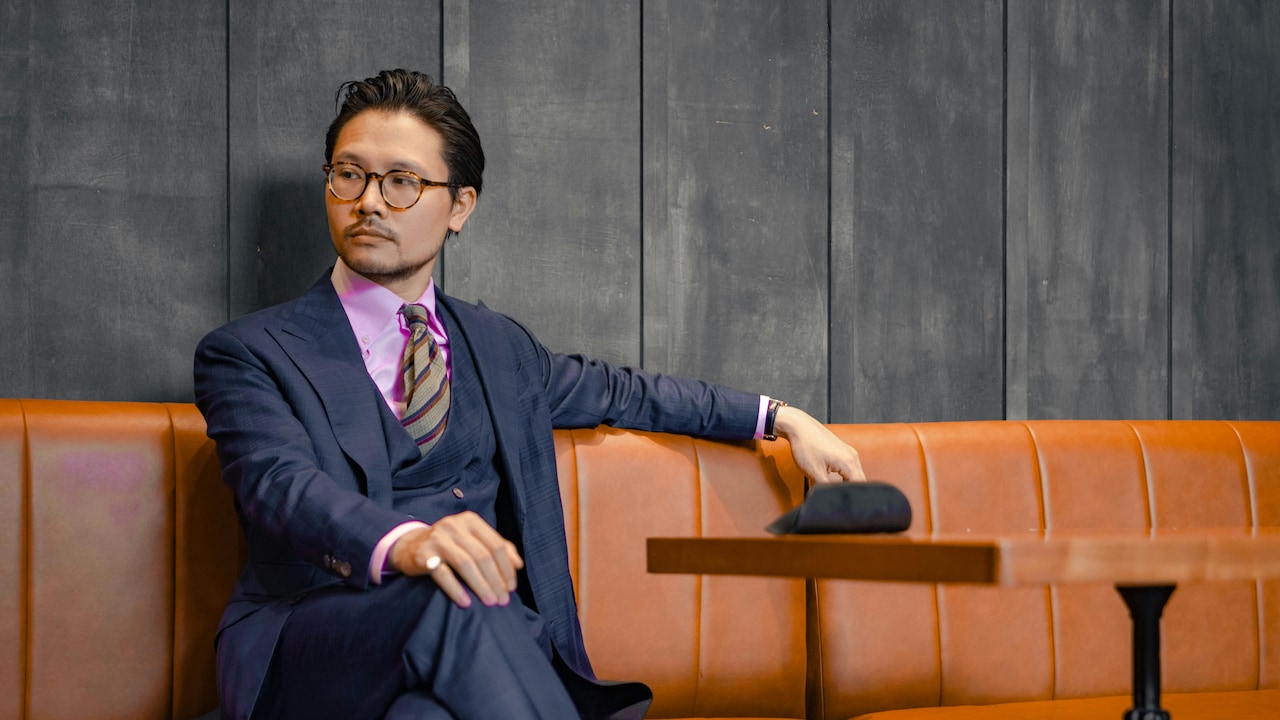
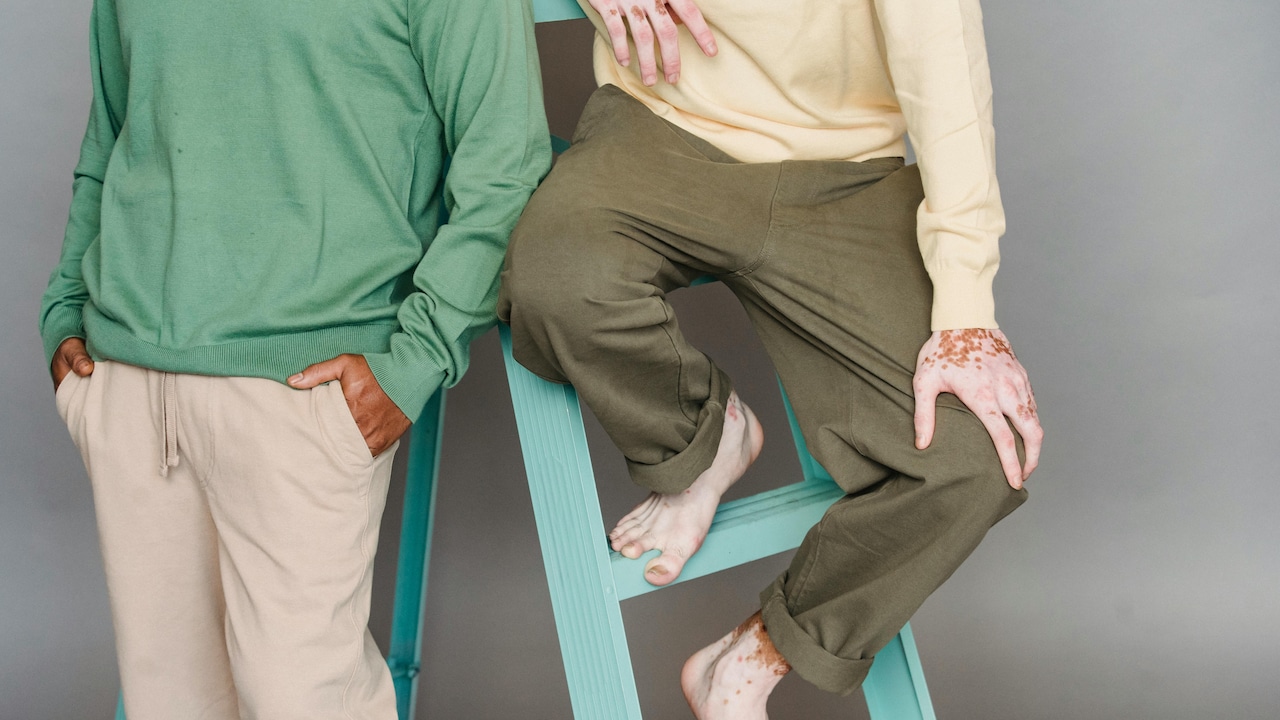
Heavy fabrics can add bulk and make you appear fuller, whereas lightweight fabrics can drape poorly; Photo Credit: Pexels
Copying Others Without Context
It is easy to admire someone else's style and attempt to replicate it. A colleague dresses sharply, or a friend always looks put together. The temptation to copy is strong.
However, style is deeply personal. What works for one person may not work for another due to differences in body type, lifestyle, and even personality.
Copying without context often leads to awkward results. The outfit may be technically correct but emotionally disconnected. It feels like wearing someone else's identity.
A better approach is to borrow elements rather than entire looks. Perhaps it is the way colours are paired or how accessories are used. These details can be adapted without losing individuality.
Style should feel like an extension of oneself, not a costume.
Avoiding Tailoring
Tailoring often feels like an unnecessary luxury. Many assume it is expensive or reserved for special occasions. In reality, it is one of the simplest ways to elevate everyday clothing.
A minor alteration, costing around ₹200 to ₹500, can transform how a garment sits. Shortening sleeves, adjusting waistlines, or tapering trousers can make a significant difference.
Off-the-rack clothing is designed for average measurements. Very few people match those averages perfectly. Tailoring bridges that gap.
The hesitation often comes from unfamiliarity. Once experienced, it becomes difficult to ignore the impact. Clothes begin to feel like they belong, rather than merely fit.
Misunderstanding Colour And Patterns
Colour choices can either enhance or disrupt an outfit. Yet, many men either play it too safe or experiment without understanding balance.
Wearing only dark colours may feel slimming, but can become monotonous. On the other hand, mixing bold patterns without restraint can overwhelm the look.
The key lies in harmony. Neutral tones create a base, while colours add interest. Patterns should complement, not compete.
A simple combination, like a light blue shirt with dark trousers, can look effortlessly refined. It does not require bold experimentation, just thoughtful pairing.
Colour is not about standing out loudly. It is about standing out subtly.
Ignoring Posture And Grooming
Even the best outfit cannot compensate for poor posture or neglect. Slouched shoulders and unkempt hair can undo the impact of carefully chosen clothing.
Style extends beyond garments. It includes how one carries oneself. Confidence is not about arrogance; it is about presence.
A well-fitted shirt looks sharper when paired with good posture. Clean shoes, neat hair, and attention to detail complete the picture.
These elements do not demand significant investment. They require awareness and consistency.
Often, the difference between looking average and looking sharp lies in these overlooked details.
Believing Style Requires A Big Budget
Perhaps the most persistent myth is that dressing well requires spending heavily. This belief discourages many from even trying.
In reality, style is less about quantity and more about quality and fit. A small wardrobe of well-chosen pieces can outperform a large collection of random purchases.
Spending ₹2,000 thoughtfully often delivers better results than spending ₹10,000 impulsively. The focus should be on versatility, fit, and longevity.
Understanding one's body and preferences reduces unnecessary purchases. Over time, this approach not only improves style but also saves money.
Good dressing is not about wealth. It is about awareness.
Products Related To This Article
1. CLOTH N CODE Men Relaxed Straight Fit Trousers
2. CLOTHING VEDA Mandarin Collar Roll-Up Sleeves Kurta
3. CARBONN CLOTH Men Mid-Rise Regular Fit Cargos Trousers
4. CHECKMARK CLOTHING Men Slim Fit Formal Shirt
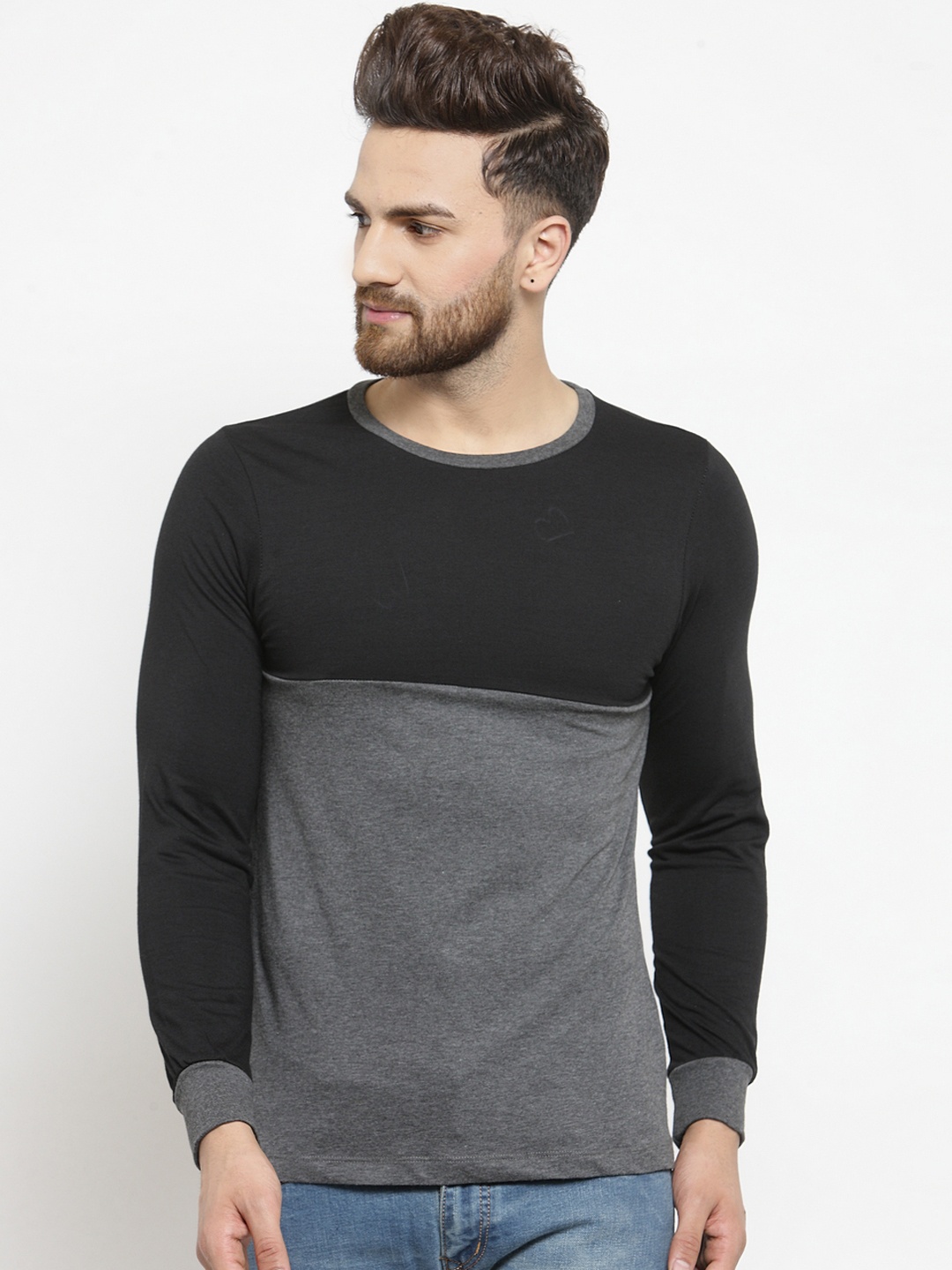
5. HERE&NOW Men Printed T-shirt
Dressing well is not a secret reserved for a select few. It is a skill, and like any skill, it improves with attention and practice.
Most mistakes stem not from lack of effort but from lack of understanding. Body shape, fit, proportion, and personal context, these are the quiet foundations of style. Ignoring them leads to outfits that feel slightly off, even if they look acceptable at first glance.
The encouraging part is that change does not require a complete wardrobe overhaul. Small adjustments, choosing better fits, paying attention to fabric, considering proportion, can create a noticeable difference.
Style is not about perfection. It is about alignment. When clothing aligns with the body and personality, confidence follows naturally.
And that, more than any trend or price tag, is what truly stands out.
(Disclaimer: This article may include references to or features of products and services made available through affiliate marketing campaigns. NDTV Convergence Limited (“NDTV”) strives to maintain editorial independence while participating in such campaigns. NDTV does not assume responsibility for the performance or claims of any featured products or services.)