Why Cotton Trousers Aren't Always Best for Daily Wear: 7 Fabric Myths Explained
Cotton trousers dominate daily wardrobes, but they aren't always the smartest choice. This article breaks down seven common fabric myths and explains when cotton works, and when other fabrics perform better. Top myths about cotton trousers everyone should know about before buying to avoid making costly mistakes.
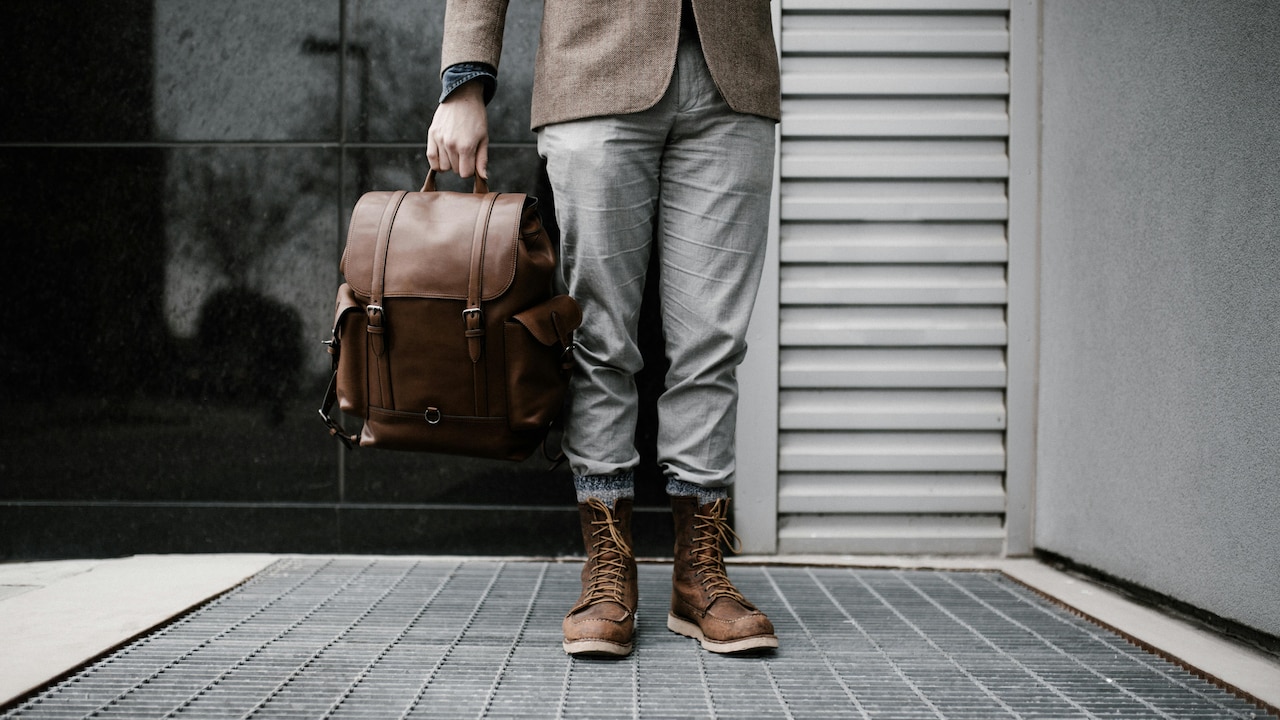
7 Trouser Fabric Myths To Stop Believing: Why Cotton Pants Arent Always Best for Daily Wear.
A typical morning starts with a familiar choice. The cotton trousers come out first, almost by reflex. They feel reliable, like a cup of chai that never disappoints. Over time, cotton gained a reputation as the hero of daily wear. Shops push it. Families recommend it. Tailors praise it. Yet life today looks different. Commutes stretch longer, weather shifts faster, and days mix work with errands and social plans. One fabric rarely meets all those demands. Fabric myths often pass down quietly, shared during shopping trips or festive tailoring sessions. These beliefs sound logical, so they rarely get questioned. Cotton breathes. Cotton lasts. Cotton suits all seasons. The truth sits somewhere in between. Blended fabrics, modern weaves, and newer fibres now offer features that cotton struggles to match.
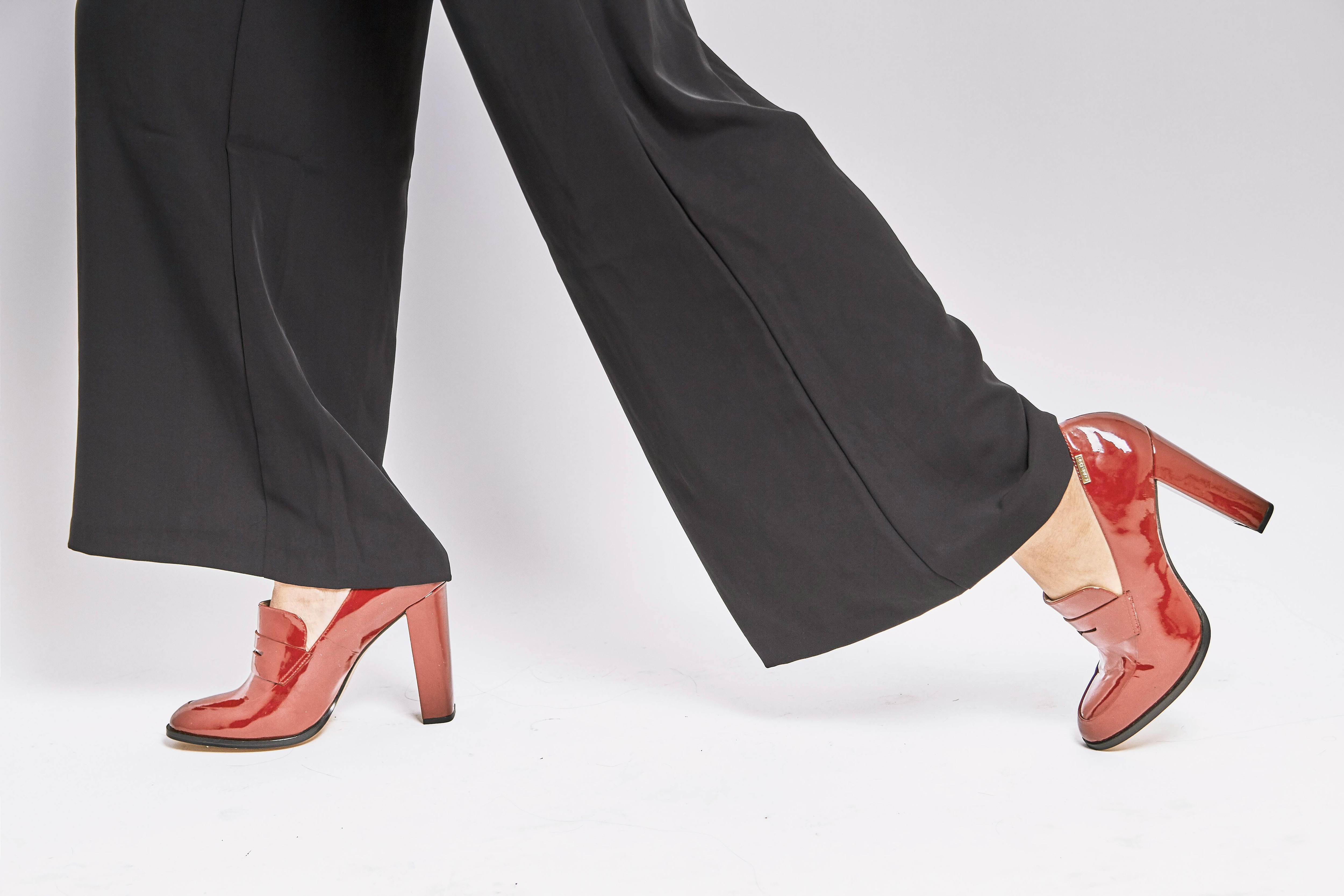
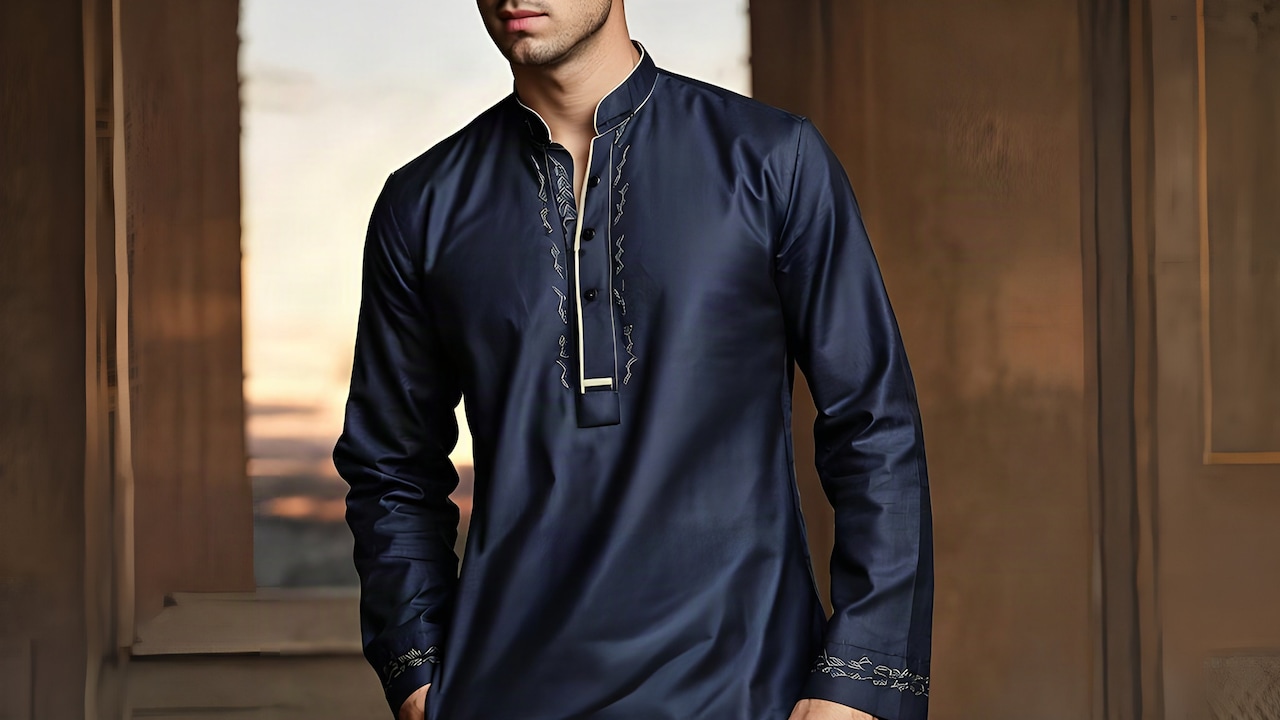
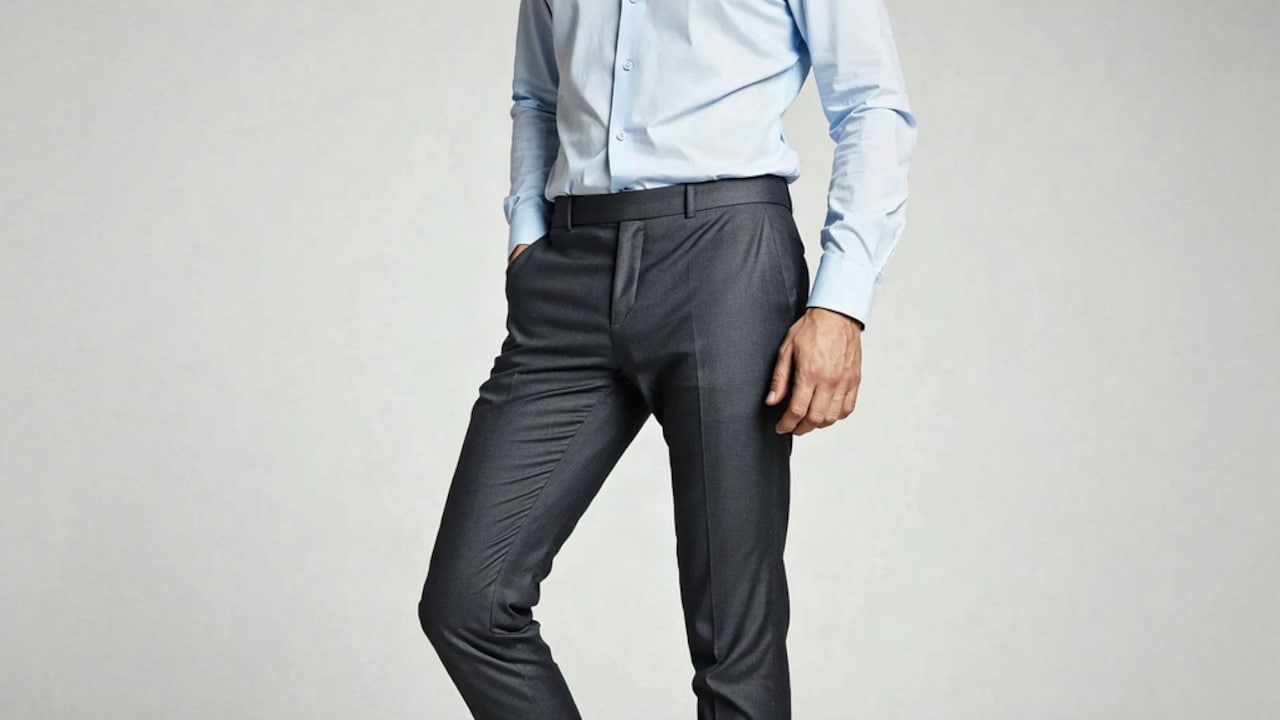
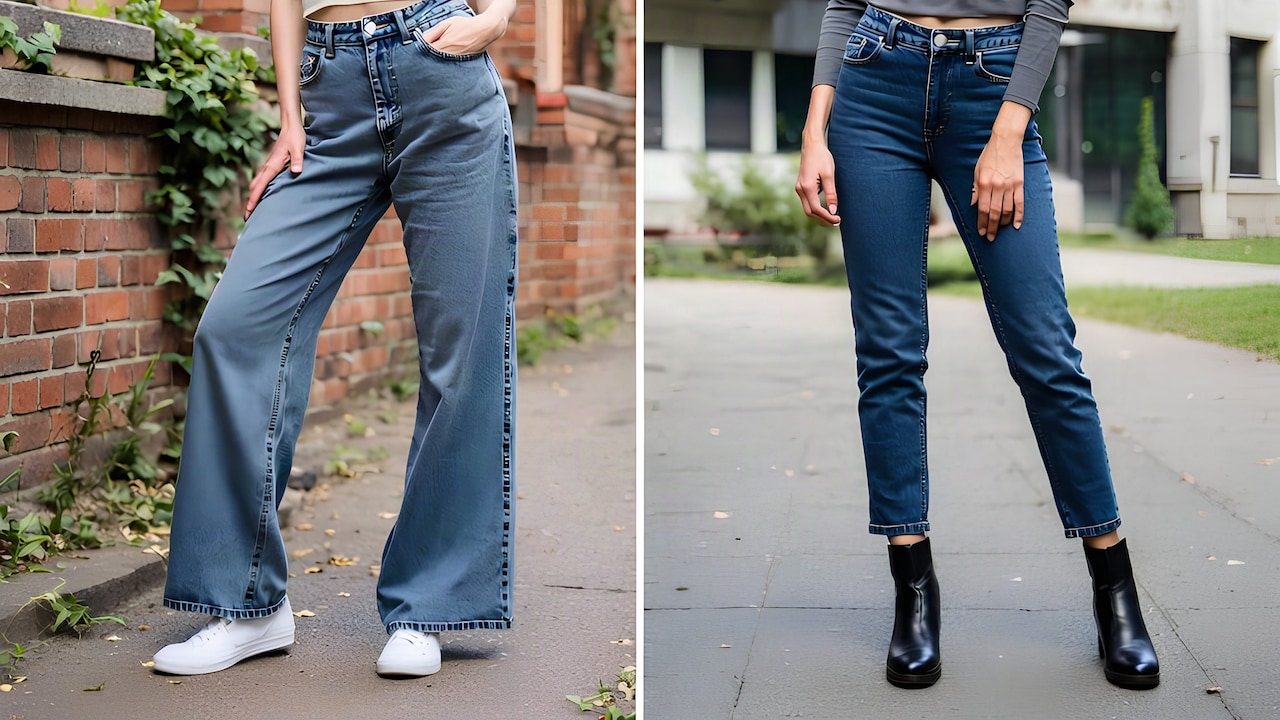
Explore common myths about cotton trousers before buying one; Photo Credit: Pexels
This piece takes a closer look at why cotton trousers aren't always best for daily wear and explains the 7 myths around fabrics. The aim stays simple. Help everyday wearers make smarter, more comfortable choices without ditching style or sense. Cotton still has its place. It just does not need blind loyalty.
Also Read: Best Cotton Trousers For Female Teachers Who Have To Stand All Day: 5 Comfortable Picks
Comfort, Climate And Common Sense: Where Cotton Gets Overrated
Myth 1: Cotton Trousers Are Always the Most Comfortable Option
Cotton comfort feels legendary. Soft to the touch, gentle on the skin, and familiar since childhood, cotton trousers feel like a natural pick. Yet comfort changes through the day. A fabric that feels fine at breakfast may feel heavy by afternoon.
Pure cotton absorbs moisture but dries slowly. During long hours outside, sweat stays trapped. That damp feeling leads to irritation and discomfort. Anyone stuck in traffic or rushing between meetings knows this feeling too well. Stretch cotton blends often feel lighter and move better with the body.
Modern fabrics mix cotton with elastane or polyester to improve flexibility and airflow. These blends reduce stiffness and creasing. They also allow better movement when climbing stairs or sitting cross-legged. Comfort comes from balance, not tradition.
Cotton still works well for relaxed evenings or short outings. For full-day wear, comfort demands adaptability. A fabric that stretches, breathes, and dries faster often wins over pure cotton. Comfort should support the day, not slow it down.
Myth 2: Cotton Is the Best Fabric for Hot Weather
Hot weather and cotton feel inseparable. The logic sounds simple. Cotton breathes, so heat escapes. While partly true, cotton also holds onto sweat. Once soaked, it stays wet for hours.
In humid conditions, this becomes a problem. Damp fabric sticks to skin and causes chafing. Linen blends, light wool, and modern performance fabrics manage moisture better. They allow sweat to evaporate faster, keeping the body cooler.
Many office trousers now use tropical wool blends. These fabrics feel airy and stay crisp even in the heat. They cost more upfront but save discomfort later. Spending ₹2,500 on smarter fabric beats suffering through long days.
Cotton shines in dry heat and breezy settings. It struggles in sticky weather and crowded spaces. Hot weather comfort depends on airflow and moisture control, not just breathability. The right fabric keeps the wearer fresh, not just cool at first touch.
Myth 3: Cotton Trousers Last Longer Than Other Fabrics
Durability often defines value. Cotton enjoys a strong reputation here. Thick cotton twills look sturdy and dependable. Yet frequent washing weakens cotton fibres faster than expected.
Pure cotton trousers fade, shrink, and lose shape over time. Knees bag out. Waistbands relax. After a year of regular use, many cotton pairs look tired. Blended fabrics resist this wear better. Polyester blends hold colour and shape longer.
Wool blends also surprise many wearers. Fine wool fibres bounce back after use and resist wrinkles naturally. With proper care, they outlast cotton trousers in daily rotation. Repairs also work better on blended fabrics.
Longevity depends on use, care, and fabric structure. Cotton works well when rotated and rested. Daily wear demands resilience. A fabric that returns to shape and resists fading often proves more durable than pure cotton. Value lies in performance over time, not just initial feel.
Myth 4: Cotton Is Easier to Maintain Than Other Fabrics
Cotton feels low-maintenance at first glance. Toss it in the wash, dry it, wear it again. Reality tells a different story. Cotton wrinkles easily and needs frequent ironing. Anyone battling a stubborn crease before work understands the struggle.
Shrinkage remains another issue. One careless hot wash can ruin the fit. Colour fading also creeps in after repeated washing. Dark cotton trousers lose depth faster than blended options.
Modern fabrics simplify care. Many blends offer wrinkle resistance and colour retention. They dry quicker and need less ironing. Some even allow a gentle machine wash without damage. That saves time and electricity.
Maintenance means effort over months, not just one wash. Cotton demands attention to stay sharp. Fabrics designed for daily wear reduce that burden. Less ironing and fewer worries bring real convenience. Easy care should support busy routines, not add extra tasks.
Myth 5: Cotton Trousers Suit Every Occasion
Cotton trousers sit in a comfortable middle ground. Casual yet neat, they appear versatile. Yet they rarely excel at extremes. Formal settings demand structure. Casual outings demand flexibility.
In offices with strict dress codes, cotton lacks sharpness. It creases quickly and loses its tailored look. Wool blends or structured synthetics maintain a cleaner silhouette. They look polished even after long hours.
On the casual side, cotton can feel stiff. Travel days, long walks, or festive gatherings require ease of movement. Stretch blends handle this better. They allow bending, sitting, and standing without restriction.
Occasion matters. No single fabric fits all moments. Building a wardrobe with variety makes sense. Cotton works well for relaxed meetings or short outings. Other fabrics rise to the occasion when demands change. Smart dressing starts with matching fabric to purpose.
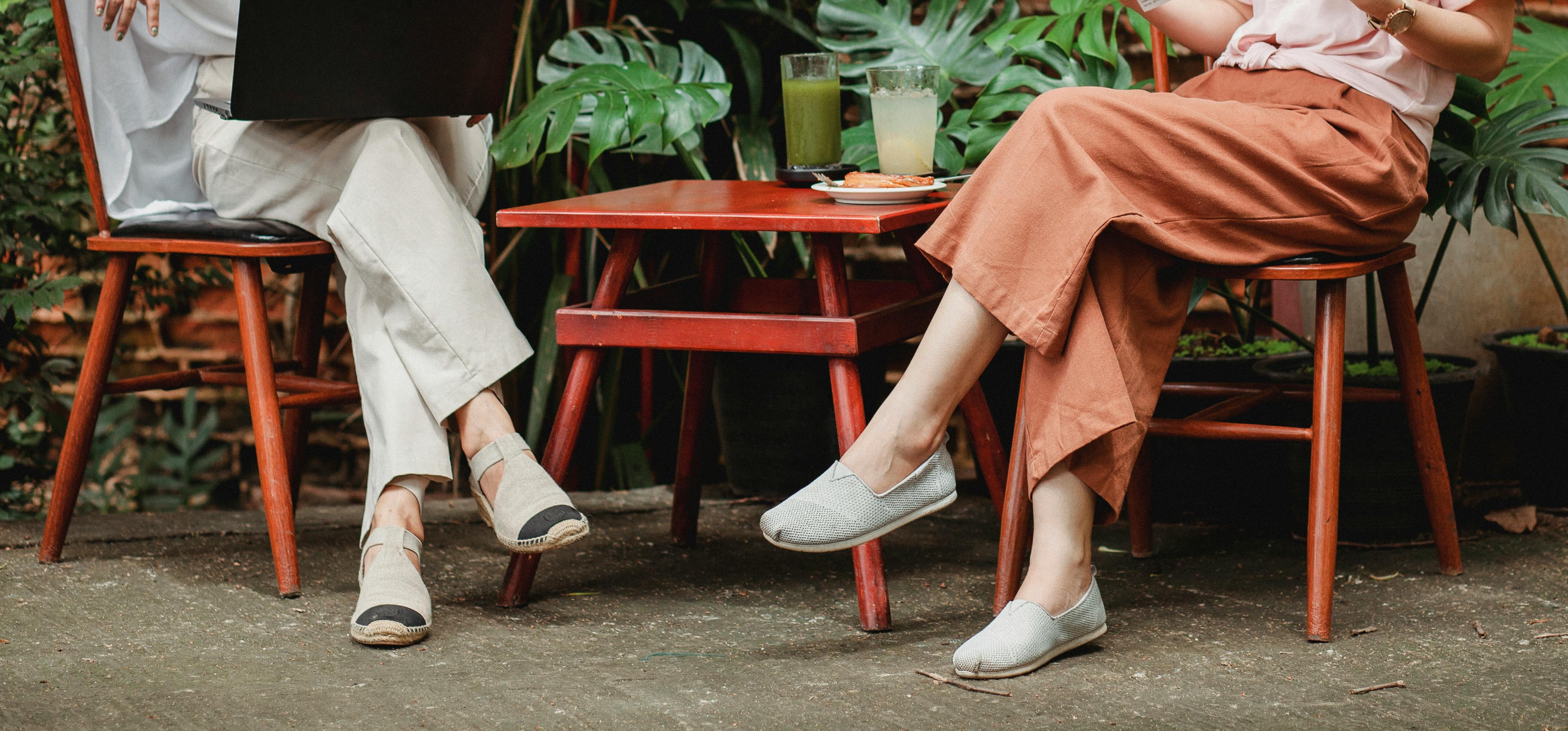
Cotton blends offer better stretch without restricting your movements; Photo Credit: Pexels
Myth 6: Cotton Is Always Better for Sensitive Skin
Sensitive skin often leads shoppers straight to cotton racks. Natural fibres feel safer. While cotton suits many, it does not suit all. Rough weaves and poor finishing irritate skin just as much as synthetics.
Some blended fabrics use smoother yarns and advanced finishes. These reduce friction and feel softer on the skin. Bamboo blends and modal fabrics offer gentle texture and moisture control. They help prevent rashes during long wear.
Cotton also traps sweat, which worsens skin issues. Moist environments encourage irritation. Fabrics that wick moisture away keep skin drier and calmer. Comfort depends on dryness as much as softness.
Skin sensitivity varies. Blanket rules rarely work. Trying different fabrics helps identify what truly feels good. Labels matter less than experience. A well-made blend can feel kinder to skin than coarse cotton. Listening to the body brings better comfort than following myths.
Myth 7: Cotton Trousers Offer the Best Value for Money
Value often equals affordability in the mind. Cotton trousers usually cost less upfront. That makes them appealing. Yet value extends beyond the price tag.
Frequent replacements raise long-term costs. Fading, shrinking, and loss of shape shorten lifespan. Buying two cotton trousers at ₹1,800 each within a year costs more than one durable blend at ₹3,500.
Blended fabrics reduce ironing, last longer, and look presentable for years. They also adapt to multiple settings, reducing the need for extra pairs. That saves money and wardrobe space.
Value also includes comfort and confidence. Feeling fresh through a long day holds worth. A trouser that supports movement and appearance delivers better returns. Cotton offers affordability, not always value. Smart spending considers durability, comfort, and versatility together.
Products Related To This Article
1. pesado Men Slim Fit Black Cotton Blend Trousers
2. Tokyo Talkies Women Tapered Pink Cotton Blend Trousers
3. GIBBONTE Men Regular Fit Grey Cotton Blend Trousers
4. Dockstreet Women Loose Fit Grey Cotton Blend Trousers
5. FUBAR Men Slim Fit Black Cotton Blend Trousers
Cotton trousers deserve respect, not blind devotion. They remain reliable for certain days and moods. Yet daily life now demands more. These 7 myths show how habits shape choices more than facts. Exploring blended fabrics opens new possibilities. Stretch, structure, and smart weaves enhance everyday wear. The wardrobe benefits from variety, not loyalty to one fibre. Cotton just stays part of the story and not the story itself.
(Disclaimer: This article may include references to or features of products and services made available through affiliate marketing campaigns. NDTV Convergence Limited (“NDTV”) strives to maintain editorial independence while participating in such campaigns. NDTV does not assume responsibility for the performance or claims of any featured products or services.)