Why Casual Trousers Feel Different Indoors And Outdoors
Casual trousers often feel relaxed indoors but oddly uncomfortable outside. Heat, posture, airflow, and social awareness quietly change how fabric behaves, making the same pair feel completely different.
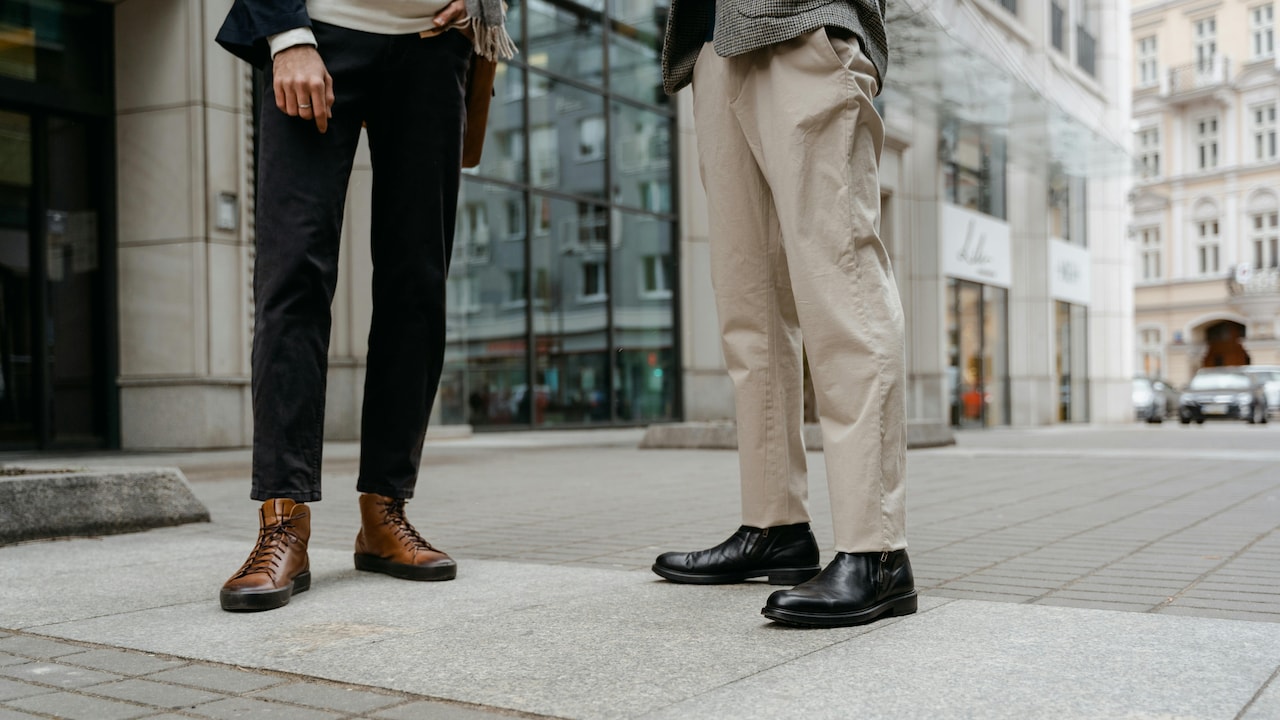
Why Do Casual Trousers Feel More Comfortable Indoors Than Outdoors? Find Out Here.
Casual trousers promise comfort. They hang in wardrobes as reliable companions for long days, short errands, and lazy evenings. Yet something curious happens between the living room and the street. Indoors, the trousers feel easy, forgiving, almost invisible. Step outside, and the same fabric may cling, crease, itch, or feel heavier. The body has not changed. The trousers have not changed. The surroundings have.
This shift often goes unnoticed, yet it shapes how people move, sit, and even think. From morning tea on the sofa to squeezing into an auto or walking under the sun, casual trousers react to space, temperature, posture, and mood. Homes offer controlled comfort, while the outdoors brings unpredictability. Dust, heat, humidity, and social awareness all play their part.
Understanding this contrast helps explain everyday discomforts and small irritations that rarely get named. It also sheds light on why certain trousers become “home-only” favourites, while others earn trust beyond the doorstep. The difference is not in the label, but in how environment and mind meet fabric.
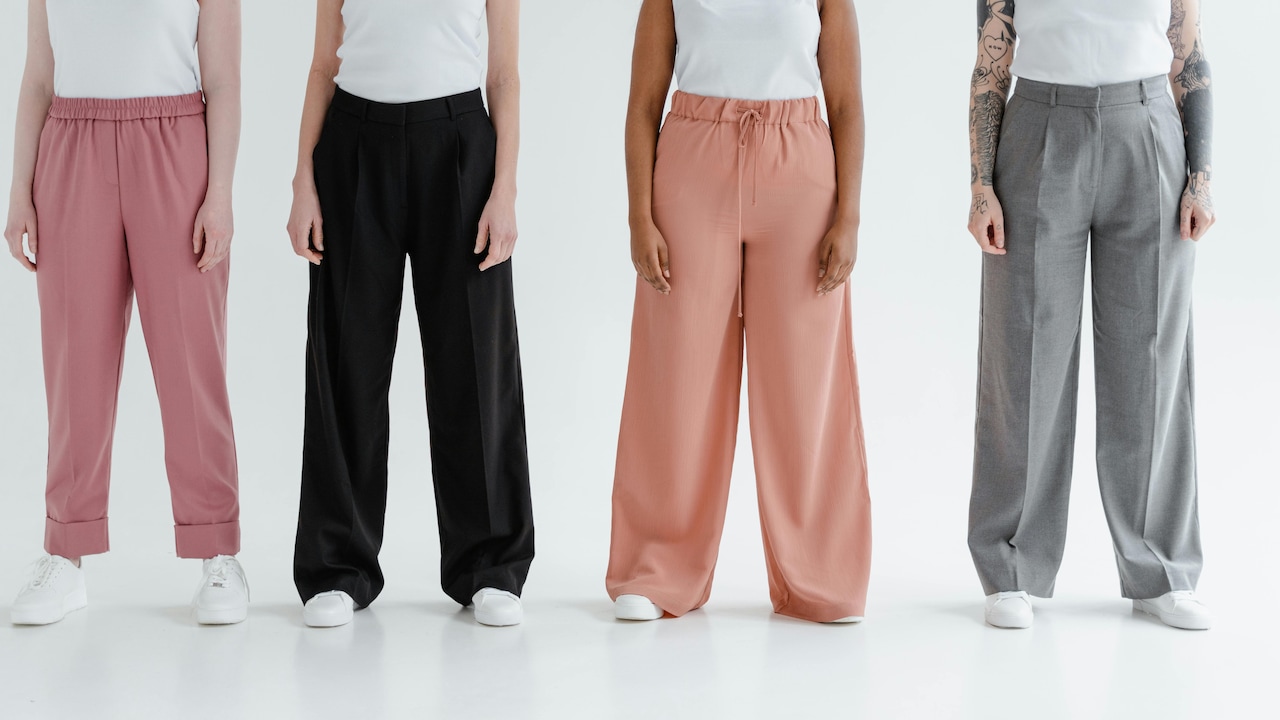
Why Casual Trousers Feel Different Indoors And Outdoors
Photo Credit: Pexels
Why Casual Trousers Feel Different Indoors And Outdoors
1. Fabric Behaviour Changes with Temperature
Fabric reacts to temperature more than expected. Indoors, ceiling fans, cool tiles, and shaded rooms keep air steady. Cotton trousers stay soft and breathable. Linen drapes well without clinging. Blended fabrics rest lightly on the skin.
Outdoors, heat builds fast. Sunlight warms the fabric surface. Humidity makes fibres swell. Cotton absorbs moisture and grows heavier. Linen creases sharply with movement. Synthetic blends trap warmth and reduce airflow. The trousers feel tighter, even though the fit remains the same.
This is why trousers that feel perfect during morning chores may feel restrictive during an afternoon walk. The body releases heat, and the fabric responds by holding or releasing moisture. Sweat changes texture and weight. The sensation shifts from comfort to awareness.
This change feels more dramatic in warm climates, where moving from shaded interiors to bright streets happens in seconds. The trousers simply follow physics, yet the body reads it as discomfort.
2. Posture Indoors Is More Relaxed
At home, posture softens. People sit cross-legged, sprawl on sofas, or stretch freely. Casual trousers accommodate these movements with ease. Waistbands loosen. Fabric folds naturally. No one worries about creases or shape.
Outdoors, posture straightens. Walking, standing in queues, or navigating traffic demands alertness. The body tightens slightly. Hips shift. Legs move in repeated patterns. Trousers respond by pulling at the knees, thighs, or waistband.
This contrast makes trousers feel different, even when nothing has changed. Indoors, the body leads and fabric follows. Outdoors, both negotiate space and balance. Every step tests flexibility and fit.
Even sitting differs. A cushioned sofa supports relaxed seating. A hard bench or plastic chair changes pressure points. Trousers press against the skin in new ways. Comfort becomes conditional.
3. Airflow and Ventilation Play a Quiet Role
Homes control airflow. Windows, fans, and curtains guide air gently. Casual trousers benefit from steady circulation. Fabric stays dry. Skin stays calm.
Outdoors, airflow turns unpredictable. A still lane traps heat. A sudden breeze lifts fabric. Traffic heat mixes with dust. Trousers react to every shift. Light fabrics may flutter, while heavier ones feel stifling.
Ventilation matters more than fit. Trousers that breathe well indoors may struggle outside if airflow drops. This explains why the same pair feels fine during indoor work yet uncomfortable during a short walk.
Urban spaces amplify this effect. Narrow streets block the wind. Open roads reflect heat. Trousers become part of this microclimate, shaping how heat and air move around the body.
4. Sweat Alters Texture and Sensation
Sweat changes everything. Indoors, sweat stays minimal. The body remains dry. Fabric feels smooth.
Outdoors, even mild activity triggers perspiration. Cotton absorbs it. Denim holds it. Blends react unevenly. The inner surface of the trousers becomes damp. Friction increases. Skin sensitivity rises.
This creates sensations described as stickiness, heaviness, or itching. The trousers have not failed. They are responding to moisture.
This shift explains why trousers that feel cosy during a movie night feel unbearable during a midday errand. Sweat turns fabric into a different material. The body notices every seam and fold.
Choosing trousers with moisture management helps, yet no fabric fully escapes this reality in warm conditions.
5. Social Awareness Changes Perception
Comfort is not purely physical. Indoors, privacy relaxes the mind. There is no audience. The body feels free to ignore small discomforts.
Outdoors, awareness sharpens. People notice how they look and move. A tight waistband or visible crease draws attention. This mental shift amplifies physical sensations.
A slightly stiff fabric feels more annoying when self-consciousness rises. Trousers that seemed fine indoors suddenly feel wrong outside. The mind magnifies minor issues.
This is why certain trousers become “home trousers.” They feel comfortable physically, but lack the confidence factor for public spaces. Comfort and confidence work together, not separately.
6. Surface Contact Makes a Difference
Floors at home feel familiar. Soft rugs, smooth tiles, or wooden surfaces support relaxed movement. Trousers glide easily when sitting or kneeling.
Outdoors, surfaces change constantly. Concrete benches, dusty steps, scooter seats, and office chairs all interact differently with fabric. Trousers pick up heat, dust, or static.
This contact alters how trousers feel against the skin. Fabric may stiffen slightly or cling due to static. Even clean trousers feel different after sitting on a warm surface.
These small interactions accumulate, shaping overall comfort. The trousers adapt to each surface, and the body registers every change.
7. Fit Feels Different with Movement Patterns
Indoors, movement stays limited. Walking distances remain short. Stretching happens naturally. Casual trousers accommodate these patterns well.
Outdoors, movement becomes repetitive. Walking long distances, climbing stairs, or riding a two-wheeler creates constant friction at specific points. Knees, inner thighs, and waistbands work harder.
This repeated motion highlights fit issues. Slight tightness becomes noticeable. Loose fabric rubs more. Trousers that felt forgiving indoors feel demanding outside.
This is why outdoor comfort depends heavily on cut and flexibility. Stretch panels, relaxed fits, and articulated knees perform better beyond the home.
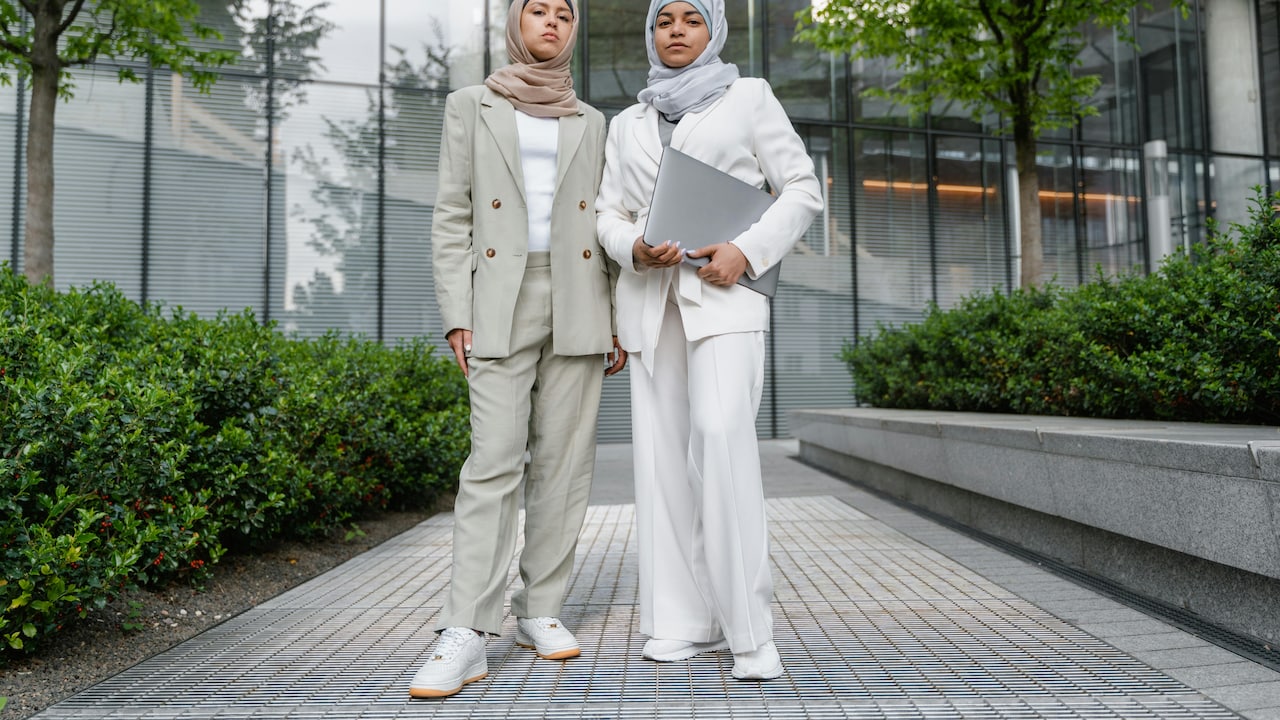
Why Casual Trousers Feel Different Indoors And Outdoors
Photo Credit: Pexels
8. Lighting Changes How Fabric Is Experienced
Lighting affects perception. Indoors, soft lighting flatters fabric. Colours look calmer. Creases fade into shadows.
Outdoors, harsh sunlight reveals everything. Texture, wrinkles, and wear become visible. The fabric feels more present on the body.
This visual awareness feeds into physical sensation. When trousers look stiff, they often feel stiff. When they look relaxed, the body mirrors that ease.
Bright light also warms fabric. Dark colours absorb heat faster. The trousers feel warmer, even before movement begins.
Lighting may seem unrelated to comfort, yet it shapes how fabric and body interact throughout the day.
9. Psychological Comfort of Home
Home offers emotional ease. Familiar smells, sounds, and routines calm the nervous system. Casual trousers become part of this comfort zone.
The outdoors bring noise, crowds, and unpredictability. The body stays alert. Muscles tense slightly. Sensory input increases.
This heightened state makes the body more sensitive to clothing. A tight seam or rough patch feels sharper. The trousers feel less forgiving.
This explains why the same trousers feel soothing at home and irritating outside. The difference lies in emotional context, not fabric quality.
10. Purpose Shapes Design Expectations
Casual trousers often serve dual roles. They promise comfort at home and presentability outside. Few designs excel at both.
Home comfort prioritises softness and looseness. Outdoor comfort demands durability and structure. When trousers lean towards one, the other suffers.
This mismatch creates the feeling of difference. The trousers perform well in one setting and struggle in another.
Understanding this helps make better choices. Some trousers earn their place as indoor favourites. Others become trusted companions for stepping out. Expecting one pair to do everything sets them up to disappoint.
Products Related To This Article
1. Roadster The Lifestyle Co Men Relaxed Fit Linen Trousers
2. SASSAFRAS Women Blue High-Rise Denim Parallel Trousers
3. Max Men Mid-Rise Regular Cotton Trousers
4. Moda Rapido Women Trousers
5. HARPITA Men Trousers
6. IVOC Women Straight Fit High-Rise Cargos Trousers
7. Nautica Men Chinos Trousers
Casual trousers do not change between indoors and outdoors. The world around them does. Temperature, airflow, posture, sweat, surfaces, and social awareness all shape how fabric feels on the body. Homes offer control and comfort. Streets offer movement and unpredictability.
This contrast explains why favourite trousers feel perfect on the sofa yet awkward at the corner shop. It also highlights the quiet intelligence of clothing, responding constantly to the environment and emotion.
Recognising these shifts encourages kinder expectations. Not every pair needs to work everywhere. Some belong to slow mornings and evening tea. Others rise to the challenge of sun, dust, and long walks.
Comfort lives at the intersection of fabric, body, and place. Casual trousers simply follow the rules of that relationship, one step at a time.
(Disclaimer: This article may include references to or features of products and services made available through affiliate marketing campaigns. NDTV Convergence Limited (“NDTV”) strives to maintain editorial independence while participating in such campaigns. NDTV does not assume responsibility for the performance or claims of any featured products or services.)