Glass vs Ceramic Teapots: Which One Is More Practical For Daily Use
Glass and ceramic teapots both have loyal fans, but which one truly works better for daily use? This article compares durability, heat retention, taste, cleaning and value to help choose the more practical option.
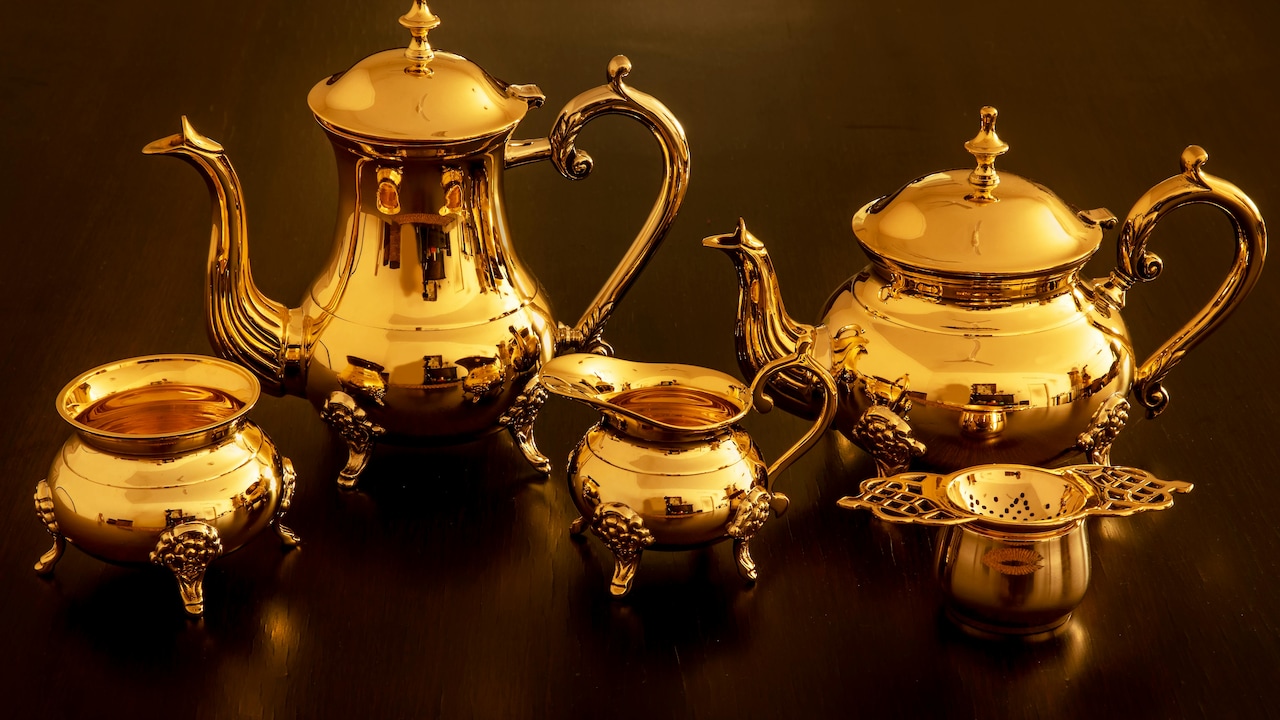
Glass vs Ceramic Teapots For Daily Use: Pros, Cons And Practical Choice.
Tea remains more than a beverage. It signals pauses between work calls, anchors morning routines and fuels conversations that stretch long into the evening. In many homes, the teapot sits at the centre of this ritual, pulled out several times a day without much thought. Yet, the material of that teapot can quietly shape the experience.
Glass and ceramic teapots dominate modern kitchens. One feels light, modern and transparent. The other feels warm, timeless and dependable. Both promise good tea, yet daily life places different demands on them. From hurried weekday mornings to relaxed weekend catch-ups, practicality matters more than aesthetics alone.
This discussion dives into real-life use rather than showroom appeal. It looks at durability, ease of cleaning, heat retention, flavour impact and even how each teapot fits into everyday habits. The goal stays simple: to help tea lovers choose a teapot that works as hard as they do, without fuss or disappointment.
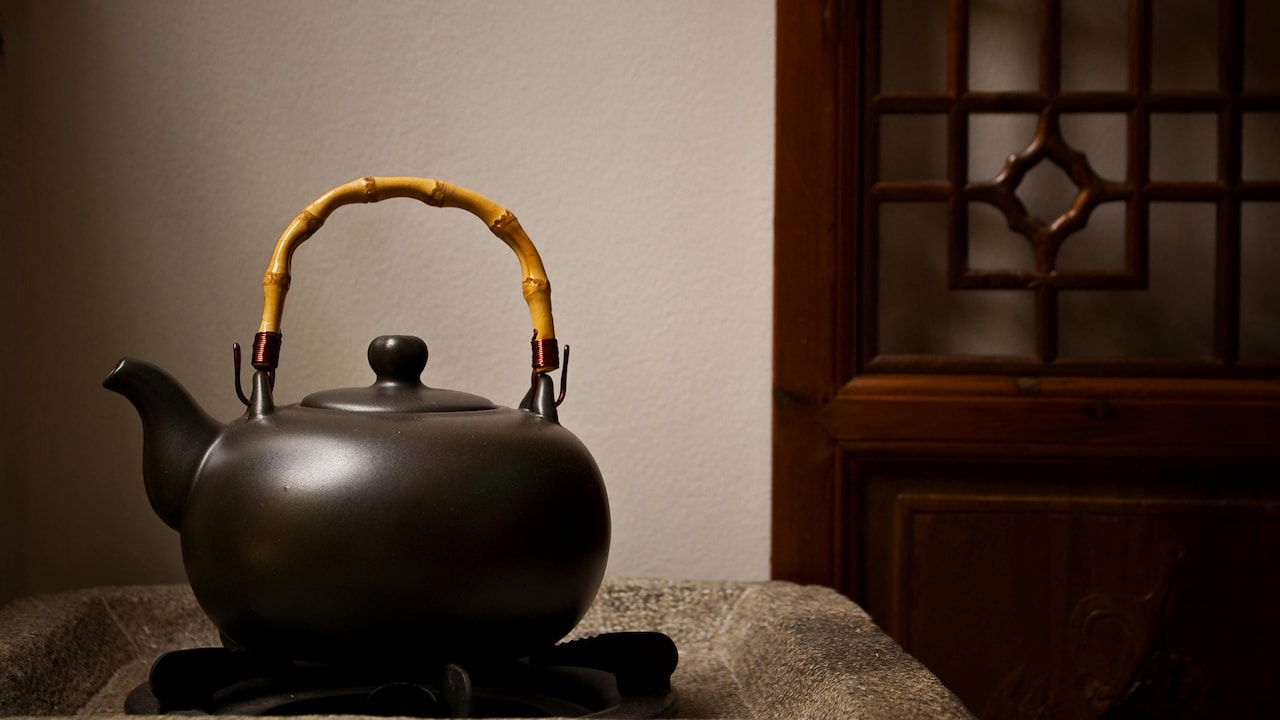
Glass vs Ceramic Teapots: Which One Is More Practical For Daily
Photo Credit: Pexels
A Practical Look At Glass And Ceramic Teapots For Everyday Use
1. First Impressions and Everyday Appeal
Glass teapots often catch attention at first glance. Watching tea leaves unfurl in hot water feels calming, almost therapeutic. The clear body turns brewing into a small performance, which feels refreshing during slow afternoons. Ceramic teapots, on the other hand, do not try to impress visually. They rely on familiarity. Many kitchens already house one, sometimes passed down or bought years ago without much thought.
In daily use, appearances quickly take a back seat. Glass demands careful handling. A slight knock against the sink or counter can cause worry. Ceramic feels more forgiving. Even with minor chips or stains, it continues to serve without complaint. During busy mornings, when tea gets brewed half-asleep, this reliability matters.
That said, glass teapots add charm when guests arrive. They elevate casual tea sessions and feel special without much effort. Ceramic suits routines better. It blends into daily life, ready for repeated use without drawing attention to itself.
2. Durability Under Daily Pressure
Daily life tests kitchenware in unexpected ways. Teapots get knocked, stacked, rinsed hurriedly and sometimes forgotten on the stove. Ceramic teapots usually handle this chaos better. Thick walls offer resilience. Small bumps rarely cause cracks, making them ideal for homes with constant movement.
Glass teapots vary widely in strength. Borosilicate glass handles heat well, yet physical impact remains a concern. A single slip can turn an expensive teapot into shards. This risk feels manageable for careful users but stressful for bustling households.
Over time, ceramic teapots develop a lived-in feel. Minor wear blends into their character. Glass shows every scratch and chip clearly, which can feel disappointing. For everyday use, durability often trumps beauty. A teapot that survives daily handling without anxiety earns its place faster than one that demands constant care.
3. Heat Retention and Brewing Comfort
Tea tastes best when brewed and served at the right temperature. Ceramic teapots excel here. Thick walls trap heat, keeping tea warm longer. This proves useful during long conversations or slow sipping sessions. There is no rush to finish the cup before it turns cold.
Glass teapots lose heat faster. The transparency looks elegant, yet it offers little insulation. Tea cools quickly, especially in air-conditioned rooms or during winter evenings. Frequent reheating becomes necessary, which disrupts the flow of relaxed tea breaks.
For those who enjoy multiple cups from one brew, ceramic provides better comfort. Glass works well for quick servings or delicate teas that benefit from precise temperature control. In daily routines, where distractions pull attention away, heat retention becomes a quiet but crucial factor.
4. Taste and Aroma Preservation
Tea lovers often swear that material affects flavour. Ceramic teapots generally remain neutral. They do not interfere with aroma or taste, even after years of use. This makes them ideal for switching between strong masala blends and lighter infusions without flavour mixing.
Glass also stays neutral but highlights brewing flaws. Over-steeping or poor-quality leaves become obvious both visually and in taste. This transparency encourages mindful brewing but can frustrate those who prefer effortless tea.
Ceramic teapots forgive mistakes. Slightly over-brewed tea still tastes balanced. Glass demands attention. For daily use, especially during rushed mornings, this forgiveness matters. Taste consistency often wins over perfection when tea serves as fuel rather than a ceremony.
5. Cleaning and Maintenance Realities
Cleaning a teapot sounds simple until daily stains appear. Ceramic teapots hide stains well. Even when tea marks build up inside, the exterior remains presentable. Occasional deep cleaning keeps them fresh without much effort.
Glass teapots show everything. Tea residue, water spots and fingerprints appear quickly. Frequent cleaning becomes necessary to maintain their appeal. While glass cleans easily with proper care, the effort adds up over time.
In households where tea brews several times a day, maintenance fatigue sets in. Ceramic offers relief. It allows focus on tea rather than upkeep. Glass suits those who enjoy the ritual of care as much as the brew itself.
6. Safety in Daily Handling
Handling hot liquids demands safety. Ceramic teapots usually feature sturdy handles that stay cooler. Pouring feels secure, even with a full pot. Lids sit snugly, reducing spills.
Glass teapots can become hot all over. Handles heat up quickly, especially on cheaper models. This increases the risk of burns during hurried pours. Lids sometimes shift, demanding careful handling.
In family settings, safety concerns multiply. Ceramic offers peace of mind. Glass requires attentiveness. For everyday use, especially around children or elders, safety considerations often guide choices more than aesthetics.
7. Versatility Across Tea Types
Daily tea habits vary. Strong milk tea in the morning, lighter brews in the evening and herbal infusions at night. Ceramic teapots handle this variety with ease. They adapt without retaining previous flavours.
Glass teapots shine with herbal and green teas. Watching leaves bloom enhances the experience. For strong teas, the visual appeal matters less, and heat retention becomes more important.
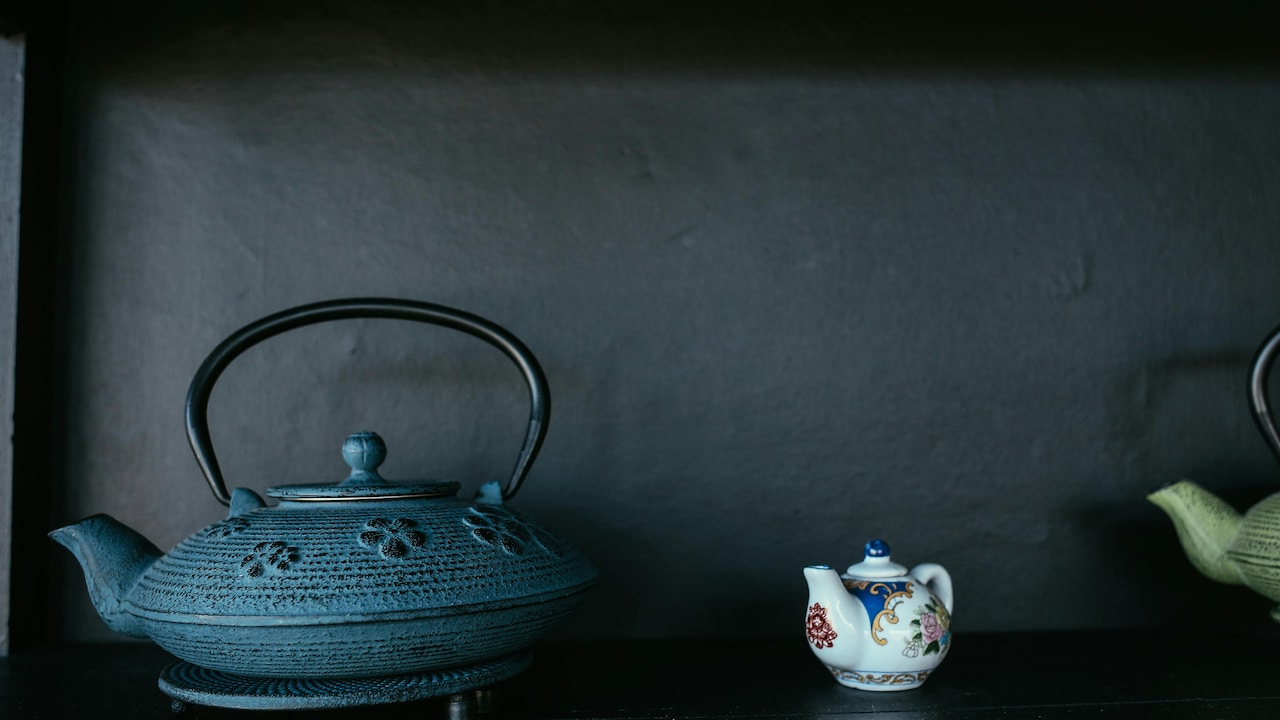
For households that stick to one type of tea most of the day, ceramic proves versatile. Glass suits those who enjoy experimenting and slowing down. Daily practicality often leans towards consistency rather than variety.
Glass vs Ceramic Teapots: Which One Is More Practical For Daily
Photo Credit: Pexels
8. Storage and Space Considerations
Kitchen space often feels limited. Ceramic teapots stack well and store easily. Their opaque nature hides minor dust or wear during storage.
Glass teapots demand careful placement. They cannot stack easily and need protective space. Constant movement increases the risk of damage.
In compact kitchens, simplicity wins. Ceramic blends into shelves without worry. Glass requires planning. Over time, this difference affects daily convenience more than expected.
9. Cost and Long-Term Value
Price influences daily choices. Ceramic teapots come in a wide range, from affordable to artisanal. Even budget options last for years. Replacement feels manageable if needed.
Glass teapots often cost more, especially durable ones. Replacement after breakage adds up. Over time, ceramic offers better value for daily use.
Investing once and forgetting about it appeals to many. Ceramic fits that mindset. Glass feels like a luxury that demands continued investment.
10. Emotional Connection and Habit Formation
Tea habits form emotional bonds. Ceramic teapots often become part of family stories. They witness countless conversations and quiet moments. Their presence feels comforting.
Glass teapots feel modern and exciting but less sentimental. Their fragility prevents long-term attachment. They come and go.
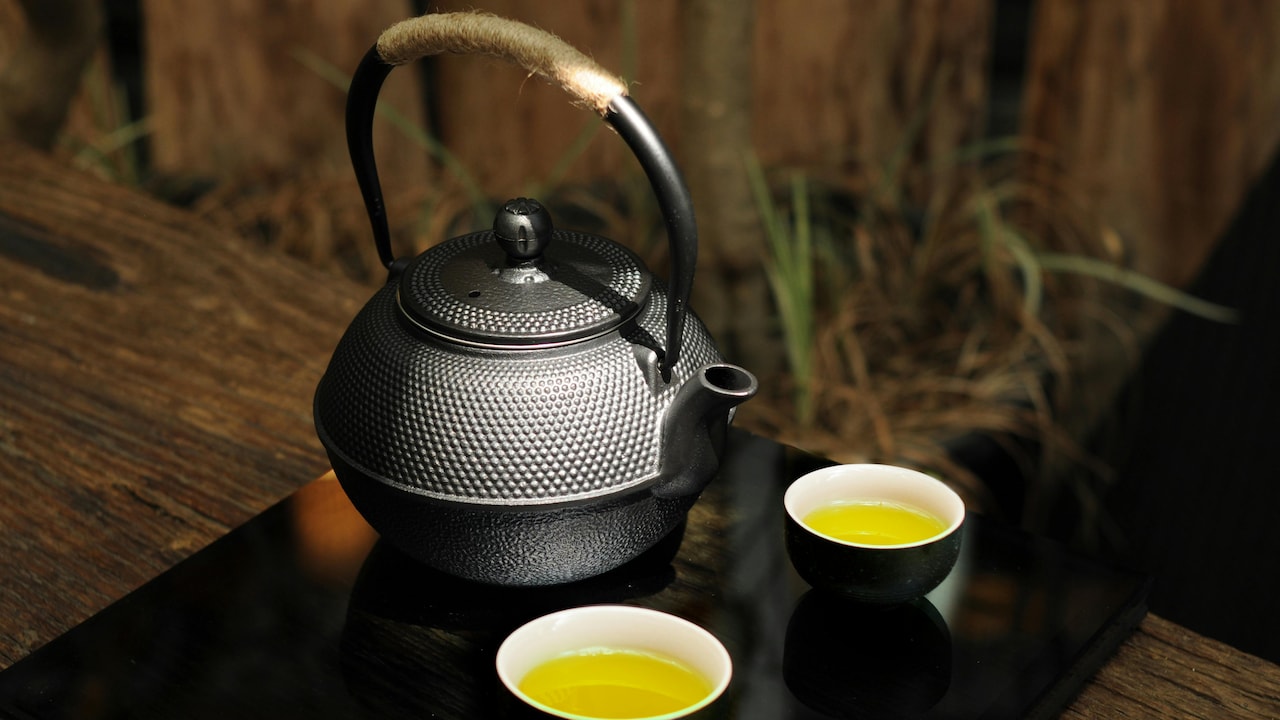
Daily practicality includes emotional ease. Reaching for a familiar ceramic teapot feels effortless. It supports routines without demanding attention. That quiet reliability often defines true practicality.
Glass vs Ceramic Teapots: Which One Is More Practical For Daily
Photo Credit: Pexels
Products Related To This Article
1. UMAI Transparent Borosilicate Glass Textured Tea Pot With Removable Infuser & Lid
2. CLAY CRAFT White Floral Printed Ceramic Glossy Kettle
3. GOODHOMES Transparent Solid Glass Kettle
4. CLAY CRAFT Pink & Green Printed Ceramic Glossy Kettle 1L
5. BOROSIL Transparent & Black Microwave safe Glass Kettle
6. Chumbak Red Wildflower Ceramic Kettle
7. NATURALLY YOURS Transparent Glassware Tea Pot
Both glass and ceramic teapots bring unique strengths. Glass offers beauty, precision and visual pleasure. Ceramic offers durability, warmth and ease. For daily use, where time runs short and routines matter, ceramic teapots generally prove more practical. They forgive mistakes, retain heat and handle daily wear with grace.
Glass teapots still deserve a place. They shine during relaxed moments and special occasions. Yet, when choosing a teapot to brew countless cups without worry, ceramic stands out as the dependable companion that quietly supports everyday tea rituals.
(Disclaimer: This article may include references to or features of products and services made available through affiliate marketing campaigns. NDTV Convergence Limited (“NDTV”) strives to maintain editorial independence while participating in such campaigns. NDTV does not assume responsibility for the performance or claims of any featured products or services.)