Why Do Lightweight Shrugs Stretch Faster Than Cardigans? The Surprising Reasons Explained
Lightweight shrugs often lose shape faster than cardigans. The reason lies in fabric weight, open designs, and daily wear habits. Understanding these factors reveals why these stylish layers stretch sooner than expected.
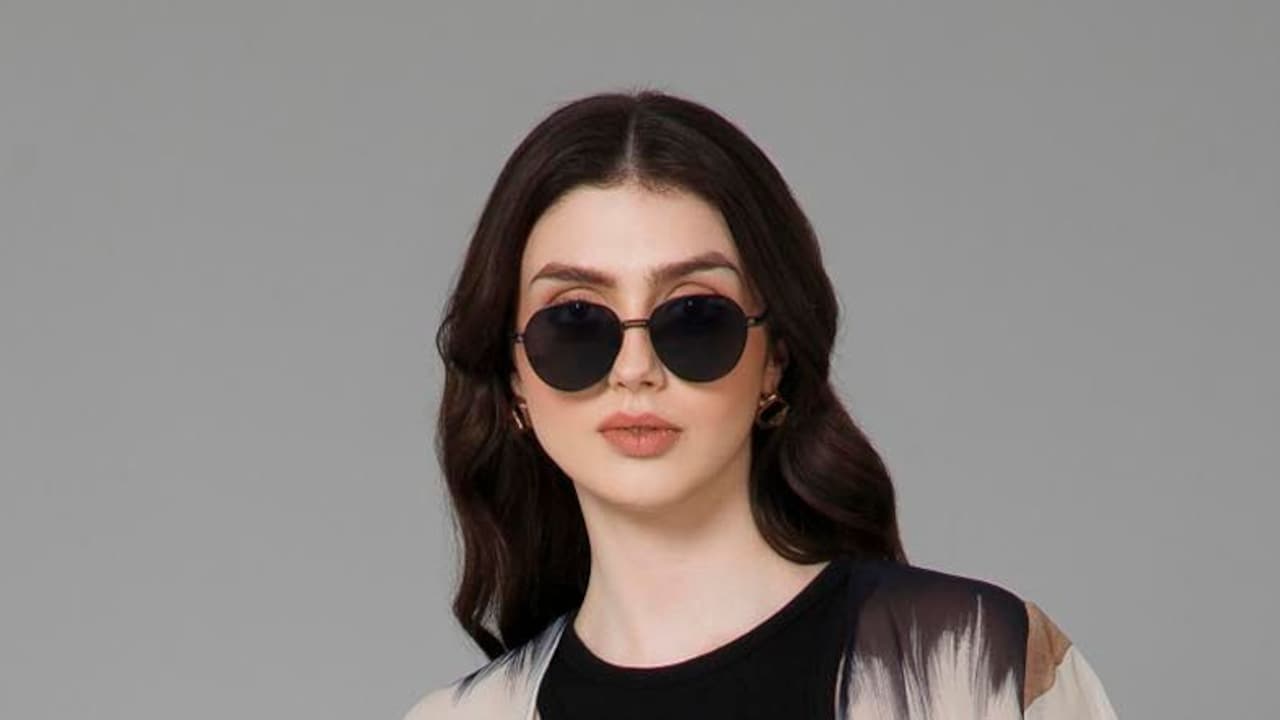
Here Are The Top Reasons Why Lightweight Shrugs Stretch Out Faster Than Cardigans.
A lightweight shrug often feels like the perfect finishing touch. Slip one over a sleeveless top during a slightly breezy evening, and suddenly the outfit looks complete. Markets from Bandra to Lajpat Nagar overflow with colourful shrugs that promise effortless style at prices as friendly as ₹500 or ₹800. Fashion lovers adore them for their versatility.
However, the excitement rarely lasts long. After just a few weeks of use, many shrugs begin to sag. Sleeves stretch, shoulders droop, and the garment no longer sits neatly. Meanwhile, a cardigan purchased months earlier still keeps its structure and shape.
This difference raises an interesting question. Why do lightweight shrugs stretch out so quickly while cardigans remain dependable for much longer? The answer does not come from a single factor. Fabric structure, garment construction, climate, and even daily habits all contribute to the outcome.
Understanding these small details transforms how people choose and care for clothing. A shrug might seem simple, but its behaviour tells a deeper story about fashion, materials, and everyday life.
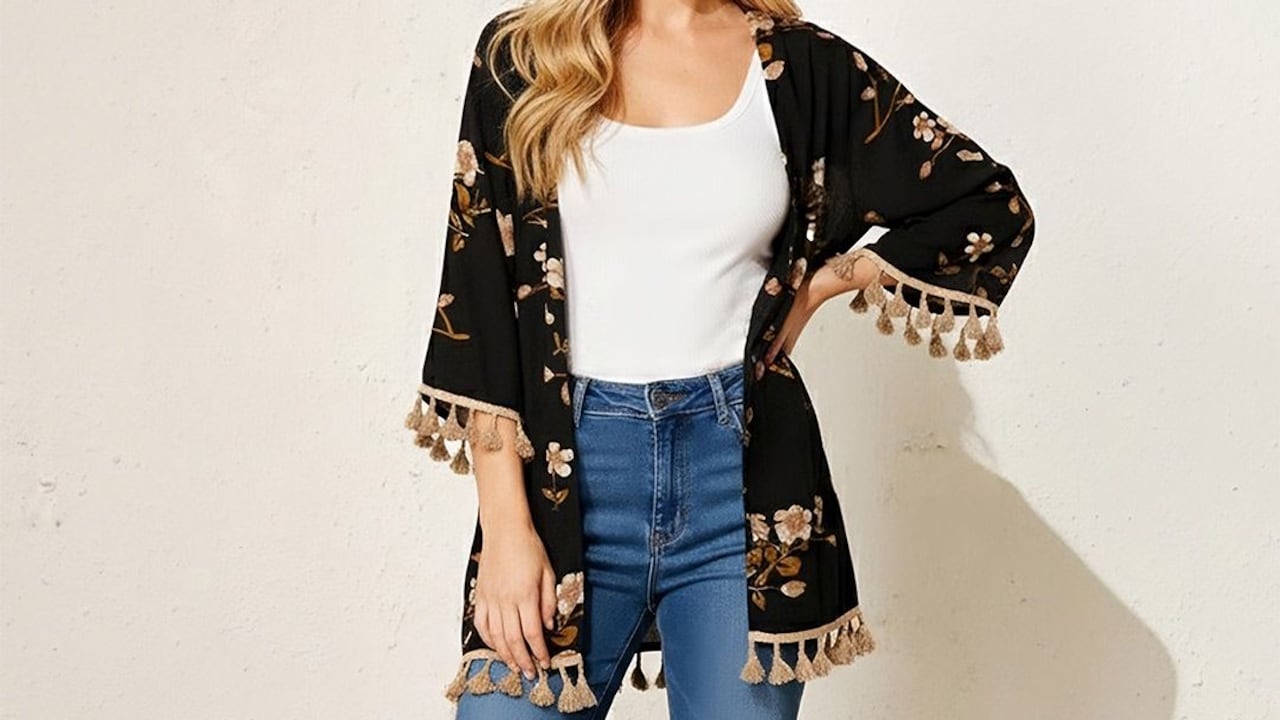
Why Lightweight Shrugs Stretch Out Faster Than Cardigans: And What's Really Behind It
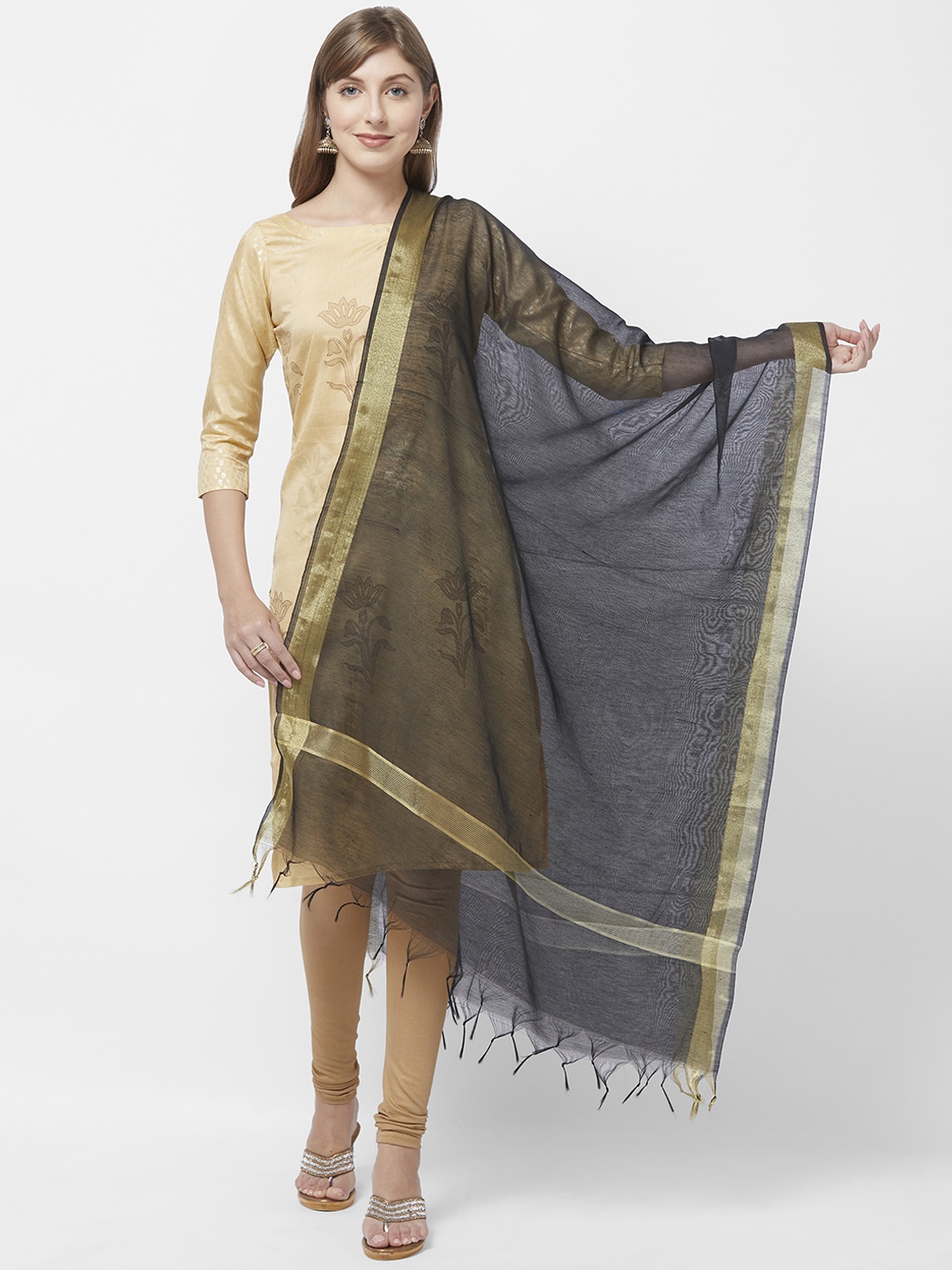
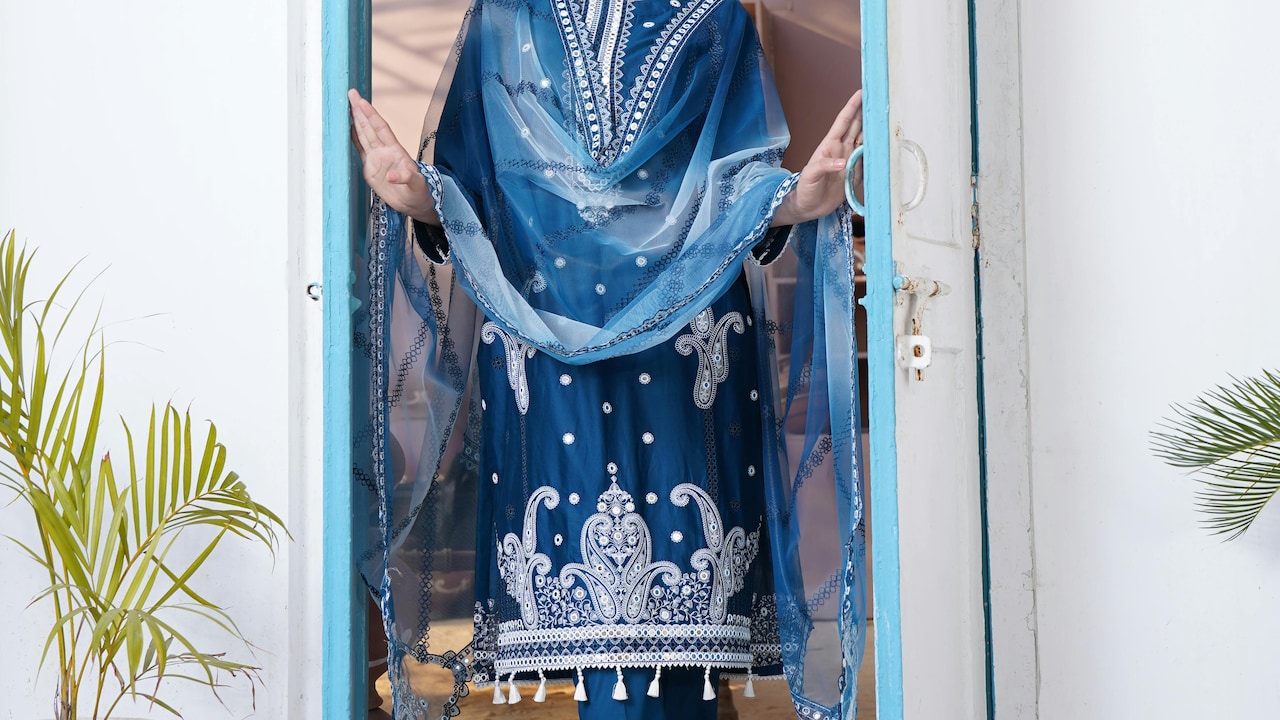
Photo Credit: Myntra
What Causes Lightweight Shrugs To Stretch Faster Than Cardigans
Fabric Weight Changes Everything
Fabric weight plays the first and perhaps most obvious role. Lightweight shrugs use thin yarns and loosely knitted structures. These materials create breathability and comfort, especially during humid afternoons or mild evenings. Yet the same airy structure leaves the garment vulnerable to stretching.
Thin yarns struggle to maintain tension after repeated wear. When shoulders carry even a small handbag strap or when sleeves get tugged during daily movement, the fibres slowly lose their elasticity. Over time, the shrug begins to sag.
Cardigans usually rely on heavier yarns. Denser knits hold their shape more effectively because the fibres support one another. Even affordable cardigans sold for around ₹1,200 often use thicker cotton or acrylic blends that resist stretching.
Lightweight shrugs, however, prioritise elegance over durability. Designers intentionally choose soft, flowing fabrics to create that relaxed drape. The result feels comfortable and stylish, but structural stability takes a back seat.
Fashion sometimes behaves like a balancing act between beauty and strength. In the case of lightweight shrugs, beauty often wins.
Open Front Designs Create Structural Weakness
Most shrugs feature open-front designs without buttons, zippers, or closures. This choice creates a relaxed silhouette that pairs beautifully with dresses or sleeveless tops. Yet the absence of structural support affects the garment more than expected.
When a cardigan includes buttons or a placket, those elements reinforce the front panels. The fabric distributes weight evenly across the garment. A shrug lacks this support system. Gravity pulls the front edges downward every time the garment hangs on the body.
Over time, this constant downward pull stretches the knit near the shoulders and neckline. The shrug gradually loses its original shape. Even careful wear cannot completely prevent this effect.
Imagine a cotton shrug bought from a popular high-street store for ₹699. After several evenings of casual use, the front edges begin to look uneven. Meanwhile, a cardigan with buttons still maintains a tidy outline.
The difference lies not in quality but in construction. Designers build shrugs for fluid movement rather than rigid stability. The open-front style remains charming, yet it quietly invites stretching.
Climate Plays A Surprisingly Large Role
Warm climates introduce another challenge for lightweight fabrics. Heat and humidity influence textile behaviour more than most people realise. Fibres absorb moisture from the air, which causes them to relax and expand slightly.
Lightweight shrugs, often made from cotton blends or rayon, react strongly to this environmental moisture. After several hours outdoors, especially during monsoon months, the fibres soften and lose tension. Once stretched, the fabric rarely returns fully to its original form.
Cardigans handle this situation better because their thicker knit structures resist expansion. Dense yarns limit how much moisture can alter the garment's shape.
Consider a weekend outing in a coastal city. A lightweight shrug worn through humid weather might feel softer by evening but also noticeably looser. The sleeves appear longer, and the shoulders may slide down slightly.
Humidity quietly accelerates stretching without drawing much attention. Fashion advice often focuses on washing techniques, yet the climate itself shapes how clothing behaves over time. Lightweight garments simply struggle more in moisture-heavy environments.
Shoulder Stress From Everyday Accessories
Modern outfits rarely travel alone. Handbags, sling bags, laptop bags, and tote bags often rest directly on the shoulders. This habit places continuous pressure on lightweight fabrics.
Shrugs feel particularly vulnerable because their knit structures remain delicate. When a heavy tote filled with books or groceries presses against the shoulder seam, the yarn slowly stretches. Repeated pressure exaggerates the effect.
Cardigans resist this stress more effectively due to stronger seams and thicker material. The weight is distributed across sturdier fabric layers rather than pulling on thin threads.
Picture a college student carrying a ₹2,000 backpack while wearing a delicate shrug over a sleeveless kurti. By the end of the semester, the shrug's shoulders begin to droop. The cardigan worn on colder mornings still looks presentable.
Fashion often interacts with lifestyle choices in unexpected ways. Lightweight garments simply cannot compete with the daily weight of bags, shopping, or commuting essentials. Over time, gravity wins again.
Washing Habits Quietly Stretch Fibres
Laundry routines influence clothing durability more than many wardrobes admit. Lightweight shrugs require gentle handling, yet busy schedules often lead to quick machine washes.
When delicate knits spin inside washing machines, water weight pulls on the fibres. Even mild cycles create enough movement to stretch the fabric slightly. Repeated washes gradually alter the garment's shape.
Cardigans usually tolerate machine washing better. Their thicker yarns and stronger stitches endure agitation without dramatic changes.
A shrug purchased for ₹850 may look perfect during the first few weeks. After several washes, however, the sleeves appear longer, and the hemline begins to wave unevenly. The garment still looks attractive, yet the original structure disappears.
Drying methods also matter. Hanging a wet shrug on a clothesline allows gravity to stretch the damp fibres further. Flat drying prevents this issue, but rarely fits into busy routines.
Laundry seems ordinary, yet it quietly reshapes clothing over time.
Knit Patterns Influence Elasticity
The knitting pattern determines how fabric behaves under tension. Lightweight shrugs frequently use loose jersey or open-knit patterns that create softness and airflow. These patterns also stretch more easily.
Open knits allow yarn loops to move freely. While this flexibility feels comfortable during wear, it reduces structural stability. Once stretched, the loops struggle to return to their original position.
Cardigans often rely on ribbed knits or tighter stitch patterns. These structures act like tiny springs, pulling the fabric back into shape after movement. The result looks neater for longer periods.
This difference becomes noticeable after months of wear. A cardigan purchased for ₹1,500 may still look structured, while a shrug bought at half that price appears relaxed and slightly oversized.
Designers understand these trade-offs well. Loose knits create graceful draping and breathable comfort. Tighter patterns offer durability. Lightweight shrugs embrace softness, even if that softness shortens their lifespan.
Sleeve Design Encourages Stretching
Sleeves may appear simple, yet their design strongly influences garment longevity. Many shrugs feature elongated or fitted sleeves that rely on stretchy fabric rather than structured tailoring.
This design works beautifully at first. The sleeves hug the arms gently without restricting movement. However, constant bending at the elbows gradually weakens the knit.
Once stretched, the sleeves begin to lose their fitted shape. The cuffs may slide down toward the hands, creating a slightly slouchy appearance. Some fashion enthusiasts enjoy this relaxed style, though others find it untidy.
Cardigans often include ribbed cuffs that hold the sleeve firmly around the wrist. These elastic sections protect the rest of the sleeve from excessive stretching.
A shrug worn during long workdays or casual outings faces repeated elbow movement. After several months, the difference becomes obvious. The cardigan still looks crisp, while the shrug appears softer and less defined.
Sleeve construction quietly shapes how garments age.
Hangers And Storage Habits Matter
Closet habits influence clothing shape more than expected. Many wardrobes rely on hangers for convenience, yet lightweight shrugs rarely handle hanging storage well.
When a shrug hangs from narrow hangers, gravity pulls downward on the shoulder seams. Over weeks or months, this constant tension stretches the knit around the neckline. The shoulders slowly develop a curved or drooping shape.
Cardigans resist this issue better because their heavier fabrics distribute weight more evenly. Still, even sturdy garments benefit from proper storage.
Folding lightweight shrugs preserves their shape far better than hanging them. Yet busy mornings rarely leave time for such careful organisation.
Imagine a neatly organised wardrobe where shrugs purchased during festive sales for ₹600 or ₹900 hang beside structured sweaters. After several weeks, the shrugs begin to look slightly warped. The sweaters remain unchanged.
Small habits inside the closet quietly influence how garments age.
Budget Fashion And Fibre Blends
Affordable fashion often relies on synthetic fibre blends to keep prices accessible. These blends include polyester, rayon, or acrylic mixed with cotton. While comfortable, some blends stretch more easily than natural fibres.
Manufacturers select these materials to reduce production costs and create softer textures. The final garment looks attractive on store racks and feels pleasant against the skin. However, elasticity may increase unintentionally.
A shrug sold during seasonal sales for ₹499 might contain fibres designed for affordability rather than durability. After repeated wear, the fabric loses tension faster than expected.
Cardigans frequently justify slightly higher prices through thicker yarns and more stable fibre blends. Even a mid-range cardigan priced around ₹1,800 often maintains shape for several seasons.
Budget choices do not automatically mean poor quality. They simply involve compromises. Lightweight shrugs prioritise style and comfort over long-term resilience.
Fashion Trends Favour Relaxed Silhouettes
Modern fashion celebrates relaxed silhouettes and effortless layering. Oversized styles, flowing fabrics, and casual drapes dominate many wardrobes. Lightweight shrugs perfectly match this aesthetic.
Because designers expect shrugs to drape loosely, minor stretching rarely receives attention during production. In fact, a slightly relaxed look sometimes enhances the garment's charm.
Cardigans often serve a different purpose. Many people wear them in workplaces or formal settings where structure matters. Designers therefore emphasise shape retention and neat lines.
Fashion trends influence construction decisions more than shoppers might realise. A shrug designed for carefree weekend outings does not require the same durability as a structured cardigan worn to meetings.
The relaxed silhouette that makes shrugs fashionable also explains their tendency to stretch. In a sense, the garment behaves exactly as intended.
Style evolves constantly, yet comfort and ease continue to guide modern wardrobes.
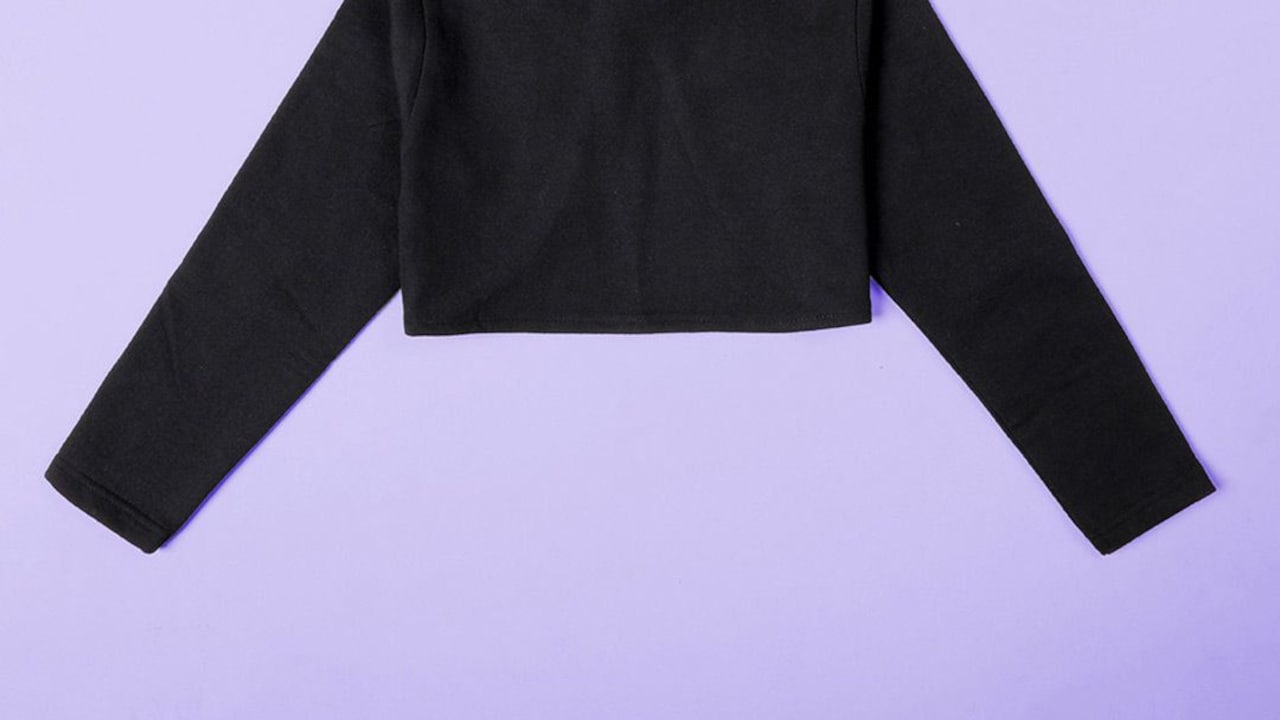
Why Lightweight Shrugs Stretch Out Faster Than Cardigans: And What's Really Behind It; Photo Credit: Myntra
Products Related To This Article
1. Style Quotient Women White Self Design Open Front Shrug
2. PURYS Abstract Printed Tasselled Shrug
3. Sangria Floral Embroidered Tie-Up Shrug
5. Berrylush Floral Printed
4. Espresso Black Solid Open Front Shrug
5. Berrylush Floral Printed Longline Shrug
Lightweight shrugs stretch out faster than cardigans for several interconnected reasons. Fabric weight, knit patterns, sleeve design, washing habits, climate, and daily lifestyle all contribute to the outcome. No single factor tells the whole story.
Shrugs prioritise comfort, breathability, and effortless layering. These qualities make them perfect companions for warm evenings, casual outings, and quick style upgrades. Yet the same softness that feels delightful on day one gradually weakens the garment's structure.
Cardigans follow a different path. Thicker fabrics, reinforced seams, and structured designs allow them to maintain shape longer. Their durability often reflects slightly higher prices and more stable materials.
Understanding these differences helps shoppers choose wisely and care for clothing better. Folding delicate garments, washing gently, and reducing shoulder strain can extend a shrug's life considerably.
Fashion rarely revolves around perfection. Each garment carries its own strengths and quirks. Lightweight shrugs may stretch sooner, but their breezy elegance and relaxed charm ensure they remain beloved wardrobe staples for many seasons.
(Disclaimer: This article may include references to or features of products and services made available through affiliate marketing campaigns. NDTV Convergence Limited (“NDTV”) strives to maintain editorial independence while participating in such campaigns. NDTV does not assume responsibility for the performance or claims of any featured products or services.)