Why Do My Jeans Fade So Fast Even Though I Wash Them Less
Wondering why your jeans keep fading even though you wash them less often? Here's what's actually damaging the indigo dye on your jeans and how to fix it.
Why Do My Jeans Fade So Fast Even Though I Wash Them Less
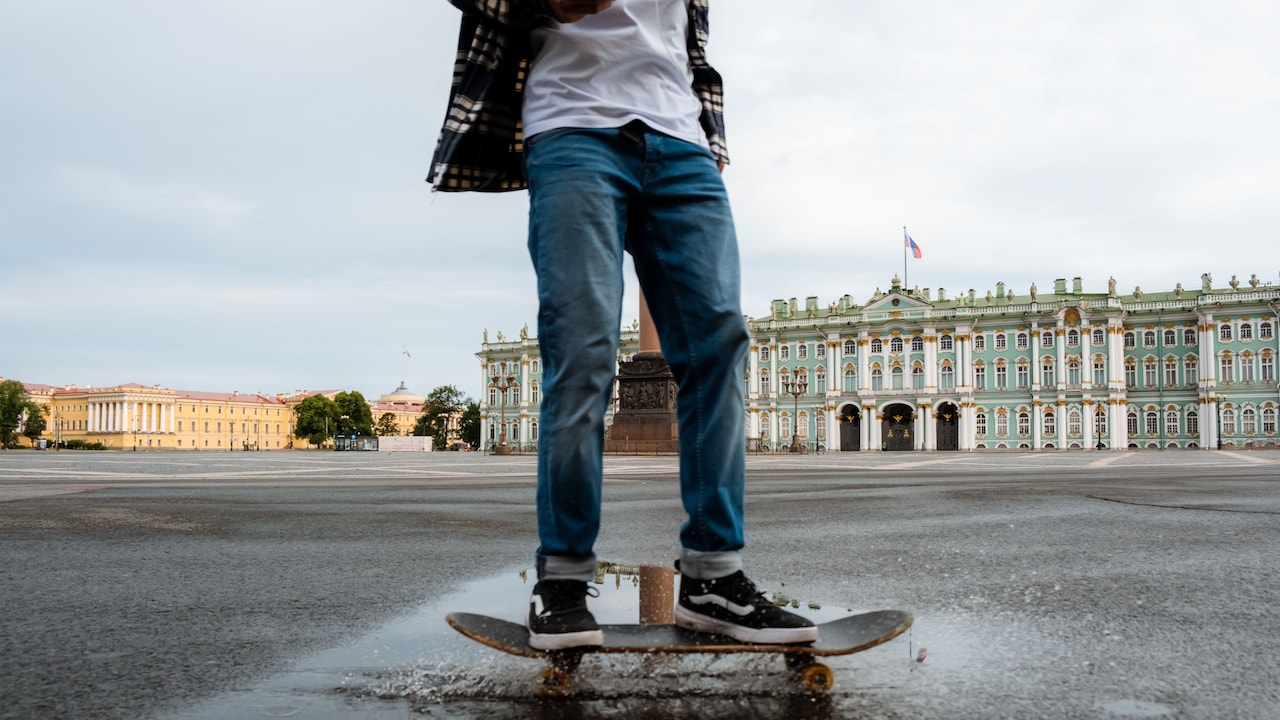
You bought a lovely pair of jeans, promised yourself you'd be careful this time, washed them only once every two or three weeks, and somehow they still look two years old within a few months. Sounds familiar? You're not imagining it, and you're also not doing anything unusually wrong. Here's the thing nobody tells you at the store. Fading has surprisingly little to do with how often you wash your jeans. It has a lot more to do with how you wash them, how you dry them, and even how you wear them day to day. Once you know where the real damage comes from, fixing it isn't hard at all. In most homes, jeans get a thorough hand wash in hard water, a bit of enthusiastic scrubbing near the knees and pockets, and then straight out onto the terrace under harsh afternoon sun to dry fast. Every one of these habits, ordinary as they seem, strips indigo dye faster than any washing machine cycle would.
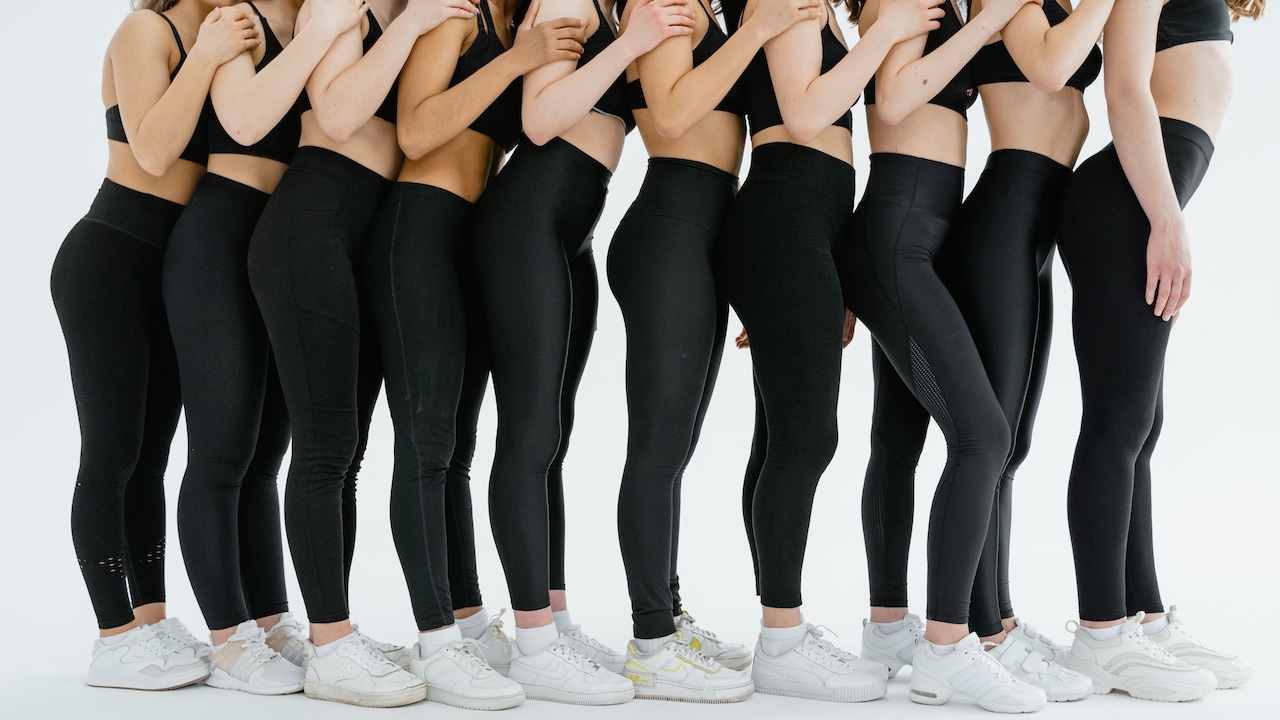
Why Do My Jeans Fade So Fast Even Though I Wash Them Less; Photo Credit: Pexels
What's Actually Happening To The Dye In Your Jeans
Denim dye doesn't soak all the way through the cotton thread. It only coats the outer layer, a process called rope dyeing, which is precisely why the inside of a jean seam always looks lighter than the outside. Because the colour sits on the surface, it takes almost nothing to rub it off. A rough wash, a tight pocket rubbing against a phone, and even sitting on a rough car seat all day – these things chip away at colour long before the fabric itself wears out.
The Real Reasons Your Jeans Are Fading This Fast
Washing less often should, in theory, help. But a few habits around that occasional wash are doing more damage than three regular washes would.
1. Hot Water Is Doing More Harm Than You Think
Warm or hot water opens up the fibres of the denim and lets the dye particles slip out much more easily. Cold water keeps the fibres tighter and the colour locked in place for longer, even after several washes.
2. You're Probably Washing Them Right-Side Out
Washing jeans right side out means the outer surface, the part everyone actually sees, takes the brunt of the tumbling and rubbing inside the machine. Flip them inside out, and the visible side barely touches anything.
3. The Detergent You're Using Is Too Harsh
Regular detergents made for whites usually contain brighteners and stronger enzymes meant to lift stains aggressively. On dark denim, those same enzymes lift out colour along with the dirt.
4. Friction From The Machine Drum Itself
Front load or top load, the drum's constant tumbling causes fabric to rub against itself and the machine's walls. Denim, being a heavier weave, shows this abrasion more visibly than lighter fabrics do.
5. Sunlight Is Bleaching Them Before Water Even Touches Them
UV rays break down dye molecules directly. A pair of jeans left drying in the harsh sun for a few hours can lose more colour than it would from an entire month of gentle washing.
How To Wash Jeans The Right Way, Without Overdoing It
Step 1: Turn Them Inside Out First
This single step protects the visible surface from most of the rubbing that happens during a wash cycle, and it takes barely a few seconds.
Step 2: Use Cold Water On A Gentle Cycle
Cold water combined with a shorter, gentler cycle setting keeps agitation minimal. If you're hand washing, avoid scrubbing hard near pockets and knee areas.
Step 3: Skip The Dryer Completely
Machine dryers use heat and continuous tumbling, both of which are terrible for denim's colour. Air drying flat or on a hanger, away from direct sun, is always the safer choice.
Drying Mistakes That Speed Up Fading
Choose Shade Over Direct Sun
Hang jeans inside out in a shaded, ventilated spot rather than under direct sunlight. It takes a little longer to dry, but the colour stays intact for far longer too.
Don't Wring Or Twist Wet Denim
Twisting wet denim to remove water puts uneven stress on the fibres and can cause patchy fading in spots where the fabric is pulled tightest.
Simple Habits That Keep Jeans Looking Newer For Longer
You don't need to overhaul your entire routine. Spot cleaning small stains instead of a full wash, airing jeans out on a hanger between wears instead of tossing them in the laundry basket, and rotating between two or three pairs so that no single one takes all the daily wear—these small habits contribute to a noticeable increase in colour longevity. None of it demands extra time, just a slightly different order of habits than what most of us grew up doing.
Why Do My Jeans Fade So Fast Even Though I Wash Them Less; Photo Credit: Pexels
Some Denim Care Products You May Like
1. WROGN Men's Cotton Blend Jeans
2. Trezz Men's Jet Black Stretchable Jeans No-Fade Jeans
3. Ben Martin Men Jeans
4. Highlander Men's Jeans
5. LOUIS STITCH Men's Mid Rise Raw Wash Regular Fit Jeans
6. QNIM Jeans for Men
7. Wrangler Men's Jeans
8. ODDMONKEY Baggy Fit Jeans
Today, shoppers can explore different styles, cuts, washes, and details to bring more variety to their wardrobes. Whether you gravitate toward lace accents, front slits, bold prints, or subtle embellishments, there's a pair of jeans for every fashion preference. Experiment with different styles to discover what best matches your vibe. Shop now on Amazon
Frequently Asked Questions (FAQs)
1. Will washing your jeans less frequently really reduce fading?
Yes, but it will depend on how aggressive you are about washing; even infrequent washing using hot water and vigorous agitation may fade your jeans faster than regular gentle washing.
2. Is it okay to wash your new jeans right after purchase?
Preferably, wait until you have worn the jeans a few times, since this period of frequent use sees most fading occur, particularly in raw/dark denims.
3. Does vinegar help in setting the colours of the jeans?
Yes, adding a little bit of white vinegar to your first wash may reduce colour bleeding in some types of raw denim, although it depends on how the brand dyes its jeans.
4. Do jeans always need to be washed separately from other clothing?
Yes, especially in the early washes, since there is loose indigo dye that is likely to come into contact with light colours during the cycle.
5. Why do jeans fade more quickly around the knees and thighs?
These parts see the most friction due to daily activities such as sitting, walking, and touching, causing the fastest wear off of the topmost layer of dye.
(Disclaimer: This article may include references to or features of products and services made available through affiliate marketing campaigns. NDTV Convergence Limited (“NDTV”) strives to maintain editorial independence while participating in such campaigns. NDTV does not assume responsibility for the performance or claims of any featured products or services.)