10 Reasons Sports Leggings Turn Sheer During Squats And How To Check Opacity Before Buying
Why do sports leggings turn sheer during squats? Discover 10 common causes and simple opacity checks to help you choose a comfortable, squat-proof pair before buying.
10 Reasons Sports Leggings Turn Sheer During Squats And How To Check Opacity Before Buying
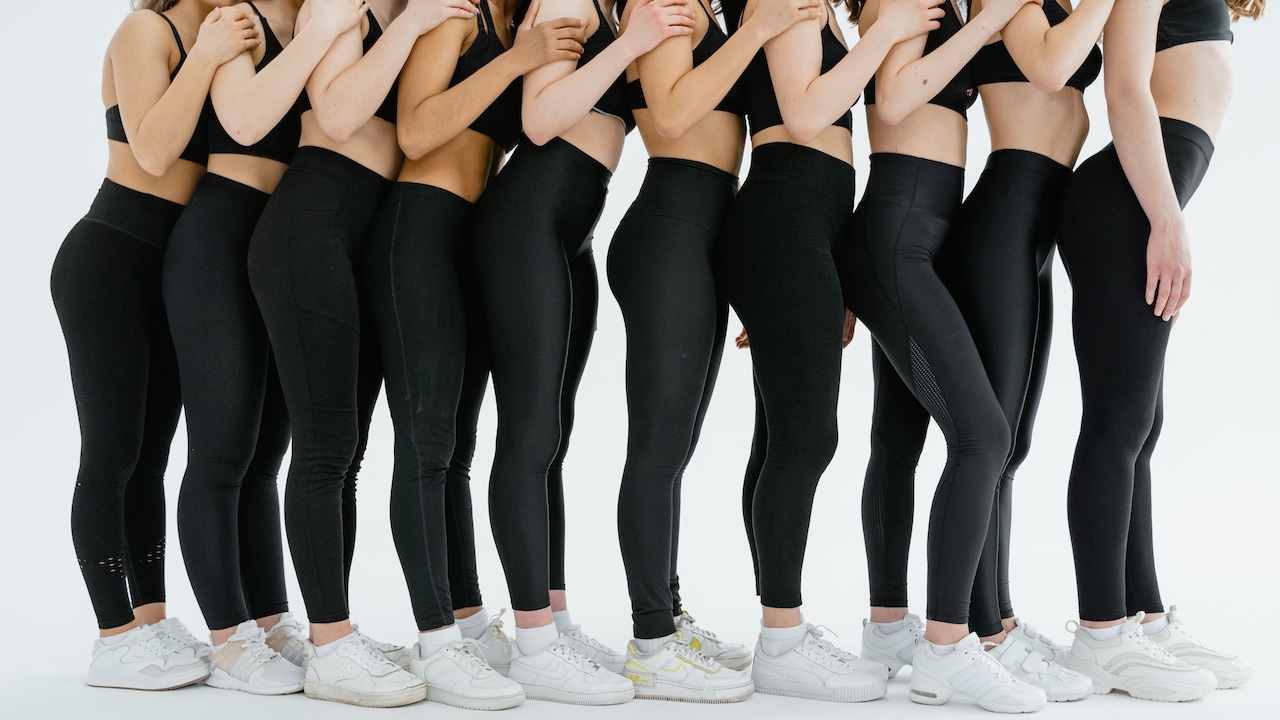
Few gym moments feel more awkward than discovering that a favourite pair of leggings reveals far more than expected during squats. Standing in front of the mirror, the fabric may appear dark, smooth and completely secure. Add one deep bend, however, and the material can suddenly resemble a stretched window curtain. This problem is often called “going sheer” or failing the “squat test”. It happens when fabric stretches so much that light passes through the spaces between its fibres. Sometimes the cause is poor material quality. In other cases, sizing, colour, construction or care habits are responsible. The good news is that opacity can be checked before purchase. A few simple tests in a trial room, near a window or under bright lighting can reveal whether a pair will stay covered during yoga, strength training, dance workouts or an enthusiastic round of lunges. The following ten reasons explain why sports leggings turn sheer and how to spot the warning signs before taking them to the billing counter.
10 Reasons Sports Leggings Turn Sheer During Squats And How To Check Opacity Before Buying
Photo Credit: Pexels
Why Sports Leggings Turn Sheer And How To Test Them Before Buying
1. The Fabric Is Too Thin
Thin fabric is one of the most common reasons leggings become transparent during squats. A lightweight material may feel soft and breathable, which sounds ideal for a sweaty workout. Yet softness alone does not guarantee coverage. When the fabric stretches across the hips and thighs, the threads move further apart, allowing skin or underwear to show through.
This issue is especially common in leggings designed mainly for lounging, casual walks or low-impact exercise. They may look sporty but lack the density needed for deep stretches and strength training.
Before buying, hold one layer of the fabric against a bright shop light or a sunny window. Place a hand behind it and check whether the outline of the fingers appears clearly. Then stretch the material gently in opposite directions. If visibility increases sharply, the leggings may struggle during squats.
Do not judge quality only by thickness, though. Some modern technical fabrics remain light while offering strong coverage. The key is density. A tightly knitted fabric usually performs better than a loose, flimsy one that feels almost like a thin T-shirt.
2. The Leggings Are One Size Too Small
A smaller size may create a smooth, sculpted look while standing still, but it can place too much pressure on the fabric during movement. When leggings are stretched beyond their intended capacity, even decent-quality material can become sheer.
Common warning signs include a waistband that rolls down, seams that dig into the skin and fabric that appears shiny across the thighs. That shine often means the fibres are under strain. During a squat, the strain increases around the hips and seat, where coverage matters most.
Try the usual size first instead of automatically choosing a smaller one for extra compression. Perform several movements in the trial room. Sit, bend forward, lift one knee and complete a deep squat if there is enough space. The leggings should move comfortably without pulling aggressively across the body.
Check the back view using two mirrors or ask a trusted shopping companion for an honest opinion. A mobile phone camera can also help, provided photography is permitted in the store. Properly fitted leggings should feel supportive, not like they are negotiating for their freedom.
3. The Material Has Poor Stretch Recovery
Good sports leggings stretch during movement and then return to their original shape. This quality is known as stretch recovery. When recovery is poor, the fabric may become loose, distorted or increasingly transparent after repeated wear.
Low-quality elastane blends often feel flexible at first. After a few workouts, however, the knees may sag, the waistband may lose grip and the seat area may thin out. Each squat pulls the fibres further apart until the fabric no longer provides reliable coverage.
To test recovery before buying, stretch a small section of the legging fabric for several seconds and release it. The material should quickly return to its original form without ripples or a stretched patch. Pay particular attention to the area near the seat and upper thighs.
Also check the fibre composition on the label. Leggings containing a suitable blend of nylon, polyester and elastane generally offer better movement than basic cotton leggings. Cotton feels comfortable but may lose shape quickly when heavily stretched. A strong recovery fabric should behave like a dependable gym partner: flexible during the hard part and ready to bounce back afterwards.
4. The Knit Structure Is Too Loose
Opacity depends not only on the type of fibre but also on how the fabric is knitted. A loose knit contains larger spaces between threads. These gaps may be difficult to notice when the leggings are relaxed, yet they widen considerably when the fabric stretches.
Dense interlock knits and double-knit materials usually offer better coverage because their fibres sit closer together. By contrast, loosely knitted jersey fabric can become almost mesh-like during a squat, especially under strong overhead lighting.
A simple inspection can reveal the difference. Hold the material close to a light and examine its surface. If tiny gaps or pinpricks of light appear even before stretching, the leggings may not be suitable for demanding workouts. Stretch the fabric and check whether those gaps grow larger.
Run a hand over the material as well. A secure knit often feels smooth, substantial and even. A weak knit may feel flimsy or slightly uneven.
Online shoppers should look for terms such as “double knit”, “interlock”, “high coverage” or “squat proof”. Customer reviews can be useful, but dramatic claims deserve caution. Every brand appears confident until a changing-room light decides to conduct its own investigation.
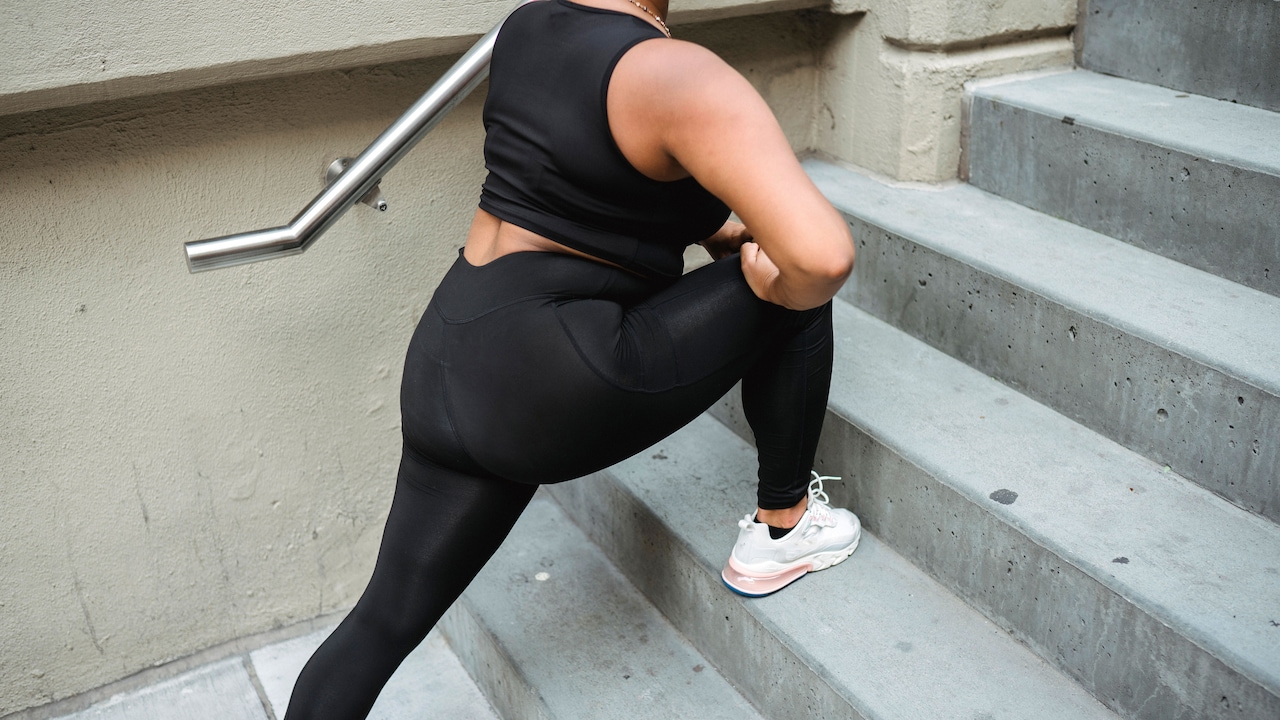
10 Reasons Sports Leggings Turn Sheer During Squats And How To Check Opacity Before Buying
Photo Credit: Pexels
5. The Colour Has Weak Dye Coverage
Dark leggings are often assumed to be automatically opaque, but colour can be misleading. A black pair may look deep and rich while relaxed, then turn grey or patchy when stretched. This happens when the dye has not penetrated the fibres evenly or when the base fabric is much lighter than the surface colour.
Printed leggings face a similar problem. As the fabric expands, the design may separate, revealing pale spaces between the printed areas. A bold floral pattern can quickly become a collection of distant islands during a squat.
Stretch the fabric and observe whether the colour remains consistent. If black turns charcoal, navy turns dusty blue or a print develops obvious white gaps, transparency may become noticeable during movement.
Testing under natural light is particularly helpful. Trial-room lighting can flatter colours, while sunlight exposes thinning and uneven dye more clearly.
Medium and dark solid colours often provide dependable coverage, but the quality of the dye still matters. Lighter shades can also work well when the fabric is dense and properly lined. Never rely on colour alone. A ₹2,000 black legging can fail just as spectacularly as a ₹500 one if the dye and fabric construction are poor.
6. The Fabric Is Overstretched Around Curves
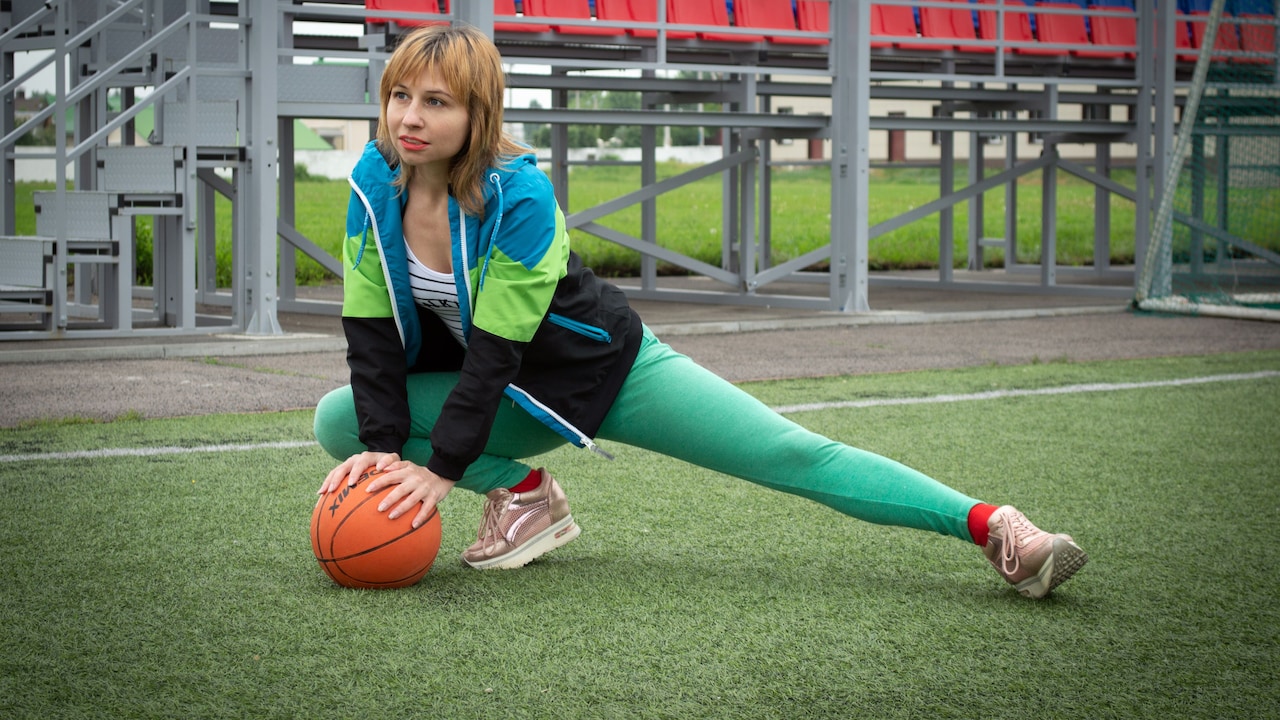
Bodies are not flat surfaces, so leggings must stretch differently across the waist, hips, thighs and seat. A pair may fit comfortably around the legs but become excessively stretched over fuller curves. This uneven tension can make one area sheer while the rest remains opaque.
The problem often appears when leggings have a narrow hip pattern, limited four-way stretch or a straight cut that does not account for body shape. The fabric may pull backwards at the waist or create a strained horizontal line across the seat.
During a fitting, look at how the material sits from several angles. The waistband should remain level rather than dipping sharply at the back. Seams should follow the body without twisting, and the fabric should not look lighter over one particular area.
Choose leggings that mention four-way stretch rather than two-way stretch. Four-way material expands both lengthwise and widthwise, which helps it accommodate movement and curves more evenly.
A gusseted crotch can also improve comfort and reduce strain. This small triangular or diamond-shaped panel allows greater mobility and distributes tension. It may not look exciting on a product label, but neither does discovering a transparency problem halfway through Surya Namaskar.
Also Read: Beyond Everyday Basics: Bottomwear Styles That Can Refresh Your Wardrobe Instantly
7. The Leggings Lack a Supportive Lining
Some sports leggings include an extra layer or reinforced panel around the seat and upper thighs. Others rely on a single layer of fabric throughout. Single-layer designs can work well when the material is dense, but thin versions often struggle to stay opaque during deep movements.
A lining provides additional coverage and may also smooth underwear lines. However, badly designed linings can feel bulky, trap heat or end abruptly across the thigh, creating a visible edge. The aim is not simply more fabric; it is better construction.
Turn the leggings inside out before buying. Check whether the seat area appears reinforced and whether the inner surface feels consistent. A high-quality lining should lie flat without loose stitching, wrinkles or rough seams.
For hot-weather workouts, look for breathable reinforcement rather than thick padding. Moisture-wicking double layers can provide coverage without making the leggings feel like winter clothing in May.
Remember that lining may increase the price, but it can improve durability. Spending ₹1,800 on a well-made pair that lasts through regular workouts may offer better value than replacing a ₹700 pair every few months. Coverage, comfort and longevity often travel together when construction is thoughtful.
8. Sweat Makes The Fabric More Revealing
Sweat can change the appearance of sports fabric. Some materials become darker when wet, while others cling more closely to the skin. A pair that seems opaque when dry may reveal outlines, underwear colours or texture once moisture spreads across it.
This does not always mean the leggings are poor quality. Even strong fabrics can behave differently when saturated. However, effective moisture-wicking material should draw sweat away from the skin and dry relatively quickly instead of becoming heavy and sticky.
Before buying, read the care and performance information on the label. Look for moisture-wicking or quick-dry features. In a store, place a tiny drop of water on an inconspicuous sample area only when permitted. Observe whether it spreads, beads up or creates a sharply visible patch.
Online reviews often mention sweat marks, especially around the waistband and seat. Search within reviews for terms such as “sweat”, “wet”, “marks” and “see-through”.
Colour also matters here. Pale grey, beige and pastel shades tend to show moisture more easily. Darker tones and busy prints may disguise sweat, although they cannot compensate for weak fabric. A workout should test the muscles, not anyone's confidence in the lighting.
9. Repeated Washing Has Damaged The Fibres
Even leggings that pass the squat test when new may turn sheer after months of washing. Heat, harsh detergent, fabric softener and aggressive machine cycles can weaken elastic fibres. Once damaged, the material loses density and stretches more than it should.
Fabric softener is a particular concern because it can coat technical fibres and reduce their moisture-wicking ability. Hot water and tumble drying may also break down elastane, causing sagging and thinning.
Check care instructions before buying. A pair that requires gentle washing may still be worthwhile, but the routine should suit real life. There is little value in choosing delicate leggings that need royal treatment after every 30-minute workout.
Wash sportswear in cool water using mild detergent. Turn leggings inside out and place them in a mesh laundry bag to reduce friction. Air-drying in shade usually protects elasticity better than high heat.
Before wearing an older pair to the gym, repeat the opacity test at home. Stand with the back towards a bright window and perform a squat in front of a mirror or phone camera. Favourite leggings can become unreliable quietly, rather like an old pressure cooker gasket that chooses the busiest morning to retire.
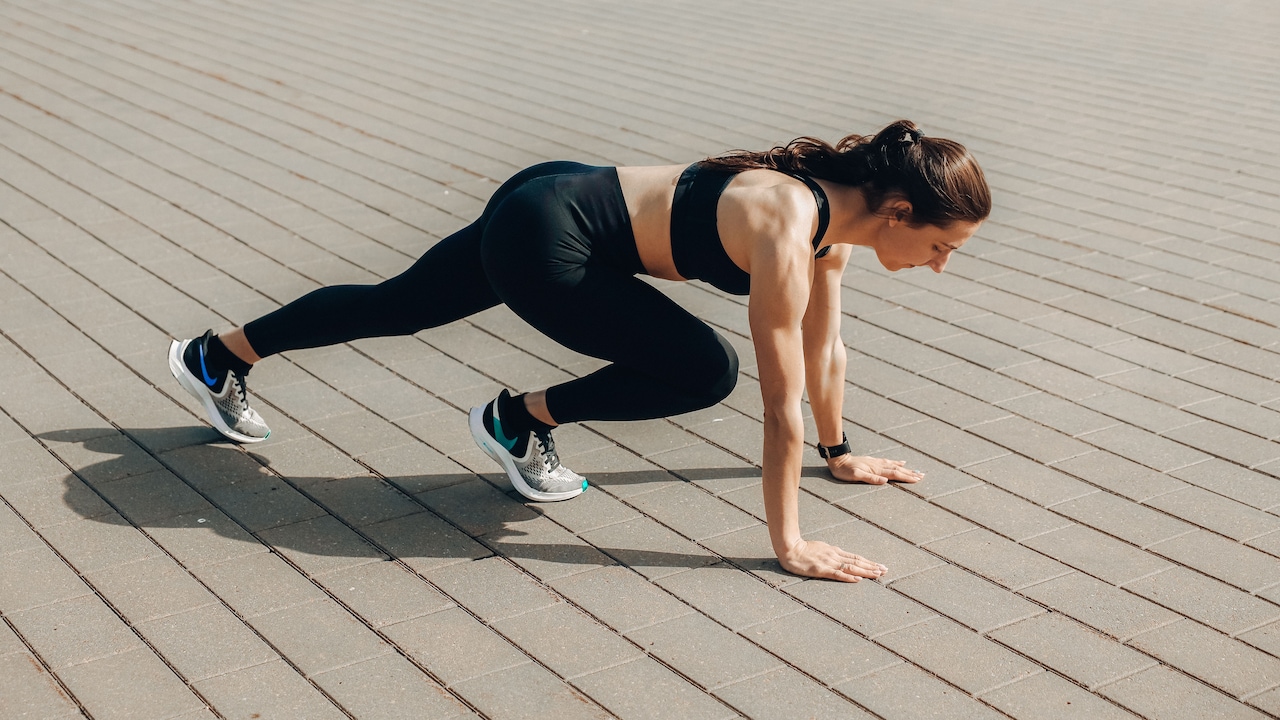
10 Reasons Sports Leggings Turn Sheer During Squats And How To Check Opacity Before Buying
Photo Credit: Pexels
10. Underwear Creates A Strong Contrast
Sometimes the leggings are not fully transparent, but high-contrast underwear makes them appear sheer. White, neon, printed or dark underwear can become visible beneath lighter leggings, particularly when the fabric stretches.
The solution is not to ignore a weak legging. Truly poor opacity remains a product problem. However, choosing suitable underwear can prevent unnecessary visibility when the fabric offers reasonable coverage.
Seamless underwear in a shade close to the wearer's skin tone usually works best. Contrary to popular belief, white underwear is not always ideal under pale clothing because it can create a clear contrast. Smooth, laser-cut edges also reduce visible lines.
When trying on leggings, wear the type of underwear normally used for workouts. A pair tested over thick, dark briefs may perform differently from one tested over seamless nude underwear. This makes the trial more realistic.
To check opacity, face away from a strong light and squat in front of a mirror. Ask whether the skin itself is visible or only the underwear outline. Visible skin suggests the fabric lacks coverage. A faint underwear line may simply require a smoother style.
Good leggings should still provide confidence without demanding complicated wardrobe mathematics before every workout.
Products Related To This Article
1. Boldfit Limitless NYLOFLEX HIGH Rise Tights Gym Pants for Women Workout Breathable Tights
2. Jockey MW68 Women Microfiber Elastane Stretch Performance
3. BlissClub Women Mid Rise Fitted Leggings
4. Mehrang High Waist Wide Leg with Side Pockets
5. BlissClub The Ultimate Leggings Lite, Ankle Length Tights for Women for Gym
6. CAVA Extra Tall Hourglass Flared Leggings for Women
7. FITINC Women's Stretchable Yoga Tights
Sports leggings turn sheer for several reasons, including thin material, poor sizing, loose knitting, weak dye coverage and damaged fibres. Sweat, body shape, missing reinforcement and contrasting underwear can make the problem more noticeable.
The most reliable buying method is a proper squat test under bright light. Stretch the fabric, inspect the colour, check the seams and move through the positions used during an actual workout. A pair should remain comfortable, supportive and consistently opaque without feeling excessively tight.
Price can suggest quality, but it offers no guarantee. An affordable pair with dense fabric and strong construction may outperform a fashionable premium design. Labels, reviews and product claims help, yet direct testing remains the best defence against an unfortunate surprise.
Leggings should support movement rather than create anxiety about every bend, lunge or squat. A few careful checks before buying can save money, protect confidence and make each workout feel far more comfortable.
(Disclaimer: This article may include references to or features of products and services made available through affiliate marketing campaigns. NDTV Convergence Limited (“NDTV”) strives to maintain editorial independence while participating in such campaigns. NDTV does not assume responsibility for the performance or claims of any featured products or services.)