10 Reasons Running Shoes Develop Holes Above The Big Toe And How To Prevent Early Fabric Damage
Running shoes often tear above the big toe due to poor fit, toe pressure, rough nails, loose lacing and weak mesh. Discover the common causes and simple ways to prevent early fabric damage.
10 Reasons Running Shoes Develop Holes Above The Big Toe And How To Prevent Early Fabric Damage
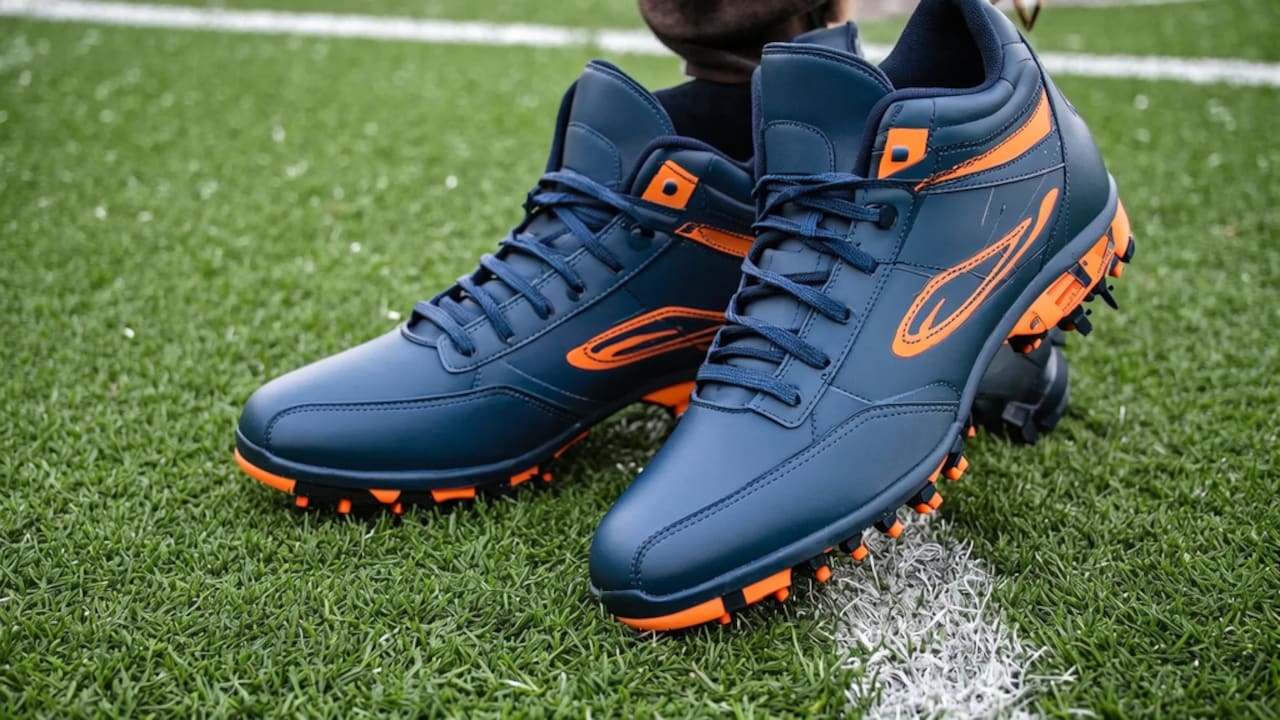
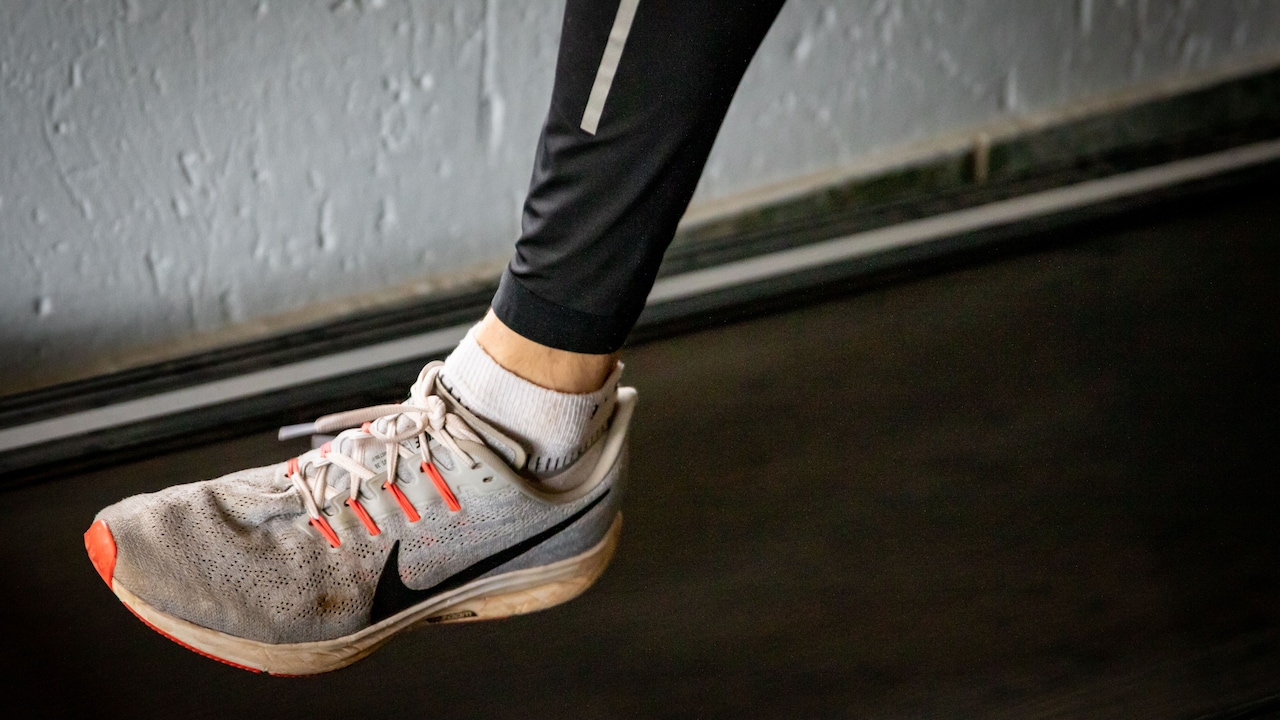
Few things feel more irritating than discovering a hole in running shoes that still have plenty of life left in them. The cushioning feels comfortable, the outsole grips well, and the colour has barely faded. Yet the mesh above the big toe suddenly looks as though it has fought a tiny battle and lost. This damage usually appears in one place because the big toe handles considerable pressure. It lifts, bends and pushes against the shoe thousands of times during a run or a long day of walking. Add sweat, heat, tight sizing or rough toenails, and the fabric gradually loses strength.
10 Reasons Running Shoes Develop Holes Above The Big Toe
Photo Credit: Pexels
A hole does not always indicate poor manufacturing. Sometimes the shoe simply does not suit the wearer's foot shape or movement. In other cases, a harmless-looking habit creates repeated friction until the upper tears.
Understanding the cause can protect the feet, extend the life of the shoes and stop a ₹6,000 pair from looking worn out after only a few months.
Why Running Shoes Tear Above The Big Toe And How To Prevent It
1. The Shoes Are Too Short
The most common reason for holes above the big toe is simple: the shoe does not provide enough length. A pair may feel comfortable while standing in a shop, but running changes the fit. Feet spread, swell and slide slightly forward with every stride. The big toe then presses against the upper mesh repeatedly.
This contact acts like gentle sandpaper. The pressure may not hurt at first, so the problem goes unnoticed. After several weeks, the fabric begins to thin. A dark patch appears, loose fibres follow, and eventually a hole forms.
Check the fit while standing with full body weight on both feet. There should be roughly a thumb's width between the longest toe and the front of the shoe. Shopping later in the day can also help because feet often swell by evening.
Never assume the usual size will fit across every brand. A size 9 in one model may feel closer to an 8.5 in another. Judge the actual space rather than trusting the number printed on the box. That small amount of extra room can protect both the shoe and the toe.
2. The Toe Box Is Too Shallow
Length alone does not guarantee a comfortable fit. Some running shoes have a shallow toe box, meaning the upper fabric sits too close to the top of the toes. This shape often troubles runners with prominent big toes, thick toenails or high toe joints.
During each stride, the big toe lifts as the foot rolls forward. When the fabric sits directly above it, the toe rubs the same patch repeatedly. The shoe may feel wide and long enough, yet the lack of vertical space creates hidden pressure.
Look for models with a roomy or anatomical toe box. The front should allow the toes to lift and spread without brushing against the upper. While trying on the shoes, press the fabric gently. If the outline of the big toenail shows clearly through the mesh, the toe box may sit too low.
Thick replacement insoles can make matters worse by raising the foot inside the shoe. A thinner insole may create enough additional space.
The right toe-box height protects the material while making long runs, morning walks and busy days far more comfortable.
3. Long Or Rough Toenails Cut The Fabric
A slightly long toenail may seem harmless, but inside a running shoe it can behave like a tiny blade. Each step pushes the nail against the upper. The edge catches the mesh, weakens individual fibres and gradually creates a tear.
Sharp corners, cracks and uneven nail surfaces cause even more friction. Thick nails can also increase pressure inside close-fitting shoes. The fabric does not need one dramatic scrape to fail. Thousands of light contacts can produce the same result.
Regular nail care offers the simplest prevention. Trim toenails straight across and keep them short without cutting too close to the skin. Smooth rough edges with a nail file so they cannot snag the lining.
Avoid trimming nails immediately before a race, trek or long run. Tender skin around a freshly cut nail may become uncomfortable. Complete the job a day or two earlier instead.
Painful, unusually thick or discoloured nails may need professional attention. Forcing them into tight shoes can worsen both the nail problem and the fabric damage. Five minutes of sensible grooming can protect footwear worth several thousand rupees.
4. The Big Toe Lifts Too Much During Movement
Some people naturally lift their big toe more than others while walking or running. This movement can push the toenail and toe joint into the upper fabric even when the shoe appears to fit reasonably well.
The habit often becomes stronger during fast running, uphill walking or the tiring final kilometres of a long session. As the legs become fatigued, the toes may lift higher to help clear the ground. The same patch of fabric then faces pressure with every stride.
This movement explains why some runners develop an almost identical hole in every pair they own. The shoe changes, but the wear pattern stays loyal.
A model with more vertical room in the toe box can reduce contact. Secure lacing can also stop the foot from sliding forward. Foot-strengthening exercises and lower-leg mobility work may improve movement control.
Examine several old pairs before blaming the latest shoe. Repeated damage in precisely the same place suggests a movement pattern. When the problem causes pain or destroys shoes unusually quickly, a physiotherapist or running specialist can assess the person's gait and identify the source.
10 Reasons Running Shoes Develop Holes Above The Big Toe
Photo Credit: Pexels
5. Loose Lacing Lets The Foot Slide Forward
Loose laces may feel comfortable, especially during warm weather, but they allow the foot to move too freely inside the shoe. With every downhill step, sudden stop or sharp turn, the foot slides forward. The big toe bumps the upper and gradually weakens it.
This problem often appears during routes with slopes, flyovers or uneven pavements. Gym workouts, badminton sessions and hurried commutes can create the same forward movement. The shoe may contain enough space, but poor lockdown turns that space into damaging momentum.
Laces should hold the midfoot and heel firmly without squeezing the toes. A runner's loop, sometimes called heel-lock lacing, can secure the rear of the foot and limit forward sliding. The front section should remain relaxed enough for natural toe movement.
Check the laces after the first ten minutes of a run. Heat and movement can loosen them, so a quick adjustment may prevent an hour of rubbing.
Do not tighten every section until the foot feels numb. Good lacing controls movement without crushing the foot. Think of it as a seat belt, not a rope around a parcel.
Also Read: Complete The Look From Head To Toe: Top 5 Ethnic Footwear For Men From Myntra Right To Fashion Sale
6. Thick Or Bunched Socks Increase Friction
Socks can quietly damage shoes when they bunch near the toes or create extra pressure inside an already snug toe box. Thick cotton socks absorb sweat, become heavier and form creases. Those folds rub against both the skin and the shoe lining.
A rough seam across the toes adds another source of friction. The big toe pushes that seam into the mesh, placing pressure on the upper from inside. The result may include a blister on the foot and a hole in the shoe, which feels like paying twice for the same mistake.
Choose well-fitting running socks made from moisture-managing fabric. They should sit smoothly around the toes without wrinkles. Seamless or flat-seam designs reduce irritation, particularly during longer runs.
Sock thickness should also match the shoe. A heavy pair inside a close-fitting trainer can steal valuable toe room. Replace socks that have become stretched, stiff or rough after repeated washing.
Before leaving home, run a finger over the toe area and remove any folds. It may sound unnecessarily fussy, but ten seconds of adjustment can prevent months of abrasion.
7. Sweat, Heat And Moisture Weaken The Upper
Running shoes regularly face sweat, dust, humidity and high temperatures. Mesh can tolerate plenty of movement, but constant moisture may weaken fibres and soften adhesives. When a damp section also rubs against the big toe, it wears out much faster.
The situation becomes worse when shoes remain inside a closed gym bag, car boot or cupboard after use. Trapped moisture creates an unpleasant little sauna. The fabric stays damp, odour builds, and the materials receive no chance to recover.
After a run, remove the insoles and loosen the laces. Place the shoes in a shaded, well-ventilated area. Lightly stuffing them with newspaper can absorb moisture, although wet paper should be replaced promptly.
Avoid direct sunlight, heaters and hairdryers. High temperatures can distort the foam, damage the upper and weaken the glue holding the shoe together.
Rotating between two pairs gives each one more time to dry completely. The second pair costs more initially, but both pairs may last longer. Clean them gently with mild soap and cool water, as a washing machine can turn a small weakness into a full tear.
8. The Mesh Is Too Thin For The Activity
Lightweight running shoes often use thin engineered mesh to improve ventilation and reduce weight. That feels wonderful on a hot morning, but delicate fabric may not suit every activity.
A shoe designed for speed sessions can wear quickly when used for trekking, strength training, football warm-ups and daily commuting. Sideways movements and repeated toe pressure challenge the upper in ways the original design may not support.
Match the shoe to the activity. Road-running shoes perform best on roads and treadmills. Trail shoes usually provide stronger overlays and more protective uppers. Cross-training shoes handle lateral movement better. A durable daily trainer may outlast a feather-light racing model when used regularly.
Inspect the toe area before buying. Reinforced mesh, internal toe guards and protective overlays can improve durability. The shoe may weigh a few grams more, but the additional structure often pays for itself.
Price does not always equal toughness. A ₹15,000 racing shoe may have a more fragile upper than a ₹7,000 daily trainer. Performance footwear often chases speed and low weight rather than long-term survival.
10 Reasons Running Shoes Develop Holes Above The Big Toe
Photo Credit: Pexels
9. The Shoe Shape Does Not Match The Foot
Feet rarely follow a universal template. Some people have a wide forefoot, a narrow heel, one foot longer than the other or a big toe that extends beyond the second toe. A shoe can feel acceptable overall while still pressing against one critical area.
Buying a smaller size to prevent heel slipping often crushes the toes. Choosing a narrow model because it looks sleek can push the big toe upwards or inwards. The upper then carries pressure it was never designed to handle.
Measure both feet and fit the larger one. Try shoes with the same type of socks normally worn for running. Walk, jog and change direction before making a decision. A few steps can reveal problems that standing still may hide.
Wide-fit models can help, but width labels vary between brands. Shape matters as much as size. Some shoes taper sharply at the front, while others follow the natural outline of the toes.
Do not expect the upper to “stretch out” and solve a poor fit. Mesh may give slightly, but repeated pressure often damages it first. Comfort should begin in the shop, not after a month of negotiation.
10. Early Fabric Damage Goes Unnoticed
Holes rarely appear overnight. The fabric usually provides early warnings, including a shiny patch, thinning mesh, loose threads or slight discolouration above the big toe. Many people overlook these signs because the shoes still feel comfortable.
Once a few fibres break, the surrounding material carries more strain. The weak patch expands with every run, rather like a tiny crack spreading across a phone screen.
Inspect the shoes every few weeks, particularly after long runs, races or travel. Examine both the inside and outside of the toe area. A soft repair patch placed inside the shoe can reinforce thinning mesh before it tears. Flexible shoe-repair adhesive may help with minor fraying, although stiff glue can create a fresh rubbing point.
Never patch a hole without addressing its cause. The repair will fail if the toenail remains rough, the shoe stays too small or the foot continues sliding forward.
A minor repair may cost less than ₹500, while a replacement pair can cost several thousand rupees. Early attention protects the upper, preserves the shoe's appearance and keeps unnecessary spending at bay.
Products Related To This Article
1. Nike Mens Air Zoom Pegasus 42 Running Shoes
2. Bacca Bucci Men Lace Up Running Shoes
3. Nivia Men Marathon Running Shoe for Mens
4. ASIAN Wonder-13 Men's Running Shoe
5. Campus Men First Running Shoes
6. Puma Unisex-Adult Redeem Pro Racer Res Running Shoe
7. SPARX Mens Sm-648 Sports Shoes
A hole above the big toe may look like a random defect, but it usually follows a recognisable pattern. Tight sizing, shallow toe boxes, rough toenails, loose lacing, damp material and unsuitable shoe designs all create repeated pressure in one small area.
Prevention begins with a proper fit. Feet need enough room to spread, lift and swell. Secure lacing should control forward movement, while smooth socks and well-trimmed nails reduce friction. Drying shoes properly and matching the model to the activity can also add months to their useful life.
Most importantly, notice early wear. A thinning patch is more than a cosmetic mark; it is a warning. Fixing the cause before the mesh tears can save money and spare a dependable pair from early retirement.
Running shoes work hard through heat, dust, rain, uneven pavements and crowded commutes. A little care in return seems reasonable. The big toe may be small, but when footwear does not fit or function correctly, it knows how to make a remarkably visible point.
(Disclaimer: This article may include references to or features of products and services made available through affiliate marketing campaigns. NDTV Convergence Limited (“NDTV”) strives to maintain editorial independence while participating in such campaigns. NDTV does not assume responsibility for the performance or claims of any featured products or services.)