Why Do Some Leggings Turn Transparent When You Sit? Know How To Avoid It
Leggings turn transparent when stretched beyond their fabric limits. Poor material quality, incorrect sizing, and weak construction often cause this common wardrobe mishap, making smart fabric choices essential for reliable coverage.
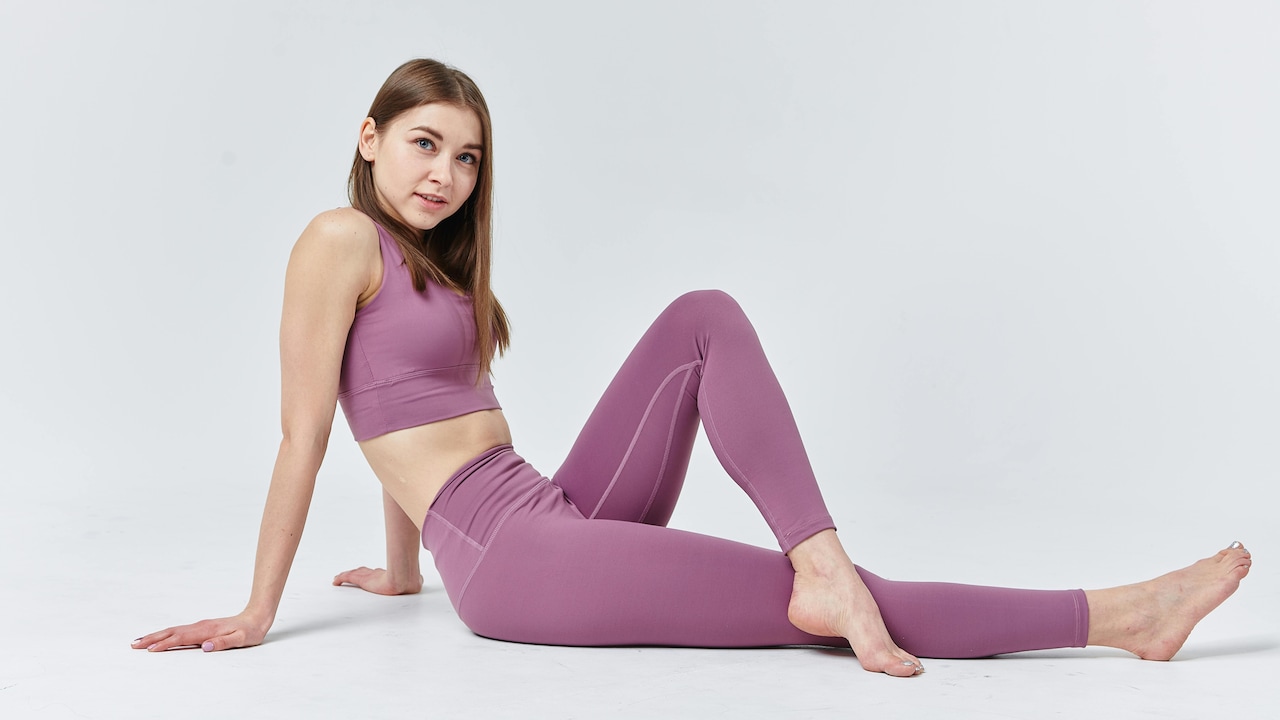
Why Leggings Become Transparent When You Sit and How To Avoid It
Leggings have quietly claimed a permanent spot in wardrobes across cities, towns, and every corner where comfort matters. From morning walks in neighbourhood parks to coffee runs, long-haul flights, and lazy Sundays, they have become the trusted companion for nearly every occasion. Soft, stretchy, and wonderfully forgiving after festive overeating, leggings often feel like the closest thing fashion has offered to a socially acceptable blanket. Yet, this beloved clothing staple carries one notorious risk. Everything seems perfectly fine while standing in front of the mirror, but the moment someone bends, squats, or sits, disaster may strike. Suddenly, what looked sleek and stylish transforms into an accidental showcase. It is the fashion equivalent of ordering paneer tikka and receiving plain salad instead.
Transparent leggings are not merely an inconvenience. They can dent confidence, create awkward public moments, and leave shoppers questioning why a ₹500 pair behaved more honestly than one costing ₹3,000. The answer, thankfully, is not random. Several factors determine whether leggings maintain dignity under pressure or surrender to the laws of stretch. From fabric blends to poor stitching, understanding the root causes can make all the difference. Choosing wisely means leggings can remain dependable, flattering, and blissfully opaque.
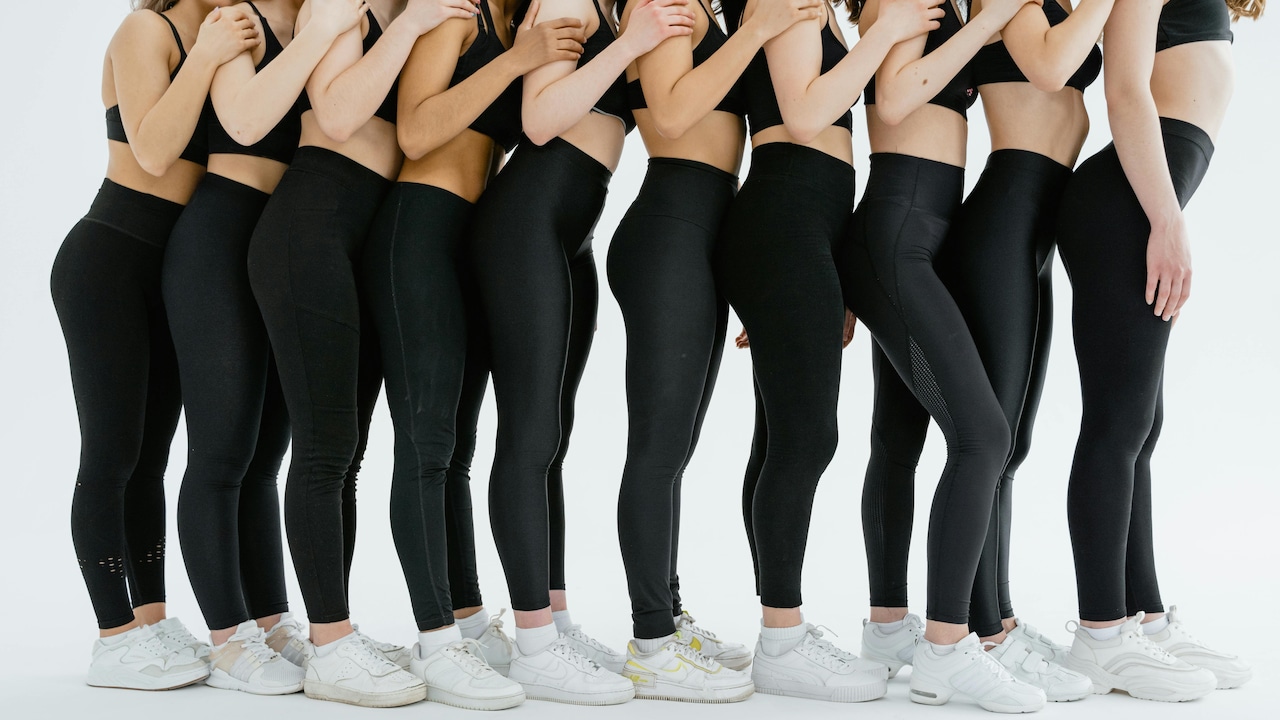
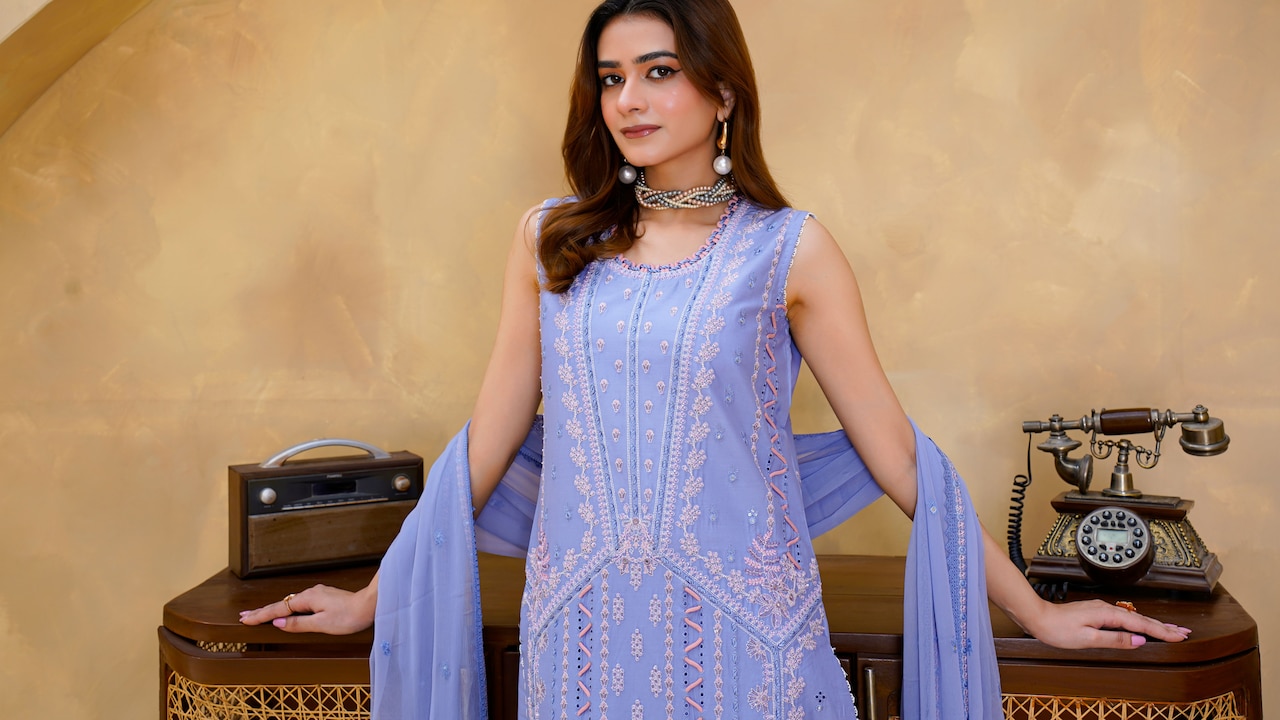
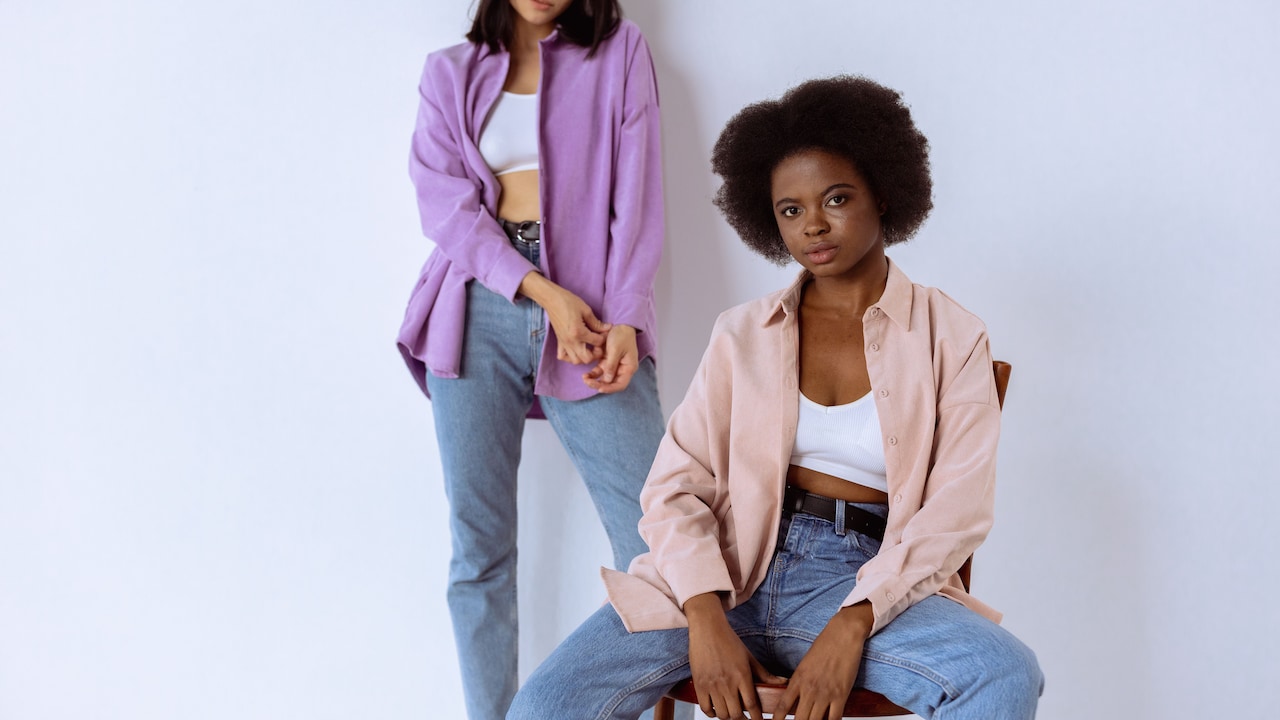
Why Leggings Become Transparent When You Sit and How To Avoid It; Photo Credit: Pexels
Why Do Some Leggings Turn Transparent When You Sit?
The Fabric Blend Makes All The Difference
The true character of leggings begins with fabric composition. Materials such as polyester, nylon, and elastane work together to create stretch, durability, and coverage. However, not all blends perform equally well. Leggings with a higher percentage of thin cotton often feel soft initially but may lose opacity when stretched. In contrast, quality synthetic blends tend to offer better resilience.
Cheap fabrics often cut corners by using thinner yarns or looser weaves. While this may reduce manufacturing costs, it also increases the chances of transparency. A pair may look perfectly normal on the hanger yet reveal every detail once tension builds during movement. Much like flimsy umbrellas collapsing during monsoon rains, poor fabric quality rarely survives real-life conditions.
Dense, well-knit materials provide better protection because they maintain structure under strain. This explains why premium activewear brands often charge more. The additional ₹1,500 may not simply cover branding but also superior engineering. Shoppers often focus on colour and style, but checking thickness and stretch resistance matters far more. In leggings, fabric is not just material. It is the entire foundation of trust.
Also Read: Best Seamless Leggings For Workouts Under ₹1500
Stretching Beyond Capacity Causes Trouble
Even the best leggings have limits. Transparency often appears when fabric stretches beyond what it was designed to handle. This usually happens when leggings are too tight for the wearer's body shape or are chosen in the wrong size.
Many people squeeze into smaller sizes, believing it creates a smoother silhouette. In reality, this approach often backfires spectacularly. Overstretched fibres separate, allowing light to pass through and exposing undergarments. The result feels less fashion-forward and more accidental theatre.
Sizing labels can vary wildly across brands, which complicates matters further. A medium in one shop may fit like an extra small elsewhere. This inconsistency leads many shoppers to prioritise vanity sizing over practical comfort. However, leggings should hug, not suffocate.
Properly fitted leggings distribute tension evenly, preserving opacity even while sitting or exercising. Trying the squat test in a fitting room may feel slightly awkward, but it is far less embarrassing than discovering transparency under bright sunlight. Comfort and coverage should always outweigh the fleeting satisfaction of fitting into a smaller number.
Dark Colours Are Not Always Safe
Black leggings enjoy a reputation as the ultimate safe option. Many assume darker shades guarantee full coverage, but colour alone can be deceiving. Even black leggings can become sheer if the fabric quality is poor or if they are overstretched.
Dye may create the illusion of thickness while standing still. Once stretched, however, the fibres can separate enough to reveal skin underneath. It is similar to tinted car windows that seem private until sunlight hits at the wrong angle.
This issue becomes especially noticeable under harsh lighting, such as gym mirrors, office fluorescents, or outdoor daylight. What appears opaque at home may tell a very different story elsewhere. This is why relying solely on colour can lead to false confidence.
Patterned leggings or textured fabrics often perform better because prints and design elements help disguise strain points. Meanwhile, solid colours depend entirely on weave density. Shoppers would do well to remember that black may be slimming, versatile, and timeless, but it is not magical armour against transparency.
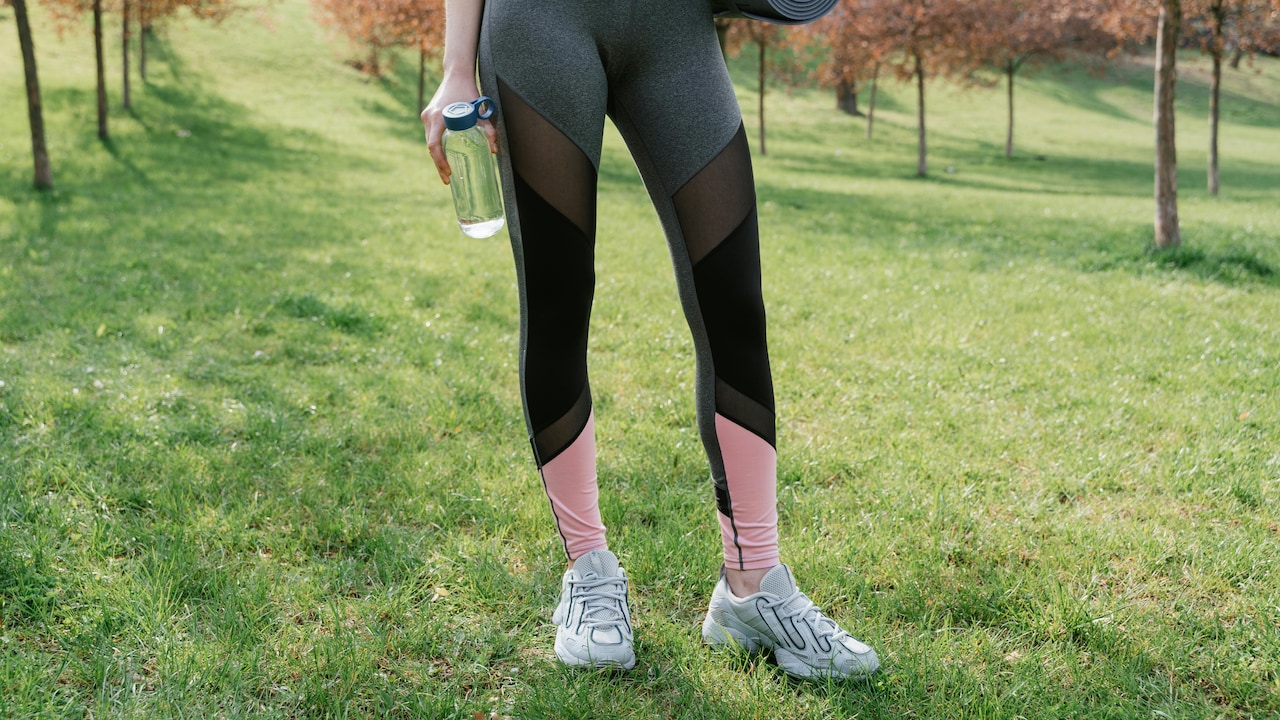
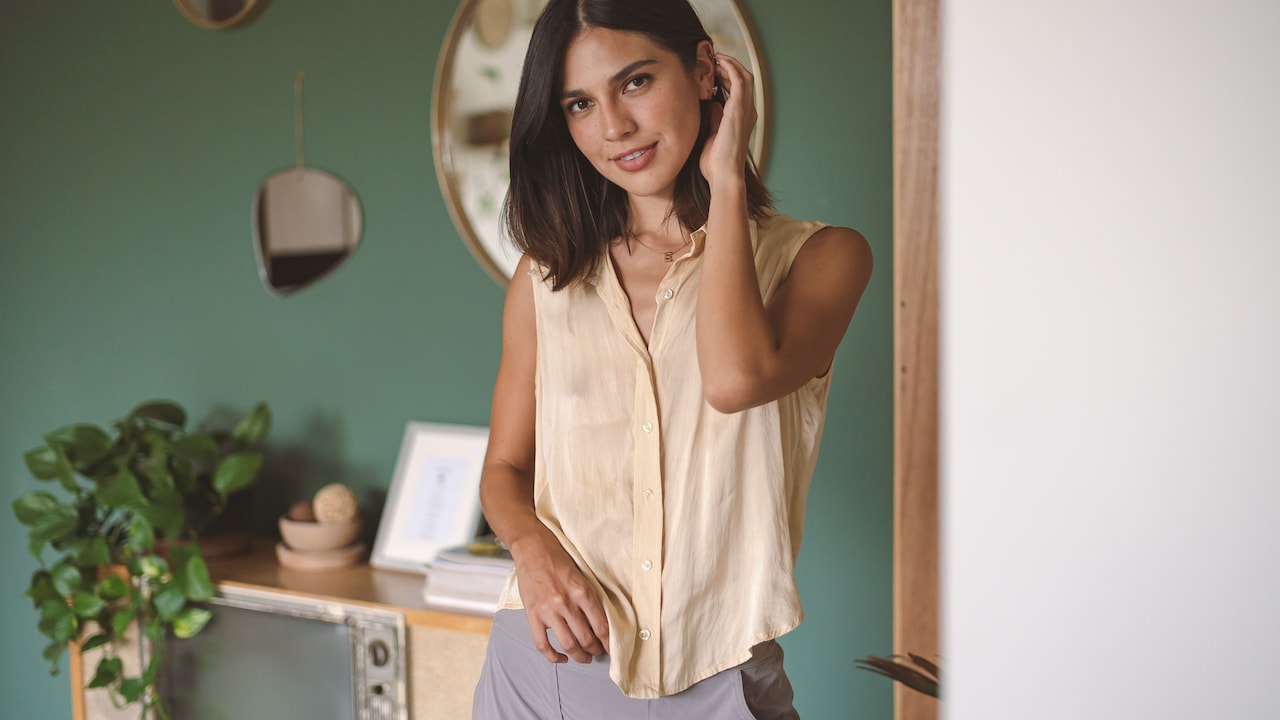
Why Leggings Become Transparent When You Sit and How To Avoid It; Photo Credit: Pexels
Poor Stitching Weakens Coverage
Fabric may take most of the blame, but stitching also plays a critical role. Weak seams can pull unevenly, creating tension in specific areas and increasing the likelihood of transparency. The seat and thigh regions are particularly vulnerable.
Low-cost leggings often feature rushed manufacturing, where seam quality takes a back seat to affordability. Threads may loosen, panels may misalign, and construction may fail under repeated wear. A pair might survive a casual stroll but surrender quickly during yoga or a brisk climb upstairs.
Flatlock seams and reinforced panels generally offer better support. They help distribute pressure more evenly and reduce excessive strain on one area. Quality stitching functions like solid infrastructure in a busy city. Without it, cracks appear quickly.
Checking seams before purchase can reveal much about durability. If stitching appears inconsistent or flimsy, transparency may not be far behind. Fashion should never feel like a gamble, especially when seated in public spaces.
Washing Habits Can Ruin Good Leggings
Even excellent leggings can lose their reliability through poor care. Frequent washing, harsh detergents, and high heat can gradually weaken fibres, reducing elasticity and thinning the material.
Many households toss leggings into washing machines alongside heavy jeans, towels, and zippers without much thought. Unfortunately, this treatment can damage delicate stretch fabrics over time. Heat from dryers proves particularly harmful, often breaking down elastane and causing premature wear.
Hand washing or gentle machine cycles preserve the structure far better. Air drying also helps maintain elasticity. Though these steps require more effort, they can significantly extend garment life.
Think of leggings like favourite relationships. Neglect and rough handling eventually lead to visible damage. Spending ₹2,000 on quality leggings only to destroy them through careless laundering defeats the purpose entirely. Proper maintenance ensures they remain supportive, opaque, and ready for repeated use.
Body Movement Changes Everything
Standing still tells only half the story. Real transparency issues emerge during movement. Sitting, bending, lunging, or squatting places fabric under dynamic pressure, often revealing weaknesses invisible in static positions.
This explains why fitting-room mirrors can be misleading. A pair may seem flawless while standing upright, only to betray its shortcomings during daily life. Activities such as picking up shopping bags, boarding scooters, or attending fitness classes can all expose vulnerable fabric.
The notorious squat test remains one of the simplest and most effective ways to evaluate leggings. If fabric passes this challenge, chances are good it will perform elsewhere too. Though mildly awkward, it provides valuable reassurance.
Movement transforms leggings from a fashion item to functional wear. A pair that cannot survive ordinary actions without becoming transparent misses the point entirely. Clothes should support real life, not require strategic stillness.
Price Does Not Always Guarantee Quality
Expensive leggings often promise superior performance, but price alone does not guarantee opacity. Some brands charge premium rates for marketing, aesthetics, or celebrity endorsements rather than material excellence.
A ₹4,000 pair may still disappoint if fabric quality or construction falls short. Conversely, reasonably priced leggings from trusted manufacturers can outperform flashy designer options. Smart shopping depends less on labels and more on practical testing.
Reading reviews, checking material percentages, and physically assessing thickness often prove more useful than assuming higher cost equals better quality. Marketing can create illusions just as easily as poor lighting.
Consumers deserve value, not false promises wrapped in sleek packaging. Leggings should justify their cost through performance, comfort, and durability. Blind trust in branding can lead to expensive wardrobe regrets.
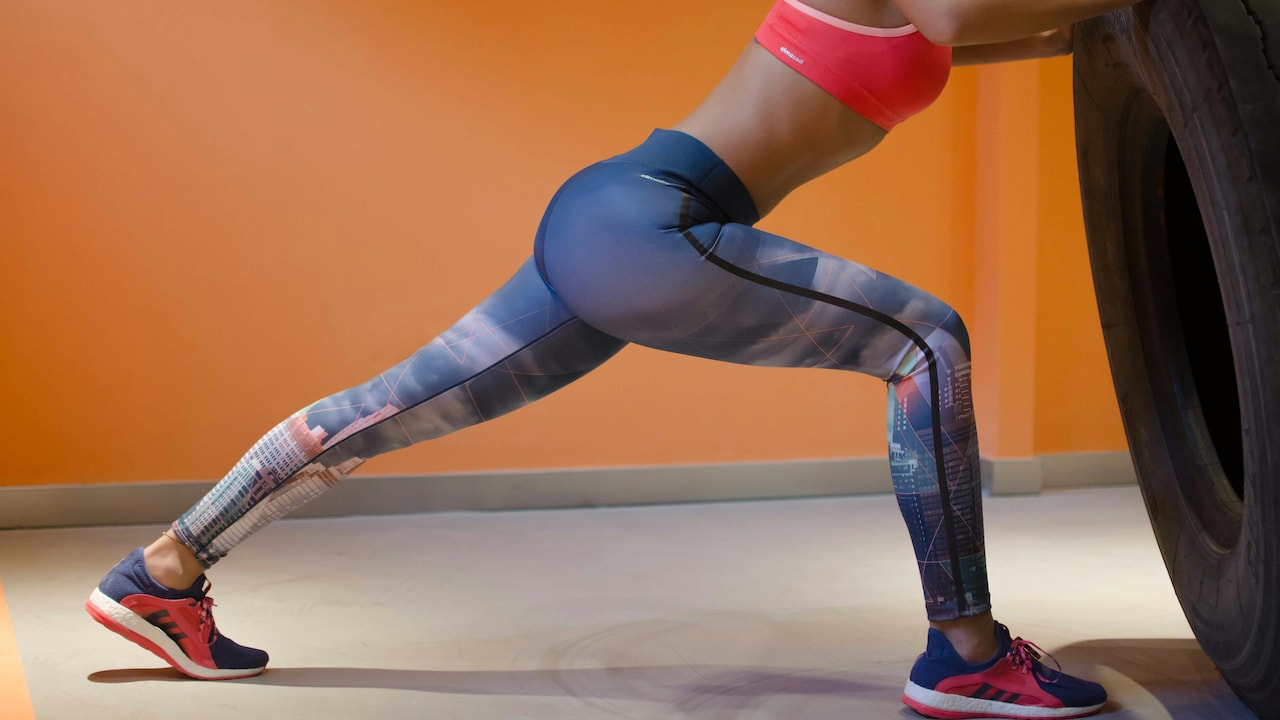
Why Leggings Become Transparent When You Sit and How To Avoid It; Photo Credit: Pexels
Moisture Can Increase Transparency
Sweat introduces another hidden challenge. During workouts or humid weather, moisture can alter how fabric behaves, making some leggings appear thinner or cling more closely to skin.
Poor moisture-wicking fabrics absorb sweat rather than dispersing it. This can darken certain areas unevenly and increase visibility. In high-humidity climates, this issue becomes particularly relevant.
Quality activewear typically incorporates moisture-management technology, helping fabric remain stable and breathable. While this often raises the price, it can prevent embarrassing surprises during exercise or summer outings.
Choosing leggings designed for intended activities matters greatly. Casual lounge leggings may not withstand intense physical movement or perspiration. Just as formal shoes struggle on trekking trails, not all leggings suit every purpose.
Changing Trends Encourage Fast Fashion
The rise of fast fashion has flooded markets with inexpensive leggings that prioritise style over substance. Trendy designs, low prices, and rapid production cycles often sacrifice material integrity.
Consumers may feel tempted by attractive deals, especially when multiple pairs cost less than one premium option. However, repeated disappointment can quickly outweigh initial savings. Transparent leggings often reflect broader issues within disposable fashion culture.
Investing in fewer, better-made pieces tends to provide superior long-term value. Durable leggings reduce waste, improve comfort, and offer consistent performance. In many cases, spending ₹2,500 once proves wiser than replacing ₹700 pairs every few months.
Fashion trends may evolve rapidly, but quality remains timeless. Reliable leggings should survive beyond seasonal aesthetics and social media hype.
Confidence Comes From Smart Choices
Transparency issues ultimately affect more than appearance. They influence confidence, comfort, and peace of mind. Wearing leggings should feel empowering, not anxiety-inducing.
Knowing fabric has been tested, seams are secure, and fit is appropriate allows wearers to move freely without constant self-consciousness. Confidence often stems from preparation rather than chance.
Smart choices involve understanding materials, prioritising fit, and resisting purely trend-driven purchases. Leggings should complement active lifestyles, not complicate them. A dependable pair can feel as satisfying as finding extra fries at the bottom of a takeaway bag.
Wardrobe essentials deserve thoughtful selection. When chosen well, leggings remain one of fashion's greatest successes rather than one of its most awkward failures.
Products Related To This Article
1. Jockey Super Combed Cotton Stretch Leggings soft Waistband
2. Zarmin Women Solid Ankle Length Leggings
3. Max Women White Solid Ankle-Length Leggings
4. CULT Solid All Day Performance Tights
5. Go Colors Women Black Solid Ankle Length Leggings
Leggings turning transparent when sitting is rarely random bad luck. Fabric quality, fit, stitching, care habits, and movement all contribute to whether a pair performs gracefully or creates embarrassment. While modern wardrobes increasingly prioritise comfort, comfort should never come at the cost of confidence.
Understanding these factors empowers smarter shopping decisions. Instead of falling for clever branding or bargain-bin temptation, shoppers benefit from examining construction, testing stretch, and caring for garments properly. The right pair offers style, flexibility, and dependable coverage in equal measure.
Leggings should support daily life seamlessly, whether during workouts, errands, or relaxed weekends. After all, great fashion works with the body, not against it. Choosing wisely ensures leggings remain a trusted staple rather than an unexpected public spectacle.
(Disclaimer: This article may include references to or features of products and services made available through affiliate marketing campaigns. NDTV Convergence Limited (“NDTV”) strives to maintain editorial independence while participating in such campaigns. NDTV does not assume responsibility for the performance or claims of any featured products or services.)