Why Flats Start Hurting After Weeks of Wear: Understanding Sole Density and Foot Comfort
Foot pain, sole density, flat shoes: Why flats start hurting after weeks as thin, unsupportive soles lose cushioning, reducing shock absorption and arch support, leading to daily discomfort.
Flats Start Hurting After Weeks of Wear: Guide to Sole Density and Long-Term Foot Comfort.
Flats enjoy a loyal following. They slip on easily, pair well with almost everything, and feel like a sensible choice for long days. From morning errands to evening gatherings, flats appear dependable. Then something shifts. A dull ache creeps in. Heels feel bruised. The ball of the foot burns after standing in a queue or navigating uneven pavements. More than uncomfortable, it is often painful and ontolerable. So, it is important to know why flats start hurting after weeks of wear and how improper sole thickness, support and shock absorption cause long-term pain - sole density, foot comfort, arch support, cushioning breakdown.
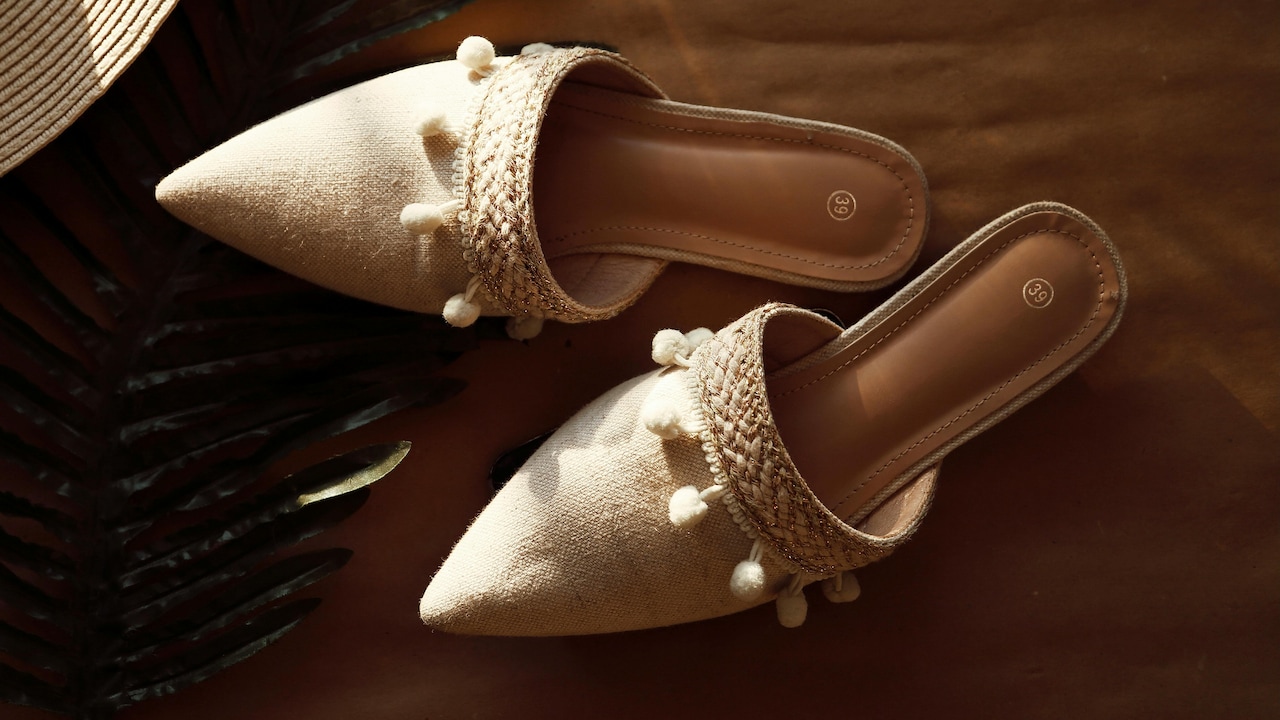
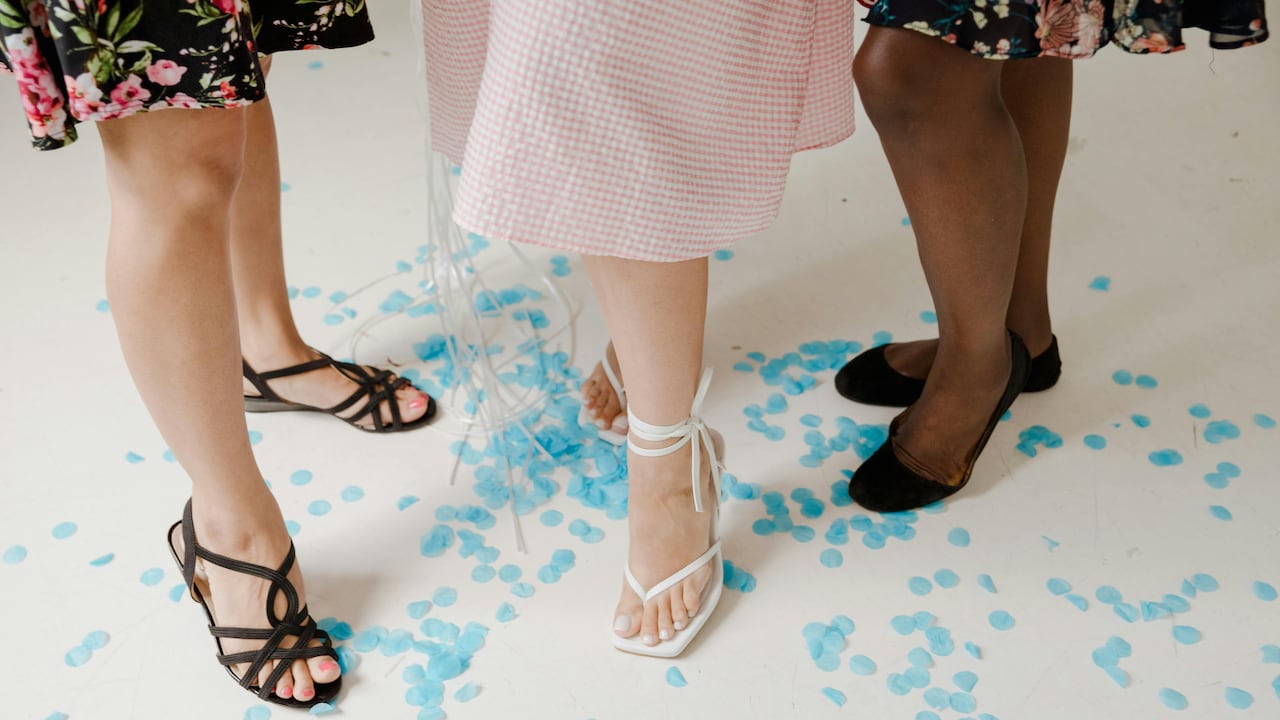
Explore all about why your favourite flat footwear starts hurting a week later; Photo Credit: Pexels
The problem rarely lies in the foot. The real issue often hides beneath it. Sole density plays a quiet yet powerful role in long-term comfort. Many flats focus on appearance while ignoring what happens after weeks of wear. Soft soles compress too quickly. Hard soles refuse to adapt. Both can lead to fatigue, strain and pain.
Understanding how soles behave over time helps make smarter choices. Comfort does not come from softness alone. Support, structure, and material quality matter far more. This guide breaks down the science, the myths, and the everyday realities of flats that look good but feel wrong later. Feet work hard every day. They deserve better than short-lived comfort.
Also Read: Best Flats For Kurtas to Jeans: Pull Your Outfits Together This Way
What Happens Beneath Your Feet After Weeks of Wear
1. Why New Flats Feel Great at First
Fresh flats often feel like a dream. The sole feels soft, the insole cushions each step, and the fit seems perfect. Early comfort creates trust. That trust fades quickly for many wearers. The reason lies in how low-quality cushioning behaves.
Most mass-market flats rely on foam that compresses fast. The material feels plush in the shop and during the first few weeks. Repeated pressure from walking, standing, and body weight flattens the foam. Once compressed, it fails to rebound. The foot then rests closer to the ground with little protection.
Daily routines add stress. Long walks to public transport, standing during peak hours, and uneven roads speed up wear. Heat and moisture also weaken cheap sole materials. What once absorbed impact now transfers it straight to the heel and forefoot.
New shoes often mask design flaws. Pain arrives only after the sole loses its initial bounce. Comfort should grow with wear, not disappear. Understanding this early honeymoon phase prevents disappointment later and saves both feet and money.
2. Sole Density Explained Without the Jargon
Sole density refers to how firm or compact the sole material feels under pressure. It decides how the shoe absorbs shock and supports the foot. Many assume softer always means better. That belief causes problems.
Low-density soles compress easily. They feel cushy but lack strength. High-density soles resist compression. They feel firm but may seem uncomfortable at first. The sweet spot lies somewhere in between.
A well-designed sole balances cushioning and resistance. It absorbs impact without collapsing. It supports the arch without feeling stiff. Over time, it adapts slightly to the foot's shape while retaining structure.
Density also affects energy return. Too soft and each step sinks, causing fatigue. Too hard and joints absorb the shock. Balanced density keeps walking efficient and reduces strain.
Flats often fail here. They aim for slim profiles and lightweight designs. That leaves little room for layered soles with varied densities. Knowing how density works helps identify which flats will stay comfortable after months, not just days.
3. Thin Soles and City Life Do Not Mix
Thin soles look elegant. They create a sleek silhouette and suit formal wear. Sadly, they struggle with real-world conditions. City surfaces rarely feel forgiving. Broken pavements, stone floors, and long corridors punish thin soles.
Each step sends an impact straight through the foot. Without enough material to absorb shock, the heel takes the brunt. Over time, this leads to soreness and even inflammation. The forefoot also suffers, especially during long standing hours.
Thin soles also fail to protect against temperature. Hot roads during summer and cold floors in winter affect comfort. Feet feel tired faster when they constantly react to surface changes.
Many flats use thin soles to cut costs and weight. They work for short outings. They fail for daily wear. A slightly thicker sole with layered density offers far better comfort while still looking refined. Style does not need to hurt.
4. How Poor Sole Density Affects Posture
Foot discomfort rarely stays local. Pain travels upward. Poor sole density disrupts natural alignment. When the foot lacks support, the body compensates. Ankles roll inward. Knees shift. Hips tighten.
These changes happen gradually. They often go unnoticed until aches appear elsewhere. Lower back pain, stiff calves, and sore knees are frequently linked to footwear choices.
Flats without proper density fail to guide the foot through a natural walking motion. The heel should land softly. The arch should support the weight. The forefoot should push off smoothly. Bad soles interrupt this sequence.
Balanced density supports posture by stabilising the foot. It keeps movement efficient and joints aligned. Good flats help the body move naturally without conscious effort.
Comfort equals health. A well-supported foot reduces stress throughout the body. That makes sole density more than a comfort issue. It becomes a posture investment.
5. The Myth of “Break-In Periods”
Many accept pain as part of wearing new shoes. Friends often suggest waiting it out. That advice causes unnecessary suffering. Quality flats should not hurt after a short adjustment period.
A brief break-in allows materials to soften slightly. It does not involve blisters or constant aching. Persistent pain signals poor design or unsuitable sole density.
Cheap soles change shape permanently during wear. They do not mould to the foot. They collapse. No amount of breaking in will fix that. Waiting only worsens discomfort.
Good soles retain structure while adapting subtly. They feel supported from early on and improve with use. Pain-free wear from the start should remain the standard.
Listening to the body matters. Discomfort serves as feedback. Ignoring it leads to long-term issues. Flats should support daily life, not demand endurance.
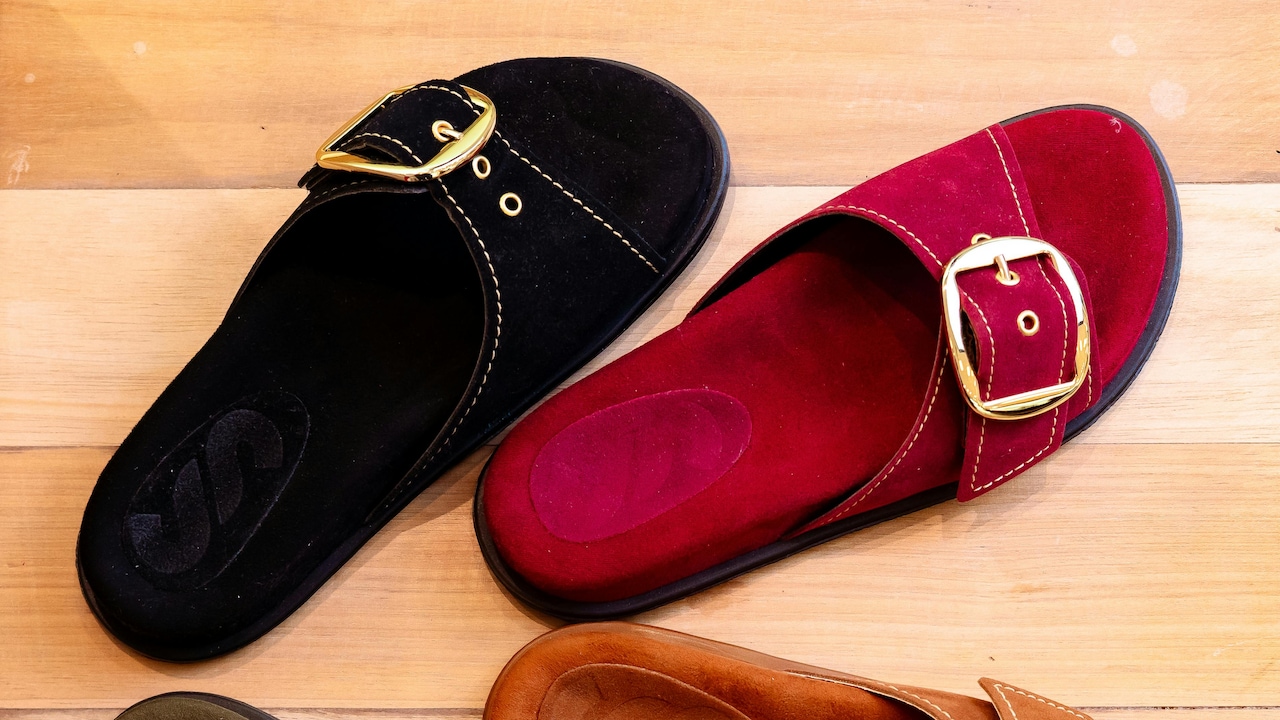
The quality of soles in flat footwear can leave a huge impact on your experience; Photo Credit: Pexels
6. Weight, Weather, and Wear Patterns
Sole density interacts with lifestyle factors. Body weight influences compression speed. Heavier loads compress soft soles faster. Even light wearers experience issues with poor materials over time.
Climate plays a role too. Heat softens certain foams. Monsoon moisture weakens adhesives and layers. Dust and grit wear down thin soles quickly.
Walking style also matters. Some people strike harder with the heel. Others roll inward. Poor density exaggerates these patterns, leading to uneven wear and faster breakdown.
Quality soles account for real conditions. They use materials that resist heat, moisture, and compression. They include textured outsoles for grip and stability.
Choosing flats without considering these factors shortens their lifespan. A slightly higher upfront cost often saves money later. Durable comfort outlasts trendy designs every time.
7. Signs a Flat Will Hurt Later
Certain clues appear before purchase. Extremely lightweight flats often lack substance. Bending the sole too easily signals low density. If it folds like paper, trouble awaits.
Pressing the insole with a thumb reveals a lot. If the indentation stays, the foam lacks resilience. Good cushioning springs back quickly.
Check heel support. A completely flat sole with no contour rarely supports long wear. Look for gentle shaping rather than full flatness.
Outsole material matters. Rubber blends usually outperform thin synthetic sheets. Stitching or layered construction also signals durability.
Trust instincts. If a flat feels comfortable but flimsy, comfort may not last. Paying attention to these signs prevents weeks of discomfort later.
8. Style Versus Comfort: Finding Balance
Fashion often frames comfort as a compromise. That idea no longer holds true. Many brands now blend aesthetics with thoughtful design. The key lies in informed choices.
Structured flats with subtle cushioning look just as elegant. Slightly raised heels distribute pressure better than completely flat designs. Clean lines and quality materials elevate appearance without sacrificing comfort.
Colour and texture draw attention away from sole thickness. Clever design hides supportive features. Comfort no longer needs to announce itself.
Choosing versatile styles reduces the need for multiple pairs. One well-made flat handles workdays, outings, and travel with ease. That simplifies wardrobes and routines.
Feet carry the body through every moment. They deserve respect. Style shines brighter when comfort supports it quietly from below.
9. Long Days, Real Lives, Real Needs
Daily life demands more than short walks. Long commutes, standing conversations, and spontaneous plans extend wear time. Flats must handle it all.
Comfort becomes emotional, too. Pain affects mood. Tired feet reduce patience and focus. Good footwear supports confidence and ease.
Relatable moments reveal the truth. Standing through a delayed train announcement. Walking home after a long celebration. These moments test soles more than any showroom walk.
Flats with balanced density turn these challenges manageable. They fade into the background, letting moments take centre stage.
Shoes should support life, not limit it. Choosing wisely brings freedom and reliability into everyday routines.
10. Investing in Foot Health Without Overthinking
Foot health does not require complex science. Simple awareness helps. Understanding sole density empowers better decisions.
Price alone does not guarantee quality. Attention to materials, structure, and feel matters more. Trying shoes at the end of the day reveals true comfort needs.
Rotating footwear extends lifespan. Allowing soles to recover between wears maintains cushioning. Small habits protect long-term comfort.
Feet change over time. Revisiting choices matters. What worked years ago may no longer suit current routines.
Comfort builds quietly. It supports every step without demanding notice. Investing in better soles brings lasting rewards that outshine short-term trends.
Products Related To This Article
1. Shoetopia Women's Mules Flats
2. FORVELA Women Regular Slip-On Open Toe Flats
3. D LORZERI Women Fashion Flats
4. Mochi Women Open Toe Flats with Laser Cuts
5. Shoestail Women Open Toe Flats
6. Metro Women Blue Open Toe Flats
7. Fame Forever by Lifestyle Girls Embellished Buckle Flats
Flats start with promise. They offer simplicity and style. When poorly designed, they end with discomfort and regret. The culprit often hides in sole density, an overlooked yet vital feature. Understanding how soles behave over time changes everything. It shifts focus from first impressions to lasting comfort. Good flats support posture, reduce fatigue, and adapt to real life. They balance softness with strength. They last longer and feel better. With the right knowledge, flats can remain trusted companions long after the first few weeks.
(Disclaimer: This article may include references to or features of products and services made available through affiliate marketing campaigns. NDTV Convergence Limited (“NDTV”) strives to maintain editorial independence while participating in such campaigns. NDTV does not assume responsibility for the performance or claims of any featured products or services.)