Why Your Gym Clothes Smell Even After Washing And How To Fix It Permanently
Gym clothes still smell after washing? The issue lies in trapped bacteria and fabric type, not poor hygiene. Learn why it happens and how to eliminate odours for good with simple, effective fixes.

Gym Clothes Still Smell After Washing? Causes And Proven Ways To Fix It
There's something oddly disappointing about pulling out freshly washed gym clothes, only to catch a faint, sour smell lingering beneath the detergent. It feels unfair. After all, laundry has been done, effort has been made, and yet the result refuses to cooperate. For many, this becomes a weekly annoyance, especially in a climate where workouts quickly turn sweaty and intense.
Modern activewear promises performance, flexibility, and breathability. Yet, these very qualities often trap odour in ways traditional fabrics never did. Add long commutes, packed gym bags, and occasional laundry delays, and the situation worsens.
The good news is that this problem has less to do with cleanliness and more to do with understanding how fabrics behave. Once that puzzle becomes clear, fixing it feels less like guesswork and more like a simple routine shift.
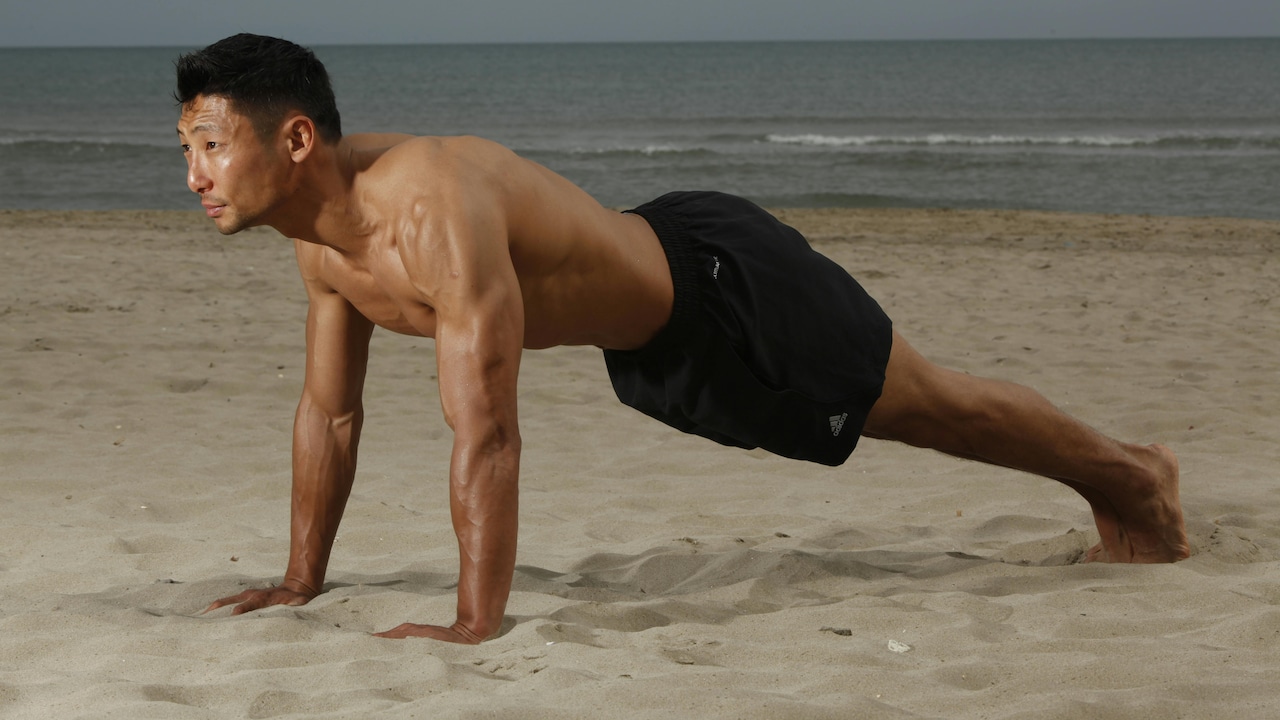
Gym Clothes Still Smell After Washing? Causes And Proven Ways To Fix It; Photo Credit: Pexels
What Is Really Causing That Stubborn Gym Clothes Smell?
The Science Behind Persistent Odours In Activewear
Sweat itself doesn't smell. That fact surprises many. The real culprit lies in bacteria that thrive in warm, damp environments. Synthetic fabrics such as polyester and nylon create the perfect breeding ground. These materials hold onto body oils, which bacteria feed on, releasing unpleasant smells.
Unlike cotton, which absorbs moisture and releases it during washing, synthetic fibres trap oils deep within their structure. Even after a wash cycle, residues remain. Over time, this builds into a persistent odour that resurfaces the moment the fabric warms up again.
Imagine stepping out of an air-conditioned room into the afternoon heat. Suddenly, that “clean” T-shirt smells questionable. That's trapped bacteria waking up again.
Understanding this makes it clear why regular detergent often fails. It cleans surface dirt but struggles with embedded oils. Without tackling the root cause, the smell simply returns.
Why Regular Detergent Isn't Enough
Most detergents are designed for everyday clothing like cotton shirts or denim. Gym wear demands something more specialised. Standard formulas often lack the strength to break down body oils lodged within synthetic fibres.
In many households, a scoop of detergent feels like the solution to everything. Yet, adding more detergent can actually worsen the issue. Excess soap doesn't rinse out completely, leaving behind residue. That residue then traps even more bacteria, creating a cycle of odour build-up.
Water temperature also plays a role. Cold washes save electricity costs, but they may not fully dissolve oils. On the other hand, high heat can damage elastic fibres in gym wear.
The result? Clothes that look clean but smell far from it. A shift in washing strategy, not just product, makes all the difference.
Also Read: Stay Fresh All Day: 10 Best Post-Gym Deos Under ₹299 You Will Love
The Hidden Impact Of Sweat And Body Oils
Not all sweat is the same. During intense workouts, the body releases oils, salts, and proteins. These elements cling to fabric, especially in areas like underarms, collars, and waistbands.
In humid conditions, sweat doesn't evaporate quickly. It lingers, giving bacteria more time to multiply. A shirt worn for a ₹300 gym session can easily end up holding layers of invisible residue.
Over time, these deposits become harder to remove. Each wash only scratches the surface, leaving deeper layers untouched. This explains why newer gym clothes smell fine, while older ones seem permanently affected.
The key lies in addressing these oils early. Waiting too long between washes or re-wearing damp clothes allows the problem to deepen.
Why Leaving Clothes In The Laundry Basket Makes It Worse
After a long day, tossing sweaty gym clothes into a corner feels harmless. Yet, this habit quietly intensifies the odour problem. Damp fabrics become a playground for bacteria, especially in warm environments.
When clothes sit for hours, or even days, the smell becomes embedded. Washing them later won't fully reverse the damage. It's similar to leaving wet towels in a pile; the musty smell develops quickly and stubbornly.
Even gym bags contribute. A closed bag traps heat and moisture, creating ideal conditions for bacterial growth. Opening that bag later can feel like a shock.
A simple change helps. Allowing clothes to air-dry before tossing them into the wash basket can significantly reduce odour build-up. It's a small effort with noticeable results.

Gym Clothes Still Smell After Washing? Causes And Proven Ways To Fix It; Photo Credit: Pexels
The Role Of Fabric Technology In Trapping Smells
Modern activewear uses advanced fabrics designed to wick moisture away from the skin. While this improves comfort, it also creates microscopic spaces where bacteria can hide.
These fabrics are engineered for performance, not necessarily for easy cleaning. The tighter the weave, the harder it becomes for water and detergent to penetrate fully.
Some premium gym wear, often priced upwards of ₹2,000, includes odour-resistant technology. However, even these garments lose effectiveness over time if not maintained properly.
Ironically, the more high-tech the fabric, the more careful the washing process needs to be. Treating gym wear like regular clothes often leads to disappointment.
Understanding fabric behaviour transforms how laundry gets handled and improves results dramatically.
Why Fabric Softeners Can Make Things Worse
Fabric softeners promise softness and fragrance. However, when it comes to gym clothes, they often do more harm than good. These products coat fibres with a thin layer, which traps oils and bacteria inside.
The pleasant scent may mask the odour temporarily, but it doesn't eliminate the source. Over time, this coating builds up, making fabrics less breathable and more prone to smells.
That “fresh” smell after washing can be misleading. Once the fabric warms up during wear, the underlying odour returns stronger than before.
Skipping fabric softener for gym wear may feel counterintuitive, but it's one of the most effective changes. Breathable fabrics stay cleaner when left uncoated.
The Power Of Pre-Soaking And Natural Solutions
Sometimes, a simple pre-soak works wonders. Ingredients found in most kitchens can help break down stubborn odours. Vinegar, for example, acts as a natural deodoriser. Baking soda helps neutralise smells and loosen residues.
Soaking gym clothes for 20–30 minutes before washing allows these solutions to penetrate deeper into the fibres. It's a low-cost method, especially compared to repeatedly replacing clothes.
For those who prefer ready-made options, specialised sports detergents are available. While slightly more expensive, they target the exact issue standard detergents miss.
The key is consistency. Occasional soaking helps, but regular care prevents build-up from returning.
Drying Methods That Actually Matter
Drying plays a bigger role than expected. Leaving clothes damp for too long encourages bacteria to grow again. Quick and proper drying prevents this cycle.
Sunlight acts as a natural disinfectant. Hanging clothes in direct sunlight not only dries them faster but also helps eliminate odour-causing microbes. In crowded urban spaces, even partial sunlight exposure makes a difference.
Using a dryer can work too, but excessive heat may damage fabric elasticity. A balanced approach works best, air drying with good ventilation.
The smell of sun-dried clothes carries a subtle freshness that no detergent quite replicates. It's a simple yet effective step often overlooked.
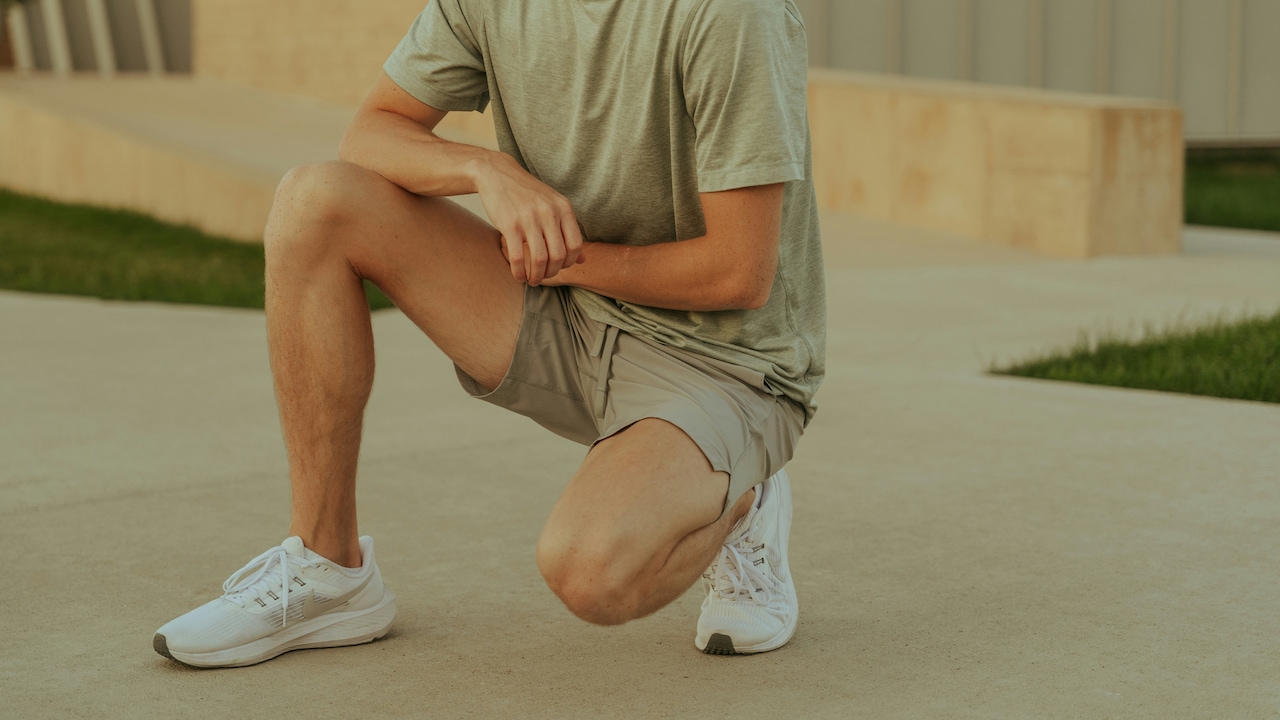
Gym Clothes Still Smell After Washing? Causes And Proven Ways To Fix It; Photo Credit: Pexels
When It's Time To Replace Gym Clothes
Even with the best care, gym clothes don't last forever. Over time, fibres degrade, and odour becomes impossible to remove completely. If a garment smells immediately after washing, it may have reached that stage.
Holding onto worn-out gym wear often feels economical. After all, a ₹1,500 pair of leggings deserves a long life. Yet, wearing clothes that never feel fresh can affect comfort and confidence.
Replacing key items periodically ensures a better experience. It also prevents the spread of odour to other clothes in the wash.
Think of it less as an expense and more as maintaining hygiene and comfort.
Building A Simple Routine That Works
Fixing smelly gym clothes doesn't require complicated systems. A few consistent habits make all the difference. Washing clothes soon after workouts, avoiding overloading the machine, and choosing the right detergent create a strong foundation.
Small adjustments, like turning clothes inside out before washing, help target the areas where bacteria accumulate most. Keeping gym bags clean also plays a role.
Over time, these habits become second nature. The result? Clothes that actually smell clean, not just freshly washed.
Consistency beats occasional effort. Once a routine settles in, the problem fades quietly into the background.
Products Related To This Article
1. Decathlon DOMYOS - Melange Effect Gym T-Shirt
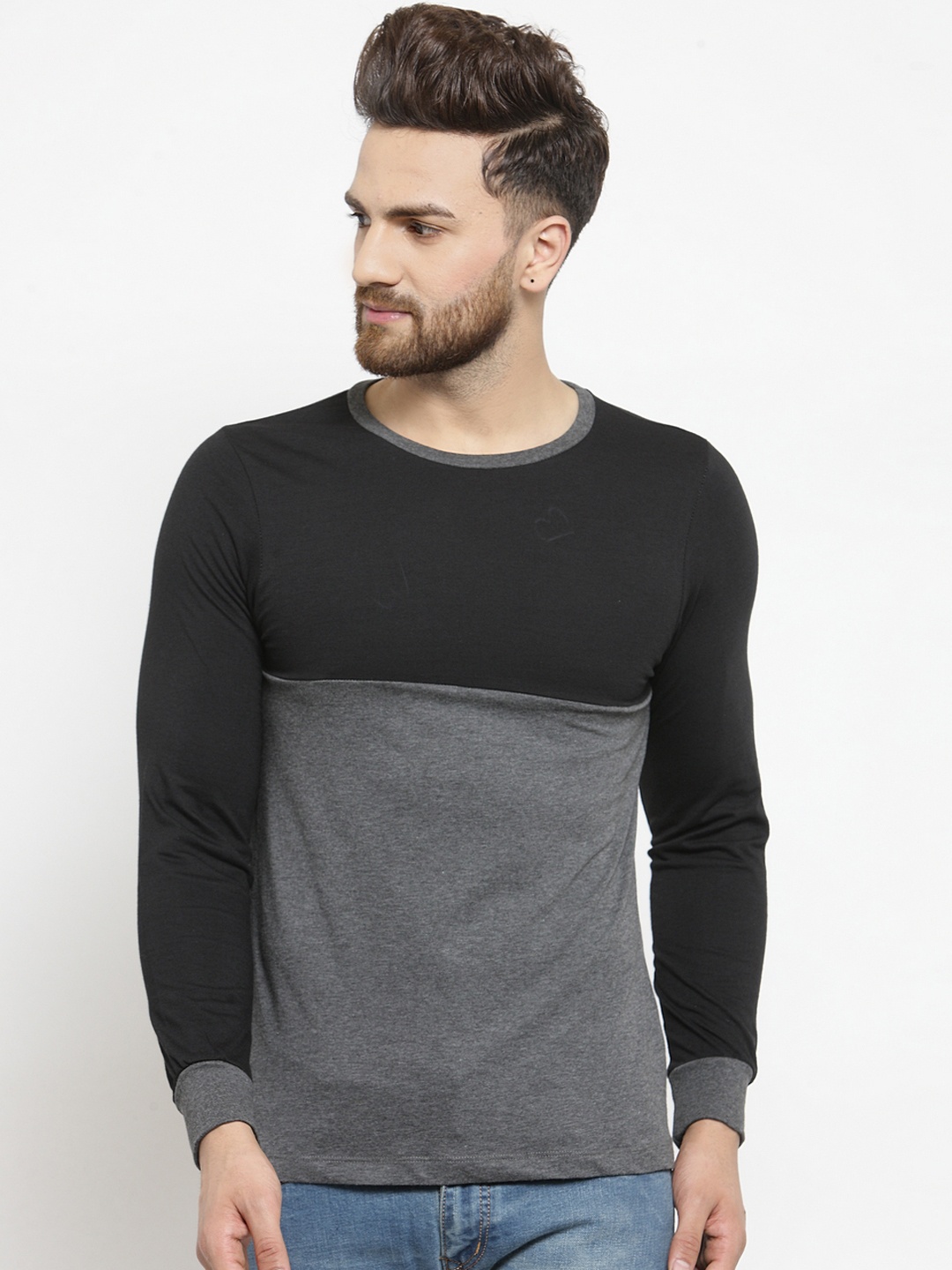
2. Van Heusen Innerwear Athleisure Men Solid Antibacterial Smart Tech T-Shirt
3. Jockey Super Combed Cotton Stretch Leggings with Soft Waistband
4. Slazenger Men Relaxed Fit Colourblocked Athleisure Track Pants
5. HRX by Hrithik Roshan Printed Rapid-Dry Training T-shirt
The mystery of smelly gym clothes isn't really a mystery at all. It's a combination of fabric science, washing habits, and everyday routines. What feels like a stubborn problem often comes down to small, overlooked details.
By understanding how synthetic fabrics behave and how bacteria thrive, it becomes easier to tackle the issue at its root. Simple changes, such as air-drying clothes, avoiding fabric softeners, and using effective cleaning methods, can transform the entire experience.
Fresh gym wear isn't just about cleanliness. It adds confidence, comfort, and a sense of readiness for the next workout. And once that lingering smell disappears for good, it's hard to go back to anything less.
(Disclaimer: This article may include references to or features of products and services made available through affiliate marketing campaigns. NDTV Convergence Limited (“NDTV”) strives to maintain editorial independence while participating in such campaigns. NDTV does not assume responsibility for the performance or claims of any featured products or services.)