Why Some Hair Accessories Hurt And How To Pick Gentle Ones
Tight elastics, rigid headbands and sharp clips can trigger headaches, breakage and thinning edges. Discover why some hair accessories hurt and how to choose five gentler options that keep your style intact, without the pain.
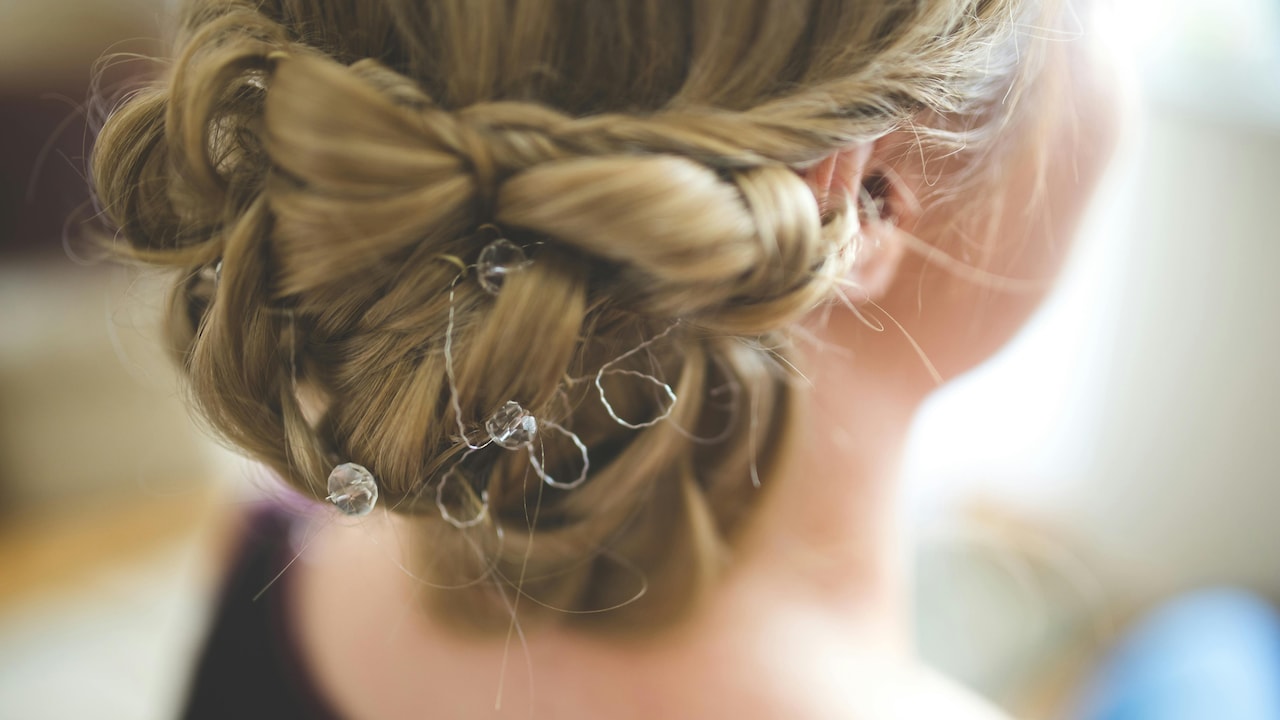
Why Hair Accessories Hurt: 5 Gentle Alternatives For Healthier, Pain-Free Styling.
Hair accessories hold a curious power. They tame unruly strands during humid monsoons, rescue greasy hair on rushed weekday mornings, and add sparkle to festive outfits. A simple clip can turn a chaotic day into something manageable. Yet by late afternoon, that same clip might dig into the scalp like an unwelcome reminder of every pending email.
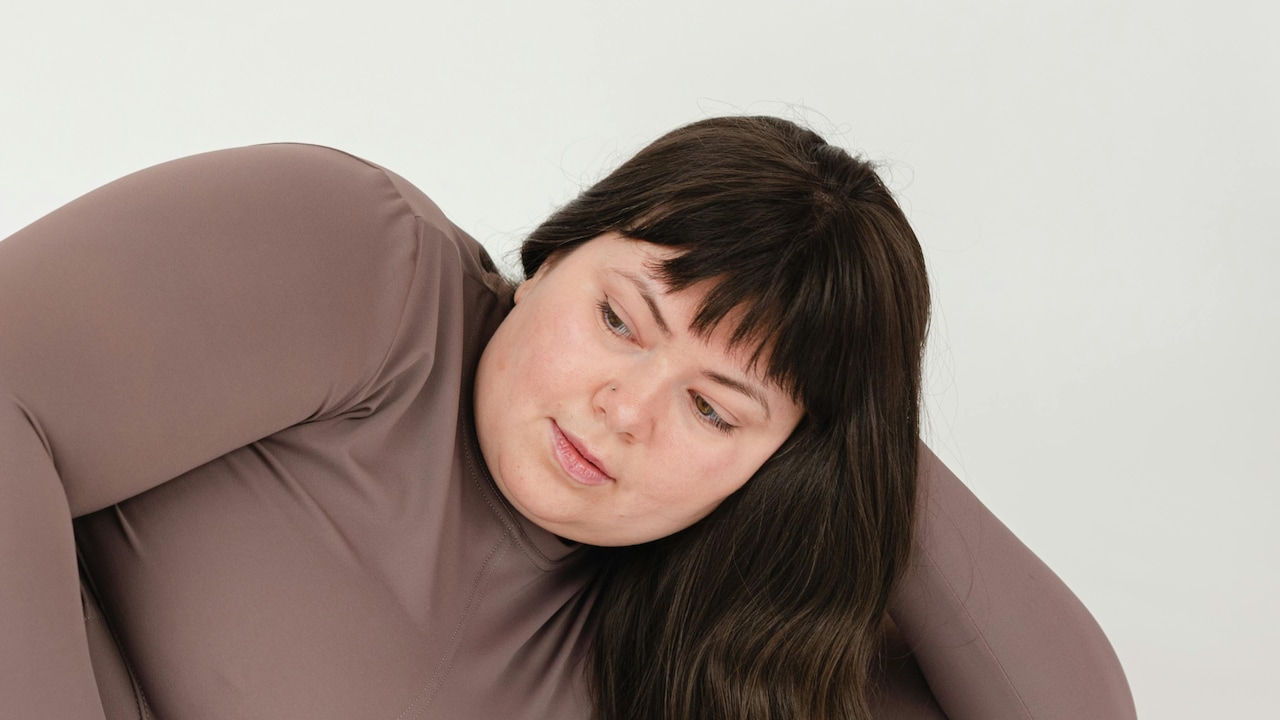
Many people blame their hair for feeling “too thick” or “too heavy”. The real culprit often hides in plain sight. Cheap elastics, rigid headbands, poorly finished metal clasps and overly tight styles place constant tension on hair roots. Over time, this strain can cause headaches, breakage, and even thinning around the temples.
Choosing gentler accessories does not mean sacrificing style. It means paying attention to materials, shape and tension. It means noticing how the scalp feels after two hours, not just how the mirror looks at nine in the morning. With thoughtful choices, hair can look elegant without staging a silent protest.
The following sections explore why certain accessories hurt and how to pick five kinder alternatives that work beautifully in daily life.
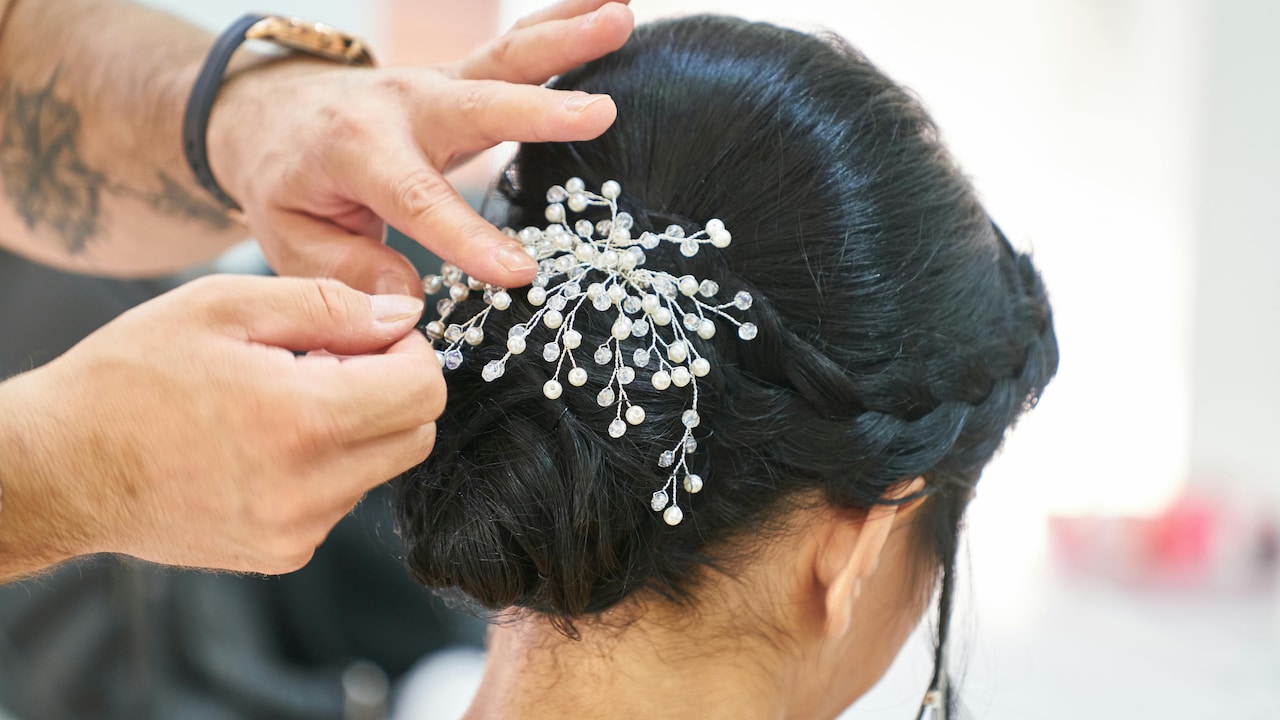
Why Some Hair Accessories Hurt And How To Pick Gentle Ones
Photo Credit: Pexels
Understanding The Pain And Finding Gentle Alternatives
Tight Elastics And The Tug-Of-War Effect
The classic black elastic often costs less than ₹50 for a pack of ten. They seem harmless, yet many hide a thin rubber core that grips like a determined wrestler. When wrapped three or four times around a ponytail, they pull strands from the root and refuse to let go.
That constant tension creates what dermatologists call traction stress. The scalp feels sore because each strand anchors into delicate follicles. After hours of strain, a dull ache settles in. Remove the elastic and tiny broken hairs that cling to it like evidence of the battle.
The problem worsens when elastics lose their stretch. Instead of holding hair evenly, they clamp down unevenly, forcing some strands to bear more pressure than others. High ponytails make matters worse by pulling hair upward against its natural fall.
Gentler alternatives use soft woven fabric and seamless construction. Look for elastics that feel plush between the fingers and stretch easily without snapping back aggressively. When tying hair, secure it firmly but avoid wrapping it excessively. Comfort should guide the decision, not fear of a ponytail slipping.
Hard Plastic Headbands And Hidden Pressure Points
Headbands promise instant neatness. Slip one on, and hair stays off the face through traffic fumes and office air-conditioning. Yet many hard plastic bands apply concentrated pressure behind the ears. After a few hours, the area throbs.
Manufacturers often design these bands in one rigid size. Heads, however, vary in width and shape. When the band does not flex, it presses inward. Tiny teeth along the inside dig into the scalp, scratching sensitive skin and disrupting natural oils.
Sweat and humidity add to the discomfort. Plastic does not breathe, so heat builds underneath. The scalp reacts with irritation or itchiness. Some people even develop small bumps where friction repeats daily.
A softer approach makes a world of difference. Fabric-covered headbands with slight elasticity adapt better to individual head shapes. Wide bands distribute pressure more evenly. Materials such as cotton or satin reduce friction and feel lighter during long wear. When trying a headband, wear it around the house for an hour before stepping out. If the ears feel sore, it does not deserve a place in the wardrobe.
Metal Clips That Pinch And Scratch
Shiny metal clips often look elegant, especially for formal occasions. Yet poorly finished edges can scrape the scalp or trap hair strands between springs. The result feels like tiny pinches throughout the day.
Cheap alloys also heat up quickly under the sun. A midday auto ride in peak summer can turn a metal clip into an uncomfortable accessory. Springs inside older clips lose alignment over time, causing uneven closure that grips hair too tightly on one side.
Hair texture plays a role as well. Thick or curly hair may resist narrow metal clasps. Instead of holding securely, the clip snaps shut with force, catching strands mid-way. The sudden pull leads to breakage near the roots.
Choose clips with smooth, rounded edges and secure but gentle springs. Run a finger along the inner surface before buying. If it feels sharp, it will not feel better on the scalp. Designs that combine metal frames with fabric or resin coatings often reduce direct friction. A clip should hold hair calmly, not clamp it like a stubborn lock.
The Problem With Overly Tight Hairstyles
Sometimes the accessory behaves perfectly, yet the style itself causes trouble. Sleek buns and high ponytails remain favourites during weddings and festive gatherings. However, constant tight styling strains the hairline.
When hair pulls backwards forcefully, follicles weaken over time. The temples often show the first signs, with baby hairs thinning gradually. Headaches follow because scalp muscles stay in a state of tension.
Many stylists secure elaborate buns with multiple pins inserted at sharp angles. While the look stays intact for hours of dancing, the scalp bears the cost. Removing dozens of pins later can feel like dismantling scaffolding from a building.
Balance transforms the experience. Opt for slightly lower ponytails and looser buns. Allow a bit of natural movement instead of forcing every strand into place. Hair thrives when it retains flexibility. Accessories should support a style, not imprison it.
Choosing Fabric Scrunchies For Everyday Comfort
Scrunchies once ruled school corridors and have returned with well-earned respect. Unlike thin elastics, fabric scrunchies wrap hair in a soft layer that cushions tension. The elastic hides inside the fabric, reducing direct friction.
Silk and satin scrunchies glide over strands smoothly. They prevent the rough rubbing that causes frizz and split ends. Cotton versions suit daily errands and workouts because they absorb sweat gently without pulling.
Another advantage lies in flexibility. Scrunchies stretch generously, so hair does not require aggressive wrapping. Even thick hair secures comfortably with fewer twists. When removed, they rarely leave harsh creases.
Prices vary from ₹100 for simple cotton pieces to ₹500 or more for pure silk. Consider them an investment in scalp comfort. They work beautifully for low ponytails, braids and relaxed buns. A small switch from basic elastics to soft scrunchies can significantly reduce daily hair stress.
Opting For Claw Clips That Distribute Pressure Evenly
Claw clips offer effortless elegance. Twist the hair, clamp the clip, and step out. However, size and design determine comfort. Tiny clips force hair into tight folds, concentrating pressure at one point on the scalp.
Larger claw clips with wide teeth distribute weight more evenly. They hold hair without demanding excessive twisting. Matte or resin finishes often feel smoother than hard, glossy plastic.
For thick hair, choose sturdy clips with strong yet flexible springs. For fine hair, lighter clips prevent unnecessary heaviness. The key lies in matching the clip size to hair volume.
Claw clips also allow airflow around the scalp, reducing sweat build-up compared to tight buns. They work well for long office hours or travel days. When worn correctly, they feel secure without causing that familiar end-of-day ache.
Embracing Spiral Hair Ties For Reduced Breakage
Spiral hair ties resemble old telephone cords, and their design serves a clever purpose. The coil shape spreads pressure across a wider surface area rather than squeezing hair tightly.
Because the tie does not rely on a fabric-wrapped rubber core, it avoids the intense snap of traditional elastics. Hair slides out more smoothly when removed, reducing breakage.
These ties suit workouts, humid weather and busy commutes. They resist absorbing sweat and dry quickly after washing. Many people notice fewer headaches when switching to spiral styles for high ponytails.
Affordability adds to their appeal, with packs often priced between ₹150 and ₹300. While they may stretch over time, dipping them briefly in warm water can help them regain shape. For those who love a firm ponytail but dislike scalp tension, spiral ties offer a practical compromise.
Selecting Padded And Satin Headbands
Headbands need not cause misery. Padded and satin versions cushion the head gently while adding a polished touch. The padding reduces direct pressure, while satin minimises friction against hair strands.
Wide bands perform better than narrow ones because they distribute force across a broader area. They stay in place without digging behind the ears. Soft inner linings further enhance comfort during extended wear.
These headbands pair beautifully with kurtas, dresses or even simple jeans and a tee. They feel festive without requiring complex styling. Satin options also help reduce frizz, particularly in humid climates.
When shopping, bend the band slightly to test flexibility. It should adapt easily without feeling brittle. A good headband frames the face gracefully and disappears into the background of daily life rather than demanding constant adjustment.
Trying Soft Fabric Barrettes And Snap Clips
Barrettes often carry childhood nostalgia, yet modern designs cater to adult sensibilities. Fabric-covered or resin-coated barrettes avoid the sharp edges found in cheaper metal versions.
Snap clips with smooth finishes hold small sections of hair without yanking. They suit half-up styles and side sweeps that frame the face gently. Because they secure limited hair at a time, they reduce overall scalp tension.
For daily wear, choose clips that open and close smoothly without squeaking or sticking. A good barrette should glide into place rather than forcing its way through strands.
These accessories work especially well for shorter hair or layered cuts. They add interest without requiring tight ponytails. In professional settings, a simple neutral-toned barrette can look refined while maintaining comfort throughout long meetings.
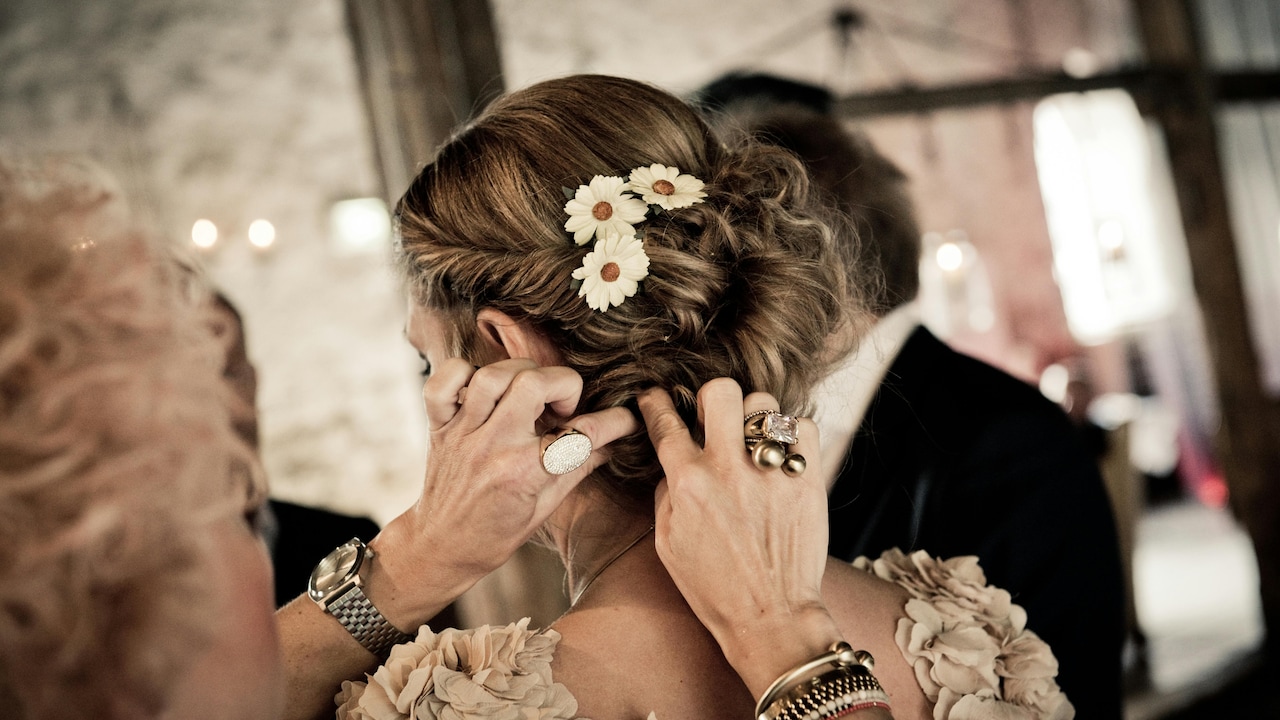
Why Some Hair Accessories Hurt And How To Pick Gentle Ones
Photo Credit: Pexels
Paying Attention To Material, Weight And Fit
Beyond specific styles, thoughtful selection prevents discomfort. Weight matters more than many realise. Oversized decorative clips adorned with heavy stones may look glamorous, but can strain roots during extended wear.
Material influences scalp health, too. Breathable fabrics such as cotton and silk feel kinder than rigid plastics. Smooth surfaces reduce friction and prevent cuticle damage.
Fit completes the equation. An accessory that suits one person may not suit another. Head size, hair thickness and sensitivity vary widely. Testing accessories at home before committing to a full day outside helps identify potential issues early.
Rotating hairstyles also gives follicles time to rest. Wearing the same tight ponytail daily compounds stress. Mixing loose braids, low buns, and open styles keeps tension balanced.
Small changes accumulate into noticeable improvements. Paying attention to how hair feels rather than focusing solely on appearance transforms daily routines into healthier habits.
Products Related To This Article
1. MAJESTIQUE Set of 12 Multicolour Soft Cotton rubber band hair ties ponytail holder
2. Ziory Girls Tic Tac Hair Clip
3. VOGUE HAIR ACCESSORIES Women Comb Pin
4. Choko Girls Set of 3 Embellished Hair Accessory Set
5. MAJESTIQUE Majestique Set of 3 Multicolor Soft Faux Fleece Fur Large Hair Clutcher Hair Claw Clips
Hair accessories should enhance confidence, not undermine comfort. When the scalp aches by mid-afternoon, it signals a mismatch between style and support. Tight elastics, rigid headbands and sharp metal clips often create unnecessary strain. Over time, that strain can lead to headaches, breakage and thinning edges.
Gentler alternatives exist and remain widely available at accessible price points. Soft scrunchies, well-sized claw clips, spiral ties, padded headbands and smooth fabric barrettes prove that style and comfort can coexist beautifully.
The key lies in awareness. Notice how an accessory feels after hours of wear. Choose materials that respect the scalp. Avoid excessive tension and allow hair its natural movement.
A thoughtful switch today can protect hair health for years to come. After all, elegance should feel effortless, not painful.
(Disclaimer: This article may include references to or features of products and services made available through affiliate marketing campaigns. NDTV Convergence Limited (“NDTV”) strives to maintain editorial independence while participating in such campaigns. NDTV does not assume responsibility for the performance or claims of any featured products or services.)