Why Some Handbag Straps Crack Quickly And Which Materials Last Longer
Handbag straps crack due to weak materials, poor finishing, heat, moisture and overloading. Learn why some straps fail quickly and which durable materials offer better value and longer use.
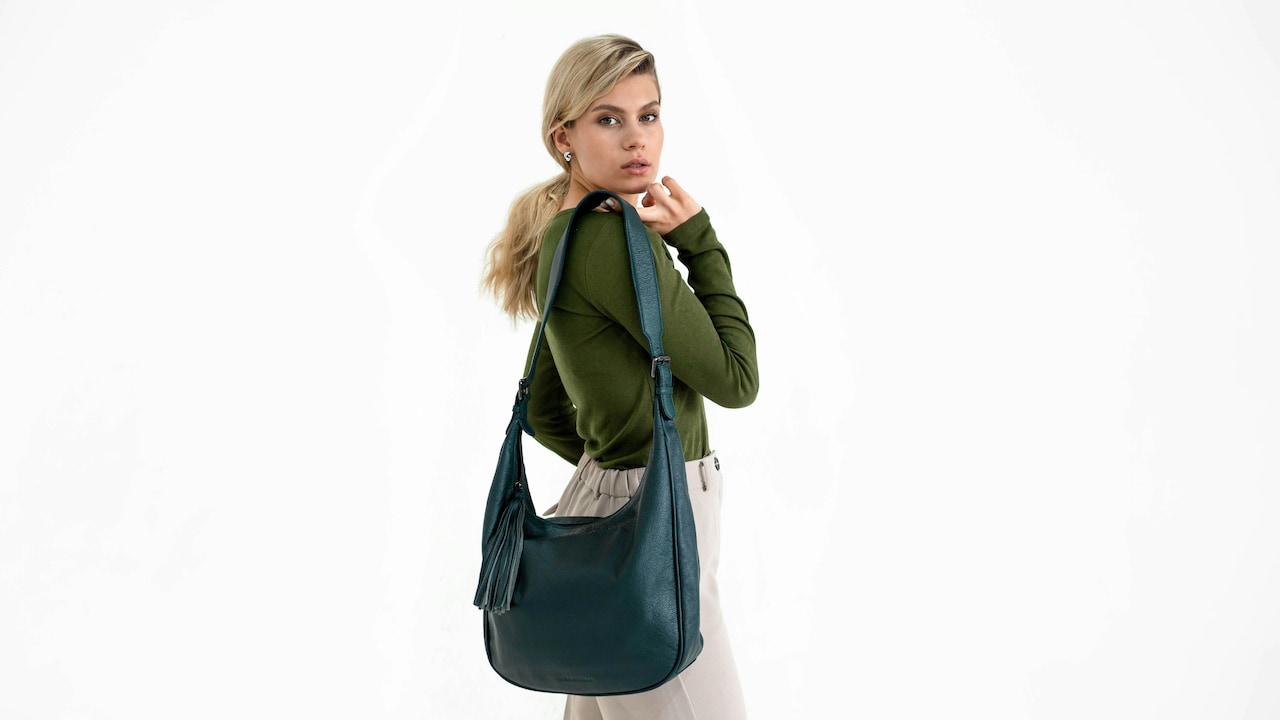
Why Handbag Straps Crack Quickly And Which Materials Last Longer
A handbag may look flawless on a shop shelf, but its strap reveals the real quality test. After all, the strap faces constant bending, pulling and rubbing. It rests against shoulders, brushes past clothing and absorbs moisture during humid afternoons. Add a packed metro ride, a sudden downpour or a bag stuffed with “just one more thing”, and the strap starts working overtime. Cracks rarely appear without warning. The surface may first feel stiff. Tiny lines may form near the buckle. Corners may begin to peel, leaving behind flakes that cling to a kurta or office shirt. These signs often point to weak synthetic coatings, poor stitching, unsuitable storage or simple overloading.
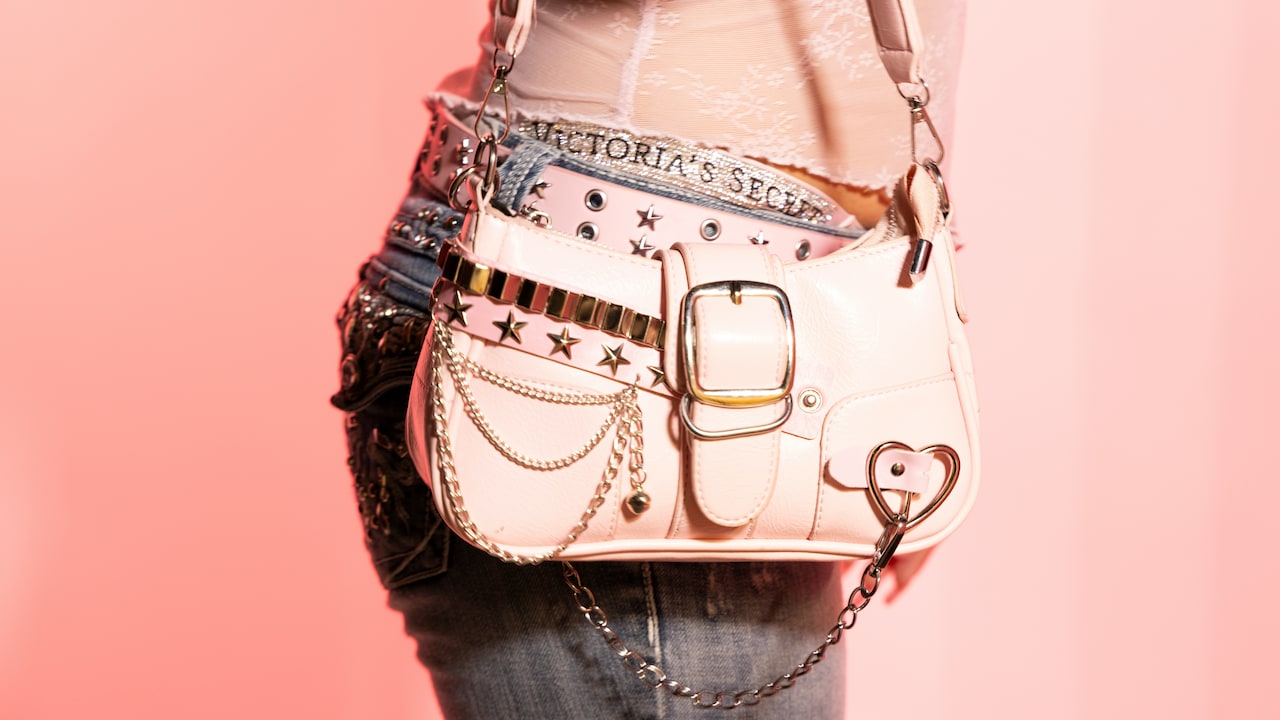
Why Handbag Straps Crack Quickly And Which Materials Last Longer; Photo Credit: Pexels
A higher price does not always guarantee durability. A ₹5,000 bag can develop cracks faster than a thoughtfully made ₹1,500 one. Material labels, edge finishing and strap construction matter more than a shiny logo. Here are ten reasons some handbag straps fail quickly, along with the materials that usually stand the test of time.
What Really Causes Handbag Straps To Crack?
1. Low-Quality Faux Leather Loses Its Top Layer
Many affordable handbag straps use faux leather because it looks polished and keeps prices accessible. However, not all faux leather offers the same quality. Cheaper versions often contain a thin plastic coating placed over fabric. This coating creates the smooth, leather-like finish seen in stores.
With regular use, the strap bends repeatedly at the same points. The plastic layer struggles to flex and eventually develops fine cracks. Heat and moisture speed up the damage. A bag carried through warm streets or stored inside a stuffy cupboard may start peeling sooner than expected.
Polyvinyl chloride, commonly called PVC, tends to feel firmer and may crack when it loses its plastic-softening chemicals. Polyurethane, or PU, usually feels softer and more flexible, though poor-quality PU can also flake.
A good faux-leather strap should bend without making pale crease marks. It should feel supple rather than papery. Better-quality microfibre-based PU often lasts longer because its inner structure handles movement more effectively. For occasional use, it can offer decent value. For daily commuting, stronger alternatives usually make more sense.
Also Read: Why Does My Bag's Strap Keep Slipping Off My Shoulder?
2. Heat And Humidity Speed Up Surface Damage
Handbag straps face a difficult climate in many parts of the country. High temperatures soften adhesives, while humidity encourages coatings to separate from their fabric backing. A bag may look perfectly fine during winter, then begin peeling after a sticky summer.
Synthetic leather suffers most because moisture can enter through tiny scratches and unfinished edges. Once trapped, it weakens the bond between the outer coating and inner layer. The surface then bubbles, cracks or sheds in small flakes. Leaving a handbag inside a parked car makes matters worse. The enclosed heat can turn the vehicle into an oven and dry out delicate coatings.
Natural leather handles heat better, but it still needs care. Excessive dryness can remove its oils and create stiffness. Full-grain leather usually responds well to occasional conditioning because the material retains its natural structure.
Canvas and woven nylon cope well with humid weather, especially when they dry properly after use. They may not deliver the same formal appearance as leather, but they survive sweaty commutes with far less drama. In coastal cities or places with long monsoons, breathable materials often outlast glossy synthetic ones.
3. Overloading Places Stress On The Same Areas
A handbag strap may look sturdy, but every strap has a limit. Daily essentials can quickly become a travelling household: charger, water bottle, diary, make-up pouch, snacks, umbrella and perhaps a small universe of receipts. The extra weight pulls hardest near buckles, rings and stitched joints.
When a strap carries too much, its outer surface stretches while the inner layers resist. This uneven tension creates cracks around holes and folded sections. Thin straps suffer faster because the load concentrates across a smaller area. Adjustable straps also experience repeated pressure around the most frequently used buckle hole.
Leather tends to stretch gradually rather than crack immediately, especially when it has enough thickness. Reinforced canvas also handles weight well because the woven fibres spread tension across the strap. Nylon webbing performs even better for heavy daily loads and travel bags.
Construction matters as much as material. A strap with strong stitching, folded edges and reinforced anchor points will usually outlast a decorative strap glued into place. Before buying, gently pull the strap near its attachments. Any visible separation, loose stitching or squeaking hardware deserves suspicion. A pretty strap should not behave as if it has already submitted a resignation letter.
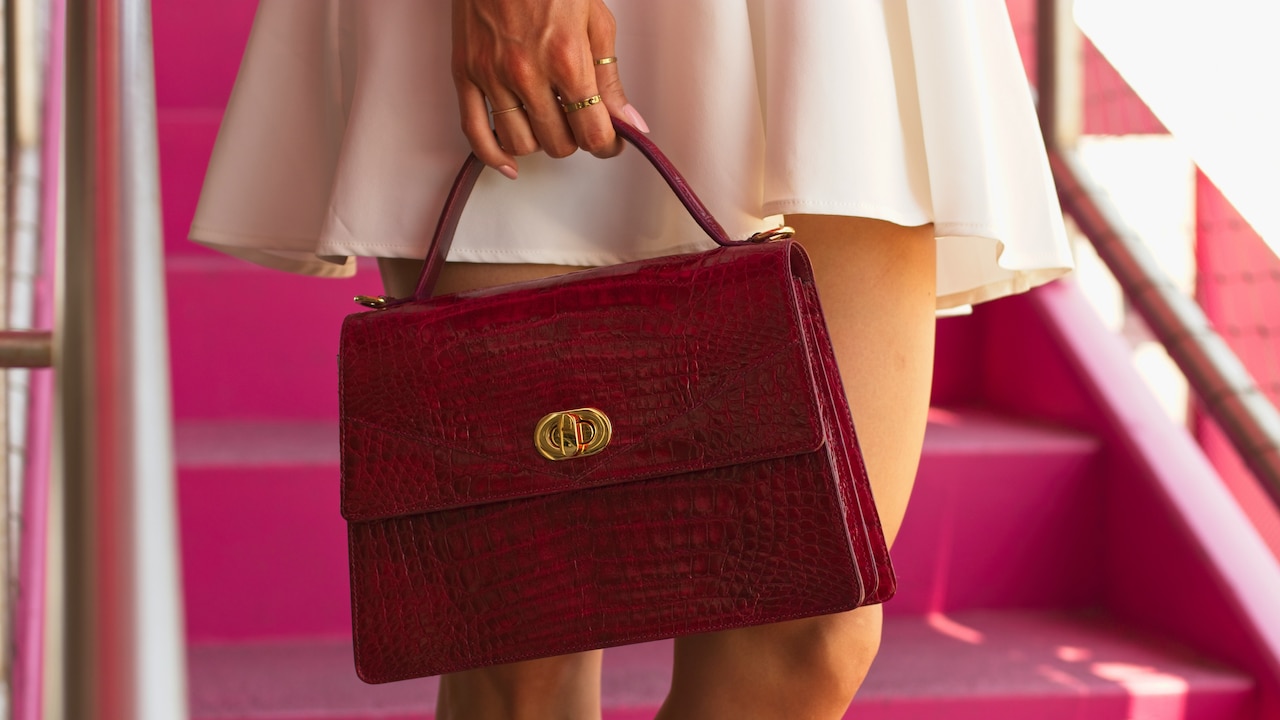
Why Handbag Straps Crack Quickly And Which Materials Last Longer; Photo Credit: Pexels
4. Poor Edge Paint Often Starts The Cracking
Strap edges receive less attention than the front surface, yet they often reveal the first signs of trouble. Manufacturers commonly apply edge paint or a rubber-like sealant to hide raw layers and create a neat finish. When this coating lacks flexibility, it cracks after repeated bending.
Once the edge paint splits, moisture and dirt enter the strap. The layers may then separate, curl or fray. This damage often appears near the buckle, where the strap bends sharply, or along the section that rests on the shoulder.
Premium leather straps sometimes use carefully polished or burnished edges instead of thick paint. This method smooths and seals the natural fibres, creating a finish that ages more gracefully. Quality edge paint can also last well when manufacturers apply several thin coats and allow each layer to cure properly.
Shoppers can inspect the sides of a strap before purchasing. Smooth, even edges suggest better finishing. Thick, lumpy or unusually glossy edges may hide rushed work. Flexing the strap gently can expose early weakness. If the edge coating wrinkles, turns white or separates, regular use will probably worsen it. A small detail at the shop counter can prevent a larger disappointment later.
5. Bonded Leather Breaks Down Faster Than Expected
The phrase “genuine leather” can sound reassuring, but it does not always describe premium material. Bonded leather often contains leftover leather fibres mixed with adhesive and covered with a decorative surface. It may look convincing at first, yet its structure differs greatly from a solid hide.
The adhesive inside bonded leather can weaken with heat, moisture and repeated movement. As the strap bends, the compressed fibres begin separating. Cracks then appear on the surface, often followed by peeling. The damage can resemble poor-quality faux leather, which makes the label even more confusing.
Full-grain leather offers much greater durability because it retains the strongest outer layer of the hide. Top-grain leather also performs well, although manufacturers sand its surface for a smoother appearance. Both options usually cost more, but they can remain attractive for years when cared for properly.
A sturdy full-grain leather handbag may start above ₹4,000, depending on craftsmanship and brand. The initial cost can feel steep, yet frequent use may make it more economical than replacing a cracked bag every year. Good leather also develops character. Small marks blend into a natural patina rather than turning into peeling plastic confetti.
6. Thin Straps Bend More Sharply And Wear Faster
Slim straps can make a handbag look elegant, but they often experience harsher stress than wider ones. A narrow strap bends at sharper angles, especially near metal rings and buckles. It also places more pressure on a small surface area, which can cause coatings to split.
The problem becomes obvious when a small-looking bag carries a surprising amount of weight. A thin strap may dig into the shoulder while stretching around its attachment points. Over time, the inner reinforcement may twist, and the outer layer may crack along the sides.
Wider leather straps generally distribute weight more comfortably and resist sharp creasing. Cotton canvas straps also perform well because their woven construction allows controlled flexibility. For crossbody bags, tightly woven nylon webbing offers excellent strength without adding much bulk.
A detachable strap gives the bag greater versatility. A slim strap can suit dinners or short outings, while a wider replacement strap can handle shopping trips and longer commutes. Replacement straps often cost between ₹300 and ₹1,200, depending on material and hardware. This small upgrade can protect the original strap and make an attractive bag far more practical. Fashion may adore delicate details, but shoulders usually prefer sensible engineering.
7. Weak Stitching Allows Layers To Separate
Even a durable material can fail when weak stitching holds it together. Handbag straps often contain several layers: an outer covering, inner reinforcement and lining. Strong stitches keep these layers aligned while the strap bends and carries weight.
Loose or widely spaced stitches allow the layers to shift. The outer material then takes more strain than it should. Cracks may form beside the stitch line, while the edges begin opening like a poorly sealed envelope. Glued straps face an even greater risk because heat and moisture can soften the adhesive.
Look for straight, consistent stitching with no skipped sections or dangling threads. Reinforced box stitching near the attachment points offers extra strength. Some straps also use rivets, though rivets should support the stitching rather than replace it entirely.
Vegetable-tanned leather works particularly well with strong saddle stitching because both the material and construction can withstand years of use. Heavy canvas also benefits from dense stitching with durable thread. When shopping online, zoom in on product photographs and study the strap joints. A glamorous front view may hide weak construction. Reviews that mention broken straps within weeks often point to stitching or attachment failure rather than the main body of the bag.
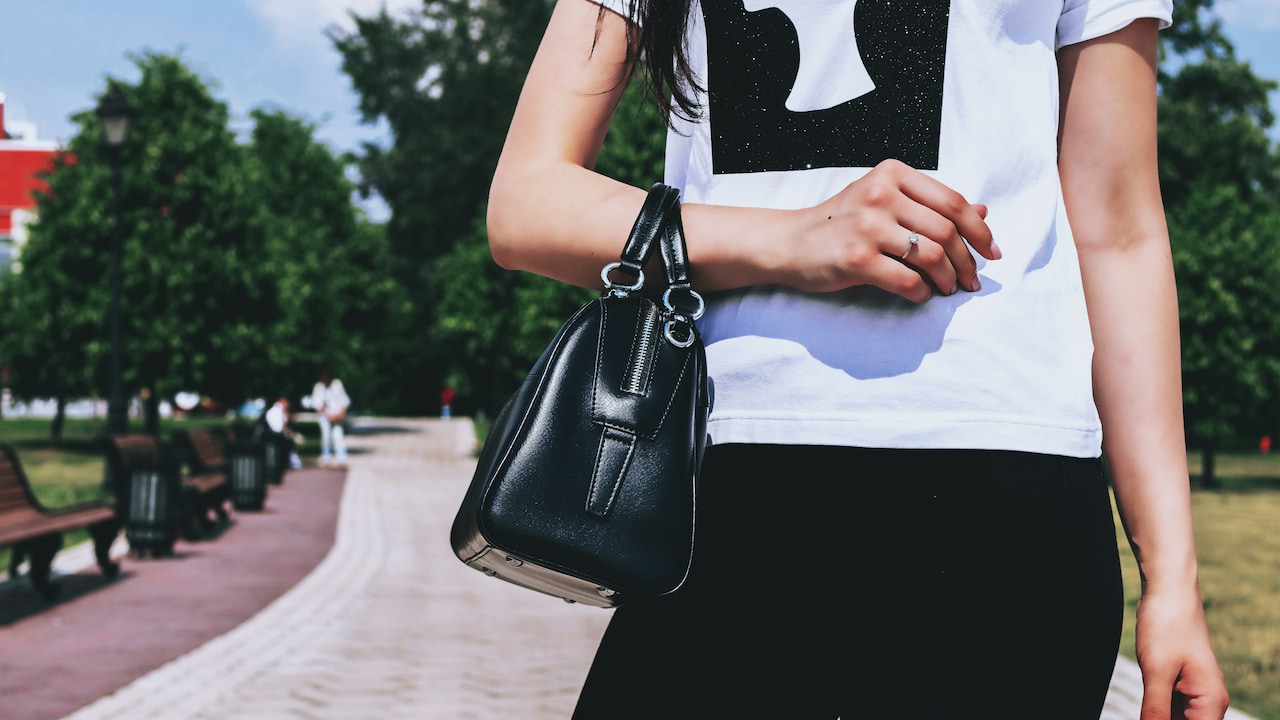
Why Handbag Straps Crack Quickly And Which Materials Last Longer; Photo Credit: Pexels
8. Friction From Clothing Gradually Damages The Surface
A handbag strap rubs against clothing thousands of times during ordinary use. Rough fabrics, sequins, metallic embroidery and textured jackets can scrape delicate surfaces. Even a regular cotton kurta creates friction when the bag swings during walking.
Synthetic coatings show this wear through dull patches, colour loss and peeling edges. Patent finishes may develop cloudy marks. Soft leather can collect scratches, though good-quality leather often absorbs them into its natural character with conditioning.
Full-grain leather resists surface wear better than heavily coated leather because its strength runs through the material rather than sitting in a thin top layer. Waxed canvas also performs impressively. Its protective finish can show creases, but these marks usually add character instead of causing structural damage. Nylon webbing offers another practical choice for everyday bags, especially when the strap frequently rubs against denim or office chairs.
Colour also affects how wear appears. Very dark or very pale straps can make scratches more visible. Mid-tone shades such as tan, brown, olive or muted burgundy often disguise daily marks more effectively. A handbag should suit real life, not demand the careful handling of a museum artefact. Materials that age honestly tend to look better for longer.
9. Incorrect Storage Dries, Warps Or Weakens Straps
A strap can deteriorate even when the handbag stays unused. Folding or twisting it inside a cupboard creates permanent pressure points. Hanging a heavy bag by its strap for months also stretches the material and strains the attachments.
Plastic storage covers trap moisture, particularly during humid weather. This environment can weaken synthetic coatings and encourage mould on natural materials. Direct sunlight causes another problem. It fades colour and dries out leather, making the surface more likely to crack.
A handbag should rest upright in a breathable cloth dust bag. Light stuffing helps it retain its shape, while the strap should lie in a gentle curve rather than a tight fold. Metal chains should sit separately from delicate surfaces to prevent dents and scratches.
Leather benefits from a suitable conditioner every few months, though too much product can darken or soften it excessively. Canvas and nylon usually need only gentle cleaning and complete drying. Silica gel packets can help control cupboard moisture, but they need regular replacement.
Good storage costs little compared with repairs. A basic breathable dust bag may cost under ₹200, yet it can extend the life of a handbag significantly. Sometimes the most expensive fashion mistake happens quietly, behind a closed wardrobe door.
10. Some Materials Naturally Handle Daily Use Better
No single strap material suits every person, outfit or budget. Full-grain leather remains one of the longest-lasting choices. It bends well, carries weight and develops a rich patina. It needs occasional care, but minor scratches rarely ruin its appearance.
Top-grain leather offers a smoother look and good durability, making it suitable for office handbags. Vegetable-tanned leather feels firm at first and softens over time. It can last for decades when crafted well, though rain may leave marks unless the surface receives protection.
Canvas provides a strong, breathable and affordable option. Thick cotton canvas works especially well for totes and casual crossbody bags. Waxed canvas adds water resistance and develops an attractive lived-in texture. Nylon webbing delivers outstanding strength for travel, commuting and heavier loads. It dries quickly and resists cracking because it has no brittle surface coating.
Quality microfibre PU can work well for shoppers who prefer non-leather options, but labels should clearly mention the material. Avoid vague descriptions such as “premium leather finish” without further details. The longest-lasting strap usually combines a flexible material, reinforced stitching, smooth edges and solid hardware. Durability rarely comes from one feature alone; it comes from thoughtful construction working as a team.
Products Related To This Article
1. Van Heusen Half Moon Shoulder Bag
2. Chumbak Digital Nomad Floral Satchel Bag
3. Alt by Zouk Kutch Gamthi Abstract Printed Leather Shopper Handheld Bag
4. MANGO Structured Shoulder Bag
5. Kenneth Cole Colourblocked Structured Handheld Bag
6. Caprese Basil Croc Textured Shoulder Bag
7. Mast & Harbour PU Structured Tote Bag
A cracked handbag strap may seem like bad luck, but material and construction usually explain the mystery. Thin synthetic coatings, weak adhesives, poor edge paint and rushed stitching can turn an attractive bag into a frustrating purchase. Heat, humidity, overloading and careless storage then speed up the decline.
Full-grain and top-grain leather offer excellent longevity when maintained well. Canvas, waxed canvas and nylon webbing provide reliable alternatives for busy routines, humid weather and heavier loads. High-quality microfibre PU can also perform respectably, particularly for occasional use.
Before buying, bend the strap gently, inspect its edges and study the stitching near the hardware. Consider how the bag will fit into everyday life. A delicate strap may suit festive evenings, while a reinforced canvas or leather version will handle office commutes more confidently.
The best handbag does not simply look lovely under showroom lights. It survives crowded trains, sudden rain, hurried mornings and overenthusiastic packing. A dependable strap quietly carries the load without cracking under pressure, which is more than can be said for most people before their first cup of chai.
(Disclaimer: This article may include references to or features of products and services made available through affiliate marketing campaigns. NDTV Convergence Limited (“NDTV”) strives to maintain editorial independence while participating in such campaigns. NDTV does not assume responsibility for the performance or claims of any featured products or services.)