How To Choose Palazzo Trousers That Do Not Turn Transparent In Sunlight
Learn how to choose palazzo trousers that stay opaque in sunlight by checking fabric density, lining, colour, fit and stretch before buying.
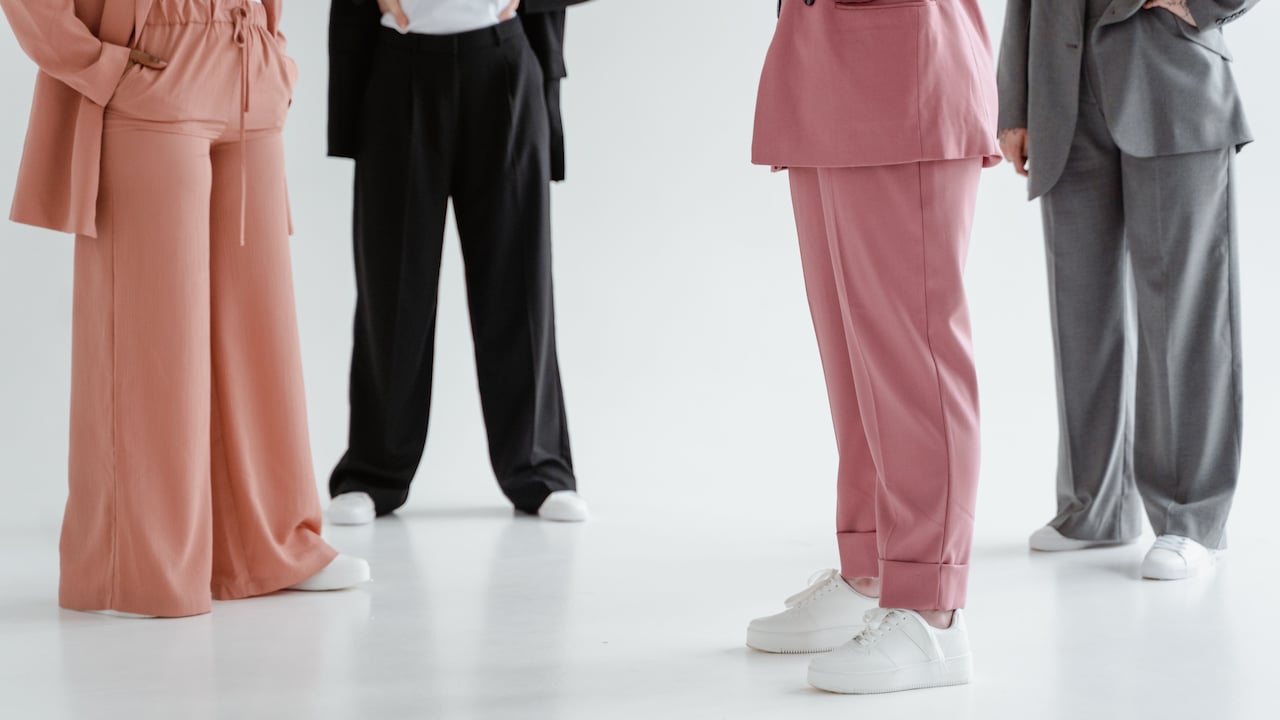
How To Choose Palazzo Trousers That Stay Opaque In Sunlight
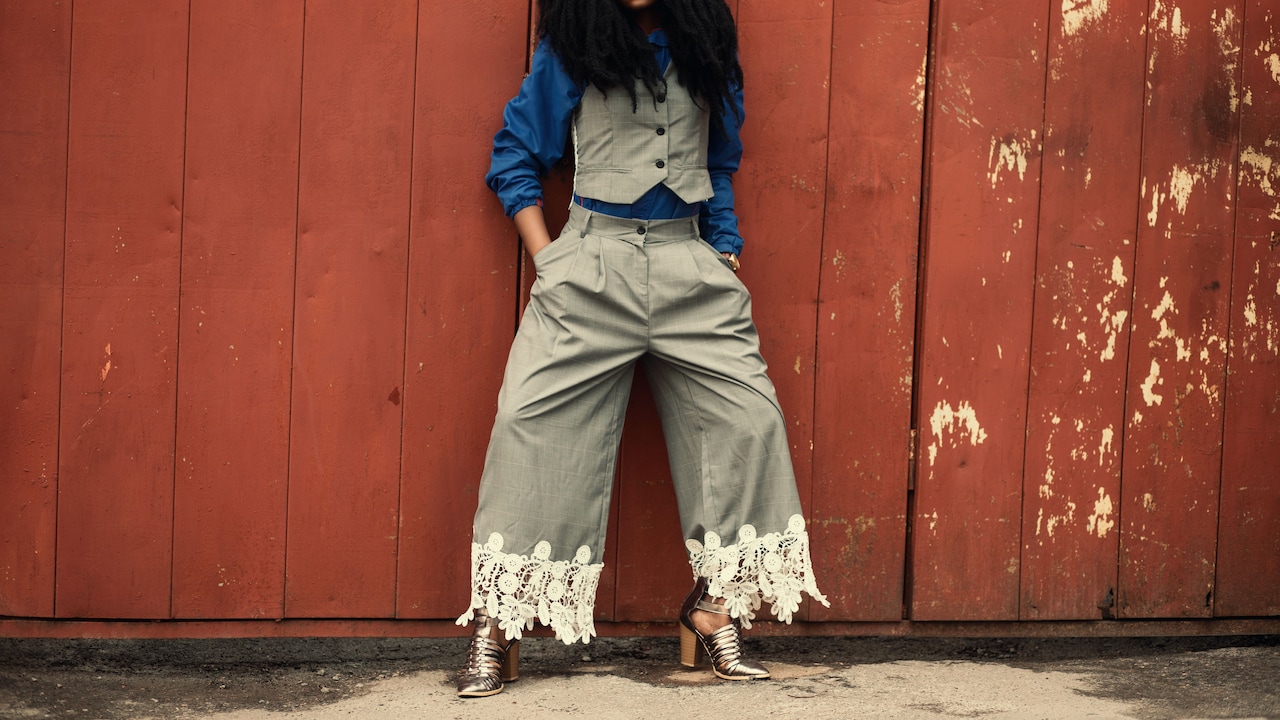
Palazzo trousers have earned their place in everyday wardrobes. They feel airy during humid afternoons, pair beautifully with kurtas and shirts, and can move from office meetings to festive dinners without demanding much effort. Few garments manage to look polished while offering the comfort of pyjamas, which perhaps explains their lasting popularity. Yet there is one problem that often appears only after leaving the trial room. Under soft shop lighting, a pair may look perfectly respectable. Step outside at noon, however, and the fabric may reveal outlines, pockets, undergarments or even the shape of tucked-in clothing. Suddenly, that dreamy ivory palazzo feels less like fashion and more like an unexpected public announcement.
How To Choose Palazzo Trousers That Do Not Turn Transparent In Sunlight
Photo Credit: Pexels
Transparency usually has little to do with price alone. A pair costing ₹3,000 can still become sheer, while a thoughtfully made ₹900 option may remain completely opaque. The real difference lies in fabric density, construction, colour, fit and finishing.
Choosing the right pair therefore requires more than checking the size tag and admiring the flare. A few practical tests can prevent wardrobe mishaps and help every palazzo purchase feel comfortable, flattering and secure.
10 Ways To Choose Opaque Palazzo Trousers
Check The Fabric Against Natural Light
The most reliable transparency test needs sunlight, not a flattering fitting-room mirror. Shop lights often create an even glow that hides thin patches, loose weaving and visible pocket bags. Natural light is far less forgiving, which makes it the best judge.
When shopping in a store, hold the trousers near a window or doorway. Place one hand behind the fabric and check whether the fingers, skin tone or jewellery remain clearly visible. If every detail appears sharply, the material will probably reveal even more when stretched across the body.
For online purchases, conduct the same test beside a sunny window before removing the tags. Avoid judging the fabric under yellow bedroom lights, especially during the evening. Morning or afternoon daylight gives a much more honest result.
A phone torch can help when sunlight is unavailable, but it should act as a backup rather than the final test. Shine the light from behind the fabric and look for bright patches. A well-made palazzo may allow a soft glow through, yet it should not display every detail behind it.
Think of sunlight as the strict relative at a family function. It notices everything. Better to face that judgement at home than halfway through a crowded market.
Choose Tightly Woven Materials
Fabric type matters, but the tightness of the weave matters just as much. Two pairs may both carry a cotton label, yet one can feel solid and opaque while the other resembles a delicate curtain. The difference usually comes from how closely the threads sit together.
Hold the material up and examine the tiny spaces between the fibres. A dense weave creates a smooth, continuous surface. A loose weave shows visible gaps and lets more light pass through. Fabrics such as cotton twill, thick rayon, ponte, linen blends and good-quality viscose often provide better coverage when woven firmly.
Pure lightweight linen can look beautiful but may become surprisingly sheer, particularly in white, beige or pastel shades. A linen-cotton blend generally offers more structure without losing breathability. Similarly, rayon can drape gracefully, though very thin rayon may cling and reveal more than expected.
Do not rely only on fabric names printed on the label. Touch, stretch and inspect the actual garment. Marketing terms such as “premium cotton” or “luxury crepe” sound impressive but reveal little about thickness.
A tightly woven fabric also tends to last longer, hold its shape better and resist the tired, flimsy appearance that sometimes appears after a few washes.
Examine The Garment When Stretched
A fabric may look opaque while hanging freely and still become transparent once worn. Stretching separates the fibres, allowing more light to pass through. This commonly happens around the hips, thighs, waistband and seat.
During a trial, sit down, bend slightly and take a few long steps. Check the back and sides in the mirror rather than standing perfectly still. A palazzo that looks secure in a relaxed pose may reveal outlines when the fabric pulls across the body.
At home, gently stretch a small section between both hands and hold it towards the light. If the colour becomes noticeably paler or the weave opens widely, the trousers may turn sheer during movement. This test is particularly important for stretch fabrics containing elastane.
The correct size can solve part of the problem. A snug waistband may seem flattering, but excessive tightness across the hips defeats the relaxed purpose of palazzos. Choosing one size larger and adjusting the waist can sometimes provide better drape and coverage.
Movement should remain part of the buying decision because real life involves climbing stairs, sitting in autos, reaching shelves and rushing across roads. A garment must behave well beyond the mirror pose. Fashion that works only while standing still belongs on a mannequin, not in a busy wardrobe.
Look For A Proper Lining
A lining offers the most dependable defence against transparency, especially in light-coloured palazzos. It adds coverage, improves drape and prevents the outer fabric from clinging to the legs.
However, not every lining deserves applause. Some manufacturers use stiff, noisy polyester that traps heat and turns a breathable garment into a portable sauna. Others add lining only to the upper thigh, leaving the lower section visibly sheer. The best lining feels smooth, lightweight and long enough to protect the areas that need coverage.
Cotton voile, soft rayon and breathable blended linings work well in warm weather. The lining should move independently without twisting, bunching or pulling at the seams. Sit and walk during the trial to check whether it rides upwards.
For very wide palazzos, full-length lining can add unnecessary weight. A knee-length or mid-thigh lining may provide enough privacy when the outer material has reasonable density. White or cream trousers often benefit from slightly longer coverage.
Check the lining colour too. Bright white lining under beige fabric can create an obvious contrast, while a skin-toned or matching shade usually appears smoother.
A good lining should feel like reliable backstage support. It does its job quietly and never demands attention.
Be Careful With Pale Colours
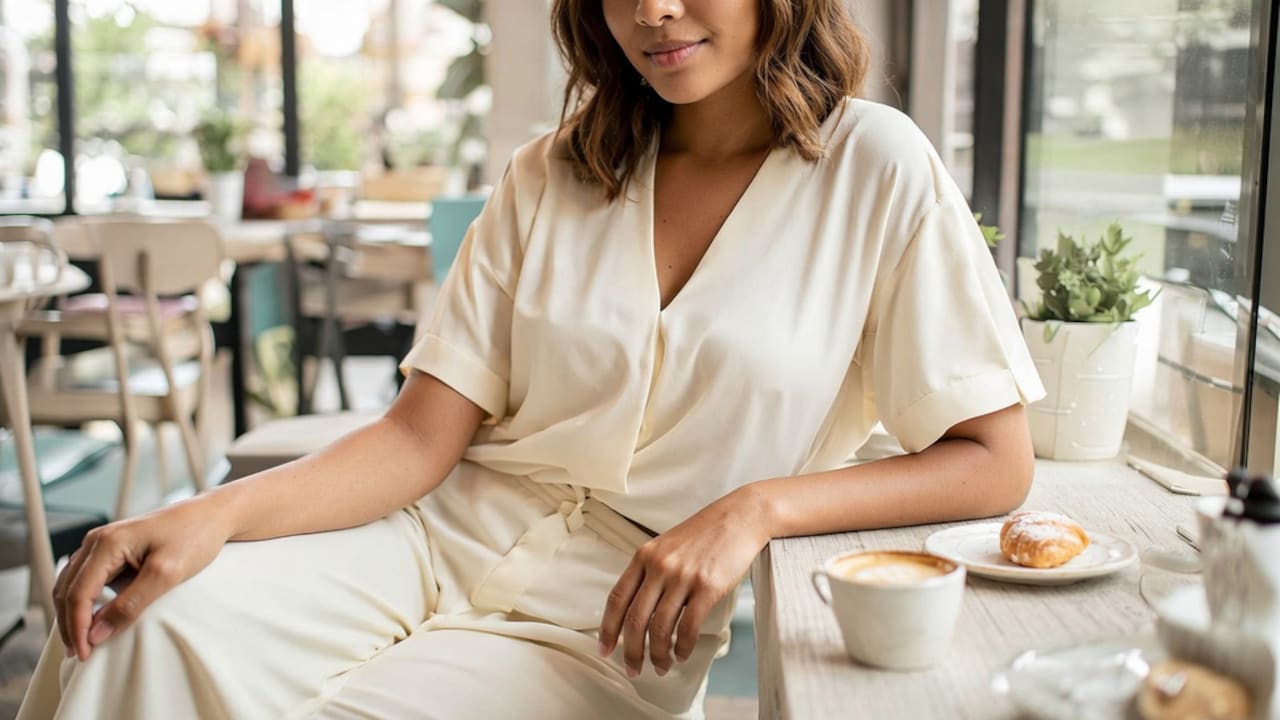
White, ivory, blush pink, lemon, mint and powder blue palazzos look fresh and elegant, particularly during warmer months. Unfortunately, pale colours also reflect light and reveal shadows more easily than deeper shades.
This does not mean light palazzos should be avoided. They simply require closer inspection. Choose fabrics with a substantial weave, a matte surface and a suitable lining. Cream and off-white often provide slightly better coverage than stark white because the warmer tone softens contrast.
Dark shades such as navy, charcoal, chocolate and black naturally hide outlines more effectively. Rich colours including maroon, bottle green and deep teal also offer dependable coverage while feeling less predictable.
Prints can help as well. Small florals, ikat-inspired patterns, geometric designs and subtle textures break up visible shadows. Even when a printed fabric is moderately light, the pattern may disguise outlines that would stand out on a plain surface.
Be cautious with large white spaces within prints, as these areas can still become transparent. Likewise, a heavily printed fabric is not automatically thick.
Colour should support confidence rather than limit personal style. A pale palazzo can look graceful at brunch, work or a summer celebration. It simply needs stronger construction than its darker cousins.
Inspect Pockets And Seams Carefully
Pockets often expose a transparency problem before the rest of the garment does. If the pocket bags appear as two bright shapes through the front, the fabric is too thin, or the pocket material is too contrasting.
Look at the trousers from several angles under strong light. Pocket outlines should not dominate the front. Matching pocket fabric works better than stark white lining, especially in beige, peach or pastel palazzos.
Seams also reveal quality. Loose stitching, puckering and uneven joins can pull the material and create thin-looking areas. Examine the centre seam, inner legs and waistband closely. These parts face the most strain and may become more revealing when stretched.
Overlocked edges should look neat rather than rough or widely spaced. A clean hem adds weight to the bottom and helps the palazzo fall gracefully. Poorly finished hems can curl, cling or make lightweight fabric appear cheaper.
Some designs include decorative side slits. Check where each slit ends, particularly if the fabric is soft and flowing. A harmless-looking slit may open dramatically while walking or sitting.
Small construction details rarely look exciting on a hanger, but they determine whether a garment feels secure after several hours. Beautiful fabric cannot rescue careless stitching, just as stylish sunglasses cannot rescue a badly planned monsoon outing.
Also Read: How To Stop Palazzo Trousers From Dragging On The Floor Without Altering Them
Select A Comfortable And Flattering Fit
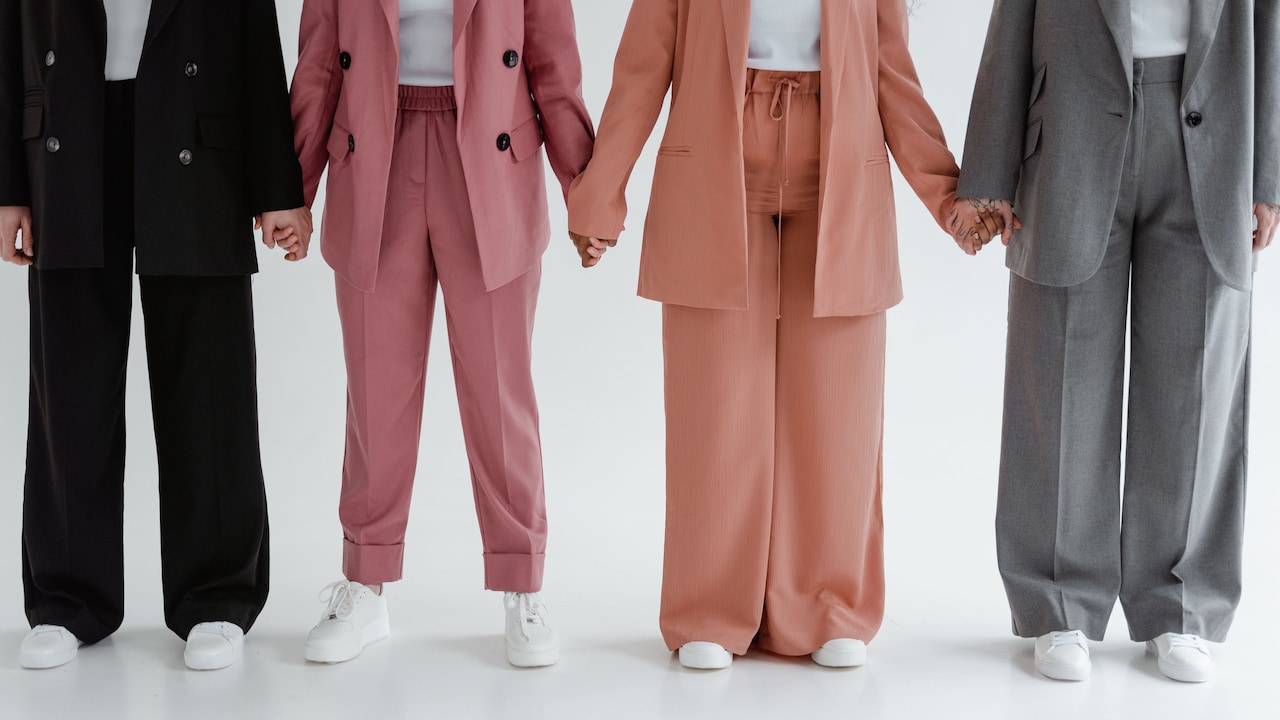
Palazzos should skim the body before widening into their signature flare. When they fit too tightly around the hips or upper thighs, the fabric stretches, clings and becomes more transparent.
A comfortable fit creates a smooth vertical fall. There should be enough room to sit, bend and walk without pulling at the crotch or side seams. The waistband should stay in place without digging into the skin.
Elasticated waists offer flexibility, though thin elastic may twist or create gathers that expose the fabric underneath. A broad waistband usually provides better support and a cleaner silhouette. Side zips can also work well when the tailoring allows enough hip room.
Body shape does not determine whether palazzos will suit someone. Proportion and cut matter far more. Petite wearers may prefer a moderate flare and a higher waist, while taller wearers can carry wider hems with ease. Curvier silhouettes often benefit from fabrics that drape rather than cling.
Avoid buying an uncomfortable size with the hope that the material will loosen. Some fabrics soften after washing, but they rarely gain enough width to correct a tight fit.
The ideal pair should make movement feel easy. When trousers demand constant pulling, adjusting or checking, they have already failed the comfort test.
How To Choose Palazzo Trousers That Do Not Turn Transparent In Sunlight
Photo Credit: Pexels
Consider Fabric Weight And Drape
Weight and drape work together to determine how palazzos fall. Very light fabric may float beautifully in a breeze, but it can also cling to the legs, reveal shadows and lift at inconvenient moments. Heavy fabric provides coverage, though excessive weight can feel uncomfortable in hot weather.
The best balance often comes from medium-weight materials. They move freely while retaining enough structure to remain opaque. Crepe blends, dense viscose, cotton twill and soft suiting fabrics can provide this balance.
Scrunch a small section in the hand, then release it. Fabric that falls back smoothly usually drapes well. Material that stays stiff may create an awkward tent-like shape, while fabric that collapses completely may cling to every contour.
Rub the fabric gently between two fingers. If it feels almost paper-thin or produces a dry, synthetic sound, inspect it carefully. A slightly substantial hand feel usually suggests better coverage.
Weather matters too. Thick polyester may pass the transparency test but feel unbearable during a humid commute. Breathability should remain part of the decision, not an afterthought.
A good palazzo should move like a curtain in a gentle breeze, not like a plastic sheet during a storm.
Match Undergarments To The Garment
Even opaque-looking palazzos can reveal undergarments when colours and seams create strong contrast. Bright white underwear under beige trousers often shows more than a skin-toned shade, despite appearing like the obvious choice.
Choose seamless or lightly stitched styles that sit smoothly under the fabric. Shades close to the wearer's skin tone generally disappear better beneath pale clothing. Nude does not mean one universal beige, so select a tone that genuinely blends with the complexion.
Avoid heavily textured lace, thick elastic and decorative edges under soft palazzos. These details may create visible lines, especially after sitting. Boyshorts can offer coverage, though their leg openings sometimes show beneath thin material. Seamless briefs or smooth shorts often work more discreetly.
A lightweight slip short can provide extra security when the fabric feels slightly sheer but otherwise fits well. Breathable cotton-blend options are more comfortable than thick shapewear for daily use. Shapewear should not become compulsory equipment for wearing a relaxed garment.
The goal is not to hide the body. It is to prevent distracting outlines from interfering with the outfit. Thoughtful layering allows the palazzo's colour, movement and cut to remain the focus.
Test The Trousers Before Removing Tags
The final decision should happen at home, where different lighting and familiar movements reveal far more than a rushed store trial. Keep every tag attached until the trousers pass a complete transparency check.
Try them near a window during daylight. Wear the undergarments most likely to accompany the outfit. Stand with the light behind, then check the front, sides and back in a full-length mirror. A phone camera can provide a useful second view, particularly for the rear.
Walk, sit, bend and stretch. Pair the trousers with a tucked-in top to see whether the tucked fabric becomes visible. Check how the garment behaves with both natural and artificial light.
Ask a trusted family member or friend for an honest opinion when possible. Choose someone who will say, “The pockets are showing,” rather than offering polite but useless reassurance.
Review the care label before committing. Some fabrics become thinner, softer or less structured after washing. Gentle washing and air drying can protect the weave, while harsh detergents and high heat may shorten the garment's life.
A ten-minute home test can prevent months of hesitation. Clothing should leave the wardrobe often, not wait for the one evening when the sun has safely disappeared.
How To Choose Palazzo Trousers That Do Not Turn Transparent In Sunlight
Photo Credit: Pexels
Products Related To This Article
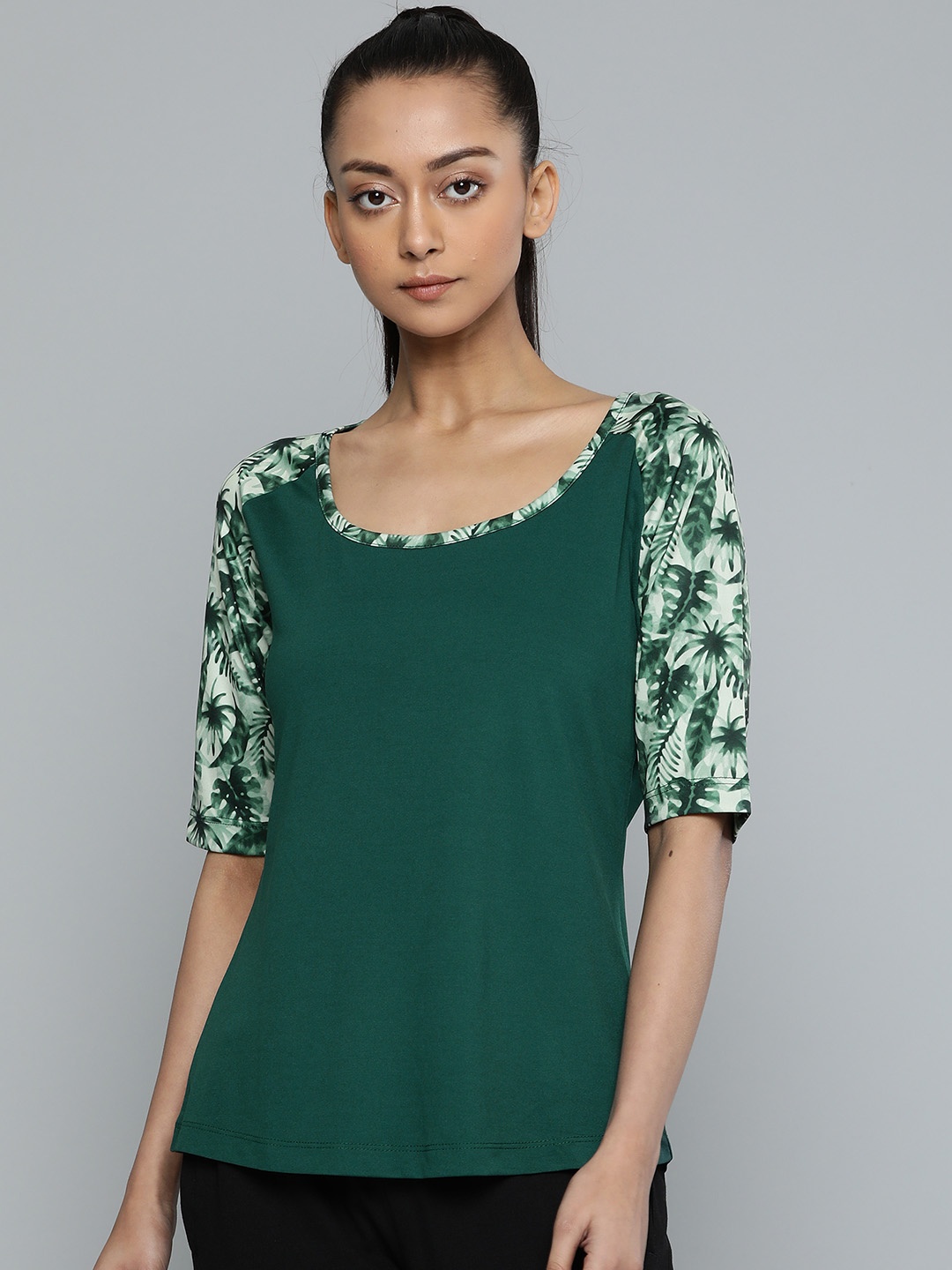
1. Glitchez Women Casual Straight Smart Casual Trousers
2. FIORRA Women Cotton Straight Chambray Palazzos
3. Blissclub Women AM:PM Cotton Wide Leg Pants Lite
4. TWIN BIRDS Women Mid-Rise Relaxed Fit Palazzos
5. Roadster The Life Co. Women Wide Leg Casual Trousers
6. Roadster The Lifestyle Co. Women Relaxed Fit Wide Leg Trousers
7. Globus Women Floral Lace Hem Flared Ethnic Palazzos
Choosing opaque palazzo trousers does not require expert knowledge or an expensive shopping budget. It requires careful observation. Natural light reveals what store lighting hides. A dense weave provides coverage. A comfortable fit prevents stretching, while thoughtful lining, smooth undergarments and neat construction create extra security.
Pale shades, breathable fabrics and dramatic flares can still remain part of the wardrobe. The answer is not to settle for dark, heavy trousers every time. It is to judge each garment by how it behaves in motion, under light and against the body.
The best palazzos bring freedom rather than worry. They should feel easy during a long workday, comfortable during a festive lunch and dependable during a sunny afternoon outdoors. No one should need to walk around searching for reflections in car windows just to check whether an outfit has become transparent.
A little patience in the trial room, followed by a proper daylight test at home, makes all the difference. When fabric, fit and finish work together, palazzo trousers deliver exactly what they promise: graceful movement, generous comfort and confidence that remains firmly intact, even when the sun is shining at full strength.
(Disclaimer: This article may include references to or features of products and services made available through affiliate marketing campaigns. NDTV Convergence Limited (“NDTV”) strives to maintain editorial independence while participating in such campaigns. NDTV does not assume responsibility for the performance or claims of any featured products or services.)