Why Light-Coloured Dresses Turn Transparent Outdoors: Mistakes That Reveal Too Much
Soft hues often look elegant indoors but turn unexpectedly sheer in sunlight. From fabric choices to fit and lining, common wardrobe mistakes explain why light-coloured dresses reveal more outdoors, and how to avoid them.
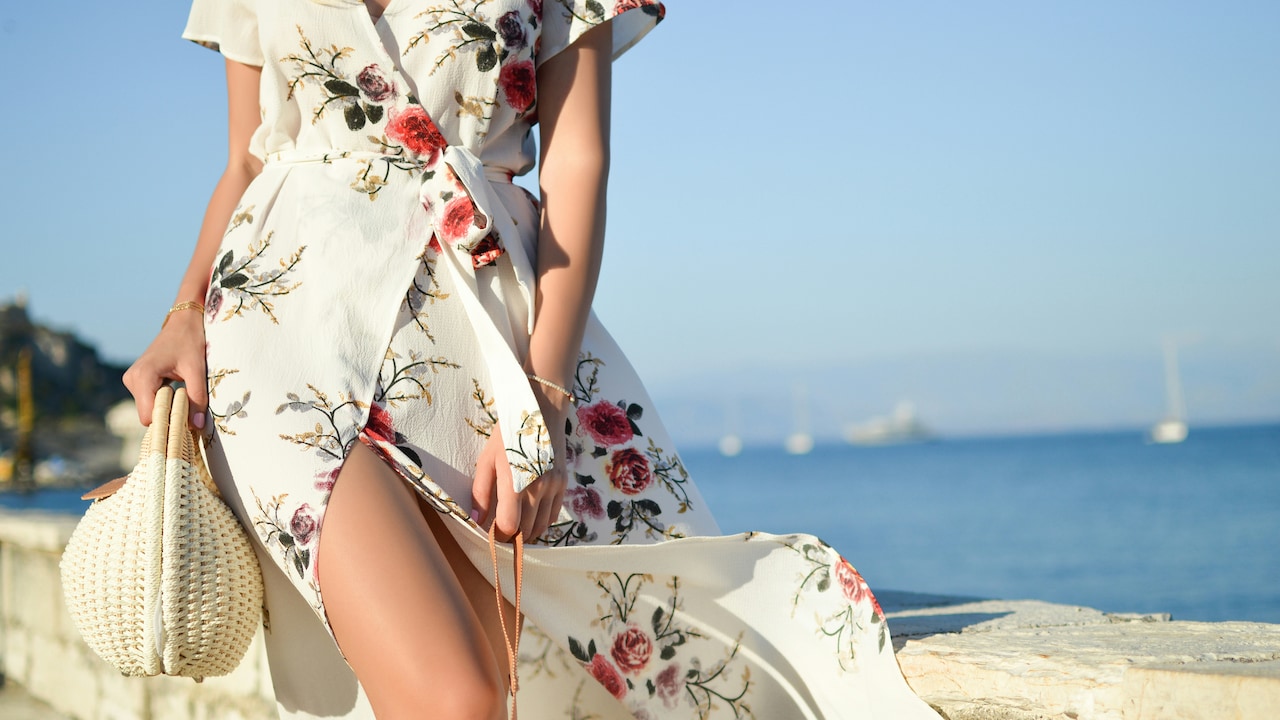
Know Why Light-Coloured Dresses Turn Transparent Outdoors And How To Avoid It.
Light shades feel refreshing. Whites, creams, blush pinks and soft yellows promise elegance and comfort, especially in warm weather. Yet many outfits behave differently once they step outside. Sunlight is honest, unforgiving, and far brighter than indoor lighting. What appears opaque at home can turn sheer on a terrace, street, or garden.
This issue affects daily wear, festive outfits, office clothes, and even expensive buys worth ₹3,000 or more. The problem rarely lies in poor taste. It lies in overlooked details. Fabric quality, lining, fit, and even laundry habits play a role. These mistakes repeat across wardrobes, seasons, and age groups.
Understanding why light-coloured dresses turn transparent helps prevent awkward moments and boosts confidence. Clothes should support comfort, not create anxiety. The following ten points break down the most common mistakes, with practical tips woven into real-life situations that feel familiar and easy to fix.
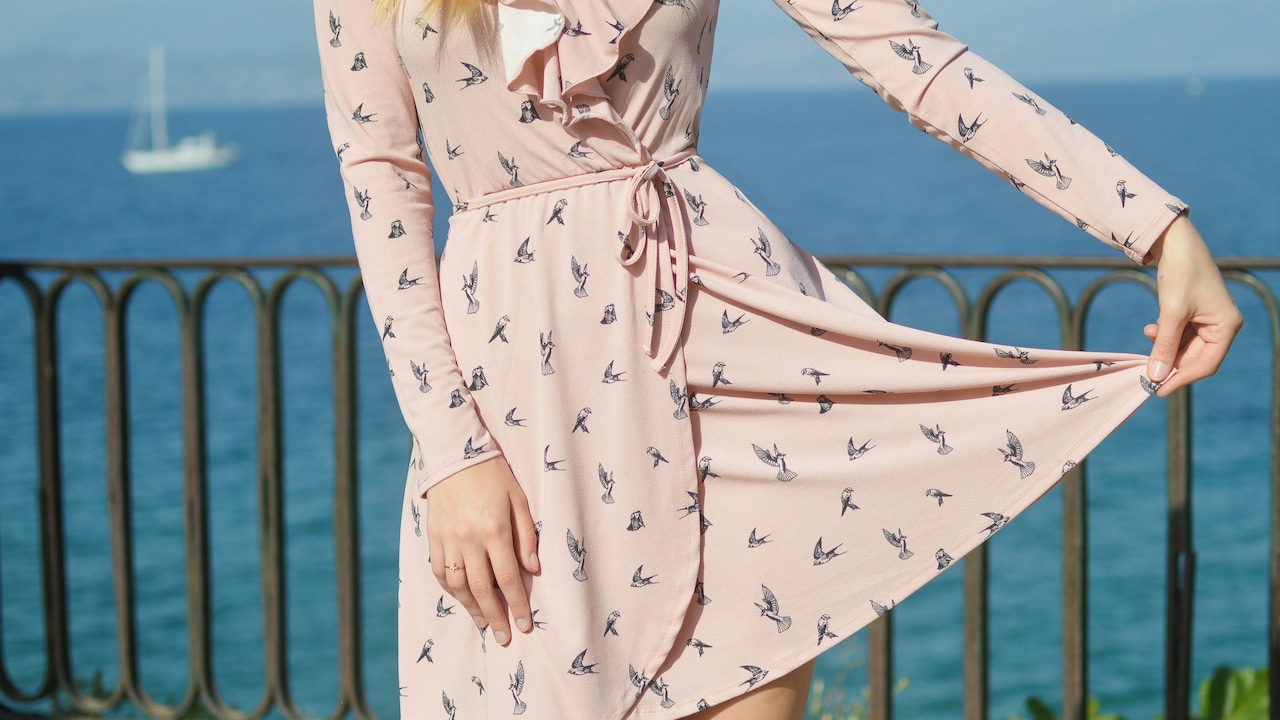
Why Light-Coloured Dresses Turn Transparent Outdoors: Mistakes That Reveal Too Much
Photo Credit: Pexels
What Really Happens When Soft Shades Meet Sunlight
1. Fabric That Looks Solid Indoors but Fails in Sunlight
Shop lighting flatters fabrics. It softens shadows and hides flaws. Natural sunlight does the opposite. Thin cotton, rayon, linen blends, and low-thread-count fabrics often appear solid indoors but turn see-through outside. The problem worsens with pale shades because light passes through easily.
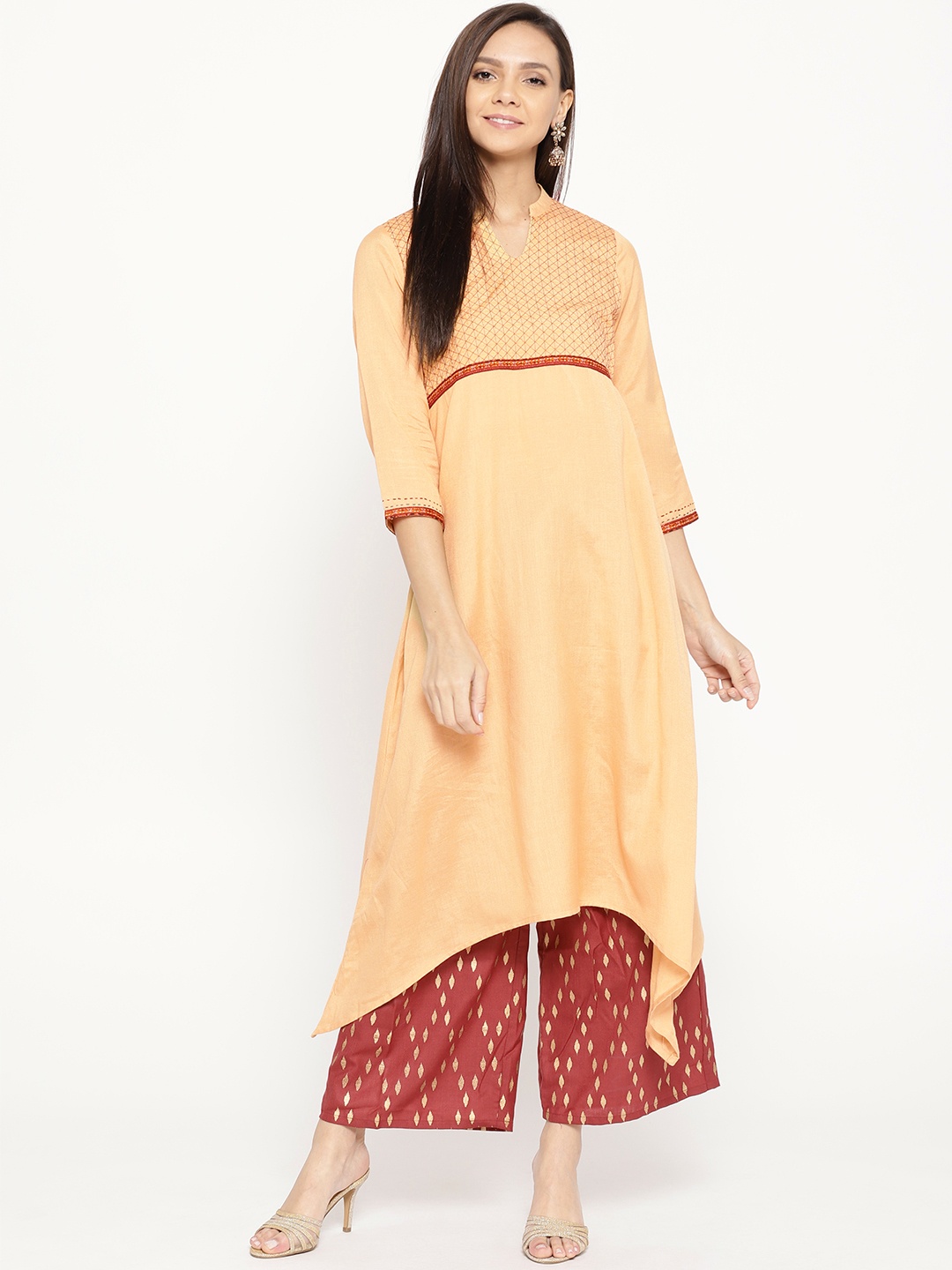
Many summer kurtas and dresses prioritise breathability over density. That balance works only with careful layering. A white cotton dress may feel perfect during a mirror check at home, yet reveal outlines outdoors. This surprises wearers during office commutes or café visits.
The mistake lies in trusting indoor mirrors alone. A simple sunlight test near a window reveals the truth. Stretching the fabric gently also shows transparency levels. Spending an extra ₹500 on better-quality fabric saves far more discomfort later. Fabric weight matters as much as colour, especially under strong daylight.
2. Skipping the Lining to Save Cost or Comfort
Lining feels optional until it proves essential. Many light-coloured outfits skip lining to reduce cost or keep the garment airy. This decision often backfires. Without a lining, even decent fabric turns translucent under direct light.
Festive wear and everyday dresses both suffer from this oversight. A pastel anarkali without lining may look elegant indoors but expose inner layers outdoors. Tailors sometimes suggest skipping lining to reduce heat. That advice ignores real-world lighting.
A soft cotton lining or breathable voile adds structure without trapping heat. It also improves drape and longevity. Spending ₹300–₹700 extra on lining protects modesty and elevates the outfit. Comfort comes not just from airflow but also from peace of mind.
3. The Wrong Innerwear Colour Stealing Attention
Bright innerwear under light outfits creates contrast that sunlight amplifies. White bras under white dresses seem logical, yet they often stand out more than nude tones. Dark colours show even more.
This mistake appears across age groups and settings. From college campuses to offices, mismatched innerwear draws unwanted attention. Sunlight sharpens outlines, straps, and seams.
Nude shades that match skin tone work best under light fabrics. Seamless styles reduce visible lines. Investing ₹1,000 in good innerwear transforms multiple outfits. The right base layer stays invisible and supportive, allowing the dress to shine without distraction.
4. Overwashing That Thins Fabric Over Time
Clothes change with age. Frequent washing weakens fibres, especially in cotton and blends. Detergents, hard water, and aggressive cycles slowly thin fabric. Light colours show this damage first.
A kurta bought for ₹1,200 may feel sturdy initially. After months of regular washing, it loses density. Transparency creeps in gradually, often unnoticed until sunlight exposes it.
Gentle washing, mild detergents, and air drying extend fabric life. Rotating outfits reduces wear. Treating clothes kindly preserves opacity and appearance. Transparency caused by overwashing is avoidable with simple care habits.
5. Stretch and Fit Making Fabric See-Through
Tight fits stretch fabric fibres apart. This creates tiny gaps that let light through. Light-coloured dresses suffer most because contrast highlights these gaps.
Body-hugging silhouettes look stylish, yet they demand thicker fabric or lining. Without support, even expensive outfits turn revealing outdoors. This issue appears during movement, sitting, or bending.
Choosing the right size matters more than following trends. Slightly relaxed fits maintain opacity and comfort. Alterations should respect fabric limits. Clothes should skim the body, not strain against it. Style thrives where comfort leads.
Also Read: Makar Sankranti 2026: Black Saree Looks For Newly Married Women
6. Sweat and Humidity Changing Fabric Behaviour
Heat and humidity alter fabric texture. Sweat dampens fibres, making them cling and turn translucent. Light colours show moisture patches clearly.
This happens during commutes, weddings, and outdoor events. A pale salwar suit may behave well initially, then betray wearers after an hour in the sun. Anxiety builds as fabric sticks and darkens.
Breathable fabrics, absorbent linings, and loose silhouettes help. Carrying a light stole adds coverage when needed. Choosing outfits based on weather, not just occasion, prevents discomfort. Practical choices often look the most confident.
7. Camera Flash and Sunlight Acting Together
Cameras love light. When sunlight and flash combine, transparency multiplies. Many outfits appear fine to the naked eye but reveal too much in photos. Social media then preserves the moment permanently.
Outdoor gatherings, daytime weddings, and parties see this often. A dress worth ₹5,000 may disappoint once photos arrive. The issue lies in light reflection and fabric density.
Testing outfits with phone flash near a window helps. This quick check prevents regrets. Fashion today lives both offline and online. Clothes should respect both realities.
8. Assuming Higher Price Means Better Coverage
Price does not guarantee opacity. Designer labels sometimes prioritise aesthetics over practicality. Sheer fabrics feature heavily in high-end fashion. Light colours paired with such materials demand careful styling.
Shoppers often trust price tags blindly. A ₹8,000 dress without lining still turns transparent outdoors. Disappointment follows, along with reluctance to wear it again.
Inspecting fabric remains essential, regardless of brand. Holding material against light reveals truth instantly. Smart shopping values construction over labels. Confidence grows when expectations meet reality.
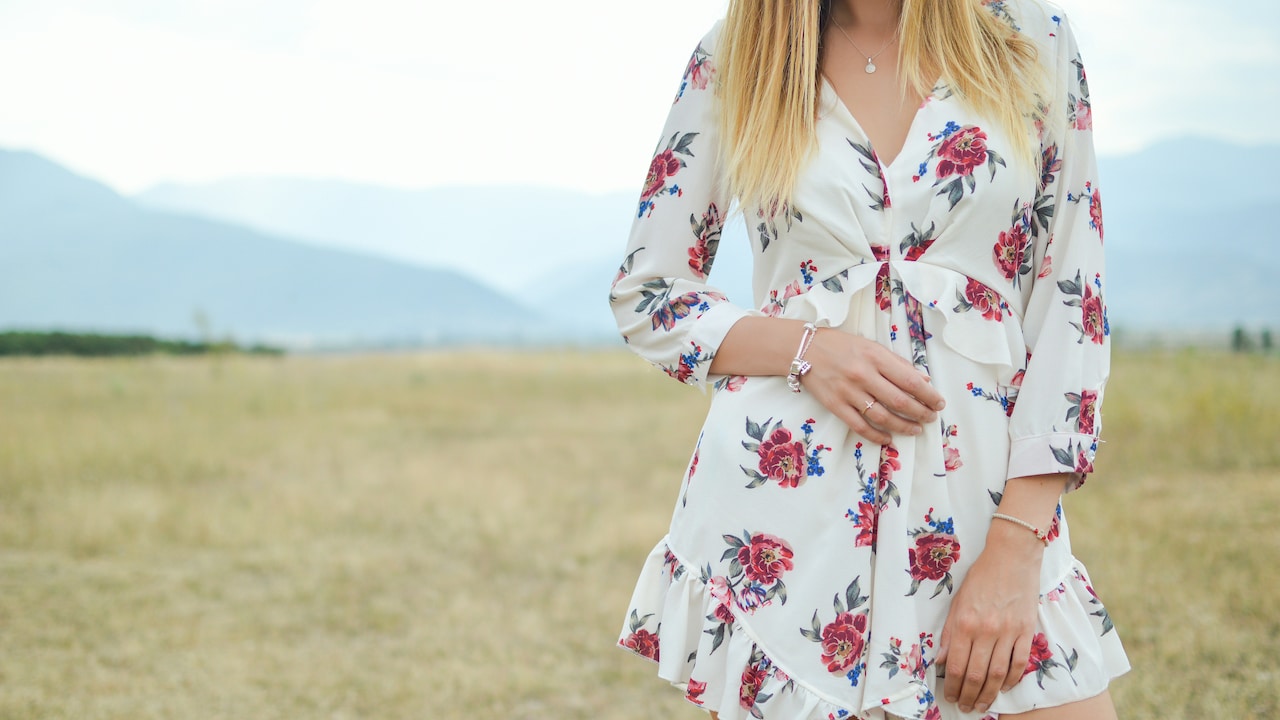
Why Light-Coloured Dresses Turn Transparent Outdoors And How To Avoid It
Photo Credit: Pexels
9. Ignoring Cultural and Environmental Context
Outdoor life involves harsh sunlight, dust, and movement. Clothes designed for air-conditioned spaces fail outside. Light colours amplify these challenges.
Markets, offices, family gatherings, and travel expose outfits to varied lighting. An outfit suited for a mall may struggle on a street. This mismatch causes transparency surprises.
Dressing with context in mind solves many problems. Layering, thoughtful fabric choice, and realistic testing align style with the environment. Fashion adapts best when it respects daily life.
10. Forgetting That Confidence Depends on Comfort
Confidence slips when clothes misbehave. Worrying about transparency distracts from conversations and enjoyment. Light-coloured dresses should feel liberating, not stressful.
Many wardrobe mistakes repeat because they seem minor. Together, they create discomfort. Addressing them restores ease. Clothes should support expression, not demand constant adjustment.
Choosing wisely brings freedom. When outfits feel secure, their posture improves, their smiles last longer, and their presence feels stronger. Comfort remains the most flattering accessory.
Products Related To This Article
1. NoBarr Striped Fit & Flare Dress
2. OCTICS Women Ethnic Motifs Embroidered Fit & Flare Midi Dress
3. all about you Organic Cotton A-Line Midi Dress
4. Rain & Rainbow Shoulder Strapped Floral Printed Fit and Flared Pure Cotton Midi Dress
5. GULABOSITABO Organic Cotton A-Line Midi Dress
6. SASSAFRAS Curve Floral Print Georgette Fit & Flare Maxi Dress
7. DressBerry Full Sleeves High Neck Colourblocked Mini Sweater Dress
Light-coloured dresses hold timeless appeal. They reflect heat, brighten moods, and suit countless occasions. Their tendency to turn transparent outdoors stems from manageable mistakes rather than unavoidable flaws.
Understanding fabric behaviour, lighting effects, and fit transforms wardrobe choices. Small investments in lining, innerwear, and care prevent awkward moments. Testing outfits in real light saves regret later.
Fashion works best when it aligns with real life. Clothes should move confidently through sunlight, humidity, cameras, and crowds. With awareness and thoughtful choices, light-coloured outfits remain elegant, comfortable, and worry-free wherever the day leads.
(Disclaimer: This article may include references to or features of products and services made available through affiliate marketing campaigns. NDTV Convergence Limited (“NDTV”) strives to maintain editorial independence while participating in such campaigns. NDTV does not assume responsibility for the performance or claims of any featured products or services.)