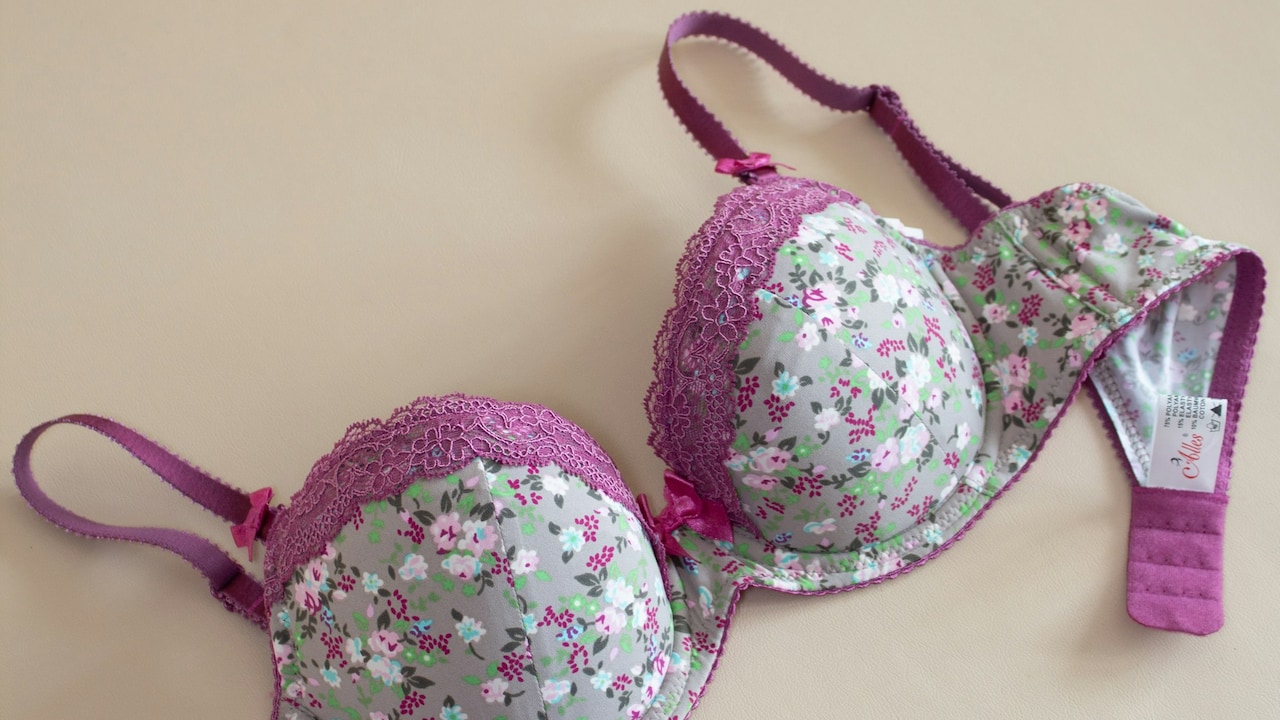
Why Light-Coloured Kurtis Become See-Through and Reveal More Under Indoor Lighting Conditions
Light-coloured kurtis often appear opaque outdoors but turn see-through indoors. This article explains how fabric, lighting, weave and inner layers interact under artificial light, and how to avoid awkward wardrobe moments. Here are 10 common reasons why light coloured kurtis appear transparent indoors.
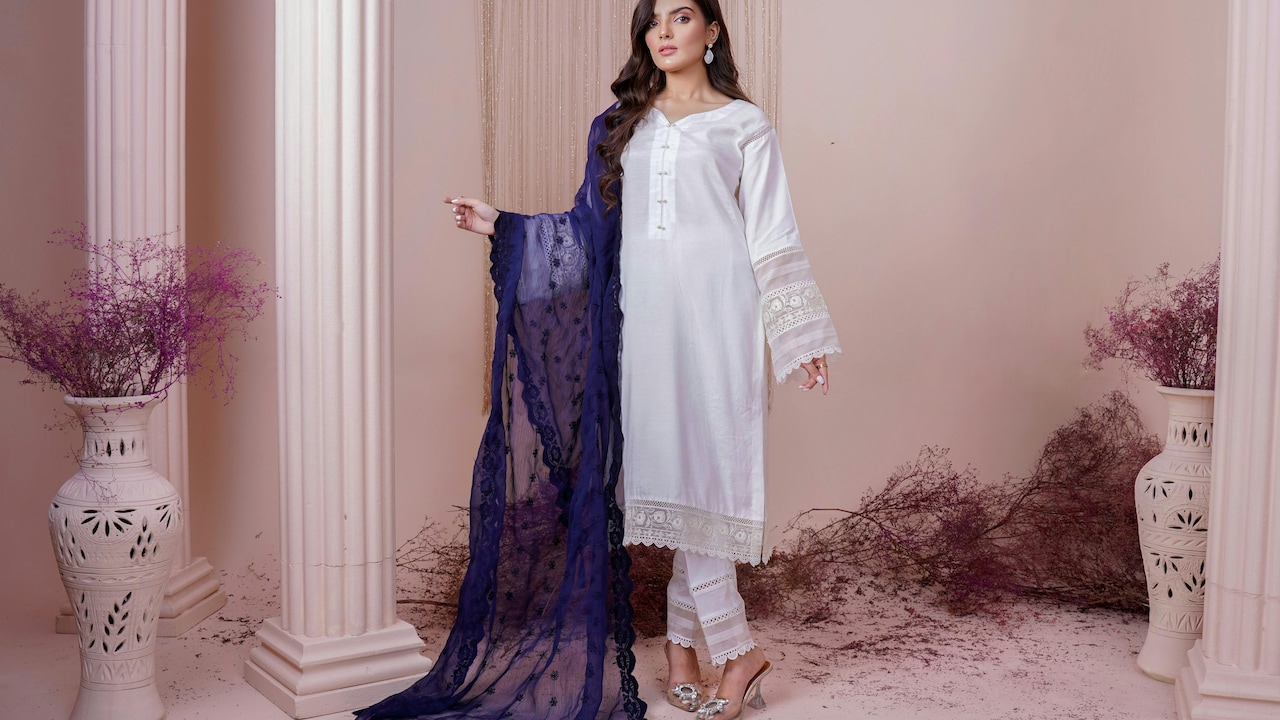
Why Light-Coloured Kurtis Look See-Through Indoors: Fabric, Lighting and Fit Explained.
Almost everyone has faced this situation. A beautiful off-white or blush kurti feels elegant, breathable and perfect for daily wear. Then comes the surprise. Under indoor lighting, especially at home or work, the fabric suddenly reveals far more than expected. What felt modest outdoors starts telling a different story indoors.
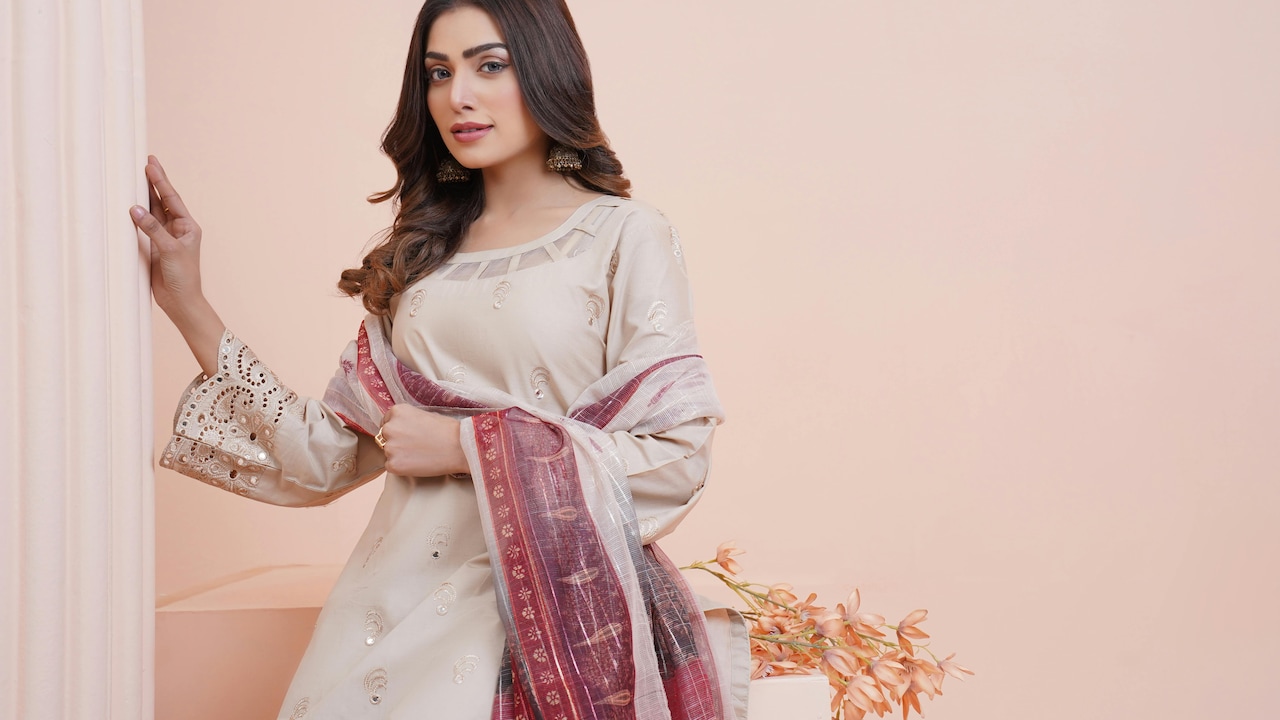
Discover common reasons behind why light coloured kurtis look transparent indoors; Photo Credit: Pexels
This phenomenon causes confusion, embarrassment and sometimes unnecessary self-consciousness. Many assume the issue lies with body shape or tailoring. In reality, light, colour and fabric behaviour of kurtis play the lead roles. Indoor lighting interacts very differently with pale fabrics compared to natural sunlight. Add thin weaves, certain dyes and everyday undergarments, and the effect becomes more pronounced.
Understanding the “why” behind this helps in making smarter clothing choices without sacrificing style. Light-coloured kurtis deserve their place in wardrobes. With the right knowledge, they can feel just as comfortable and dignified indoors as they look outdoors.
Also Read: Everyday Warm Style Guide: Discover 5 Woollen Embroderied Kurtis Under ₹2,000
Understanding The Hidden Factors Behind Indoor Transparency
1. The Science of Light and Fabric Transparency
Light behaves in fascinating ways. When it hits fabric, it either reflects, absorbs or passes through. Dark colours absorb more light, which reduces visibility through the cloth. Light shades reflect light, but thinner fabrics allow a portion to pass straight through.
Indoor lighting often comes from fixed, concentrated sources such as LED bulbs or tube lights. These lights shine directly and evenly, leaving little shadow. This direct exposure highlights what lies beneath the fabric. Pale kurtis lack pigment density, so light penetrates easily and outlines underlayers.
Natural daylight works differently. Sunlight spreads, diffuses and shifts angles constantly. This diffusion softens transparency. Indoor lighting stays harsh and steady, especially in small rooms.
Fabric transparency increases further when light comes from behind or above. Many homes place lights directly overhead, which shines straight down onto clothing. That vertical light path reduces shadows and makes the fabric appear thinner than it actually is.
2. Fabric Weave Matters More Than Expected
The weave of a kurti plays a huge role in how much it reveals. Fabrics with loose or open weaves allow light to pass through tiny gaps between threads. Cotton voile, chiffon blends and lightweight rayon often fall into this category.
From a distance, these fabrics look opaque. Under close indoor lighting, those microscopic gaps act like windows. Light travels through and highlights what sits underneath. The effect becomes stronger with movement, as fabric stretches slightly across the body.
Tighter weaves such as cambric cotton or twill block light more effectively. They maintain opacity even in bright rooms. Sadly, many summer kurtis prioritise breathability over density, which leads to transparency issues later.
Shoppers often rely on colour alone to judge opacity. That creates trouble. Two kurtis in the same shade can behave very differently indoors. The weave, thread count and finishing treatment decide the outcome.
Checking fabric against a strong light before buying can save regret later.
3. The Role of Fabric Thickness and GSM
Thickness feels obvious, yet many underestimate its importance. Fabric thickness often gets measured in GSM, or grams per square metre. Lower GSM fabrics feel lighter, cooler and more fluid. They also allow more light to pass through.
Light-coloured kurtis usually use lower GSM materials to maintain softness and drape. Designers aim for comfort, especially in warmer climates. Unfortunately, that comfort trades off against coverage.
Indoor lights exaggerate this thinness. The fabric clings slightly to the body due to heat and humidity. That stretch reduces thickness even further. Light then passes through more easily, creating an almost sheer effect.
Higher GSM fabrics hold their structure. They maintain distance from the body and block light better. However, they may feel heavier and less breathable.
Understanding GSM helps balance comfort and modesty. For daily indoor wear, medium GSM fabrics offer a safer middle ground without sacrificing ease.
4. Dye Quality and Colour Pigment Density
Not all colours behave equally. Light shades rely heavily on dye quality and pigment density. Cheaper dyes coat fibres lightly. That thin coating allows light to bounce and pass through more freely.
Premium dyes penetrate deeper into fibres. They add subtle opacity even to pale colours. This difference explains why two similar-looking kurtis perform differently under the same lighting.
Frequent washing also affects dye strength. Over time, pigments fade. As colour lightens, transparency increases. Indoor lights expose this change quickly.
Certain shades create more issues than others. Whites, creams, peaches and baby pinks top the list. Pastel blues and greens follow closely. These colours reflect light strongly, which increases visibility beneath the fabric.
Choosing kurtis with slightly warmer or muted undertones can reduce transparency. Even a hint of beige or grey in the colour palette improves coverage indoors.
5. Indoor Lighting Types Make a Huge Difference
Lighting type changes everything. LED lights emit sharp, bright illumination. They highlight textures, seams and layers. Fluorescent tube lights spread evenly but remain intense. Both reduce shadows, which normally help conceal underlayers.
Warm yellow bulbs create softer lighting. They add shadows and reduce harsh contrasts. Kurtis often appear less transparent under these lights compared to white LEDs.
Office spaces and modern homes favour cool white lighting for clarity. Unfortunately, this clarity works against light fabrics. It exposes outlines, seams and inner layers.
Directional lighting also plays a role. Ceiling-mounted lights shine directly downward. This direct path enhances see-through effects, especially on the shoulders and chest areas.
Adding diffused lighting, lamps or softer bulbs at home can subtly improve how clothing appears. Lighting design influences fashion more than most realise.
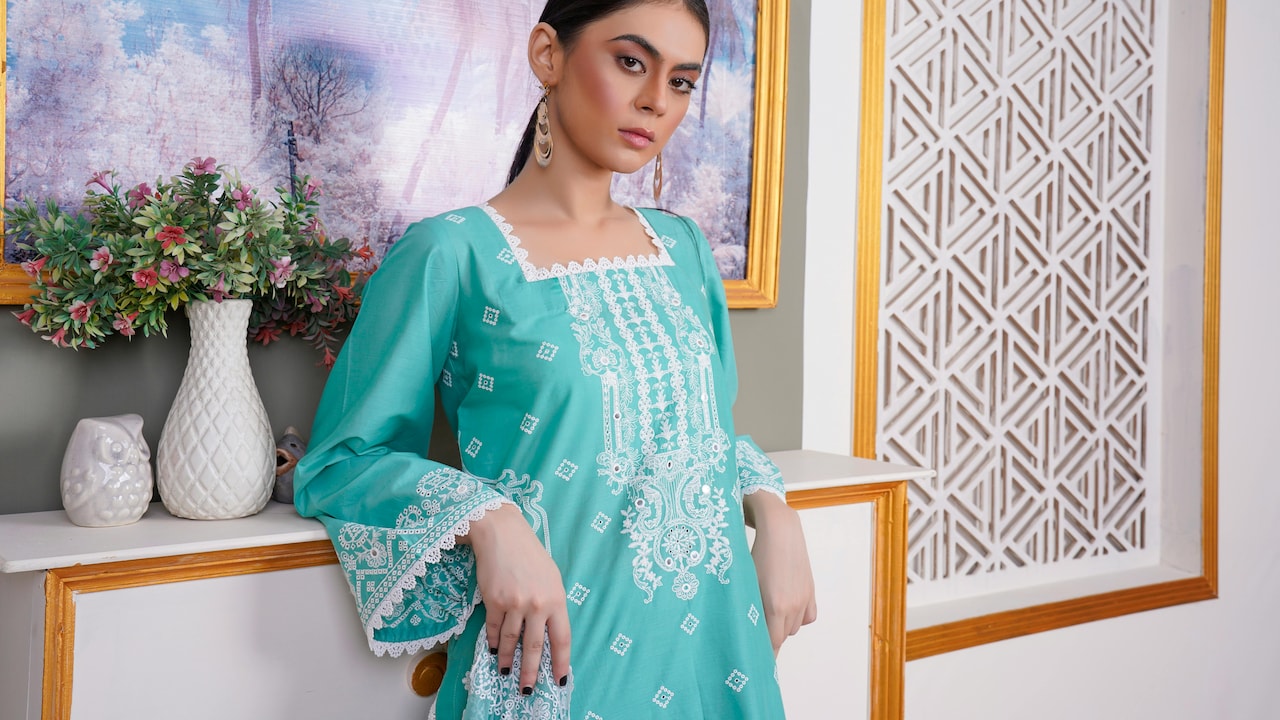
The sharp and bright illumination of LEDs can also make light coloured kurtis appear transparent; Photo Credit: Pexels
6. Undergarments and Their Unexpected Impact
Undergarments often become the silent culprit. Dark or bright innerwear stands out under light kurtis. Even skin-tone mismatches cause contrast under strong lighting.
Many assume white innerwear solves the problem. In reality, white reflects light and creates stronger outlines. Nude shades that match skin tone work far better.
Seam placement also matters. Thick seams, lace edges or textured bras show through thin fabric. Smooth, seamless options reduce visibility.
Length matters too. Short camisoles create abrupt lines that appear under light kurtis. Full-length slips provide even coverage and reduce contrast.
Indoor lighting highlights these details brutally. What remains invisible outdoors becomes obvious indoors. Choosing the right inner layer transforms how a kurti behaves under light.
7. Fit and Stretch Change Fabric Behaviour
Fit alters transparency more than expected. A snug kurti stretches fabric across the body. This stretch widens gaps between threads and thins the material visually.
Loose silhouettes allow fabric to fall naturally. They create air gaps that block light. This explains why straight-cut or A-line kurtis feel safer indoors.
Movement adds another layer. Sitting, bending or reaching stretches the fabric momentarily. Indoor lights catch these moments sharply.
Humidity also affects fit. Fabric absorbs moisture and clings closer to the skin. This cling reduces opacity further.
Choosing slightly relaxed fits for light colours improves comfort and coverage. Tailoring plays as much of a role as fabric choice in preventing see-through mishaps.
8. The Role of Sweat, Heat and Indoor Climate
Indoor environments trap heat. Fans and air conditioners create uneven cooling. This combination causes fabric to cling in unexpected places.
Sweat darkens fabric temporarily. Dark patches draw attention and increase transparency around them. Light kurtis show these changes more clearly.
Air-conditioned spaces reduce sweat but create static. Static pulls fabric towards the body, reducing natural drape.
Indoor lighting amplifies all these effects. It highlights cling, dark patches and stretch marks in fabric.
Breathable yet structured fabrics manage indoor climates better. They resist cling while maintaining comfort. Choosing fabrics that handle heat gracefully reduces transparency surprises.
9. Cultural Styling Habits and Modern Wardrobes
Traditional styling often included dupattas, slips and layered silhouettes. These layers naturally reduced transparency. Modern wardrobes favour minimalism and lighter layers.
Many kurtis now get styled without dupattas indoors. This removal exposes areas that earlier stayed covered. Indoor lighting reveals these changes instantly.
Fast fashion trends prioritise appearance under studio lights. These lights differ vastly from home lighting. What looks opaque on a model may behave differently at home.
Adapting styling habits helps. Adding a light dupatta, shrug or overlay restores balance without compromising comfort.
Blending traditional layering wisdom with modern fashion creates practical solutions for everyday wear.
10. Shopping Habits and Trial Room Illusions
Trial rooms mislead. Soft yellow lights flatter fabrics. Mirrors angle lighting strategically. These conditions hide transparency issues.
At home, reality hits. Cool white lights and natural posture reveal everything the store concealed.
Rushing purchases worsen the problem. Holding fabric against pthe hone torchlight offers a better test than mirrors alone.
Online shopping adds another layer of risk. Product images use professional lighting and editing. Fabric details often remain unclear.
Checking fabric descriptions, GSM details and customer reviews reduces disappointment. Awareness during shopping prevents awkward moments later.
Products Related To This Article
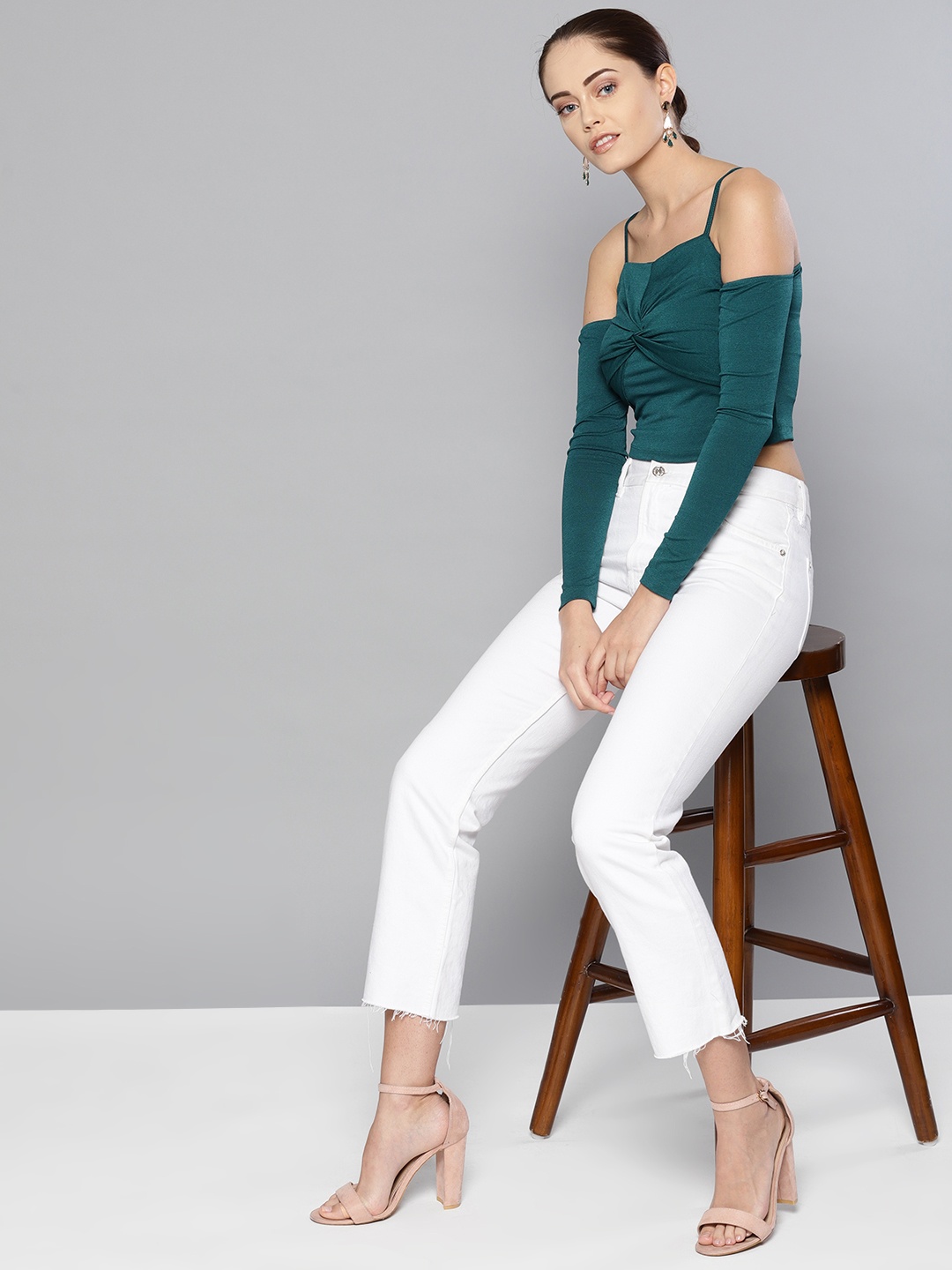
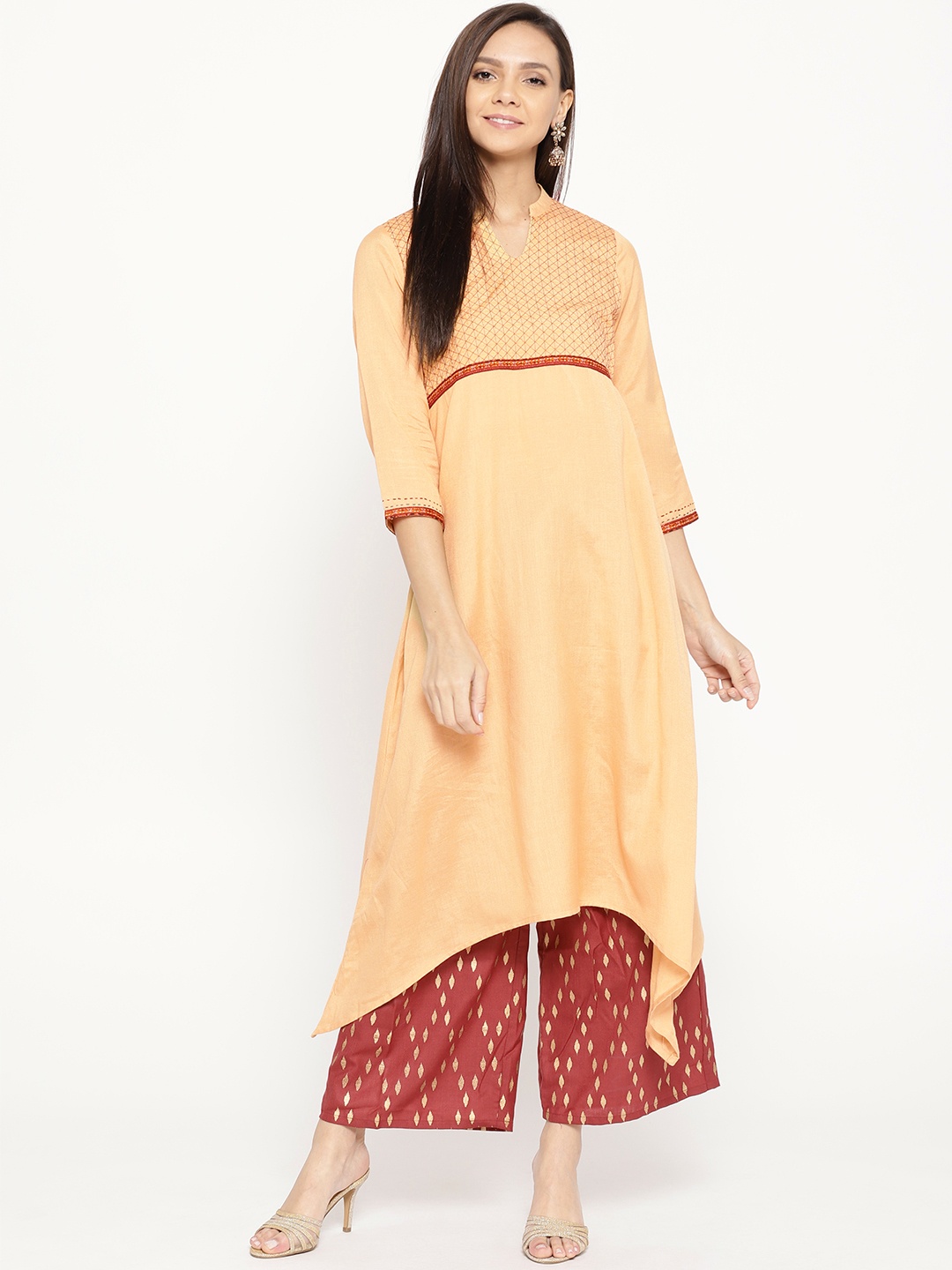
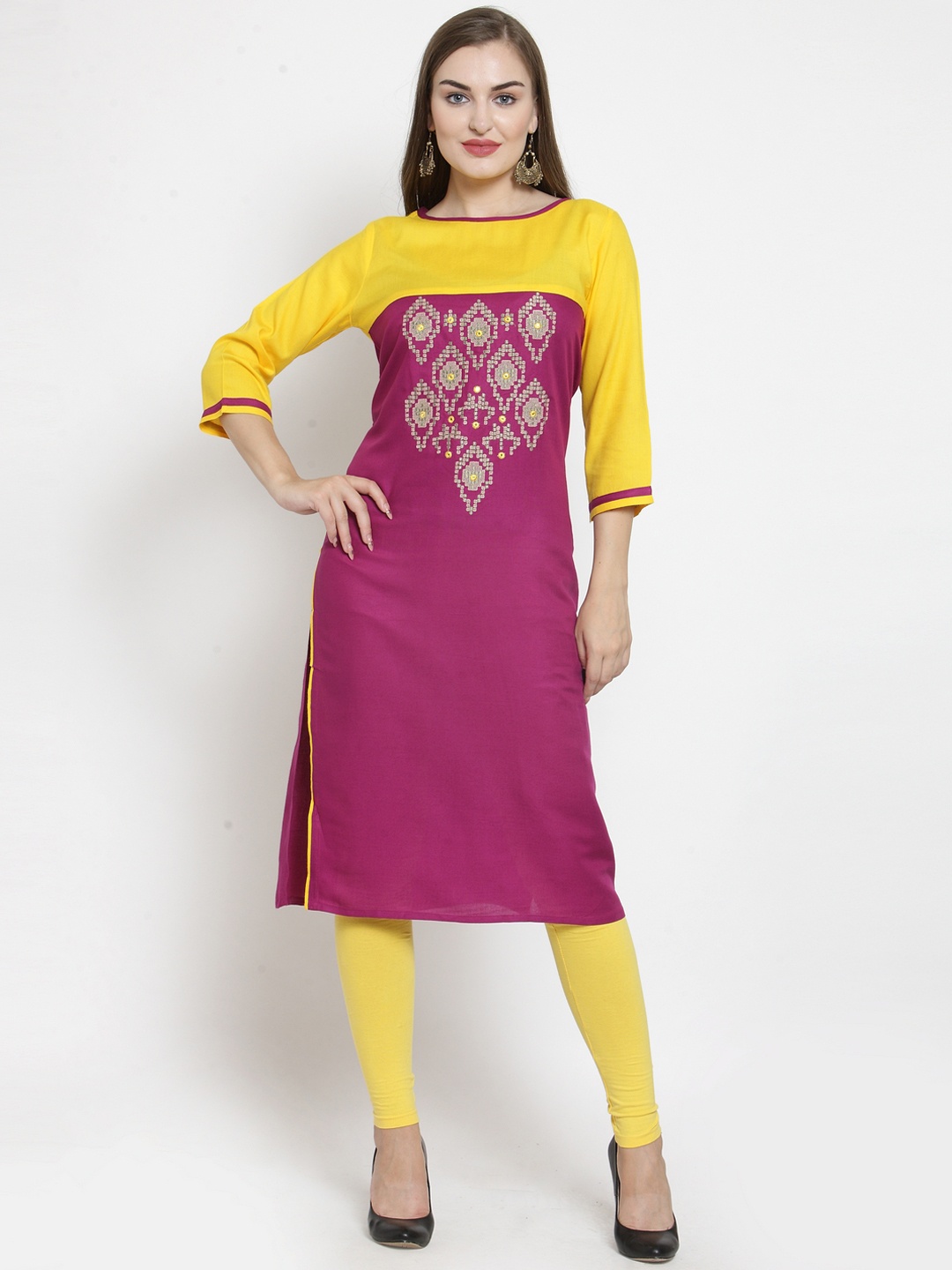
1. Sangria Ethnic Motifs Yoke Design Pure Cotton Short Kurti
2. Anouk Floral Embroidered Round Neck Cotton Straight Short Kurti
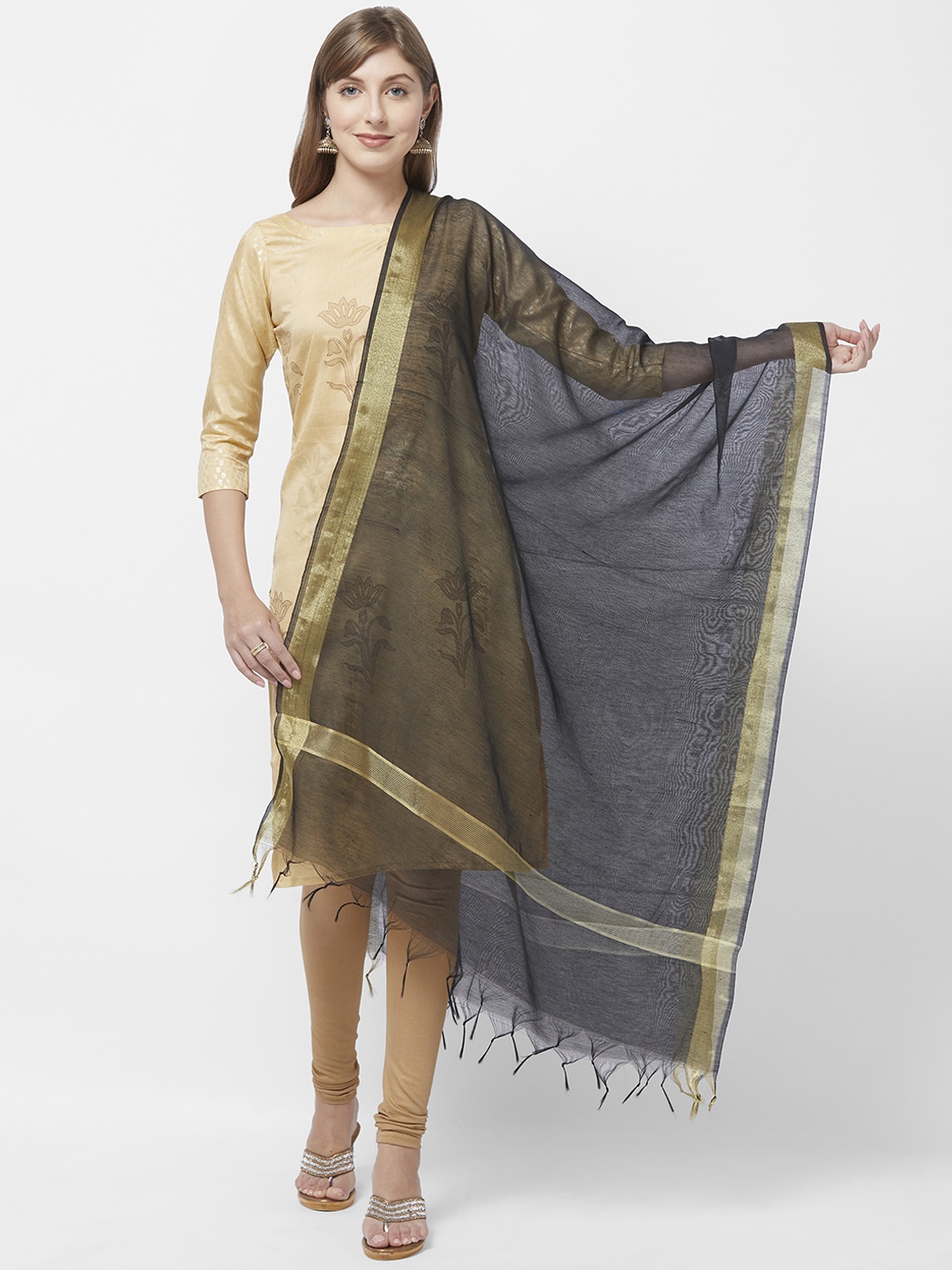
3. QAZMI Pashmina Work Kashmiri Aari Embroidered Kurti
4. Libas Women Bandhani Printed Square Neck Puff Sleeves Pure Cotton Empire Kurti
5. Anouk Rustic Mandarin Collar Striped Straight Kurti
6. Sangria Embroidered Peplum Tops
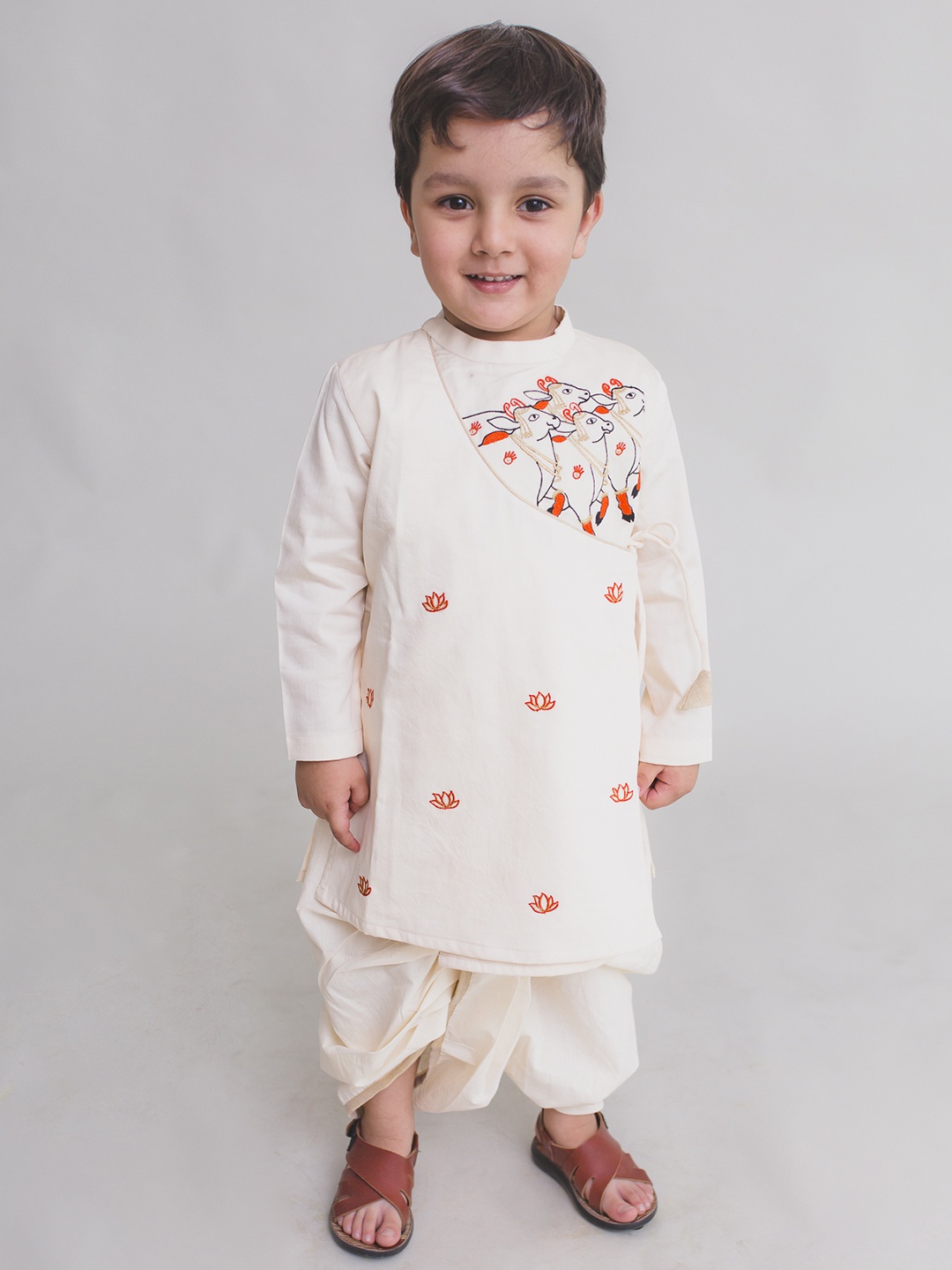
7. fusion by glitchez Striped V-Neck Tie-Up & Schiffli Detail Angrakha Kurti
Light-coloured kurtis hold timeless charm. They feel fresh, graceful and versatile. Their tendency to turn see-through indoors stems from science, not fault or fashion failure.
Light behaviour, fabric weave, dye quality and indoor environments work together to create this effect. Understanding these factors empowers better choices. Small adjustments in fabric selection, innerwear and lighting transform the experience completely.
Instead of abandoning light shades, embracing informed styling brings confidence back. With the right balance, these kurtis can remain elegant, comfortable and worry-free under any light.
A little knowledge saves many mirror checks and restores peace of mind, one kurti at a time.
(Disclaimer: This article may include references to or features of products and services made available through affiliate marketing campaigns. NDTV Convergence Limited (“NDTV”) strives to maintain editorial independence while participating in such campaigns. NDTV does not assume responsibility for the performance or claims of any featured products or services.)