Why Most Men Wear the Wrong Underwear Size Their Entire Life
Most men wear the wrong underwear size for years without realising it. From habits to poor fit awareness, this overlooked mistake quietly affects daily comfort and confidence more than expected.
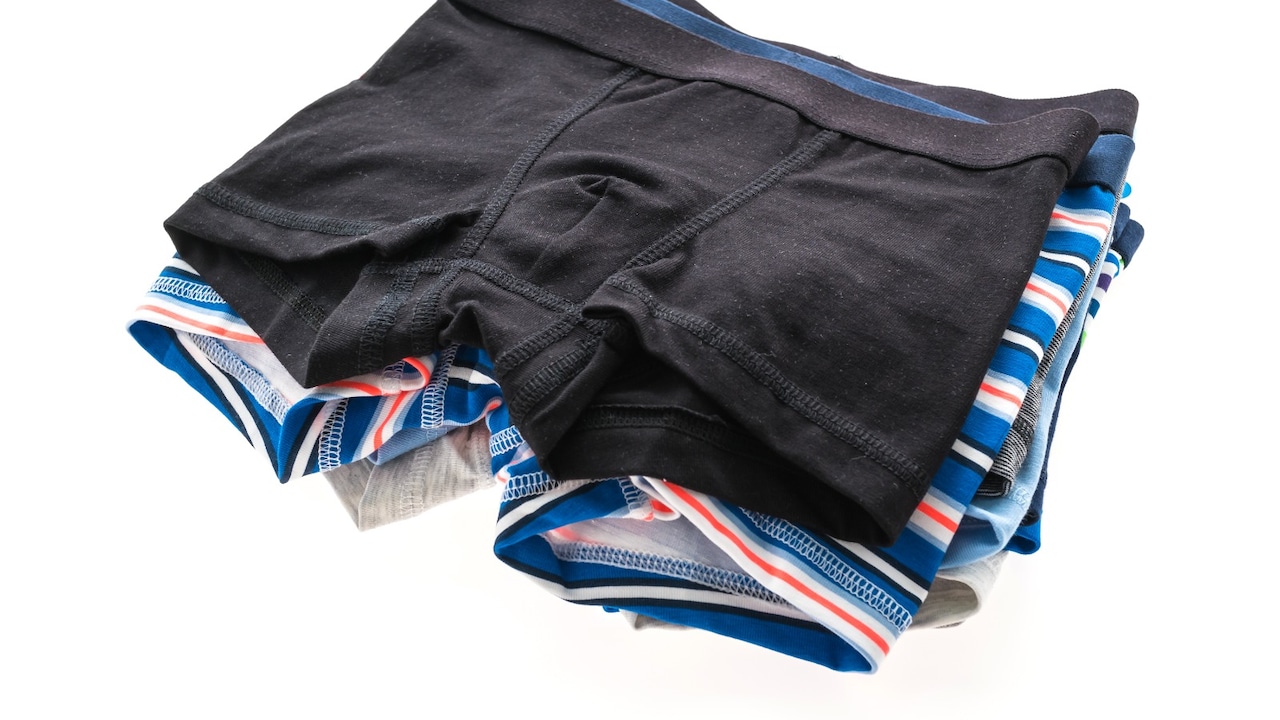
10 Reasons Why Most Men Wear The Wrong Underwear Size For Life
Underwear rarely gets the attention it deserves. Shirts, shoes, watch designs, those spark conversations, invite opinions, and justify spending ₹3,000 without guilt. Underwear, on the other hand, often gets picked in a hurry, grabbed off a supermarket rack, or bought in bulk during a sale without a second thought. Yet, it sits closest to the body all day. It shapes comfort, confidence, posture, and even mood. Despite this, many men unknowingly wear the wrong size for years, sometimes their entire lives. Not because they do not care, but because nobody really taught them how to get it right. Behind this quiet issue lies a mix of habit, hesitation, misinformation, and a dash of stubbornness. The result? Waistbands that dig in, fabrics that bunch up, and a constant low-level discomfort that gets mistaken for normal.
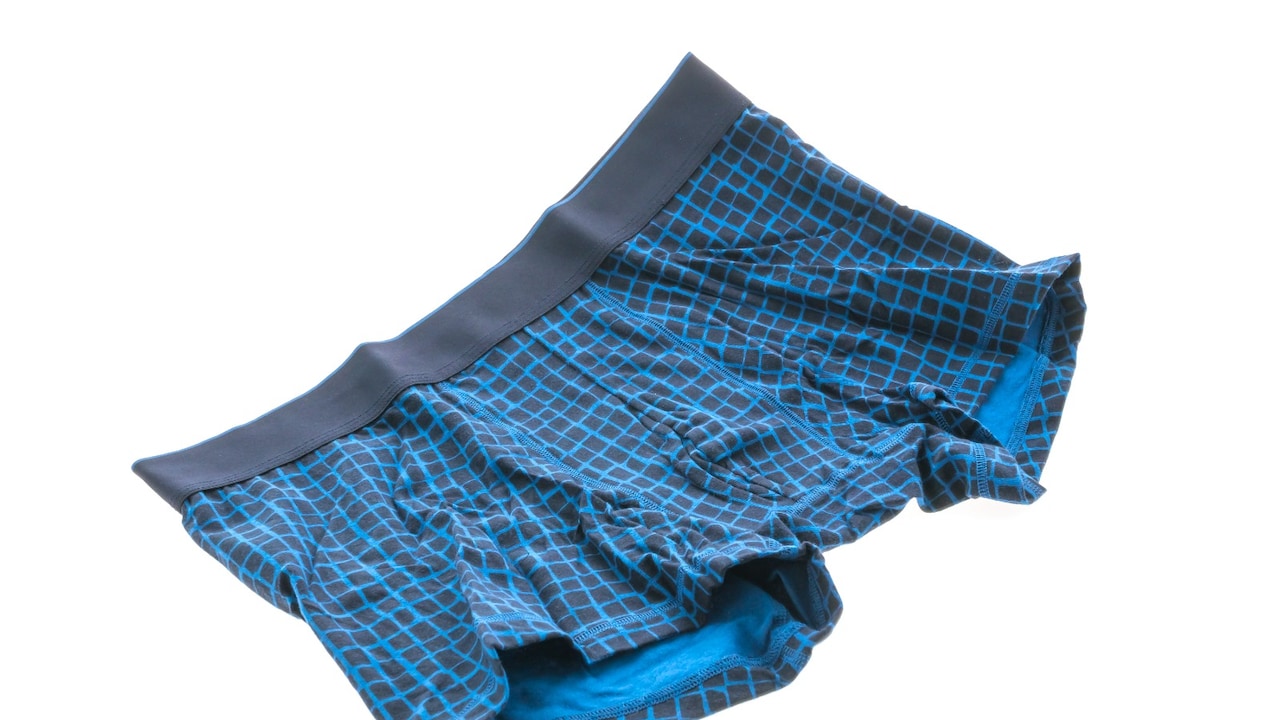
10 Reasons Why Most Men Wear The Wrong Underwear Size For Life; Photo Credit: Pexels
The Hidden Reasons Behind A Lifetime Of Poor Fit
The Habit Of Buying The Same Size Forever
Most men pick a size once and stick to it like a lifelong subscription. Whether that first purchase happened at age 18 or during a rushed shopping trip before a wedding, the number rarely changes afterwards.
Bodies, however, do not follow the same rule. Weight fluctuates. Muscle builds or fades. Lifestyle shifts from active college days to desk-bound routines. Yet, the underwear drawer remains frozen in time.
There is also a strange loyalty attached to sizes. A label like “Medium” or “Large” begins to feel like identity rather than measurement. Changing it feels unnecessary, even uncomfortable.
Consider someone who gained five kilos over a few years. Jeans might get replaced, shirts might get looser, but underwear often stays untouched. It is hidden, after all. No one sees it, so why bother?
This quiet mismatch builds over time. Elastic stretches, fabric wears out, and what once fit well slowly becomes either too tight or oddly loose. Still, the same size gets repurchased, reinforcing the cycle.
The Awkwardness Around Discussing Fit
Conversations about clothing sizes happen easily, except when it comes to underwear. There is a certain hesitation, almost a cultural discomfort, in discussing what fits well down there.
Friends might happily debate sneaker brands or shirt fits over chai, but bring up underwear sizing and the topic quickly changes. That silence leaves many men guessing rather than knowing.
Retail environments do not help either. Unlike trying on shirts, underwear purchases happen quickly and discreetly. Asking for guidance feels awkward, and most sales staff do not push the conversation either.
This lack of open discussion means misinformation spreads quietly. Men rely on assumptions, outdated advice, or whatever seems “normal.” Over time, these guesses become habits, and habits become permanent.
Breaking this silence could change everything. A simple conversation, casual, light, and honest, could save years of discomfort.
Also Read: 5 Best Men's Boxer Briefs With Moisture-Wicking Fabric (Pack of 3 Under ₹800)
Confusing Size Charts Across Brands
One brand's “Medium” often feels like another brand's “Small.” This inconsistency creates confusion that discourages experimentation.
Many men stick to a single brand simply because it feels predictable. Trying a new one feels risky. What if it fits differently? What if the fabric behaves strangely?
Size charts exist, but few people actually check them. They seem tedious, full of measurements that feel unnecessary for something as simple as underwear. So, the guesswork continues.
Even when someone does check, interpreting the chart can feel confusing. Waist measurements vary, and some brands design for snug fits while others prioritise comfort.
Over time, this inconsistency trains men to ignore sizing altogether. The result is a drawer full of mismatched fits, some too tight, others too loose, none quite right.
The Myth That Tight Means Better Support
There is a long-standing belief that tighter underwear equals better support. While some support is essential, excessive tightness often leads to discomfort rather than stability.
A snug fit should feel secure without restricting movement. However, many men equate tightness with quality or masculinity. If it feels slightly uncomfortable, it must be doing its job, so the thinking goes.
In reality, overly tight underwear can lead to chafing, restricted airflow, and constant adjustment throughout the day. It creates a subtle irritation that builds over hours, turning even simple tasks into minor annoyances.
On the other hand, overly loose underwear lacks structure, causing bunching and awkward shifting. The ideal fit lies somewhere in between, a balance that often gets overlooked.
Understanding this balance requires attention, not assumption. And that is where most mistakes begin.
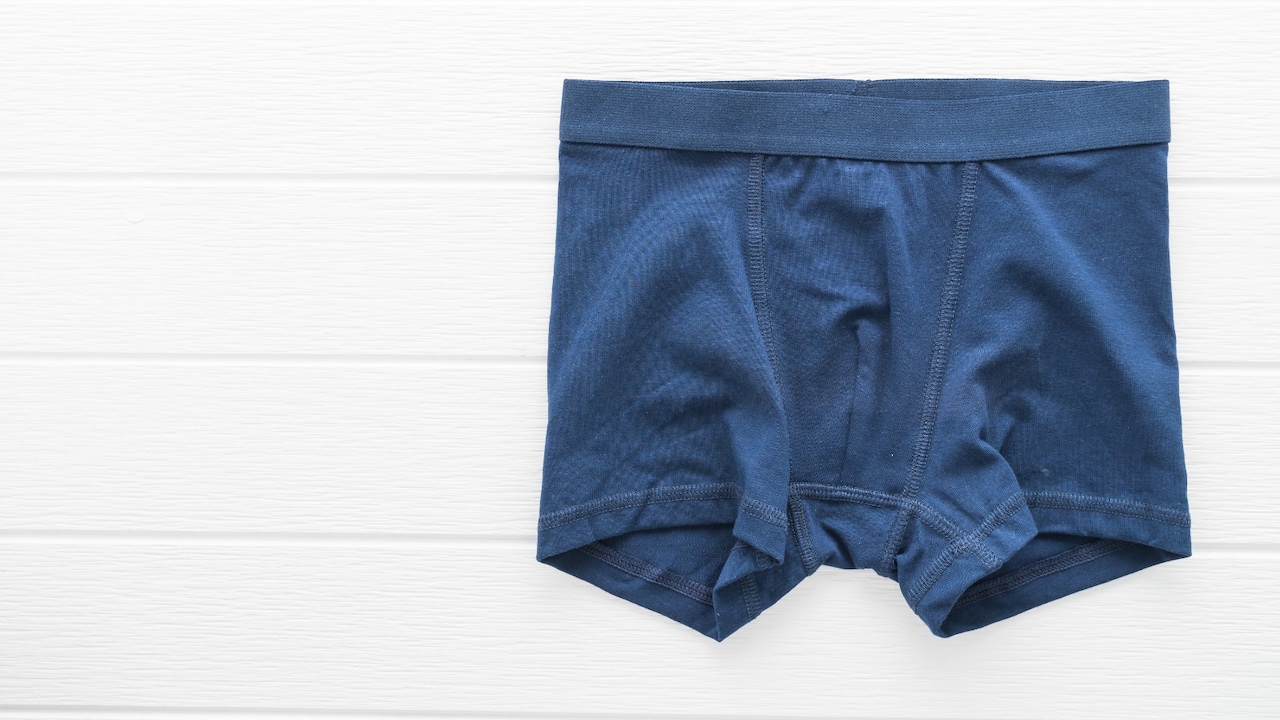
10 Reasons Why Most Men Wear The Wrong Underwear Size For Life; Photo Credit: Pexels
Ignoring Changes In Body Shape
Weight gain is easy to notice. Subtle changes in body shape are not. A slight increase around the waist, a shift in posture, or muscle development can all affect how underwear fits.
These changes happen gradually, often unnoticed. Clothes adapt, new jeans, looser shirts, but underwear remains the same.
Over time, this mismatch becomes more pronounced. Waistbands start to roll, seams dig in, and comfort declines. Yet, the connection between body change and underwear fit rarely gets acknowledged.
Fitness journeys also play a role. Someone who starts working out may build muscle in the thighs or hips, altering the fit entirely. The old size no longer works, but the habit persists.
Recognising these changes requires awareness. Without it, discomfort becomes routine, and routine becomes accepted.
The Influence Of Childhood Buying Patterns
For many, the first underwear purchase did not involve personal choice. Parents picked the size, often based on quick judgment rather than precise measurement.
That early experience shapes future behaviour. The idea that underwear is a simple, no-thought purchase carries into adulthood.
Even after gaining independence, many men continue buying the same size their parents once chose. It feels familiar, safe, and unquestioned.
This inherited habit rarely gets challenged. Unlike fashion choices, which evolve with age, underwear remains stuck in childhood patterns.
Breaking away from this requires conscious effort. It involves reassessing fit, understanding personal comfort, and letting go of outdated assumptions.
The Overlooked Role Of Fabric And Style
Not all underwear styles fit the same way. Briefs, boxers, and trunks each offer a different structure and feel. Yet, many men stick to one style without considering how it suits their bodies.
Fabric also plays a crucial role. Cotton stretches differently from synthetic blends. Some materials offer flexibility, while others hold shape firmly.
Ignoring these differences leads to a poor fit. A size that works in one fabric might feel restrictive in another.
For example, someone switching from loose boxers to fitted trunks might need a different size altogether. Without this awareness, the transition feels uncomfortable, leading to the assumption that the style is wrong rather than the size.
Understanding these nuances transforms the experience. It turns underwear from a basic necessity into something thoughtfully chosen.
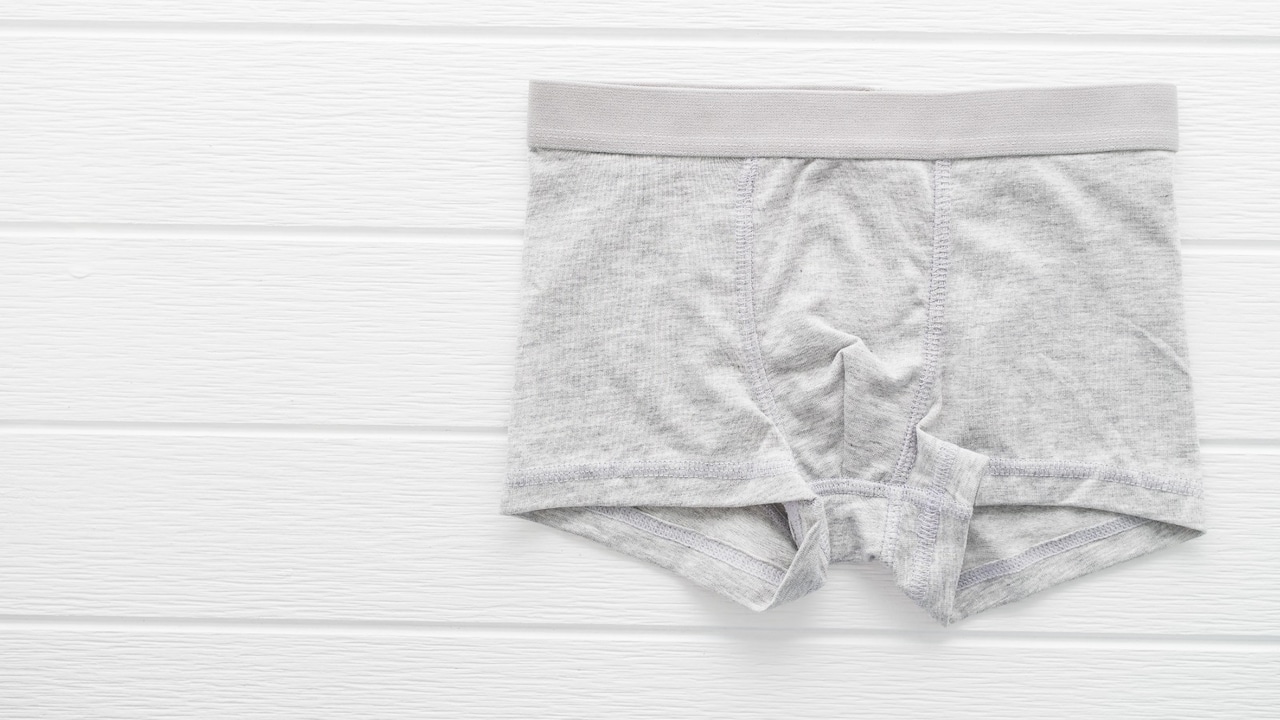
10 Reasons Why Most Men Wear The Wrong Underwear Size For Life; Photo Credit: Pexels
The Reluctance To Spend On Essentials
Spending ₹2,000 on a shirt feels reasonable. Spending the same amount on quality underwear often feels excessive.
This mindset leads to compromises. Cheaper options, bulk purchases, and sale-driven decisions dominate the buying process. Fit becomes secondary to price.
However, underwear is worn daily, often for long hours. The cost per wear is minimal compared to outerwear. Investing in the right size and quality makes a noticeable difference.
Yet, the hesitation remains. Essentials get overlooked, and discomfort becomes part of the routine.
Changing this perspective requires a shift in priorities. Comfort should not feel like a luxury; it should be the baseline.
The Lack Of Regular Wardrobe Updates
Wardrobes evolve, but underwear drawers often stay the same for years. Old pieces linger long after their prime, stretched out and faded.
Replacing them rarely feels urgent. They still “work,” even if they no longer fit well.
This delay creates a cycle where poor fit becomes normal. New purchases match the old ones, reinforcing the same size and style.
Regular updates break this pattern. They offer a chance to reassess fit, try new styles, and improve comfort.
Without this habit, the drawer becomes a time capsule, full of outdated choices that no longer serve their purpose.
Mistaking Discomfort For Normal
Perhaps the biggest reason lies in perception. Many men simply believe that slight discomfort is normal.
A waistband that digs in, fabric that rides up, constant adjustments, these become part of daily life. They go unnoticed because they have always been there.
Comfort, when experienced properly, feels surprisingly different. It allows freedom of movement, ease of focus, and a subtle boost in confidence.
Without experiencing the right fit, there is no benchmark for comparison. Discomfort becomes invisible, hidden in plain sight.
Recognising this difference is often the turning point. It shifts the entire perspective, turning a neglected detail into an essential priority.
Products Related To This Article
1. Dixcy Scott Originals Pack of 4 100% Combed Cotton Long Solid Men Trunk
2. KGLIO Pack of 4 Men Trunk
3. xqsee Pack of 3 Men Trunk
4. FREECULTR Pack of 2 Solid Men Trunk
5. Dollar Bigboss Pack of 3 Combed Cotton Double Pouch Support Solid Men Trunk
The wrong underwear size is not just a minor inconvenience. It reflects a broader pattern of overlooked details, inherited habits, and quiet compromises.
From outdated sizing choices to awkward shopping experiences, the reasons are layered and surprisingly relatable. Yet, the solution remains simple: awareness, attention, and a willingness to reassess.
A small change can make a significant difference. The right fit offers comfort that lasts all day, confidence that feels natural, and a sense of ease that often goes unnoticed until experienced.
Underwear may never become a topic of daily conversation, but perhaps it deserves a little more thought than it usually gets. After all, comfort should not be accidental; it should be intentional.
(Disclaimer: This article may include references to or features of products and services made available through affiliate marketing campaigns. NDTV Convergence Limited (“NDTV”) strives to maintain editorial independence while participating in such campaigns. NDTV does not assume responsibility for the performance or claims of any featured products or services.)