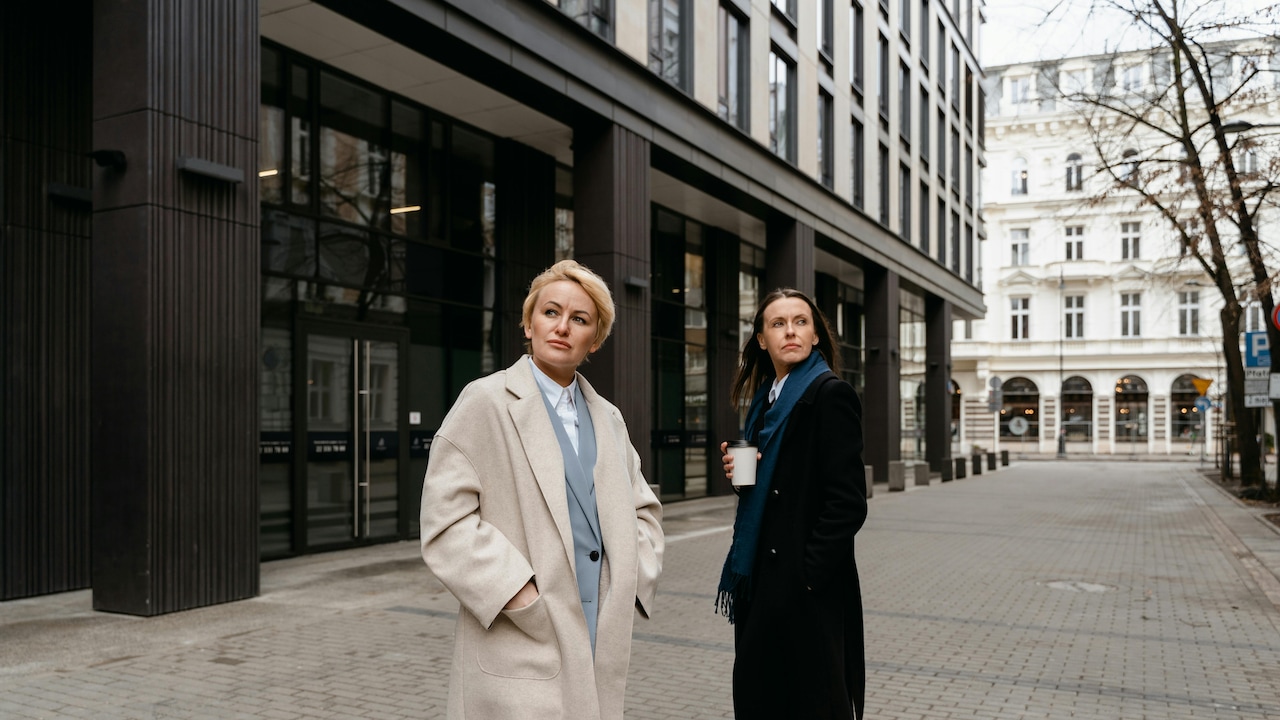
The Outfit Loop Problem: Why You Wear the Same 5 Things On Repeat
A full wardrobe, yet only five outfits on repeat. The outfit loop reveals how comfort, habit and decision fatigue quietly shape everyday style choices.
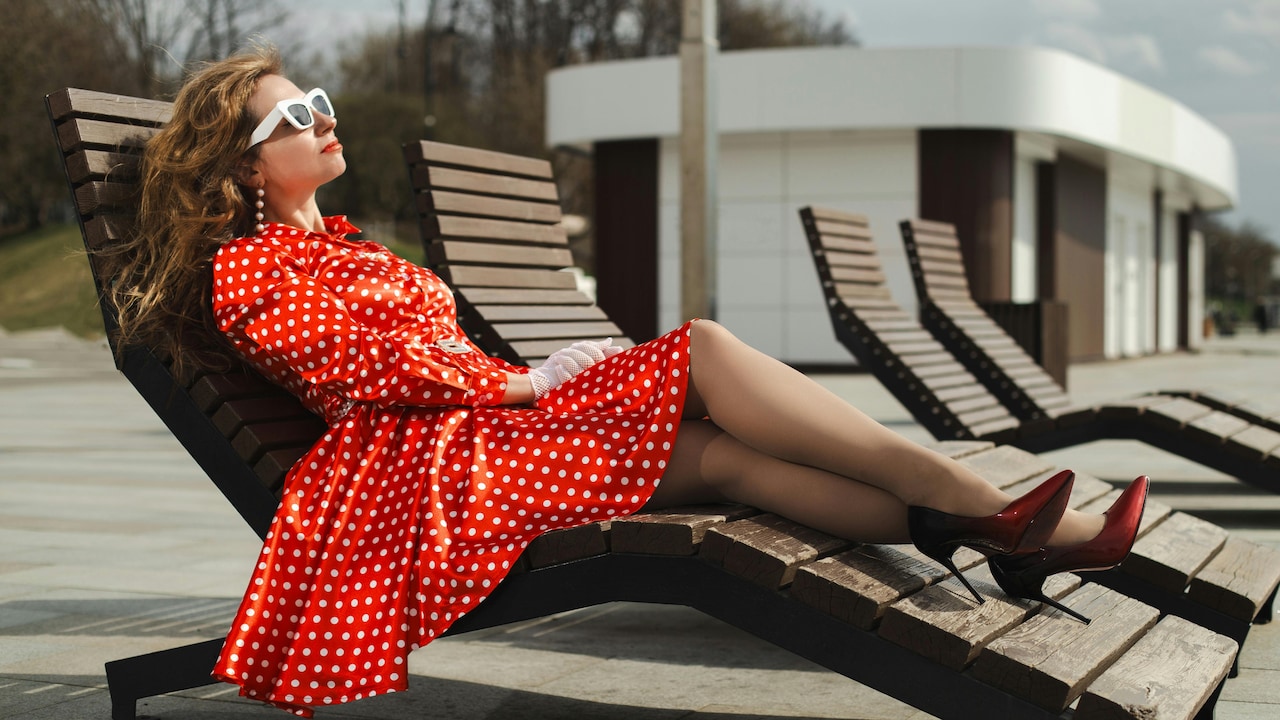
10 common reasons why you love repeating certain outfits
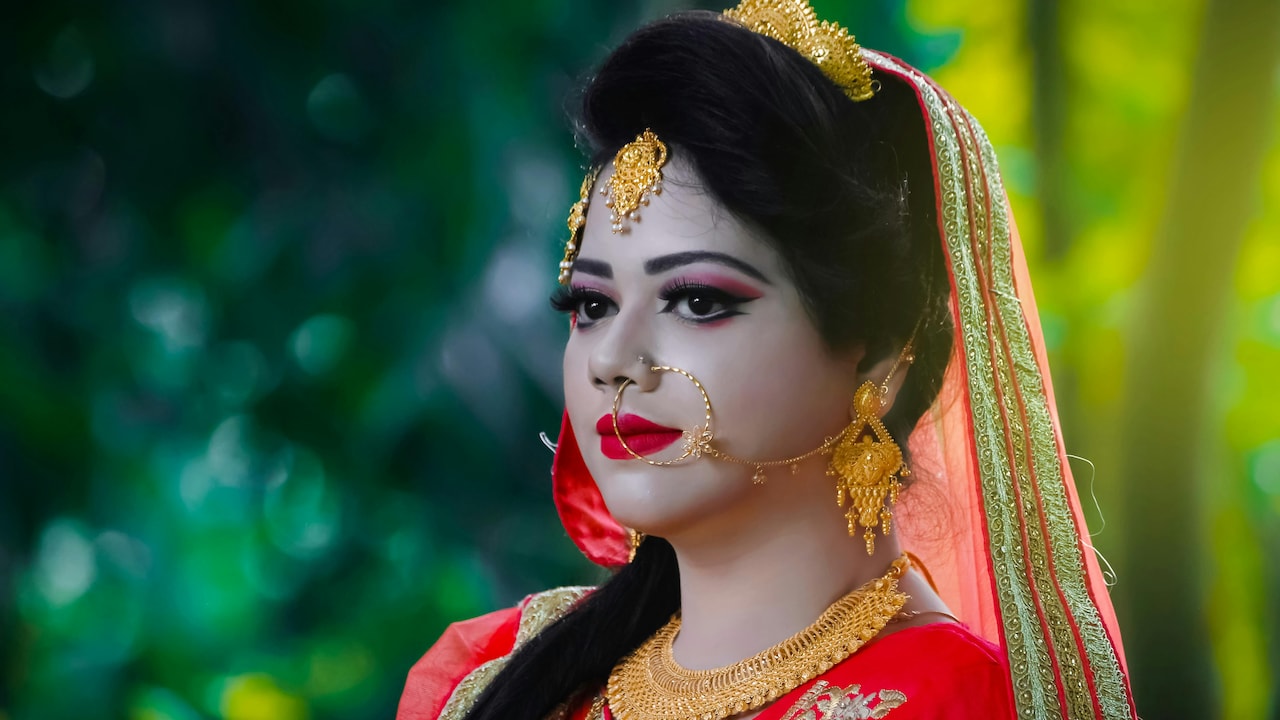
Every morning begins with a small but surprisingly heavy decision: what to wear. The wardrobe bursts with colour, texture, and forgotten purchases, yet, almost magically, the same few outfits step forward. A trusted kurta, a pair of well-worn jeans, that one shirt that always “works”. Days pass, weeks roll on, and suddenly it becomes clear: the outfit loop has taken over.
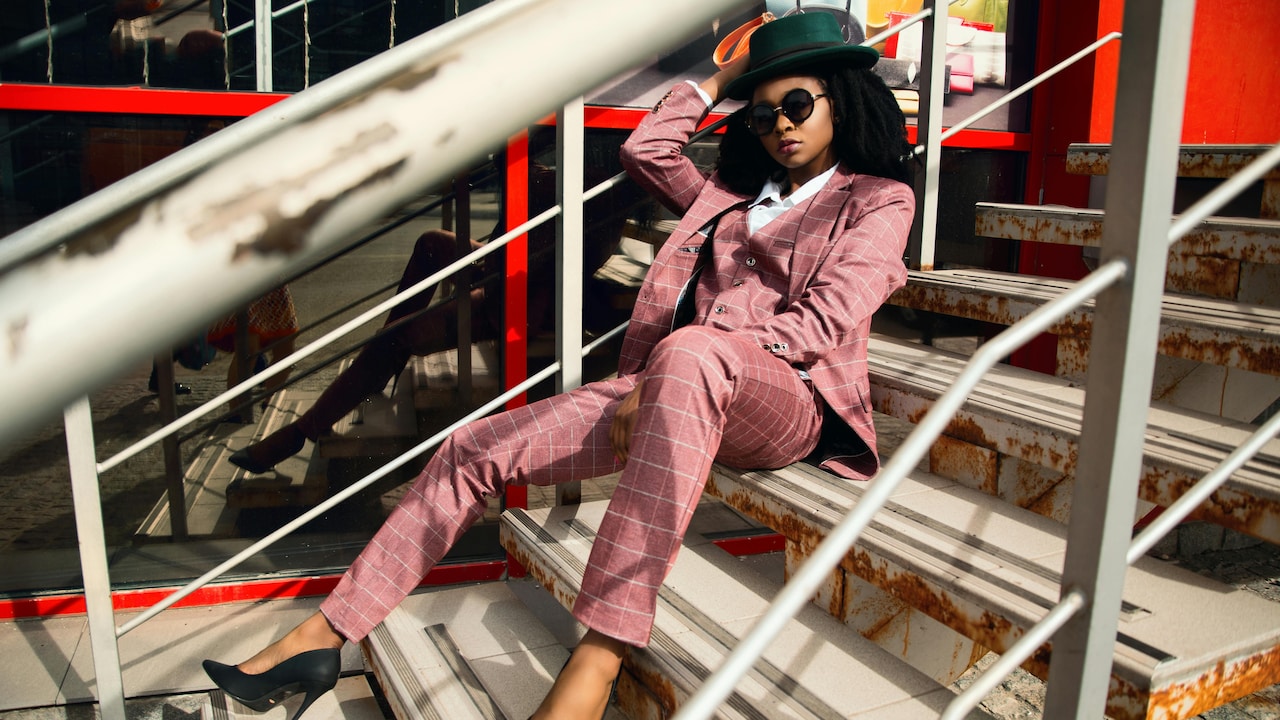
The truth behind why you keep repeating certain outfits; Photo Credit: Pexels
This pattern feels oddly comforting. It saves time, reduces stress, and offers a sense of control. But it also raises questions. Why invest in so many clothes if only a handful get attention? Why does variety shrink when options grow? And what does this loop say about habits, identity, and modern life?
The outfit loop is not just about fashion. It reflects routines, cultural expectations, lifestyle pressures, and even the emotional weight of choices. Beneath the surface lies a fascinating blend of psychology and practicality. This article explores that loop, why it happens, why it persists, and whether it truly needs breaking.
Also Read: Top 7 Stylish Co-Ord Sets For Women That Make Everyday Dressing Effortless
Why The Outfit Loop Happens
The Comfort Zone Closet
Clothing often acts as a second skin. Certain outfits carry a quiet reassurance, like a familiar song playing in the background of a busy day. A soft cotton kurta worn during long commutes, or a pair of jeans that has survived countless chai spills, becomes more than just fabric. It becomes reliable.
Comfort plays a leading role in the outfit loop. In a country where the weather shifts between humid afternoons and unpredictable monsoons, practical choices naturally dominate. Breathable fabrics, easy fits, and dependable footwear quietly win over experimental pieces.
Beyond physical comfort lies emotional ease. Wearing something familiar reduces uncertainty. There is no need to second-guess how it looks or feels. Confidence flows effortlessly when the outfit already feels “right”.
This comfort zone slowly narrows choices. New clothes may sit untouched, waiting for the “perfect occasion” that rarely arrives. Meanwhile, trusted favourites take centre stage every day. The loop strengthens, not out of laziness, but out of a natural pull towards ease and certainty.
Decision Fatigue And Morning Chaos
Mornings rarely offer luxury. Between rushing for work, managing household responsibilities, and navigating traffic that tests patience daily, the brain already juggles enough. Adding outfit decisions to this mix feels unnecessary.
Decision fatigue quietly shapes behaviour. Each choice, tea or coffee, bus or cab, meeting or deadline, drains mental energy. By the time the wardrobe opens, the mind craves simplicity. Reaching for a familiar outfit becomes the easiest solution.
This explains why even people with expansive wardrobes fall into repetition. It is not about lack of options, but about conserving mental bandwidth. A known outfit eliminates the need to evaluate colours, combinations, and appropriateness.
Interestingly, this pattern mirrors larger lifestyle habits. Regular food orders, fixed travel routes, and even repeated playlists follow the same logic. Consistency reduces effort.
The outfit loop thrives in this environment. It offers predictability in a world that rarely feels predictable. And sometimes, that predictability feels like a small victory before the day even begins.
The Myth Of “Nothing To Wear”
Standing in front of a full wardrobe and declaring “there's nothing to wear” has become almost universal. It sounds dramatic, yet it carries a deeper truth.
The issue rarely lies in quantity. Instead, it stems from a disconnect. Clothes may no longer match the current lifestyle, body changes, or evolving taste. That party dress bought for ₹3,500 might feel too extravagant for daily wear. Formal shirts may seem too stiff for a relaxed workplace.
This mismatch creates an illusion of scarcity. The wardrobe is full, but not aligned with everyday needs. As a result, only a few items truly fit the moment. These become the core of the outfit loop.
Shopping habits contribute to this cycle. Impulse purchases, festival sales, and trend-driven buys often fill wardrobes with items that look appealing but lack practical use.
Over time, the gap between “owned clothes” and “worn clothes” widens. The loop is not about repetition alone. It is about relevance. The clothes that stay in rotation are simply the ones that fit life as it is, not as imagined during a shopping spree.
Identity In Repetition
Clothing often communicates identity without words. A consistent style becomes a signature. Think of someone always seen in crisp white shirts or vibrant printed kurtas. These choices create a recognisable presence.
The outfit loop strengthens this identity. Repetition builds familiarity, both for the wearer and for others. It sends a subtle message: this is who one is, or at least, who one feels comfortable being.
In professional spaces, this consistency can feel reassuring. It reduces the pressure to constantly reinvent appearance. A reliable style becomes part of personal branding.
Culturally, there is also a quiet appreciation for simplicity. Flashy changes may draw attention, but understated repetition often signals confidence and stability.
This explains why many individuals consciously embrace limited outfit choices. It is not about restriction, but about clarity. When clothing aligns with identity, the need for variety fades.
The outfit loop, in this sense, becomes less of a problem and more of a personal statement, one stitched together with comfort, habit, and self-expression.
The Role Of Social Expectations
Clothing does not exist in isolation. Social settings influence choices more than is often acknowledged. Family gatherings, office environments, and even neighbourhood interactions shape what feels “appropriate”.
In many households, practicality takes precedence over experimentation. Wearing something too bold may invite unnecessary attention or questions. This subtle pressure nudges people towards safer, repeatable outfits.
Workplaces also play a role. Even in relaxed offices, there exists an unspoken dress code. Neutral tones, simple patterns, and modest styles dominate. Once a few outfits fit this expectation, they naturally become the default.
Social media adds another layer. While it promotes variety, it also creates pressure to look effortlessly put together. Ironically, this often leads to reliance on tried-and-tested combinations that guarantee a polished appearance.
The outfit loop thrives in this environment of expectations. It balances the desire to fit in with the need to feel comfortable. And sometimes, repeating outfits feels less risky than experimenting under watchful eyes.

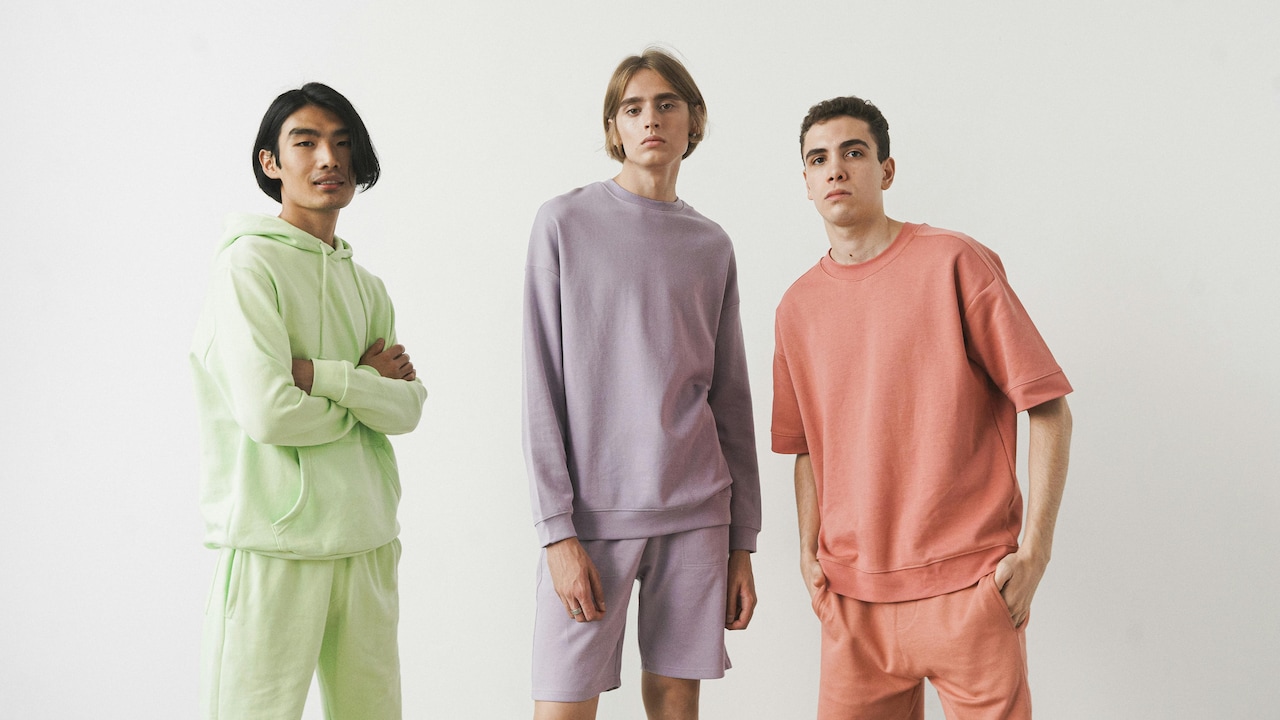
Repeating outfits feels less risky than experimenting under watchful eyes; Photo Credit: Pexels
Emotional Attachments To Clothes
Clothes carry stories. A kurta worn during a festival, a shirt bought with a first salary, or a dress gifted by a loved one, each piece holds memories.
These emotional connections influence daily choices. Wearing something familiar can evoke comfort, nostalgia, or even motivation. It feels like carrying a piece of personal history through the day.
This emotional weight often elevates certain outfits above others. Even if newer clothes exist, these meaningful pieces continue to dominate the rotation.
There is also a sense of trust involved. Clothes that have “performed well” during important moments gain a special status. They become go-to options for days that matter.
Interestingly, this attachment can make it difficult to let go. Wardrobes expand, but emotional favourites remain at the centre.
The outfit loop, therefore, is not just practical. It is deeply emotional. It reflects connections, memories, and the quiet comfort of familiarity stitched into fabric.
Fast Fashion And The Illusion Of Variety
Modern shopping habits promise endless variety. Sales, online platforms, and influencer trends constantly introduce new styles. Yet, this abundance does not always translate into actual usage.
Fast fashion encourages frequent purchases, often at prices that feel too tempting to resist. A top for ₹799 or a trendy jacket for ₹1,499 seems like a quick upgrade. But these pieces may not integrate well into everyday life.
The result is a wardrobe filled with options that rarely get worn. Meanwhile, reliable outfits continue to dominate.
This creates a paradox. More clothes lead to fewer real choices. The outfit loop tightens, even as the wardrobe expands.
There is also a growing awareness of sustainability. Repeating outfits is slowly being seen as responsible rather than boring. It reduces waste and encourages mindful consumption.
The loop, once viewed as a limitation, begins to look like a quiet rebellion against excess. It challenges the idea that new always means better.
Time, Lifestyle, And Practicality
Daily routines leave little room for elaborate dressing decisions. Long commutes, unpredictable schedules, and packed days demand efficiency.
Clothing becomes a functional choice rather than a creative exercise. Easy-to-wear outfits that require minimal thought naturally rise to the top.
Weather conditions also play a crucial role. Lightweight fabrics dominate during hot months, while layering becomes essential during cooler days. Practicality often outweighs style experimentation.
Lifestyle shifts further reinforce the loop. Remote work, casual office environments, and relaxed social settings reduce the need for diverse wardrobes.
In such scenarios, repeating outfits feels logical. It saves time, reduces stress, and ensures comfort throughout the day.
The outfit loop aligns perfectly with this practical mindset. It simplifies one aspect of life, allowing focus to shift towards more pressing responsibilities.
Breaking The Loop, Or Embracing It?
The outfit loop often gets labelled as a problem. But does it truly need fixing? Not necessarily.
For some, breaking the loop brings excitement. Mixing and matching, rediscovering forgotten clothes, and experimenting with new styles can feel refreshing. Small changes, like pairing a familiar kurta with different bottoms, can create variety without overwhelming effort.
For others, the loop offers stability. It removes unnecessary decisions and provides a sense of control. There is comfort in knowing that an outfit will always work.
The key lies in intention. Repetition becomes limiting only when it feels restrictive. If it feels freeing, there is no need to change it.
A balanced approach often works best. Keeping a core set of reliable outfits while occasionally introducing variation allows both comfort and creativity to coexist.
Ultimately, the outfit loop is not a flaw. It is a reflection of priorities, habits, and personal choices.
Products Related To This Article
1. Globus Printed Wrap Neck Belted Flared Leg Fusion Jumpsuit
2. CLOTH N CODE Men Relaxed Straight Fit Trousers
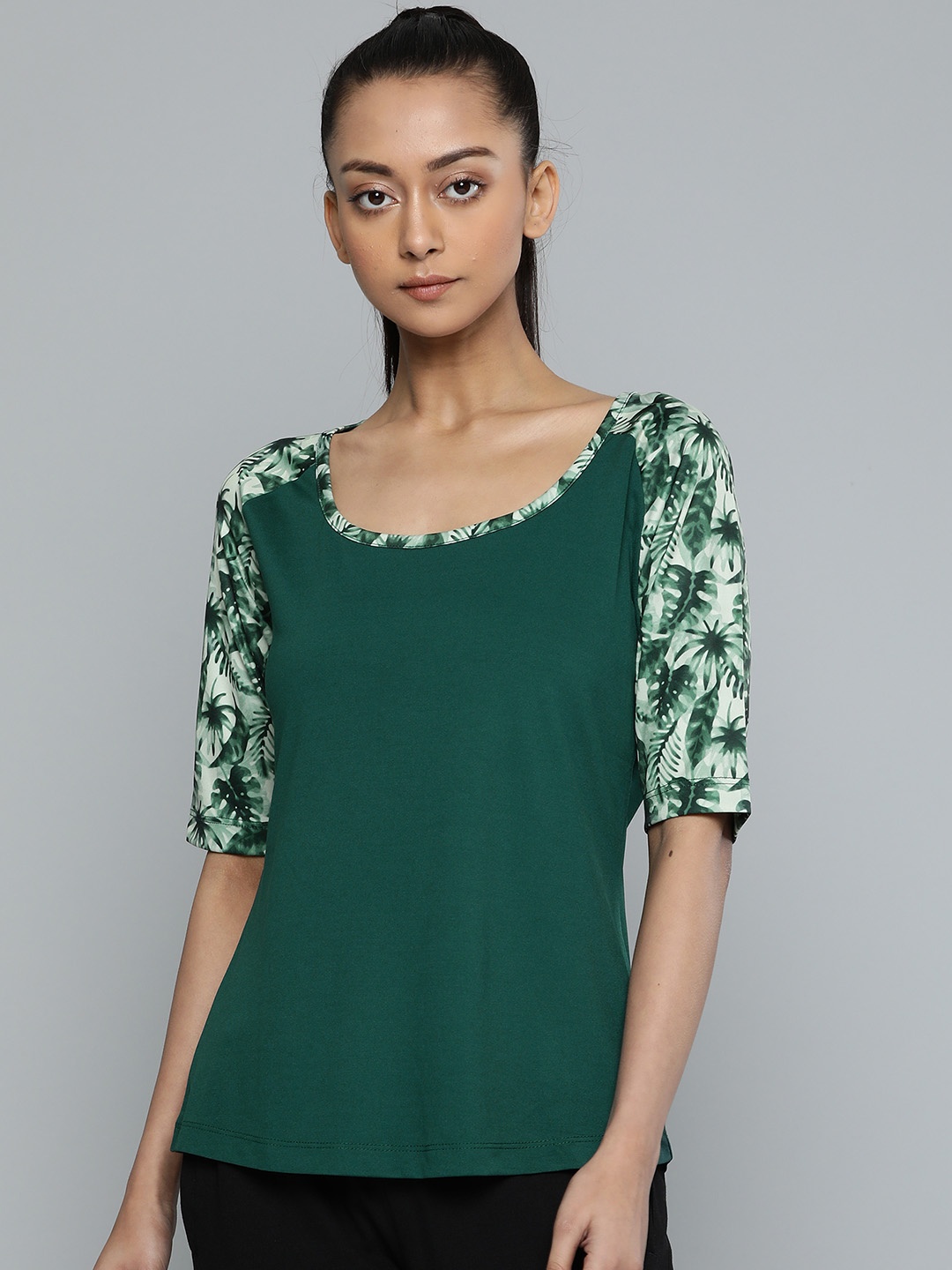
3. DressBerry Floral Embroidered Mandarin Collar Pure Cotton Top
4. CHECKMARK CLOTHING Men Slim Fit Formal Shirt
5. FNOCKS Women Comfort High-Rise Easy Wash Pleated Trousers
6. ZNX Clothing Premium Slim Fit Opaque Cotton Shirt
7. HERE&NOW Women Black Solid Wool Heavy Winter Long Coat
The outfit loop reveals more than a simple habit. It uncovers the interplay between comfort, identity, practicality, and emotion. In a world filled with choices, repetition offers a sense of calm.
Wearing the same five outfits on repeat is not a sign of limited style. It is a testament to what truly works. It shows an understanding of personal needs, lifestyle demands, and emotional preferences.
Rather than resisting this loop, perhaps it deserves a different perspective. It simplifies mornings, reduces stress, and quietly supports daily life.
And maybe, just maybe, there is something beautifully human about reaching for the same trusted outfit, again and again, knowing it will never disappoint.
(Disclaimer: This article may include references to or features of products and services made available through affiliate marketing campaigns. NDTV Convergence Limited (“NDTV”) strives to maintain editorial independence while participating in such campaigns. NDTV does not assume responsibility for the performance or claims of any featured products or services.)