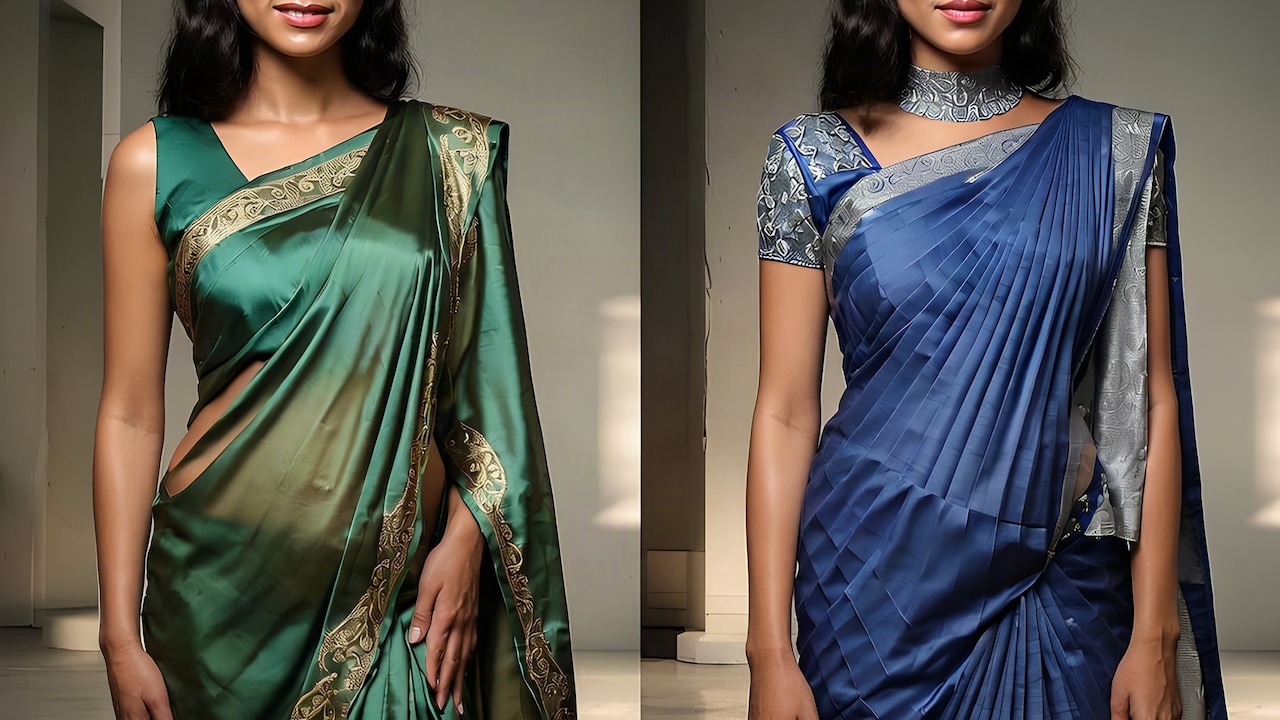
Think Rayon Is Machine-Wash Safe? This Is Why It Still Shrinks After a Few Washes
Rayon may say ‘machine-wash safe’, yet many garments still shrink after a few washes. The reason lies in how rayon fibres react to water, heat and friction during laundering. Understanding this helps prevent unexpected wardrobe mishaps.
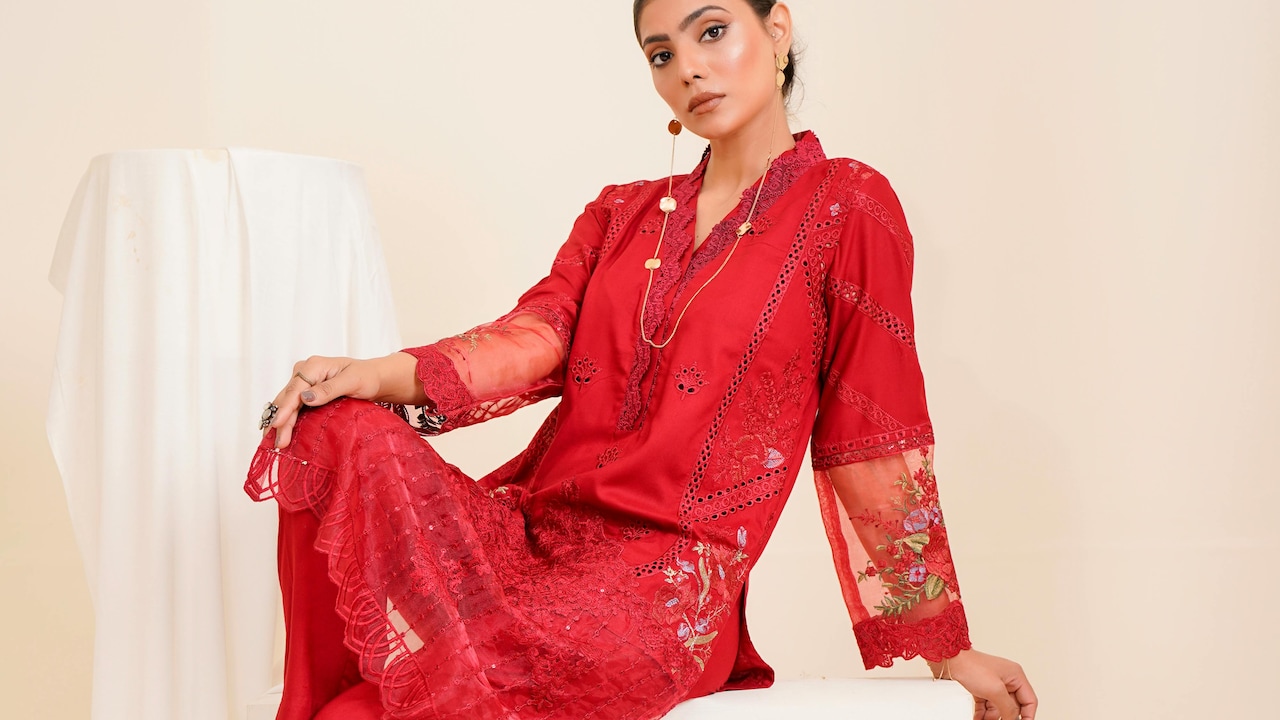
Why Rayon Shrinks Even When It's Machine-Wash Safe: What Really Happens After a Few Washes.
Rayon has long enjoyed popularity for a simple reason. It looks luxurious but rarely carries a luxury price tag. Walk through any clothing store, and rayon appears everywhere. Breezy kurtas, printed dresses, scarves, shirts, and even office wear often rely on this soft and breathable fabric.
At first glance, rayon seems easy to maintain. Many labels say machine wash is acceptable, which sounds reassuring for busy households. Yet reality often surprises people. After three or four washes, that comfortable garment feels slightly smaller. Sleeves shorten. The waist tightens. The once-flowing silhouette becomes oddly stiff.
This confusion stems from the unique character of rayon. Although manufacturers produce it in factories, its fibres behave very much like natural materials. Water, heat, and friction all influence its shape. Even when a washing machine handles the cleaning, the fabric still reacts in subtle ways.
Understanding why rayon shrinks after repeated washes helps protect favourite outfits and reduce wardrobe frustration. The story involves fibre structure, washing habits, detergent choices, and even how clothes dry in the balcony sun.

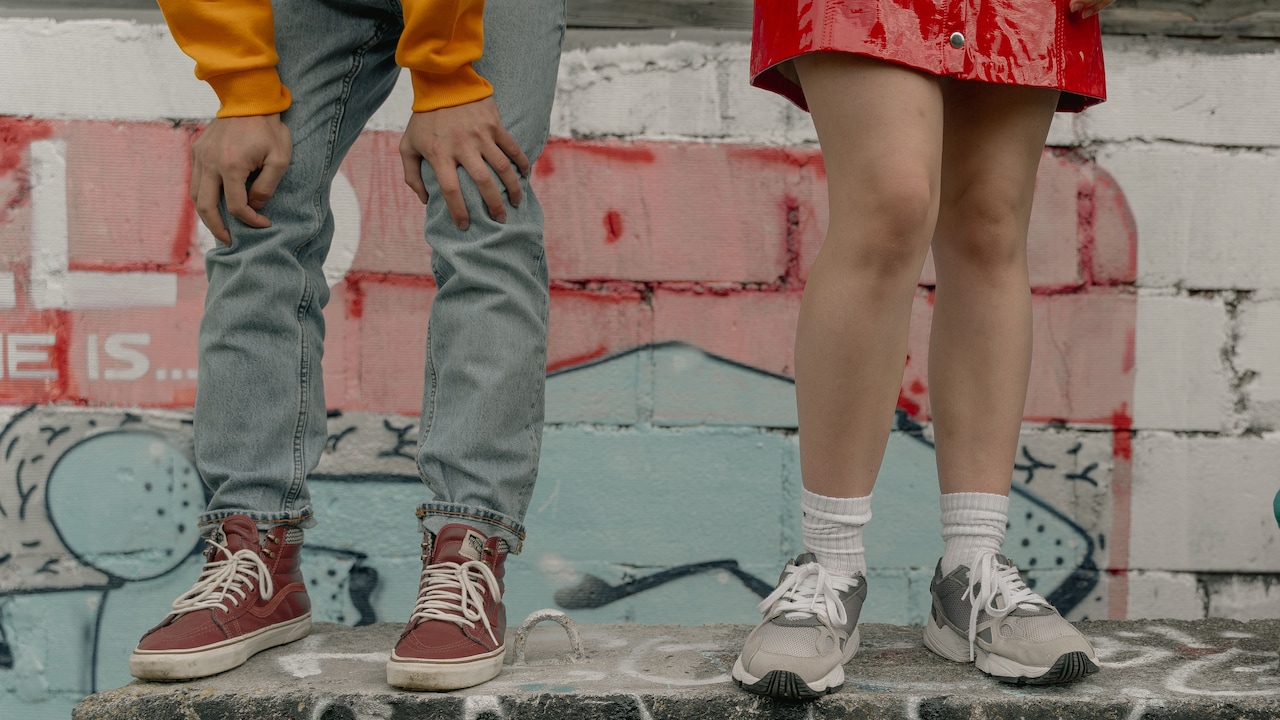
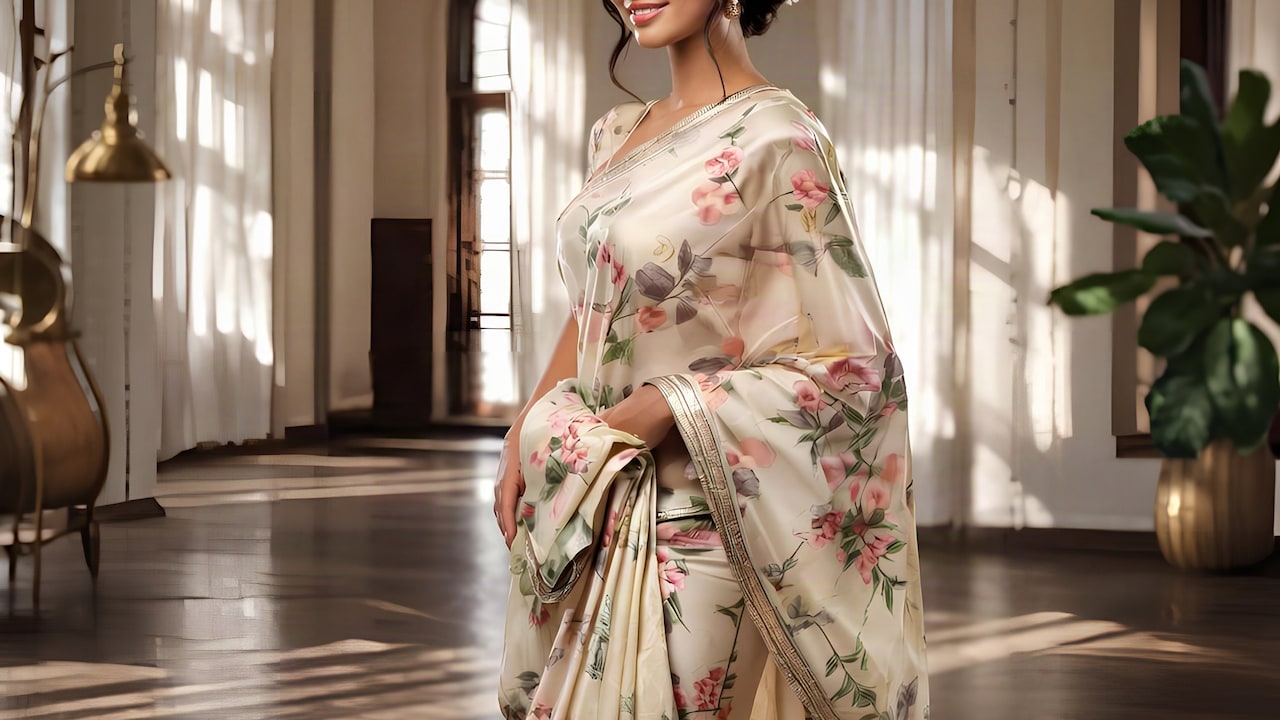
Think Rayon Is Machine-Wash Safe? This Is Why It Still Shrinks After a Few Washes; Photo Credit: Pexels
Understanding Why Rayon Changes Shape Over Time
Rayon Looks Synthetic But Behaves Like A Natural Fibre
Rayon often gets mistaken for a fully synthetic fabric like polyester. In reality, it begins its life as plant-based cellulose, usually derived from wood pulp. Manufacturers process this pulp through chemical treatments before spinning it into soft fibres.
This origin gives rayon an interesting personality. On the rack, it looks smooth, glossy, and uniform, almost like silk. However, its internal structure resembles natural fibres such as cotton. Those fibres swell when exposed to water.
During a wash cycle, rayon absorbs water quickly. The fibres loosen and expand, which temporarily weakens their structure. While the garment tumbles in the machine, those softened fibres shift slightly out of alignment.
Once the garment dries, the fibres tighten again. Instead of returning perfectly to their original positions, they settle closer together. Over time, repeated cycles create small but noticeable shrinkage.
This behaviour explains why a brand-new rayon kurta might shrink after several washes, even when the care label seems reassuring. The fabric simply reacts to moisture in ways that resemble natural fibres rather than fully synthetic ones.
Water Weakens Rayon Fibres More Than Most Fabrics
Rayon feels silky and lightweight, but its softness hides a weakness. When wet, the fibres lose much of their strength. Some textile experts estimate that rayon can lose up to half its strength when soaked.
That weakness becomes important inside a washing machine. Clothes twist, rub against each other, and spin at high speeds. Cotton or polyester usually tolerates that movement. Rayon struggles.
When wet fibres experience friction, they stretch and compress unevenly. Parts of the garment shift slightly. A sleeve might twist, a hemline may tighten, or the fabric grain may distort.
Once the drying stage begins, those distorted fibres lock into place. The result often appears as mild shrinkage or slight misshaping.
This explains why delicate garments made from rayon often perform better with gentler washing methods. A slow cycle or hand wash keeps friction low and helps fibres maintain their original alignment.
Without that care, each wash gradually encourages the fibres to tighten into a smaller form.
Heat Speeds Up The Shrinking Process
Many households rely on warm or hot wash cycles to remove stains and sweat. While that method works well for sturdy fabrics, rayon reacts differently to heat.
Heat accelerates the fibre-tightening process. Warm water encourages the cellulose structure inside rayon to contract slightly. When combined with mechanical agitation, the fabric shrinks faster than expected.
Drying also plays a role. Balcony clotheslines under strong afternoon sunlight may seem harmless, yet heat from the sun can stiffen damp rayon fibres. As they dry, they tighten further.
Some garments shrink only slightly during the first wash. Later washes, especially with warm water, cause additional contraction.
A familiar situation often unfolds in wardrobes everywhere. A favourite rayon dress fits comfortably during the first few outings. After several washes, the hemline creeps higher, and the fit becomes noticeably snug.
The culprit often lies in temperature. Cool or cold water slows the tightening process and preserves the fabric's original shape.
Washing Machines Create More Friction Than Expected
Modern washing machines promise convenience, but they also introduce more friction than many realise. Clothes collide, twist, and tumble together for extended periods.
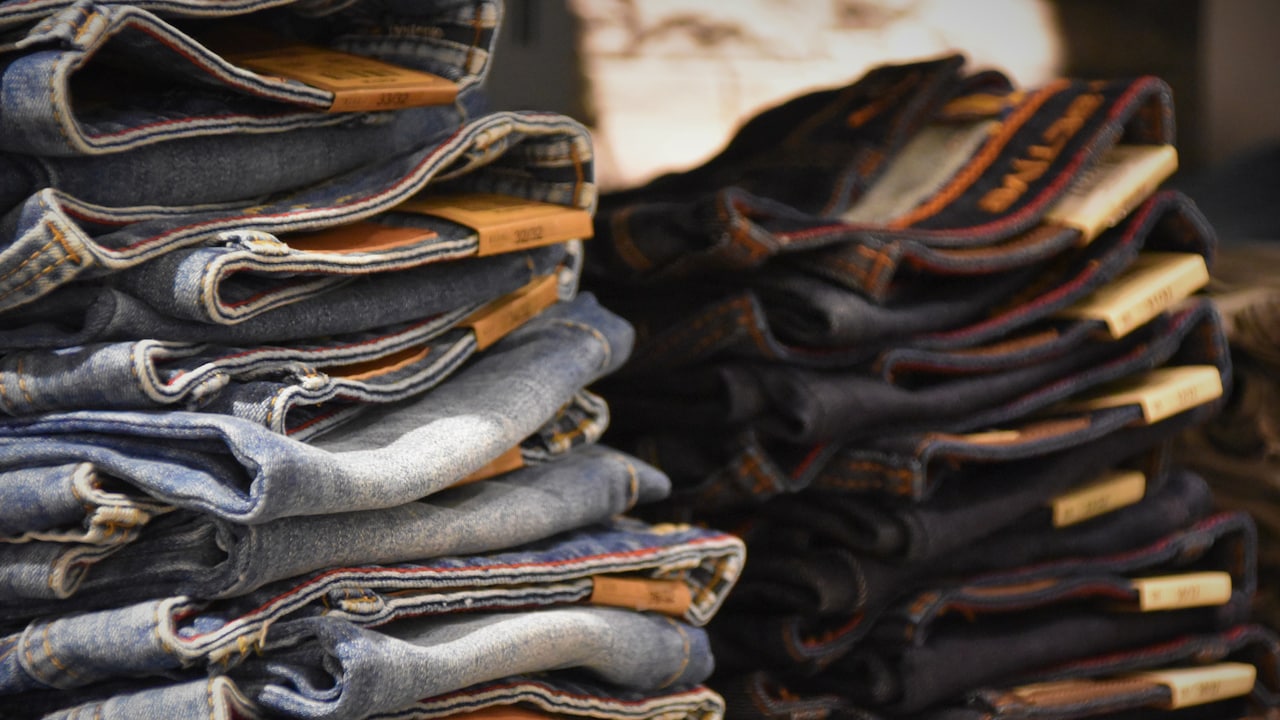
Rayon struggles in such environments. Its weakened wet fibres rub against other fabrics, particularly heavier ones like denim or thick cotton.
That rubbing creates tiny distortions within the fabric weave. Over time, the fibres settle closer together as they dry.
Even gentle cycles can cause minor movement. While the change remains invisible after a single wash, repeated cycles slowly reshape the garment.
Laundry habits contribute to the effect as well. Overloading the washing machine increases friction because garments rub against each other more aggressively.
Separating delicate fabrics from heavier clothing reduces this stress. Washing rayon with lightweight garments helps maintain its drape and prevents gradual shrinkage.
Small adjustments in washing habits often make a surprising difference in preserving the original fit.
Detergents Can Alter Rayon's Fibre Structure
Most people rarely think about how detergent interacts with fabric. Yet the type of detergent used during washing can influence rayon's behaviour.
Strong detergents designed for stain removal sometimes contain enzymes and chemicals that interact with cellulose fibres. These ingredients help break down organic stains but may also affect delicate fabrics.
Rayon fibres already weaken in water. Harsh detergents increase the chances of fibre distortion during washing.
The effect rarely shows up immediately. Instead, the garment slowly changes shape across multiple washes.
Mild liquid detergents usually treat rayon more gently than heavy powdered varieties. They dissolve easily in cold water and reduce residue build-up within the fibres.
Residue also matters because the detergent trapped in the fabric stiffens the fibres as the garment dries. Stiffer fibres tighten more noticeably after washing.
Choosing gentler detergents helps maintain rayon's soft texture while slowing the gradual shrinking process.
Fabric Blends Behave Differently
Not all rayon garments shrink at the same rate. Much depends on whether the fabric consists of pure rayon or a blend.
Manufacturers often combine rayon with cotton, polyester, or elastane. These combinations change how the fabric reacts to washing.
Polyester blends typically resist shrinkage better because polyester fibres maintain their structure in water. Cotton blends behave more unpredictably because cotton also shrinks slightly.
When rayon mixes with elastane, garments stretch comfortably during wear. Yet repeated washing can cause the rayon fibres to tighten while elastane attempts to retain elasticity. The result sometimes appears as subtle puckering.
Clothing labels rarely explain these differences in detail. They simply list fibre percentages.
Understanding the blend helps predict how a garment will behave after several washes. A rayon-polyester blend may keep its shape well, while pure rayon often requires more delicate care.
These small fibre combinations influence whether that stylish ₹1,800 summer dress remains comfortable or gradually tightens.
Manufacturing Processes Affect Shrinkage
Another reason rayon behaves unpredictably lies in how manufacturers treat the fabric before it reaches store shelves.
Some rayon fabrics undergo a process called pre-shrinking. Manufacturers wash and dry the material during production to stabilise the fibres.
However, not all garments receive this treatment. Lower-cost clothing sometimes skips the step to reduce manufacturing expenses.
When pre-shrinking does not occur, the first few washes effectively complete the process at home. The garment shrinks gradually until the fibres settle into a stable form.
Differences between brands also play a role. Higher-quality rayon often includes finishing treatments that improve durability and reduce fibre movement.
Meanwhile, budget garments may shrink more noticeably because the fibres remain loosely structured.
This explains why two rayon kurtas purchased from different shops behave completely differently after washing. One stays perfectly shaped, while the other seems to shrink every few laundry cycles.
Manufacturing quality often determines that outcome.
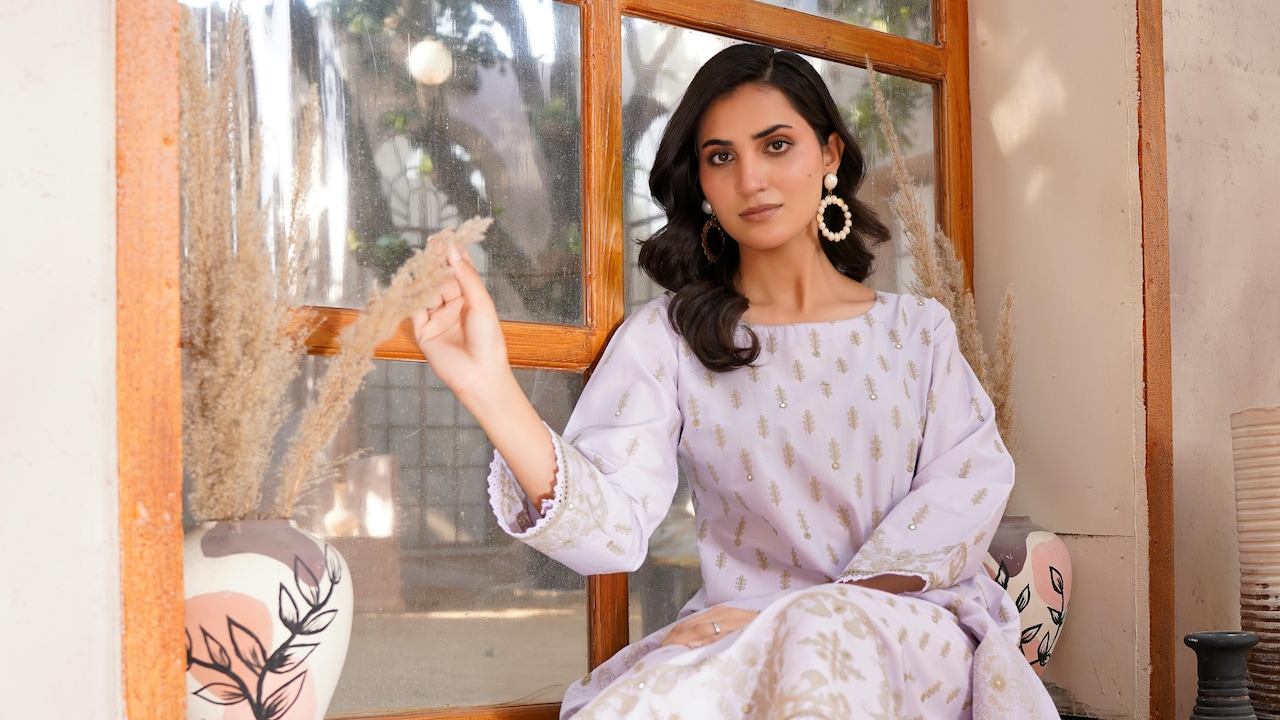
Think Rayon Is Machine-Wash Safe? This Is Why It Still Shrinks After a Few Washes
Photo Credit: Pexels
Drying Methods Change The Final Shape
Drying methods influence rayon more than many people expect. Once the washing cycle ends, the fibres remain soft and flexible. The way the garment dries determines how those fibres settle.
Hanging a rayon garment by the shoulders sometimes stretches parts of the fabric while other areas tighten. As the water evaporates, the uneven tension causes slight distortion.
Flat drying often produces better results because it allows the garment to maintain its natural shape.
Sunlight introduces another factor. Strong heat from direct sun can stiffen damp rayon quickly. The fibres tighten as they dry, contributing to gradual shrinkage.
Indoor drying with gentle airflow tends to preserve the fabric's original drape more effectively.
The difference may seem minor during a single wash, yet repeated drying in intense heat gradually alters the garment's size and texture.
Drying habits, therefore, play a quiet but important role in how rayon behaves over time.
Frequent Washing Speeds Up Fibre Fatigue
Rayon garments often feel comfortable enough for daily wear. Light summer outfits, office tops, and casual dresses frequently rely on the fabric because it breathes well in warm weather.
However, frequent washing accelerates fibre fatigue. Each wash cycle weakens the fibres slightly. As they repeatedly swell with water and contract during drying, the structure slowly tightens.
This process resembles bending a thin wire again and again. Eventually, the shape changes permanently.
Garments worn occasionally might maintain their size for years. Those washed weekly may shrink noticeably within a season.
Laundry habits, therefore, influence fabric longevity. Airing clothes between wears, spot-cleaning minor stains, and avoiding unnecessary washes can extend the life of rayon garments.
These small habits not only prevent shrinkage but also help favourite outfits maintain their softness and elegant drape.
Products Related To This Article
1. Kipek Women Viscose Rayon Kurtas
2. Myplusfashion Grey Viscose Rayon Kurtas
3. KSUT Women Viscose Rayon Kurtas
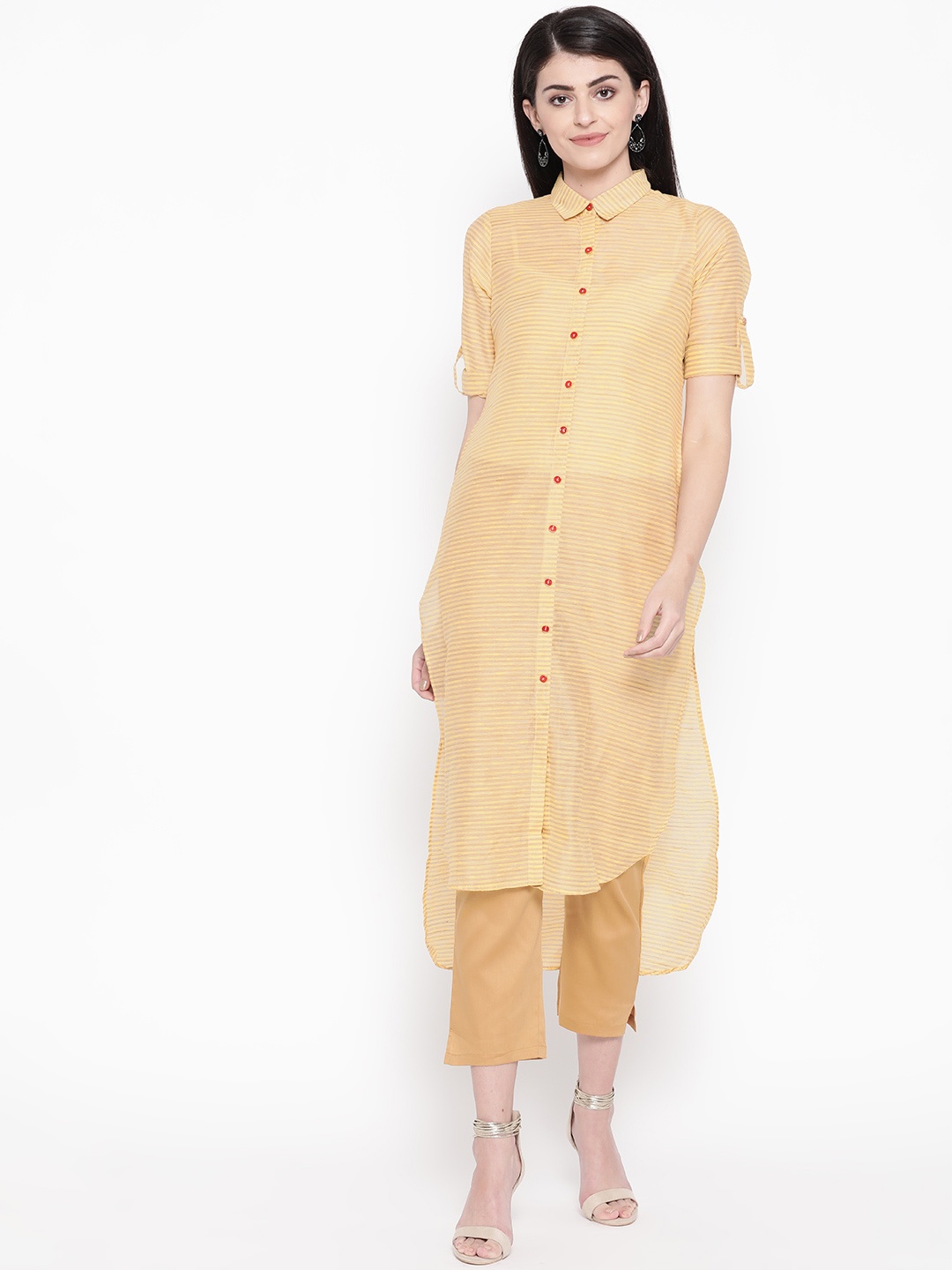
4. Anouk Women Striped Viscose Rayon Straight Kurtas
5. Sangria Women Green Viscose Rayon Straight Kurtas
Rayon's charm lies in its comfort and elegance. The fabric feels light against the skin, drapes beautifully, and often mimics far more expensive materials. Yet beneath that softness lies a delicate fibre structure that reacts strongly to water, heat, and friction.
Machine washing may seem convenient, but each cycle quietly alters the fabric's internal alignment. Wet fibres weaken, agitation shifts them, and drying locks them into a tighter arrangement. Over time, these small changes add up to visible shrinkage.
Understanding how rayon behaves makes a significant difference. Cooler wash temperatures, gentler detergents, lighter loads, and careful drying all help preserve the original shape.
Clothing care often feels like a small routine within daily life. Yet those habits determine whether a favourite rayon kurta continues to fit perfectly or slowly retreats to the back of the wardrobe.
With a little attention and thoughtful washing, rayon can remain comfortable and stylish for far longer than many people expect.
(Disclaimer: This article may include references to or features of products and services made available through affiliate marketing campaigns. NDTV Convergence Limited (“NDTV”) strives to maintain editorial independence while participating in such campaigns. NDTV does not assume responsibility for the performance or claims of any featured products or services.)