Cotton vs Rayon Tunics for Humid Weather: Which Fabric Stays Cooler and Fresher?
Cotton or rayon for humid weather? This guide compares breathability, sweat control, odour, comfort, and maintenance, so you can pick the ethnic tunic fabric that stays cooler, fresher, and wearable all day. So, here are key differences to know before choosing between cotton vs rayon tunic tops.
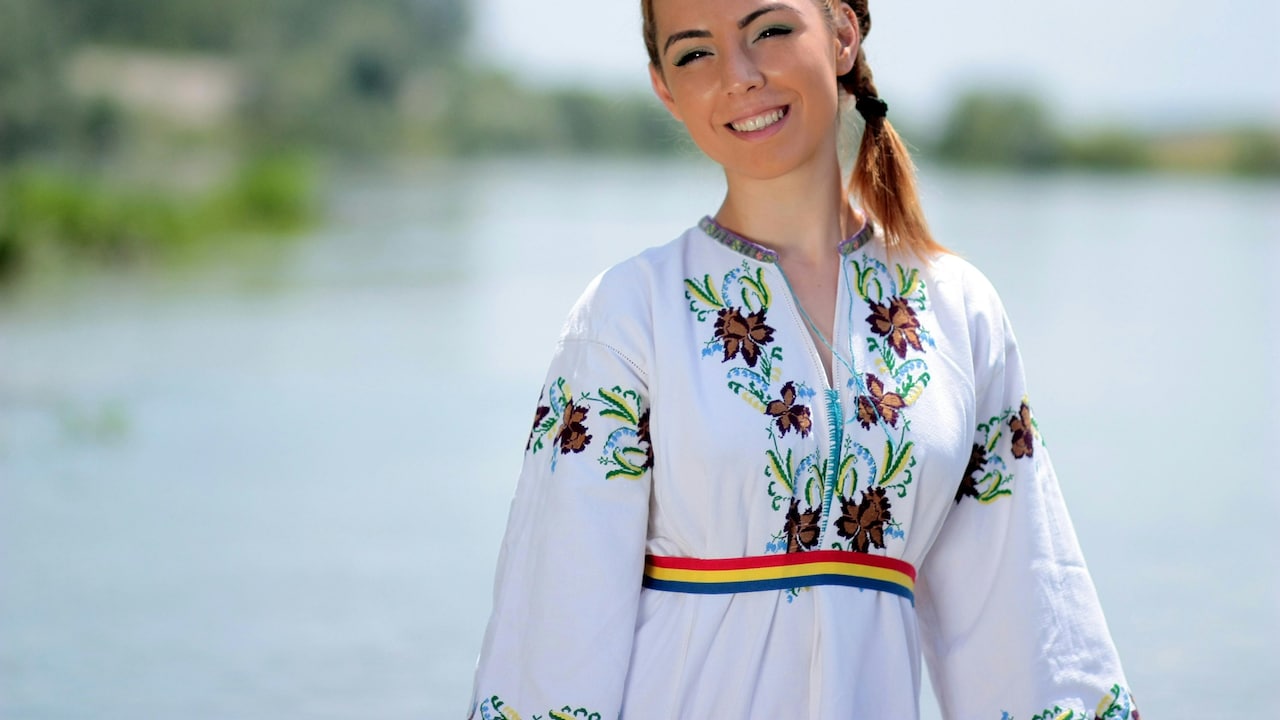
Cotton Vs Rayon Ethnic Tunics For Humid Weather: Discover Which Fabric Stays Cooler And Fresher.
There's humid weather, and then there's that humid weather. The kind where hair loses hope, makeup slides into resignation, and even walking from the gate to the auto feels like cardio. In that season, ethnic tunics are a blessing, easy, elegant, and wearable for work, errands, and casual gatherings.
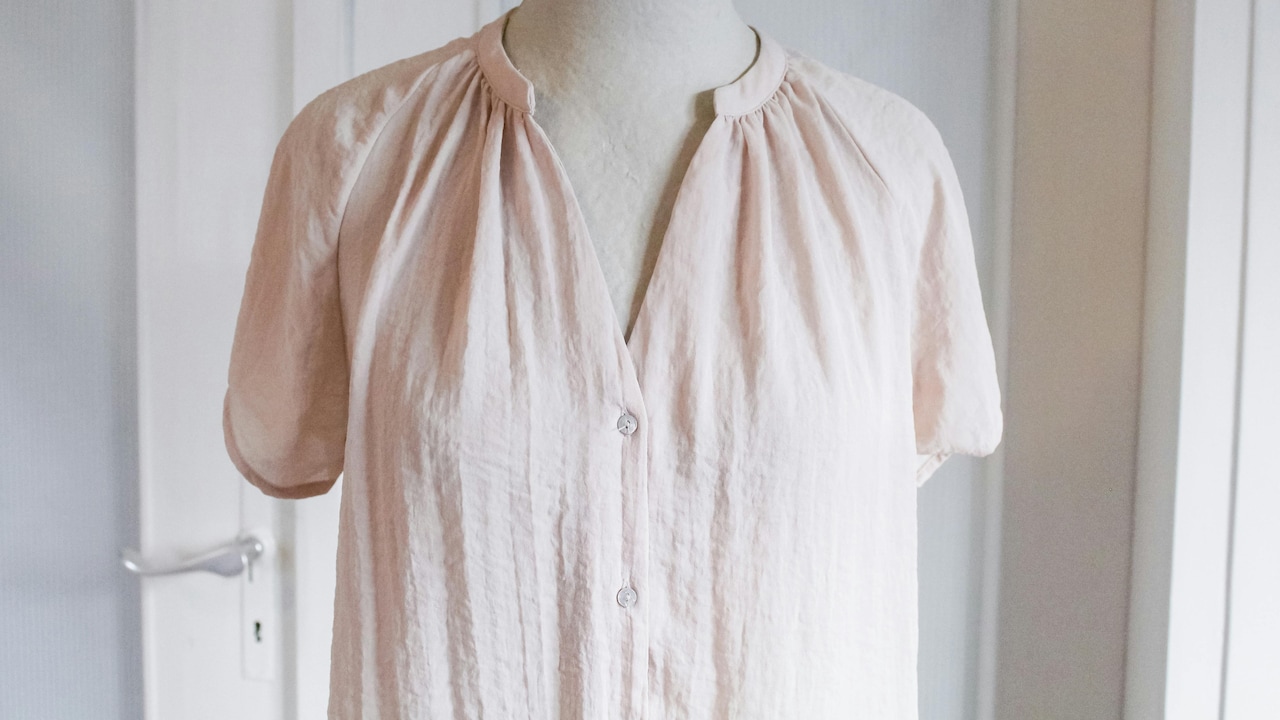
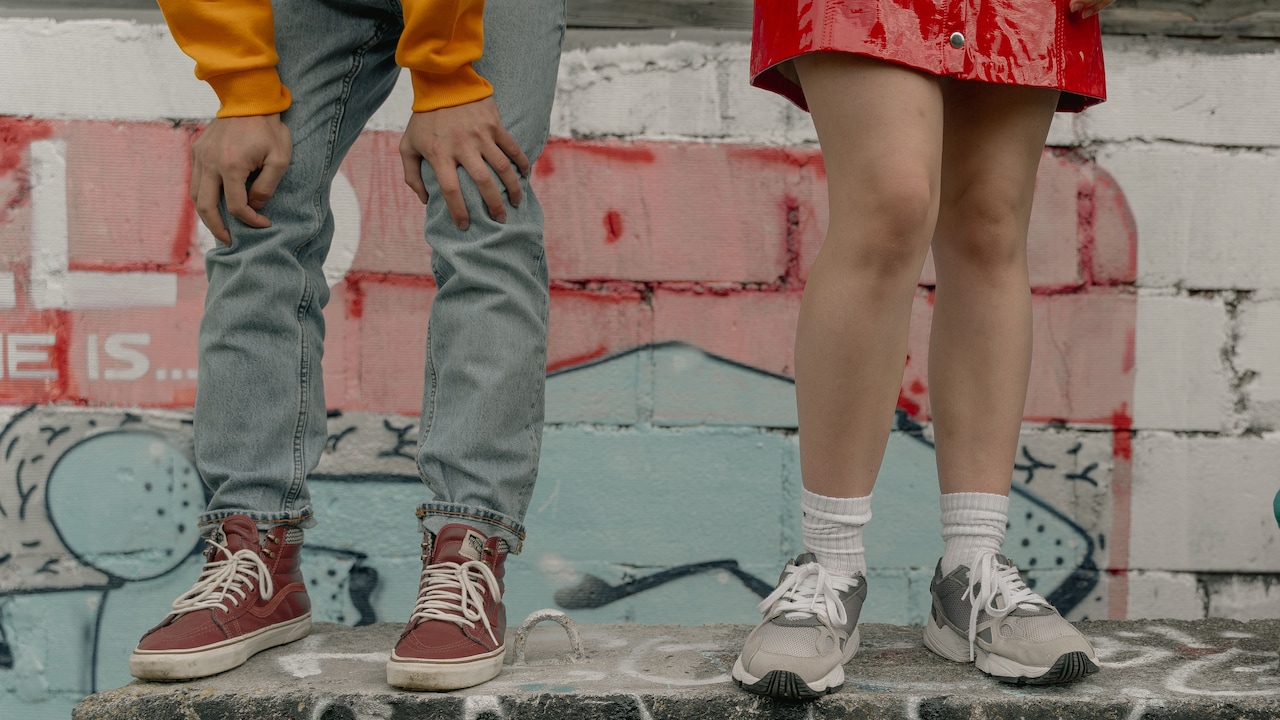
Things to know about cotton vs rayon tunics before choosing one; Photo Credit: Pexels
But here's the catch: not every ethnic tunic fabric behaves well in humidity. Some stay airy and fresh. Others cling like they're emotionally attached.
Cotton and rayon are the two most common options for ethnic tunics, especially in daily wear ranges. Both can look equally stylish on the hanger. Yet on the body, under real heat, they perform very differently. This article settles the cotton vs rayon debate for humid days with practical comparisons, relatable examples, and the kind of fabric truth that shop lighting won't tell you.
Also Read: Ethnic Tunics On Discount: Shop The Hottest Trend
10 Things To Check Before Buying An Ethnic Tunic For Humid Weather
1) Breathability: Which Fabric Lets the Skin Actually Breathe?
Breathability is the number one factor in humid weather. When the air already feels like steam, the body needs clothing that allows heat to escape. Cotton wins here without breaking a sweat, literally.
Cotton fibres have a natural structure that allows airflow. That's why cotton tunics feel comfortable even when the day turns sticky. A simple cotton straight-cut tunic can keep the skin calmer through office hours, market runs, and crowded metro rides. It doesn't trap heat easily, and it gives that dry, airy comfort people crave in summer.
Rayon, on the other hand, is a semi-synthetic fabric. It's made from natural cellulose but processed heavily. Rayon drapes beautifully, but it tends to sit closer to the body. In humidity, that can mean less airflow and more cling. Some rayon tunics feel cool for the first ten minutes, then start sticking in awkward places once moisture builds up.
For pure breathability in humid weather, cotton stays ahead. Rayon can work, but it needs the right weave and fit to avoid turning into a clingy situation.
2) Sweat Handling: Absorption vs Sticky Cling
Humidity is not just about heat. It's about sweat that refuses to evaporate. The real test is how a fabric behaves when the body sweats.
Cotton absorbs sweat well. It takes in moisture and spreads it across the fabric, which can reduce that wet patch feeling. That's why cotton tunics feel more forgiving on long days. Even if the weather goes full tropical, cotton tends to stay manageable. It may feel damp after a while, but it doesn't instantly turn into a second skin.
Rayon also absorbs moisture, sometimes even more than cotton. Sounds great, right? Except that rayon often holds onto that moisture in a way that makes it feel heavy. And once rayon gets damp, it can cling. Not gently. Not politely. It clings like it's auditioning for a dramatic role.
That's why rayon tunics can feel lovely in air-conditioned settings but uncomfortable outdoors. A quick walk under the sun, and the fabric starts behaving like it's melting.
So if the day involves commuting, running errands, or any time outdoors, cotton handles sweat in a calmer, less clingy way.
3) Cooling Feel: The “Ahh” Factor on the Skin
Some fabrics feel cool the moment they touch the skin. Others feel warm, even when they're light. That first impression matters, especially in humid weather when patience runs low.
Cotton has a clean, breathable feel. It doesn't always feel “cold” at first touch, but it stays steady and comfortable. Think of it like a reliable friend who shows up on time and doesn't create drama.
Rayon often feels cooler at first touch. It has a smooth surface and a soft drape that can feel refreshing. Many people try rayon once and think, “This is perfect for summer!” And to be fair, in dry heat, rayon can feel wonderful.
But humid heat is a different beast. Rayon's cooling effect doesn't always last. As moisture builds up, it loses that breezy sensation and can start feeling sticky and warm. The fabric also tends to flatten against the body, reducing airflow.
For short wear or indoor wear, rayon can give that initial “ahh” factor. For long humid days, cotton stays cooler overall because it doesn't trap heat as easily.
4) Odour Control: Which Fabric Stays Fresher Longer?
Nobody wants to think about body odour, but humidity forces honesty. In sticky weather, freshness becomes a fashion requirement, not a luxury.
Cotton generally stays fresher longer because it allows airflow. When sweat can evaporate better, bacteria have less of a party. Cotton also tolerates frequent washing, which is important in summer.
Rayon is trickier. It can trap moisture, especially in tight or fitted tunics. That dampness creates the perfect environment for odour. Rayon also tends to hold onto smells more stubbornly. A rayon tunic might smell fine in the morning, then turn suspicious by late afternoon, particularly in crowded spaces.
There's also the washing factor. Rayon often needs gentler care. Harsh detergents or frequent heavy washing can damage it faster. So people sometimes avoid washing rayon as aggressively as cotton, and the fabric remembers everything.
For humid climates, cotton wins for staying fresher. Rayon can still work, but it's better for short outings or days when the weather behaves.
5) Drape and Look: Which One Appears More Polished in Humidity?
Ethnic tunics aren't just about comfort. They're also about looking put-together. Humidity, unfortunately, attacks both hair and fabric.
Cotton can look crisp and structured, but it wrinkles. A lot. Even the best cotton tunic can crease while sitting, commuting, or simply existing. By lunchtime, the tunic might look like it has been through an emotional journey. That said, cotton wrinkles have a casual charm. They look “real” and relaxed.
Rayon drapes beautifully. It falls smoothly and often looks more polished for longer. Rayon tunics tend to look elegant, even when the weather is unforgiving. This is why rayon is popular for office wear and semi-formal looks.
But rayon has a weakness: cling. In humidity, rayon can stick to the body and ruin that graceful silhouette. A tunic that looked flowy at home can suddenly look awkward outdoors.
For a polished look in controlled settings, rayon wins. For outdoor humidity where comfort matters more than drape perfection, cotton stays the safer bet.
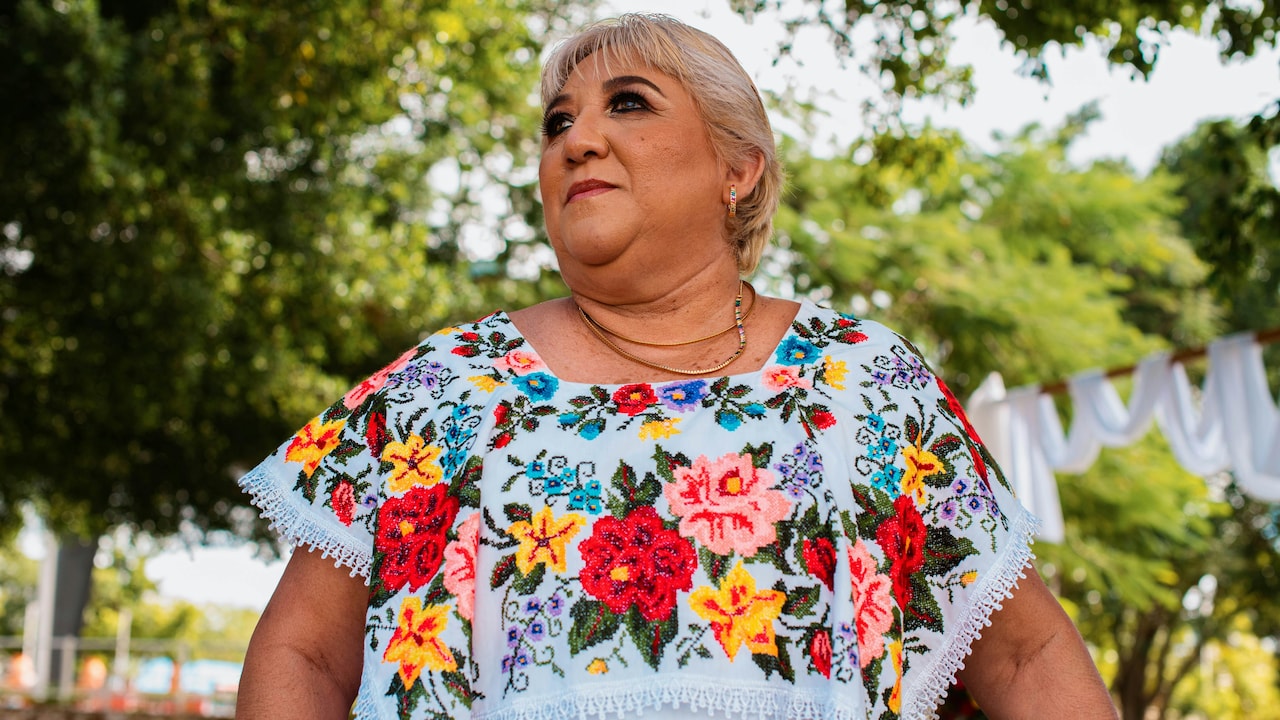
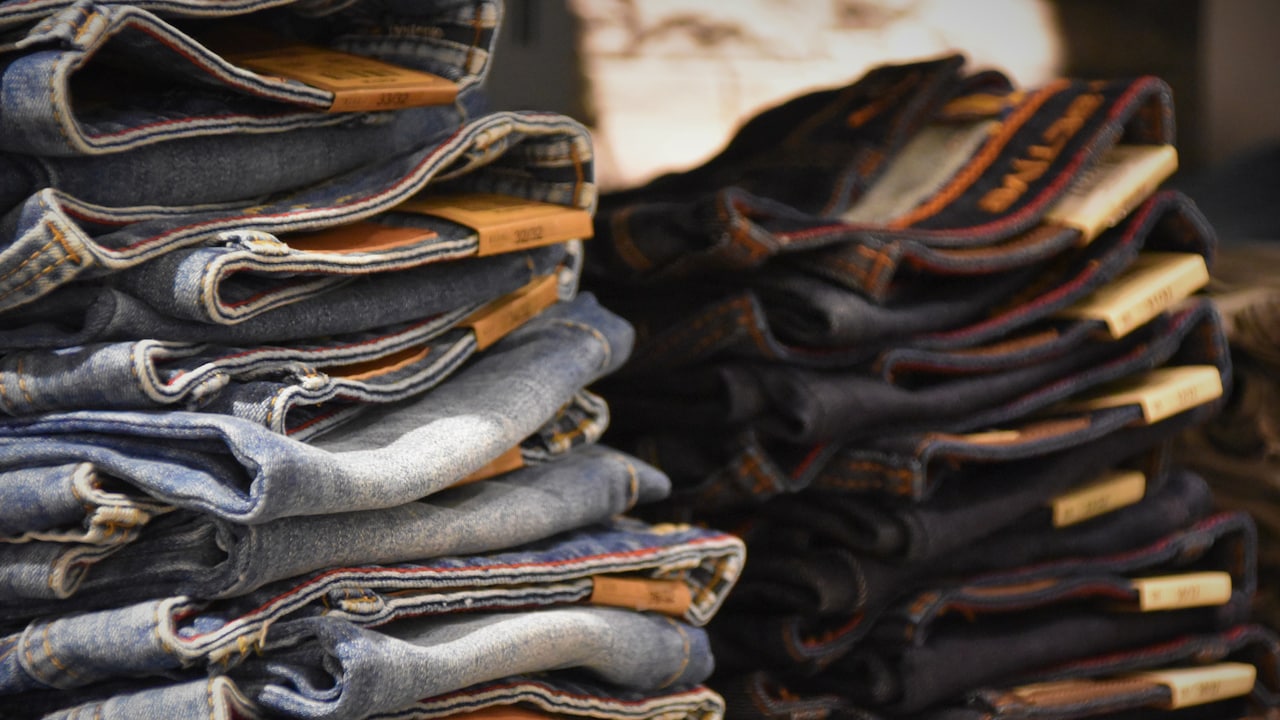
While cotton looks crisp and structured, rayon flows beauifully; Photo Credit: Pexels
6) Skin Comfort: Sensitive Skin, Heat Rashes, and the Real Stuff
Humidity brings out the real issues: prickly heat, irritation, and those tiny heat bumps that appear without warning. Fabric choice matters more than people realise.
Cotton is gentle on the skin. It's breathable, soft, and less likely to cause irritation. That's why cotton is often recommended for sensitive skin and hot climates. A cotton tunic can reduce friction and allow the skin to stay calmer, especially around the underarms and the back.
Rayon feels soft too, but in humidity, it can cause friction when it clings. When rayon sticks to damp skin, it can rub more, especially if the tunic is fitted. Some rayon blends also feel slightly synthetic, which can irritate sensitive skin in extreme weather.
Another issue: once rayon gets damp, it can feel heavier. That extra weight can increase discomfort in areas where sweat collects.
For people prone to heat rashes or irritation, cotton is the more dependable choice. Rayon is best kept for cooler evenings, indoor settings, or days when the weather is less aggressive.
7) Maintenance: Washing, Drying, and Everyday Practicality
A tunic for humid weather should not behave like a high-maintenance celebrity. It should survive regular washing, dry quickly, and stay wearable without fuss.
Cotton is low-maintenance. It handles frequent washing well, doesn't get easily damaged, and can be dried without too much worry. Cotton tunics are also easier to iron, though they do wrinkle quickly. Still, cotton is forgiving. It's made for everyday life.
Rayon is more delicate. It can shrink, lose shape, or develop a slightly tired look if washed roughly. Some rayon tunics even demand hand washing or gentle cycles. In humid weather, when clothes need frequent washing, this becomes a hassle.
Drying is another point. Cotton dries at a decent pace, though thick cotton can take longer. Rayon sometimes dries faster, but it can also wrinkle oddly and require more careful ironing. Plus, rayon becomes weaker when wet, so aggressive wringing can damage it.
For daily wear, cotton is a more practical fabric. Rayon needs more care and patience, two things that humid weather usually steals.
8) Price and Value: What Feels Worth It in ₹?
Budget matters. Especially when the weather demands multiple tunics in rotation. The goal is not just buying one “perfect” tunic, but building a wardrobe that survives the season.
Cotton tunics come in every price range. A decent cotton tunic can be found around ₹500–₹900 in many markets and online. Better quality cotton, handloom styles, and block prints can go up to ₹1,500–₹2,500. The good thing? Cotton lasts. Even after many washes, it stays wearable.
Rayon tunics are often priced similarly at the lower end, around ₹450–₹1,200. Many look more stylish and drapey, so they feel like a bargain. But rayon may not last as long if worn frequently in humid weather. It can pill, lose shape, or fade faster.
So the real value depends on usage. For daily wear and rough conditions, cotton gives better long-term returns. Rayon gives better instant style per rupee, but may not age as gracefully.
If the aim is building a humid-weather wardrobe that lasts, cotton is the smarter investment.
9) Styling in Humidity: What Actually Works with Each Fabric
A fabric can be great, but styling can make or break comfort in humidity. The same tunic can feel breezy or unbearable depending on fit and pairing.
Cotton tunics work best in relaxed silhouettes: straight cuts, A-line shapes, and slightly roomy fits. Pairing them with cotton leggings or palazzos keeps the whole outfit breathable. Cotton also looks great with minimal accessories, think jhumkas, a simple sling bag, and comfortable flats.
Rayon tunics shine in flowy styles: flared hems, gathered waists, and asymmetrical cuts. They look especially good with slim pants or cigarette trousers. But the trick is avoiding tight fits. In humidity, fitted rayon is a recipe for discomfort.
Footwear matters too. In humid weather, closed shoes can feel like punishment. Cotton outfits often pair well with kolhapuris, open sandals, or juttis. Rayon looks elegant with slightly dressier flats.
In short: cotton is the “wear and forget” fabric. Rayon is the “style carefully and hope the weather cooperates” fabric.
10) The Final Verdict: Which Fabric Wins for Humid Weather?
Cotton and rayon both have their place. But humid weather is not a gentle test. It is a full-blown audition where fabrics either perform or fail.
Cotton is the clear winner for staying cool and fresh. It breathes better, clings less, and feels kinder on the skin. It handles sweat, odour, and everyday movement with fewer surprises. Cotton tunics may wrinkle, but they remain comfortable through long, sticky days. In humid climates, comfort is not negotiable.
Rayon has strengths, too. It drapes beautifully, looks polished, and feels soft. For indoor wear, office settings with air conditioning, evening outings, or short durations, rayon tunics can feel elegant and effortless. But for long outdoor hours, rayon can become clingy, damp, and less fresh.
The most practical approach is owning both, but using them differently. Cotton for daily wear and long days. Rayon for style-focused moments when comfort is still important, but the environment is controlled.
Because of humidity, fashion is not about suffering. It's about surviving, and still looking cute while doing it.
Products Related To This Article
1. Janasya Women's Teal Blue Pure Cotton Floral Printed Flared Tunic
2. HERE&NOW Mandarin Collar Tunic
3. Max Women Long Sleeve Shirt Collar Cotton Tunic
4. Soch Mandarin Collar Embroidered Tunic
5. Melange by Lifestyle Women Floral Printed V-Neck Tunic
6. Soch Women Mandarin Collar Embroidered Cotton Tunic
7. Nayam By Lakshita Embroidered Cotton Tunic
Humid weather doesn't ask for permission. It arrives, it sticks around, and it turns even simple outfits into a challenge. In that chaos, fabric choice becomes everything.
Cotton ethnic tunics stay cooler, breathe better, and feel fresher for longer. They handle sweat, reduce irritation, and survive frequent washing without drama. Rayon tunics bring softness and elegance, but they demand the right conditions and the right fit to stay comfortable.
For the hottest, stickiest days, cotton is the dependable choice. For days when style matters more, and the weather feels slightly kinder, rayon can still shine.
So the next time an ethnic tunic looks gorgeous online, don't just check the colour and neckline. Check the fabric. Because in humid weather, the wrong fabric doesn't just ruin the outfit, it ruins the mood too.
(Disclaimer: This article may include references to or features of products and services made available through affiliate marketing campaigns. NDTV Convergence Limited (“NDTV”) strives to maintain editorial independence while participating in such campaigns. NDTV does not assume responsibility for the performance or claims of any featured products or services.)