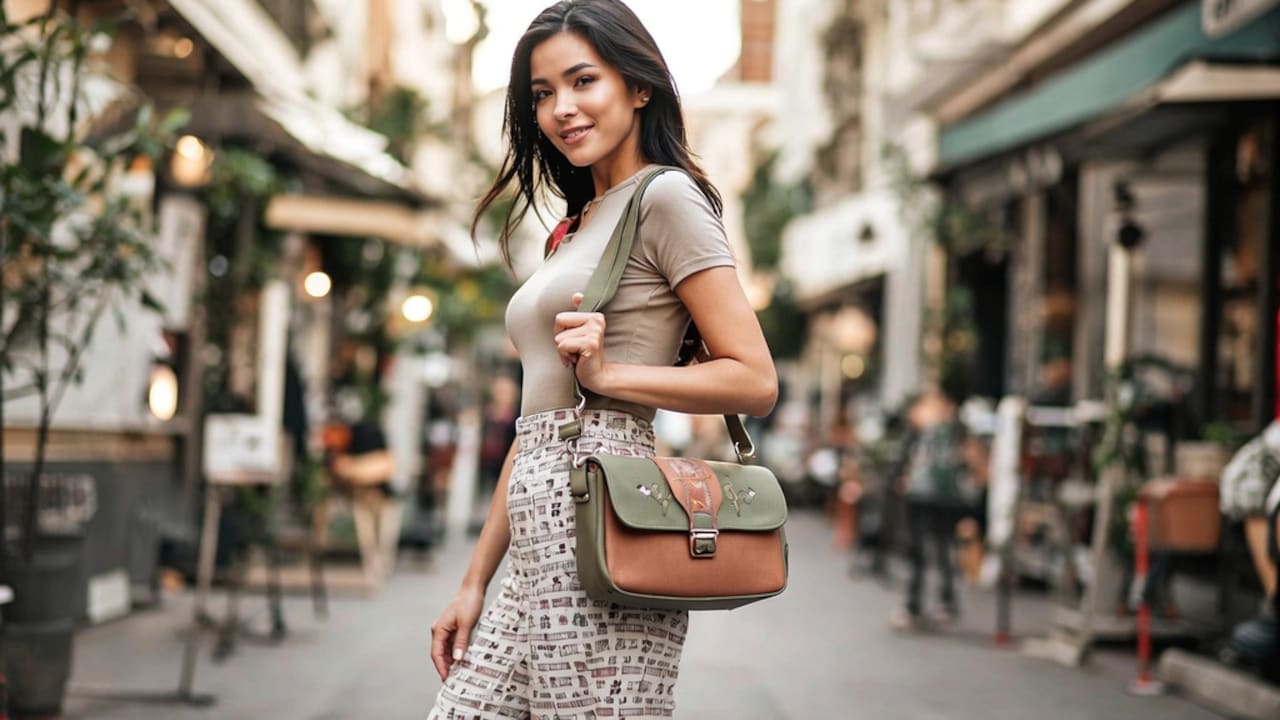
Why Silver-Toned Oxidised Jhumkas Tarnish Fast And What To Buy Instead
Silver-toned oxidised jhumkas often tarnish quickly due to cheap plating, humidity and daily wear. Discover why this happens and explore durable alternatives that offer lasting style, better value, and fewer disappointments.
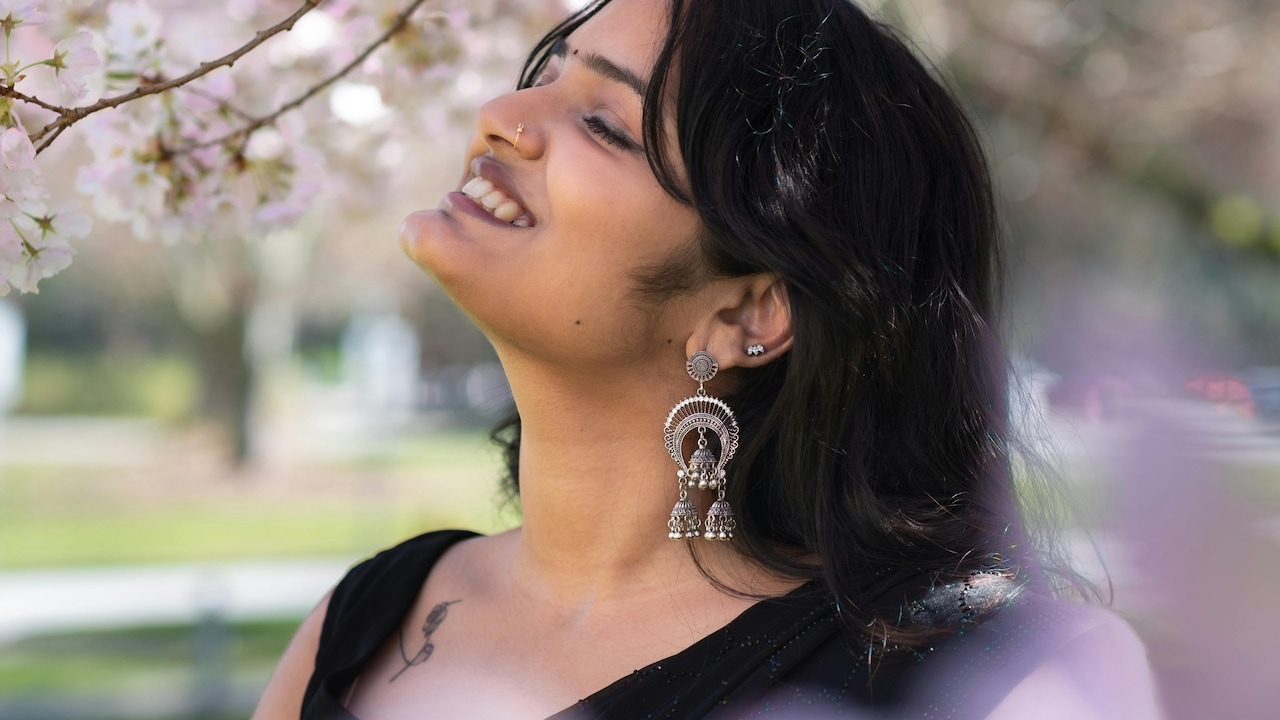
What causes silver jewellery to tarnish easily and how to prevent it
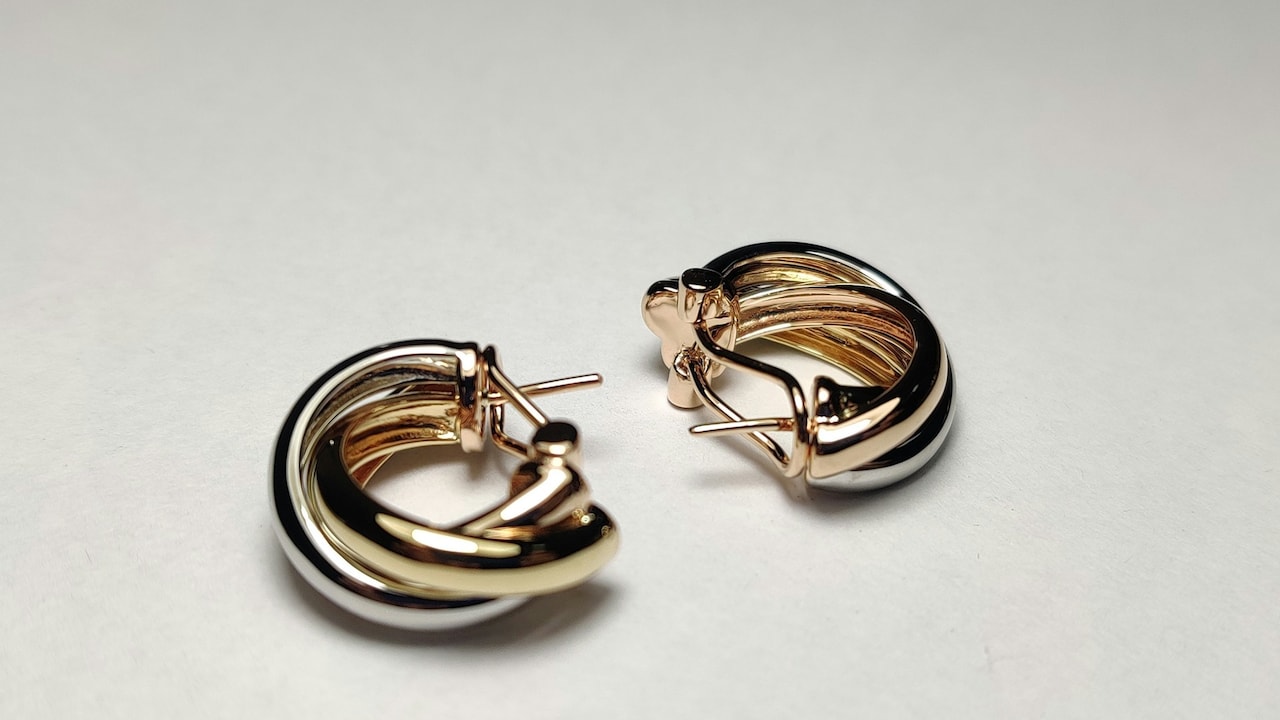
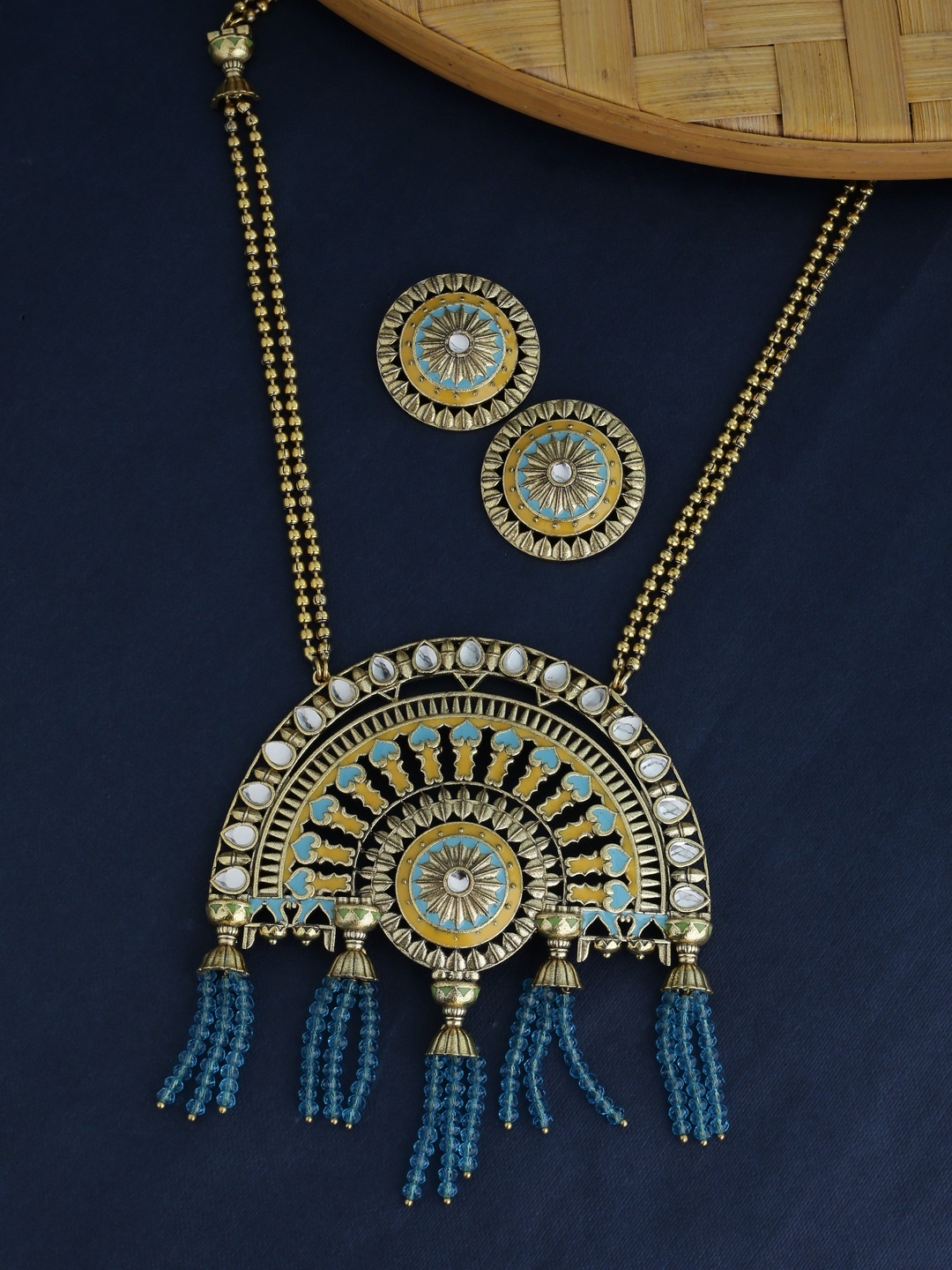
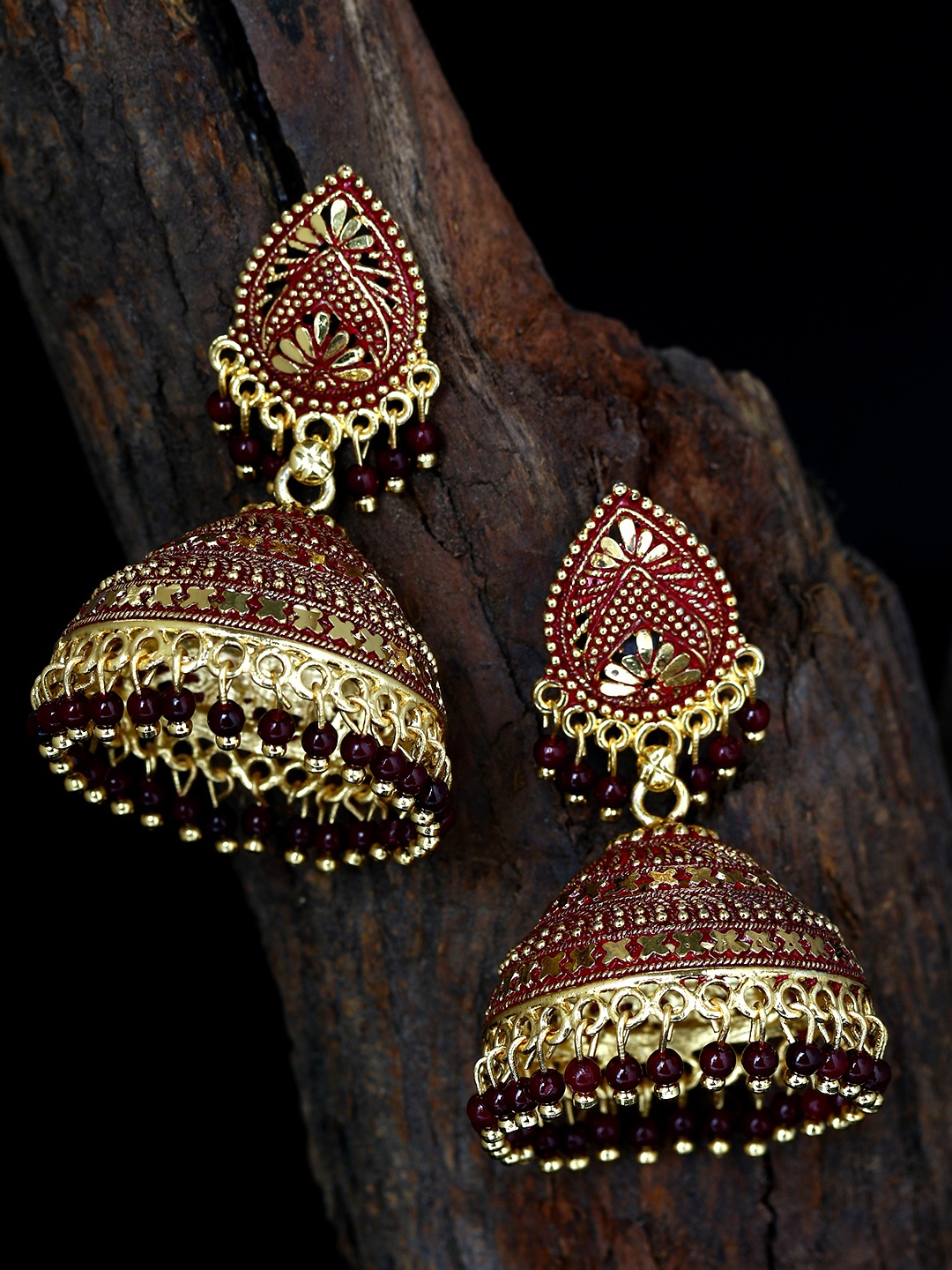
Few accessories capture timeless elegance quite like a pair of oxidised jhumkas. They swing gracefully with every step, complement sarees beautifully, and can transform even the simplest kurta into something memorable. Street markets, online shops, and boutique stores brim with silver-toned designs, often priced attractively between ₹300 and ₹1,500. It feels like an easy indulgence. However, the romance often fades quickly. That once-lustrous pair starts turning patchy, blackened, or strangely coppery after exposure to air, sweat, or perfume. Many buyers find themselves replacing favourites repeatedly, which quietly becomes an expensive habit. It's rather like buying roses every week only to watch them wilt by Tuesday.
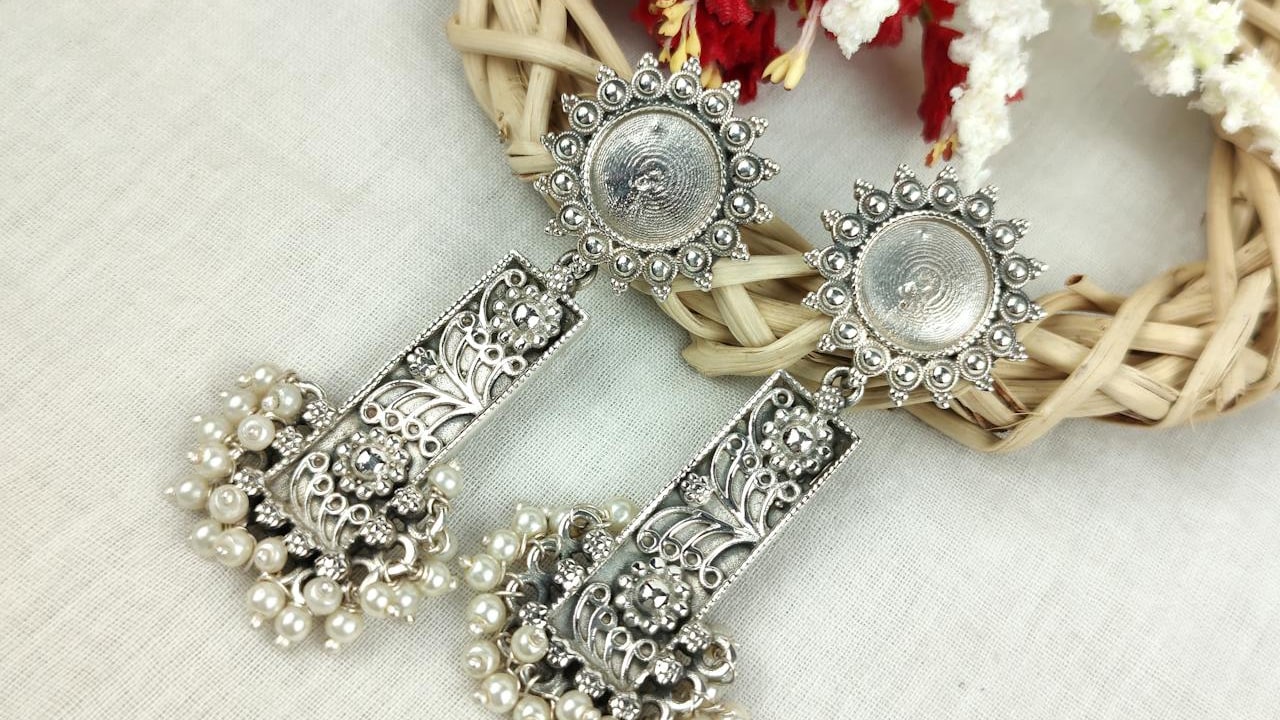
Why do silver jhumkas tarnish quickly; Photo Credit: Pexels
The issue lies not in the design itself but in the materials and methods behind these accessories. Silver-toned oxidised jewellery often mimics traditional aesthetics without offering lasting quality. Knowing the reasons behind rapid tarnishing can make shopping decisions far more practical. Better choices do exist, blending durability with beauty, without sacrificing style.
Also Read: Top Oxidised Silver Jewellery Sets With Ethnic Design Under ₹300
Why Silver-Toned Oxidised Jhumkas Tarnish Fast And What To Buy Instead
The Truth Behind Silver-Toned Plating
Most silver-toned oxidised jhumkas sold today are not crafted from pure silver. Instead, manufacturers commonly use base metals such as brass, copper, or alloy and coat them with a thin silver-coloured finish. This outer layer creates the desired antique appearance but lacks long-term resilience.
The plating itself often wears off faster than expected because it sits only on the surface. Daily wear, accidental scratches, or even rubbing against clothing can gradually strip away this layer. Once exposed, the base metal underneath reacts differently to moisture and air, causing uneven tarnishing or discolouration.
Lower-cost pieces usually feature thinner plating, which explains why bargain buys from local stalls may deteriorate within weeks. While the price feels appealing initially, constant replacements add up over time. Spending ₹500 every month on fading earrings can soon outpace investing ₹3,000 in one durable pair.
In essence, the charm of oxidised jhumkas often masks a temporary finish. Shoppers frequently pay for appearance rather than lasting quality, which leads to disappointment.
Humidity Is Jewellery's Silent Enemy
Warm weather and high humidity create the perfect storm for tarnishing jewellery. Moisture in the air accelerates oxidation, especially when jewellery contains reactive metals like copper or nickel beneath its silver-toned surface.
During monsoons, many notice their favourite earrings darkening faster, even when stored carefully. Sweat adds another layer of trouble. Skin's natural oils, combined with perspiration, interact with metal coatings and break them down over time. Wearing jhumkas during weddings, crowded markets, or festive dancing sessions can unknowingly speed up damage.
Storage habits matter too. Keeping earrings in open trays or humid wardrobes exposes them constantly to environmental moisture. Bathrooms, despite convenience, remain particularly harmful places for jewellery storage.
This explains why even unworn pieces can lose their sheen while sitting quietly in drawers. Humidity doesn't need an invitation; it simply gets to work.
Protective storage pouches, anti-tarnish strips, and dry containers can help, but they cannot fully rescue poor-quality plating from nature's persistence.
Perfumes, Makeup, And Hair Products Cause Hidden Damage
Beauty routines and jewellery often clash more than expected. Perfumes, setting sprays, moisturisers, and hair serums contain chemicals that react aggressively with plated metals. Even beloved rose fragrances can become silent destroyers of silver-toned jhumkas.
When earrings come into contact with alcohol-based sprays or skincare ingredients, the protective coating begins to weaken. Over time, this leads to fading, dullness, or black patches. Hair sprays and styling products can also leave residues that corrode delicate finishes.
Many people instinctively accessorise as the final touch before leaving home, unaware that freshly applied products are still active on skin and hair. That elegant finishing flourish can shorten jewellery's lifespan significantly.
A safer approach involves wearing jewellery only after makeup and perfumes have settled completely. Yet even with caution, repeated exposure remains difficult to avoid.
For frequent jewellery wearers, investing in pieces made from sturdier materials becomes a far more sensible strategy than constantly battling cosmetic-induced tarnish.
Cheap Alloys Often Trigger Skin Reactions Too
Beyond tarnish, silver-toned oxidised jhumkas can sometimes cause itching, redness, or irritation. This usually stems from inexpensive alloys containing nickel or other reactive metals beneath the plating.
As the outer silver layer fades, these base metals come into direct contact with the skin. Sensitive ears may react quickly, especially during humid weather or prolonged wear. A glamorous accessory can suddenly become an uncomfortable burden halfway through a festive evening.
This issue is particularly common in mass-produced fashion jewellery where cost-cutting takes priority over skin safety. Unfortunately, beautiful designs often overshadow practical concerns when shopping.
Replacing tarnished earrings is one frustration; dealing with painful irritation is another altogether.
Hypoallergenic alternatives such as sterling silver, stainless steel, or high-quality brass with protective coatings offer better comfort and durability. They may cost more upfront, often between ₹1,500 and ₹5,000, but they spare both skin and wallet in the long run.
Style should feel joyful, not itchy.
Handcrafted Silver Jewellery Offers Better Value
For those drawn to oxidised aesthetics, authentic sterling silver jewellery provides a significantly smarter alternative. Genuine silver oxidised pieces retain their appeal far longer and can often be polished or restored rather than discarded.
Although sterling silver naturally tarnishes over time, the process differs greatly from cheap plating damage. Tarnish on real silver is usually surface-level and manageable with proper cleaning. This means cherished pieces can remain wearable for years, even decades.
Traditional handcrafted silver jhumkas also carry deeper artistic value. Artisan-made designs often showcase intricate detailing and superior craftsmanship compared to factory-made imitations.
Yes, prices are steeper, often starting from ₹2,500 and rising depending on design complexity. Yet durability, resale value, and timeless beauty justify the investment.
Rather than cycling through disposable accessories, genuine silver becomes a wardrobe staple. It's the difference between fast fashion and heirloom-worthy elegance.
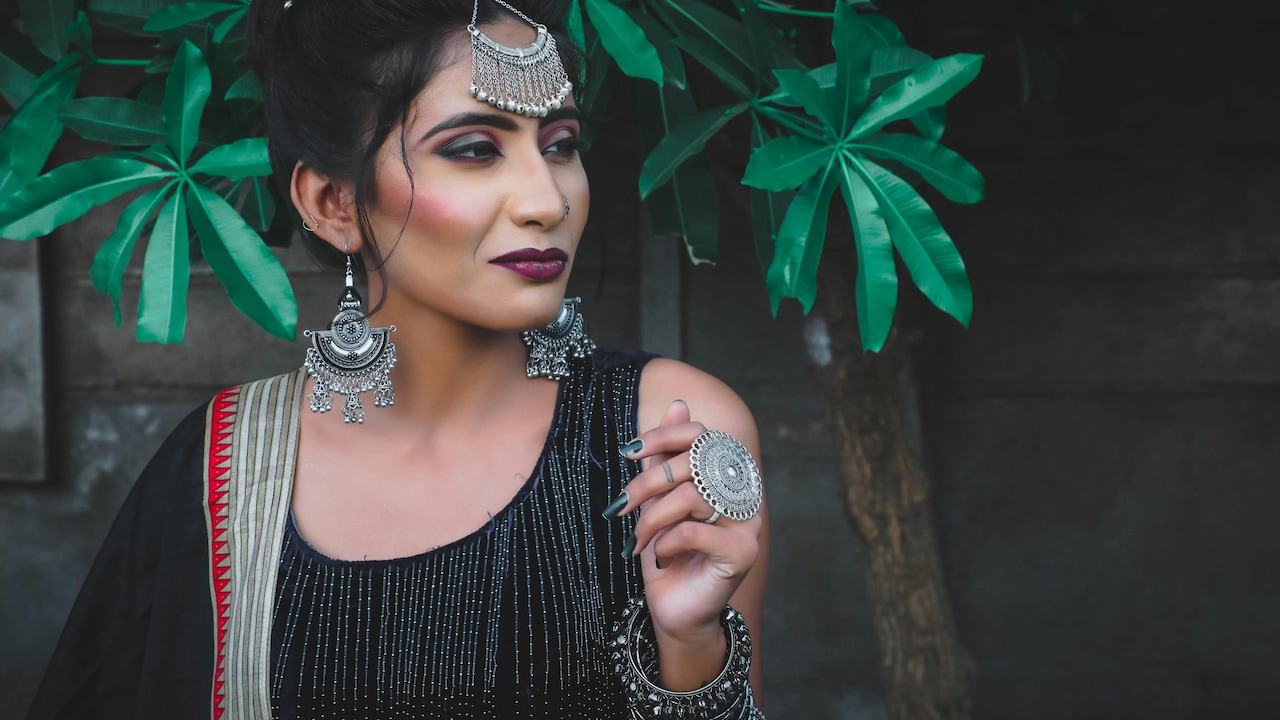
Handcrafted jewellery offers better value than other similar pieces; Photo Credit: Pexels
Stainless Steel And German Silver Make Practical Choices
Not every stylish option requires splurging on sterling silver. Stainless steel and quality German silver offer excellent middle-ground alternatives for those seeking durability without extravagant costs.
Stainless steel resists rust, tarnish, and corrosion remarkably well. It also suits sensitive skin better than many plated alloys. While it may not replicate traditional oxidised finishes perfectly, modern designs increasingly capture ethnic aesthetics beautifully.
German silver, despite its name, contains no actual silver. However, well-crafted versions provide sturdier construction and longer-lasting visual appeal compared to cheaply plated alternatives. Quality varies, so sourcing from reputable sellers matters greatly.
These materials often fall within the ₹800 to ₹3,000 range, making them practical for everyday wear without constant replacement anxiety.
For college students, office-goers, or anyone balancing style with budget, these options offer refreshing reliability. Jewellery should enhance confidence, not create endless maintenance chores.
Lacquer-Coated Jewellery Lasts Longer
One of the smartest upgrades in affordable ethnic jewellery involves lacquer-coated finishes. A transparent protective layer shields metal surfaces from moisture, chemicals, and friction, significantly slowing tarnishing.
Many contemporary jewellery brands now offer oxidised-style jhumkas with anti-tarnish coatings, specifically designed for modern lifestyles. These pieces maintain their appearance far better than unprotected counterparts, especially for regular wear.
While no coating lasts forever, it provides a meaningful extension to jewellery's lifespan. This makes spending ₹1,200 on a protected pair far more sensible than repeatedly purchasing ₹400 pieces that deteriorate rapidly.
Consumers often overlook coating quality while focusing solely on design. Yet this invisible feature can determine whether earrings survive one wedding season or several years.
When shopping, asking sellers about anti-tarnish protection or lacquer finishing can make all the difference. A little awareness goes a long way.
Storage Habits Can Make Or Break Longevity
Even high-quality jewellery suffers when stored carelessly. Tossing jhumkas into tangled boxes, exposing them to sunlight, or leaving them in humid corners accelerates wear dramatically.
Proper storage involves dry pouches, zip-lock bags, or lined jewellery boxes that reduce air exposure. Silica gel packets can help absorb excess moisture, particularly during monsoon months.
Separating pieces also prevents scratches that wear down protective coatings. Delicate earrings deserve more respect than being flung beside hairpins and safety pins.
Simple habits, such as wiping jewellery gently after use, removing sweat residues, and storing pieces immediately, can noticeably extend lifespan.
Think of jewellery care much like preserving silk sarees or embroidered dupattas. Beauty thrives with attention.
Good storage won't transform poor materials into premium treasures, but it can certainly maximise whatever quality exists.
Ethical Shopping Supports Better Craftsmanship
Fast-fashion jewellery often prioritises quantity over quality, encouraging disposable consumption patterns. Cheap silver-toned jhumkas may seem harmless individually, but frequent replacements contribute to waste and unsustainable production.
Supporting skilled artisans, ethical brands, and small jewellery businesses often results in better-crafted products designed to endure. Handmade or responsibly sourced alternatives may cost more initially but offer stronger value over time.
Many homegrown labels now blend traditional aesthetics with durable materials, creating beautiful pieces that honour heritage without sacrificing practicality.
Choosing quality over constant replacement also fosters mindful shopping habits. Instead of overflowing jewellery drawers filled with faded disappointments, buyers build curated collections with lasting significance.
Fashion need not be fleeting to remain exciting.
Style Should Be Smart, Not Short-Lived
Oxidised jhumkas remain beloved for good reason. Their versatility, nostalgia, and elegance hold undeniable appeal. Yet style should not demand endless replacements or recurring frustration.
The real secret lies in looking beyond surface sparkle. Materials, coatings, craftsmanship, and care all shape whether jewellery remains a treasured accessory or a short-lived impulse purchase.
By opting for sterling silver, stainless steel, German silver, or lacquer-coated alternatives, shoppers can enjoy the charm of traditional earrings without constant tarnishing. Smarter choices may require slightly higher upfront spending, but they reward with durability, comfort, and sustained beauty.
Jewellery should celebrate personal style, not test patience.
Products Related To This Article
1. Anouk Women Silver-Toned Elephant Design German Silver Oxidised Dome Shaped Jhumka
2. Bhana Fashion Women Silver-Toned Contemporary Jhumkas Earrings
3. TEEJH Silver-Toned Dome Shaped Jhumkas Earrings
4. Sangria Women Set of 3 Silver-Toned German Silver Oxidised Dome Shaped Jhumka Earrings
5. Silvermerc Designs Silver-Toned Dome Shaped Jhumkas
Silver-toned oxidised jhumkas may win hearts instantly, but their rapid tarnishing often reveals hidden compromises in quality. From fragile plating and humid conditions to skincare products and poor storage, several factors conspire against their longevity. While these fashionable accessories remain visually stunning, they frequently fall short as lasting investments.
Fortunately, better alternatives abound. Genuine silver, stainless steel, German silver, and lacquer-coated designs offer far superior resilience without sacrificing elegance. Thoughtful shopping, proper maintenance, and a focus on craftsmanship can transform jewellery buying from frustrating repetition into a satisfying investment.
In the end, true style isn't about owning the most pieces. It's about choosing accessories that remain beautiful through countless celebrations, coffee dates, and festive evenings. Because jewellery should shine alongside cherished memories, not fade before them.
(Disclaimer: This article may include references to or features of products and services made available through affiliate marketing campaigns. NDTV Convergence Limited (“NDTV”) strives to maintain editorial independence while participating in such campaigns. NDTV does not assume responsibility for the performance or claims of any featured products or services.)