Why Silver Jewellery Turns Black And How To Make It Shine Again At Home
Wondering why silver jewellery turns black? Learn what causes tarnishing and discover safe, easy ways to clean and restore shine at home.
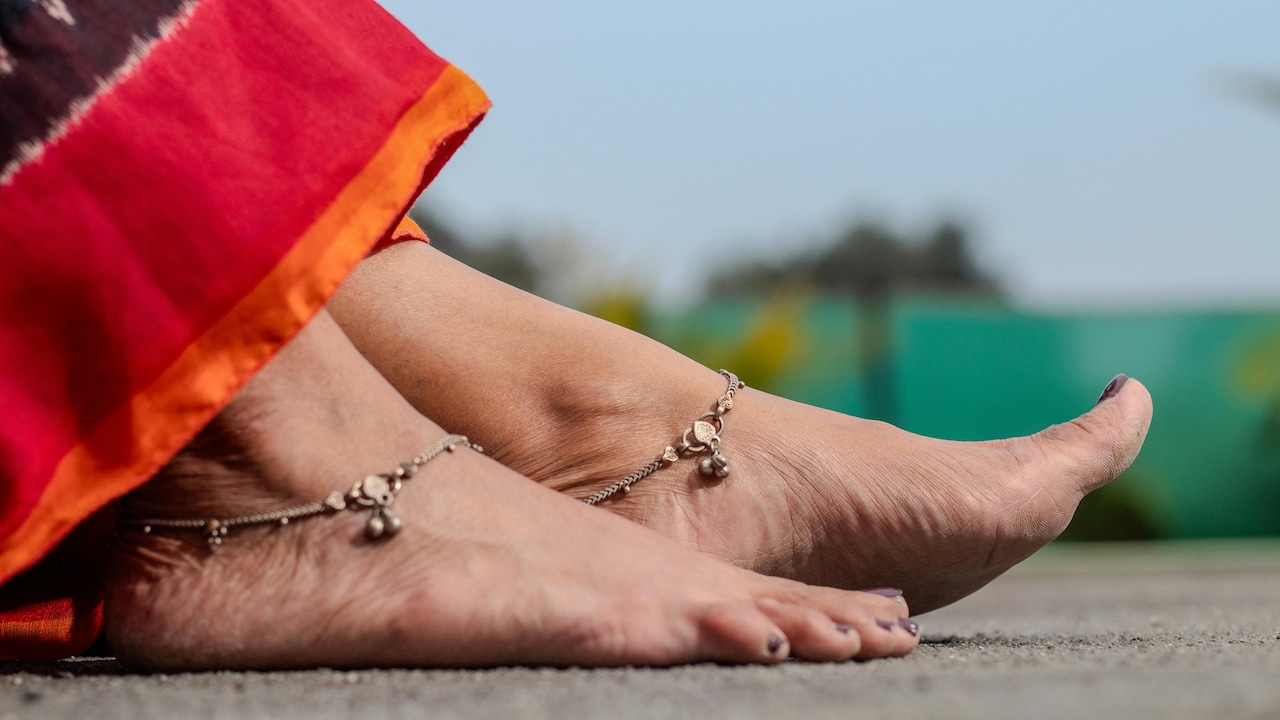
Silver turns black due to a natural reaction with sulphur in the air.
Silver jewellery has always been an easy choice for women, stylish without trying too hard, and versatile enough to work with everyday wear as well as festive looks. From rings and chains to statement earrings, it quietly fits into every wardrobe. But there's one issue that almost everyone has dealt with: silver turning black over time.
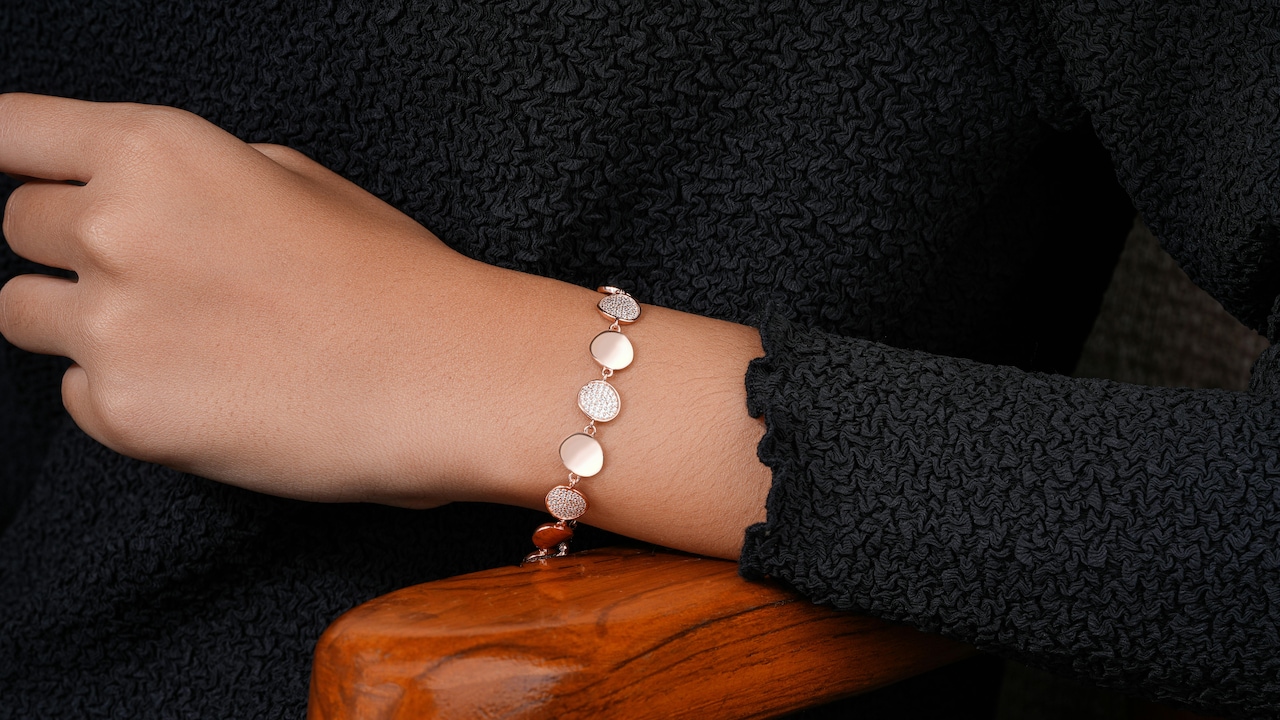
Tarnishing is normal and does not damage silver permanently.
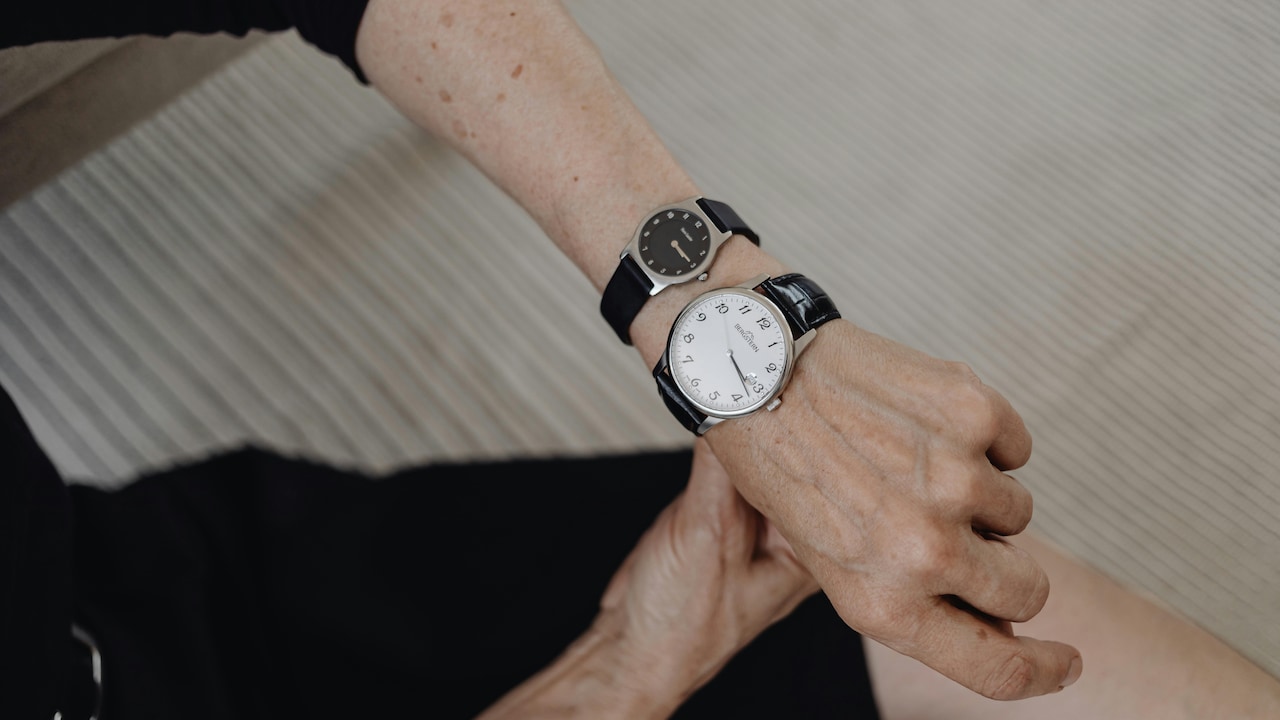
Photo Credit: Pexels
It often catches you off guard. A piece you bought for its clean, understated shine suddenly looks dull, uneven and aged. And while the instinct is to clean it immediately, that comes with its own hesitation. Scrubbing too hard can leave scratches, while experimenting with home remedies raises concerns about permanent damage.
Also Read: Top 10 Forgotten Sarees That Are Perfect For Summers
So what exactly causes silver to turn black, and how can it be restored safely at home?
Why Does Silver Turn Black?
Silver turning black is not a flaw in the metal or a sign of poor quality. It is a natural process that happens due to a chemical reaction.
Most jewellery is made of sterling silver, not pure silver. This means it contains 92.5 per cent silver and a small percentage of other metals such as copper. While this makes the jewellery more durable, it also makes it more sensitive to environmental exposure.
When silver comes into contact with sulphur compounds present in the air, it forms a substance called silver sulphide. This appears as a dark, black coating on the surface, what we commonly refer to as tarnish.
In everyday life, this reaction is almost impossible to avoid. However, certain factors can speed it up significantly.
What makes silver tarnish faster?
- Humidity and pollution: Cities with high pollution levels tend to accelerate tarnishing
- Sweat and body oils: Continuous skin contact, especially in hot weather, affects silver more quickly
- Cosmetics and personal care products: Perfumes, lotions, and hairsprays can react with the metal
- Storage conditions: Leaving jewellery exposed to air or storing it in damp spaces can worsen tarnish
This is why items worn frequently, rings, bracelets, chains, often lose their shine faster than pieces kept aside.
What Is Tarnishing?
Tarnishing is simply the discolouration of silver caused by this chemical reaction. It does not damage the metal structurally, it only affects the surface.
This is an important distinction. Unlike rust, which weakens metals, tarnish is completely reversible. The original shine of silver can be restored with proper cleaning.
However, the process needs to be handled carefully. Using abrasive tools or harsh chemicals may remove the tarnish, but it can also leave behind scratches or strip away fine detailing, especially in delicate or oxidised jewellery.
Why Cleaning Silver Feels Difficult
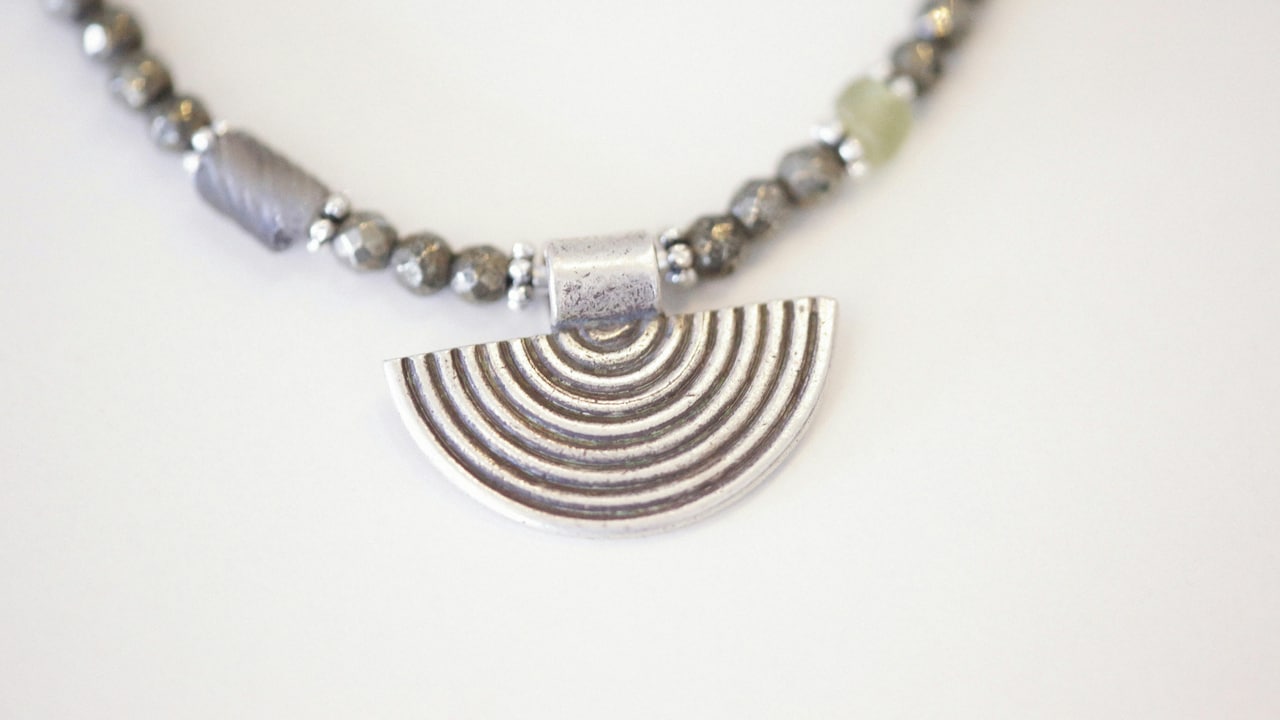
Simple home methods can restore silver shine in minutes.
Photo Credit: Pexels
For many people, cleaning silver at home feels like a risk rather than a solution. There is always uncertainty about how much pressure is too much, or whether a particular method might damage the piece.
Common concerns include:
- Scratching polished surfaces while brushing
- Losing intricate designs due to over-cleaning
- Weakening lightweight chains or joints
As a result, silver jewellery often gets used less frequently or left uncleaned for long periods, which only makes the tarnish more noticeable.
The solution lies in choosing gentle, controlled cleaning methods that restore shine without affecting the integrity of the jewellery.
Easy Ways To Make Silver Shine Again At Home
Restoring silver does not require professional tools or expensive treatments. In most cases, simple methods using everyday items can work effectively, if used correctly.
1. Aluminium Foil And Baking Soda Method
This is one of the most reliable ways to remove heavy tarnish without scrubbing.
How to do it:
- Line a bowl with aluminium foil, shiny side up
- Place your silver jewellery on the foil
- Add one tablespoon of baking soda
- Pour hot water over it and let it sit for 5 to 10 minutes
The tarnish transfers from the silver to the aluminium foil through a chemical reaction, leaving the jewellery visibly cleaner.
Shop Aluminimum Foil and Baking Soda From Amazon Here:
Best suited for: Plain silver pieces without stones or delicate settings
2. Mild Soap And Water Cleaning
If your jewellery is only slightly dull, a gentle clean is often enough.
Steps:
- Mix lukewarm water with a few drops of mild liquid soap
- Use a soft cloth or a soft toothbrush to clean lightly
- Rinse with clean water and dry immediately
This is the safest method for routine maintenance and helps prevent buildup over time.
Shop Microfibre Cloth For Drying From Amazon:
3. Silver Dip Liquid
For a quicker and more convenient option, silver dip liquids are widely available on Amazon and easy to use.
How it works:
- Dip the jewellery into the solution for a few seconds
- Remove it once the tarnish disappears
- Rinse thoroughly with water and dry
These liquids are designed specifically to dissolve tarnish without requiring scrubbing.
Precautions to keep in mind:
- Do not leave jewellery in the solution longer than directed
- Avoid using it on pieces with gemstones, pearls, or oxidised finishes
- Always rinse thoroughly to remove any residue
While highly effective, silver dips should be used carefully and sparingly.
Shop Effective Silver Dip Only On Amazon
4. Lemon And Salt Solution
For those who prefer natural methods, this works well for mild tarnish.
Steps:
- Mix lemon juice with lukewarm water and a pinch of salt
- Soak the jewellery for a few minutes
- Rinse and dry thoroughly
The mild acidity helps lift the tarnish without aggressive cleaning.
What To Avoid While Cleaning Silver
In trying to restore shine, it is easy to make mistakes that cause long-term damage.
Avoid:
- Hard brushes or scrubbing pads
- Strong chemicals such as bleach or ammonia
- Over-polishing or repeated aggressive cleaning
- Soaking jewellery for extended periods
Also be cautious with delicate pieces or those that include stones, as improper handling may loosen settings.
How To Prevent Silver From Turning Black Too Quickly
Although tarnishing cannot be completely stopped, a few simple habits can slow it down.
- Store jewellery in airtight pouches or zip-lock bags
- Use silica gel or anti-tarnish strips to reduce moisture
- Keep pieces away from perfumes and lotions
- Wipe jewellery with a soft cloth after use
- Avoid storing items while they are damp
Regular wear, in fact, can sometimes help maintain silver, as light friction prevents heavy tarnish from settling.
Silver turning black is a normal and expected process, not something to worry about. What matters is how it is managed.
With the right cleaning methods and basic care, silver jewellery can be restored easily at home without the risk of damage. Whether you choose a simple soap wash or a quick silver dip, the key lies in being gentle and informed.
For most people, the real shift is in perception. Silver is not meant to remain untouched, it is meant to be worn, used, and brought back to life when it dulls. And with a little care, that shine is never too far away.
Frequently Asked Questions (FAQs)
1. Why does silver jewellery turn black?
Silver turns black due to a chemical reaction with sulphur in the air, forming silver sulphide on the surface. This process is called tarnishing.
2. Is tarnished silver permanently damaged?
No, tarnish only affects the surface. Silver jewellery can be cleaned and restored to its original shine with the right methods.
3. What is the easiest way to clean silver at home?
The aluminium foil and baking soda method is one of the easiest and most effective ways to remove tarnish without scrubbing.
4. Can I use silver dip liquid safely at home?
Yes, silver dip liquids work quickly to remove tarnish, but they should be used carefully and avoided on jewellery with stones or oxidised detailing.
5. How can I prevent silver jewellery from turning black?
Store silver in airtight bags, avoid contact with moisture and cosmetics, and wipe it after use to slow down tarnishing.
(Disclaimer: This article may include references to or features of products and services made available through affiliate marketing campaigns. NDTV Convergence Limited (“NDTV”) strives to maintain editorial independence while participating in such campaigns. NDTV does not assume responsibility for the performance or claims of any featured products or services.)