Why Proper Fit Is Crucial For Sunglasses Daily Wearability Beyond Fashion Trends
Trendy sunglasses may grab attention, but the right fit delivers comfort, protection, and confidence. A well-fitted pair always outlasts passing fashion fads.
Why Sunglasses Fit Matters More Than Following Fashion Trends
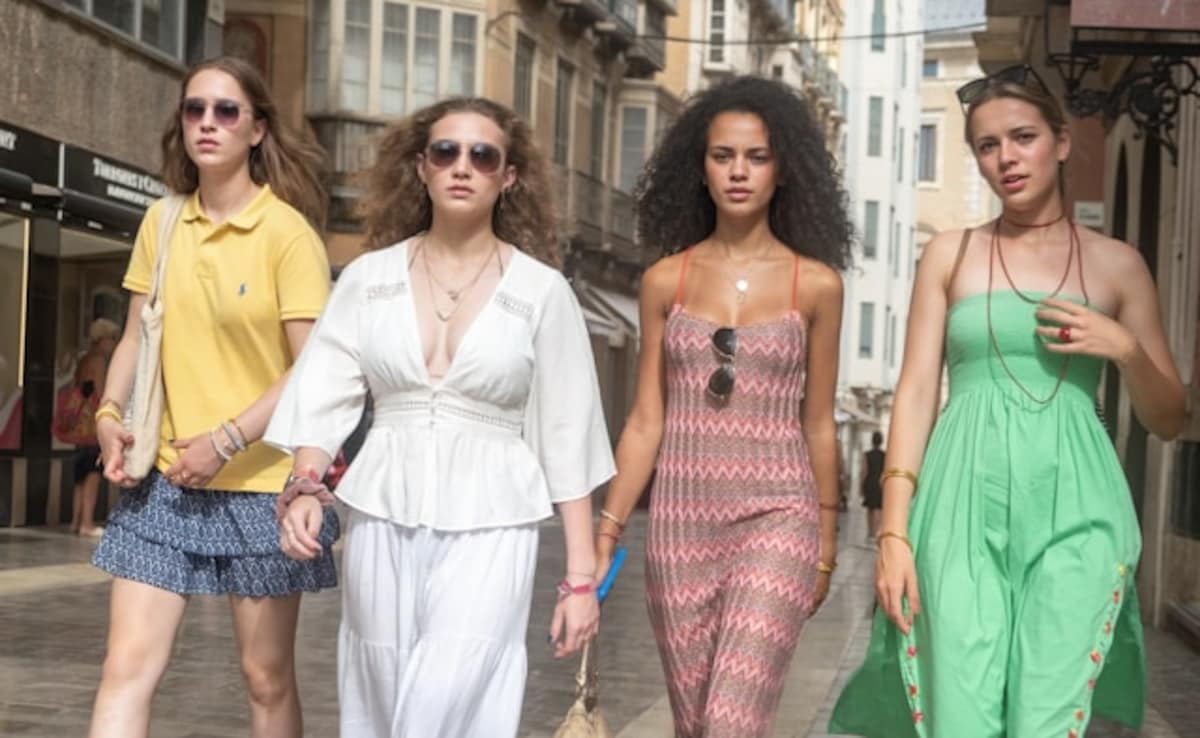
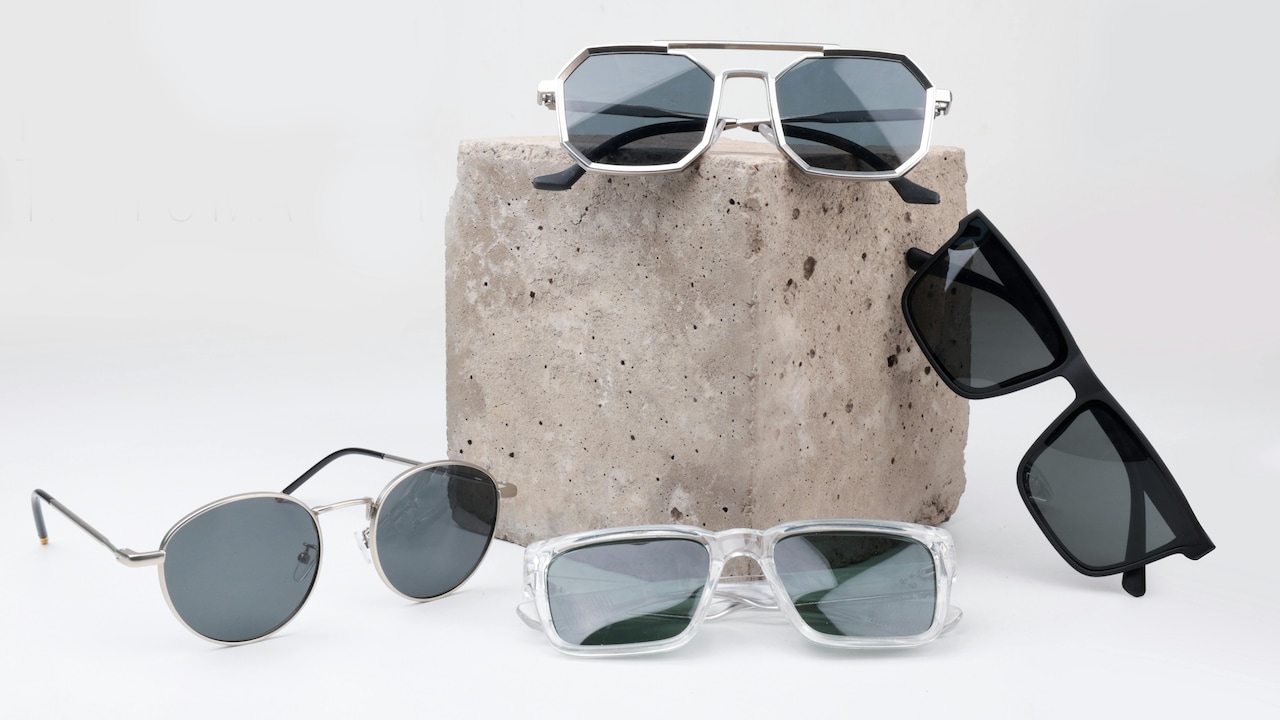
Sunglasses often enter conversations as fashion accessories. Oversized frames dominate one season, tiny retro lenses appear the next, and suddenly everyone wants the pair worn by a film star spotted outside a Mumbai café. Trends move quickly. Comfort, however, stays loyal. Many people buy sunglasses the same way they buy festive sweets before Diwali, quickly, emotionally, and without much thought. A frame looks good under bright store lighting, the mirror says yes, and the wallet opens. Three days later, the glasses slide down the nose every ten minutes, leave marks near the ears, or sit so tightly that even a short autorickshaw ride feels irritating. That is where fit changes everything.
Why Sunglasses Fit Matters More Than Following Fashion Trends
Photo Credit: Pexels
A well-fitted pair of sunglasses does more than flatter the face. It protects the eyes properly, balances weight comfortably, and becomes part of everyday life without demanding attention. Great sunglasses should feel almost invisible. No constant adjusting. No pressure headaches. No awkward slipping while laughing at a roadside chai stall.
Fashion trends may fill social media feeds, but fit decides whether sunglasses actually deserve a place in someone's daily routine. The smartest pair in the shop means very little if wearing it feels like punishment after twenty minutes outdoors.
Why Temple Fit Prevents Constant Irritation
Why Comfort Always Wins Over Hype
Trends create excitement, but comfort decides longevity. A person may buy a trendy geometric frame because it looks glamorous online, yet abandon it within a week because the bridge digs into the nose. That happens more often than brands would like to admit.
Comfort changes the entire relationship with sunglasses. A properly fitted pair rests naturally on the face without squeezing the temples or sliding downward during movement. It stays steady while crossing crowded streets, driving through traffic, or walking through humid afternoon weather. That consistency matters more than any logo stamped on the side.
There is also a psychological side to comfort. When sunglasses fit well, people stop thinking about them. Confidence appears naturally because there is no need for constant adjustment. Poorly fitted sunglasses do the opposite. They create a distraction. Every few minutes, it becomes a battle between style and irritation.
Many shoppers spend ₹6,000 or more on fashionable frames, only to leave them untouched in drawers because wearing them feels uncomfortable. Meanwhile, a simpler pair with an excellent fit gets used every single day. That difference says everything.
A good fit creates loyalty. Trends simply create temporary excitement.
Why Face Shape Is More Important Than Celebrity Influence
Celebrity culture heavily influences eyewear trends. One airport photograph can suddenly convince thousands of people that oversized square frames are essential. The problem begins when people forget that face shapes differ dramatically.
A frame that suits a sharp jawline may overwhelm softer facial features. Tiny oval sunglasses might look edgy on a runway model, but appear awkward during everyday wear. Fit works best when it respects natural proportions rather than forcing a trend onto every face.
Round faces often benefit from structured frames that create definition, while angular faces may suit softer curves. Wider foreheads need balanced proportions, not exaggerated extremes. None of this means strict fashion rules must control personal style. It simply means sunglasses should work with the face rather than compete against it.
There is also the issue of scale. Many trendy frames photograph beautifully yet look impractical in real life. Oversized sunglasses can slip constantly if the frame width exceeds the face. Tiny lenses may fail to provide enough sun protection during harsh summer afternoons.
The best sunglasses enhance personality quietly. They should feel like an extension of someone's natural style instead of a costume borrowed from a celebrity photoshoot.
Fashion inspiration can help narrow choices, but fit should always make the final decision.
Why Nose Bridge Fit Changes Everything
The nose bridge rarely gets attention during shopping, yet it quietly controls comfort more than any other feature. A poor bridge fit can turn stylish sunglasses into a daily annoyance.
Frames that sit too low constantly slide down the nose, especially in humid weather. Anyone who has tried wearing loose sunglasses during monsoon season knows the struggle. One minute, they sit perfectly, and the next, they begin a slow downward journey that demands endless adjustment.
On the other hand, tight nose bridges create pressure marks and discomfort. Some people even develop headaches after prolonged wear because the frame pinches too aggressively near the centre of the face.
Bridge fit also affects visual clarity. Sunglasses positioned incorrectly distort viewing angles and reduce proper eye coverage. That defeats the entire purpose of protective eyewear.
Different nose structures require different designs. Adjustable nose pads often help create flexibility, while keyhole bridges can suit certain face types better than traditional straight bridges. Small adjustments make enormous differences.
The funny thing is that shoppers often spend twenty minutes debating frame colour but only ten seconds checking nose comfort. Then comes the regret during a long outdoor wedding or Sunday cricket match under blazing sunlight.
A great bridge fit creates stability. Without it, even premium sunglasses feel frustratingly cheap.
Also Read: Top 5 Cateye Sunglasses For Women For Retro Summer Looks Under ₹400
Why Proper Fit Improves Eye Protection
Many people associate sunglasses purely with appearance, but protection remains their most important job. Poor fit weakens that protection significantly.
Large gaps between the frame and the face allow sunlight to enter from the sides. That indirect glare strains the eyes even when lenses carry UV protection. A well-fitted frame blocks light effectively and reduces exposure from multiple angles.
This matters particularly during long drives, beach holidays, mountain trips, and afternoon commutes under harsh sunlight. Continuous glare causes eye fatigue faster than most people realise. A properly fitted pair reduces squinting and helps maintain visual comfort for longer periods.
Coverage also matters during dusty conditions. Sunglasses that fit securely protect eyes from wind, pollution, and airborne particles. In crowded urban environments, that protection becomes surprisingly valuable.
Many trendy frames prioritise aesthetics over coverage. Thin lenses and narrow designs may appear fashionable, but they often leave parts of the eye exposed. The result looks stylish in photographs yet performs poorly outdoors.
Eye protection should never become secondary to fashion. Nobody buys an umbrella full of holes simply because it matches an outfit. Sunglasses deserve the same practical thinking.
A good fit strengthens protection naturally. It allows lenses to do their job properly without compromise.
Why Weight Distribution Matters More Than Most People Realise
A lightweight frame does not automatically guarantee comfort. Weight distribution matters far more.
Some sunglasses feel fine for the first fifteen minutes, but become irritating after an hour because pressure concentrates around the ears or nose. Poor balance creates fatigue gradually, which explains why certain frames feel unbearable during long outings.
Well-designed sunglasses distribute weight evenly across contact points. The temples rest comfortably without gripping too tightly, while the bridge supports the frame without excessive pressure. That balance creates a feeling of stability instead of heaviness.
This becomes particularly important for people who wear sunglasses daily. Long commutes, outdoor work, or weekend travel demand frames that remain comfortable for extended periods. Nobody wants temple pain halfway through a road trip to Goa.
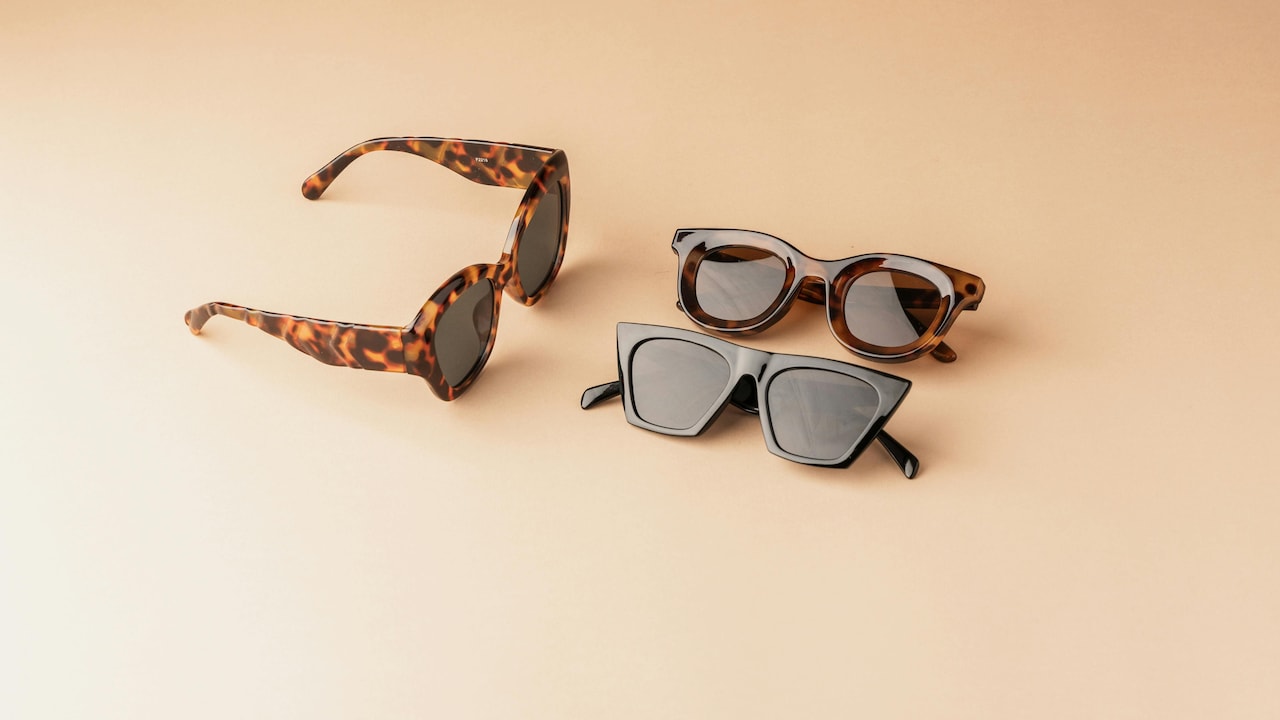
Material also influences balance. Thick acetate frames may look luxurious, but sometimes feel front-heavy. Metal frames can offer lighter support but may require careful adjustment for proper stability. There is no universal winner because facial structure affects comfort differently.
The ideal pair feels secure without constantly reminding the wearer of its presence. That subtle balance separates genuinely good sunglasses from trendy disappointments.
Style may attract attention initially, but balanced comfort keeps sunglasses wearable month after month.
Why Sunglasses Fit Matters More Than Following Fashion Trends
Photo Credit: Pexels
Why Trends Often Ignore Real-Life Practicality
Fashion trends usually emerge from controlled environments, studio shoots, runway events, airport appearances, and carefully curated social media posts. Every day of life looks very different.
Someone rushing through a crowded railway platform does not need sunglasses that slip with every step. A person riding a scooter through traffic requires stability, not dramatic oversized frames blocking peripheral vision. Practicality matters once real life enters the picture.
Some trendy sunglasses also fail under changing weather conditions. Extremely tiny frames offer minimal coverage during peak summer afternoons. Heavy decorative designs become uncomfortable during humid days. Sharp-edged styles may even catch hair awkwardly during windy conditions.
Then comes durability. Delicate trend-driven frames sometimes feel fragile after a few weeks of regular use. Hinges loosen, shapes distort, and comfort disappears quickly. That becomes frustrating after spending ₹8,000 or more on a fashionable pair.
Practical sunglasses survive daily routines gracefully. They handle sweat, movement, sunlight, dust, and long hours without creating irritation. They fit securely during weekend market visits, beach walks, or spontaneous road trips.
Fashion should support life, not complicate it.
Trendy sunglasses may dominate photographs, but practical fit quietly wins real-world loyalty every single day.
Why Confidence Depends on Fit More Than Design
People often assume confidence comes from bold designs or expensive branding. In reality, confidence usually comes from ease.
A well-fitted pair of sunglasses allows natural movement and relaxed behaviour. There is no nervous adjustment during conversations, no awkward slipping during laughter, and no discomfort distracting attention from the moment.
Poor fit creates self-consciousness almost immediately. Constantly pushing frames back into place sends subtle signals of discomfort. Tight sunglasses create tension around facial expressions. Loose temples make wearers overly cautious while moving.
The irony is amusing. Someone may choose dramatic designer sunglasses hoping to appear effortlessly stylish, yet spend the entire evening adjusting them every few minutes.
True style rarely screams for attention. It settles naturally into behaviour. That happens when sunglasses fit properly.
There is also emotional value in finding the right pair. Well-fitted sunglasses often become reliable companions over the years rather than seasonal purchases forgotten after trends shift. People remember comfortable accessories because they become part of routines and memories.
Confidence does not come from wearing what everyone else wears. It comes from wearing something that feels genuinely right.
That quiet certainty always looks more stylish than forced fashion trends.
Why Proper Temple Fit Prevents Daily Irritation
Temple arms may seem like minor details, yet they influence comfort enormously. When temples fit poorly, sunglasses quickly become frustrating.
Tight temples squeeze the sides of the head and create pressure near the ears. After extended wear, this can lead to headaches and skin irritation. Many people blame sunlight or stress without realising that their sunglasses quietly cause the discomfort.
Loose temples create different problems. Frames wobble during movement, shift while speaking, and slip during simple tasks like bending down to pick up shopping bags. That constant instability becomes exhausting.
A good temple fit creates a gentle grip without excessive pressure. Sunglasses should stay secure while allowing natural movement comfortably. This matters especially during active routines such as cycling, travelling, or attending outdoor events.
Hair also affects temple comfort. Thick or curly hair interacts differently with frame arms compared to shorter styles. Proper adjustment helps prevent awkward pulling or uneven balance.
Unfortunately, many shoppers focus entirely on front-frame appearance while ignoring side comfort. The sunglasses may look brilliant in mirrors, yet become unbearable after half an hour outdoors.
Temple fit acts quietly in the background. Nobody notices it when done correctly. Everyone notices it when done badly.
Comfort around the temples often determines whether sunglasses become daily essentials or forgotten accessories collecting dust in drawers.
Why Custom Adjustment Makes Expensive Frames Worth It
Even high-quality sunglasses sometimes require adjustment after purchase. That does not indicate poor quality. It reflects the reality that every face differs slightly.
Professional fitting can transform average comfort into exceptional comfort. Small adjustments to nose pads, temple tension, or frame alignment dramatically improve wearability. Unfortunately, many people skip this step entirely.
There is a strange assumption that expensive sunglasses should fit perfectly straight out of the box. In reality, customised adjustment often separates the luxury experience from disappointment.
A ₹12,000 frame sitting unevenly on the face still feels uncomfortable. Meanwhile, a moderately priced pair adjusted carefully may feel flawless. Fit personalisation matters more than price tags.
Frames also shift over time due to heat, storage habits, and daily wear. Regular maintenance keeps sunglasses comfortable longer. Simple tightening and alignment adjustments prevent unnecessary discomfort.
People happily tailor clothing for a better fit, yet often ignore eyewear adjustments despite wearing sunglasses directly on the face. That logic never quite adds up.
Good sunglasses should adapt to the wearer rather than forcing the wearer to tolerate discomfort. Custom fitting allows exactly that.
A properly adjusted frame transforms sunglasses from decorative accessories into dependable everyday essentials.
Why Timeless Fit Outlasts Temporary Fashion Cycles
Fashion trends change rapidly because novelty drives attention. One season celebrates oversized shields, another embraces colourful transparent frames, and suddenly everyone wants narrow retro lenses again.
Fit, however, never goes out of style.
A well-fitted pair remains useful across years because comfort and functionality stay relevant regardless of changing trends. People often rediscover old sunglasses simply because they still feel excellent to wear, even after newer styles arrive.
Timeless sunglasses usually share one common feature: balance. They suit the face naturally without relying on exaggerated details for impact. Their comfort encourages regular use, which slowly builds emotional attachment.
That is why some people keep the same sunglasses for five or even ten years. The frame becomes associated with holidays, road trips, family gatherings, and everyday routines. Trendy pieces rarely build that connection because their appeal fades quickly once fashion shifts elsewhere.
There is also financial wisdom in prioritising fit. Constantly replacing uncomfortable, trendy sunglasses becomes expensive over time. Investing in a pair that fits beautifully often proves smarter and more satisfying.
Style should evolve naturally, not through pressure to chase every passing trend.
A timeless fit creates consistency, comfort, and reliability. Those qualities never lose relevance, regardless of what dominates fashion feeds next month.
Why Sunglasses Fit Matters More Than Following Fashion Trends
Photo Credit: Pexels
Products Related To This Article
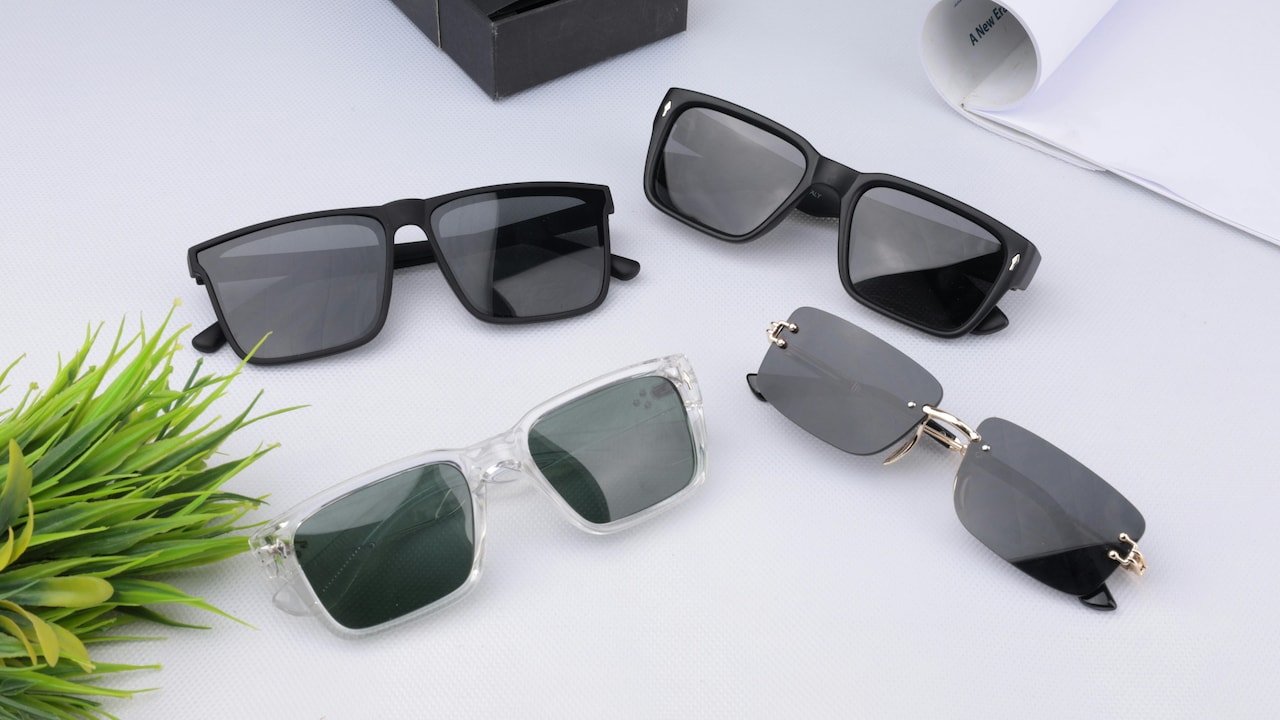
1. Voyage Unisex Black Lens Oval Sunglasses with UV Protected Lens
2. WROGN Unisex Square Sunglasses With UV Protected Lens 5227 gold blue pink
3. LEGEND EYEWEAR Unisex Wayfarer Sunglasses with UV Protected Lens Voyage
4. H&M Oval Sunglasses
5. SPADEACES Men Aviator Sunglasses with UV Protected Lens SILVER BLUE ROCKK
6. MANGO Women Rectangle Sunglasses
7. ROYAL SON Women Oversized UV Protected Sunglasses
Sunglasses certainly influence personal style, but fit shapes the actual experience of wearing them. Comfort, stability, protection, and confidence all depend far more on proper fit than on trendy designs or celebrity influence.
The best sunglasses rarely demand attention every second. They sit comfortably, protect the eyes effectively, and complement daily life without creating irritation. That quiet reliability matters far more than temporary fashion excitement.
Trends will continue changing faster than traffic lights during rush hour. One month celebrates bold oversized frames, the next suddenly revives vintage minimalism. Through all of it, proper fit remains constant.
A great pair of sunglasses should feel natural during long drives, afternoon walks, crowded commutes, beach holidays, and casual chai breaks with friends. It should protect the eyes while supporting personal style effortlessly.
Fashion may attract people toward a frame initially, but fit determines whether the sunglasses remain loved long after the trend disappears.
(Disclaimer: This article may include references to or features of products and services made available through affiliate marketing campaigns. NDTV Convergence Limited (“NDTV”) strives to maintain editorial independence while participating in such campaigns. NDTV does not assume responsibility for the performance or claims of any featured products or services.)